Welcome to Yoshinogari Historical Park
Step through a temporal portal into the Yayoi period, where the scent of sun-warmed thatch and damp earth hangs heavy in the air. Yoshinogari Historical Park is not merely an archaeological site; it is a living tapestry of Japan's nascent soul. As you wander past towering watchtowers and defensive moats, the silence of the Saga plains whispers stories of ancient chieftains and mystical priestesses. The golden sun sets behind reconstructed pit dwellings, casting long, evocative shadows that bridge the gap between two millennia. This is a destination of profound stillness and historical weight, offering a rare opportunity to touch the very roots of Japanese civilization amidst the rustling grasses and the vast, open sky of Kyushu.
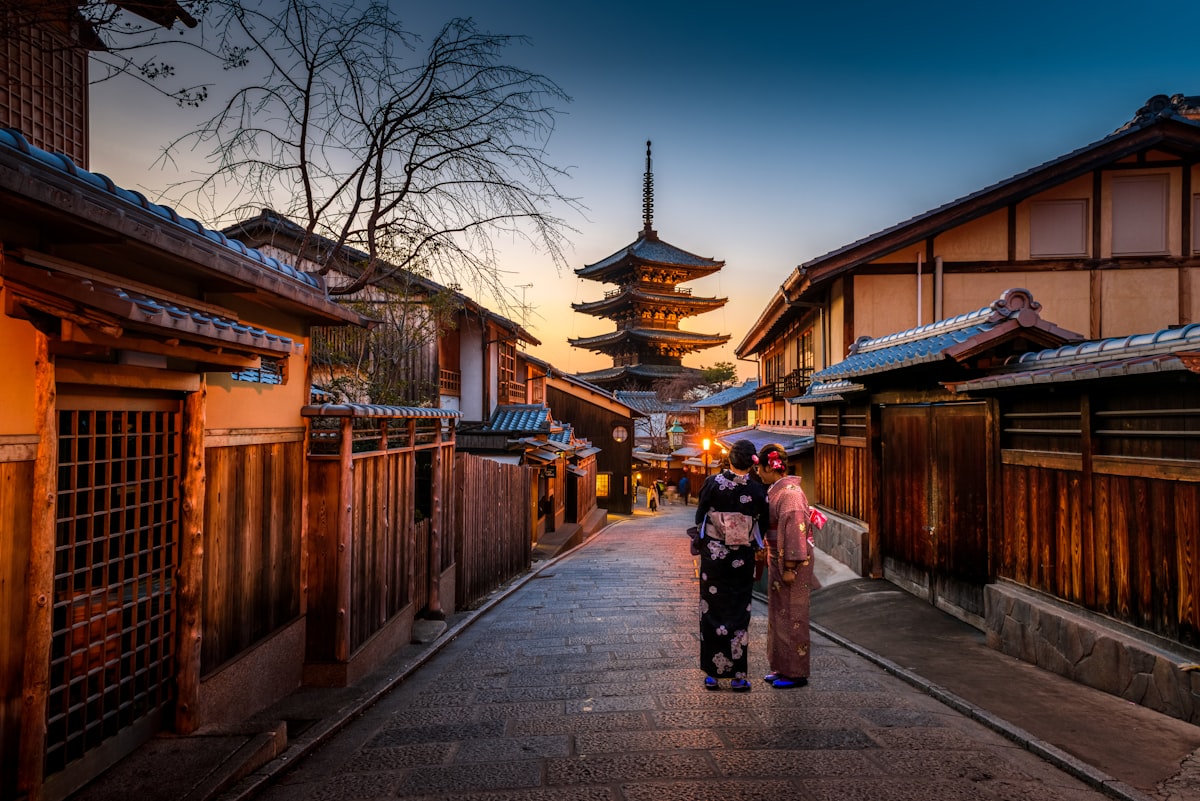
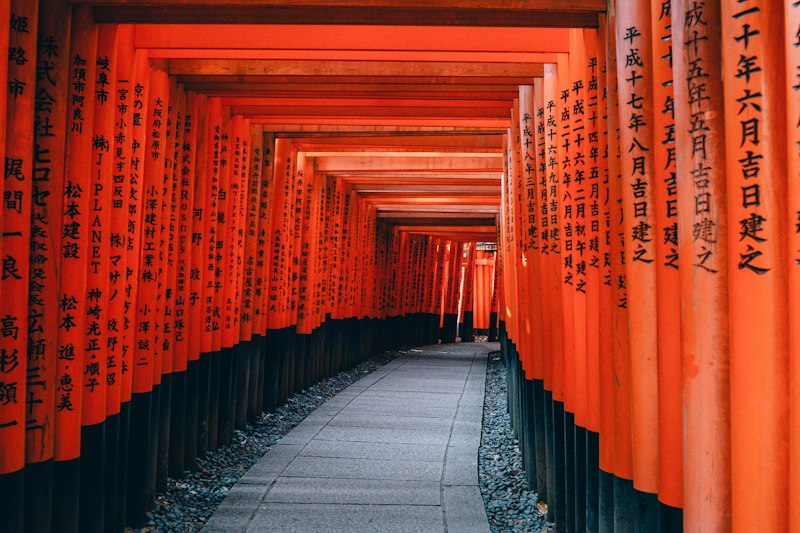
Kitanyushin (The North Inner Enclosure)
This is the sanctum sanctorum of the ancient settlement, where the highest priestesses once communed with the heavens. The towering, multi-story shrine stands as a testament to early Japanese architectural ingenuity. Within these walls, the air feels charged with a primordial energy. You can almost hear the rhythmic chanting of rituals that decided the fate of the nation. The reconstructed interiors, draped in woven mats and ancient artifacts, provide a tactile connection to a forgotten spiritual hierarchy that once ruled the Saga plains with divine authority.
Kita-fumbo (The Great Burial Mound)
A somber and awe-inspiring site, this massive mound houses the remains of ancient royalty. Entering the climate-controlled interior is like stepping into a silent, subterranean cathedral. Rows of jar burials (kamekan) are preserved in situ, their earthen textures illuminated by soft, respectful lighting. It is a place of profound reflection on the cycle of life and the reverence for ancestors that has defined Japanese culture for centuries. The cool, still air inside provides a stark, emotional contrast to the vibrant life of the village outside.
Minami-naiku (The South Inner Enclosure)
The administrative heart of the ancient state, this area features the impressive 'King's House' and various watchtowers. Here, you can experience the daily pulse of Yayoi life. Climb the watchtowers to gaze across the defensive moats and sharpen your perspective on ancient warfare and diplomacy. The scale of the fortifications is breathtaking, revealing a society that was both sophisticated and strategically minded. The tactile nature of the wooden structures—rough-hewn and sturdy—invites you to touch the history that shaped the Japanese identity.
Local Soul Food
Tastes you can't find anywhere else.

Saga Beef (Saga-gyu) Teppanyaki
Experience the buttery melt of world-class Saga Beef. The marbling is so intricate it resembles fine art, dissolving on the tongue with a rich, nutty sweetness and a saline hint of the nearby sea. Seared to perfection on a hot iron plate, the aroma of rendered fat and garlic is intoxicating.
Yoshinogari Red Rice (Akame)
A tribute to the ancient grains of the Yayoi period, this heritage rice is steamed to a chewy, satisfying texture. It carries an earthy, wholesome fragrance that pairs perfectly with local pickles. The deep crimson hue is entirely natural, symbolizing the vitality of the land that has fed Kyushu for millennia.
Takezaki Crab (Gazami)
Harvested from the nutrient-rich Ariake Sea, these crabs are renowned for their incredible sweetness and creamy roe. The meat is tender and succulent, pulling away from the shell in delicate, white flakes that taste of the ocean's pure essence. It is a seasonal delicacy that defines Saga's coastal luxury.
Premium Stays
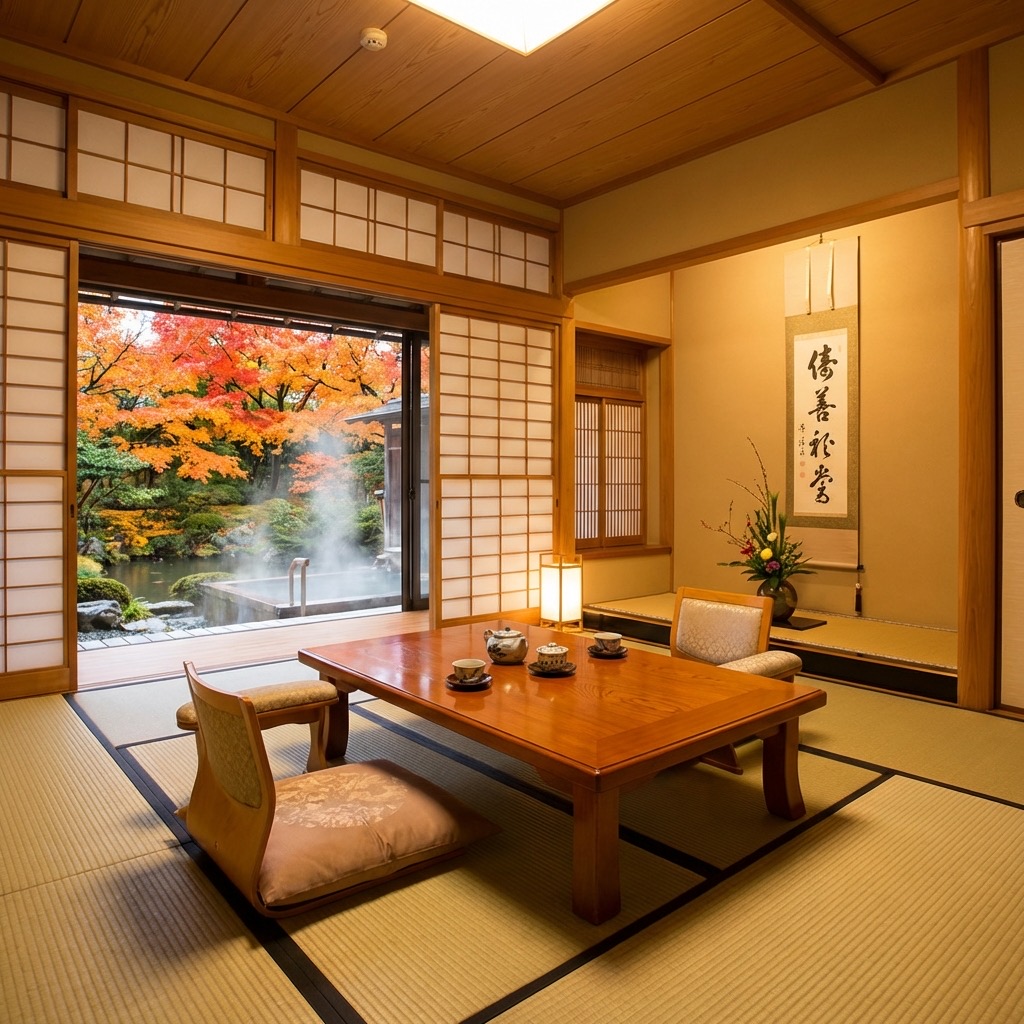
For the ultimate experience, stay in nearby Takeo Onsen or Saga City. Takeo offers historic ryokans with healing waters, while Saga City provides modern convenience and proximity to the region's finest dining.
Getting There
Take the JR Nagasaki Main Line to Yoshinogari-koen Station. From there, it is a well-marked 15-minute walk to the main entrance. Trains run approximately every 20-30 minutes from Saga Station.
FAQ
Inspired?
Share this destiny with someone special.