Saga
Welcome to Yobuko Port
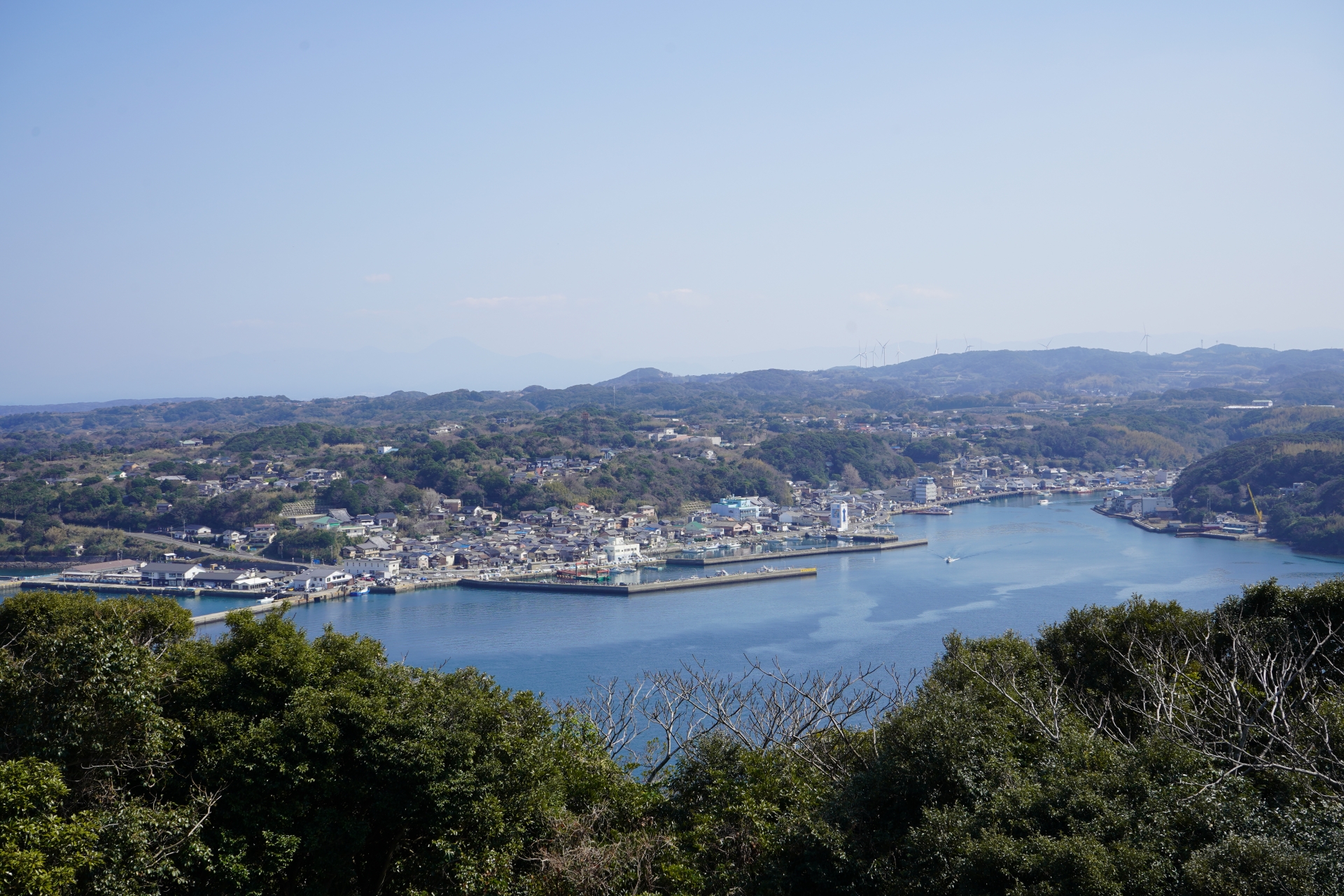
Stepping into Yobuko Port is like inhaling the very essence of the Genkai Sea—a heady mix of saline mist, cedarwood smoke, and the vibrant chatter of a hundred-year-old tradition. Located on the northern tip of Saga Prefecture, this harbor town is a sanctuary for those who seek the authentic pulse of coastal Japan. Here, the rhythm of life is dictated by the tides and the morning bells of the market. It is a place where culinary artistry is born from the depths of the ocean and where the architecture tells stories of maritime resilience. From the crystalline transparency of its world-famous squid to the rugged basalt cliffs that guard the bay, Yobuko offers a profound sensory awakening that transcends the typical tourist trail.
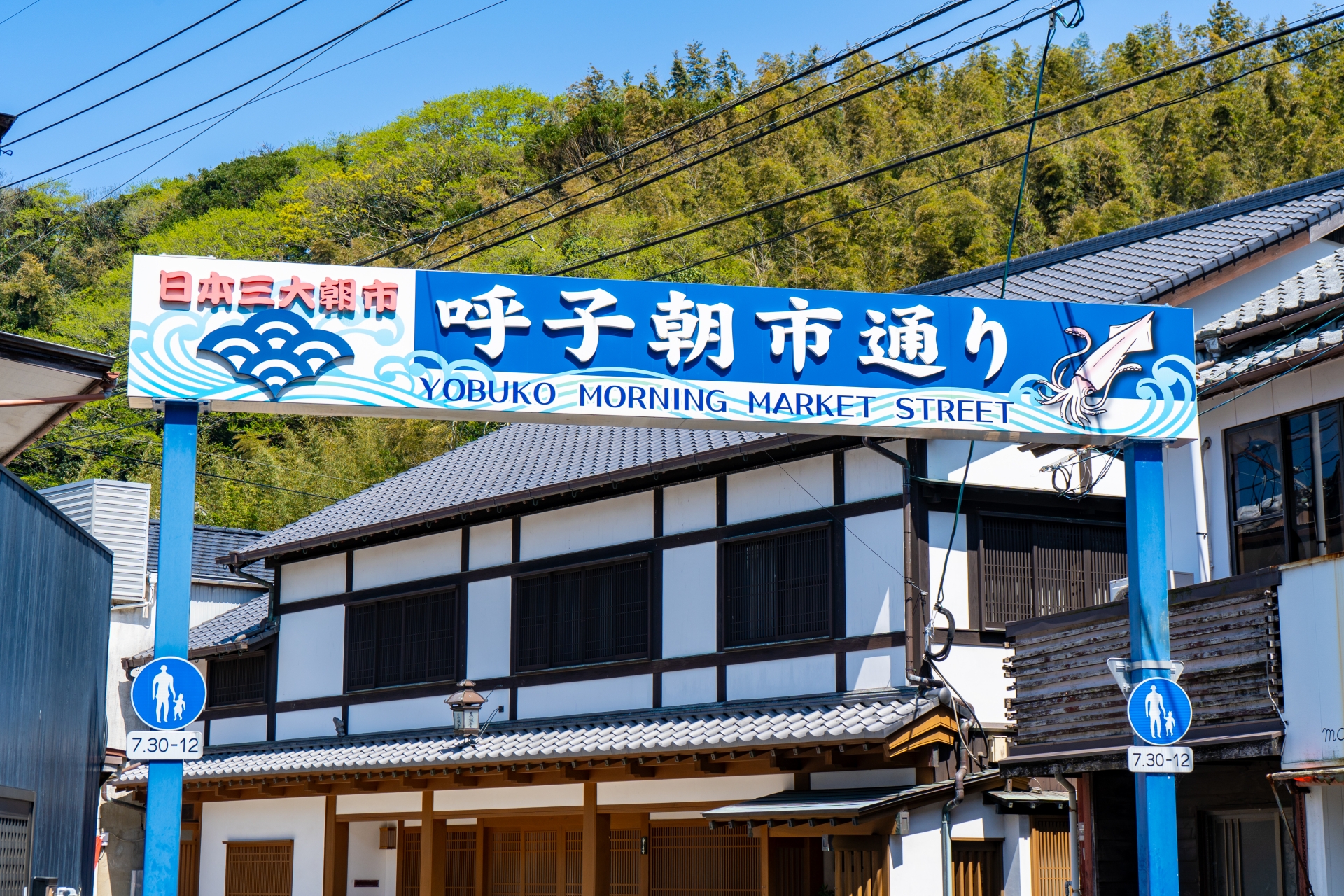
Yobuko Morning Market (Asa-ichi)
For over a century, the 200-meter stretch of Asa-ichi Street has transformed daily into a vibrant tapestry of commerce and culture. Beneath the colorful parasols, local grandmothers—the 'Ba-chan' of Yobuko—offer everything from sea urchin cracked open before your eyes to air-dried mirin-boshi. The air is thick with the scent of charcoal-grilled seafood and the rhythmic calls of vendors. It is not merely a market; it is a living museum of communal spirit where the bond between the sea and the people is palpable in every exchange.
Nanatsugama Caves
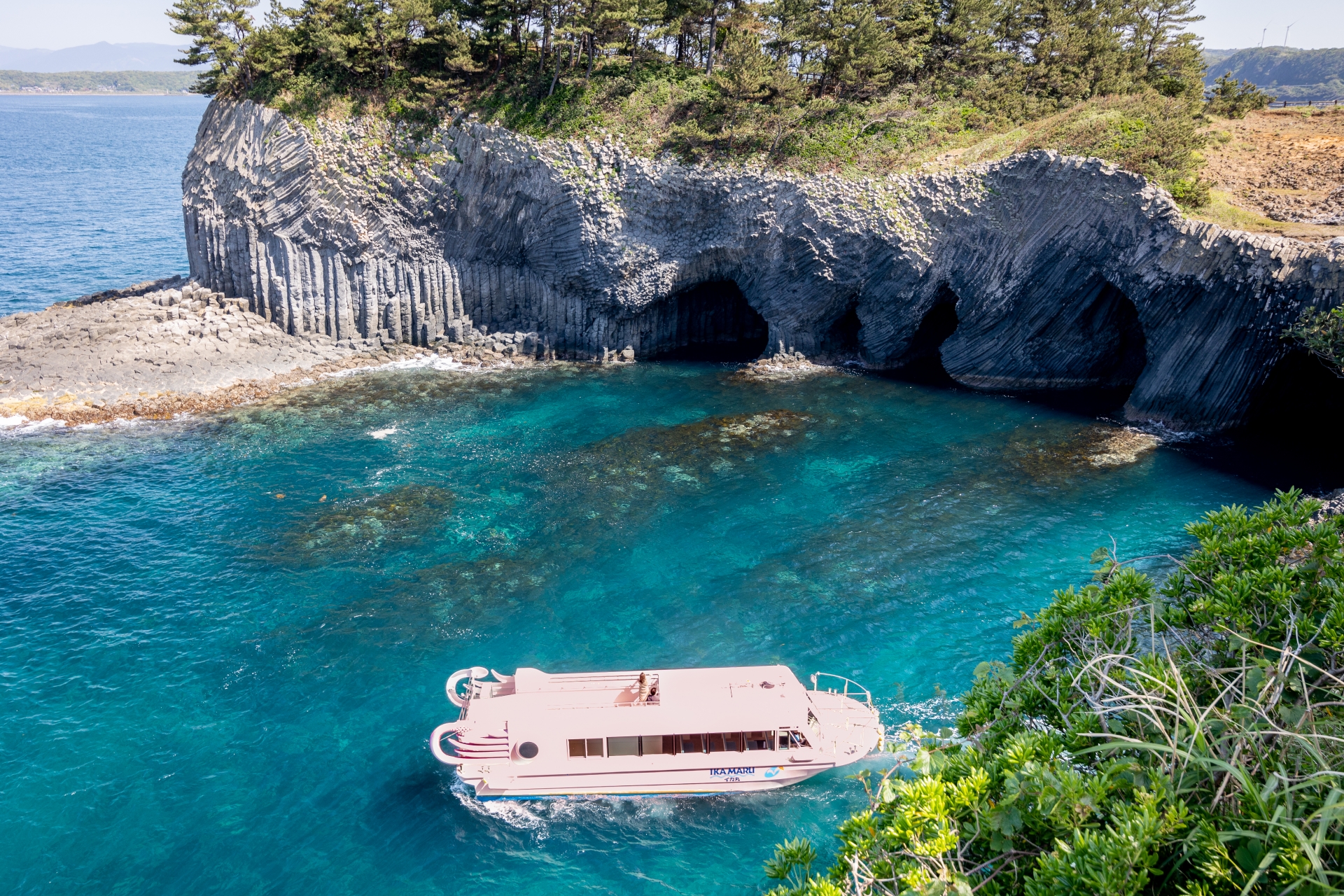
Nature’s architectural prowess is on full display at Nanatsugama, where the relentless waves of the Genkai Sea have carved seven deep caverns into the basalt cliffs. These hexagonal columns, reminiscent of a cathedral's pipes, create a dramatic contrast against the churning turquoise waters. Viewing these formations from the coastal plateau provides a sense of the sublime, but entering the caves via a sightseeing boat offers an intimate look at the intricate textures and the echoing power of the ocean’s breath.
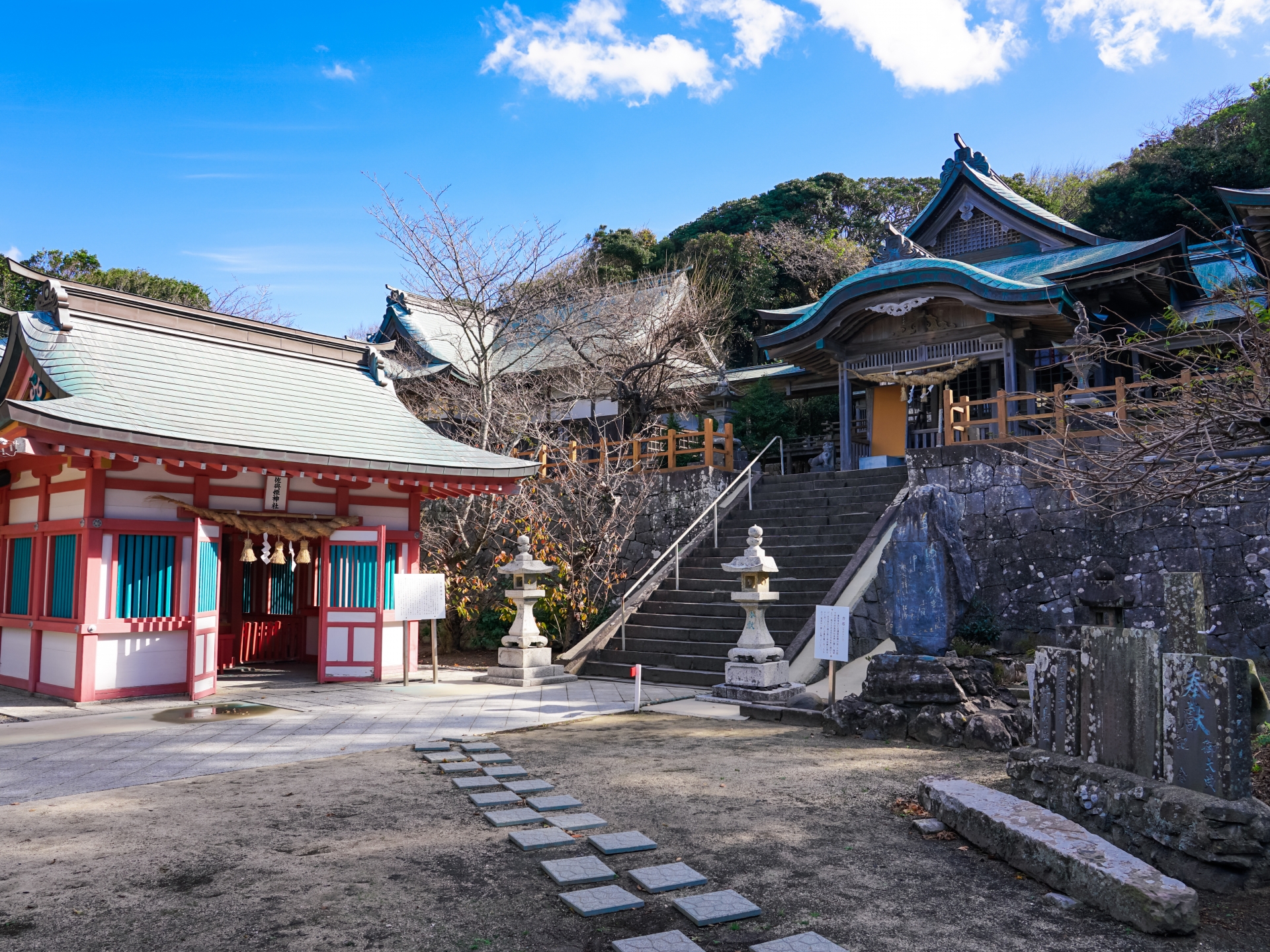
Hime-no-miya Shrine (Kabeshima)
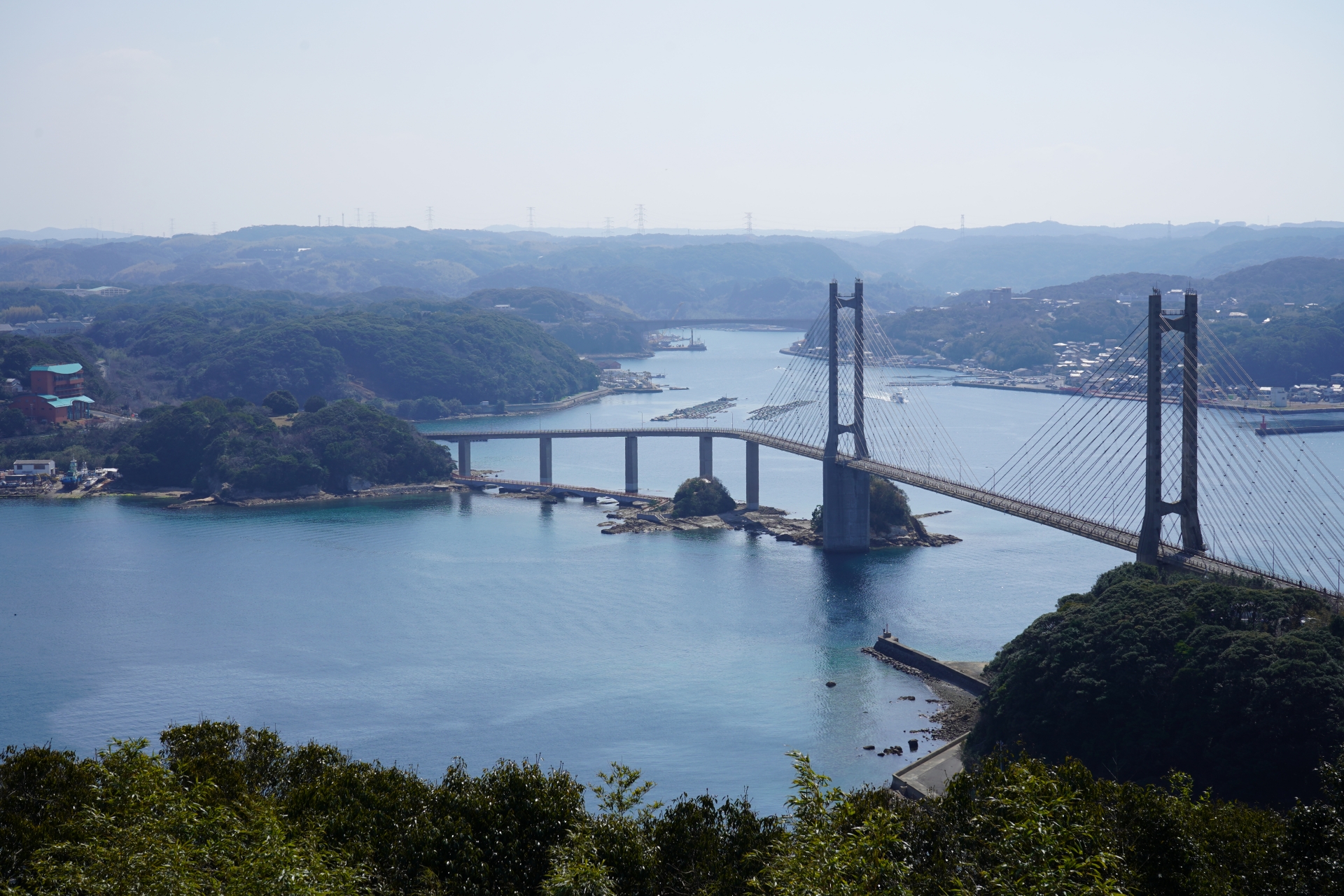
Located on the tranquil island of Kabeshima, connected by the graceful Yobuko Bridge, this shrine is a hidden spiritual enclave. Dedicated to the goddess of safe voyages and fertility, the shrine sits amidst lush greenery with a stunning vista of the open sea. The atmosphere is heavy with the scent of pine and salt, offering a meditative silence that contrasts with the bustling port. Walking the stone path to the water’s edge feels like stepping back into a Japan of myth and legend.
Local Soul Food
Tastes you can't find anywhere else.
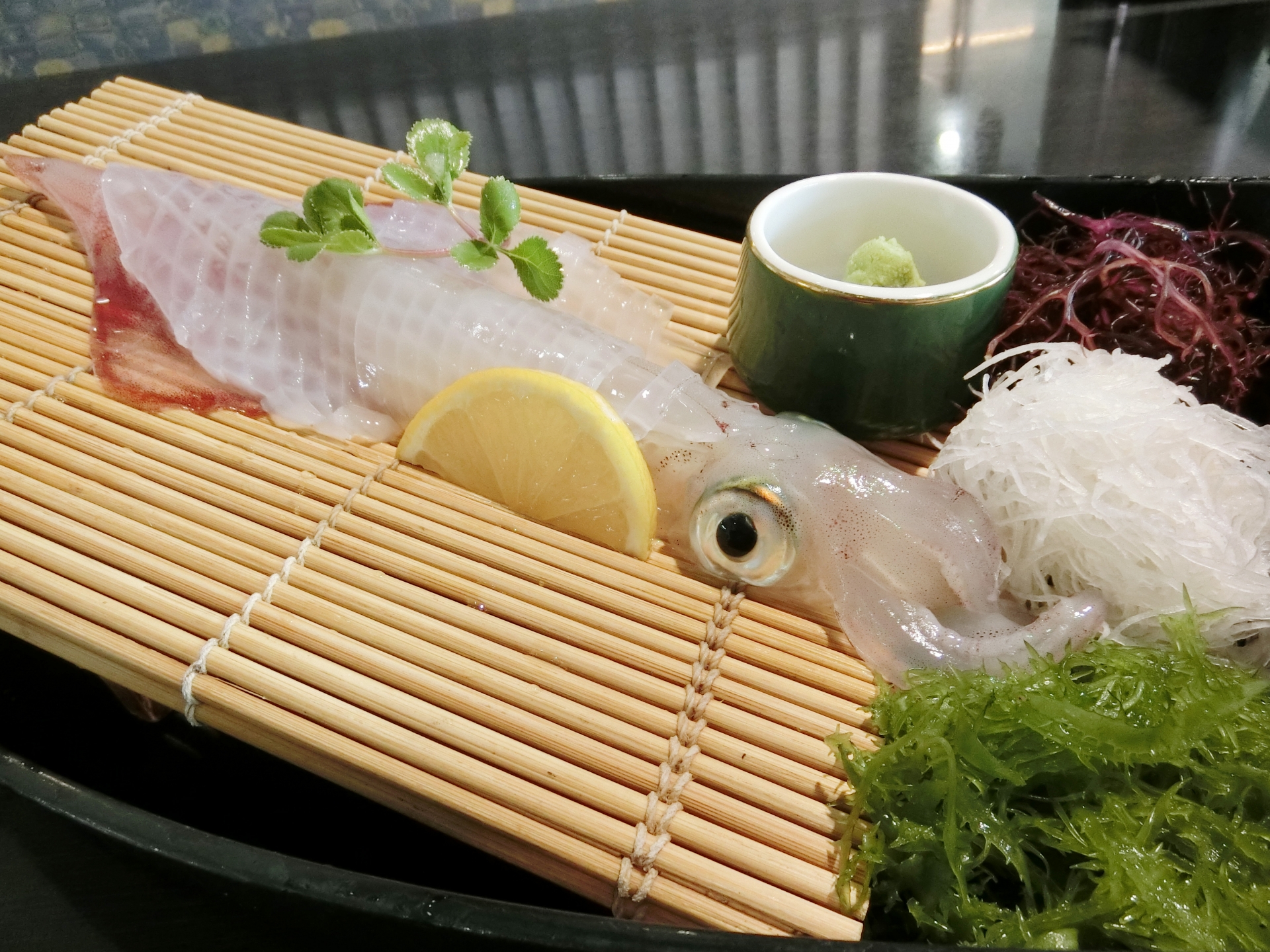
Ika no Ikizukuri (Live Squid Sashimi)
The pinnacle of Yobuko cuisine. The squid is served so fresh it remains completely translucent, glistening like a diamond on the plate. The texture is a revelation—a firm, snapping crunch followed by a delicate, creamy sweetness that melts on the tongue. Once the sashimi is enjoyed, the remaining tentacles are often prepared as light, airy tempura, providing a warm, savory finish to a masterclass in seafood purity.
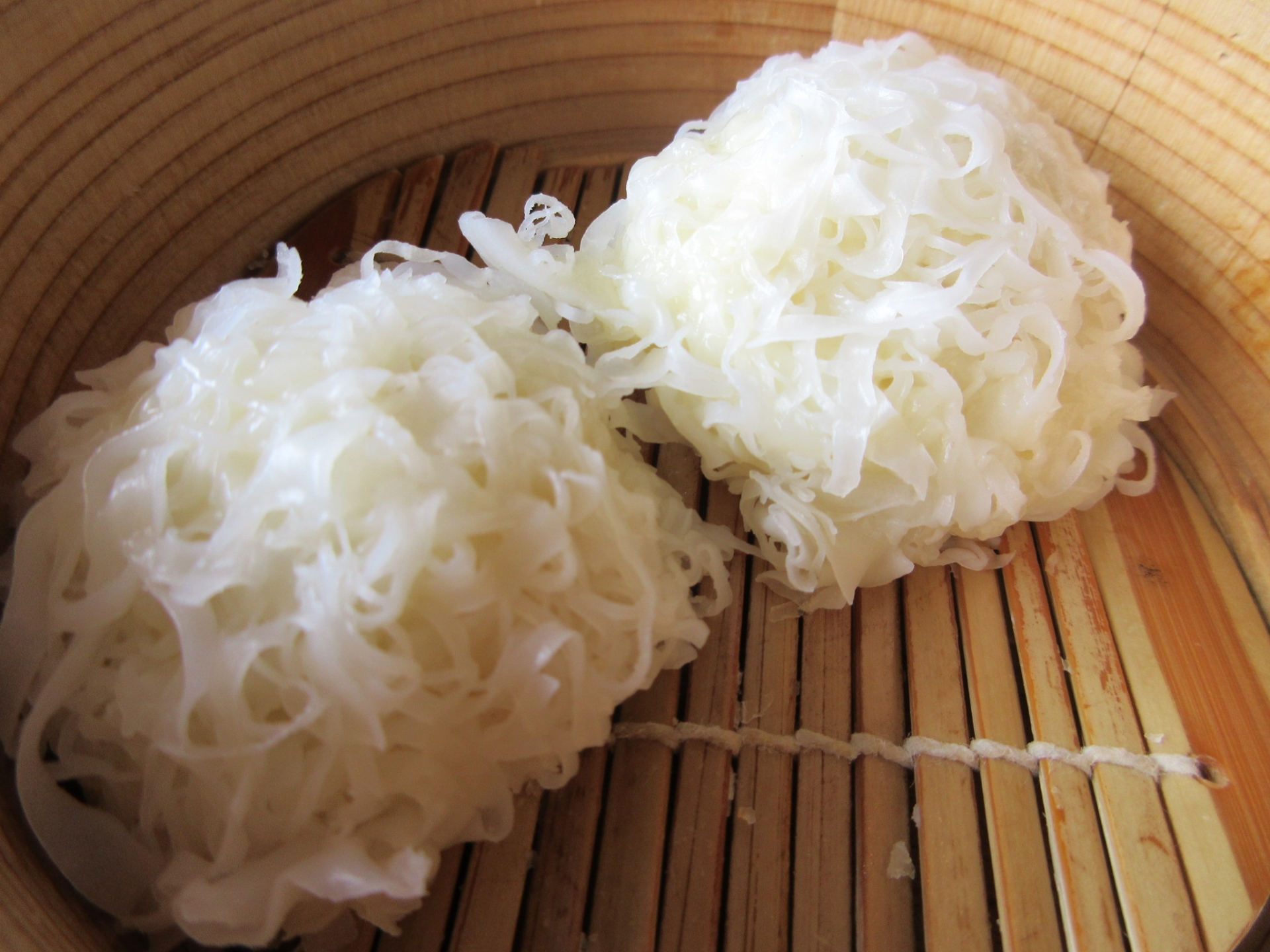
Ika-shumai (Squid Dumplings)
A culinary icon of the region, these dumplings are the 'marshmallows of the sea.' Wrapped in thin strips of wonton skin that resemble the fluttering fins of a squid, the filling is a sublime blend of minced white fish and sweet Yobuko squid. Steamed to perfection, they offer a cloud-like texture that releases a burst of oceanic umami with every bite. It is a comforting, sophisticated staple of the harbor.
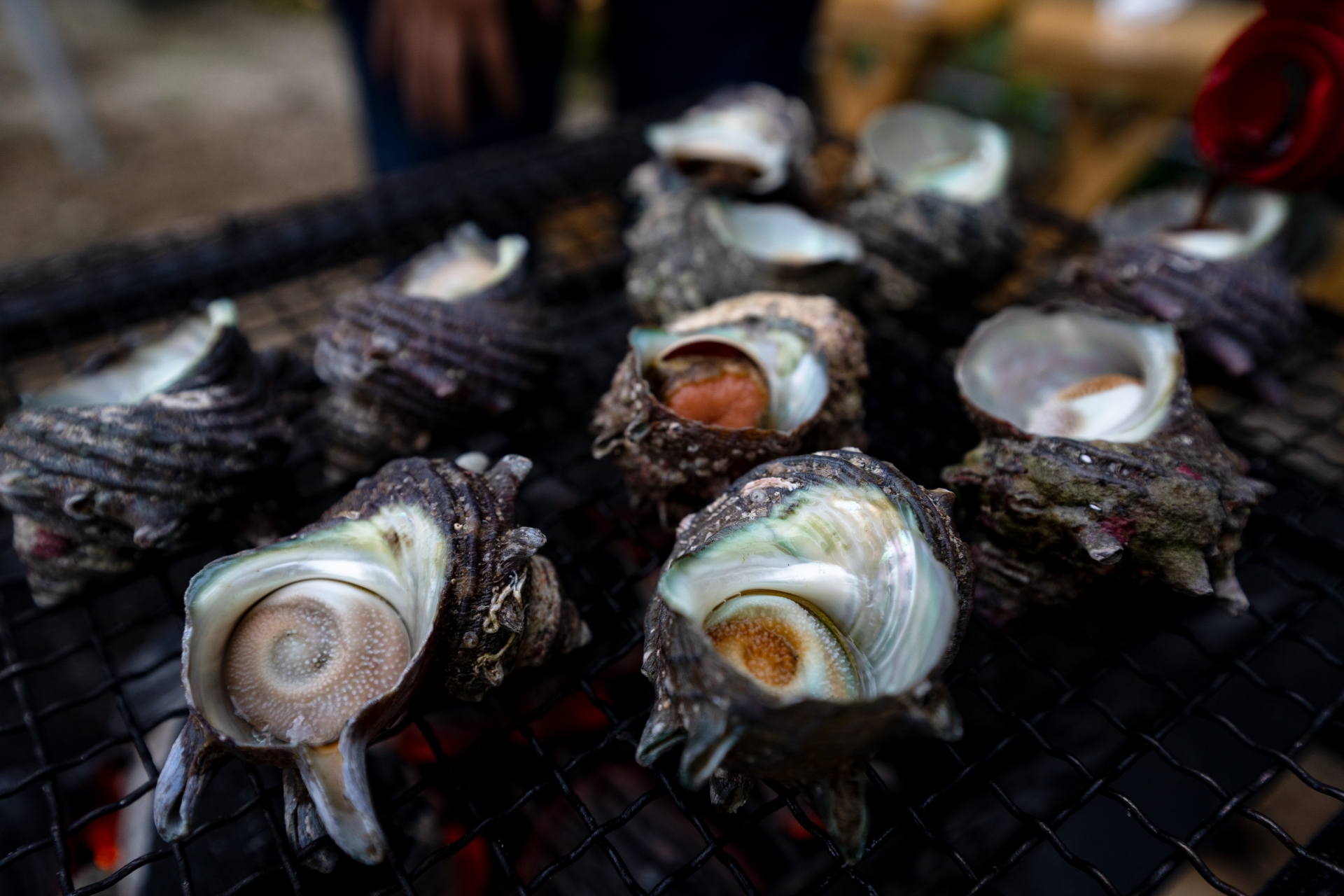
Grilled Sazae (Turban Shell)
Found at the morning market stalls, these shells are grilled over open flames until the juices inside bubble with the essence of the sea. The meat is firm and succulent, seasoned simply with a splash of soy sauce that caramelizes against the hot shell. The aroma of charred sea salt and savory soy is the quintessential scent of Yobuko’s streets, offering a rustic yet luxurious street-food experience.
Premium Stays
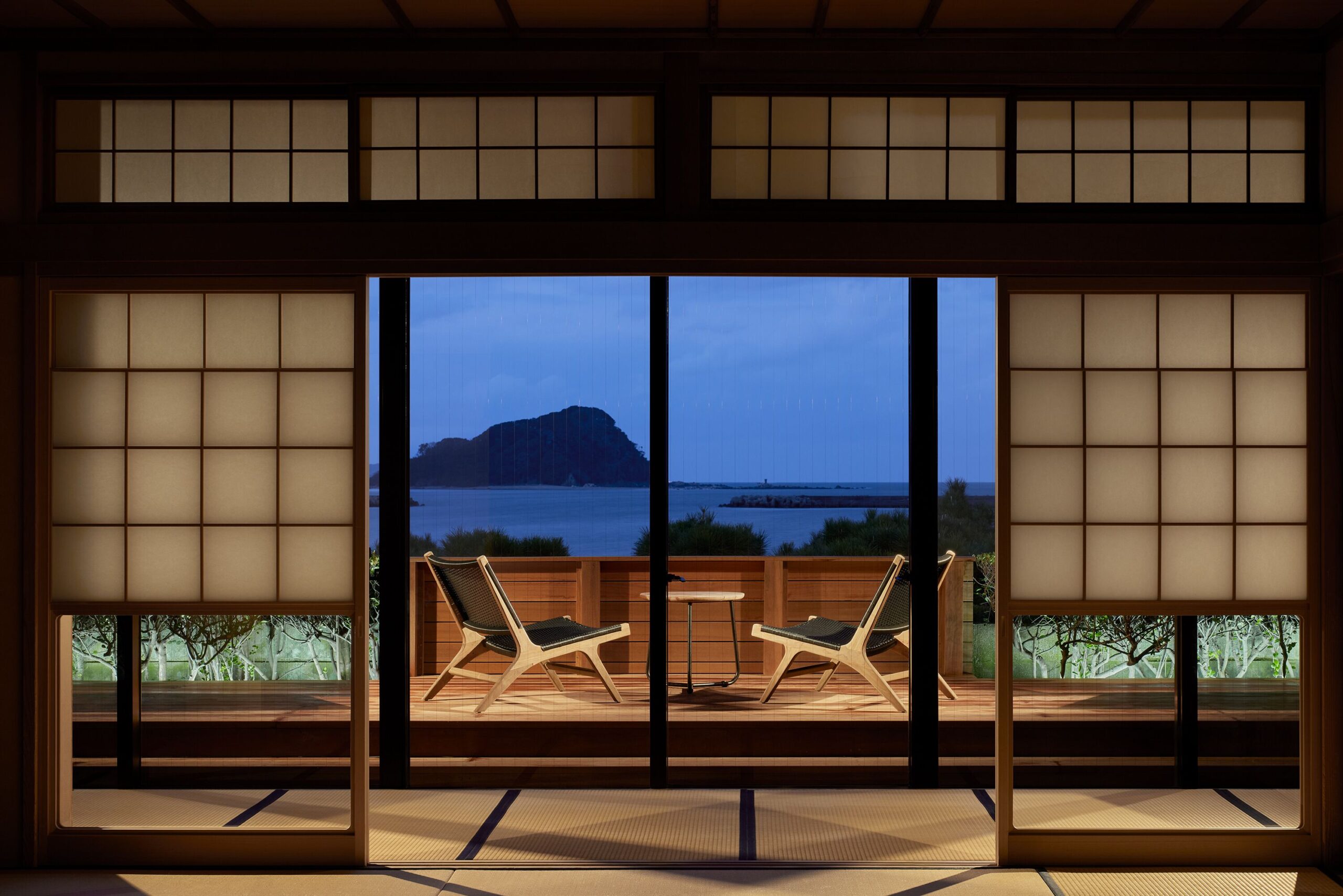
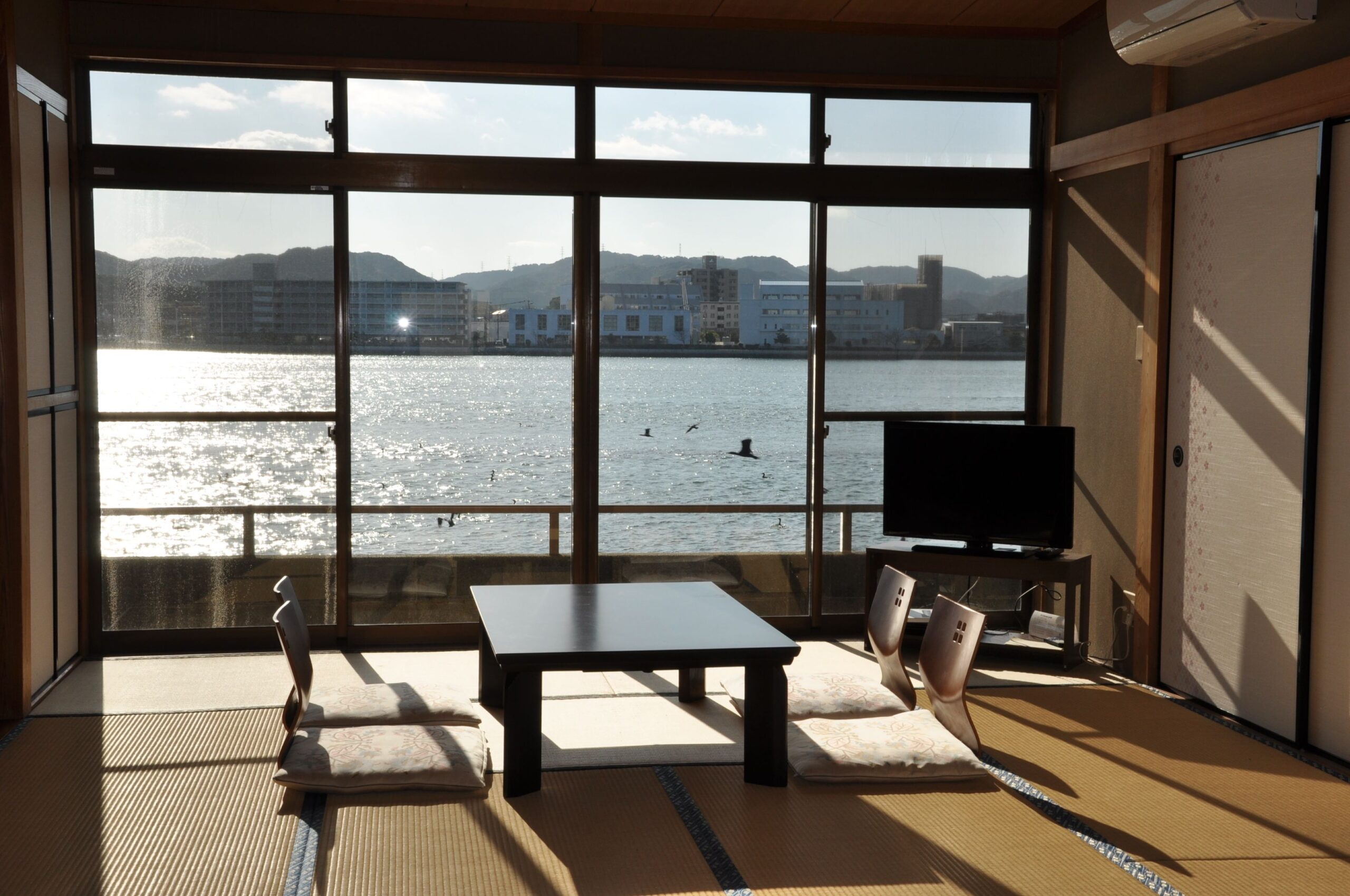
To fully immerse yourself in the maritime charm of Yobuko, staying near the harbor is essential. While the port offers intimate traditional inns, the nearby Karatsu area provides expansive luxury resorts that overlook the same majestic Genkai coastline, allowing for a seamless blend of rustic exploration and refined relaxation.
Getting There
From Fukuoka (Hakata Station), take the JR Chikuhi Line to Karatsu Station (approx. 80 mins). From Karatsu, board the Showa Bus bound for Yobuko (approx. 30 mins). Buses run roughly every hour; ensure you check the return schedule as late-night services are limited.
FAQ
Inspired?
Share this destiny with someone special.