Yamagata
Welcome to Yamadera
Nestled into the steep, rugged cliffs of Yamagata, Yamadera—officially known as Risshaku-ji—is a spiritual sanctuary that transcends time. As you begin the ascent of 1,015 stone steps, the humidity of the forest floor gives way to a crisp, ethereal mountain breeze. The air is thick with the scent of ancient cedar and the faint, lingering trail of incense. This is a place of pilgrimage where the 17th-century poet Matsuo Basho famously captured the 'stillness' of the mountain. Every step upward is a meditative act, stripping away the noise of modern life until you are left with nothing but the panoramic grandeur of the valley below and the profound silence of the peaks above. It is not merely a hike; it is a transformative journey for the soul.
Godaido Hall
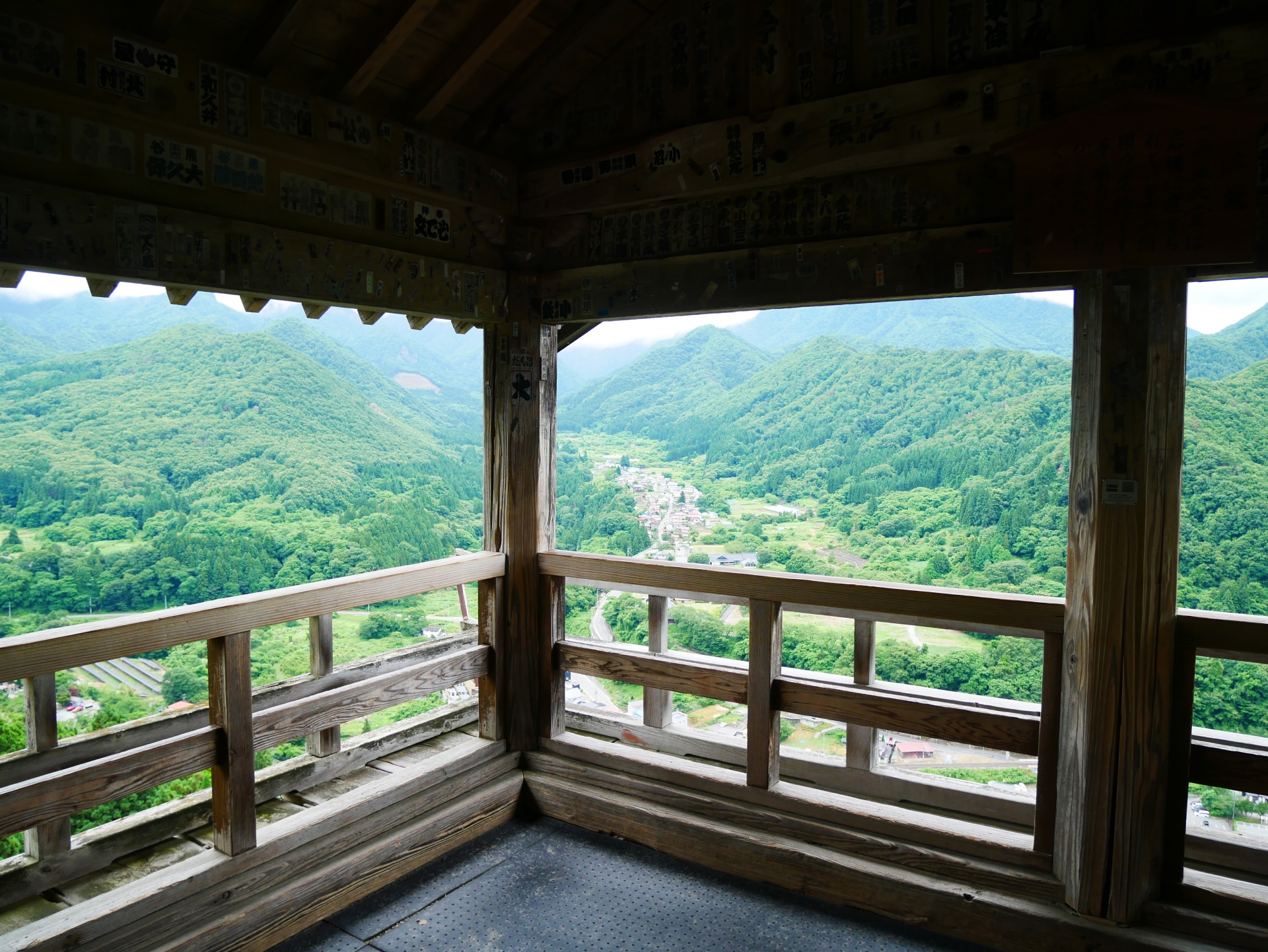
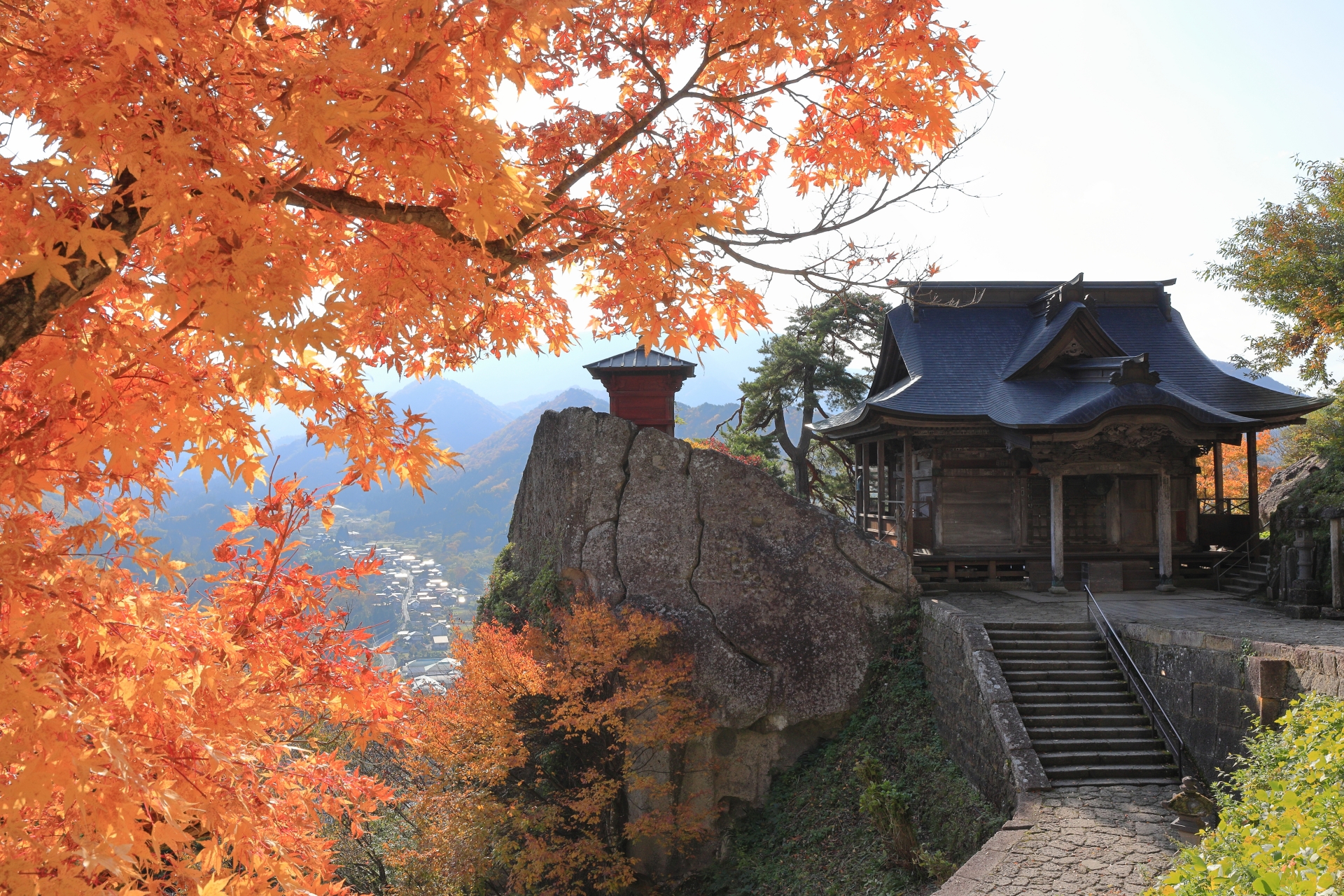
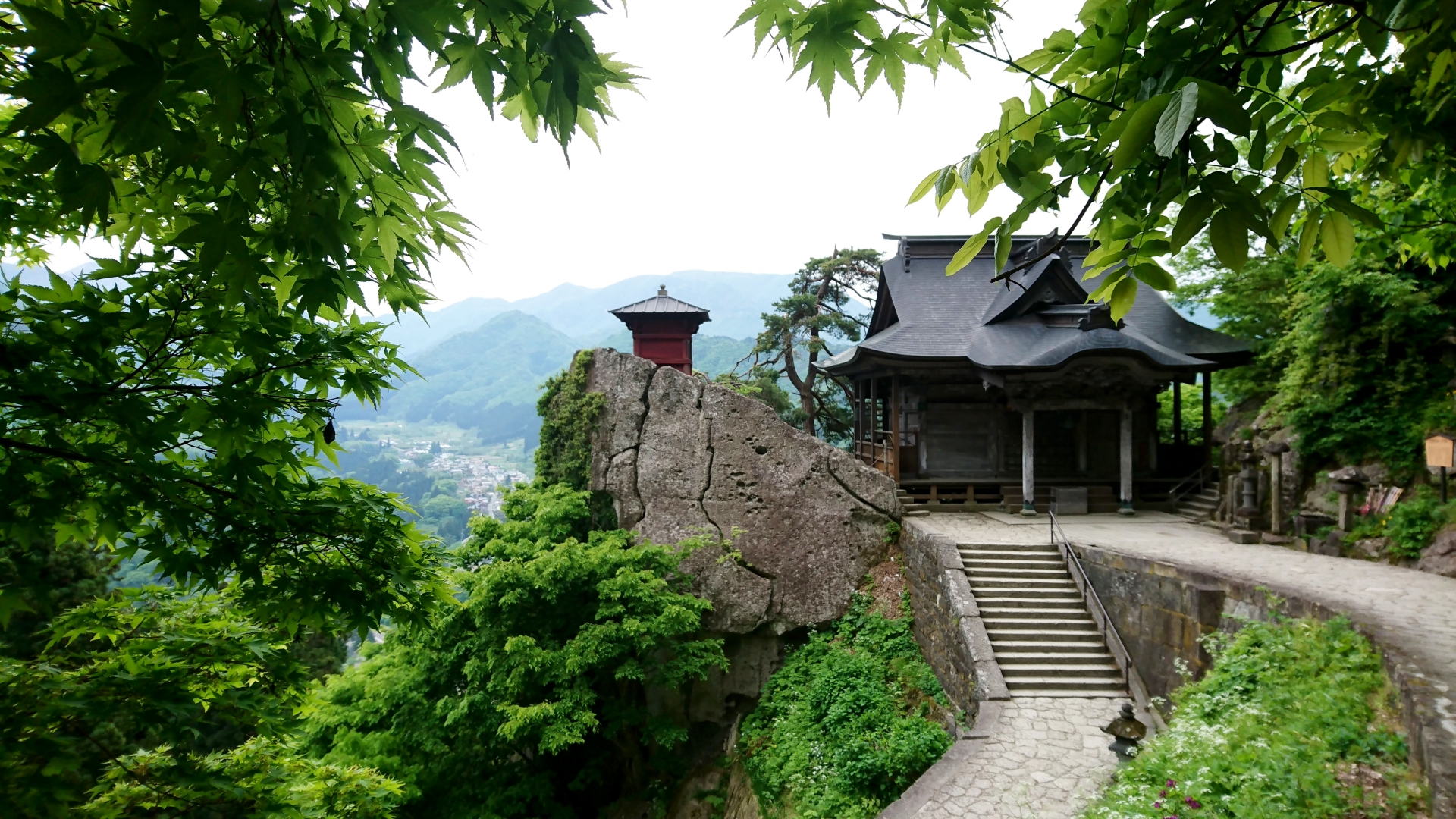
Perched precariously on a rocky outcrop, Godaido Hall offers the most iconic vista in Northern Japan. As you step onto the wooden observation deck, the valley unfolds like a vibrant silk scroll. The wind carries the distant chime of temple bells, and the sheer height provides a dizzying, exhilarating sense of freedom. It is here that the physical effort of the climb dissolves into pure visual poetry, making it the definitive highlight of any Yamagata expedition. The architectural grace of the cantilevered deck against the jagged rock face is a marvel of traditional craftsmanship.
Konpon Chudo
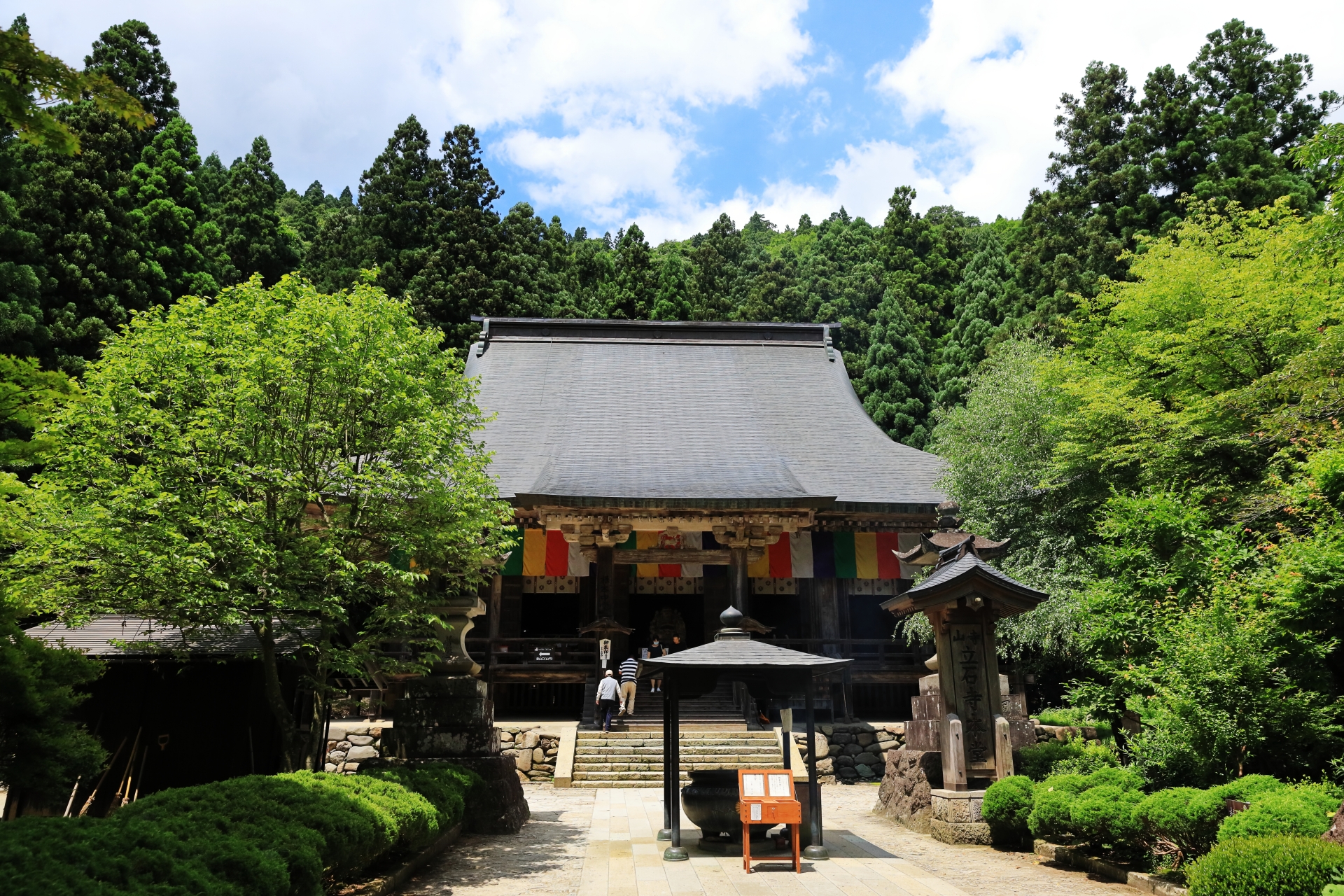
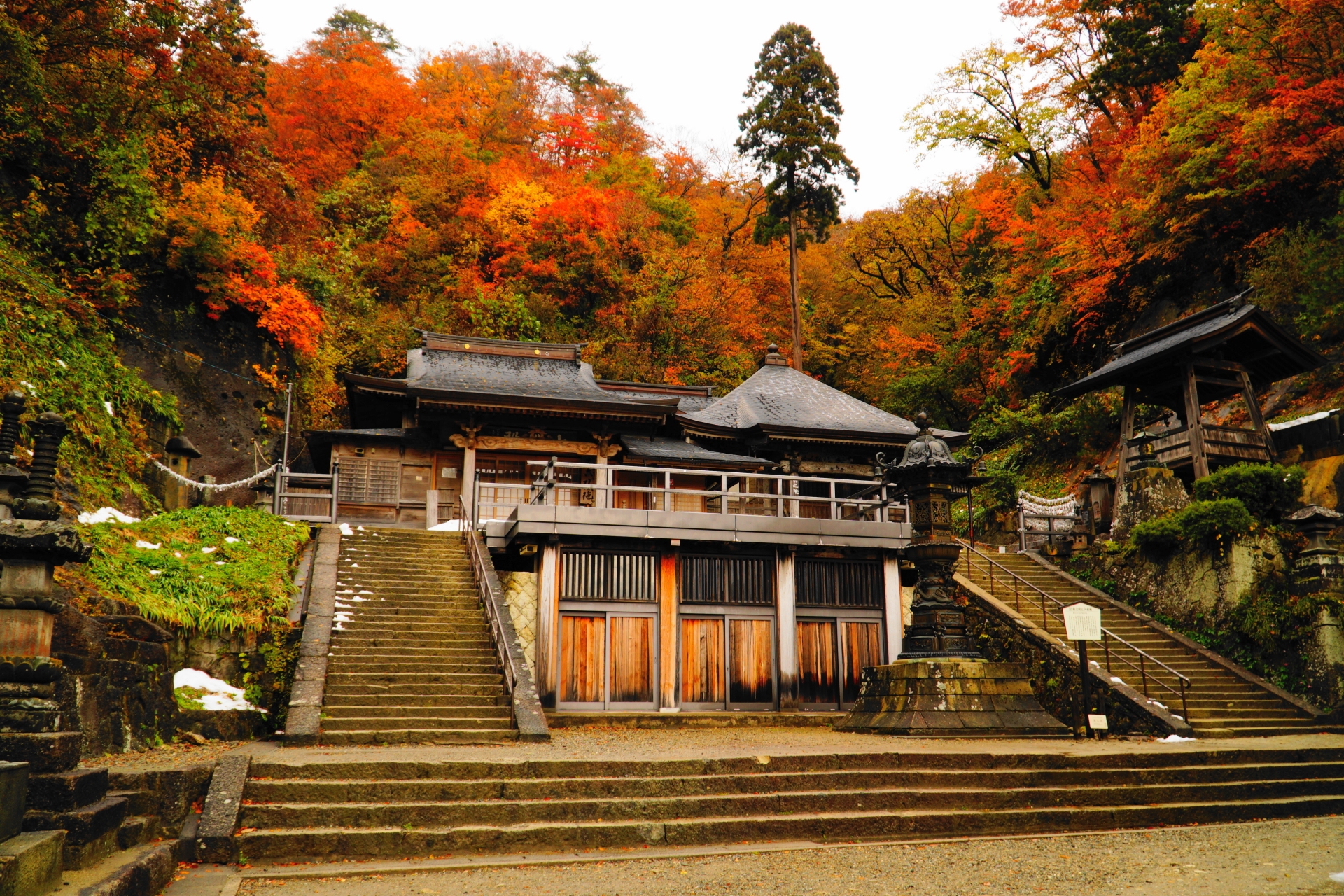
At the base of the mountain lies the Konpon Chudo, the main hall of Risshaku-ji and a designated National Important Cultural Property. Constructed from ancient beech wood, the structure exudes a heavy, grounding energy. Inside, the 'Eternal Flame of Buddhism' has burned continuously for over 1,200 years, brought from Enryaku-ji in Kyoto. The flicker of this ancient light against the darkened, lacquered pillars creates an atmosphere of immense gravity and continuity. It is the essential starting point to ground yourself before the arduous ascent toward the heavens.
Okunoin and Daibutsuden
Reaching the summit brings you to the Okunoin, the 'inner sanctum.' Here, the air feels thinner and more sacred. The Daibutsuden houses a massive, five-meter-tall golden Amida Buddha that glows softly in the dim interior. The sense of accomplishment upon reaching this final gate is palpable. Surrounded by weathered rock formations that resemble spiritual figures, the site serves as a profound reminder of the intersection between nature and divinity. The intricate carvings on the surrounding structures represent the peak of Edo-period religious artistry, rewarding the persistent traveler with unparalleled detail.
Local Soul Food
Tastes you can't find anywhere else.

Tama-konnyaku
A quintessential Yamadera street snack, these spheres of konnyaku are simmered for hours in a rich, dark soy sauce broth until they absorb every ounce of savory umami. Served on a bamboo skewer, the texture is uniquely bouncy and firm. A swipe of hot karashi mustard provides a nasal-clearing kick that perfectly complements the salty, steaming steam of the snack. It is the ultimate 'power food' for hikers descending the mountain.
Yamadera Soba
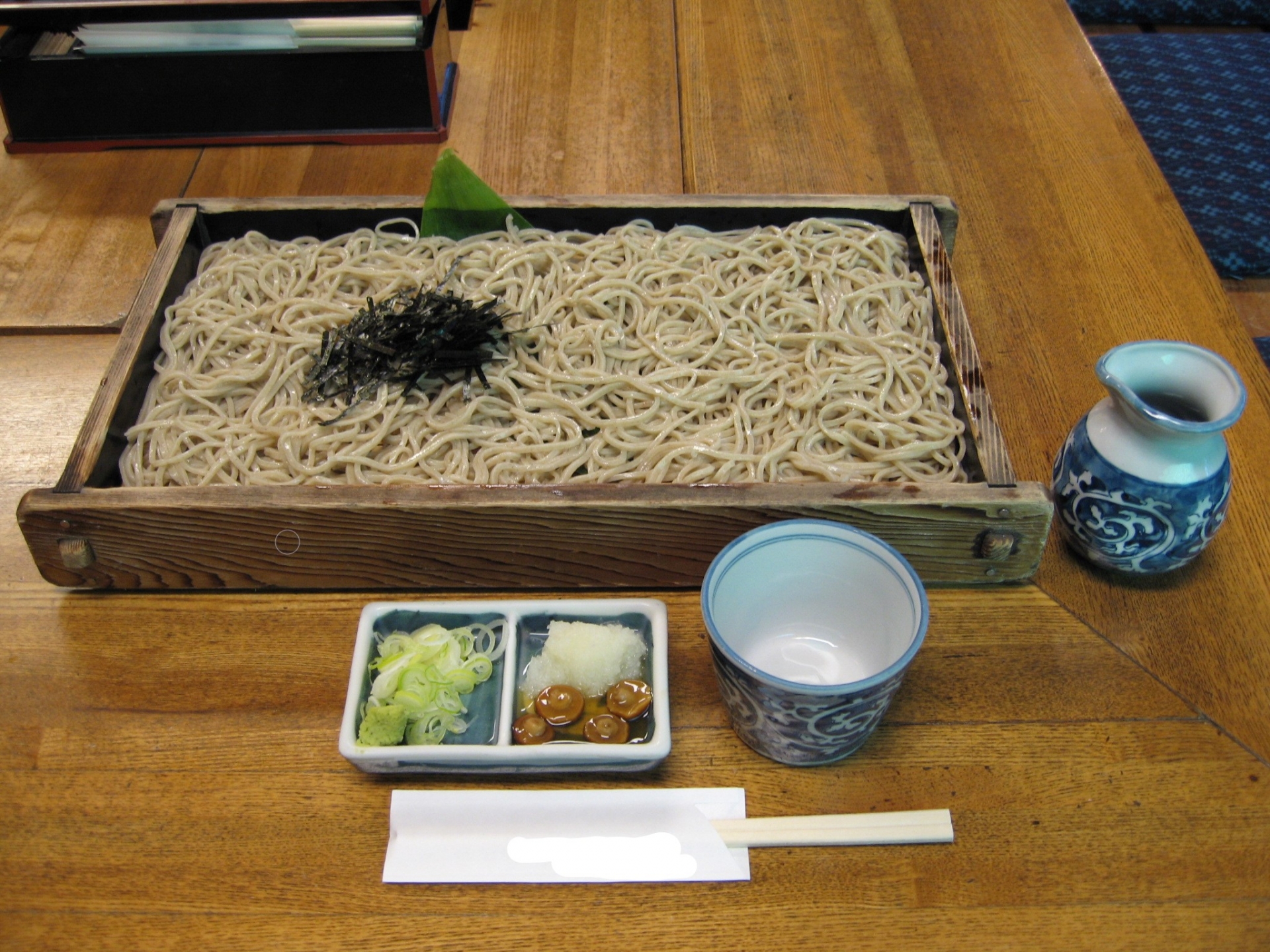
Yamagata is renowned for its buckwheat, and the soba here is served with a rustic, firm bite. The noodles are chilled to perfection and served with a dipping sauce made from high-quality dashi. The subtle, nutty aroma of the buckwheat is enhanced by the mountain's pure spring water. Pair it with wild mountain vegetable (sansai) tempura for a meal that tastes like the forest itself.

Zunda Mochi
For a sweet finish, indulge in Zunda Mochi. Freshly pounded, chewy rice cakes are smothered in a vibrant green paste made from crushed edamame and a hint of sugar. The texture is a delightful contrast between the silky mochi and the slightly coarse, refreshing bean paste. It is a sensory explosion of bright, vegetal sweetness that is synonymous with the Tohoku region's summer and autumn bounty.
Premium Stays
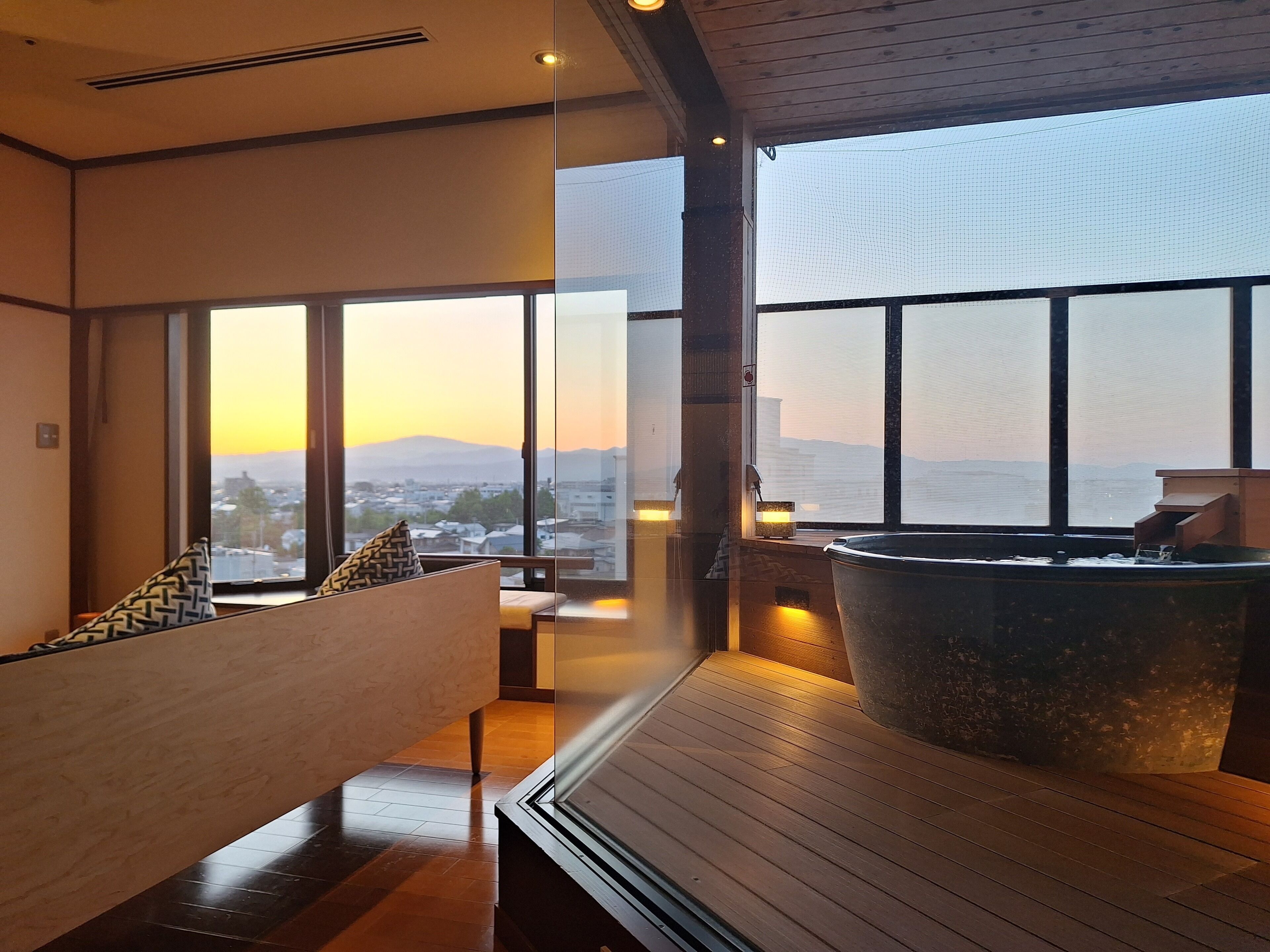
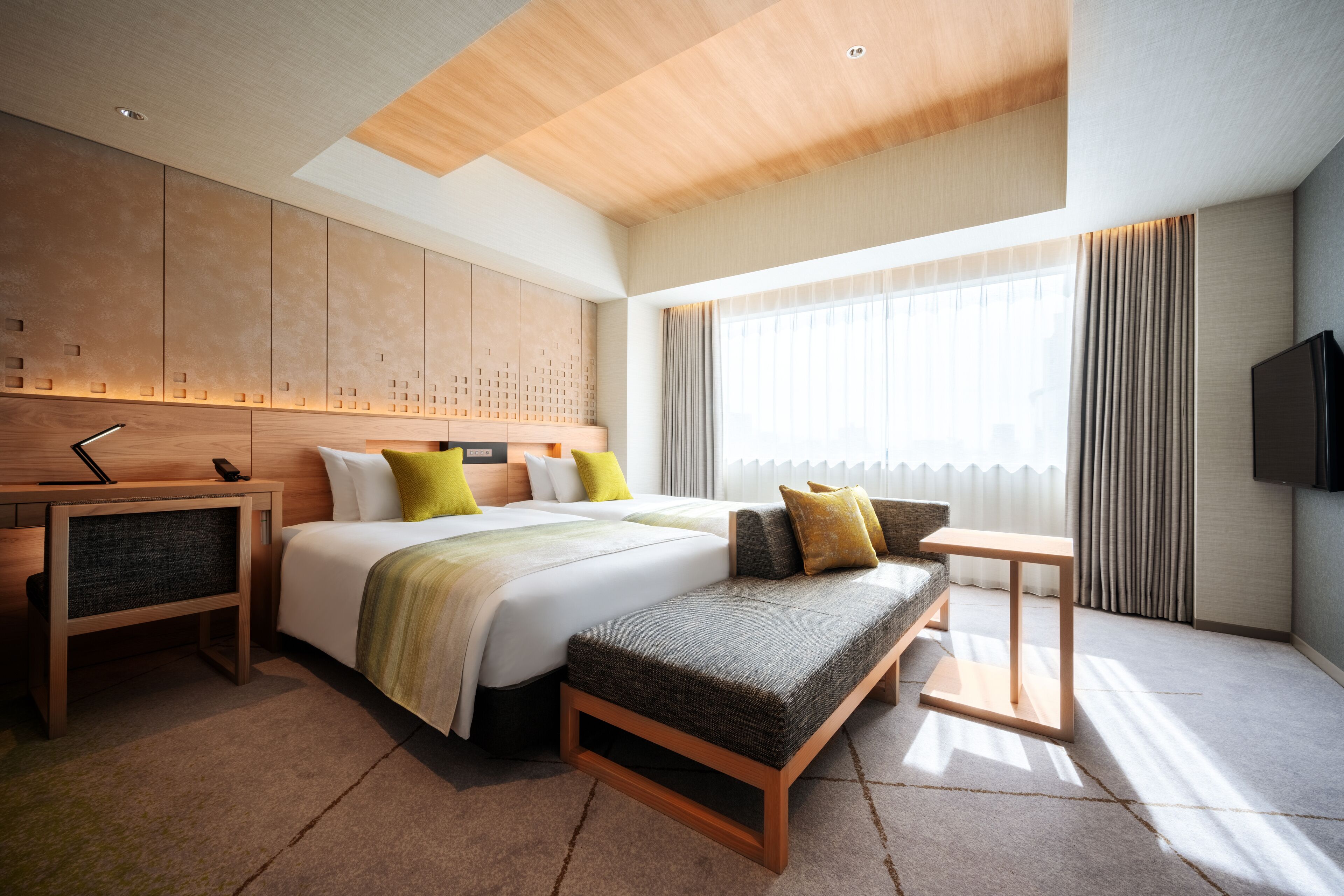
While Yamadera is a spiritual retreat, the nearby Tendo Onsen district or Yamagata City offer the most strategic and indulgent accommodations for a complete experience.

Getting There
Take the JR Senzan Line from Yamagata Station (approx. 20 mins) or Sendai Station (approx. 50 mins) to Yamadera Station. The temple entrance is a 5-minute walk from the station. Trains run roughly once per hour, so timing is essential.
FAQ
Inspired?
Share this destiny with someone special.