Kagoshima
Welcome to Yakushima
Rising dramatically from the cobalt depths of the East China Sea, Yakushima is a primordial masterpiece where time dissolves into a tapestry of infinite greens. This UNESCO World Heritage island is not merely a destination; it is a living, breathing entity that hums with the energy of thousand-year-old cedars and the rhythmic pulse of falling water. As you step onto its moss-carpeted soil, the air—thick with the scent of cedar resin and damp earth—instantly recalibrates your soul. From the ethereal, mist-shrouded valleys that inspired Hayao Miyazaki to the saline spray of the rugged coastline, Yakushima offers a profound reconnection with the wild. It is a sanctuary for the discerning traveler seeking silence, power, and a luxury that can only be found in the untamed majesty of nature.
Jomon Sugi
Standing before the Jomon Sugi is a religious experience. Estimated to be between 2,170 and 7,200 years old, this gnarled titan of a tree serves as the island's spiritual anchor. The journey to reach it is a ten-hour pilgrimage through the heart of the ancient forest, following the abandoned Anbo forest railway before ascending into the clouds. The bark, weathered and silvered by millennia of rain, feels like the skin of a dormant god. Witnessing its silhouette emerge from the mountain mist is a moment of pure, silent awe that justifies every mile of the trek.
Shiratani Unsuikyo Ravine
Step into the 'Moss Forest,' the ethereal landscape that birthed the aesthetics of Princess Mononoke. Every surface here is draped in a thick, velvety blanket of over 600 species of moss, creating a luminous green world that feels suspended in a dream. The sound of crystal-clear streams tumbling over granite boulders provides a constant, soothing soundtrack. As you climb toward Taiko-iwa Rock, the forest opens up to reveal a breathtaking panoramic view of the island’s mountainous spine, where the emerald canopy meets the azure sky in a perfect, silent embrace.
Ohko-no-taki Waterfall
Nature’s raw power is on full display at Ohko-no-taki, one of Japan’s top 100 waterfalls. Dropping 88 meters down a sheer cliff face, the water crashes into the basin with a thunderous roar that vibrates through your very bones. Unlike many viewpoints, you can walk right up to the base of the falls, feeling the cool, saline-tinged mist on your face and the sheer force of the wind generated by the falling torrent. It is a visceral, sensory experience that cleanses the spirit and serves as a powerful reminder of the island’s hydrological cycle.
Local Soul Food
Tastes you can't find anywhere else.

Deep-Fried Tobiuo (Flying Fish)
A theatrical and delicious local staple. The fish is served whole, its 'wings' fried to a delicate, glass-like crispness that shatters beautifully upon the first bite. The white meat inside remains incredibly moist and tender, offering a subtle sweetness that pairs perfectly with a squeeze of local citrus. It is a dish that captures the essence of the surrounding Kuroshio Current.
Yakushika (Wild Deer) Steak
For the adventurous epicurean, Yakushika offers a taste of the island's interior. This wild venison is exceptionally lean and nutrient-dense, typically seared over charcoal to a perfect medium-rare. The texture is buttery and refined, lacking any gaminess, and is often enhanced with a simple rub of Yakushima sea salt and locally foraged herbs. It is a primal, sophisticated connection to the land.
Tankan Citrus Parfait
The Tankan is Yakushima’s liquid gold. This hybrid citrus, sun-drenched and nourished by the island's volcanic soil, is renowned for its intense sugar content and vibrant acidity. In a chilled parfait, the segments burst with refreshing juice, layered with creamy local milk gelato and a zesty marmalade. It is the ultimate restorative treat after a long day of trekking through the humid forest.
Premium Stays
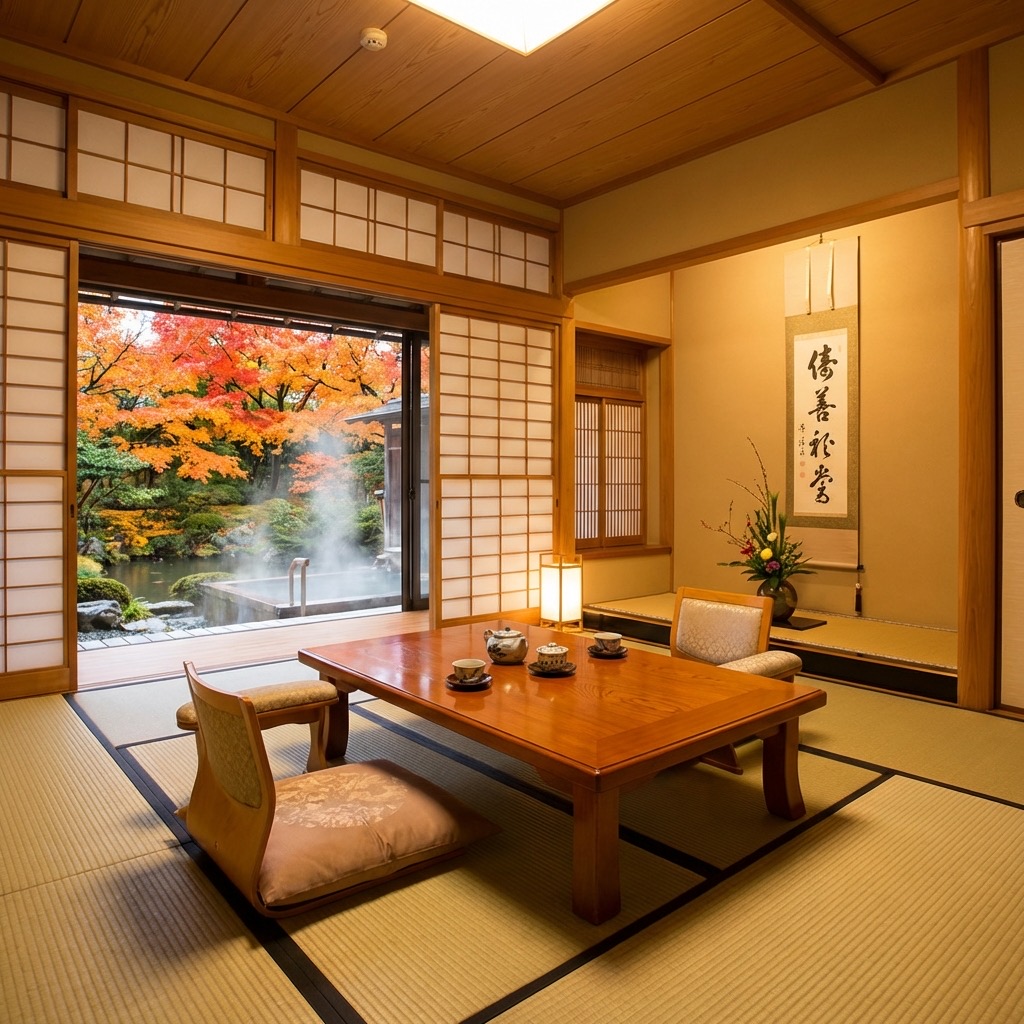
For the ultimate Yakushima experience, the South Coast offers secluded luxury and proximity to the waterfalls, while the Anbo area provides the most convenient access to the major hiking trailheads.
Getting There
Fly from Kagoshima Airport (35 mins) or take the Toppy/Rocket high-speed jetfoil (2-3 hours). Once on the island, renting a car is essential as bus schedules are infrequent and do not reach all trailheads.
FAQ
Inspired?
Share this destiny with someone special.