Tochigi
Welcome to Toshogu Shrine
Stepping into the grounds of Toshogu Shrine is like entering a living treasure chest of the Edo period. The air is cool and fragrant with the scent of damp moss and centuries-old Japanese cedars. As you ascend the stone paths, the sheer audacity of the architecture—dripping in gold leaf and vibrant pigments—commands a sense of awe. This is the final resting place of Tokugawa Ieyasu, the Great Unifier, and every carving tells a story of peace, power, and precision. From the mythical dragons guarding the gates to the rhythmic chanting of monks echoing through the valley, Nikko offers a sensory overload that balances regal extravagance with the profound stillness of nature.
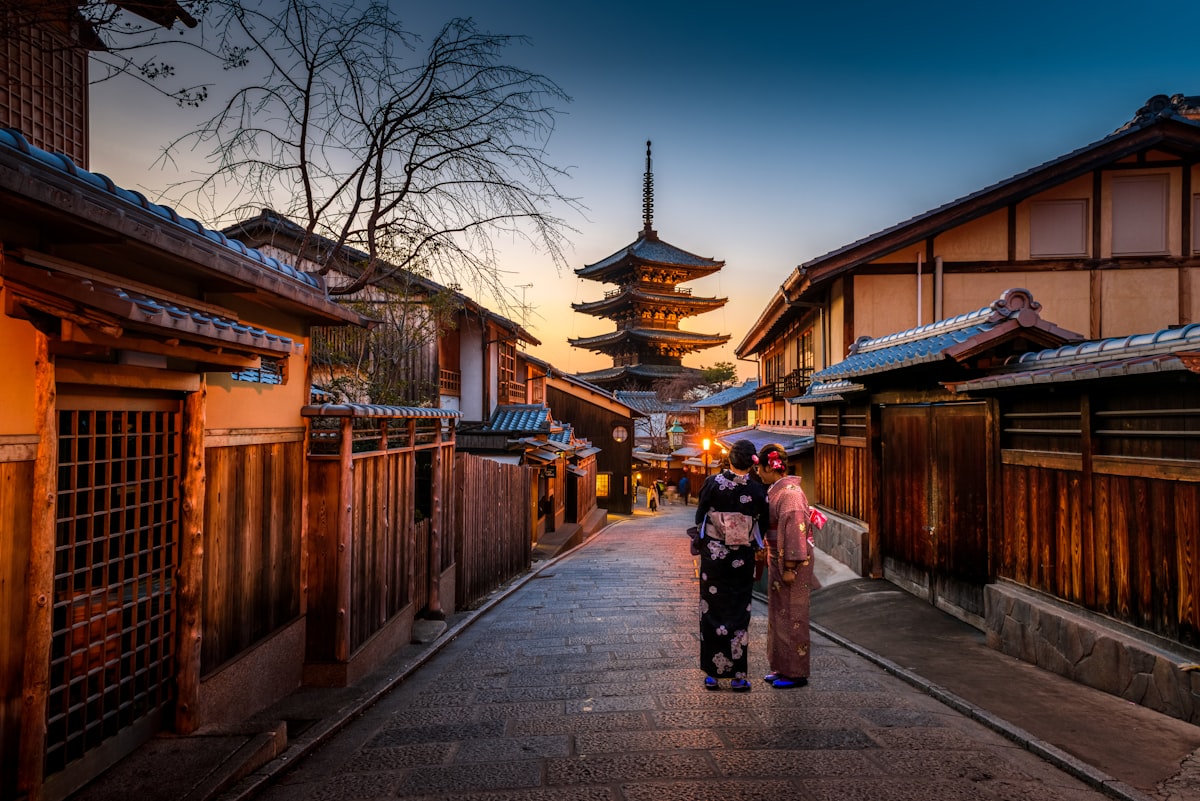
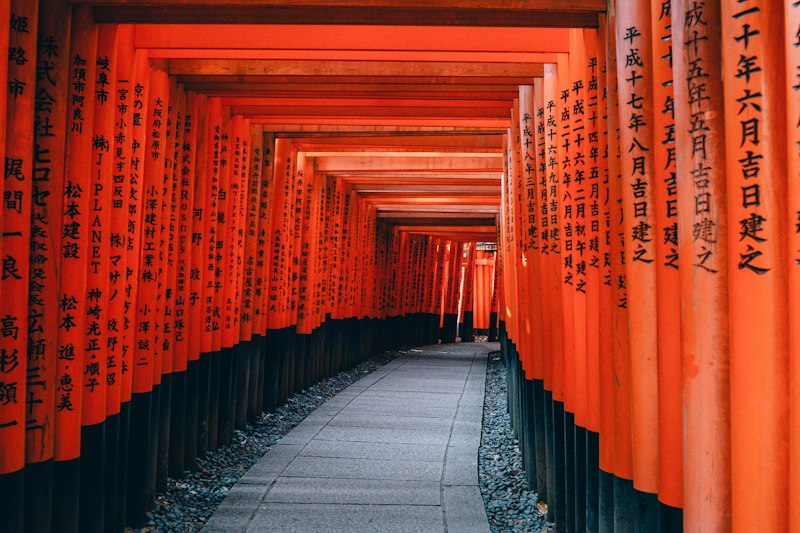
Yomeimon Gate (The Sunset Gate)
Known as the 'Sunset Gate' because one could gaze upon its five hundred intricate carvings until the sun goes down, this structure is the pinnacle of Japanese craftsmanship. Gilded in shimmering gold and adorned with mythical beasts, it serves as the grand entrance to the inner sanctum. Look closely at the pillars; one is intentionally carved upside down to avoid perfection, which the builders feared would invite the envy of the gods.
The Sacred Stable & Three Wise Monkeys
A masterclass in allegorical art, the Sacred Stable features a series of eight carvings depicting the lifespan of a monkey, representing the stages of human life. The world-famous 'See No Evil, Hear No Evil, Speak No Evil' trio is a highlight, but the entire sequence offers a touching narrative on childhood, independence, and old age. The unpainted wood of the stable provides a rustic, grounding contrast to the surrounding gold-leafed temples.
Okumiya (The Inner Shrine)
To reach the final resting place of Shogun Ieyasu, you must climb 207 stone steps through a cathedral of towering cryptomeria trees. The air grows colder and the sounds of the crowd fade into a heavy, sacred silence. At the top sits the bronze stupa, cast from an alloy of gold, silver, and copper. It is a place of immense 'Power Spot' energy, where the spirit of the Shogun is said to watch over the peace of Japan forever.
Local Soul Food
Tastes you can't find anywhere else.
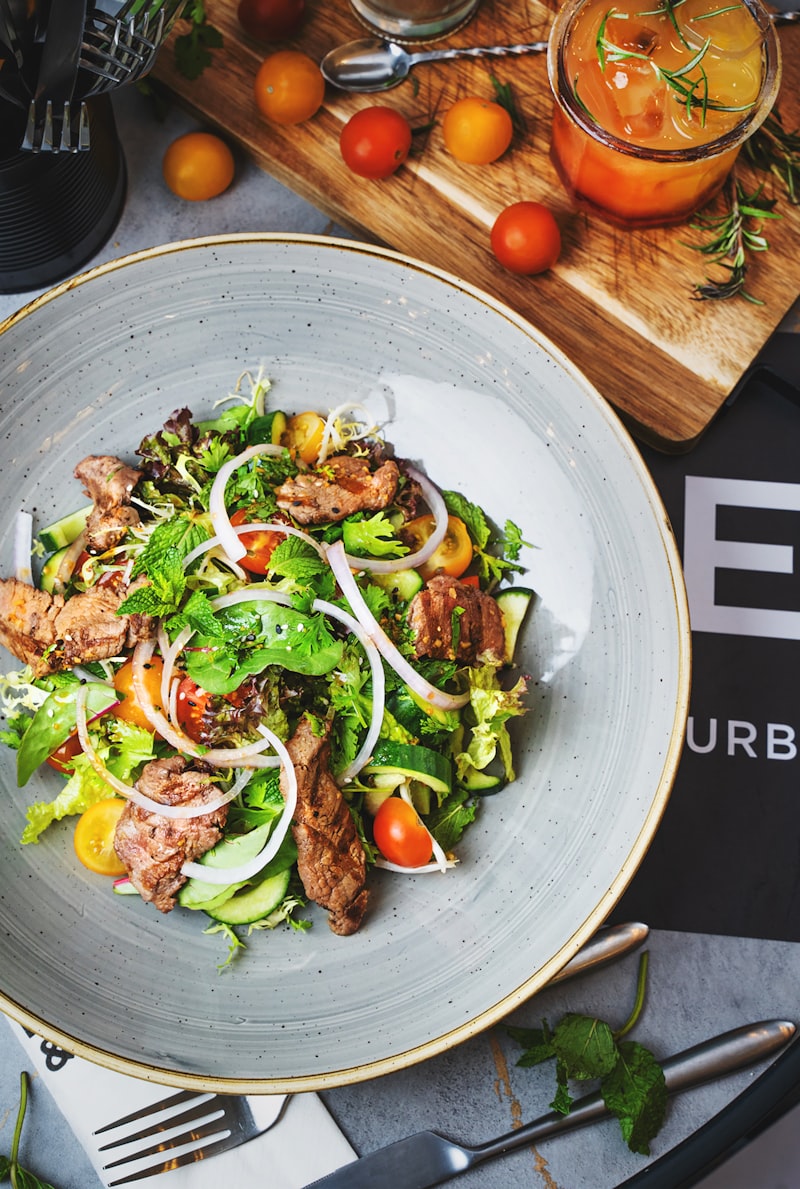
Nikko Yuba (Silk Tofu Skin)
A delicate local specialty with a velvety, cream-like texture. These hand-folded ribbons of fresh soy milk skin are simmered in a light dashi broth, releasing a subtle, nutty sweetness that melts effortlessly on the tongue. It is the epitome of Buddhist vegetarian refinement.
Charcoal-Grilled Shinkyo Dango
Large, chewy rice dumplings skewered and grilled over open embers until the edges are perfectly charred and crispy. Slathered in a thick, savory-sweet miso glaze, the smoky aroma fills the mountain air, providing the perfect warm comfort after a long walk through the shrine grounds.
Nikko Highland Beef Steak
Sourced from cattle raised in the pristine air of the Tochigi highlands, this beef features exquisite marbling. When seared, the fat renders into a buttery juice that coats the palate with deep umami. It is best enjoyed with a simple dash of locally harvested wasabi and sea salt.
Premium Stays
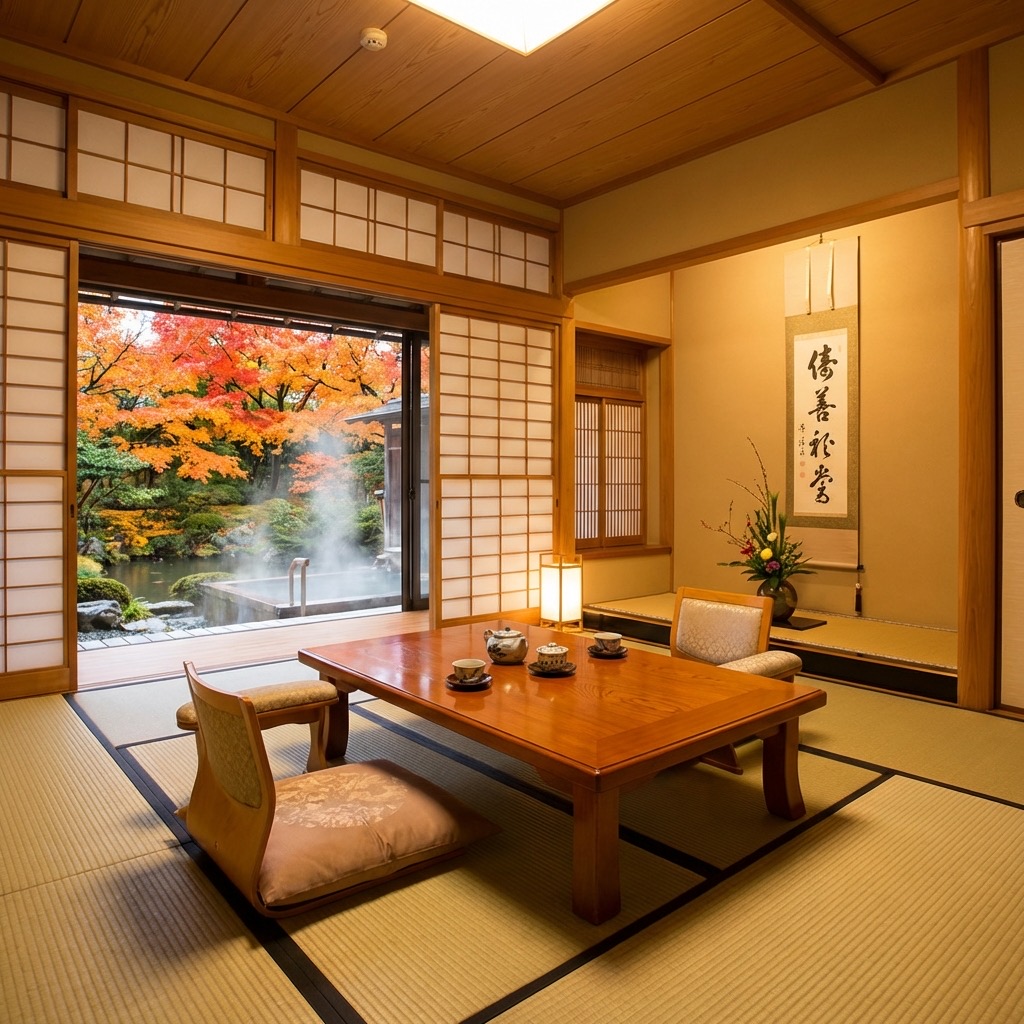
For the ultimate Nikko experience, stay near the World Heritage area to beat the morning crowds, or retreat to the shores of Lake Chuzenji for alpine serenity.
Getting There
Take the Tobu 'Spacia X' Limited Express from Asakusa Station directly to Tobu-Nikko. From the station, the 'World Heritage Meguri' bus runs every 15 minutes to the shrine entrance.
FAQ
Inspired?
Share this destiny with someone special.