Welcome to Takayama Old Town
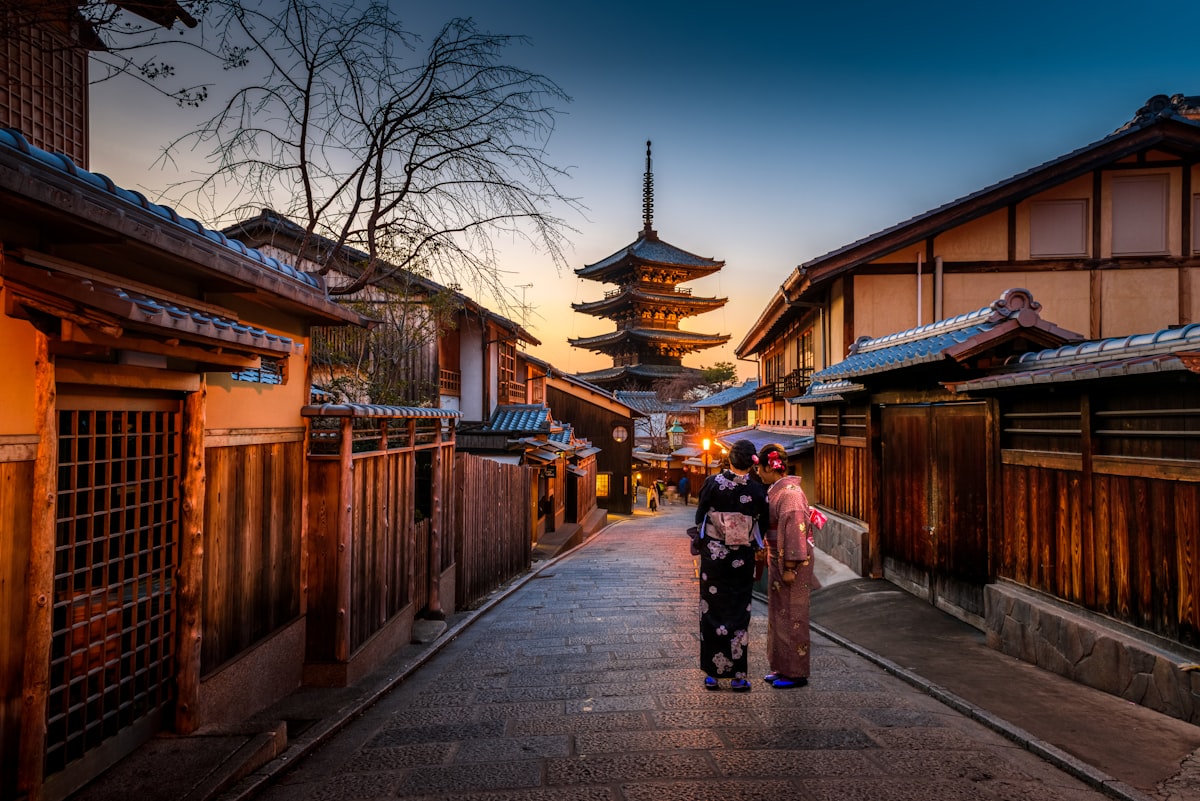
Stepping into Takayama’s Sanmachi Suji is not merely a walk through a district; it is a profound immersion into the living pulse of the Edo period. The air carries the faint, sweet scent of fermented rice from centuries-old sake breweries, mingling with the crisp, alpine breeze of the Japanese Alps. Dark-wood merchant houses, their facades weathered into a deep charcoal patina, line the narrow streets where clear spring water trickles through ancient stone canals. This is a sanctuary for the senses, where the tactile grit of handcrafted pottery and the buttery richness of Hida beef create an indelible tapestry of Japanese heritage. To visit Takayama is to surrender to a slower tempo of life, guided by the shadows of latticed windows and the warmth of mountain hospitality.
Sanmachi Suji Historic District
The beating heart of Takayama, this triad of streets preserves the architectural elegance of a wealthy merchant town. Each building is a masterpiece of joinery, held together without a single nail. As you wander, look for the 'Sugidama'—large cedar balls hanging above doorways—signaling a fresh batch of sake. The texture of the dark-stained timber and the rhythmic sound of wooden sandals on stone create an atmosphere that feels both hauntingly beautiful and vibrantly alive. It is the pinnacle of Japanese urban preservation.
Takayama Jinya
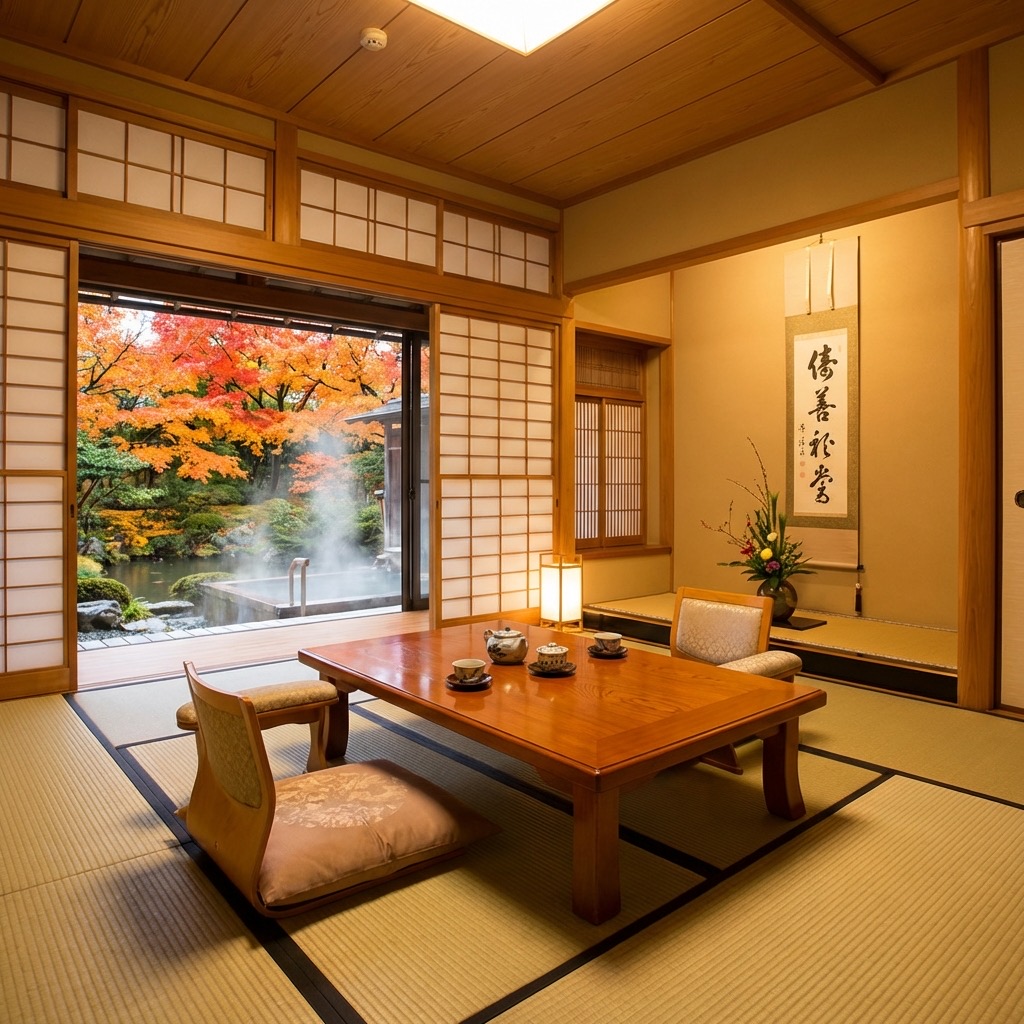
The only remaining provincial government office from the Edo period, the Jinya is a masterclass in functional Zen aesthetics. Walk through the vast interrogation rooms and serene administrative halls where the squeak of polished tatami echoes through the stillness. The expansive grain storehouse, once filled with tax-rice, now serves as a museum. The geometric precision of the garden, visible through open sliding doors, offers a meditative pause that highlights the sophisticated governance of ancient Japan.
Miyagawa Morning Market
Stretching along the crystalline Miyagawa River, this market is where the soul of the Hida region reveals itself. Local farmers and artisans gather to sell everything from 'Sarubobo' amulets to mountain vegetables still dusted with earth. The sensory experience is unparalleled: the sound of the rushing river, the sight of vibrant seasonal blooms, and the taste of freshly grilled snacks. It is a rare opportunity to engage with the local 'Obasan' (grandmothers) whose smiles are as warm as the morning sun.
Local Soul Food
Tastes you can't find anywhere else.

Hida Beef Nigiri Sushi
Experience the pinnacle of wagyu. Premium Hida beef is lightly torched to release its aromatic oils, then placed atop hand-pressed vinegar rice. The meat possesses a marbling so intricate it literally dissolves on the tongue like savory butter. Served on a shrimp cracker to minimize waste, it is the ultimate luxury street food—a perfect harmony of smoke, salt, and silk.
Mitarashi Dango
Unlike the sweet versions found in Tokyo, Takayama’s dango is dipped in a savory, dark soy sauce and grilled over charcoal until the exterior achieves a crisp, smoky char. The interior remains delightfully chewy and elastic. The smell of caramelizing soy sauce wafting through the cold mountain air is an irresistible siren song for any traveler.
Hida Beef Croquette
A golden-brown marvel of textural contrast. The panko crust provides a sharp, satisfying crunch that gives way to a decadent center of creamy mashed potatoes mixed with savory morsels of Hida beef. It is an earthy, comforting snack that encapsulates the rustic culinary spirit of the Gifu highlands.
Premium Stays
To truly absorb the spirit of Takayama, staying within walking distance of the Sanmachi Suji district is essential. This allows you to experience the transition of the town from the bustling daytime energy to the hauntingly quiet, lantern-lit magic of the evening. For those seeking spiritual rejuvenation, choose a ryokan with 'Gensen Kakenagashi' (free-flowing hot spring) water.
Getting There
The most scenic route is the JR Hida Limited Express (Wide View) from Nagoya, offering panoramic windows of the Hida River. From Tokyo, take the Shinkansen to Nagoya and transfer. Buses from Matsumoto or Kanazawa are also available but subject to mountain weather conditions.
FAQ
Inspired?
Share this destiny with someone special.