Welcome to Shuri Castle
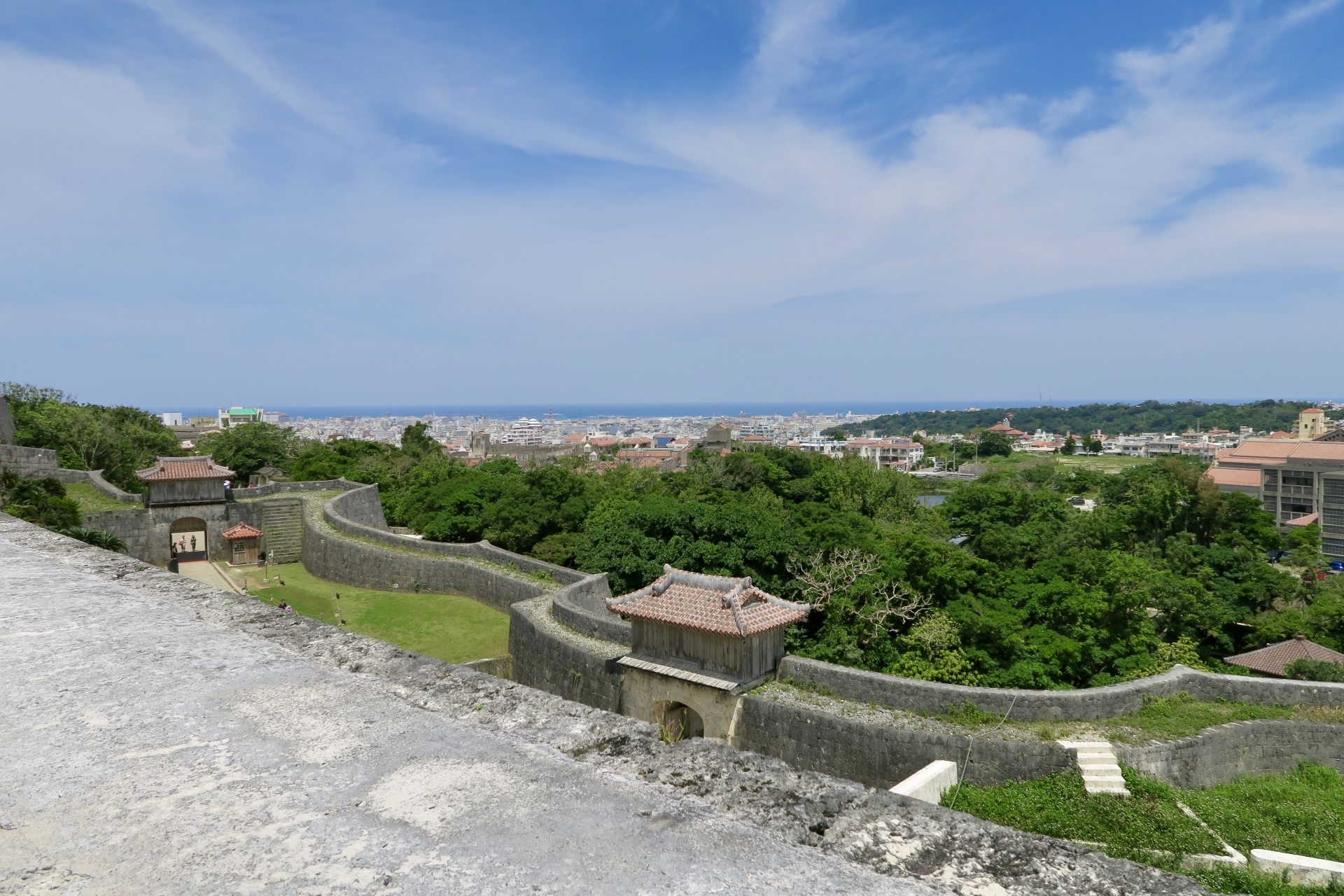
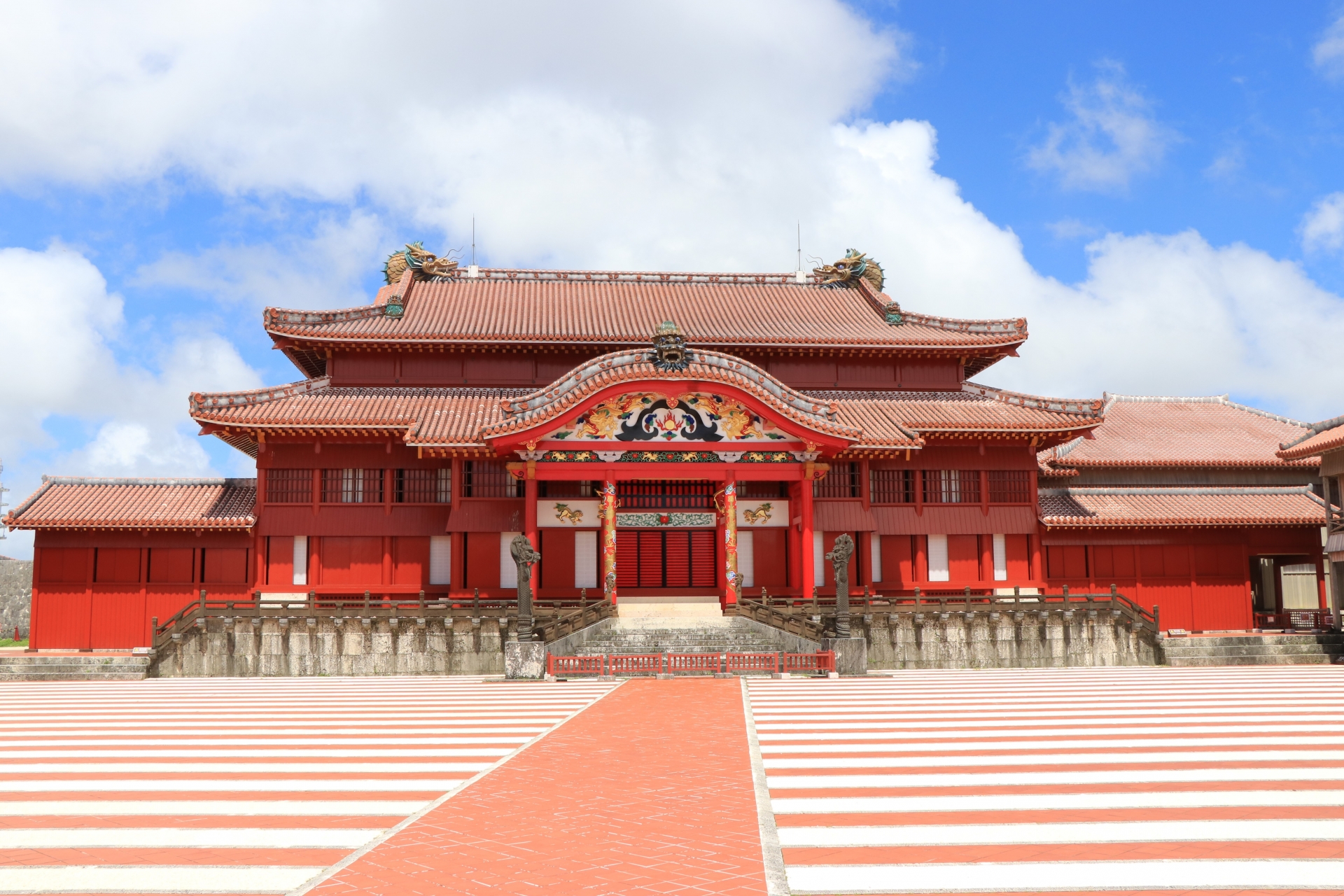
Perched majestically atop a limestone hill overlooking the turquoise East China Sea, Shuri Castle is more than a reconstruction; it is the beating heart of Okinawan identity. As you walk through the vermillion gates, the air carries a distinct saline mist mixed with the scent of ancient cedar. This was the seat of the Ryukyu Kingdom for 450 years, a place where maritime trade, sophisticated diplomacy, and spiritual rituals converged. Though fire has tested its resilience, the site remains a profound power spot. To visit Shuri is to step into a world of vibrant lacquerware, rhythmic court music, and the quiet dignity of a culture that bridged the gap between China, Japan, and the Pacific. It is an essential pilgrimage for those seeking the soul of the islands.
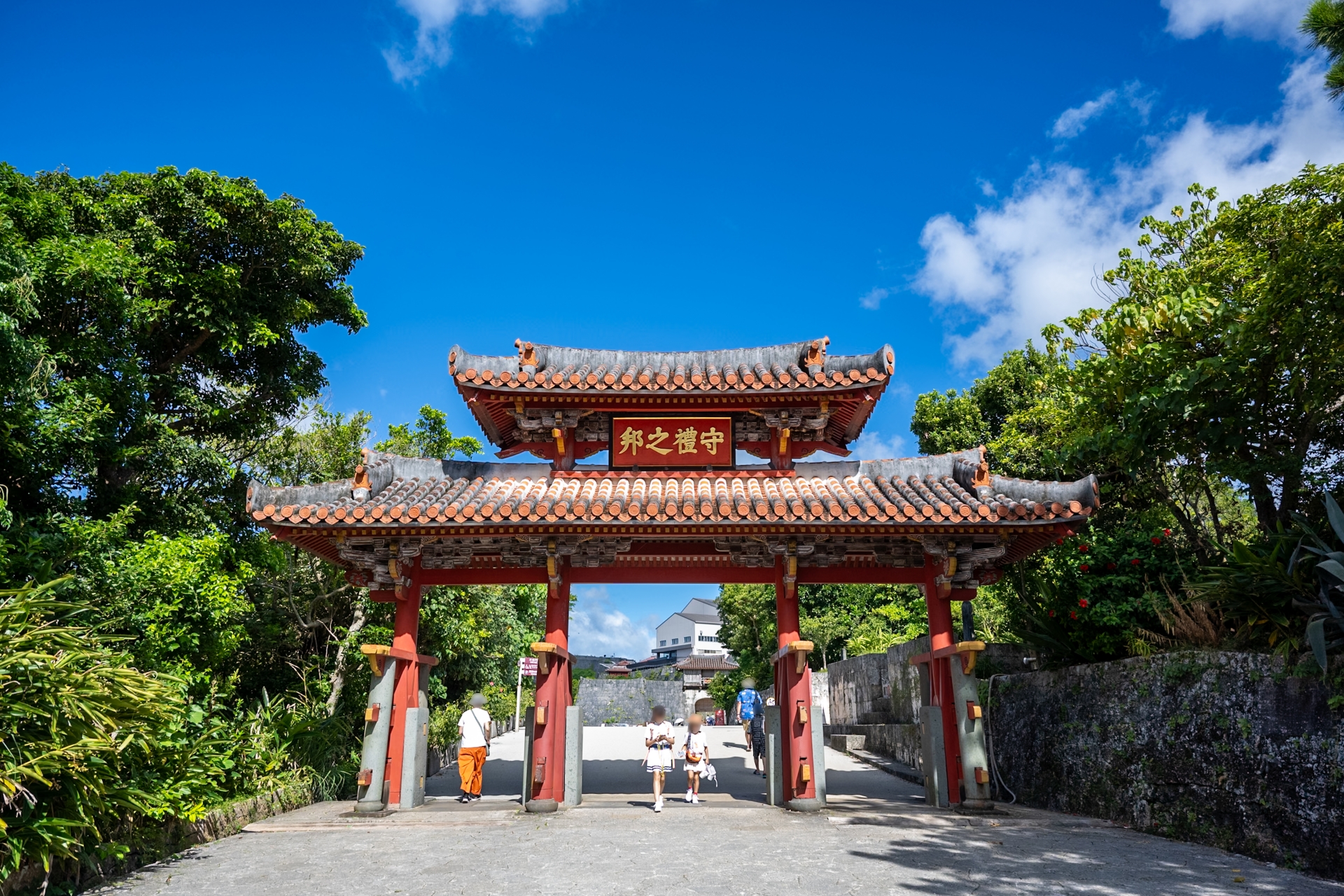
Shureimon Gate
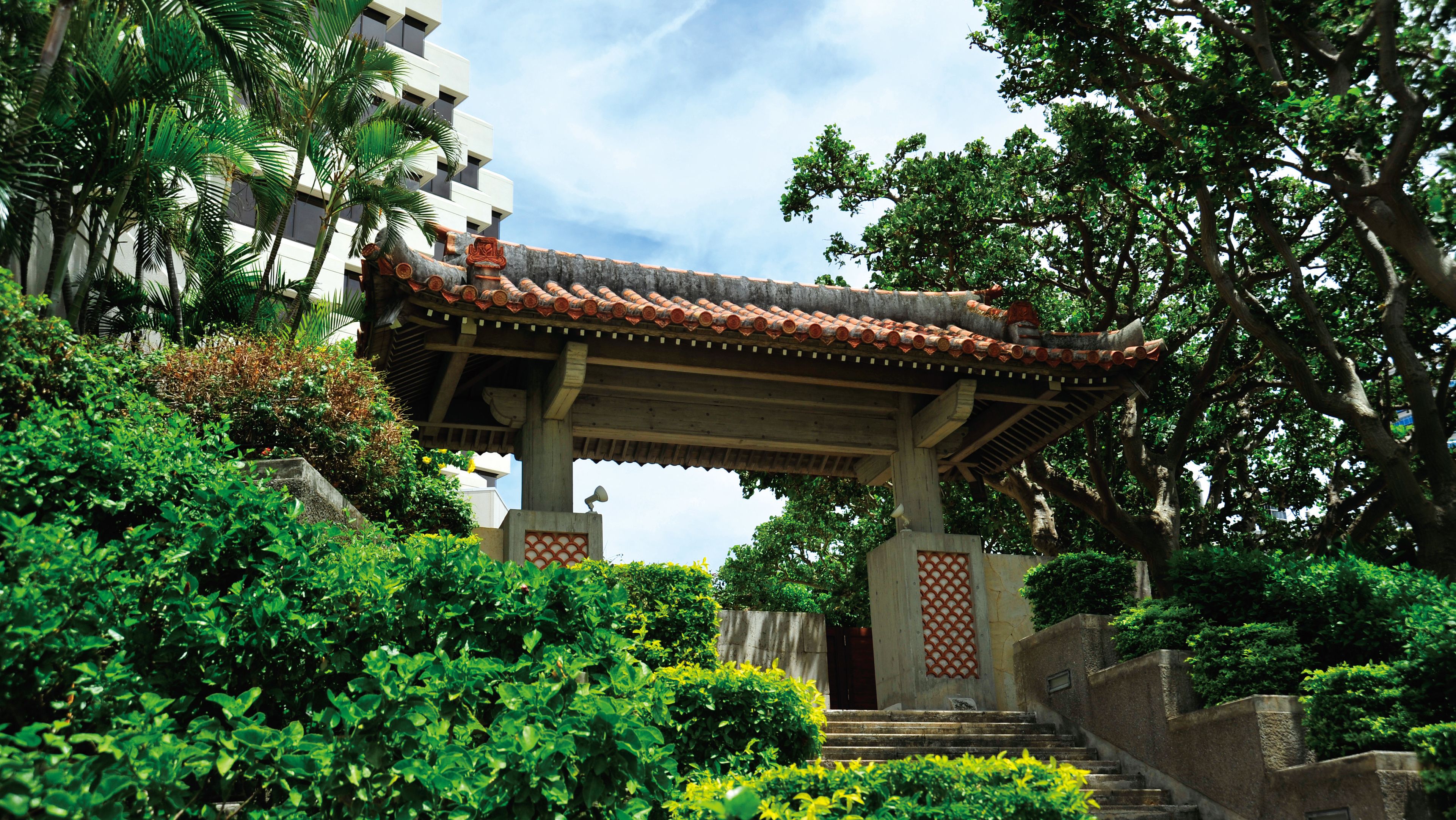
The iconic Shureimon serves as the grand threshold to the Ryukyu world. Its name translates to 'Gate of Propriety,' and its architecture is a masterful fusion of Chinese influence and Okinawan craftsmanship. Standing before its vibrant red pillars, you feel the weight of history—this is where kings and foreign dignitaries once passed. The intricate tile work and the way the structure frames the blue Okinawan sky make it a photographer’s dream. It symbolizes the welcoming spirit of the Okinawan people, standing resilient against time and the elements.
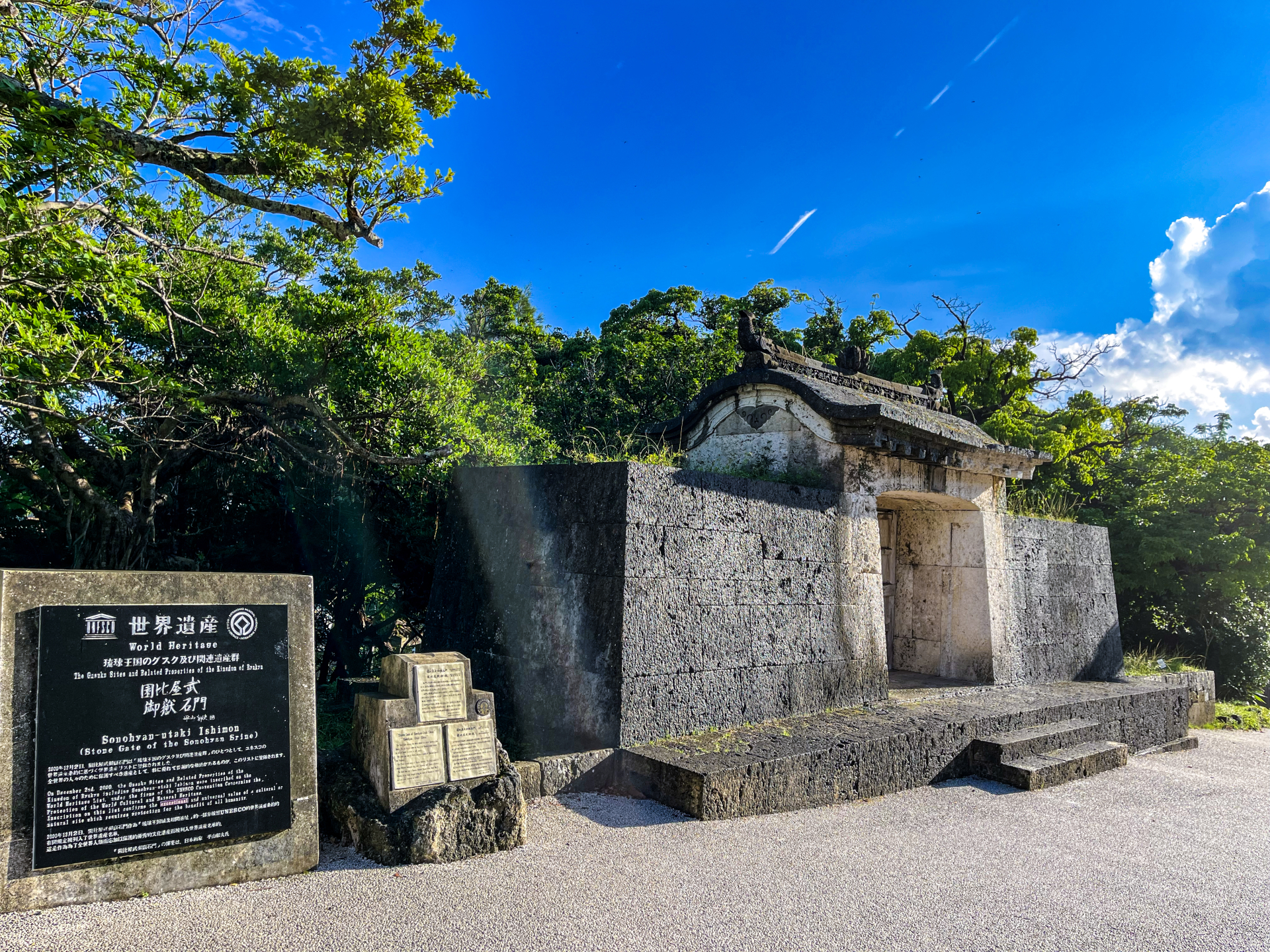
Sonohyan-utaki Ishimon
Located just past Shureimon, this stone gate is a UNESCO World Heritage site and one of the most sacred spots on the island. While it looks like a simple stone structure, it is actually an 'utaki'—a spiritual site where the Ryukyuan king would pray for safe travels. There is no temple building behind the gate; the grove of trees itself is the deity. The textured limestone feels cool to the touch, and a profound silence settles over you as you witness locals offering quiet prayers. It is the spiritual anchor of the castle grounds.
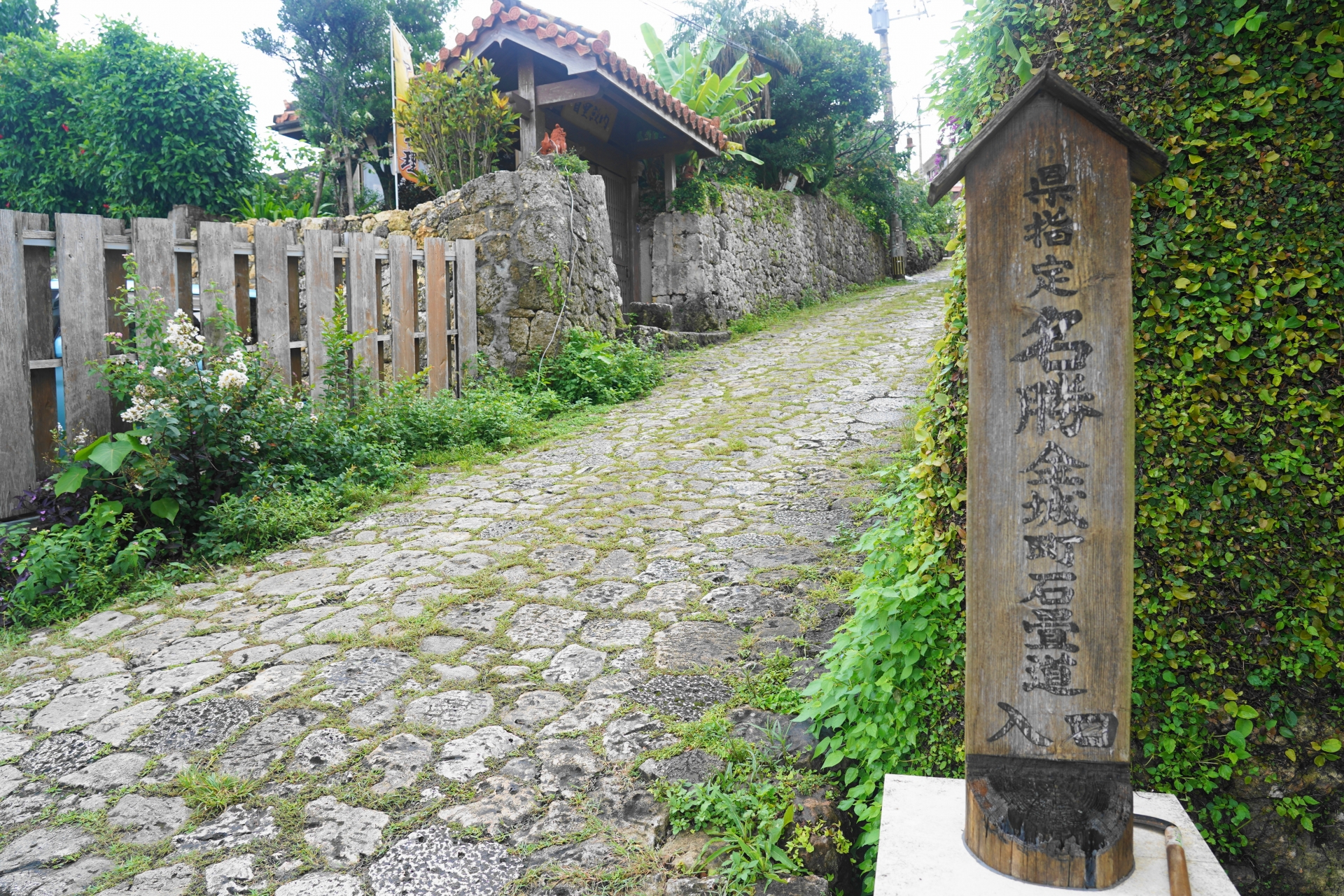
Kinjo-cho Ishitatami-michi
Step away from the main castle complex to find this 16th-century limestone-paved path. This 300-meter stretch of road survived the Battle of Okinawa and offers a sensory portal back to the Ryukyu era. The stones are polished smooth by centuries of footsteps, and the path is flanked by traditional red-tiled roofs and lush tropical greenery. The scent of jasmine and hibiscus hangs heavy in the air. Walking here, you experience the rhythm of old Shuri, far removed from the modern city bustle, ending at a 200-year-old sacred Akagi tree.
Local Soul Food
Tastes you can't find anywhere else.
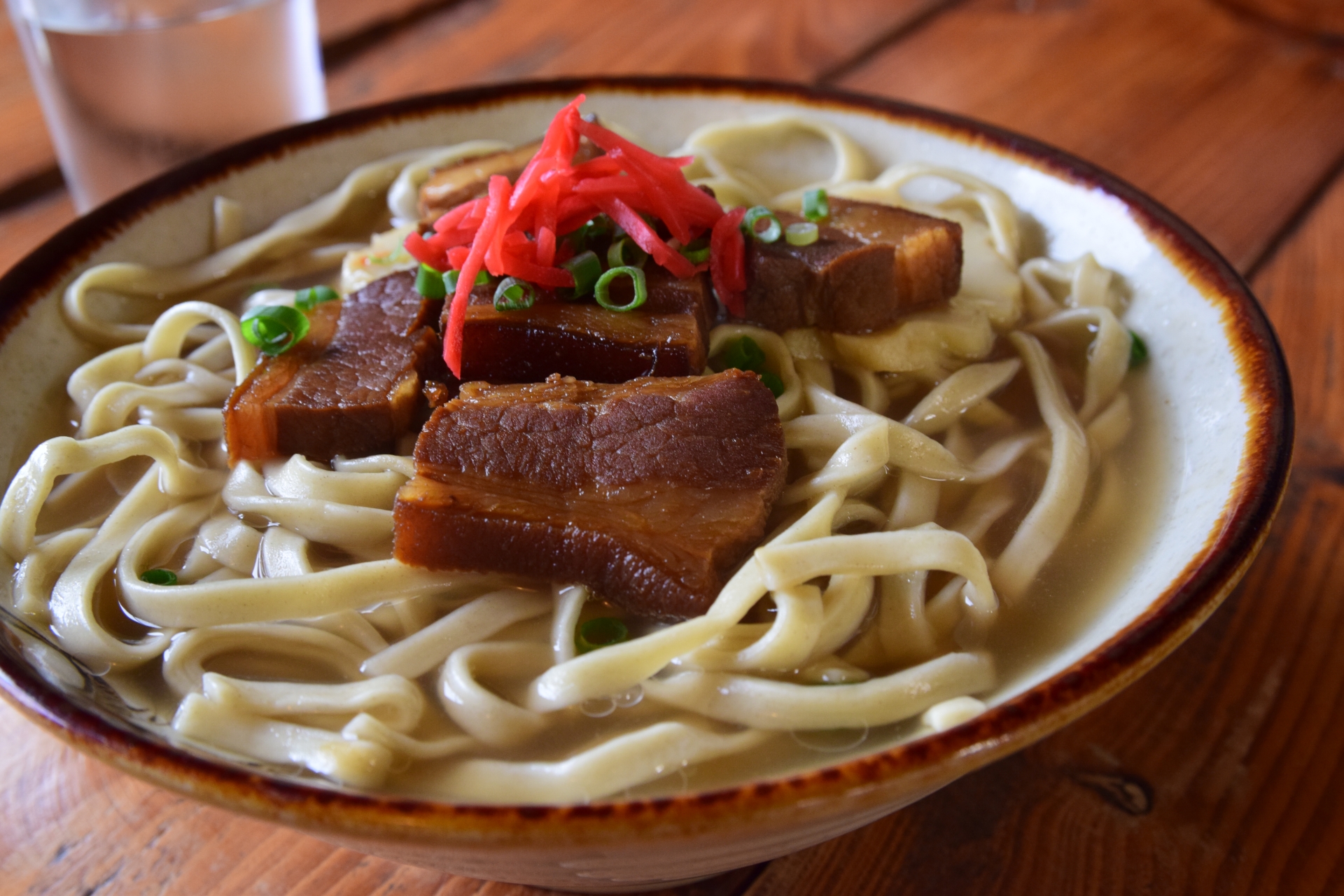
Okinawa Soba with Rafute
Unlike mainland buckwheat noodles, Okinawa Soba features thick, chewy wheat noodles served in a golden dashi of pork bone and bonito. The star is the 'Rafute'—thick slabs of pork belly slow-braised in soy sauce, brown sugar, and awamori liquor until they achieve a buttery melt. Each sip of the broth provides a savory, umami-rich warmth that coats the palate.
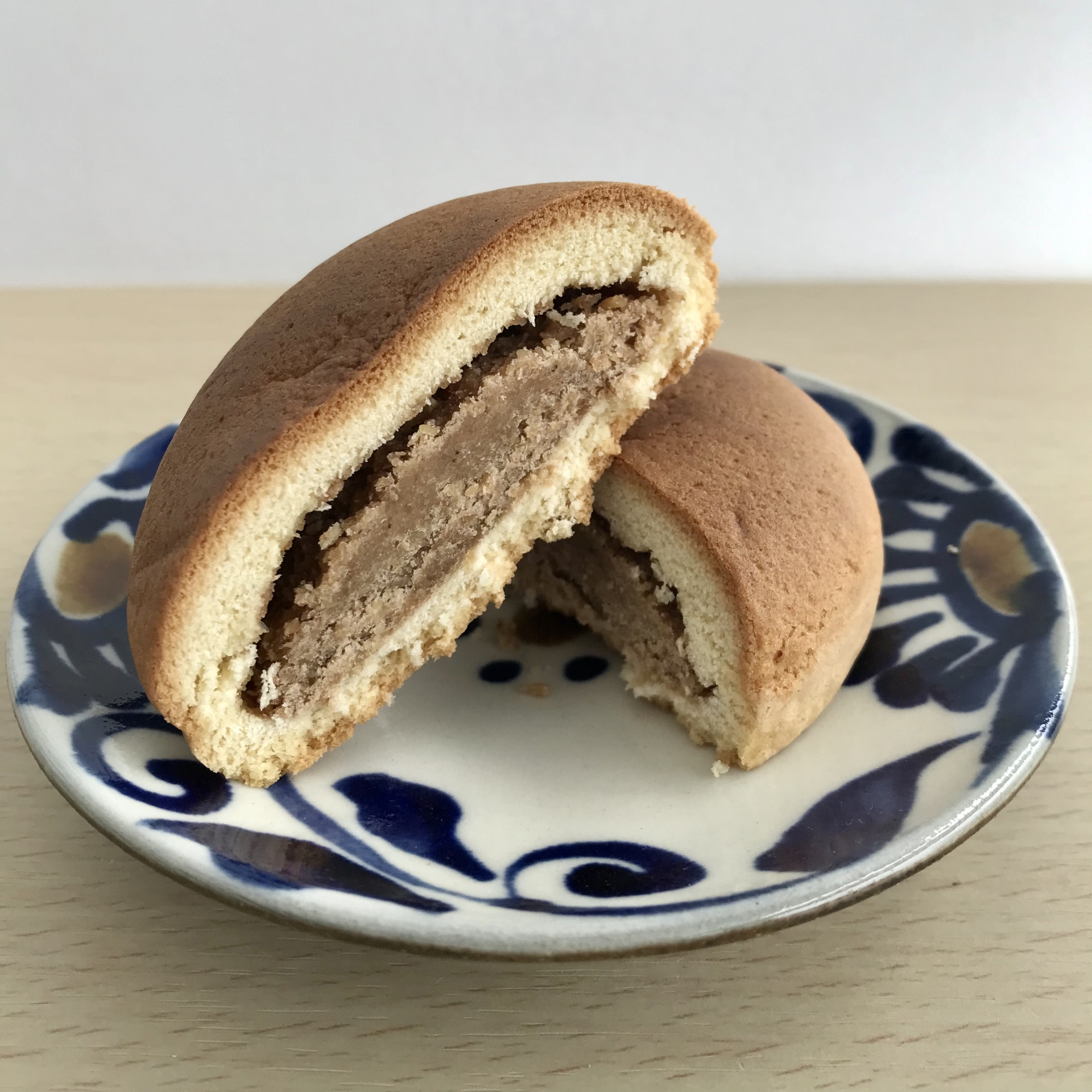
Kunpen (Royal Pastry)
A traditional confection once reserved for Ryukyuan royalty and Chinese envoys. This toasted pastry has a slightly crumbly exterior that gives way to a dense, rich center of ground peanuts, sesame seeds, and honey. The aroma of roasted nuts is intoxicating, and the sweetness is perfectly balanced, making it the ideal accompaniment to a cup of bitter Sanpin tea.
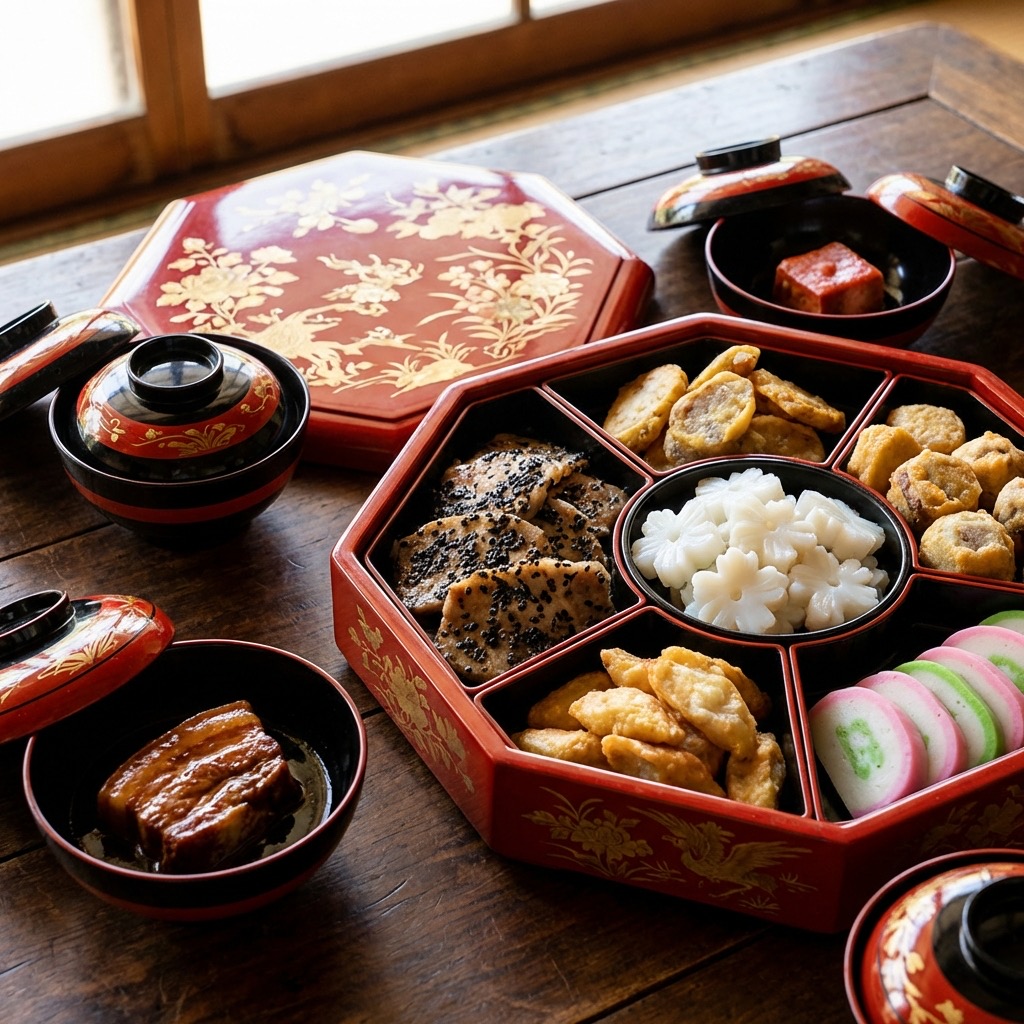
Traditional Ryukyu Court Cuisine
Experience the pinnacle of island luxury with a multi-course 'Toka-da' meal. This includes 'Tidun-maki' (steamed pork) and colorful arrays of seasonal island vegetables like goya and purple sweet potato. The presentation is an art form, served on exquisite vermillion lacquerware that mirrors the castle's own architecture, offering a taste of 15th-century diplomacy.
Premium Stays
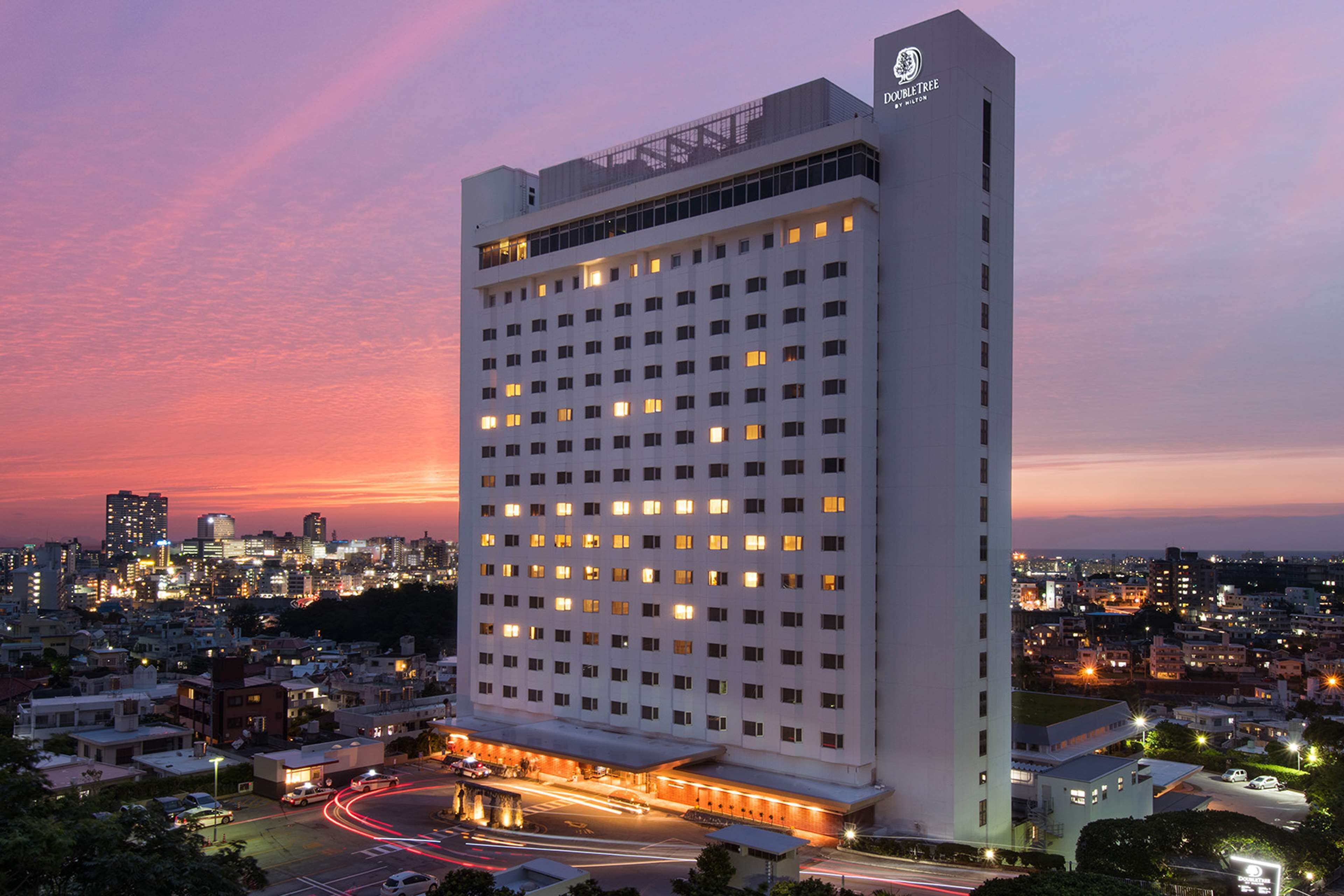
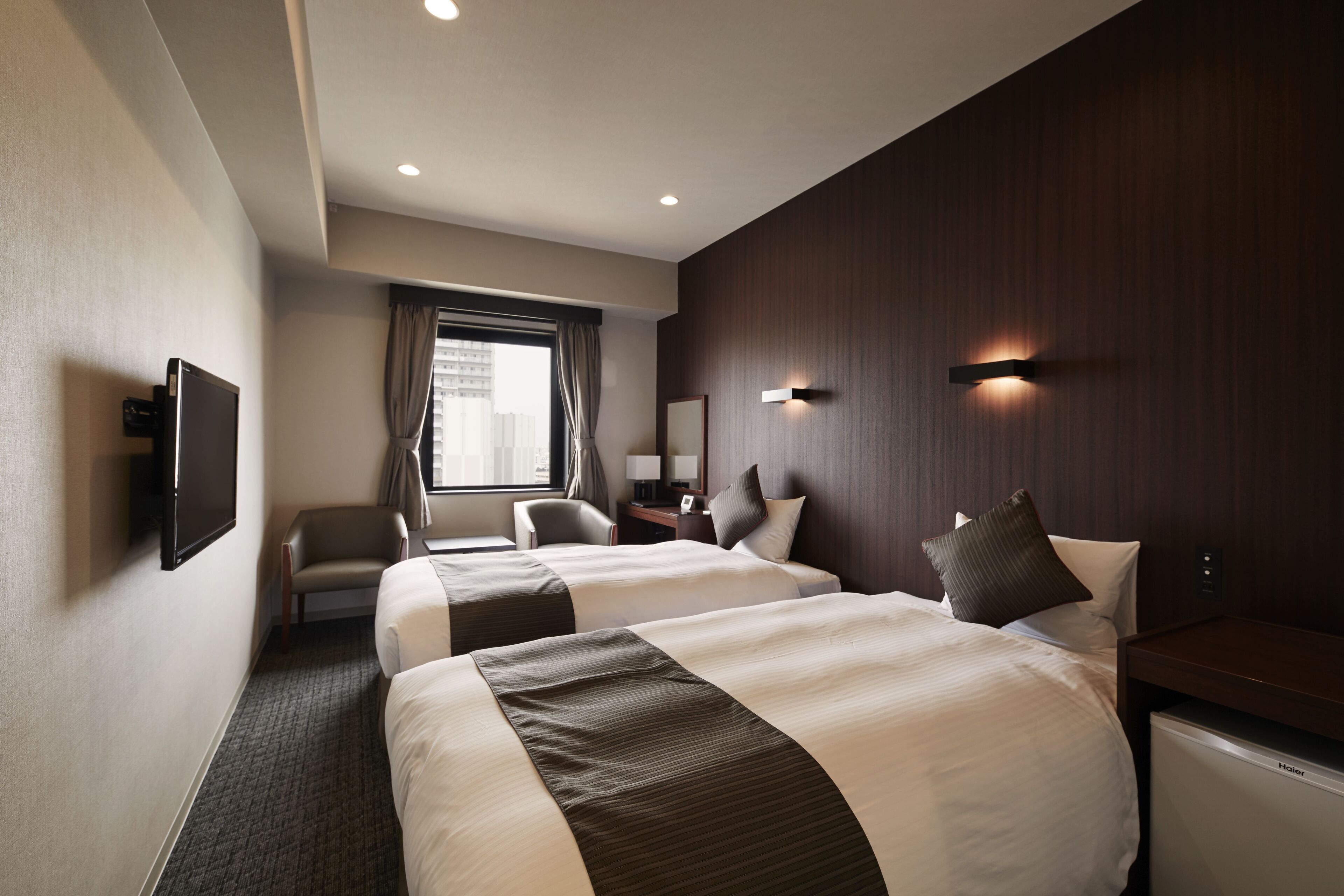
To truly absorb the energy of the Ryukyu Kingdom, staying in the Shuri highlands is essential. This area offers a cooler breeze and panoramic views of Naha city, providing a serene escape from the neon-lit Kokusai-dori street while keeping you within walking distance of the castle's spiritual sites.
Getting There
Take the Yui Rail (Monorail) from Naha Airport or Kokusai-dori to Shuri Station. From there, it is a 15-minute walk or a quick 5-minute bus ride (Bus #8) to the Shureimon-mae stop. Monorails run every 8-12 minutes.
FAQ
Inspired?
Share this destiny with someone special.