Gifu
Welcome to Shirakawa-go Village
Stepping into Shirakawa-go is not merely a visit; it is a profound immersion into a living landscape where the scent of woodsmoke and the rhythmic trickle of mountain streams define the pace of life. These UNESCO-recognized 'Gassho-zukuri' farmhouses, with their steep thatched roofs resembling hands pressed in prayer, have withstood centuries of heavy snowfall and isolation. To walk these paths is to feel the tactile history of the Sho River valley, where the air is crisp with alpine purity and the architecture speaks of a communal resilience known as 'Yui'. This guide invites you to move beyond the tourist trails and experience the soul of the Japanese Alps.
Ogimachi Castle Observation Deck
Ascend to the pinnacle of the village for a perspective that transcends time. From this vantage point, the Ogimachi village unfolds like a meticulously crafted diorama, with over 110 thatched roofs nestled against a backdrop of emerald forests or crystalline snow. The silence at the summit is broken only by the rustle of the wind, offering a spiritual clarity that grounds every traveler. It is the definitive 'postcard' moment, where the scale of human ingenuity meets the grandeur of the Gifu mountains in a breathtaking tableau.
Wada House (Wada-ke)
Step across the threshold of the largest and most prestigious gassho-style farmhouse in the village. The interior is a sensory journey into the Edo period: the cool touch of polished dark wood, the faint, lingering aroma of the irori (sunken hearth), and the intricate rope-bound beams of the attic. Here, you can witness the ingenious three-story structure used for silk cultivation, feeling the warmth of the rising smoke that has preserved these timbers for over 300 years. It is a masterclass in sustainable, ancient engineering.
Myozenji Temple and Museum
A rare confluence of spirituality and domestic architecture, Myozenji is the only temple in Japan featuring a thatched-roof main hall and bell tower. The air here is thick with the scent of aged cedar and incense. Explore the connected residence to see how monks lived in harmony with the village, utilizing the same gassho-style techniques. The sight of the massive thatched bell tower gate against the seasonal flowers or heavy snow creates a profound sense of peace that resonates deep within the soul.
Local Soul Food
Tastes you can't find anywhere else.

Hida Beef Nigiri
Experience the buttery melt of premium Hida beef, lightly seared to release its rich, umami-laden fats. Served atop a bed of vinegared rice with a touch of fresh wasabi, the texture is silk-like, dissolving on the tongue with a subtle smoky finish from the torch. It is the pinnacle of Gifu's culinary craftsmanship.
Gohei Mochi
A rustic mountain classic, this skewered rice cake is coated in a thick, savory-sweet paste of miso, crushed walnuts, and sesame. Grilled over an open flame, the exterior develops a delightful crunch and a charred aroma that perfectly complements the soft, chewy interior. It is the ultimate comfort food for a brisk alpine walk.
Tochi Mochi (Horse Chestnut Cake)
This local specialty uses the fruit of the horse chestnut tree, carefully processed to remove bitterness. The result is a mochi with a deep, earthy sweetness and a unique nutty fragrance. Filled with smooth red bean paste, it offers a refined taste of the forest that has sustained this village for generations.
Premium Stays
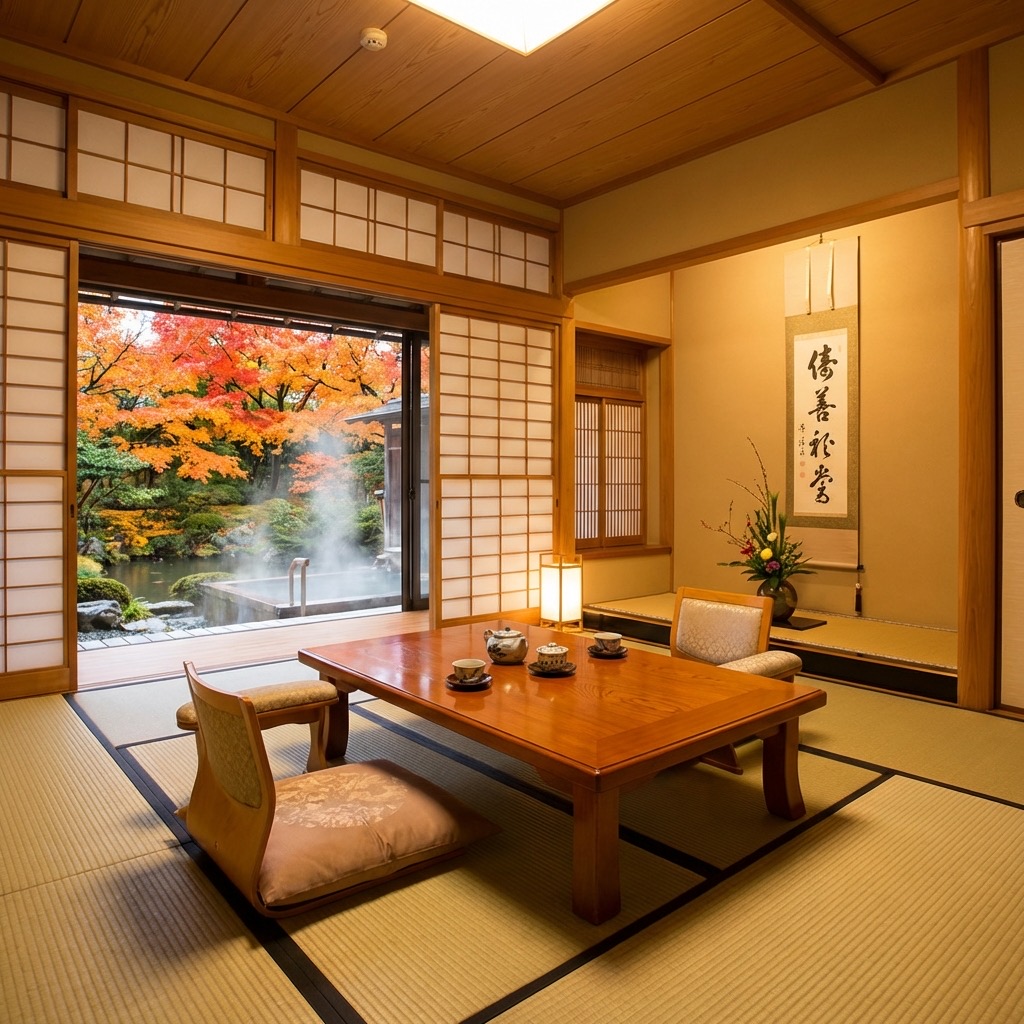
To truly experience Shirakawa-go, one must stay within the village or its immediate periphery. While the traditional gassho farmhouses offer an authentic communal experience, nearby luxury ryokans provide modern comforts with panoramic views of the Sho River valley.
Getting There
The village is best accessed via the Nohi Bus or Hokutetsu Bus from Takayama (50 mins) or Kanazawa (75 mins). Reservations are mandatory for most express buses. During peak winter season, spots fill up weeks in advance.
FAQ
Inspired?
Share this destiny with someone special.