Gifu
Welcome to Shirakawa-go
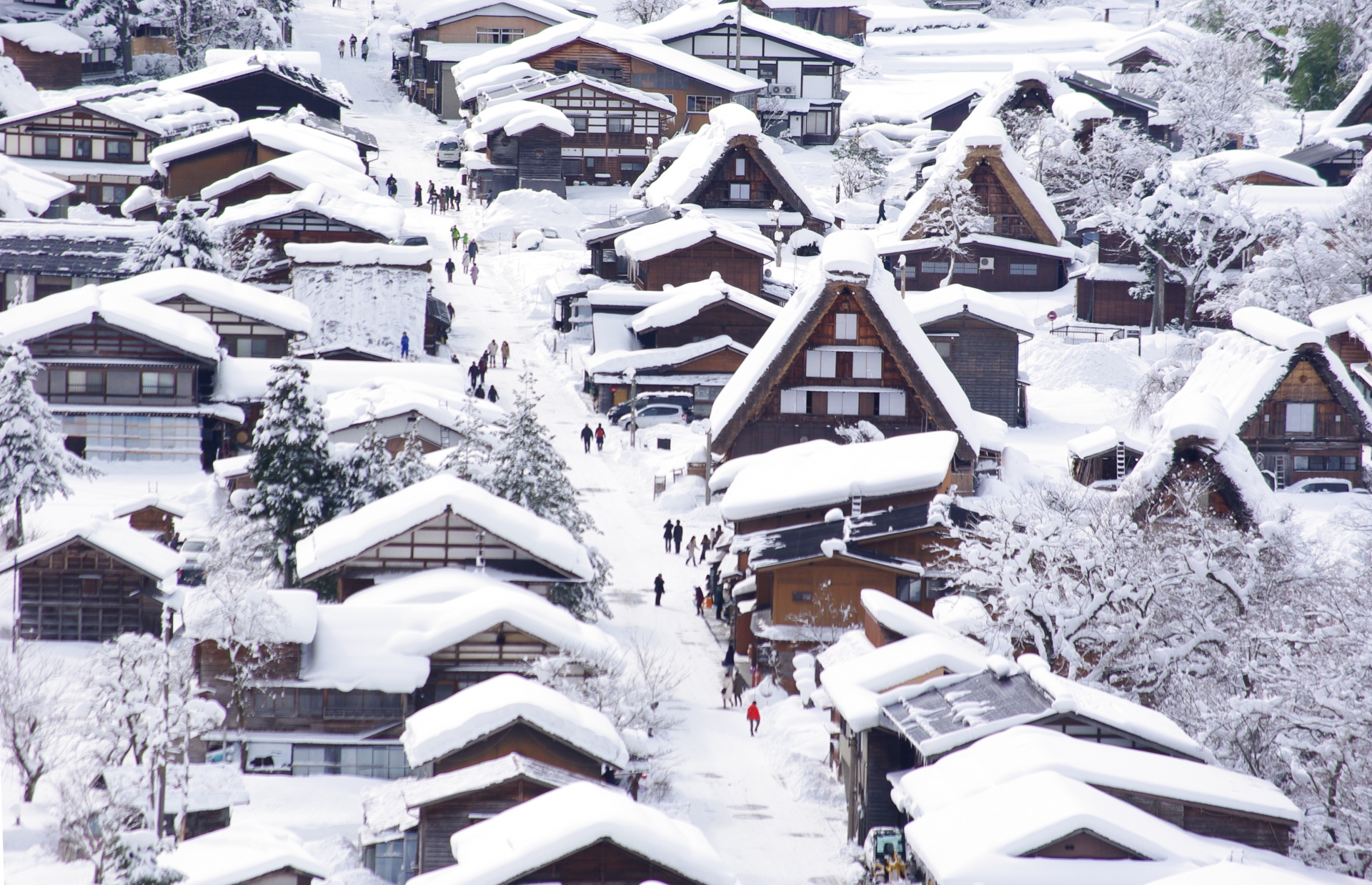
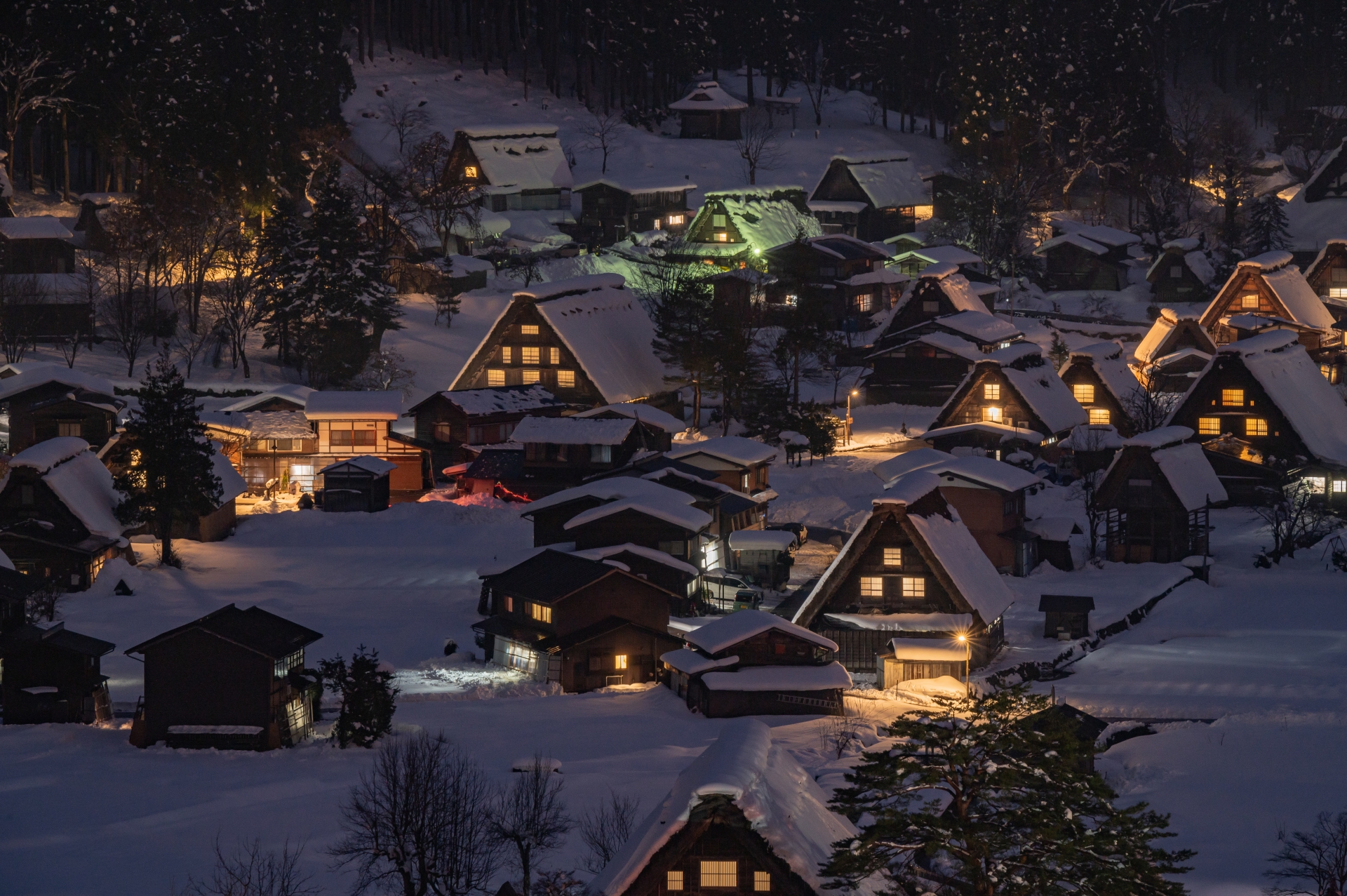
Tucked deep within the rugged folds of the Gifu Alps lies Shirakawa-go, a UNESCO World Heritage site that feels less like a destination and more like a fever dream of old Japan. Here, the air is perfumed with the scent of woodsmoke and the crisp, crystalline purity of mountain springs. The iconic gassho-zukuri farmhouses, with their steep thatched roofs resembling hands pressed in prayer, stand as a testament to human resilience against the heavy winter snows. To walk through the village of Ogimachi is to step into a living scroll, where the tactile rhythm of rural life continues in harmony with the shifting seasons. Whether you seek the silent majesty of a snow-draped morning or the vibrant greens of a mountain summer, Shirakawa-go offers a profound sensory reconnection to the earth.
Ogimachi Village Inner Circuit
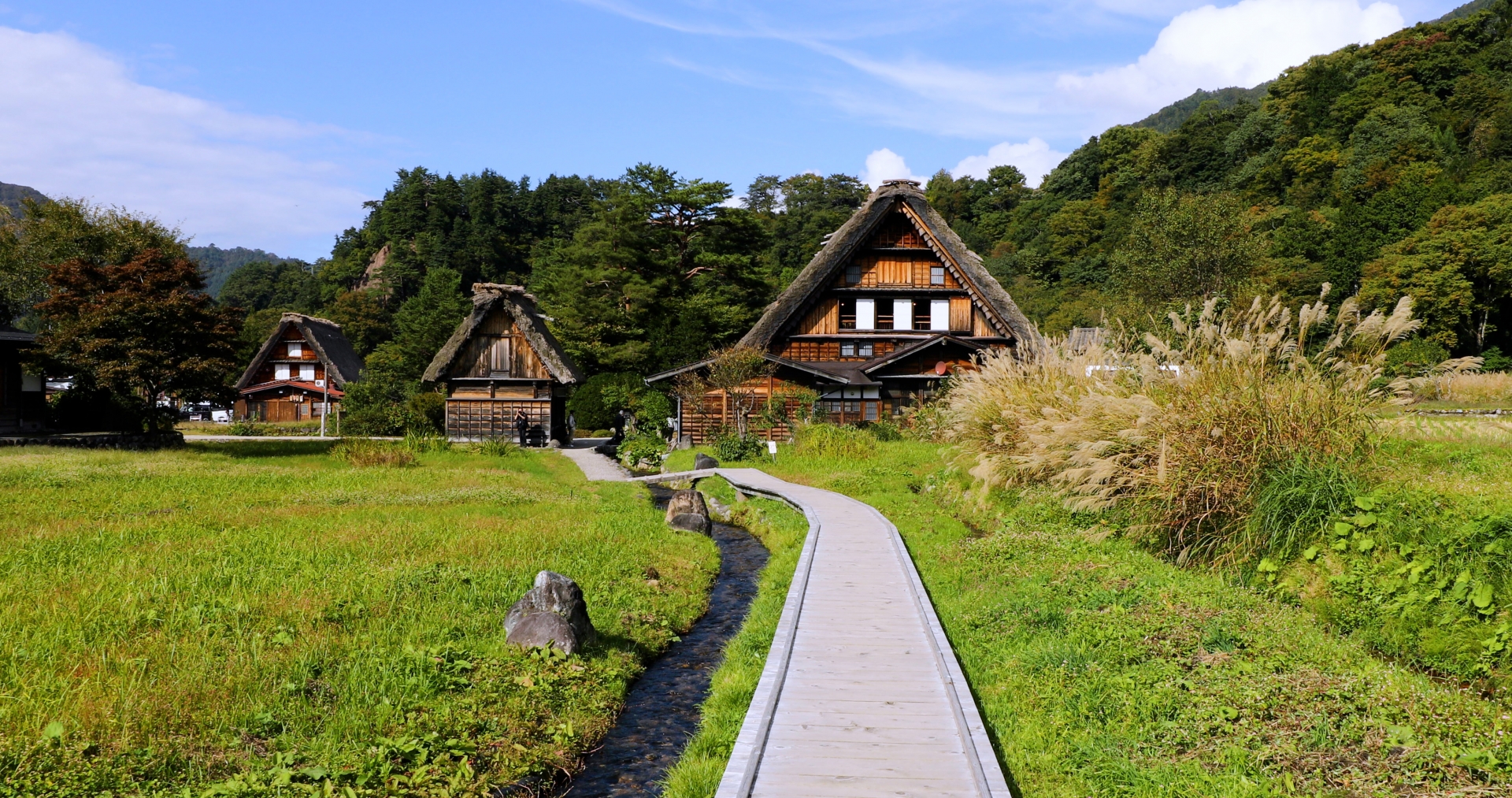
Wander through the heart of the largest village in Shirakawa-go, where the architectural mastery of the gassho-zukuri houses reveals itself in every hand-bound rope and cedar beam. Feel the rough texture of the thatch, designed to withstand the weight of three-meter snowfalls, and listen to the gentle trickle of irrigation canals that have sustained these communities for centuries. This is not a museum; it is a breathing ecosystem where local families still cultivate rice in the shadows of their ancestral homes. The visual harmony of the dark wood against the emerald paddies is a photographer's masterpiece.
Shiroyama Tenshukaku Observatory
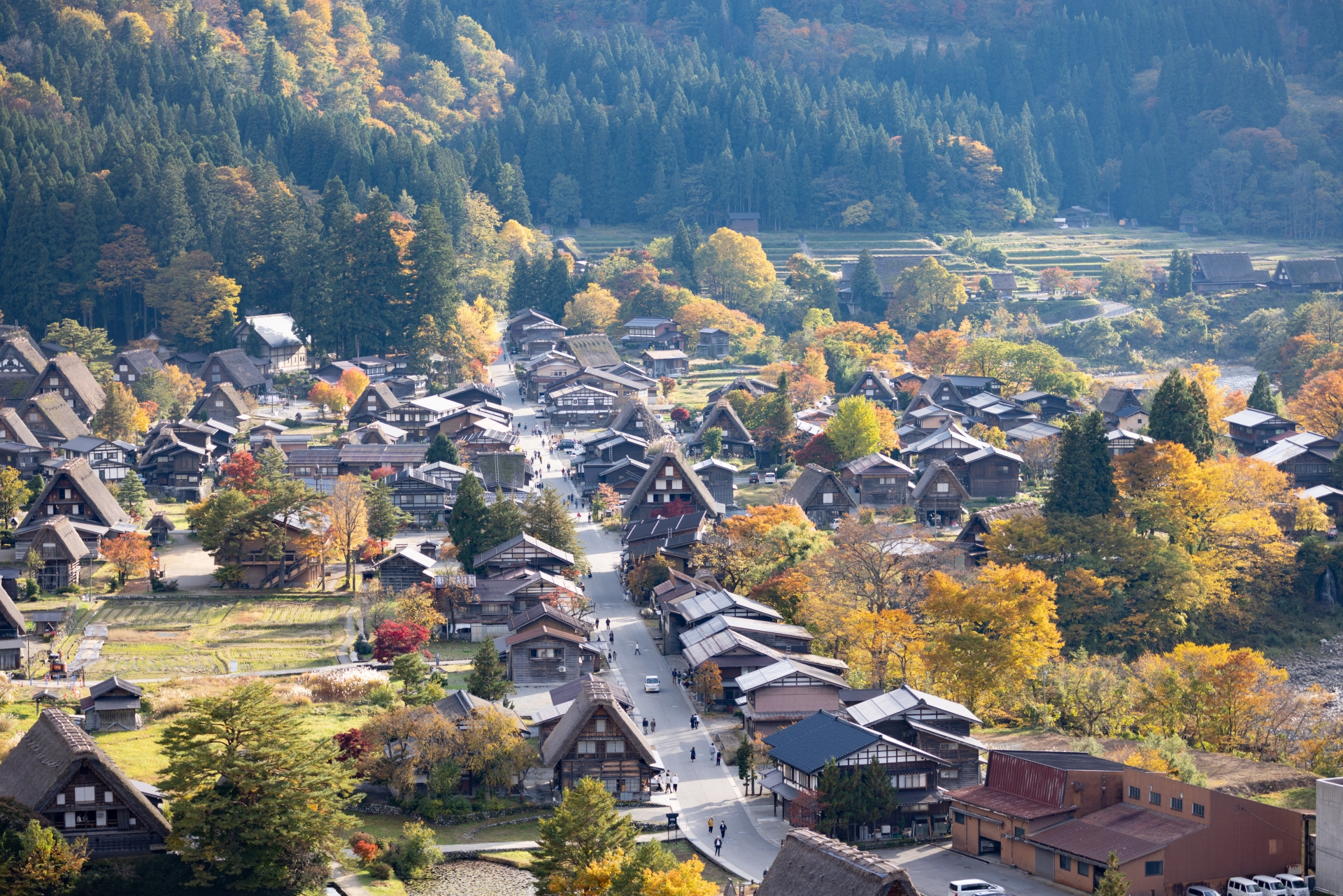
For the quintessential panoramic view, ascend to the ruins of Ogimachi Castle. From this vantage point, the village unfolds below like a miniature toy set, framed by the dramatic, jagged peaks of the Hida Mountains. During the golden hour, the sun dips behind the ridges, casting a warm, honeyed glow over the thatched roofs, while the saline mist of the Shogawa River rises to meet the cooling air. It is a moment of profound stillness that captures the scale and isolation of this mountain sanctuary, making the trek entirely worth the effort for the soul-stirring visual reward.
Wada House (Wada-ke)
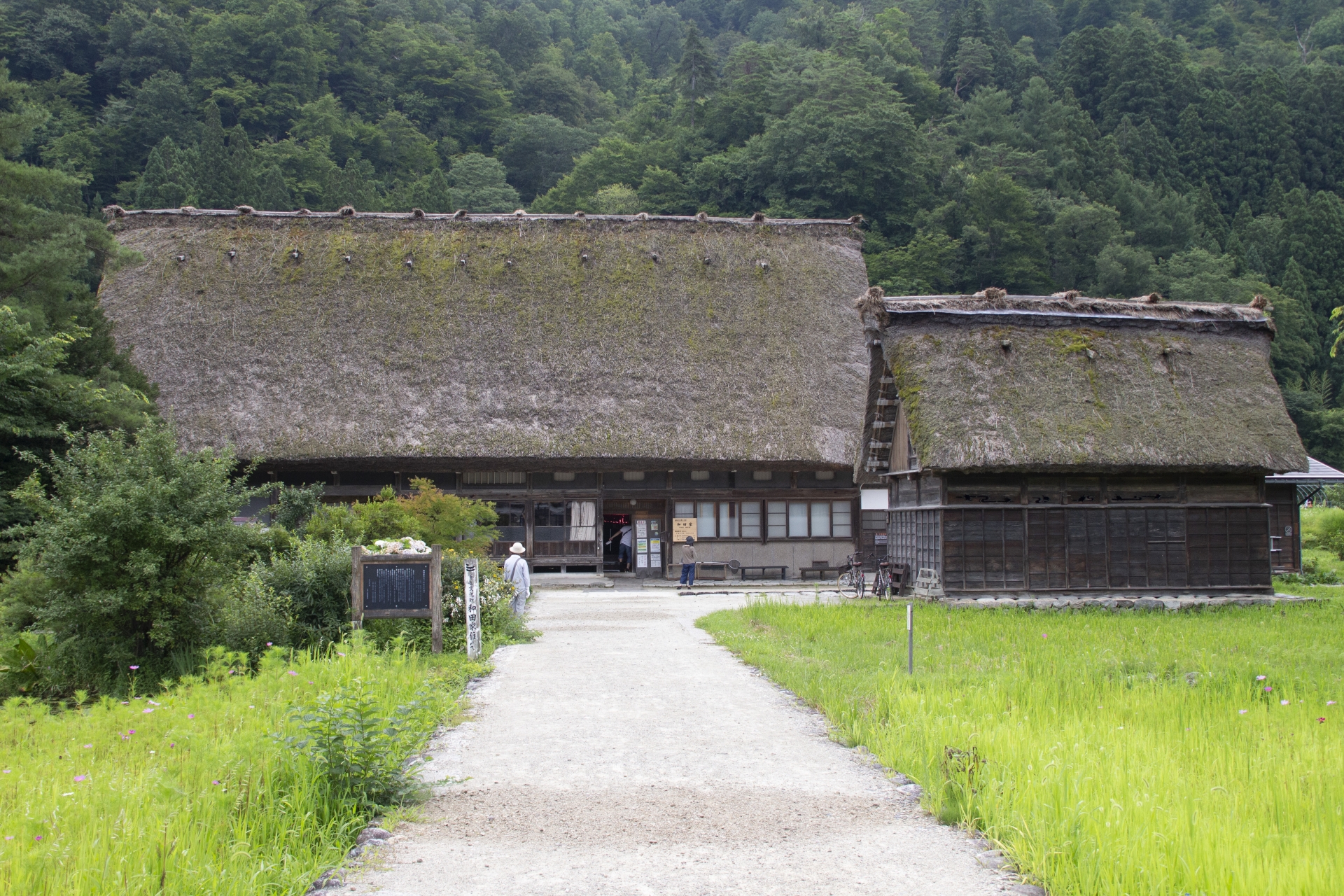
Step inside the largest and most prestigious gassho-zukuri farmhouse in the village. The air inside is thick with history and the faint, comforting aroma of the irori (sunken hearth) that has burned for generations. Climb to the upper attic levels to see the intricate lattice of beams held together only by witch-hazel ties—no nails were used in its construction. Here, you can touch the historic silkworm trays and understand the tactile reality of the industry that once flourished in these high-altitude eaves. It is a masterclass in organic architecture and sustainable living.
Local Soul Food
Tastes you can't find anywhere else.
Hida Beef Miso-yaki
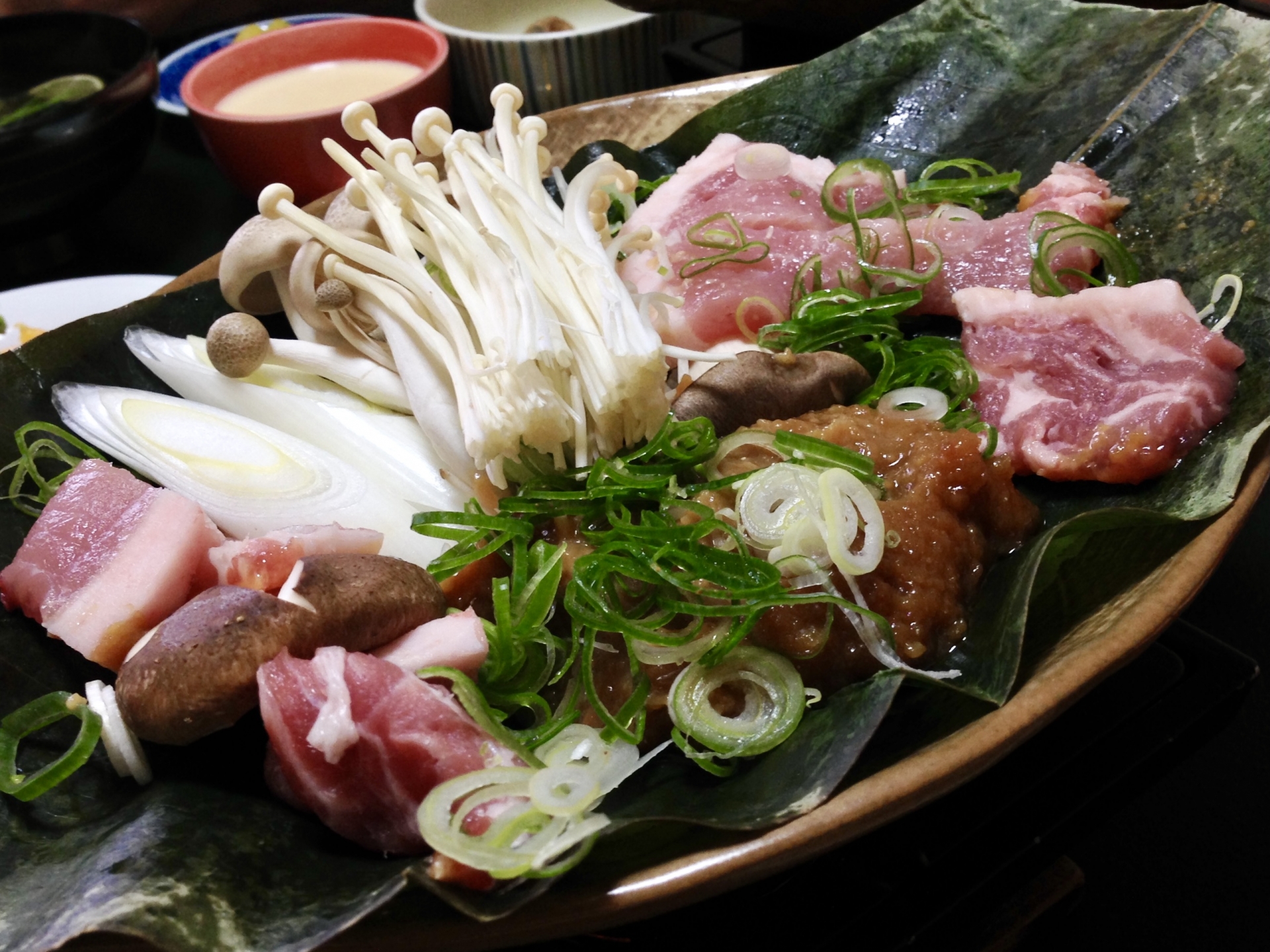
Experience the buttery melt of premium Hida beef, sizzled atop a dried magnolia leaf. The meat is slathered in a rich, fermented local miso paste that caramelizes over a small charcoal brazier, releasing an intoxicating, earthy aroma. The fat of the beef blends with the savory miso to create a sauce so decadent it demands to be spooned over steaming local white rice.
Gohei-mochi
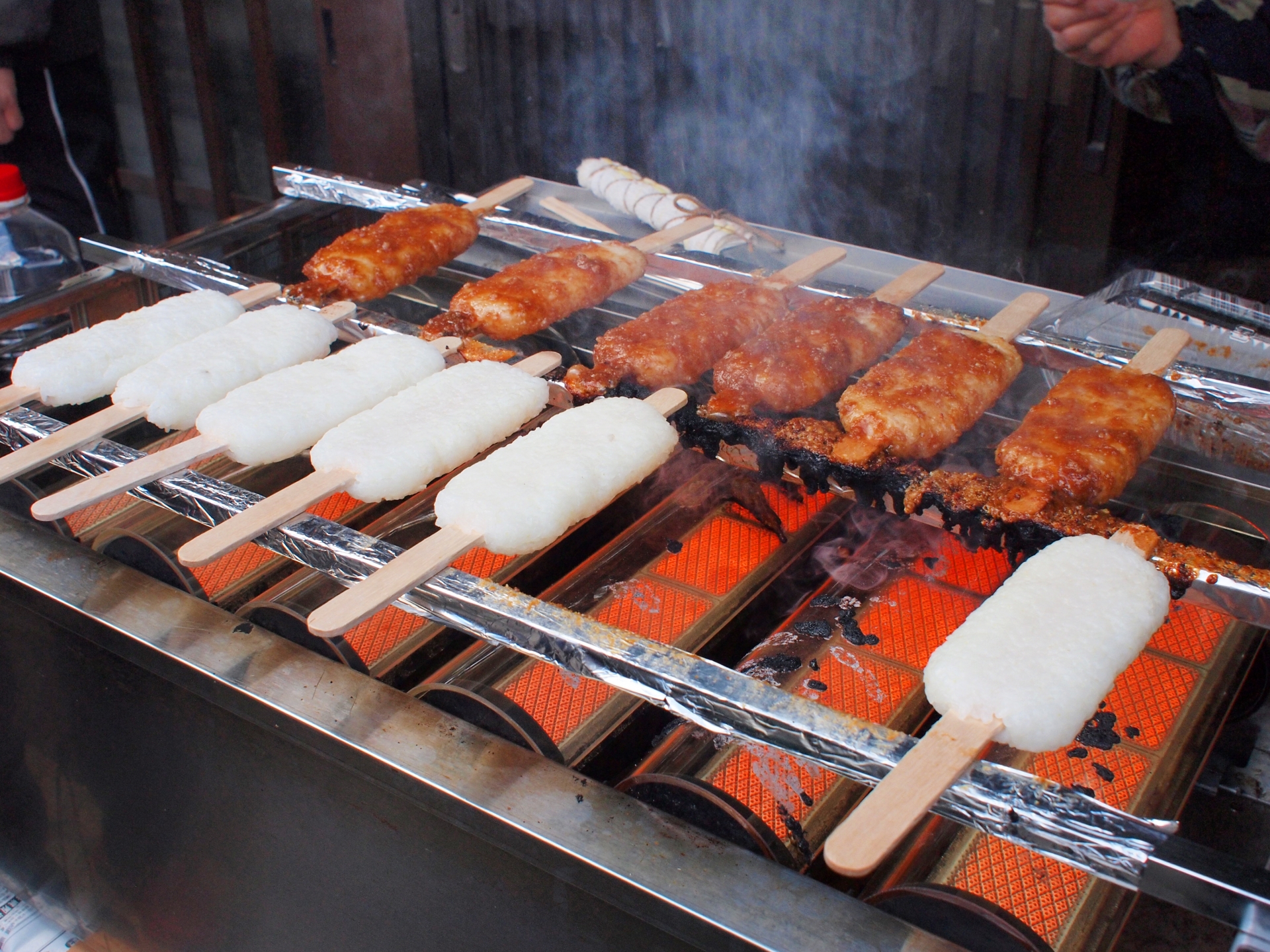
A rustic mountain classic, these skewered rice cakes are pounded until chewy and then coated in a thick, sweet-and-savory glaze of walnut, sesame, and miso. Grilled over open flames, the exterior develops a satisfying charred crunch that gives way to a soft, pillowy center. The nutty fragrance of the toasted glaze is the signature scent of Shirakawa-go's street corners.
Tochi-mochi (Horse Chestnut Cakes)
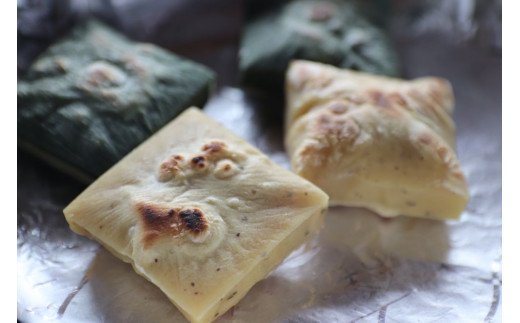
A true taste of the forest, these mochi cakes are made by incorporating the nuts of the Japanese horse chestnut tree. The process is labor-intensive, resulting in a unique, slightly bitter-sweet flavor profile and a deep amber hue. Often filled with smooth red bean paste, they offer a sophisticated, earthy sweetness that pairs perfectly with a cup of bitter matcha.
Premium Stays
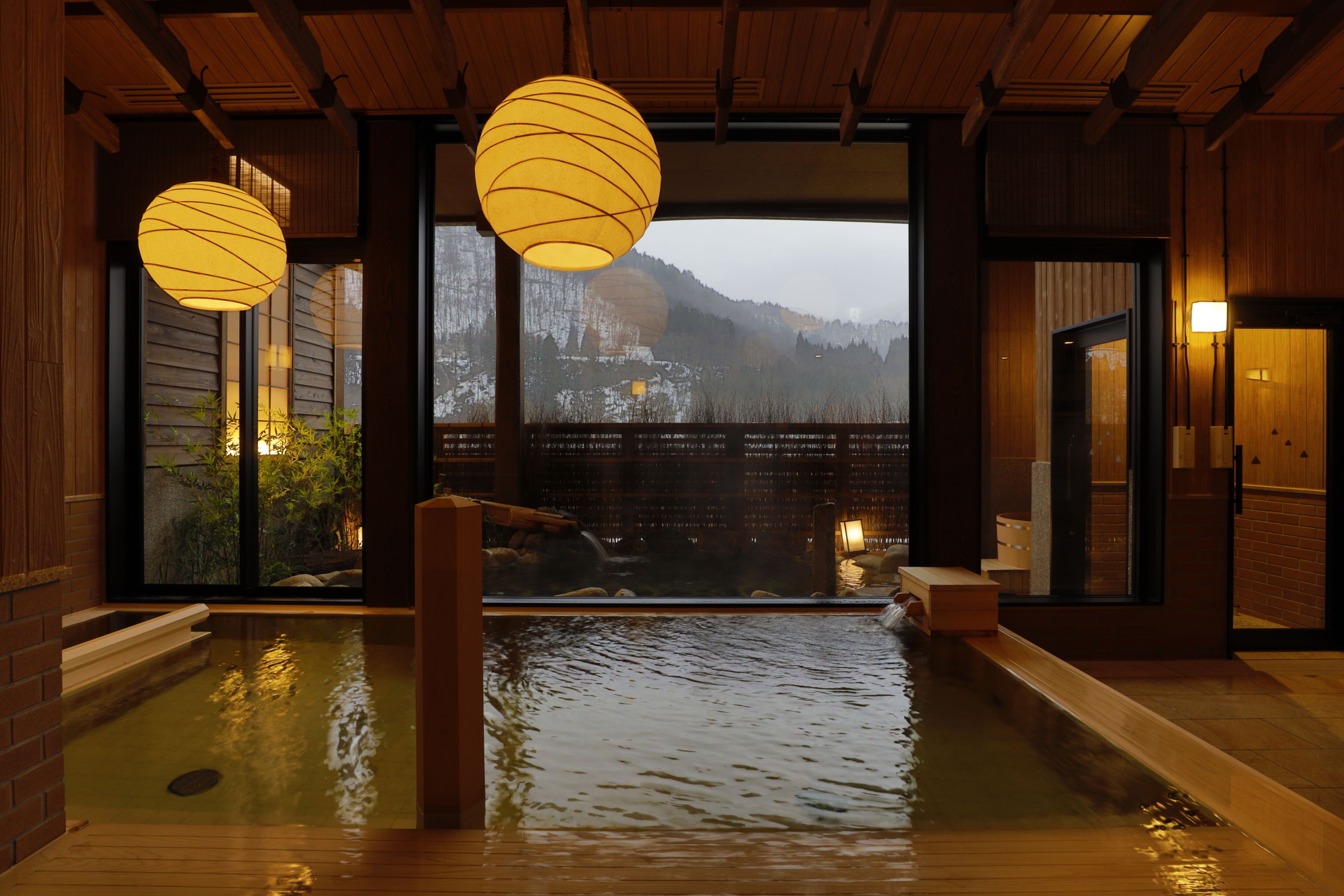
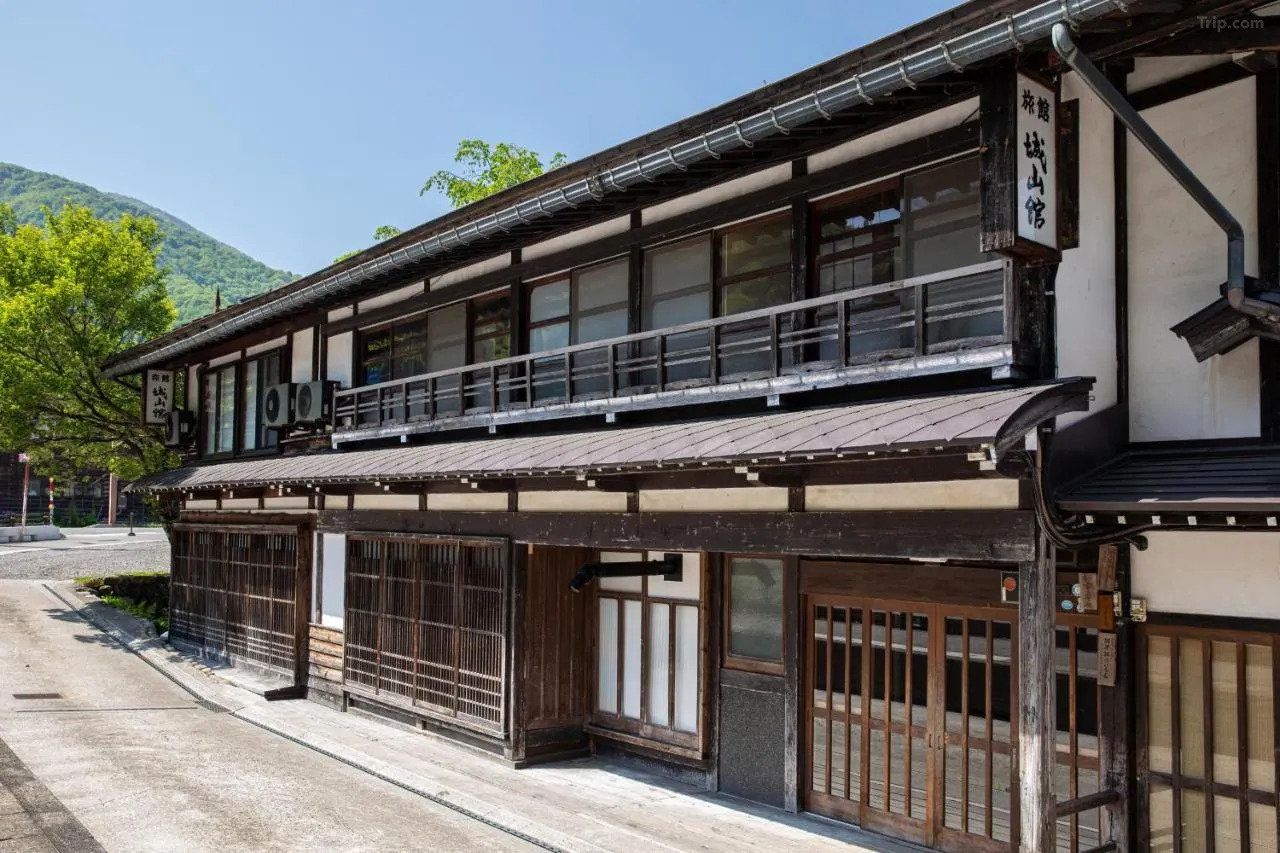
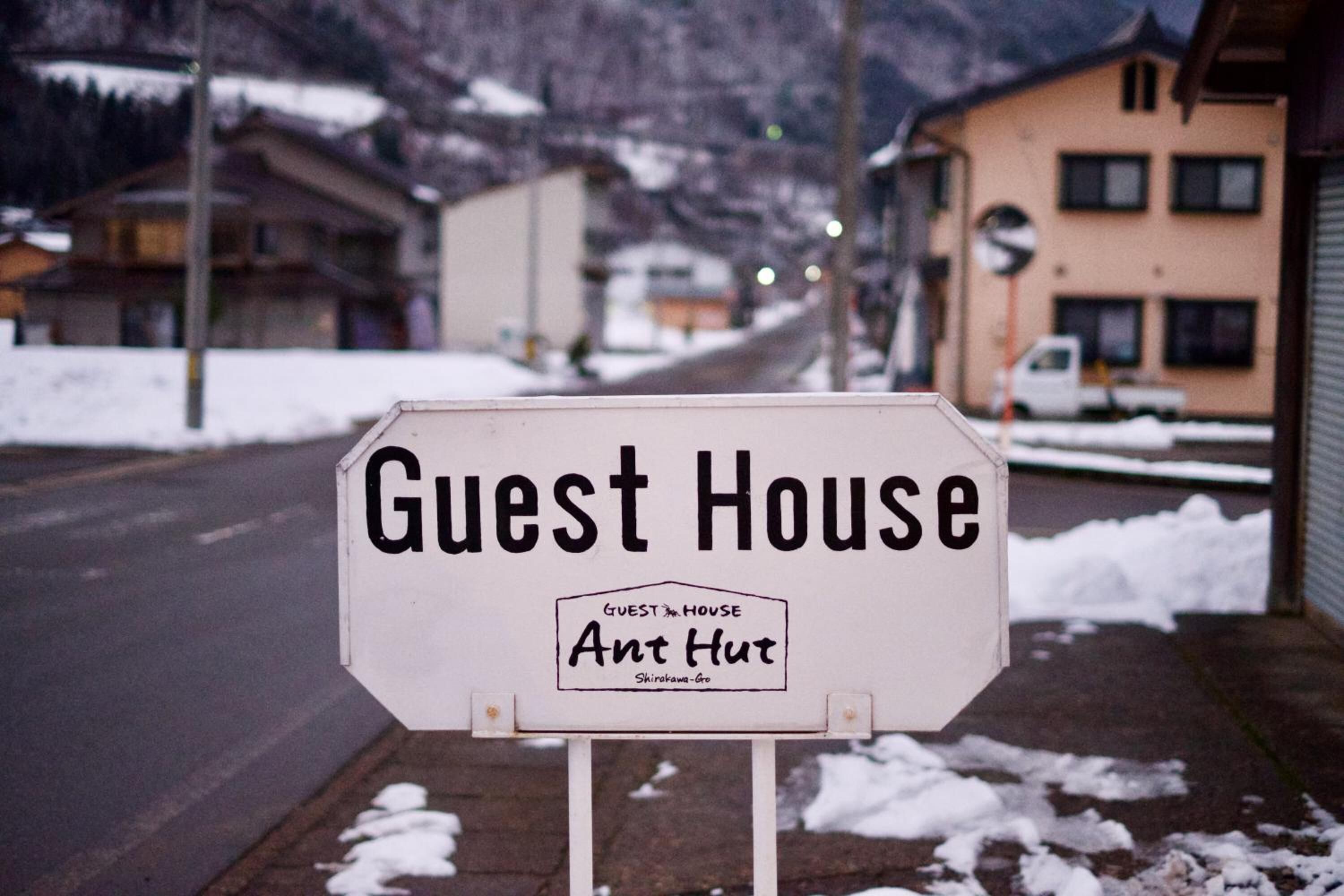
For the ultimate immersion, stay within the Ogimachi village area in a traditional gassho-zukuri minshuku to experience the 'irori' culture. If you prefer modern comforts, look just outside the village perimeter where luxury ryokans offer private onsen facilities with mountain views.
Getting There
Access is primarily via the Nohi Bus from Takayama or Kanazawa. Reservations are mandatory for most express lines. During winter, buses may be delayed by heavy snowfall; always check the schedule 24 hours in advance.
FAQ
Inspired?
Share this destiny with someone special.