Kagoshima
Welcome to Sengan-en
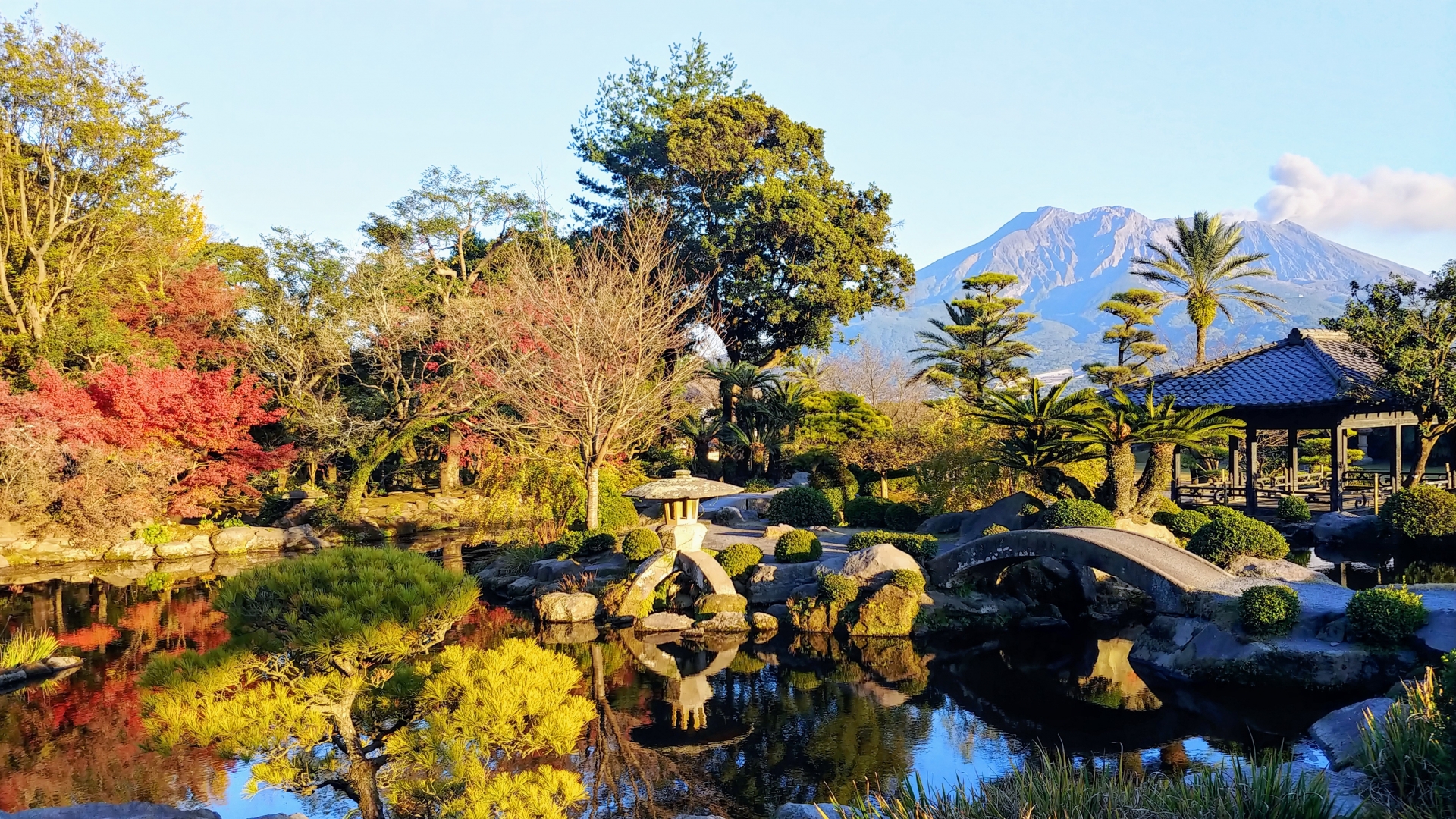
Sengan-en is not merely a garden; it is a profound dialogue between man and the earth’s raw power. Built in 1658 by the Shimadzu clan, this UNESCO World Heritage site uses the majestic Sakurajima volcano as 'borrowed scenery,' creating a vista that defies the boundaries of traditional landscaping. Feel the crisp, saline breeze from Kinko Bay as it mingles with the scent of ancient pine and damp stone. To walk these paths is to step into the shoes of powerful feudal lords, surrounded by the architectural echoes of the Meiji Restoration. It is a place of quiet strength and breathtaking scale, where the rhythmic sound of water against moss-covered basins serves as a backdrop to the distant, occasional rumble of the volcano.
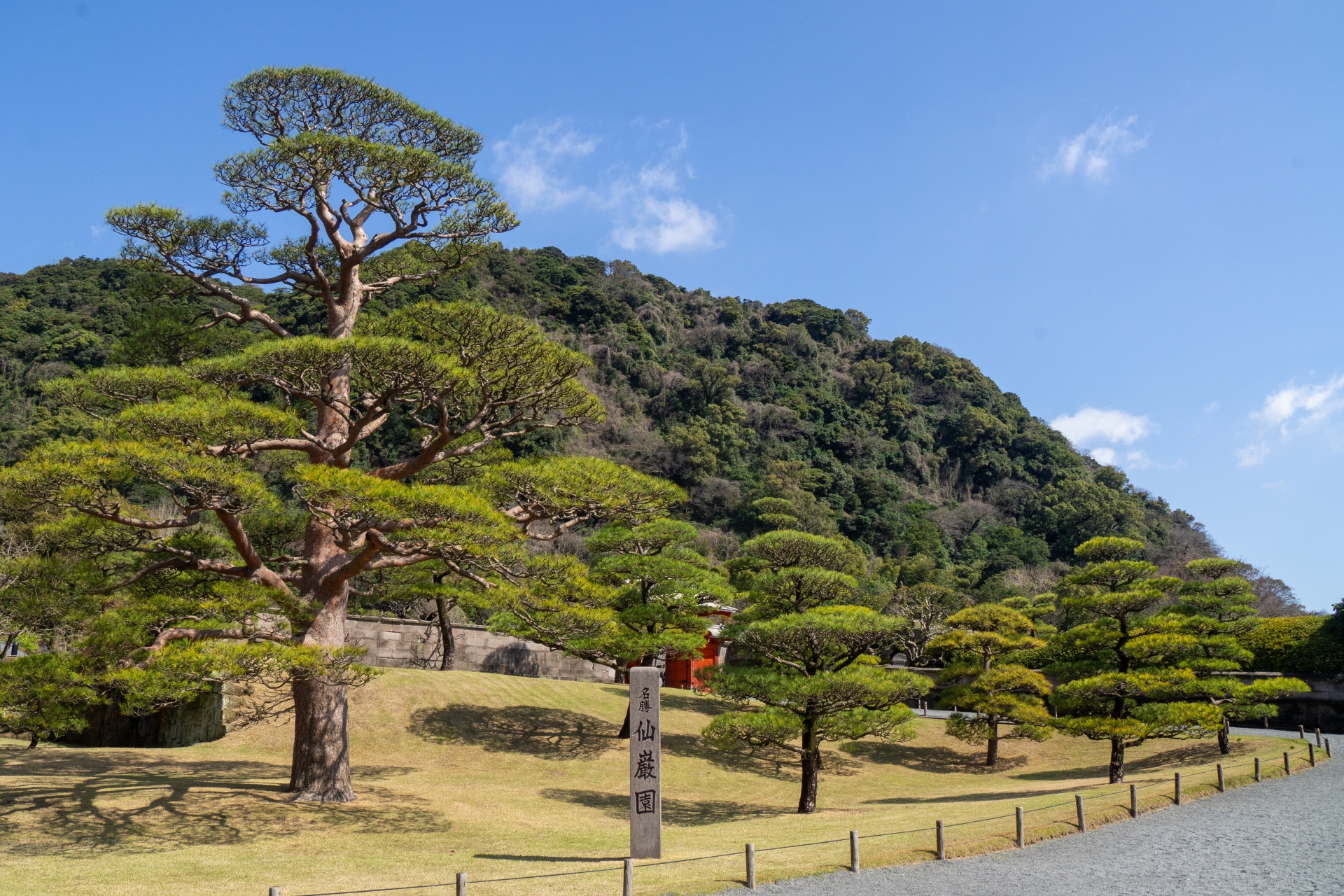
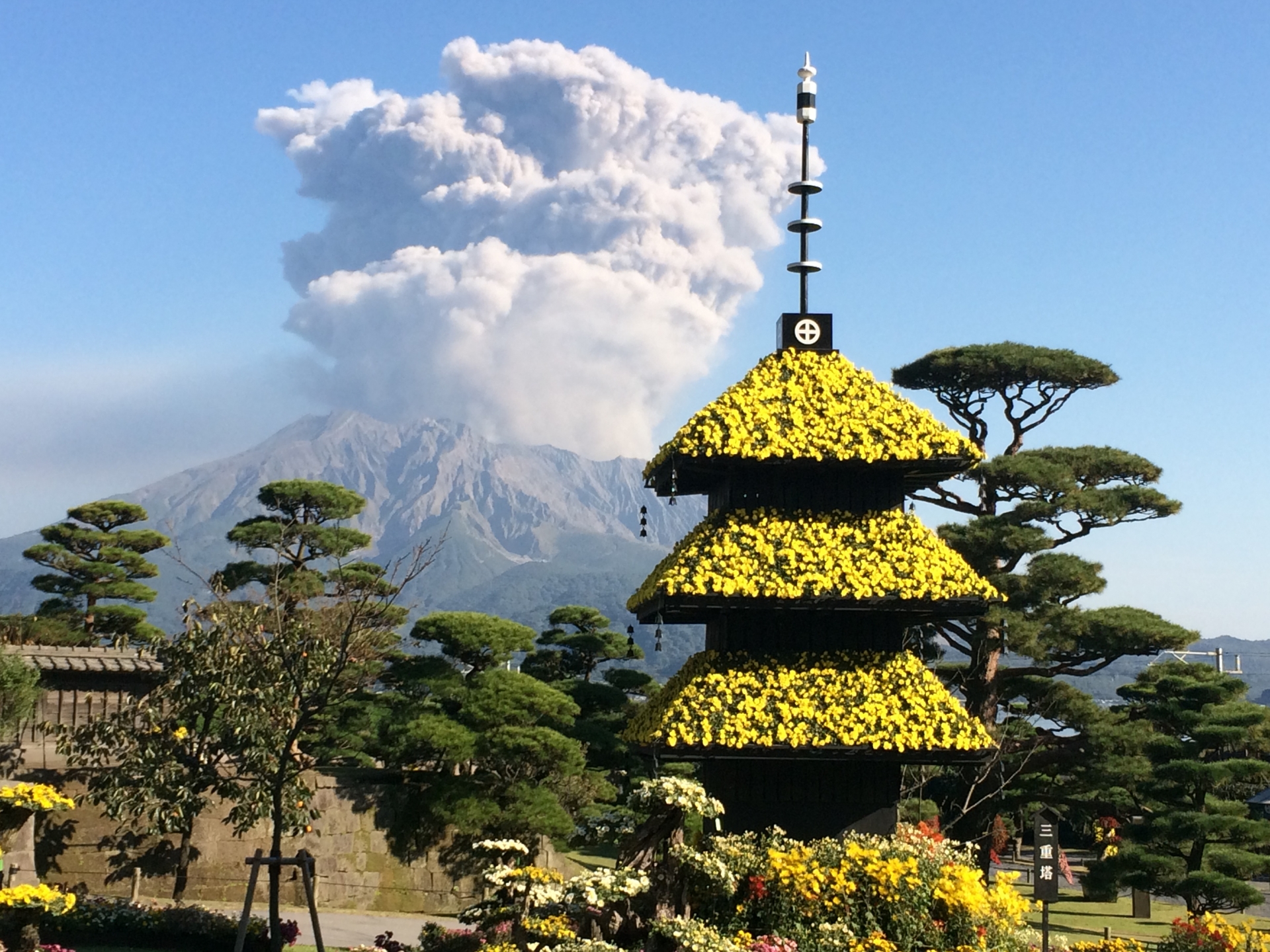
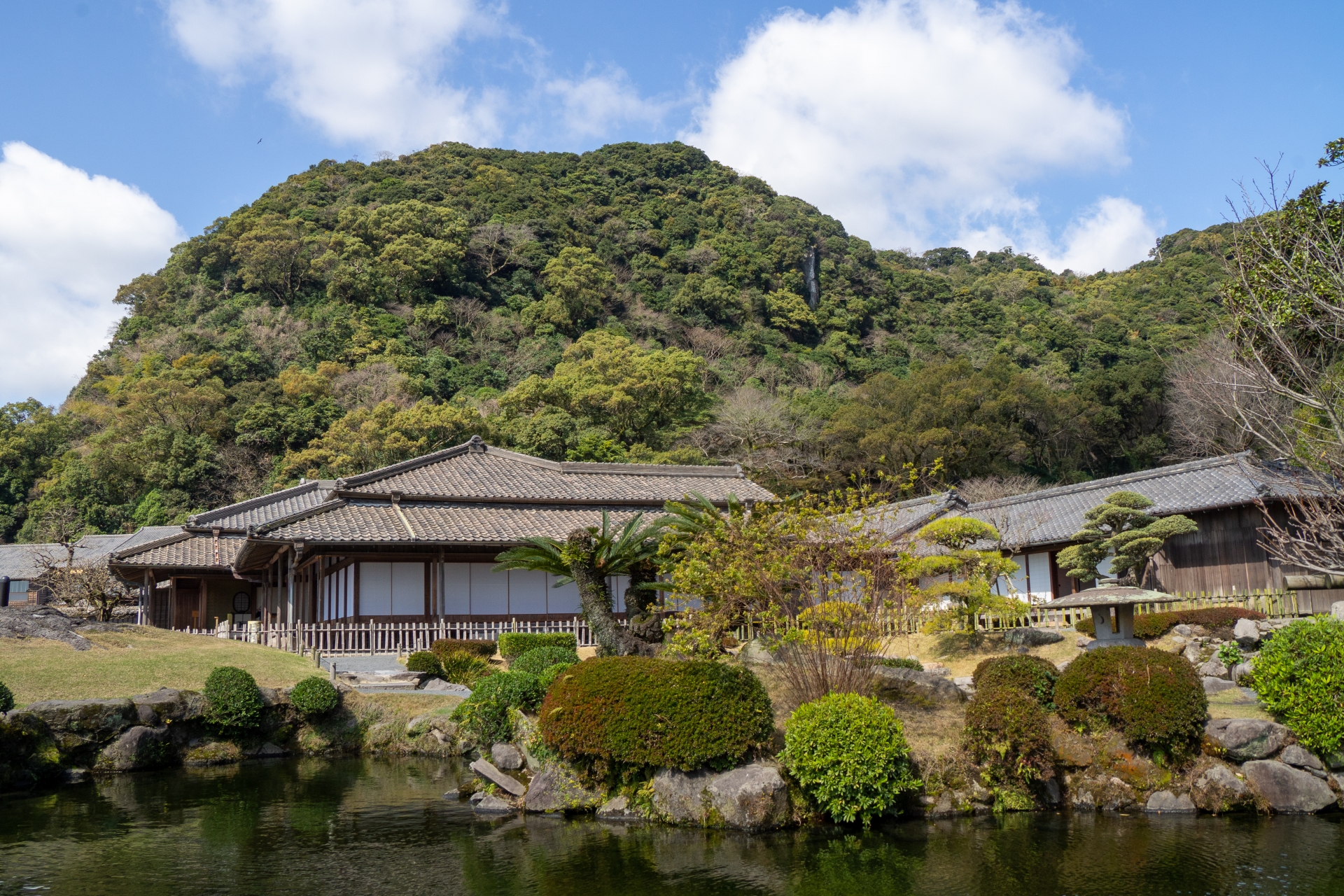
The Iso Residence
Step into the private world of the Shimadzu lords. This impeccably preserved residence offers a sensory journey through tatami-matted halls where global diplomacy once unfolded. Notice the intricate 'nail-head covers' shaped like bats and citrus fruits—symbols of longevity and prosperity. The view from the inner chambers, framing the meticulously raked gravel against the smoking peak of Sakurajima, is perhaps the most prestigious perspective in all of Kyushu. It is an intimate encounter with Edo-period luxury that feels remarkably alive.
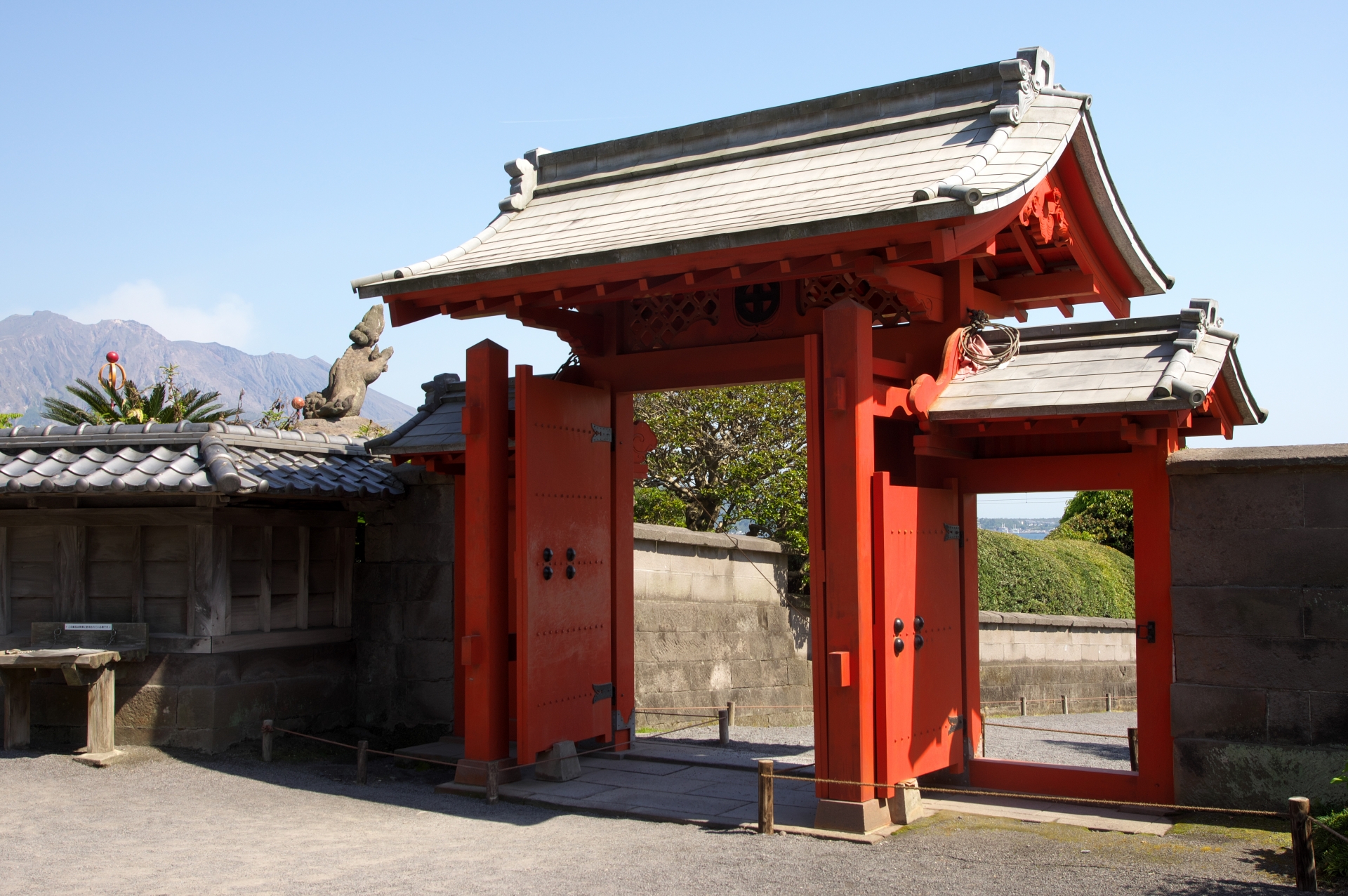
The Tin Gate (Suzumon)
The striking vermillion hue of the Tin Gate serves as a vibrant gateway to the past. Roofed with rare, heavy tin plates—a material more precious than gold in the feudal era—this gate was once reserved exclusively for the Lord and his eldest son. Standing before its bold red pillars, one feels the weight of the rigid social hierarchy that defined the samurai age. The contrast of the scarlet lacquer against the deep green of the surrounding forest creates a visual tension that is both regal and intimidating.
The Kyokusui Garden & Stream
Witness the site of the ancient 'Kyokusui-no-en' poetry festivals. Here, a gentle stream meanders through mossy banks where nobles once floated cups of sake, composing waka poetry before the cup reached them. The air here is cooler, filled with the gentle trickle of water and the rustle of bamboo leaves. It is a spiritual sanctuary that embodies 'miyabi'—the refined aesthetic of the imperial court. The surrounding ferns and ancient trees create a cathedral of green that feels worlds away from modern Kagoshima.
Local Soul Food
Tastes you can't find anywhere else.
Kagoshima Kurobuta Shabu-Shabu
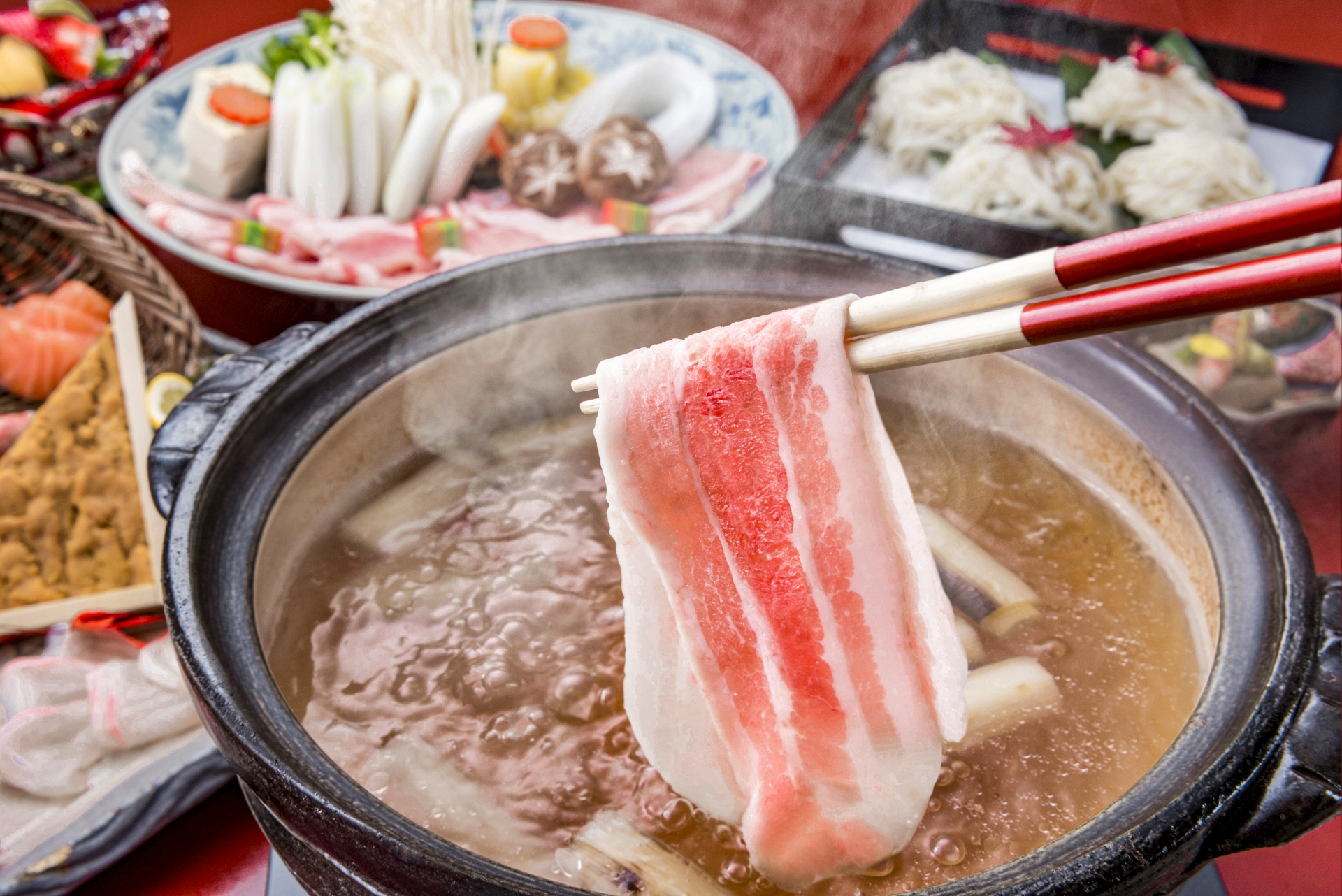
Experience the 'Black Diamond' of Kagoshima. This premium pork is celebrated for its delicate sweetness and a melting texture that defies logic. Swirled briefly in a dashi broth, the thinly sliced meat yields a rich, buttery fat that coats the palate, followed by a clean, savory finish. Paired with local ponzu, it is a masterclass in umami.

Jambo-mochi
A local soul food with a samurai soul. These twin-skewered rice cakes are grilled over charcoal until the surface develops a smoky, caramelized char. Drenched in a thick, glistening glaze of sweet soy and miso, the texture is a delightful interplay between the sticky, chewy center and the crisp exterior. The scent of toasted rice and sugar is irresistible.
Shirokuma Shaved Ice
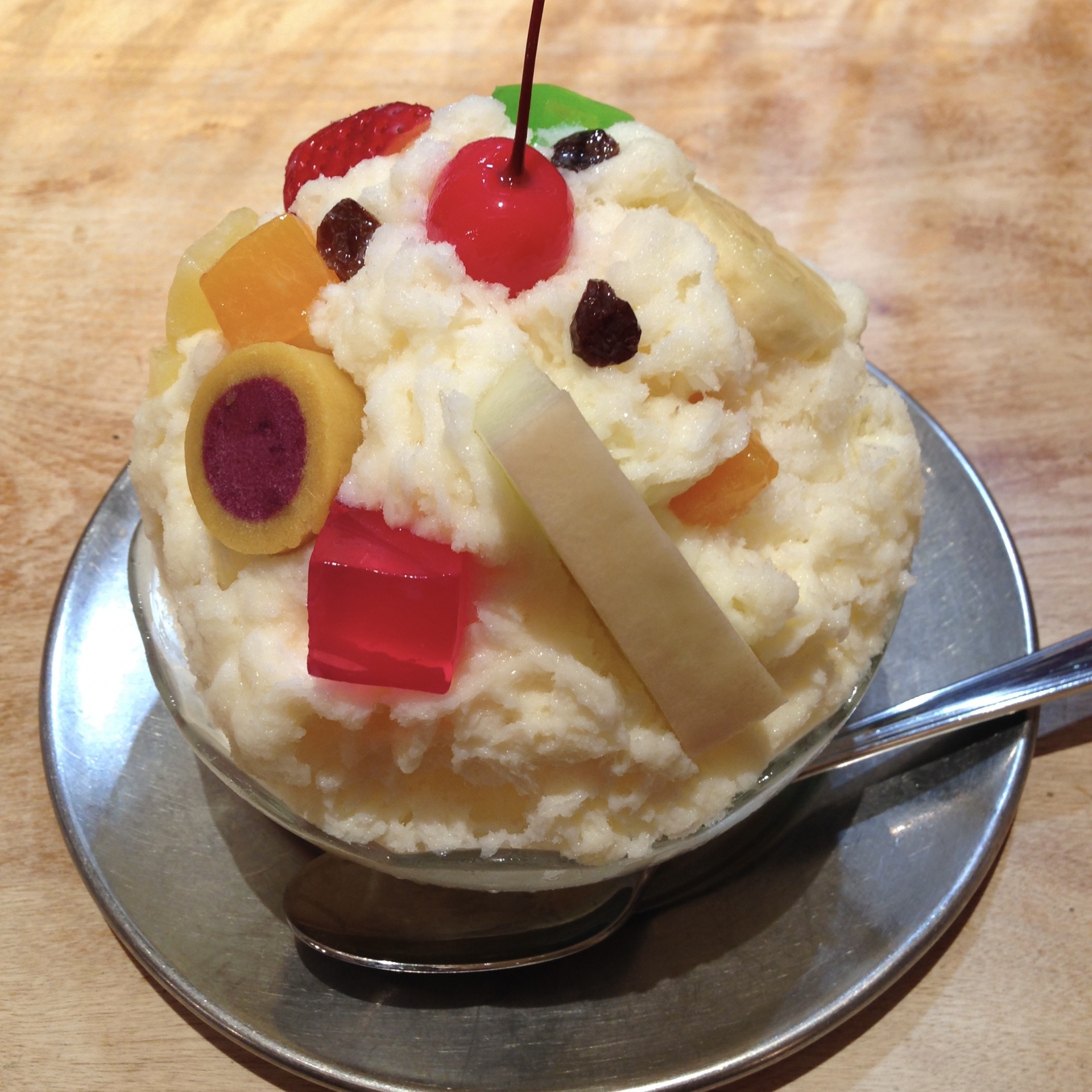
The ultimate Kagoshima refreshment. A mountain of snow-fine ice is drizzled with rich, condensed milk and adorned with colorful fruits and sweet beans to resemble a polar bear's face. The first spoonful provides an instant, icy floral bloom on the tongue, followed by the creamy sweetness of the milk. It is as much a visual delight as it is a culinary one.
Premium Stays
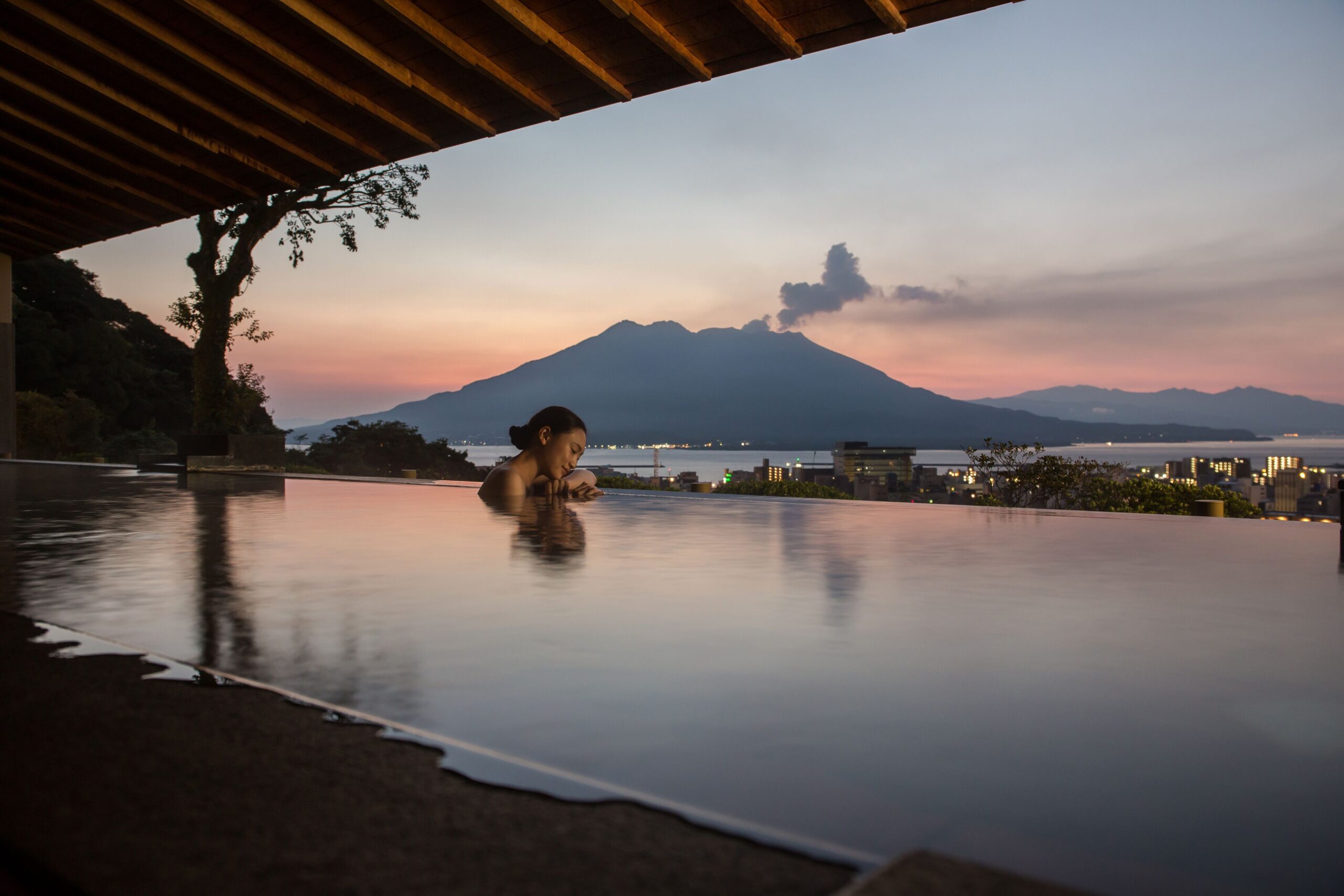
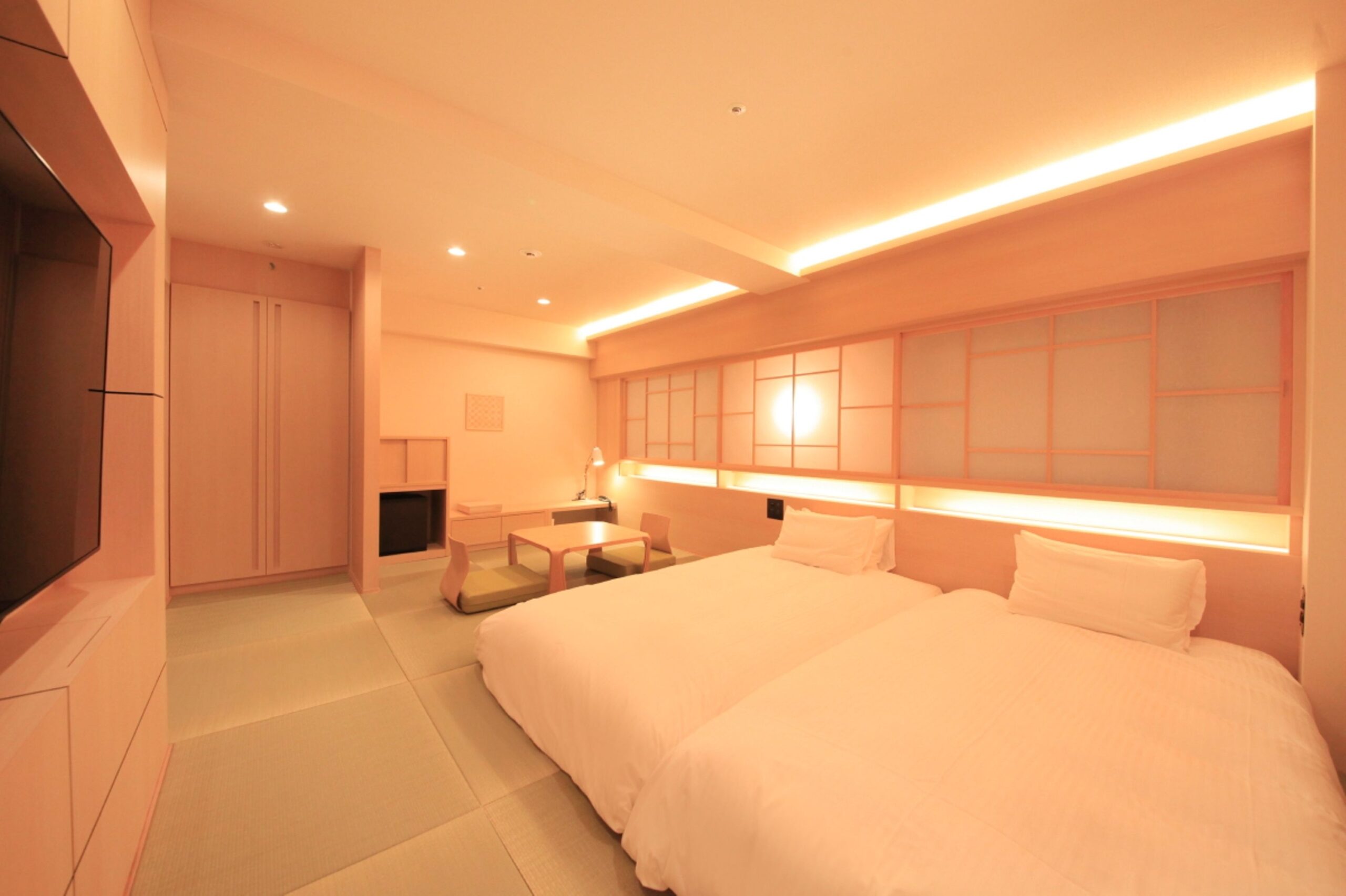
To truly capture the essence of the Shimadzu legacy, stay in the Shiroyama district for elevated views of the volcano, or near Kagoshima-Chuo for seamless access to the garden via the city's efficient loop buses.

Getting There
The most efficient route is the 'Kagoshima City View' bus from Kagoshima-Chuo Station. Buses depart every 30 minutes. Alternatively, the 'Machimeguri' bus offers a similar loop. For a premium experience, a private taxi from the station takes approximately 15 minutes.
FAQ
Inspired?
Share this destiny with someone special.