Gifu
Welcome to Sanmachi Suji
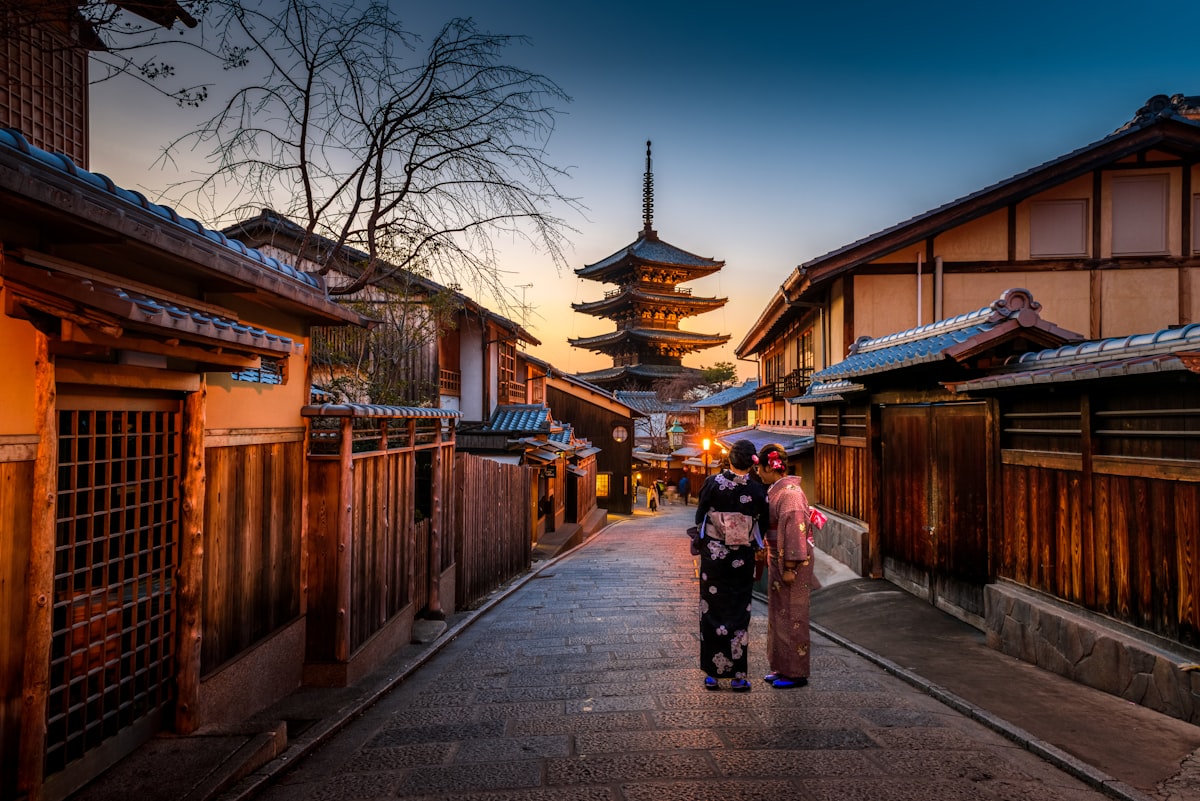
Step into a living ink wash painting where the scent of aged cedar and the rhythmic trickle of mountain water through roadside canals transport you to the 17th century. Sanmachi Suji is the beating heart of Hida Takayama, a preserved merchant district where dark-latticed facades and heavy wooden doors conceal centuries of craftsmanship. Here, the air is thick with the aroma of roasting Hida beef and the sharp, clean scent of fermenting sake. This is not merely a walk through history; it is a sensory immersion into a Japan that remains fiercely proud of its heritage. To walk these streets at dawn is to witness the soul of the Japanese Alps awakening in a symphony of shadows and golden light.
The Kami Sannomachi Streetscape
The quintessential Sanmachi experience, this street is a masterclass in Edo-period urban design. The uniform black-lacquered facades and intricate 'degoshi' lattices create a rhythmic visual harmony. As you walk, notice the 'sugidama' (cedar balls) hanging over sake brewery entrances, turning from green to brown to signal the maturity of the brew. The tactile sensation of the rough-hewn timber and the cool mist from the mountain-fed gutters create an atmosphere of grounded elegance that demands a slow, meditative pace.
Harada Sake Brewery
Beyond its grand gateway lies a sanctuary for the palate. Harada is not just a brewery; it is a sensory archive of Hida’s water and rice. The interior smells of damp earth and sweet koji. For a nominal fee, you can purchase a small lacquered cup and sample over a dozen varieties of refined sake, from the crisp, bone-dry 'Sansha' to velvety, unfiltered nigori. The contrast between the cool, dark interior and the bustling street outside offers a moment of profound, spirited tranquility.
Kusakabe Folk Museum
An architectural marvel designated as an Important Cultural Property, this former merchant house showcases the 'Hida-no-Takumi' woodworking prowess. The soaring ceilings and massive soot-stained beams (matsu-beam) are held together without a single nail, a testament to structural genius. Inside, the play of light through high windows illuminates floating dust motes and polished floorboards, creating a ghostly, beautiful bridge to the past. The quietude here is heavy and respectful, offering a deep dive into the domestic lives of wealthy Edo merchants.
Local Soul Food
Tastes you can't find anywhere else.

Hida Beef Nigiri Sushi
Experience the buttery melt of premium A5-grade Hida beef, lightly seared with a blowtorch to release its nutty fats. Served on a hand-pressed bed of local rice and topped with a dab of fresh wasabi or a soy glaze, it is presented on a crisp shrimp cracker 'plate' to ensure zero waste and maximum crunch. The contrast of the warm, marbled beef against the cool rice is a culinary revelation.
Mitarashi Dango
Unlike the sweet versions found in Tokyo, Takayama's dango is dipped in a savory, dark soy sauce and grilled over charcoal until the edges are perfectly charred. The smell of caramelizing soy sauce wafts through the streets, drawing you to the small wooden stalls. Each bite is a balance of chewy rice dough and a smoky, salty umami finish that defines the region’s rustic palate.
Gohei Mochi
A hearty, soul-warming snack of pounded rice skewers slathered in a thick, rich paste of miso, crushed walnuts, and sesame seeds. As it toasts over the fire, the paste bubbles and hardens into a fragrant crust. The texture is pleasantly coarse, offering a satisfying resistance that releases a burst of earthy, sweet-savory flavor with every mouthful.
Premium Stays
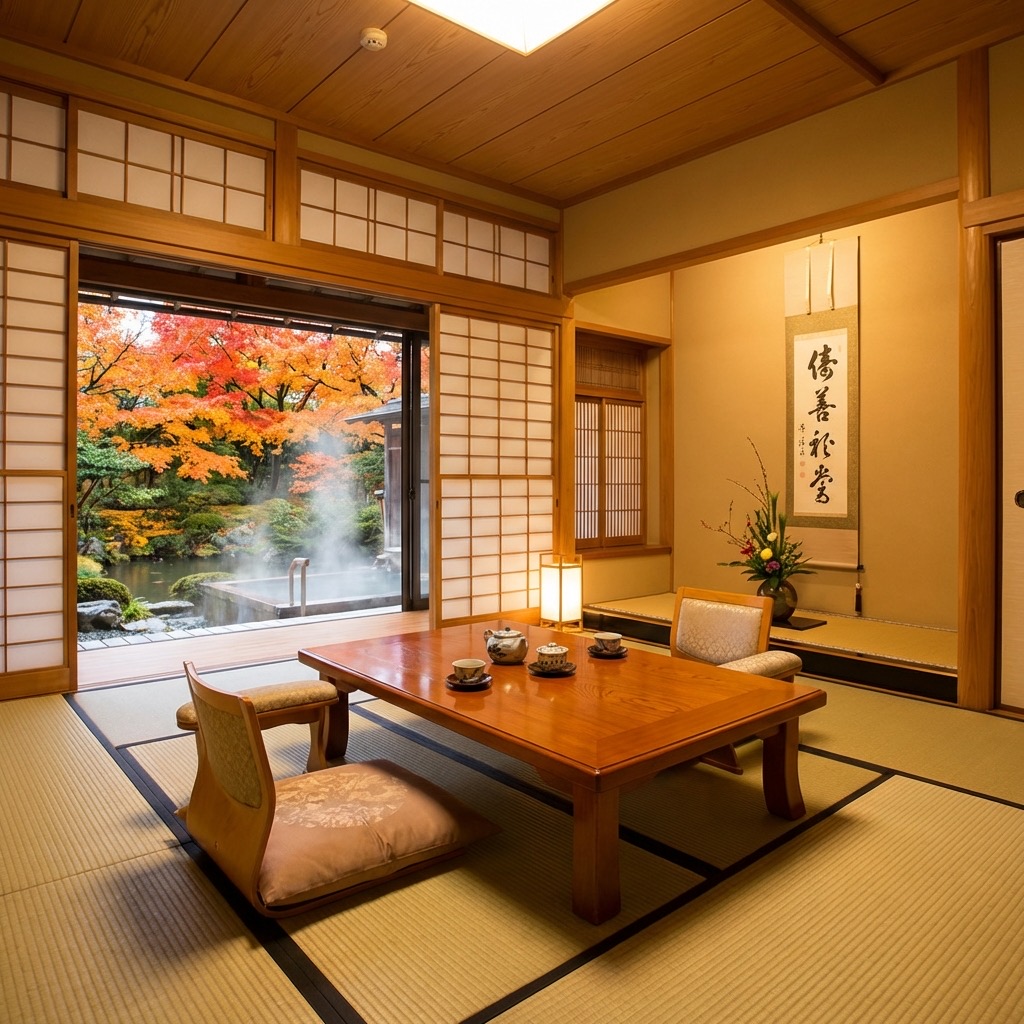
To truly absorb the spirit of Sanmachi Suji, stay within the historic district or the immediate vicinity of the Miyagawa River. This allows you to experience the streets in the blue hour of twilight and the ethereal calm of early morning before the day-trippers arrive.
Getting There
From JR Takayama Station, it is a pleasant 10-minute walk through the city's modern center into the historic district. If arriving from Nagoya, take the limited express Wide View Hida for a scenic mountain journey. Local Machinami buses run every 30 minutes, but walking is highly recommended to catch the subtle details of the area.
FAQ
Inspired?
Share this destiny with someone special.