Tochigi
Welcome to Oya Stone Museum
Beneath the verdant surface of Utsunomiya lies a silent, cavernous world that defies the imagination. The Oya Stone Museum is not merely a historical site; it is a subterranean cathedral carved from volcanic tuff, where the air remains a crisp, constant 10 degrees Celsius. As you descend the stairs, the scent of damp earth and ancient mineral dust greets you, while dramatic spotlights illuminate the rhythmic chisel marks left by generations of stonecutters. This 20,000-square-meter labyrinth has hosted everything from secret wartime factories to high-fashion runways, offering a sensory experience that oscillates between haunting solitude and architectural grandeur. It is a 'power spot' of immense scale, where the silence is so profound it feels tactile against your skin.
The Subterranean Main Hall
The heart of the museum is a colossal cavern that feels more like a Roman basilica than a quarry. The sheer scale of the hand-carved walls, reaching heights of 30 meters, creates an acoustic environment where even a whisper carries like a secret. The play of light and shadow across the jagged stone surfaces creates an ethereal atmosphere that has made this a favorite filming location for international cinema. Walking through this space, you feel the weight of history and the incredible physical labor of the artisans who shaped this underworld.
Oya-ji Temple
A spiritual masterpiece located just minutes from the quarry, Oya-ji is built directly into the side of a massive stone cliff. It houses the oldest stone-carved Buddha in Japan, the 'Oya Kannon,' a 4-meter tall relief dating back to the 9th century. The temple's integration with the natural rock face creates a seamless blend of human artistry and geological wonder. The damp, mossy scent of the temple grounds and the sight of ancient carvings emerging from the living rock evoke a deep sense of peace and historical continuity.
Heiwa Kannon (Goddess of Peace)
Standing 27 meters tall, this majestic statue was hand-carved out of the Oya stone walls over six years following World War II as a prayer for world peace. Climbing the stairs to the observation deck near the statue’s head offers a panoramic view of the Oya village and its unique rocky landscape. The texture of the stone is surprisingly soft to the touch, and the sheer scale of the monument is a testament to the enduring versatility of the local volcanic tuff. It is a place of reflection and breathtaking scale.
Local Soul Food
Tastes you can't find anywhere else.

Utsunomiya Gyoza
The quintessential local soul food. Imagine a paper-thin wrapper, pan-seared to a shattering crispness on one side, yielding to a succulent, aromatic filling of pork, ginger, and local chives. The burst of hot juice and the savory umami of the dipping sauce create a rhythmic addiction that has made this city the gyoza capital of Japan.
Oya Stone-Oven Sourdough
Bread baked in ovens lined with Oya stone benefits from the unique far-infrared heat the stone emits. The result is a crust that is deeply caramelized and smoky, while the interior remains remarkably airy and moist. The aroma of smoldering wood and fermented grain is intoxicating as you pull the warm loaf apart.
Tochigi Wagyu 'Otome' Beef
This premium beef is known for its delicate marbling that melts at room temperature. Seared over high heat, the fat transforms into a buttery, sweet nectar that coats the palate. The texture is so tender it requires little more than the pressure of your tongue to dissolve, leaving a lingering richness and a hint of charred oak.
Premium Stays
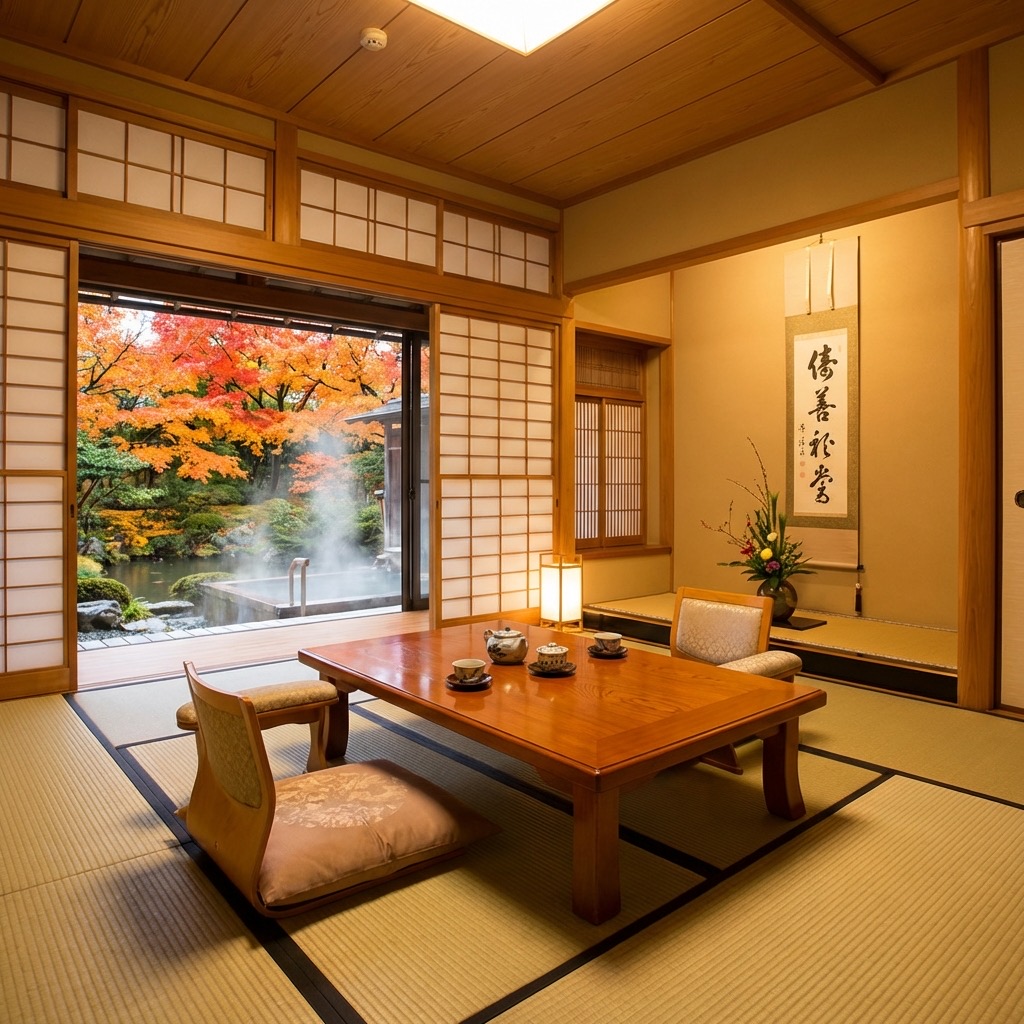
For the ultimate experience, stay in the Nikko area for luxury or central Utsunomiya for convenience and the best access to the local dining scene.
Getting There
From JR Utsunomiya Station, take the Kanto Bus bound for Oya/Tatewa from bus stop No. 6. The journey takes approximately 30 minutes. Buses run roughly twice per hour; check the schedule for the last return bus.
FAQ
Inspired?
Share this destiny with someone special.