Fukushima
Welcome to Ouchi-juku Village Fukushima
Ouchi-juku is not merely a destination; it is a sensory portal to 17th-century Japan. As you walk the unpaved main thoroughfare, the scent of charcoal smoke and mountain cedar hangs heavy in the crisp Fukushima air. The rhythmic sound of clear spring water rushing through stone canals provides a tranquil soundtrack to a village frozen in time. Here, the thatched roofs rise like golden monuments against the emerald mountains, offering a profound silence that modern cities have long forgotten. This is where history loses its dust and becomes a living, breathing experience, inviting you to slow your pace and rediscover the soul of the Japanese countryside.
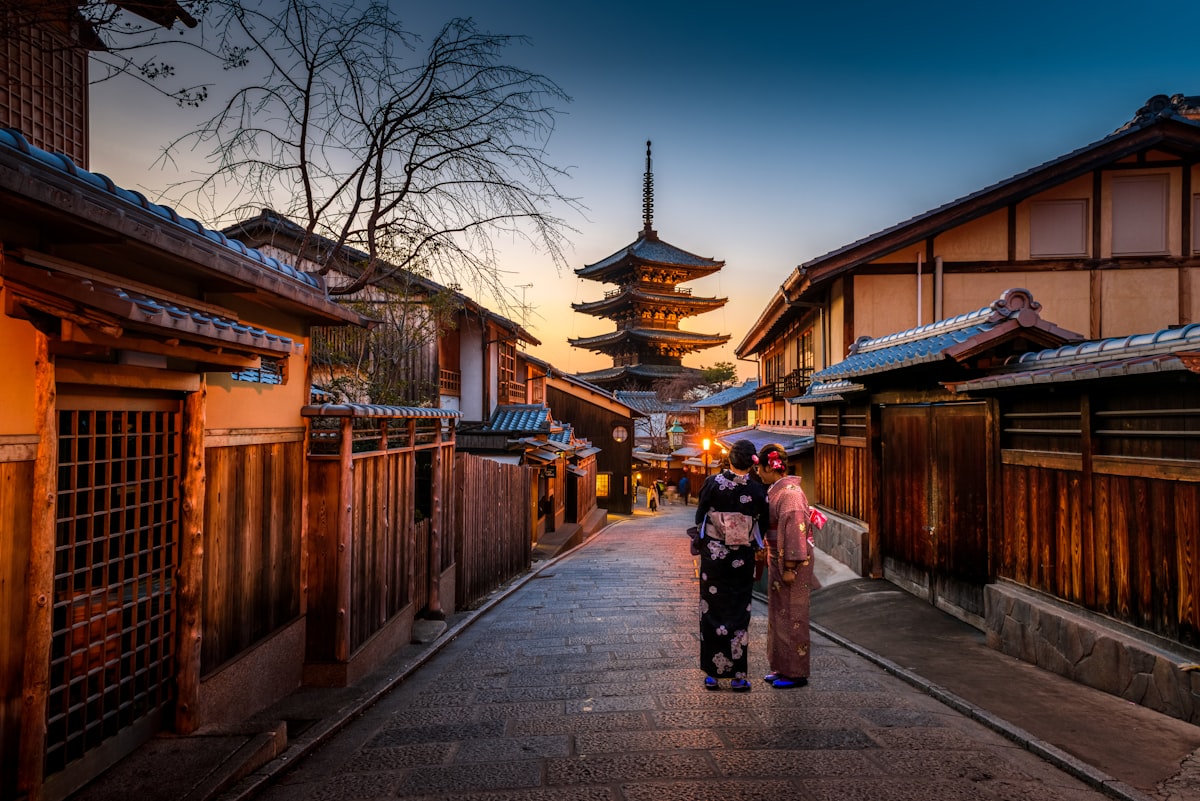
The Main Street & Thatched Roofs
The heart of Ouchi-juku lies in its meticulously preserved main street, flanked by over 40 traditional 'honmachi' buildings. As you tread upon the packed earth, the tactile history of the Aizu-Nishi Kaido trade route comes alive. These structures, with their thick, silver-grey thatch and dark timber frames, once hosted weary samurai and traveling merchants. Today, they house artisan shops and cozy eateries, where the warmth of the 'irori' hearth fire radiates a welcoming glow that has remained unchanged for over 300 years.
Takakura Shrine
Tucked away behind the main village street, a quiet path leads through a majestic cedar grove to the Takakura Shrine. This is a true 'power spot,' where the air feels noticeably cooler and more sacred. Dedicated to Prince Mochihito, the shrine is guarded by a massive 800-year-old cedar tree that stands as a silent witness to centuries of prayers. The moss-covered stone lanterns and the gentle rustle of the canopy create a spiritual sanctuary perfect for those seeking a moment of profound introspection.
The Panoramic Overlook
For the definitive perspective of Ouchi-juku, ascend the steep stairs at the far end of the village. From this elevated vantage point, the village reveals its true architectural harmony, with the thatched roofs aligned like a row of sleeping giants nestled in the valley. During the winter, the village is transformed into a monochromatic masterpiece of white snow and dark wood, while autumn drapes the surrounding peaks in a fiery tapestry of crimson and gold, offering a view that is truly timeless.
Local Soul Food
Tastes you can't find anywhere else.

Negi Soba (Leek Soba)
The signature dish of Ouchi-juku offers a playful and aromatic culinary challenge. Instead of chopsticks, you use a single, thick, curved green leek to scoop the chilled buckwheat noodles. As you bite, the sharp, refreshing crunch of the leek cuts through the savory dashi broth, creating a symphony of textures. The earthy flavor of the locally sourced buckwheat is enhanced by the subtle heat of the onion, making every mouthful a rustic delight.
Tochi-mochi (Horse Chestnut Rice Cakes)
Taste the sweetness of the forest with these traditional rice cakes. The nuts from local horse chestnut trees are painstakingly processed to remove bitterness, then blended with glutinous rice. The result is a soft, pillowy cake with a deep, nutty complexity and a hint of smoky sweetness. Often served with a dusting of roasted soybean flour or a dollop of sweet red bean paste, it is the ultimate comfort food for a brisk mountain afternoon.
Shingoro
A savory mountain specialty, Shingoro consists of mashed rice balls skewered and smothered in a rich, salty-sweet 'junen' (perilla seed) miso paste. Grilled over an open charcoal hearth, the exterior develops a delightful charred crust while the inside remains tender. The aroma of toasted seeds and fermented miso is intoxicating, offering a flavor profile that is deeply rooted in the agricultural heritage of the Fukushima highlands.
Premium Stays
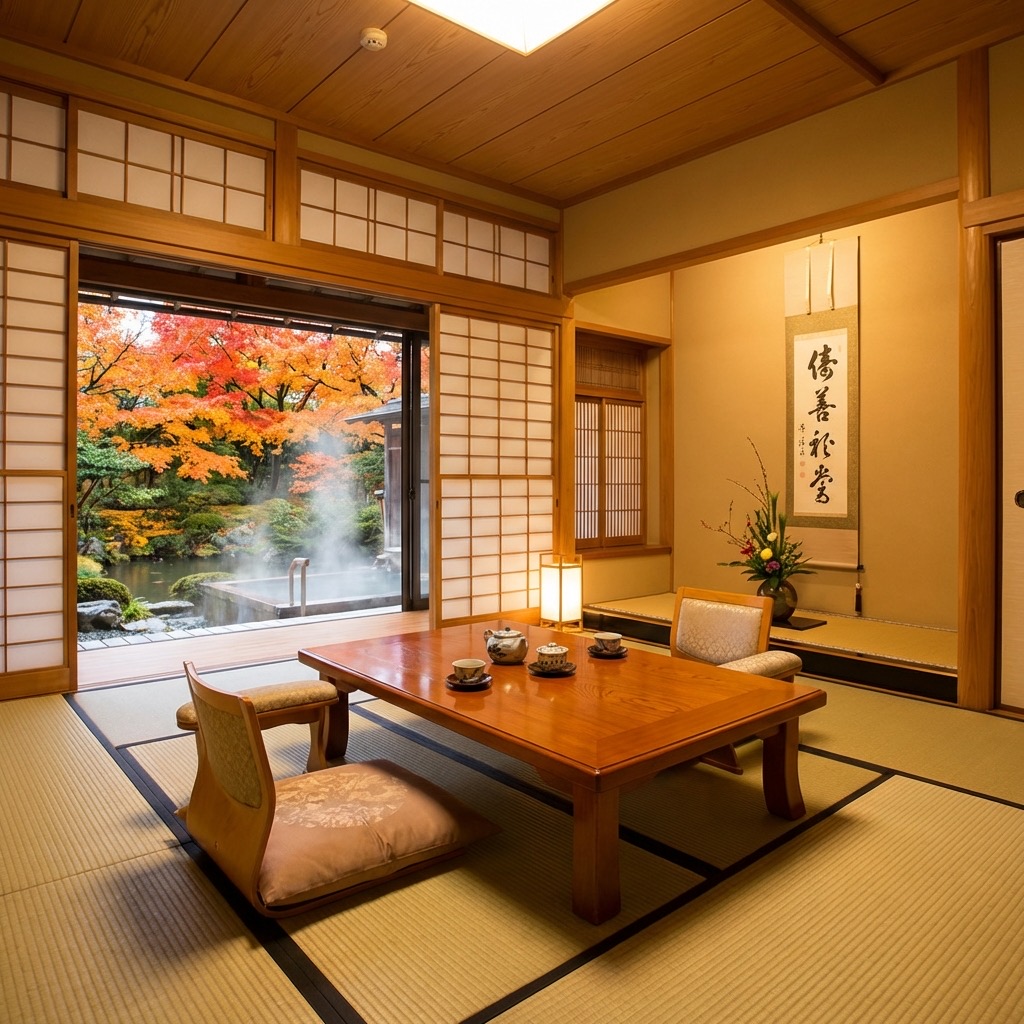
To truly absorb the spirit of Ouchi-juku, I recommend staying in the nearby Yunokami Onsen area. This allows you to combine the historical immersion of the village with the restorative luxury of Fukushima’s natural hot springs. The proximity ensures you can be the first to arrive at the village in the morning, beating the day-trip crowds from Tokyo.
Getting There
Take the Tohoku Shinkansen to Koriyama, transfer to the JR Ban-etsu West Line for Aizu-Wakamatsu, then take the Aizu Railway to Yunokami Onsen Station. From there, the 'Saruyu-go' shuttle bus runs to the village. Note: Shuttle frequency is limited, so synchronize your arrival with the bus schedule.
FAQ
Inspired?
Share this destiny with someone special.