Welcome to Ouchi-juku
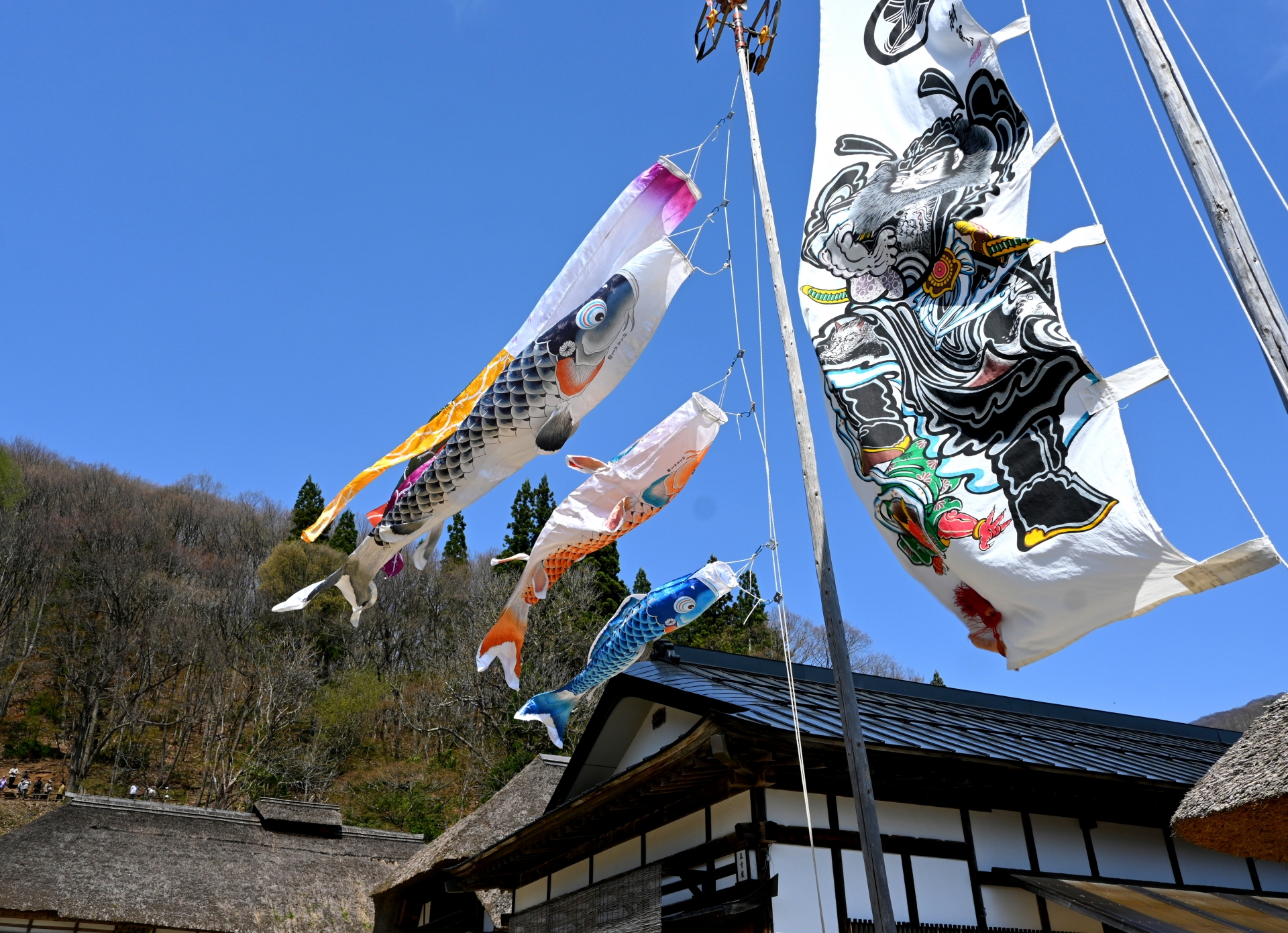
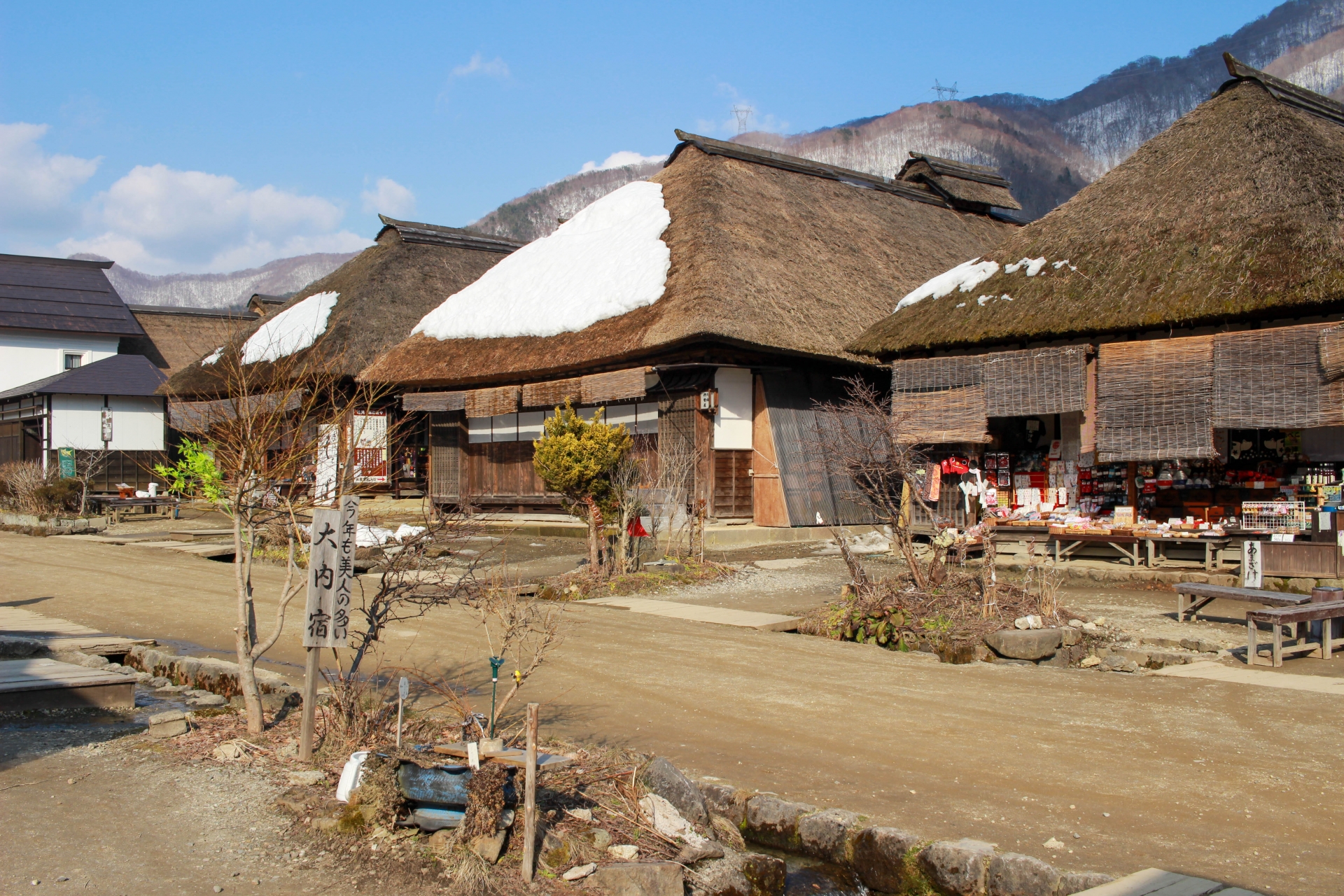
Stepping into Ouchi-juku is not merely a visit; it is a sensory immersion into a Japan that time forgot. Nestled within the emerald embrace of Fukushima’s mountains, this preserved Edo-period post town greets you with the scent of woodsmoke and the rhythmic crunch of gravel underfoot. The sight of thirty massive thatched-roof houses lining a wide unpaved street evokes a profound sense of nostalgia. Here, the crystalline mountain water flows through roadside canals, cooling seasonal fruits and chilling cider just as it did centuries ago. It is a place of profound stillness, where the rustle of the wind through the pines and the distant toll of a temple bell create a symphony of peace that resonates deep within the traveler's soul.
Miharashi-dai Overlook
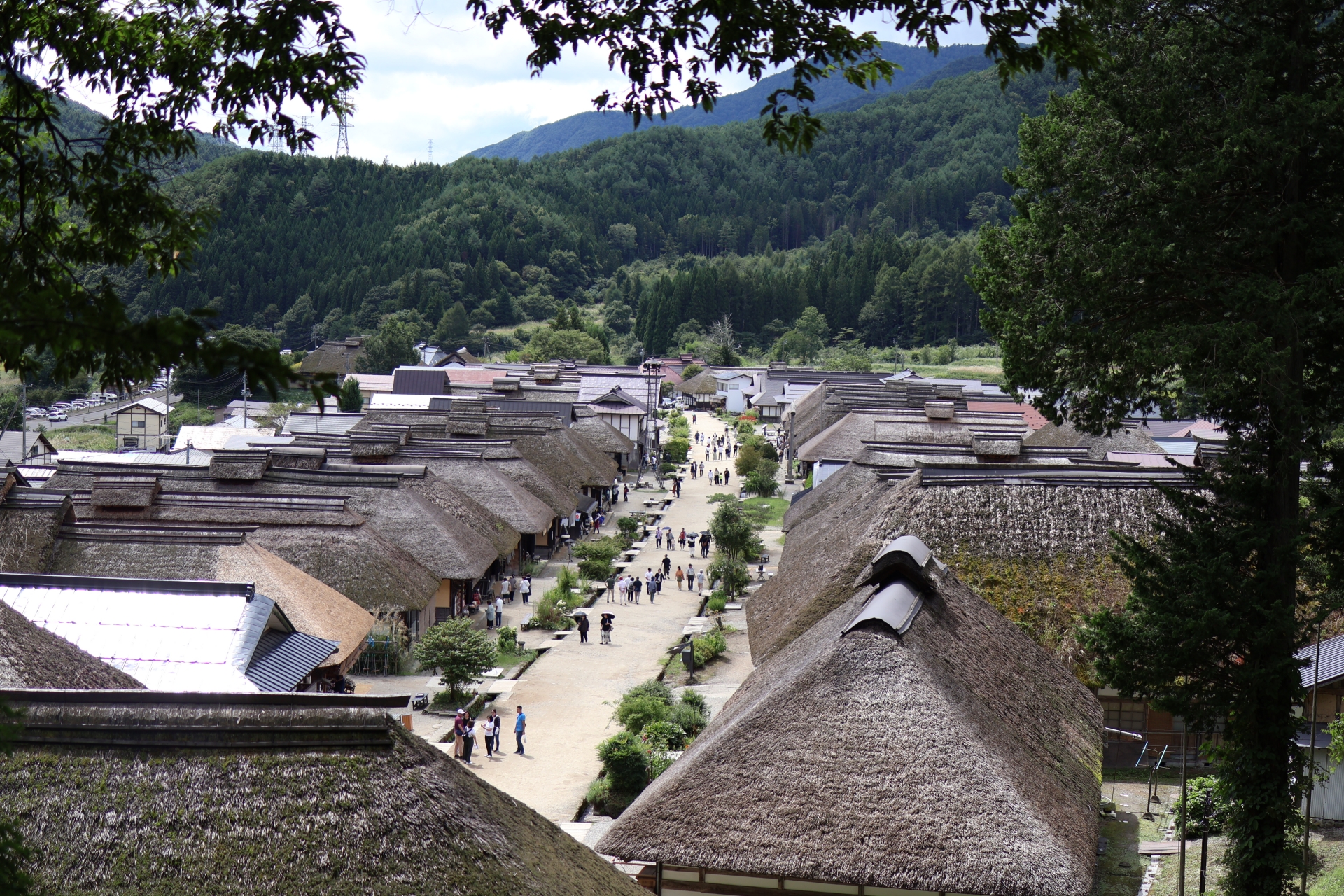
Ascend the steep, weathered stone steps at the northern end of the village to reach the definitive panoramic vantage point. From this height, the perfectly aligned thatched roofs resemble a golden tapestry woven into the valley floor. During the autumn, the surrounding peaks ignite in shades of crimson and ochre, providing a dramatic backdrop to the historical architecture. It is the ultimate location to witness the ethereal morning mist lifting off the roofs, a sight that captures the very essence of Ouchi-juku's timeless beauty and architectural harmony.
Takakura Shrine
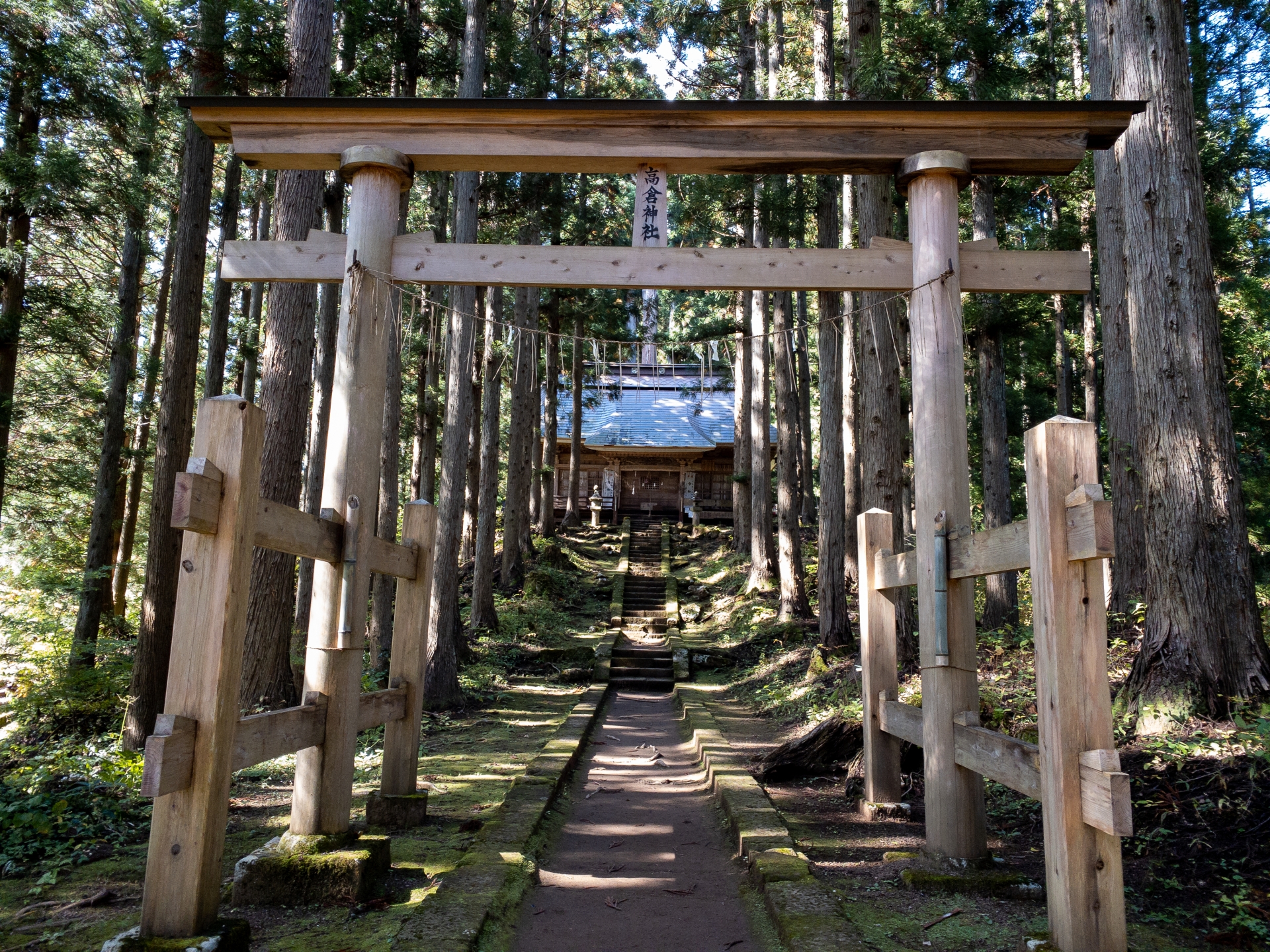
Veer off the main thoroughfare and pass through a clandestine torii gate to discover the spiritual heart of the valley. Dedicated to Prince Mochihito, this shrine is shrouded by ancient, towering cedars that dampen the sounds of the world. The air here is noticeably cooler, heavy with the scent of damp earth and sacred incense. It is a 'power spot' where the veil between the modern world and the ancient spirits feels remarkably thin, offering a sanctuary for quiet contemplation away from the main tourist trail.
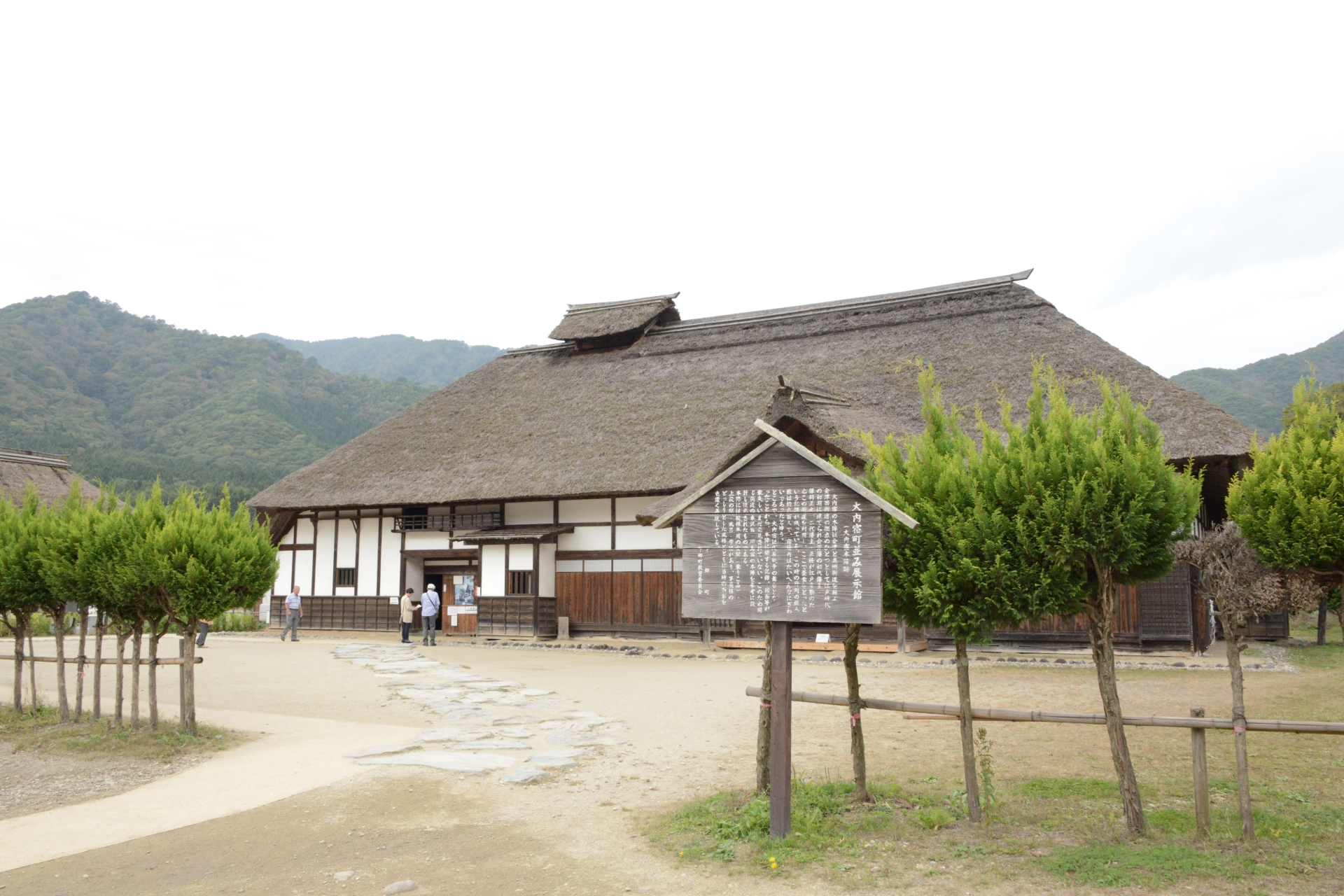
Ouchi-juku Machinami Tenjikan
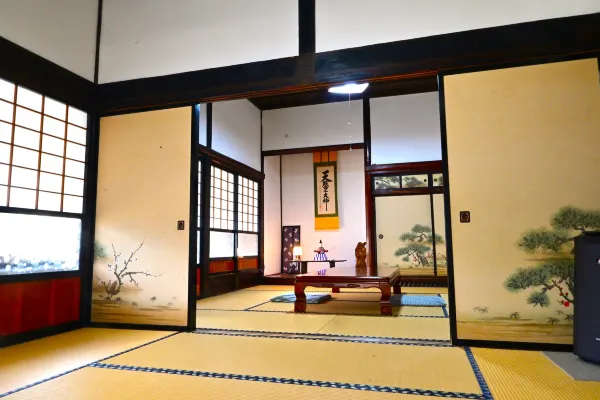
Step inside the former 'Honjin' or principal inn, once reserved for high-ranking samurai and lords. This meticulously restored residence serves as a window into the domestic life of the Edo period. Feel the texture of the tatami, observe the soot-stained rafters from the central irori (sunken hearth), and marvel at the collection of artifacts ranging from silk-weaving looms to traditional fire-fighting equipment. The architecture itself—a masterpiece of joinery without nails—tells a story of resilience and craftsmanship that has endured for over 400 years.
Local Soul Food
Tastes you can't find anywhere else.
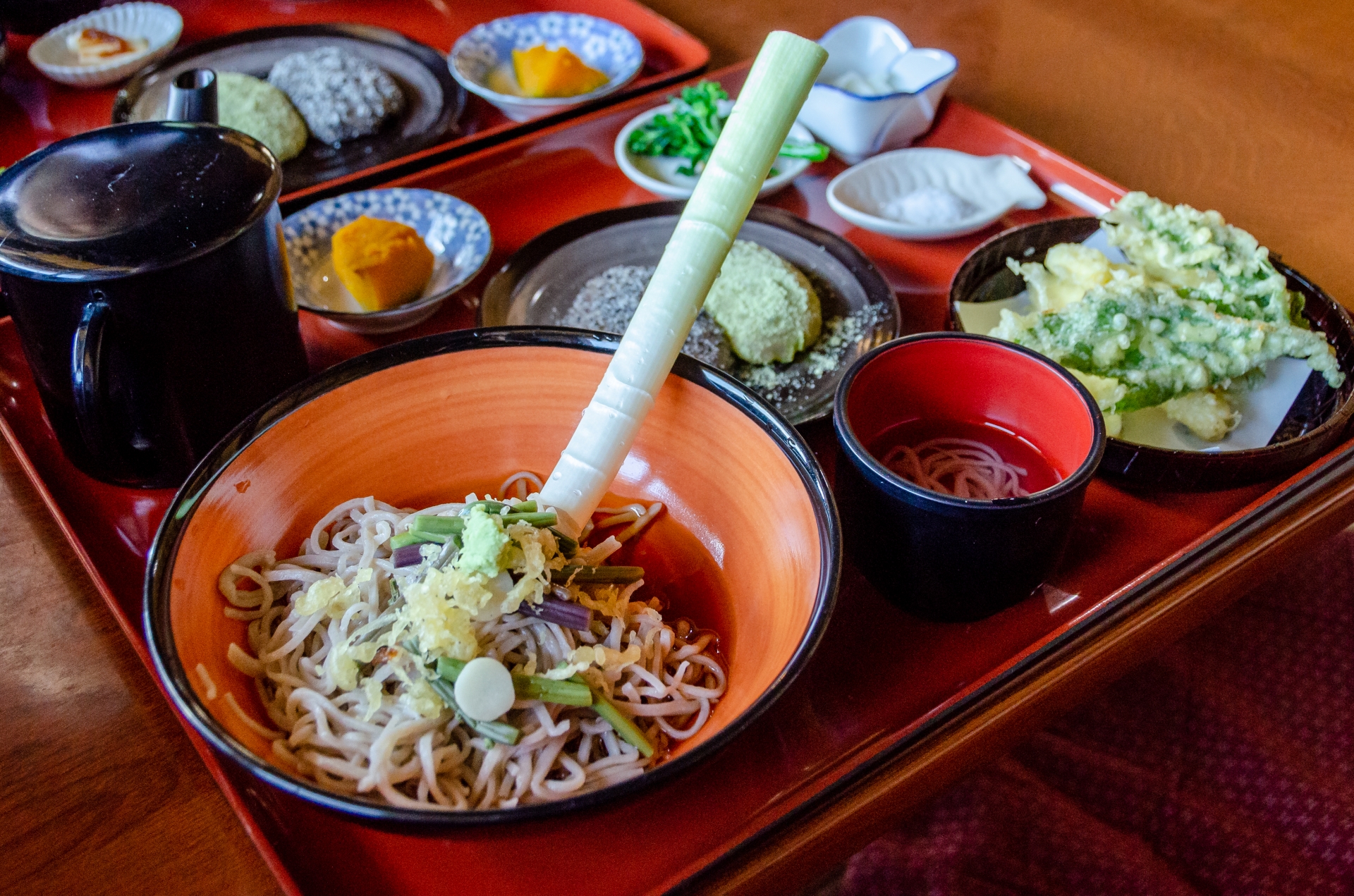
Negi-soba (Leek Soba)
The signature culinary experience of Ouchi-juku. High-quality buckwheat noodles are served in a delicate dashi, but the star is the single, curved green leek used as a utensil. The crisp, sharp bite of the raw leek perfectly complements the earthy, soft texture of the noodles. As you use the leek to scoop the soba, its juices subtly infuse the broth, creating a flavor profile that is both rustic and sophisticated.

Shingoro (Perilla Miso Rice Skewers)
A comfort food that warms the soul. These are freshly pounded rice balls, skewered and generously slathered with a thick paste made from wild perilla seeds and sweet miso. They are slow-roasted over an open charcoal hearth until the exterior reaches a perfect, smoky caramelization. The contrast between the charred, savory crust and the soft, chewy interior is an addictive olfactory and tactile delight.
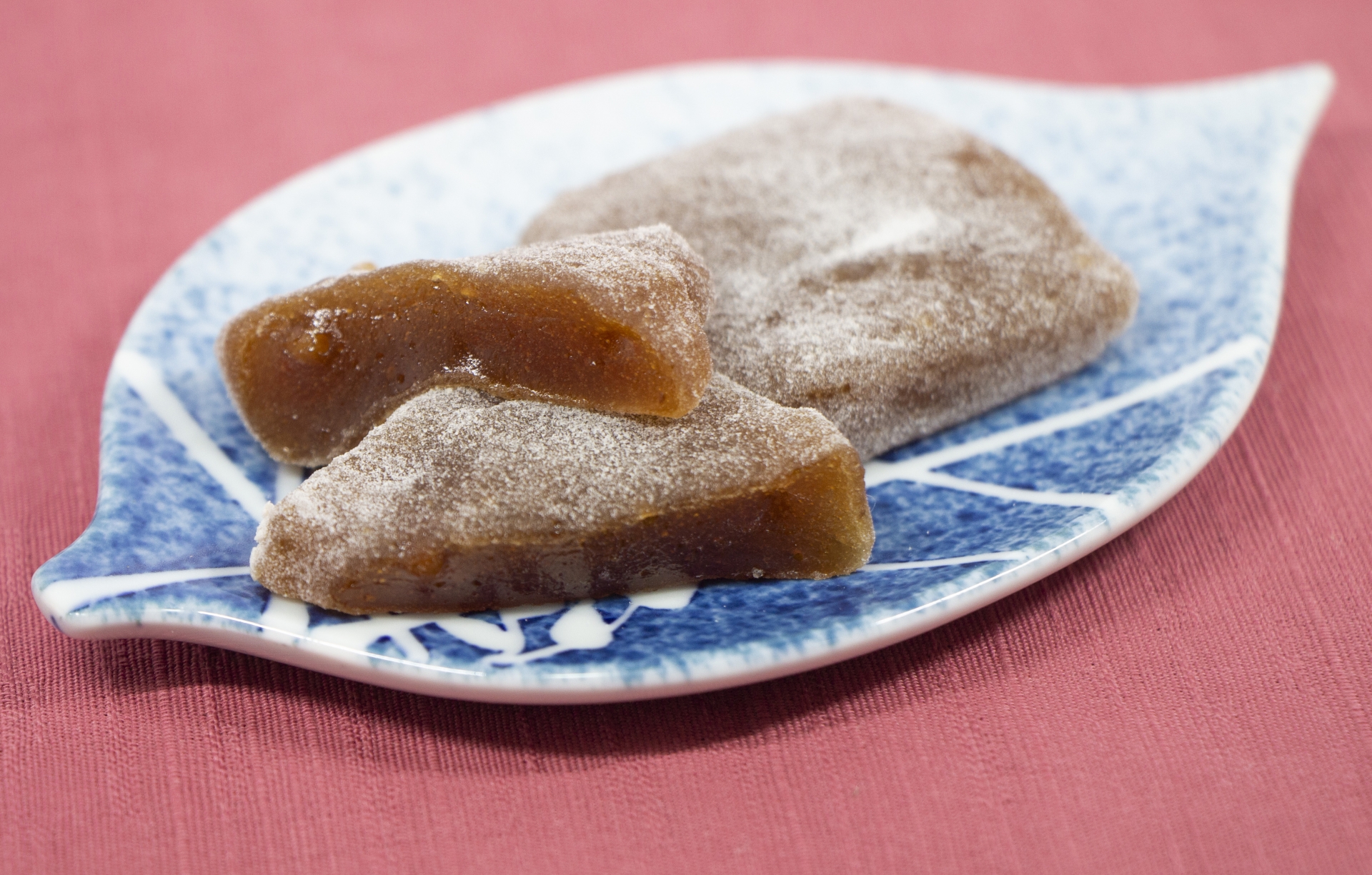
Tochi-mochi (Horse Chestnut Rice Cake)
A rare delicacy that requires days of preparation to remove the bitterness from the horse chestnuts. The result is a velvety, mahogany-hued rice cake with a deep, nutty aroma that evokes the forest. Often filled with a smooth, sweet red bean paste, it provides a gentle, earthy sweetness that lingers on the palate. It is best enjoyed with a cup of hot green tea while sitting on the edge of a traditional wooden veranda.
Premium Stays
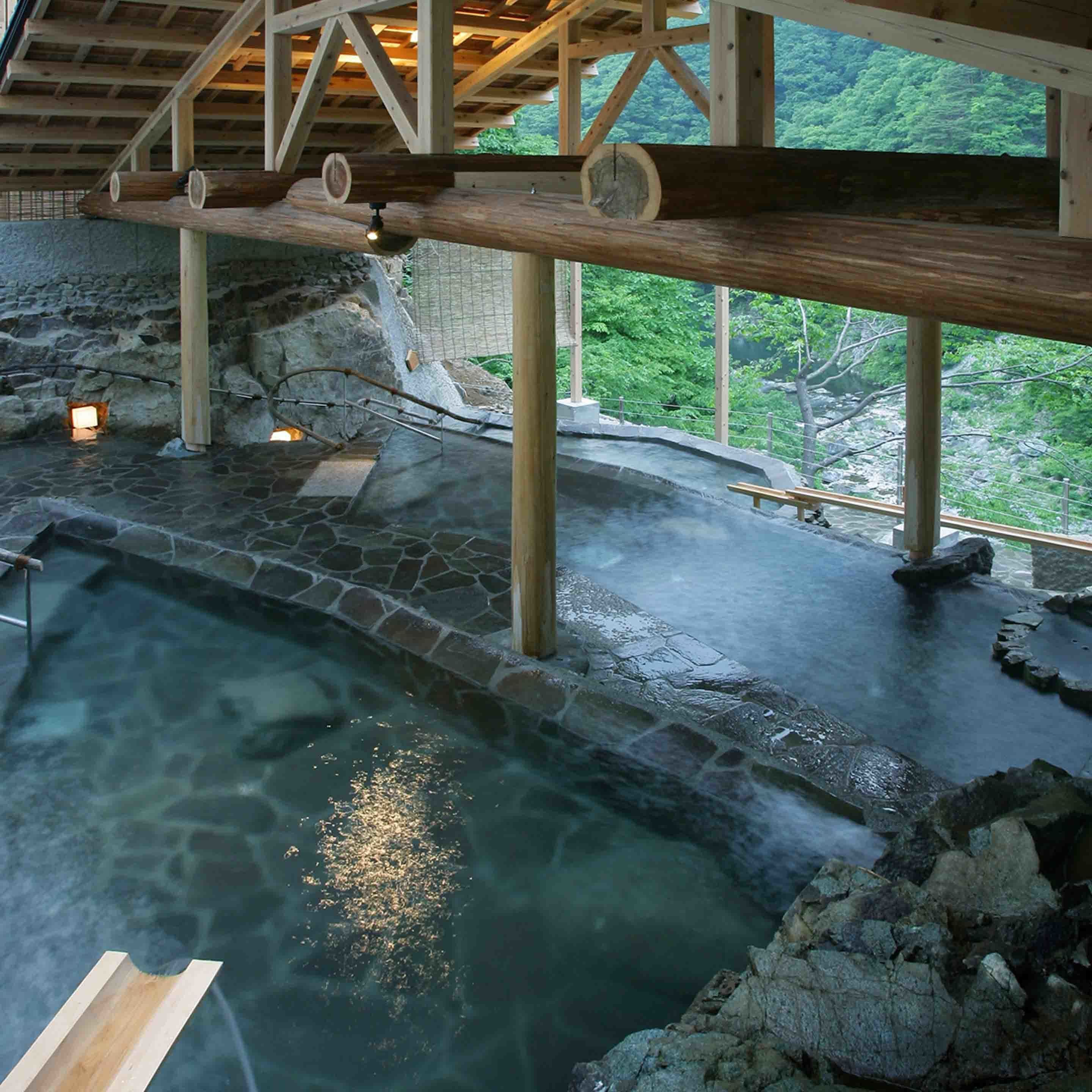
For a truly immersive experience, stay within the village in a traditional minshuku to enjoy the town's silence after the day-trippers leave. Alternatively, choose the nearby Ashinomaki Onsen for a high-end ryokan experience with dramatic river views.

Getting There
Take the JR Tohoku Shinkansen to Koriyama, then the Ban-etsu West Line to Aizu-Wakamatsu. Transfer to the Aizu Railway for Yunokami Onsen Station. From there, the 'Saruyu-go' shuttle bus runs to Ouchi-juku. Note that buses are infrequent; always align your arrival with the seasonal bus timetable.
FAQ
Inspired?
Share this destiny with someone special.