Aichi
Welcome to Osu Kannon
Step into a world where the thick, sweet scent of burning incense mingles with the irresistible aroma of sizzling street food. Osu Kannon is not merely a temple; it is a living, breathing paradox where 14th-century spirituality dances with 21st-century subculture. As you ascend the vermilion stairs, the rhythmic chanting of monks provides a grounding bassline to the eclectic symphony of the neighboring shopping arcade. Here, the tactile smoothness of ancient wooden pillars meets the sleek chrome of vintage toy shops. It is a destination that demands you slow down, breathe in the sandalwood-scented air, and lose yourself in the labyrinthine alleys where Nagoya’s history and future collide in a vibrant explosion of color and devotion.
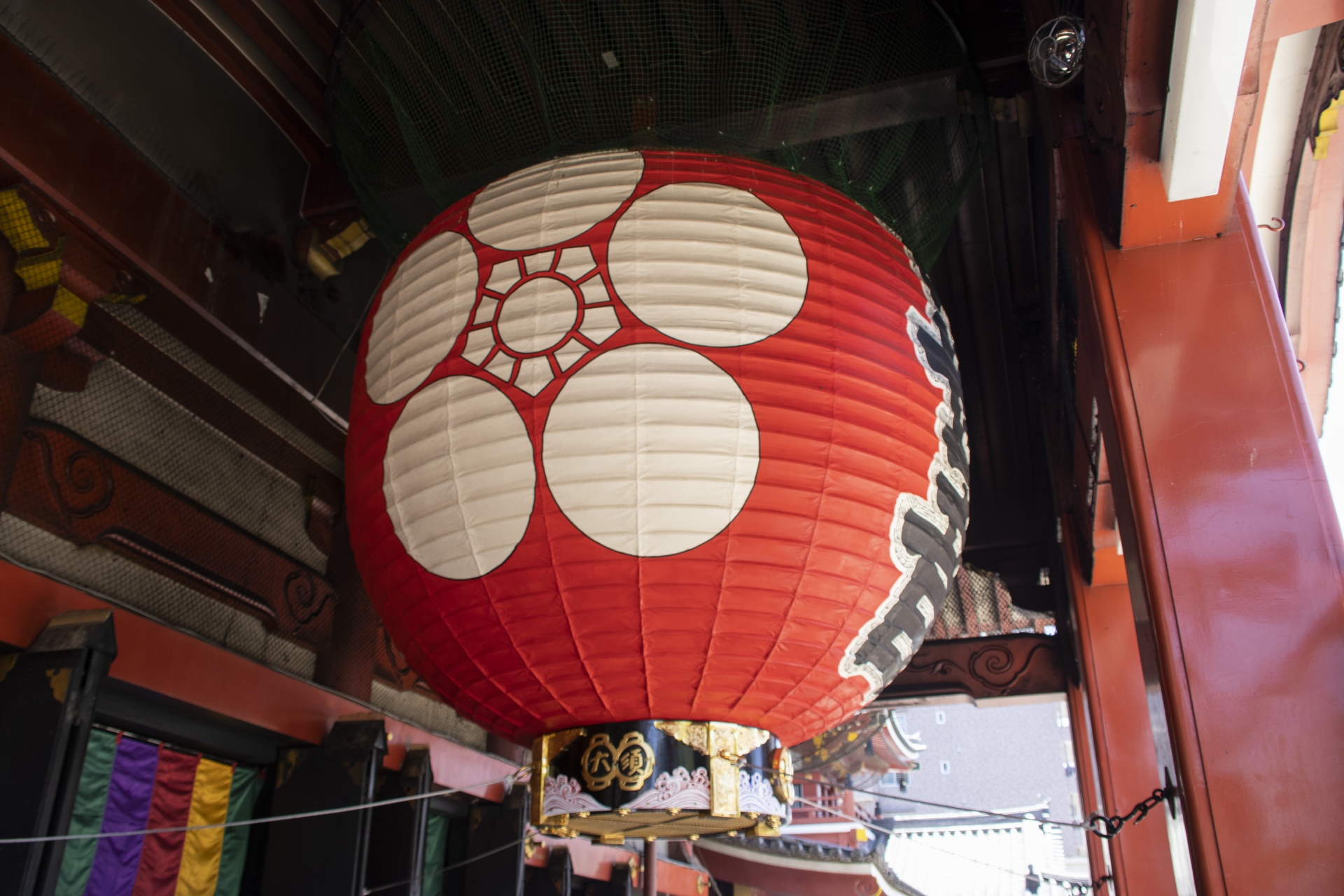
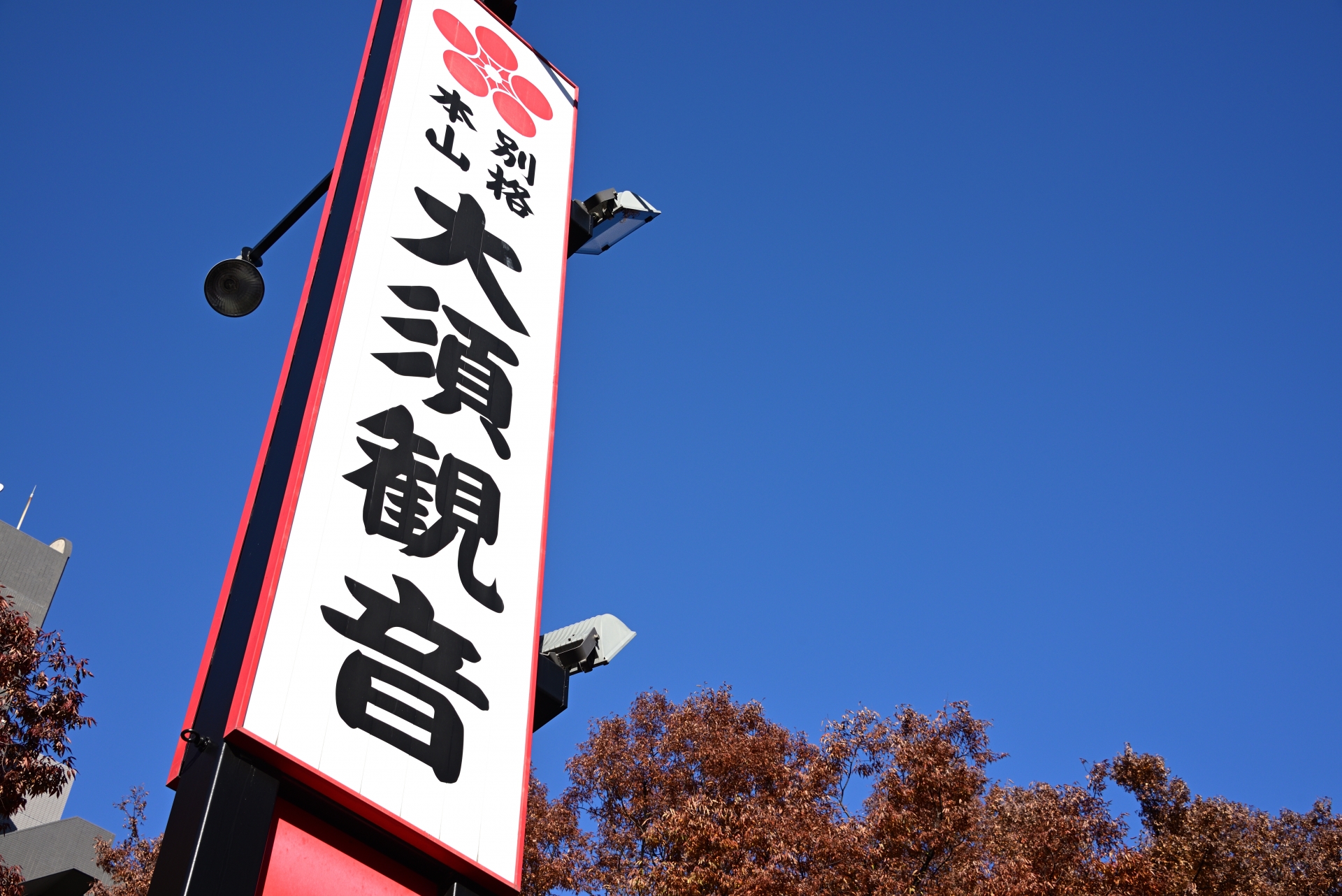
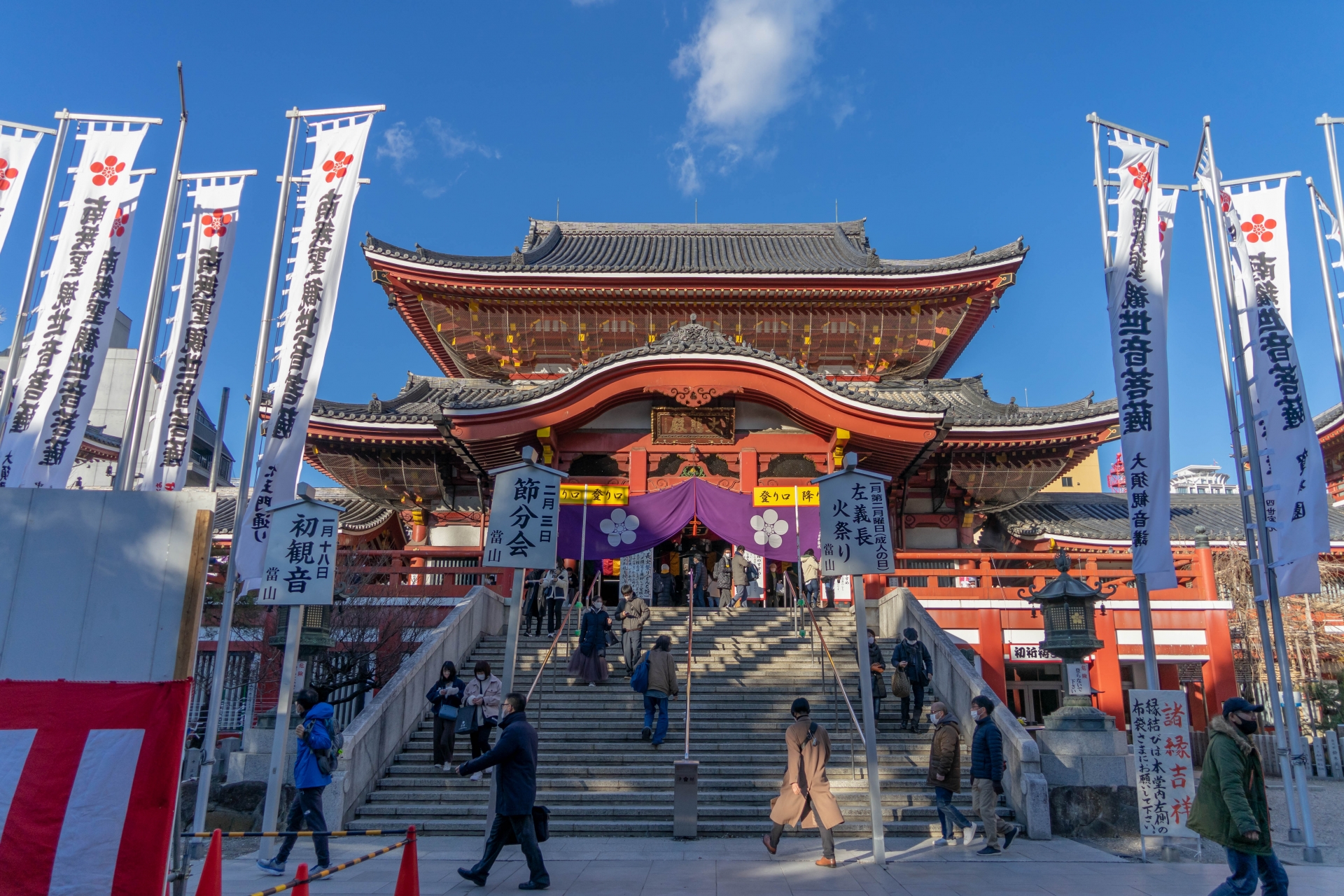
Osu Kannon Main Hall
The majestic red facade of the Hondo (Main Hall) stands as a sentinel of peace amidst the city's fervor. Inside, the air is heavy with centuries of devotion, housing a wooden statue of Kannon, the Goddess of Mercy, carved by Kobo Daishi. The temple’s Shinpukuji Library protects over 15,000 classic texts, including the oldest hand-written copy of the Kojiki. To stand here during a ceremony is to feel the vibration of the large bell echoing in your chest, a profound reminder of Nagoya's resilient spiritual core.
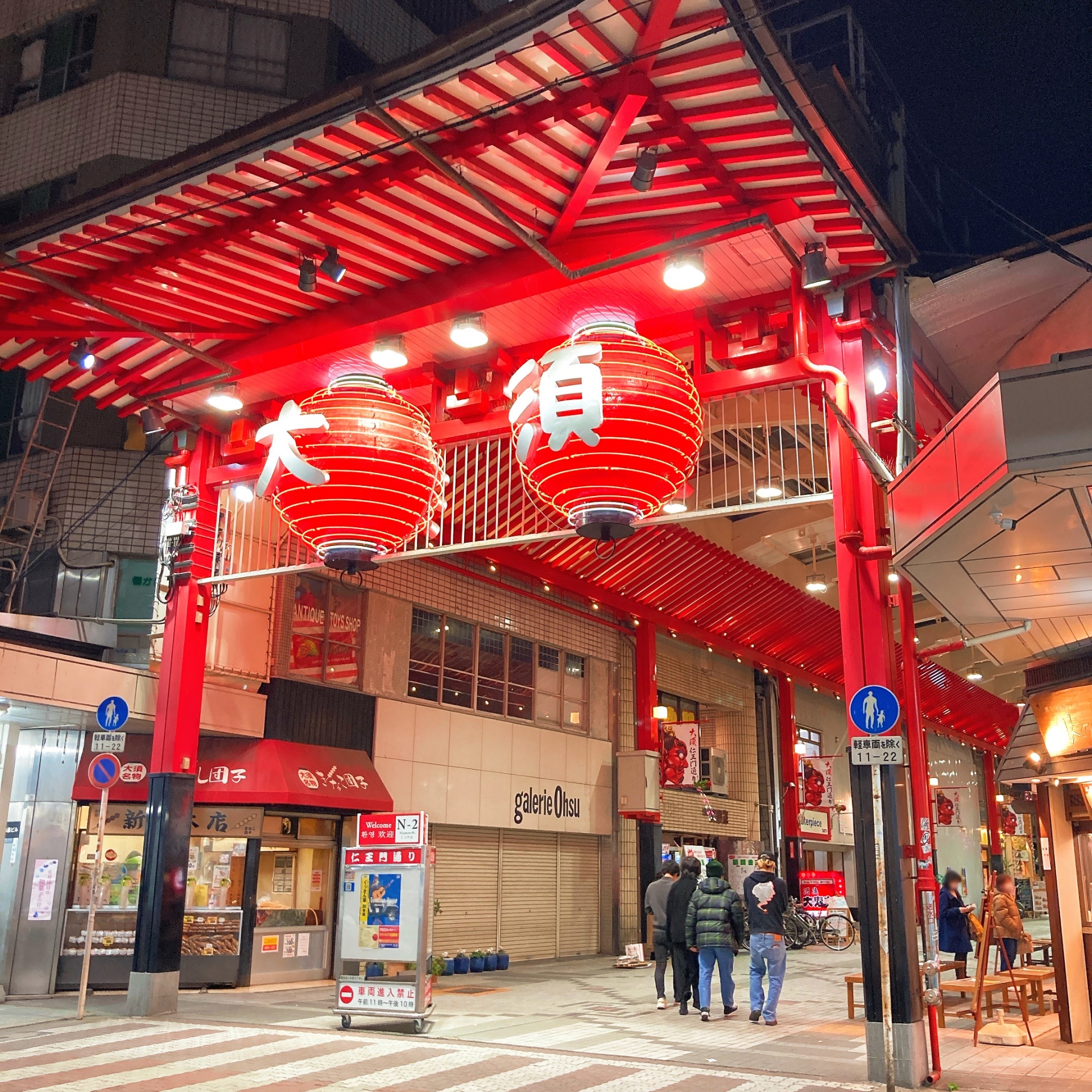
Osu Shotengai (Shopping Arcade)
Spanning over 400 years of commerce, this covered labyrinth is a sensory overload in the best possible way. It is a place where high-end kimono boutiques sit comfortably next to retro gaming dens and artisanal tea shops. The tactile experience of running your hands over vintage silks while hearing the distant call of street vendors creates an atmosphere of organized chaos. It is the ultimate 'chanpuru' (mix) of culture, offering everything from Brazilian snacks to traditional Japanese crafts within a single city block.
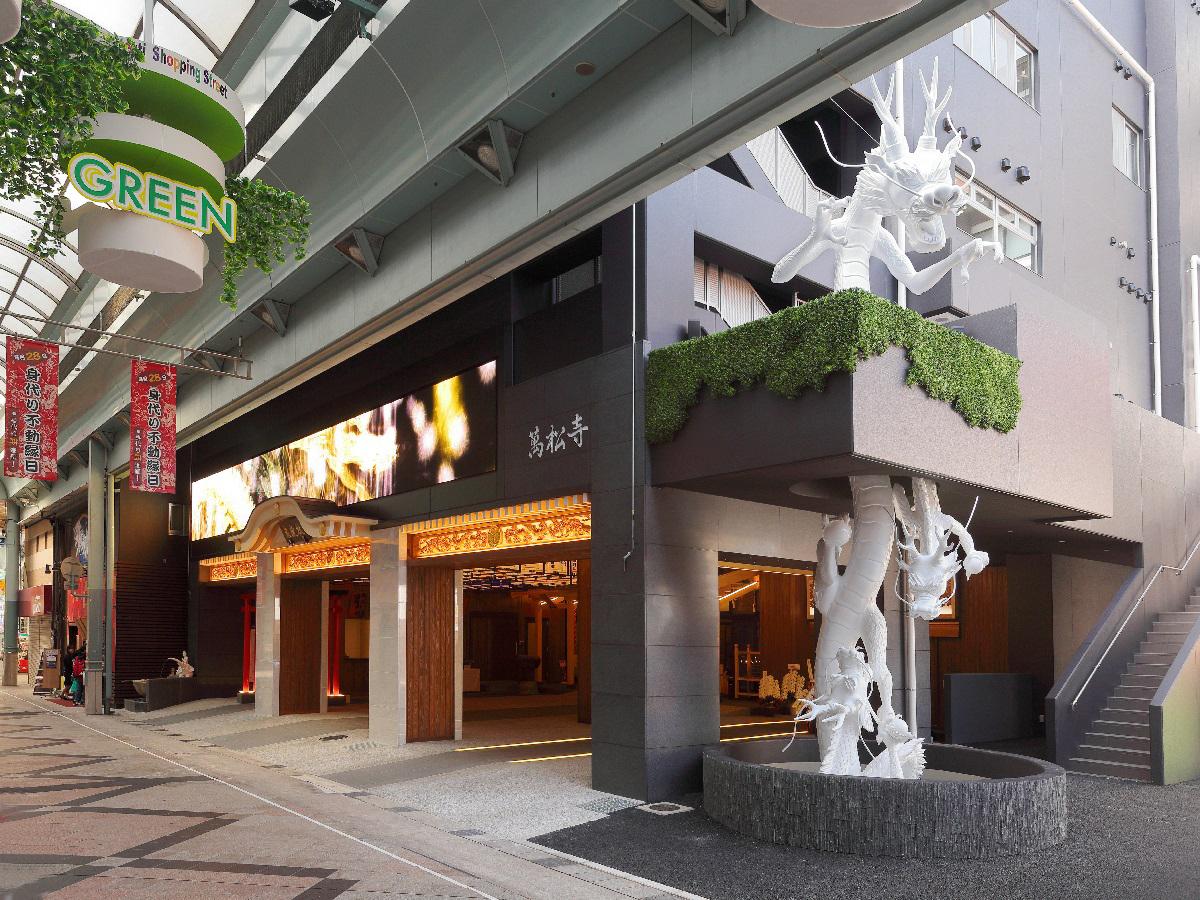
Banshoji Temple
Tucked away within the shopping arcade, Banshoji offers a startling contrast to traditional aesthetics. Founded by the father of the legendary warlord Oda Nobunaga, this temple features a futuristic facade with LED displays and a mechanical dragon that performs a water-and-light show. It is a testament to Nagoya’s innovative spirit—a place where history is not just preserved in amber but is allowed to evolve. The sight of the shimmering dragon against the backdrop of sacred sutras is a visual feast that defies expectation.
Local Soul Food
Tastes you can't find anywhere else.
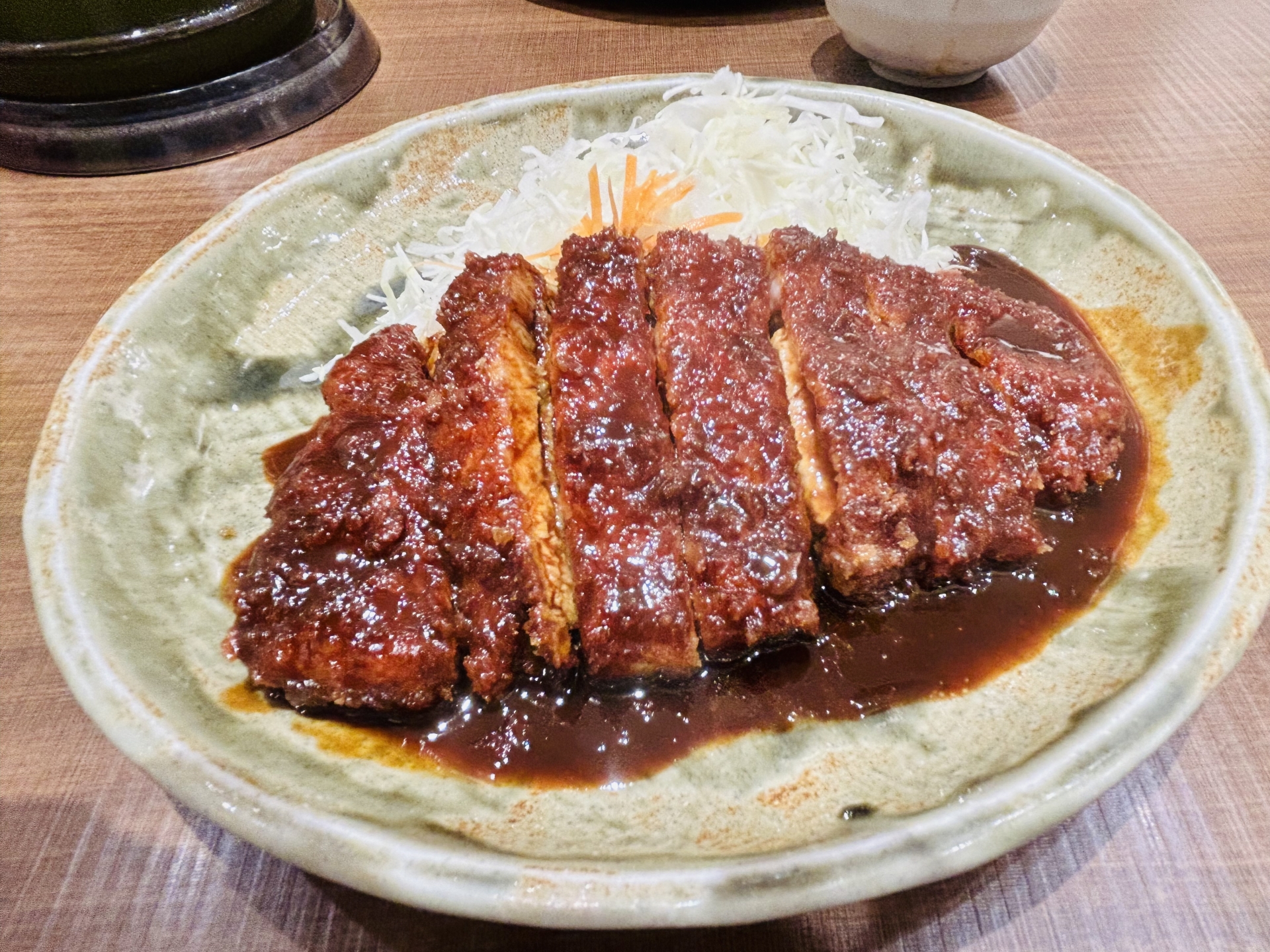
Miso Katsu (Akamiso Pork Cutlet)
Experience the soul of Nagoya in a single bite. A thick, succulent pork cutlet is breaded in panko and fried to a golden shatter, then drenched in a rich, velvety sauce made from fermented red miso. The flavor is a complex profile of earthy umami, subtle sweetness, and a deep, savory punch that lingers luxuriously on the palate.
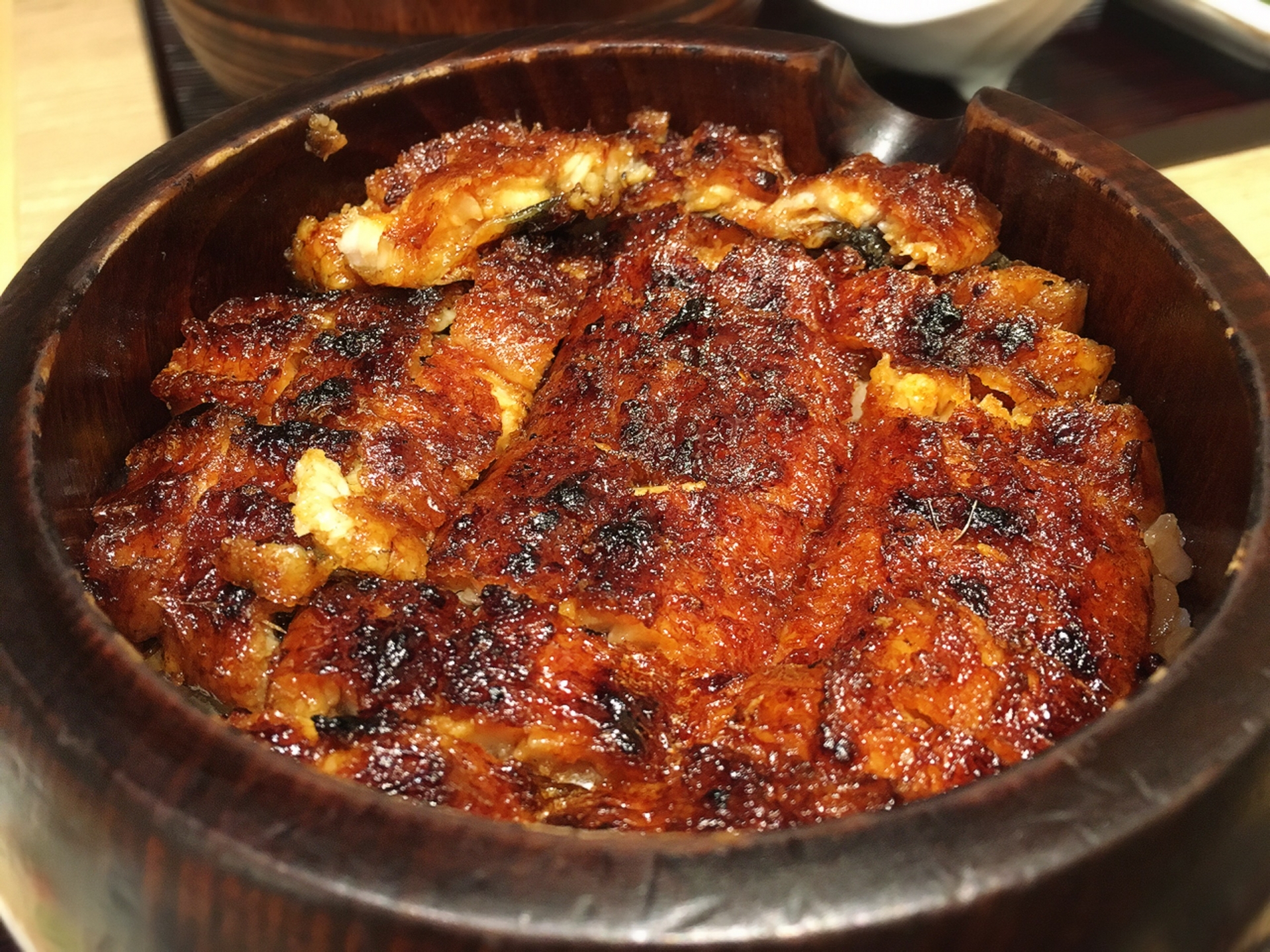
Hitsumabushi (Grilled Eel over Rice)
This is a ritual, not just a meal. Premium unagi is grilled over binchotan charcoal until the skin is crisp and the flesh melts like butter. Served in three stages—plain, with aromatics like wasabi and nori, and finally drowned in a delicate, smoky dashi—it offers a symphony of textures that define Japanese luxury.
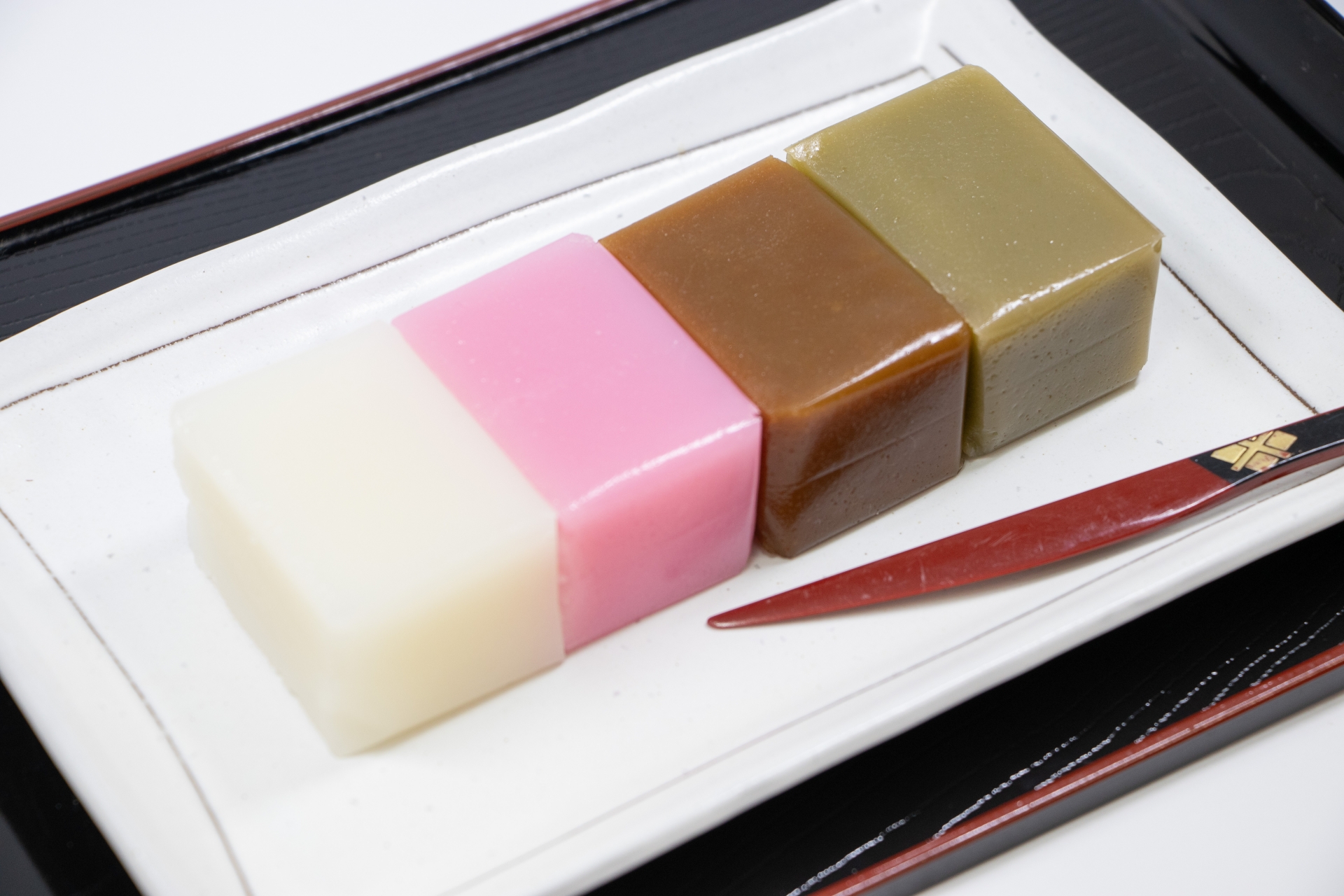
Osu Uiro (Steamed Rice Cakes)
A delicate, chewy confection that has been a local staple for centuries. Made from rice flour and sugar, these colorful blocks have a subtle sweetness and a unique, bouncy texture that is both refreshing and satisfying. Perfectly paired with a cup of bitter matcha, it is the quintessential Osu afternoon treat.
Premium Stays
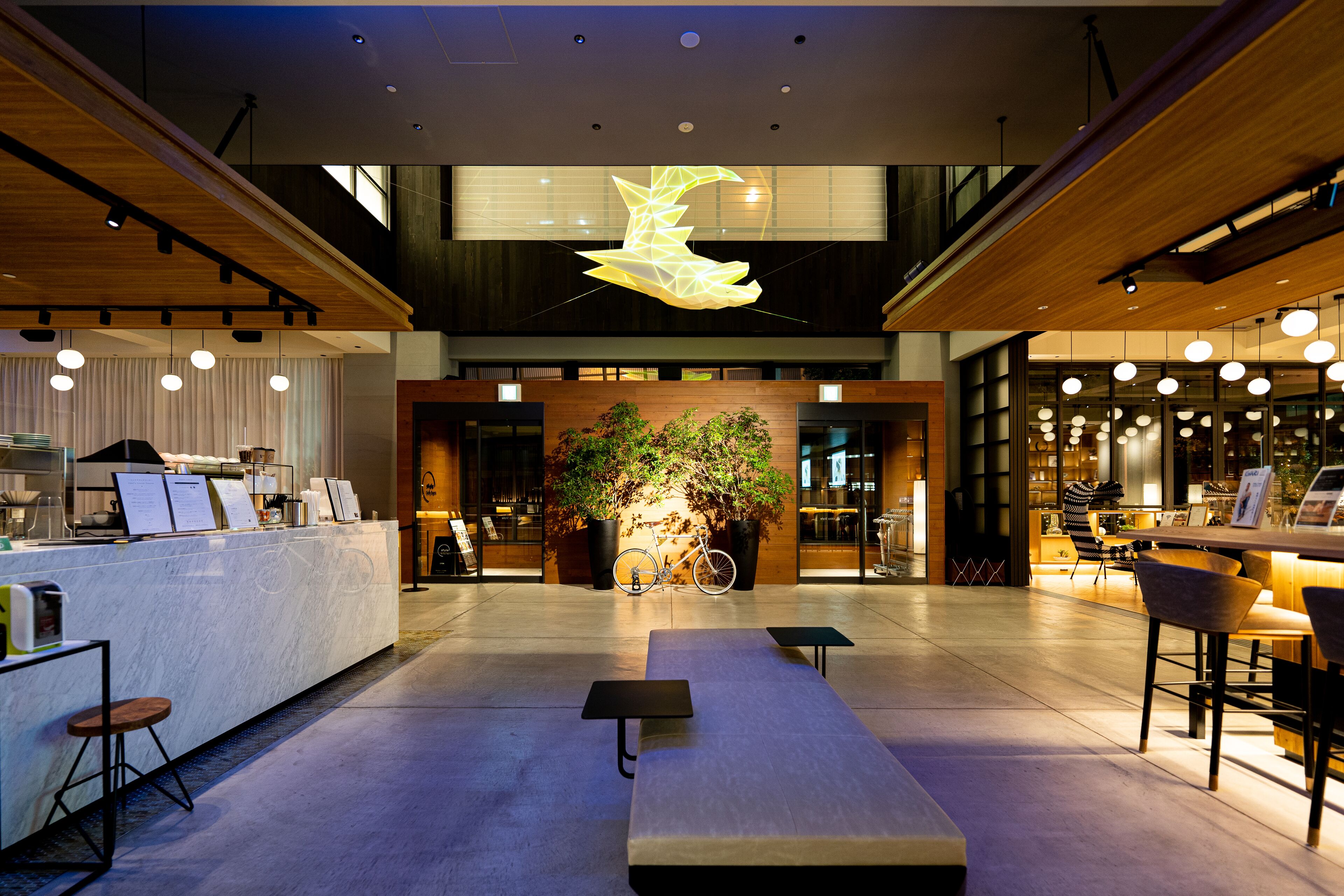
To truly capture the essence of Nagoya, stay near the Osu district for its local charm or the Nagoya Station area for unparalleled luxury and connectivity.


Getting There
Take the Tsurumai Subway Line directly to Osu Kannon Station. From Nagoya Station, take the Higashiyama Line to Fushimi, then transfer to the Tsurumai Line (just one stop). Trains run every 5-7 minutes.
FAQ
Inspired?
Share this destiny with someone special.