Kyoto
Welcome to Nishiki Market
Step into a sensory kaleidoscope where the air is thick with the aroma of roasted hojicha and the briny scent of fresh Pacific seafood. Nishiki Market, known affectionately as 'Kyoto's Kitchen,' is a narrow, five-block long shopping arcade lined by more than one hundred shops and restaurants. This isn't merely a market; it is a living museum of Japanese gastronomy that has sustained the city for four centuries. As you navigate the vibrant tiled floors, you will encounter the rhythmic shouting of vendors and the delicate artistry of Kyoto's seasonal bounty. From the glisten of candied ginger to the sharp precision of handmade samurai-grade knives, Nishiki offers an intimate encounter with the craftsmanship that defines Japanese culture. To walk these halls is to consume the history of Kyoto itself.
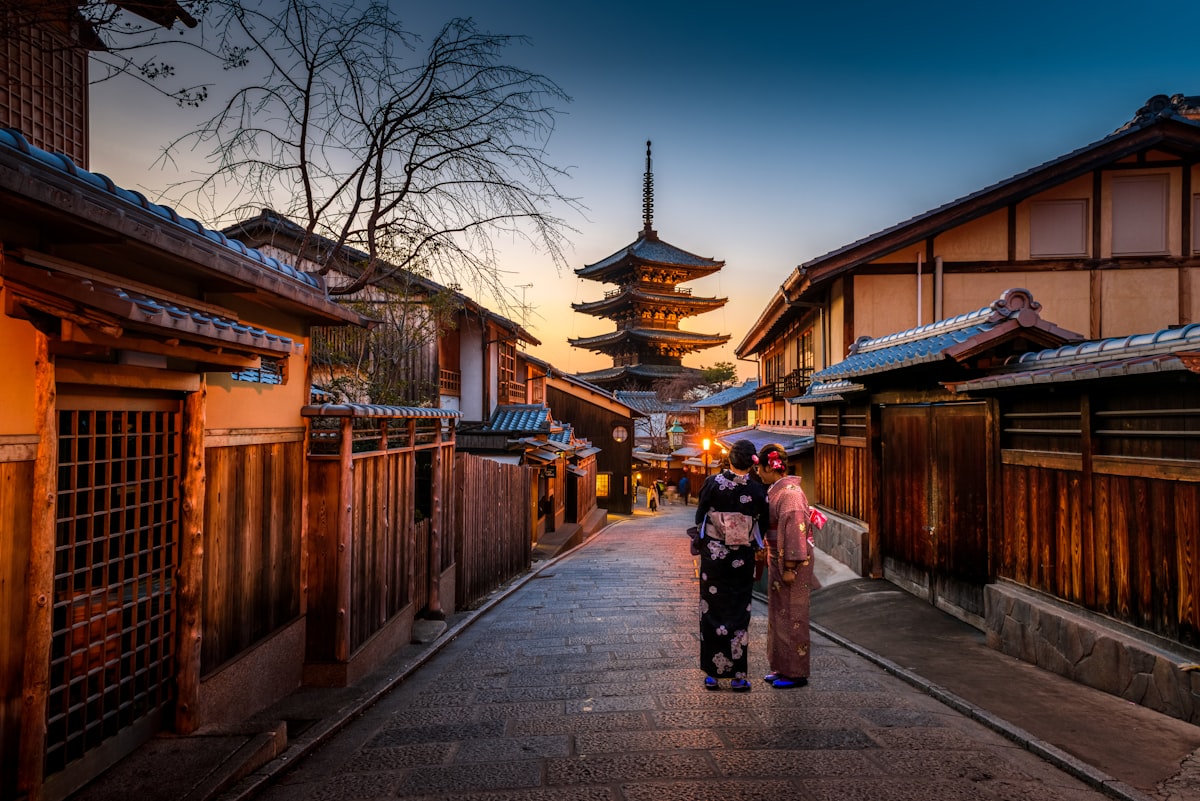
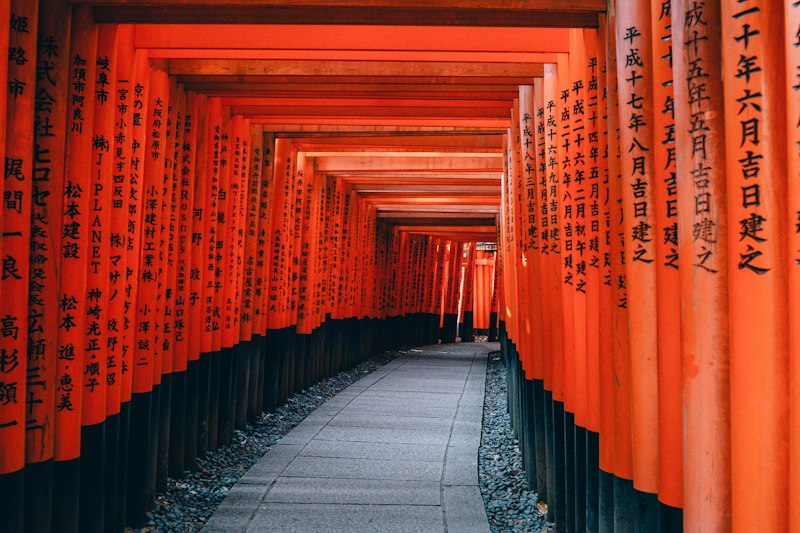
Nishiki Tenmangu Shrine
Located at the eastern terminus of the market, this Shinto sanctuary is a spiritual oasis amidst the culinary frenzy. Dedicated to the deity of learning, Sugawara no Michizane, the shrine is famous for its unique architecture where the torii gate actually pierces the walls of the surrounding buildings. The atmosphere is thick with the scent of incense and the sound of bubbling spring water from the 'Nishiki-no-Mizu' well. Visitors often touch the bronze bull statue, polished to a mirror shine by centuries of hands seeking wisdom and academic success.
Aritsugu Knives Workshop
Founded in 1560 by master swordsmith Fujiwara Aritsugu, this shop represents the pinnacle of Japanese metallurgy. Once suppliers to the Imperial House, they now produce the world's most coveted culinary blades. Entering the shop is like stepping back in time; the walls are lined with steel that catches the light with a lethal, silver grace. Watching a master smith sharpen a blade on a whetstone is a hypnotic experience, a testament to the 'monozukuri' spirit that values perfection above all else. It is the ultimate pilgrimage for any serious epicurean.
Daimaru Kyoto Terrace
For a sophisticated perspective of the bustle below, retreat to the rooftop terrace of the adjacent Daimaru Department Store. This manicured green space offers a serene contrast to the sensory overload of the market floor. It provides a rare architectural vantage point where you can see the traditional tiled roofs of the market's structure meeting the modern skyline of central Kyoto. It is the perfect spot to decompress, enjoy a takeaway matcha, and observe the rhythmic flow of the city from a tranquil, elevated distance.
Local Soul Food
Tastes you can't find anywhere else.
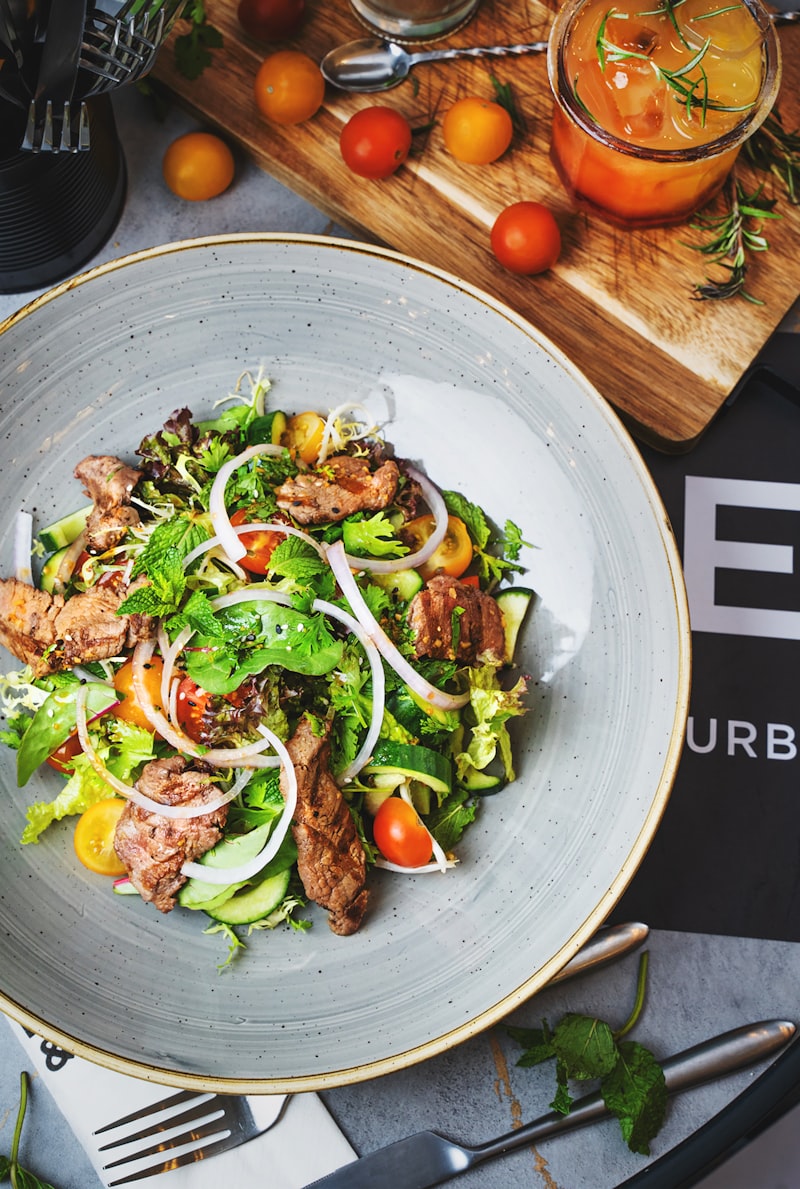
Tako-tamago (Octopus with Quail Egg)
A visual and textural marvel, these small, bright red octopuses are glazed in a sweet soy reduction and stuffed with a perfectly boiled quail egg. The first bite offers a resilient, savory snap of the tentacle, followed immediately by the rich, creamy explosion of the yolk. It is the quintessential Nishiki street food—bold, inventive, and deeply satisfying.
Freshly Toasted Soy Sauce Senbei
Follow the intoxicating aroma of toasted grain to find these oversized rice crackers. Hand-grilled over charcoal until they puff and char, they are dipped in a dark, umami-rich soy sauce and wrapped in a crisp sheet of nori. The heat radiates through the paper wrapping, providing a crunch that resonates through your jaw and a smoky finish that lingers on the palate.
Warabi-mochi with Kinako
This is not your typical mochi; made from bracken starch, it has a jelly-like transparency and a cooling, silk-soft texture that dissolves instantly. Heavily dusted in toasted soybean powder (kinako), it offers a nutty, earthy sweetness that isn't cloying. It is a masterclass in subtle Japanese dessert craft, providing a refreshing palate cleanser after the market's savory delights.
Premium Stays
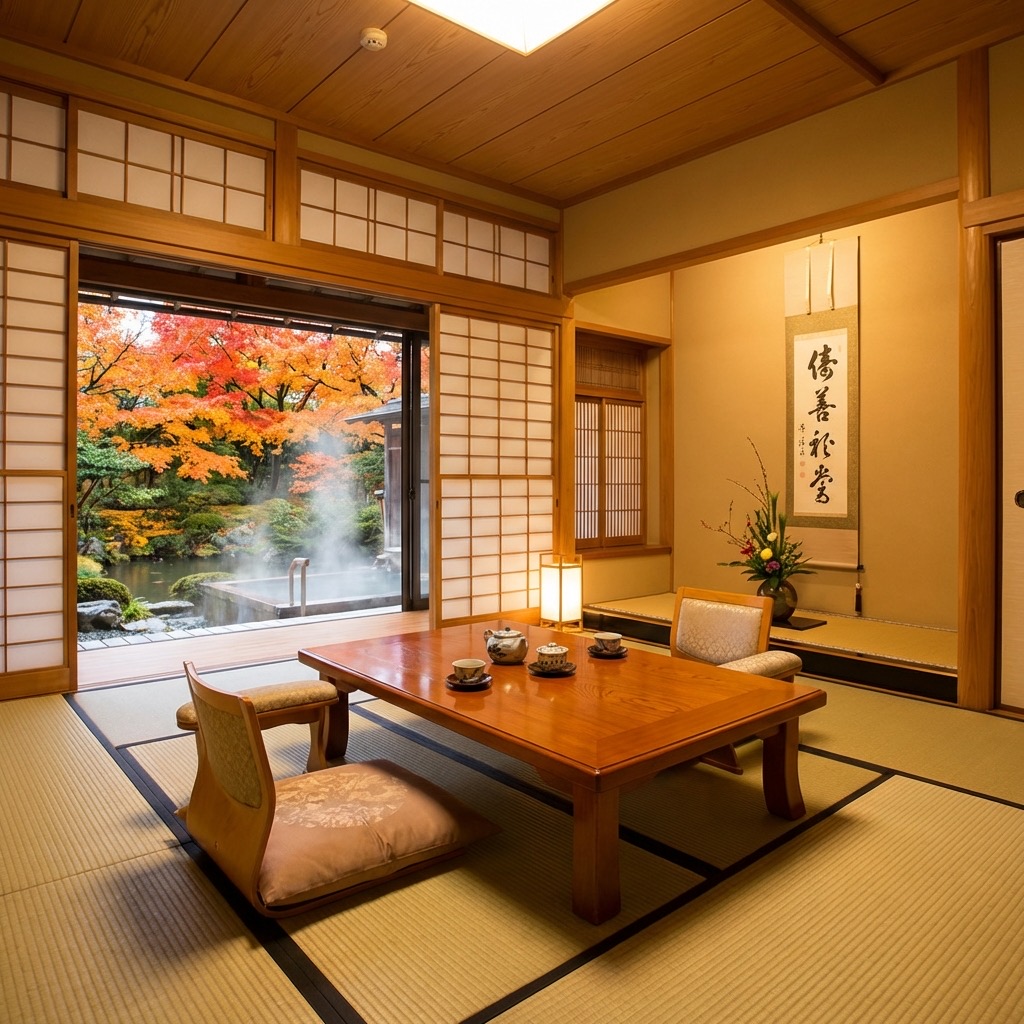
To truly experience Kyoto's culinary heart, stay in the Shimogyo or Nakagyo districts. This puts you within walking distance of the market's early morning preparations and the atmospheric dining of Pontocho Alley.
Getting There
Take the Karasuma Subway Line to Shijo Station or the Hankyu Line to Karasuma/Kyoto-kawaramachi. The market is a 3-minute walk from either. Avoid buses during peak hours as traffic in central Kyoto can be gridlocked.
FAQ
Inspired?
Share this destiny with someone special.