Welcome to Nikko Toshogu
Nikko Toshogu is not merely a shrine; it is a sensory overture to the Tokugawa shogunate's legacy. As you step onto the sacred grounds, the air cools, thick with the scent of centuries-old Japanese cedars and the faint, metallic tang of weathered bronze. Sunlight dances off over 500 intricate carvings, casting long, golden shadows across moss-softened stone paths. This is where architectural opulence meets the profound stillness of the mountains—a place where the spirit of Ieyasu Tokugawa rests amidst a symphony of vermilion, gold, and emerald. To visit Nikko is to witness the pinnacle of Edo-period craftsmanship, a breathtaking testament to power and piety that demands to be felt as much as seen.
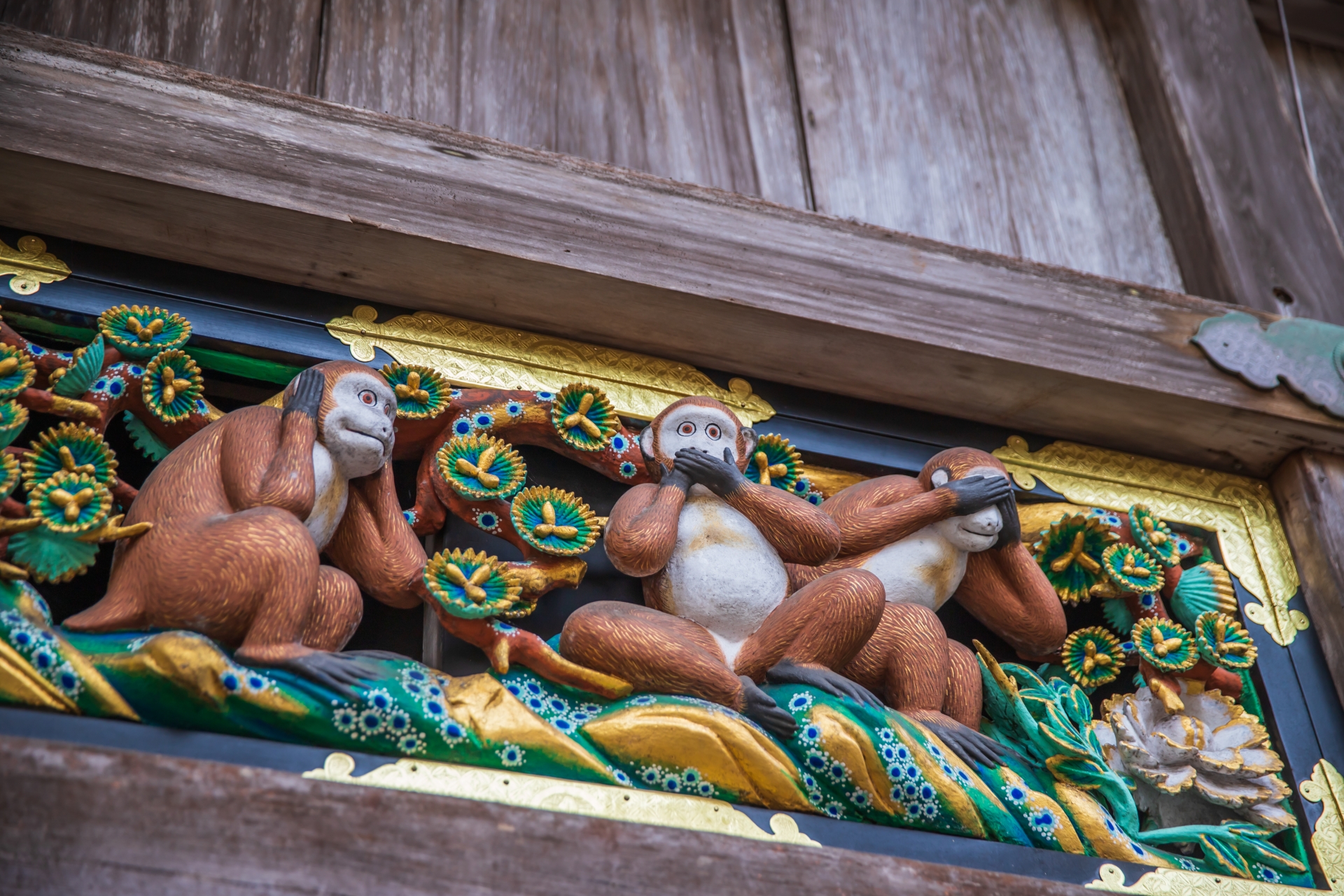
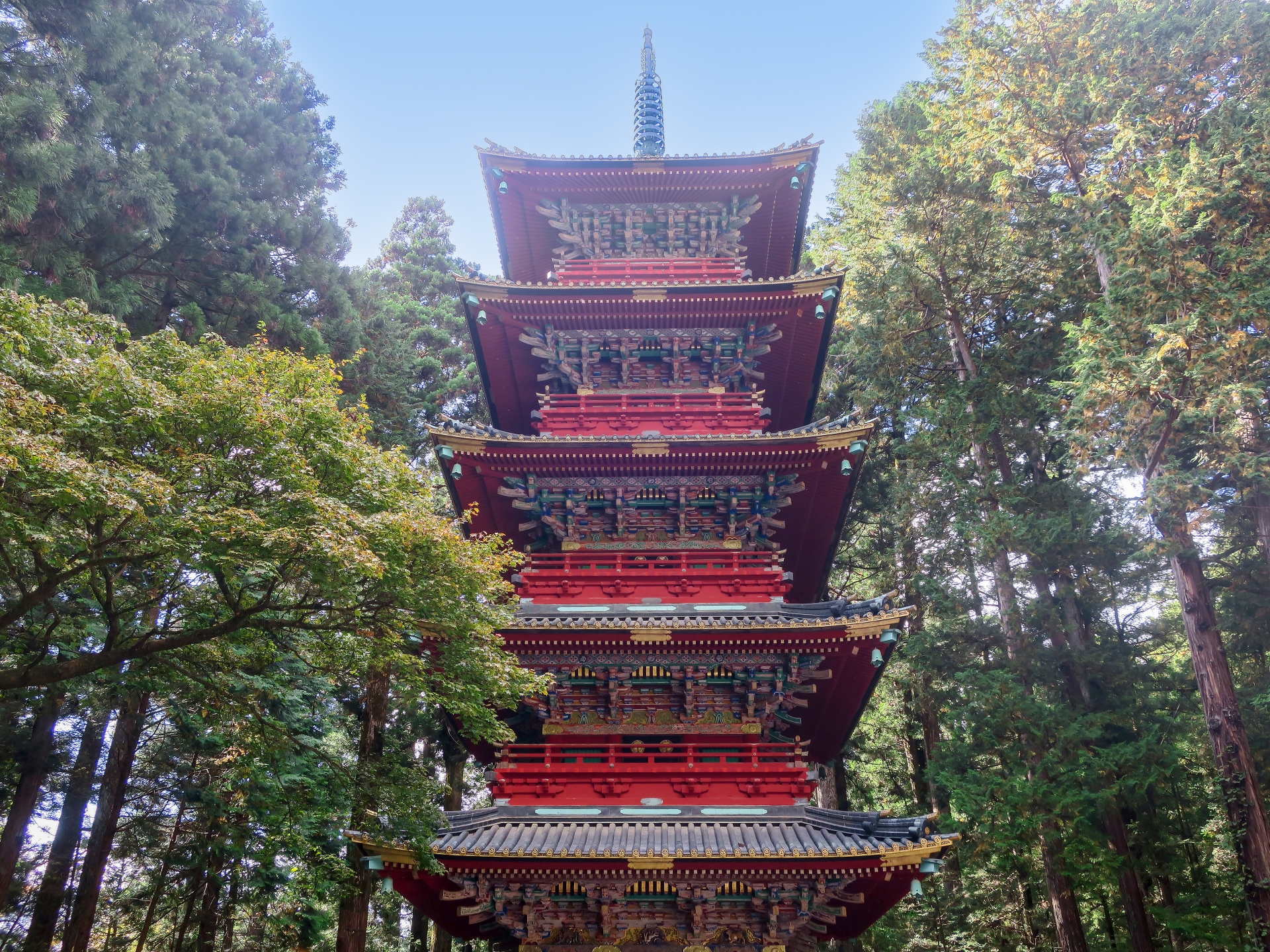
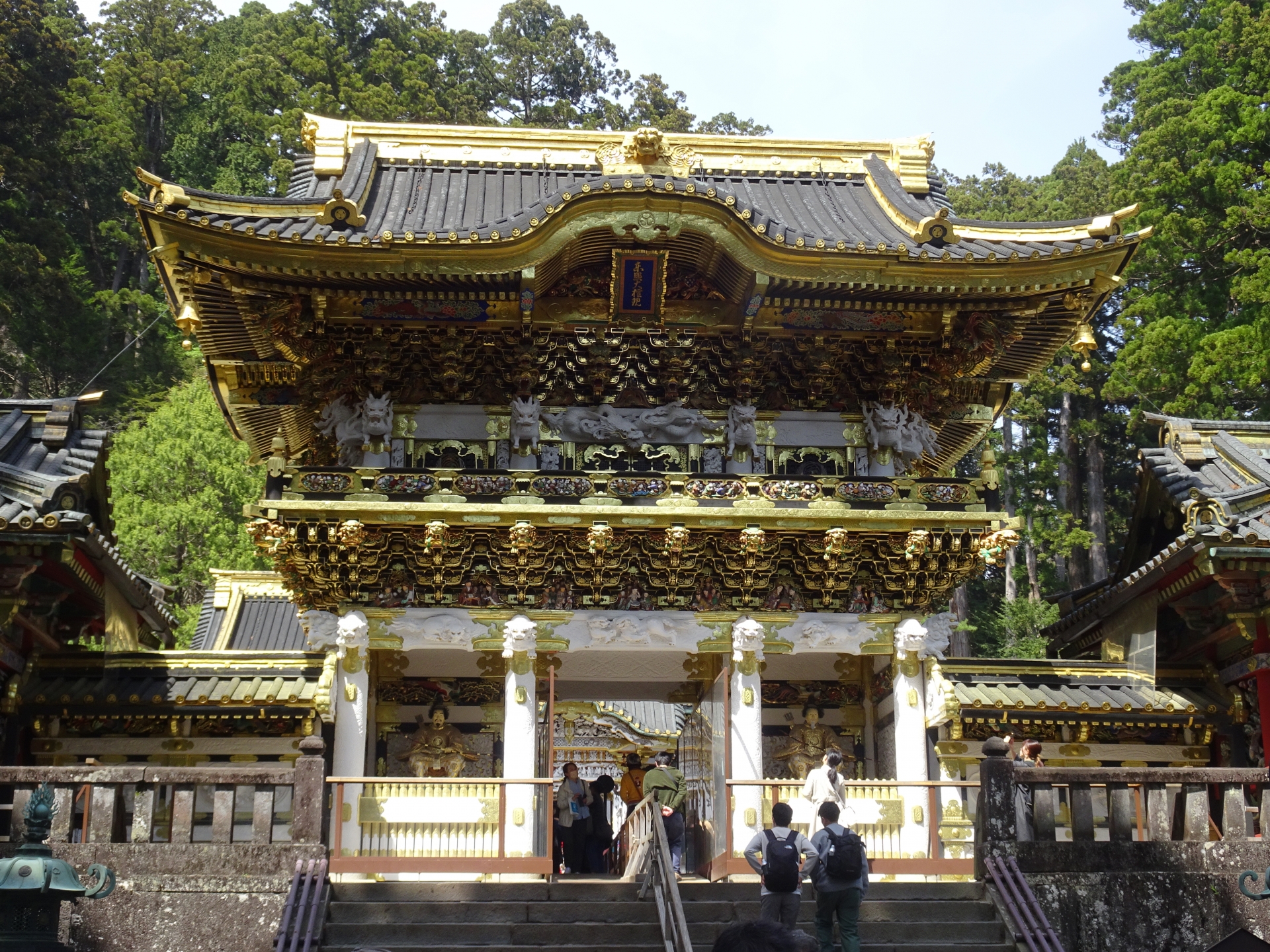
Yomeimon Gate (The Sunset Gate)
Known as the 'Sunset Gate' because one could gaze upon its 508 intricate carvings from dawn until dusk without ever tiring of the view. This National Treasure is a masterpiece of white, gold leaf, and vibrant pigments. Look closely at the pillars; one is intentionally carved upside down to ward off the jealousy of the gods by ensuring the structure remains 'incomplete' and thus imperfect. The sheer density of mythical beasts and floral motifs creates a dizzying, hypnotic aura of divine authority.
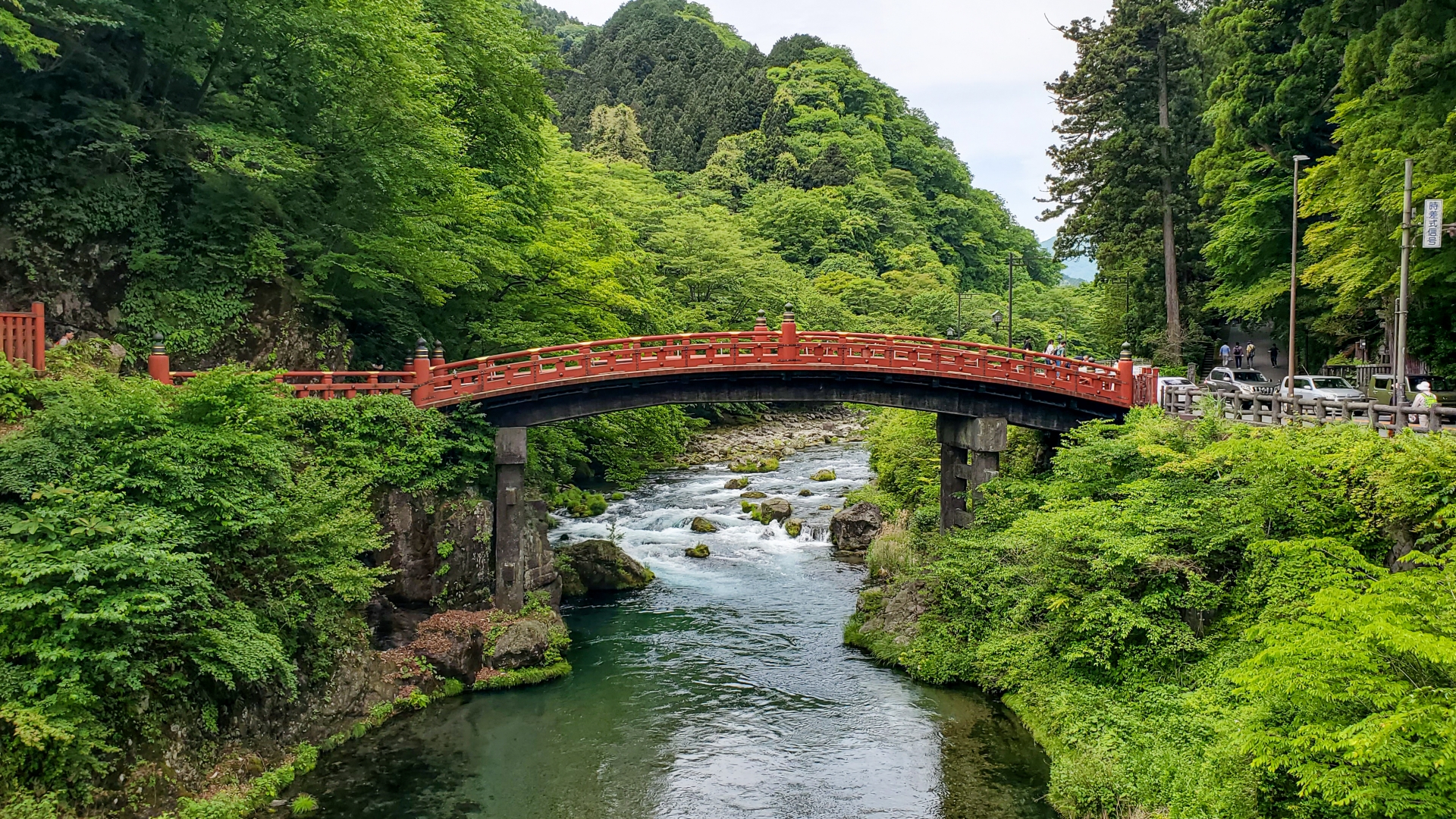
Shinkyo Bridge
Standing at the gateway to Nikko’s shrines, this vermilion-lacquered bridge arches gracefully over the turquoise waters of the Daiya River. Legend says the priest Shodo Shonin crossed here on the backs of two giant serpents. The contrast between the brilliant red lacquer and the surrounding deep green foliage is a visual masterpiece. Feel the cool, saline mist from the rushing river below as you stand on this sacred threshold, marking your transition from the secular world into the spiritual heart of Nikko.
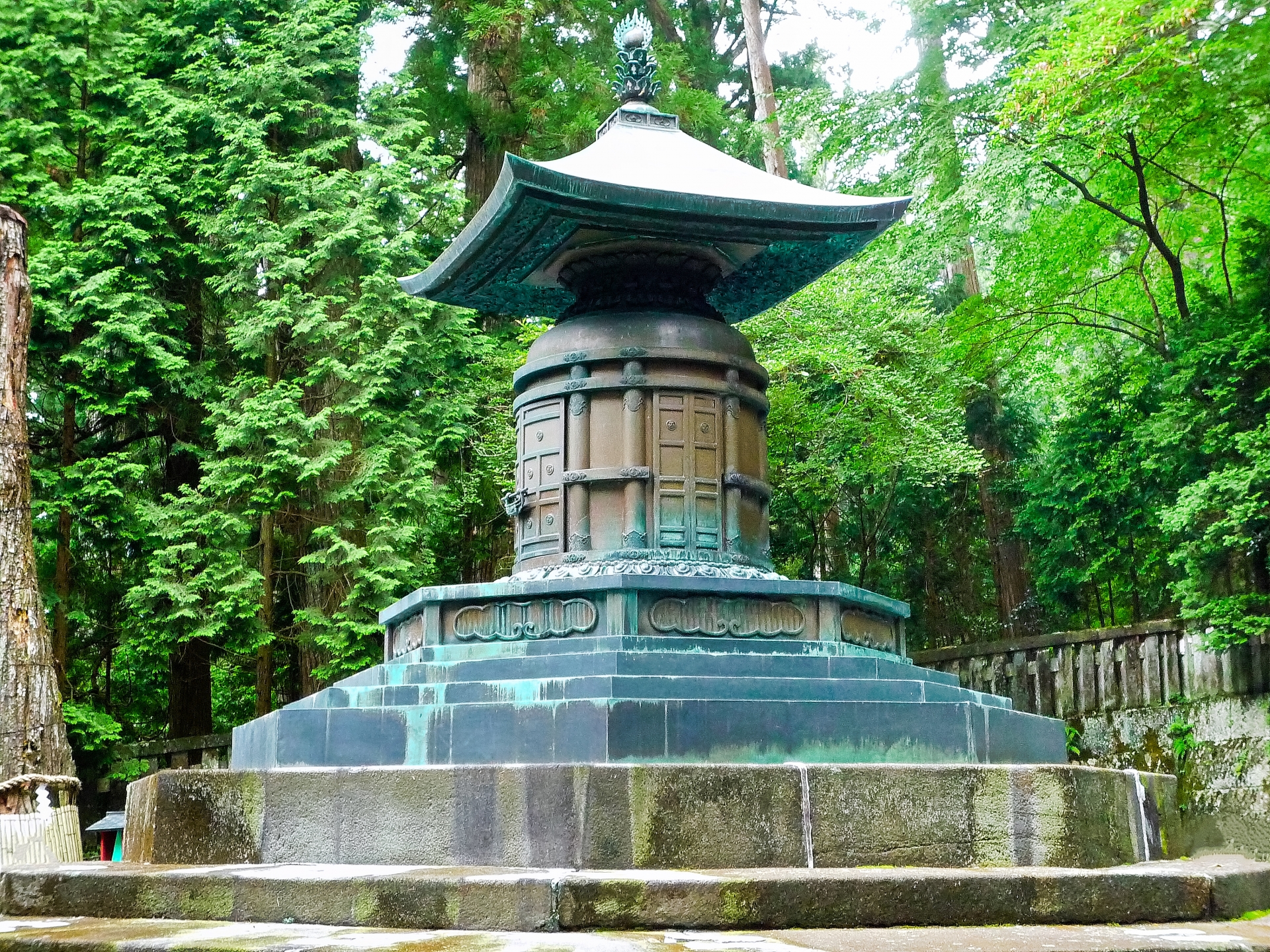
The Tomb of Ieyasu Tokugawa
Ascend the 207 stone steps, flanked by towering cryptomeria trees that muffle the sounds of the world below. At the summit lies the bronze urn containing the remains of the first Tokugawa Shogun. The atmosphere here is one of heavy, dignified silence. Unlike the vibrant carvings of the main shrine, the mausoleum is understated and powerful. The scent of damp earth and ancient wood prevails, offering a moment of profound reflection at the very center of Japan's historical power axis.
Local Soul Food
Tastes you can't find anywhere else.
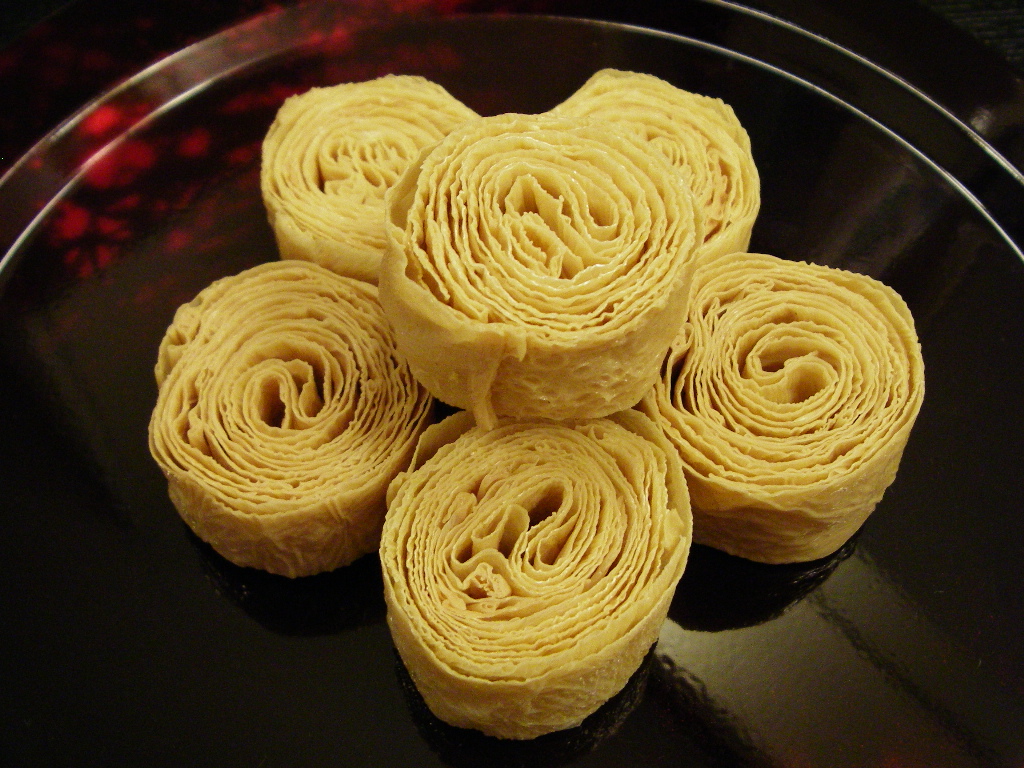
Nikko Yuba (Silken Tofu Skin)
The quintessential taste of Nikko. Unlike its Kyoto counterpart, Nikko Yuba is rolled into thick, multi-layered cylinders, offering a satisfyingly meaty yet creamy texture. Savor it as 'sashimi' to experience the pure, nutty sweetness of the soy, or simmered in a delicate dashi that bursts with umami upon the first bite. It is a masterclass in subtle, refined elegance.
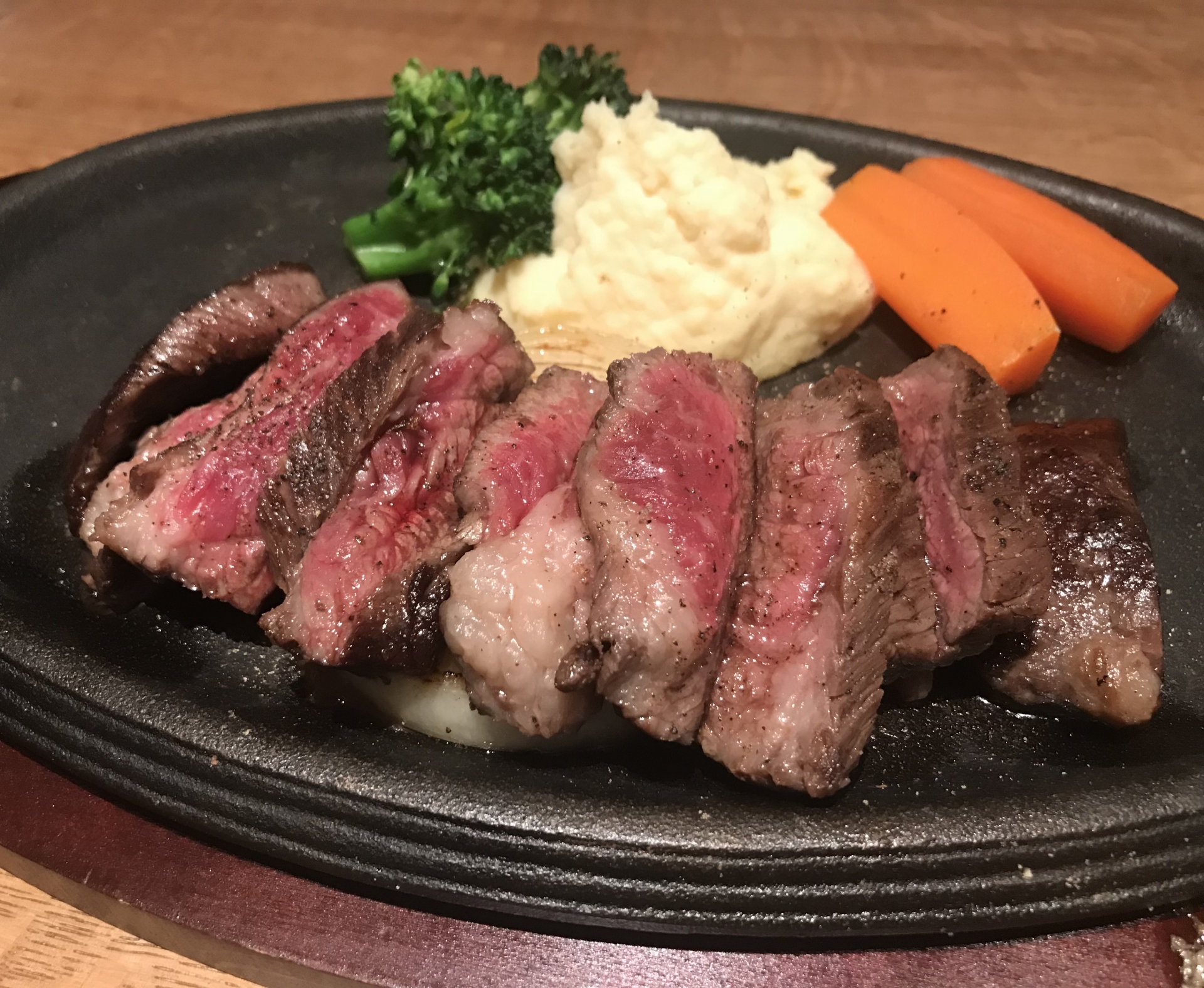
Nikko Wagyu Beef Steak
Raised on the pristine waters of the Tochigi highlands, Nikko Wagyu is famed for its intricate marbling and a melting point that mimics butter. When seared over charcoal, the fat renders into a sweet, aromatic glaze that coats the palate. Each bite is an explosion of rich, beefy depth, best enjoyed with a simple pinch of local sea salt or freshly grated wasabi.
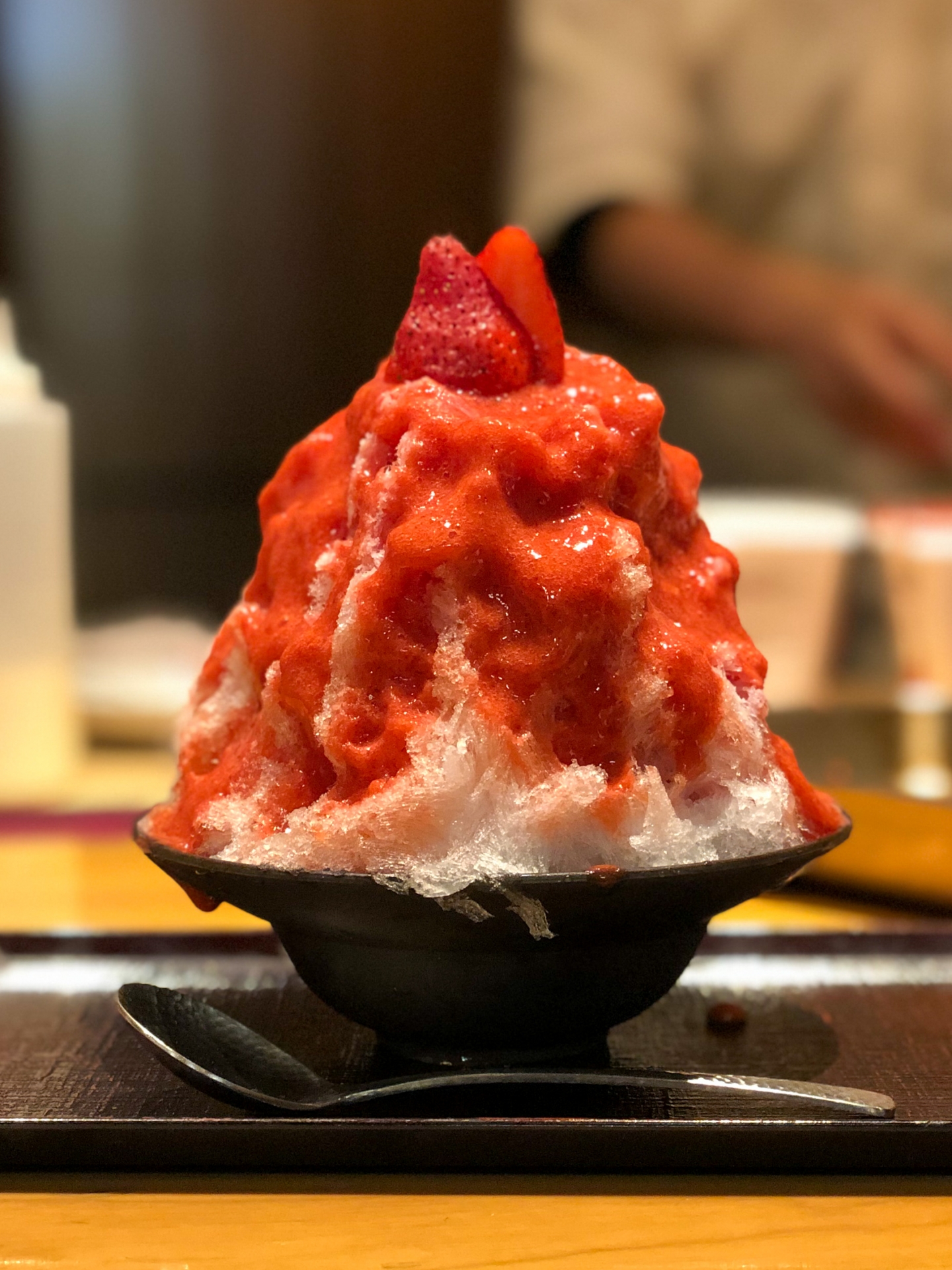
Natural Ice Kakigori
This is not ordinary shaved ice. Crafted from 'natural ice' frozen slowly in outdoor ponds during winter, the texture is incredibly fine—like fallen snow that evaporates instantly on the tongue. Topped with locally sourced Tochigi 'Tochiotome' strawberry syrup, it provides a crisp, refreshing crystalline purity that cleanses the palate and cools the soul after a long day of exploration.
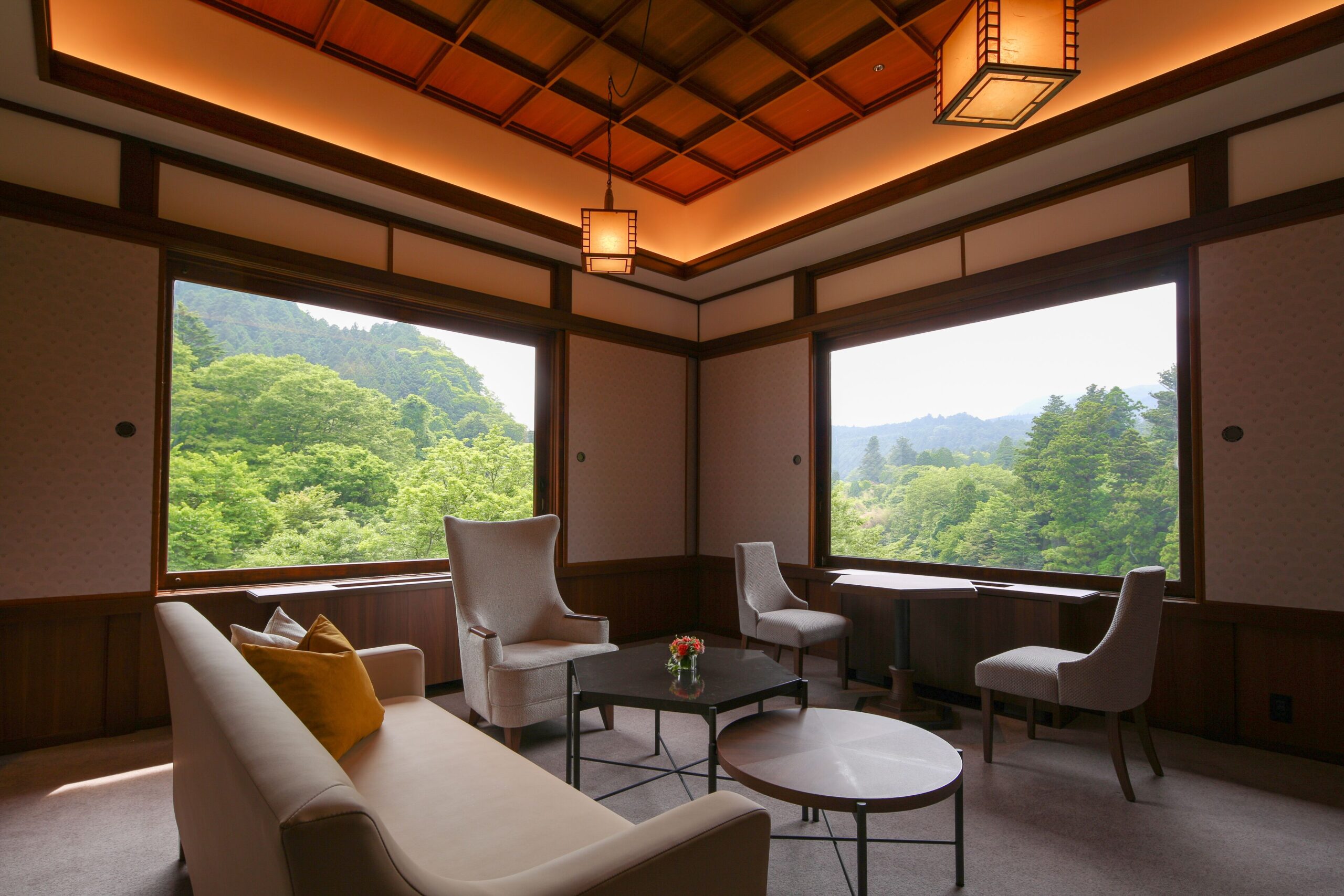
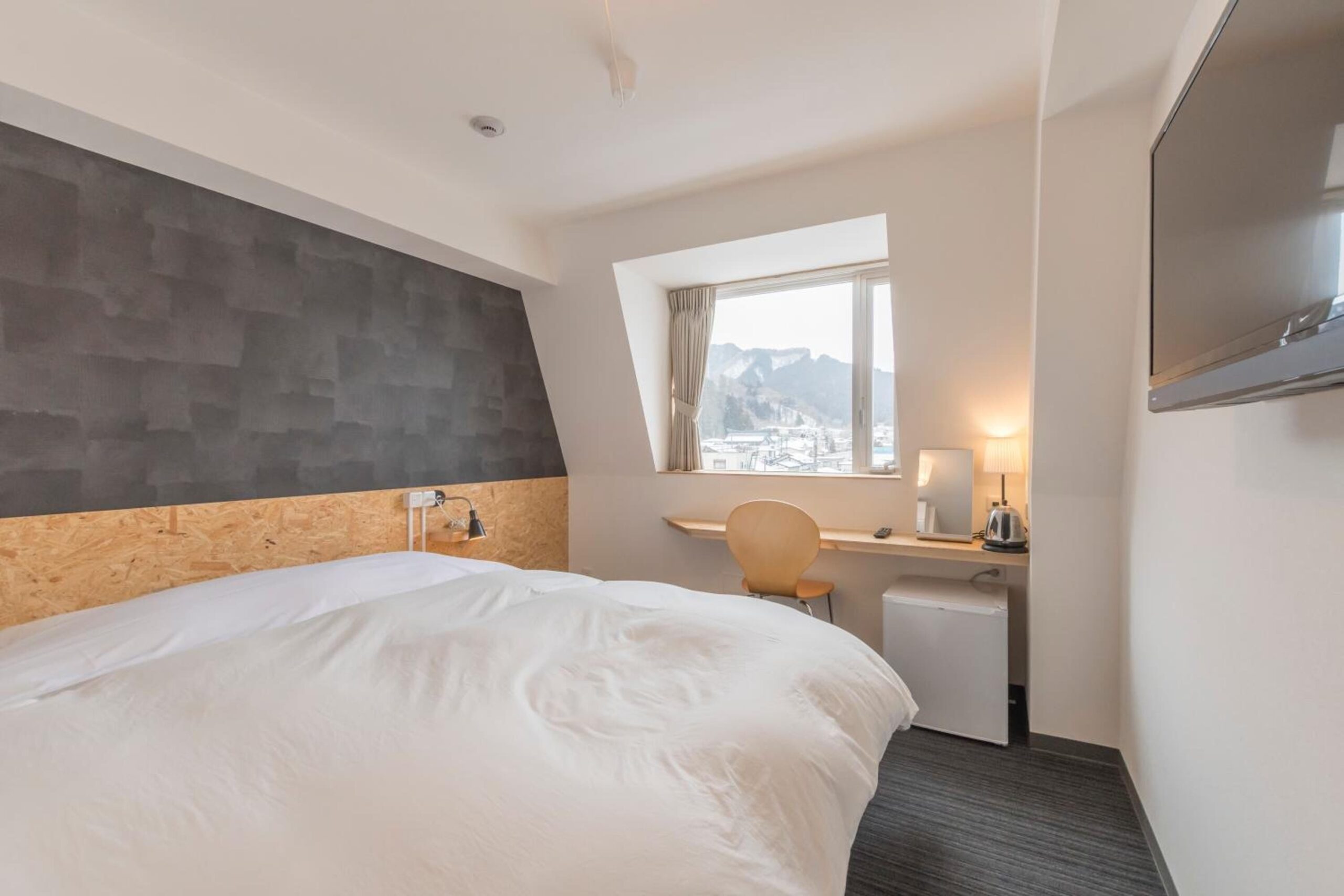
Premium Stays
For the ultimate Nikko experience, stay in the Lake Chuzenji area for modern luxury and alpine air, or near the Toshogu area to immerse yourself in the historical gravity and morning stillness of the shrines.

Getting There
Take the Tobu 'Spacia X' or 'Revaty' limited express from Asakusa Station directly to Tobu-Nikko. From the station, the 'World Heritage Meguri' bus runs every 15 minutes, though walking to the shrine area takes about 20 minutes and offers beautiful street views.
FAQ
Inspired?
Share this destiny with someone special.