Tokushima
Welcome to Naruto Whirlpools
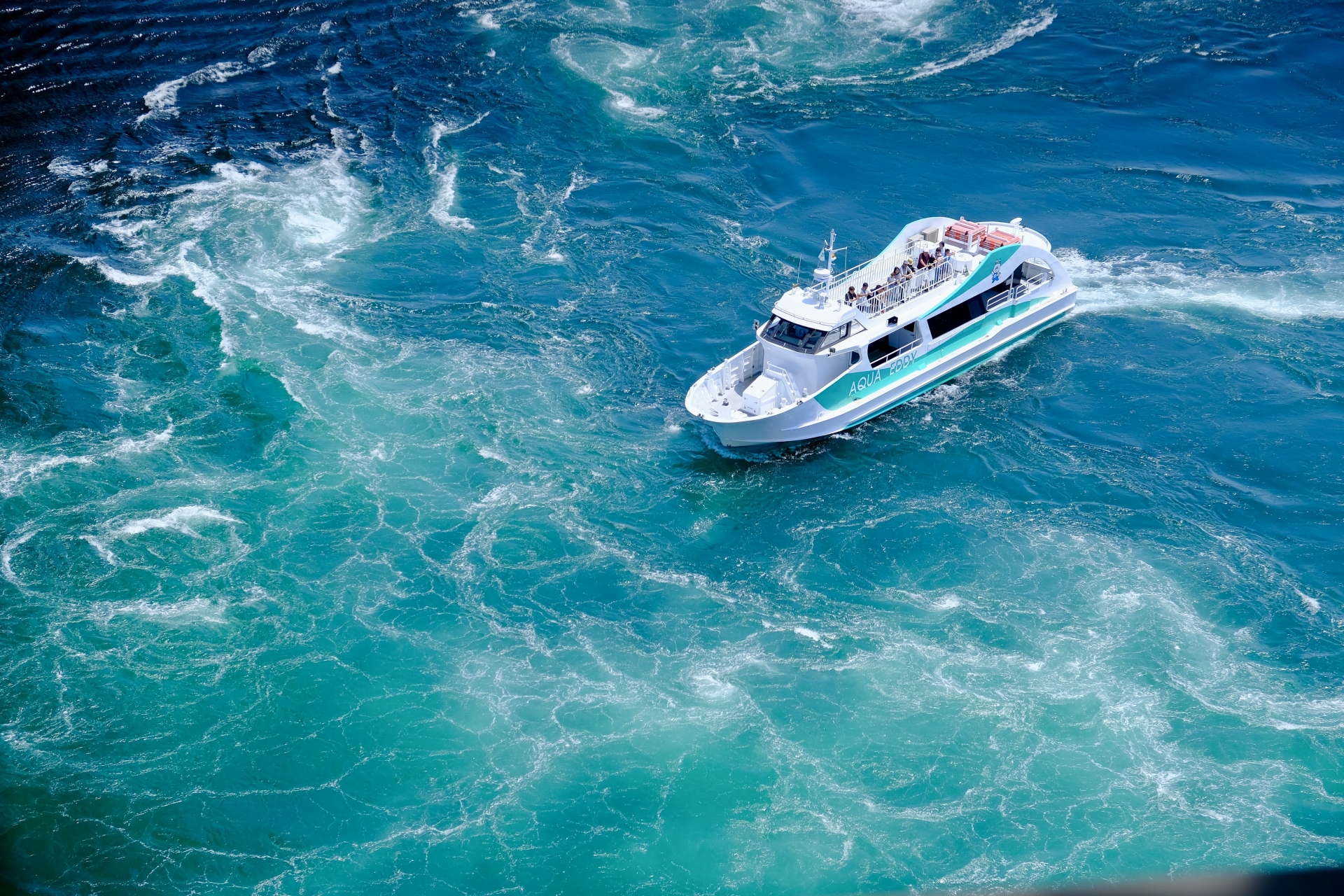
Standing at the edge of the Naruto Strait, one doesn't just see the water; you feel its primal heartbeat. Here, the meeting of the Seto Inland Sea and the Pacific Ocean creates a rhythmic, swirling choreography of nature that has captivated travelers for centuries. The air is thick with the saline mist of the bay, and the roar of the vortexes provides a cinematic soundtrack to your journey. This isn't merely a sightseeing stop; it is a confrontation with the Earth's raw kinetic energy. Beyond the water, the region offers a sophisticated blend of world-class ceramic art, sacred coastal shrines, and a culinary scene defined by the firm, mineral-rich treasures of the deep. To visit Naruto is to witness a liquid masterpiece in perpetual motion, a place where the horizon feels alive and every tide tells a new story.
Uzu-no-Michi Walkway
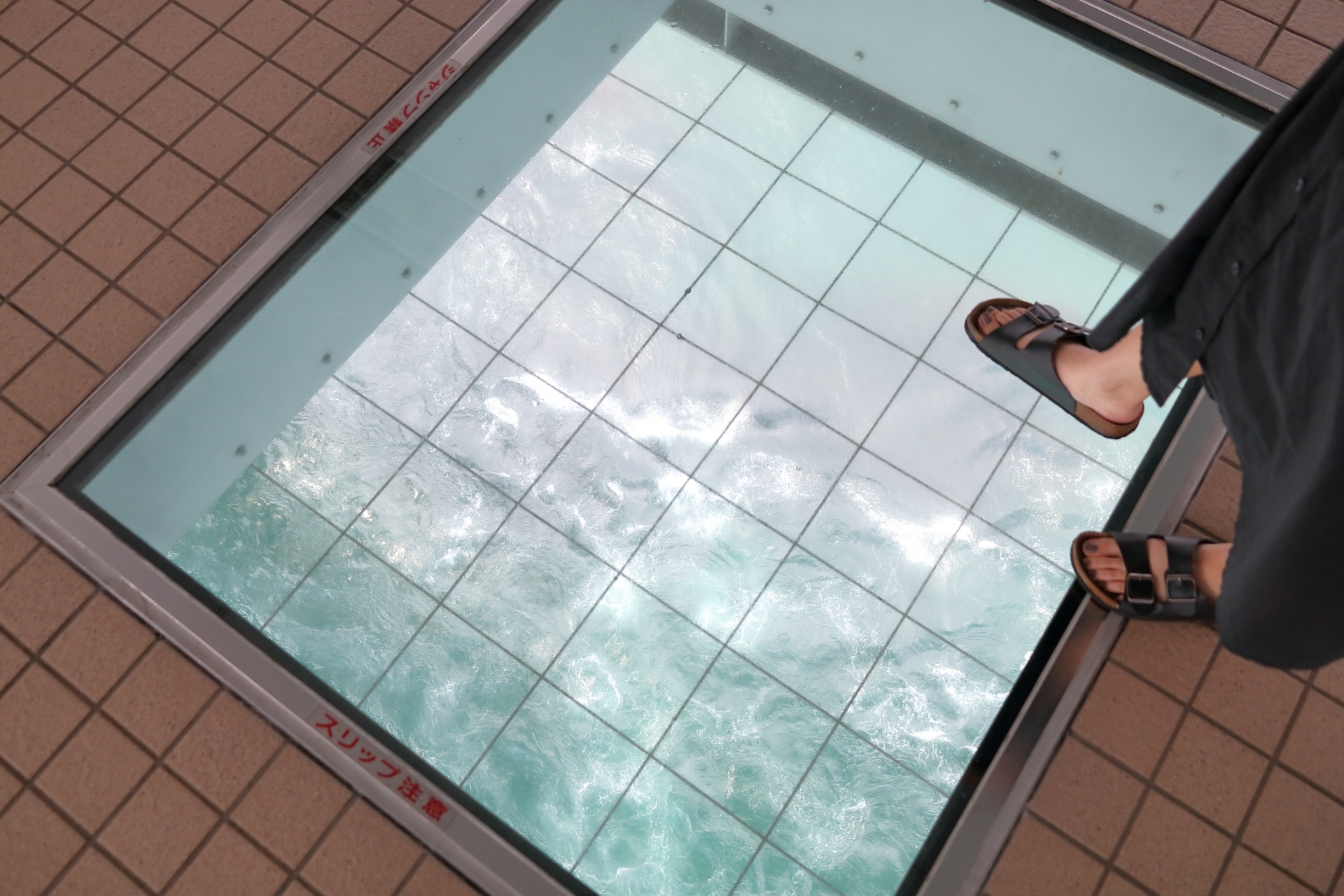
Suspended 45 meters above the churning abyss, the Uzu-no-Michi Walkway offers a heart-stopping perspective of the Naruto Bridge’s structural majesty and the liquid chaos below. Walking across the reinforced glass floor panels, you feel the vertigo-inducing power of the vortexes as they form and dissolve beneath your feet. The wind whistles through the steel girders, carrying the sharp scent of salt and the distant cries of sea birds. It is an engineering marvel that provides a front-row seat to one of nature's most violent and beautiful displays.
Otsuka Museum of Art
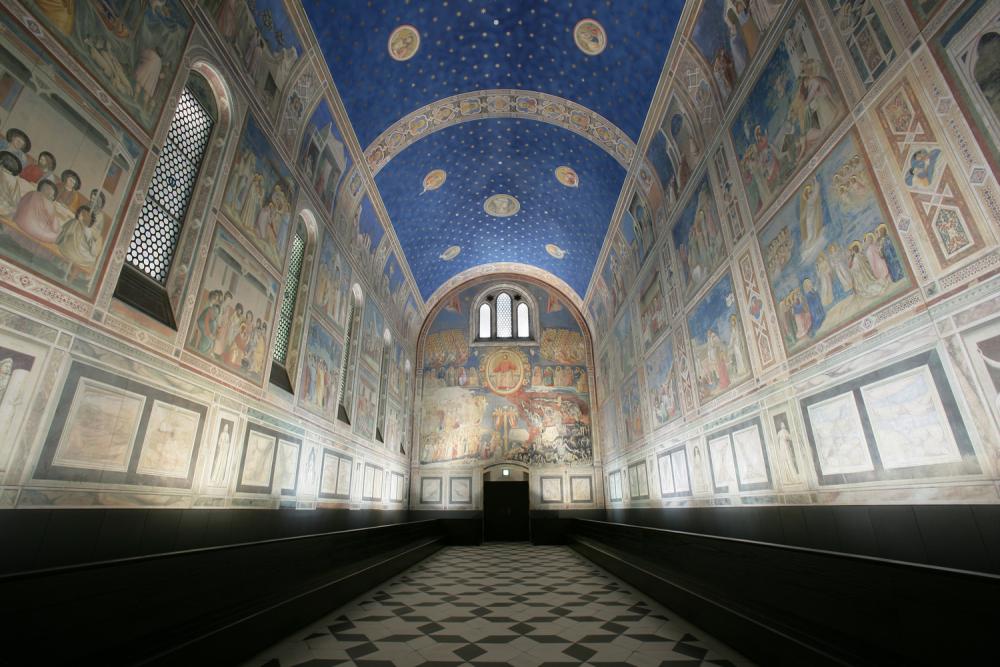
A short distance from the coast lies a subterranean sanctuary of global culture. The Otsuka Museum of Art houses over 1,000 ceramic board reproductions of Western masterpieces, from the Sistine Chapel to Van Gogh’s Sunflowers. The scale is staggering, and the tactile quality of the ceramic allows you to see the brushstrokes in a way that rivals the originals. The cool, quiet halls offer a meditative contrast to the roaring tides outside, creating a sophisticated cultural journey that spans continents and centuries without ever leaving Tokushima.
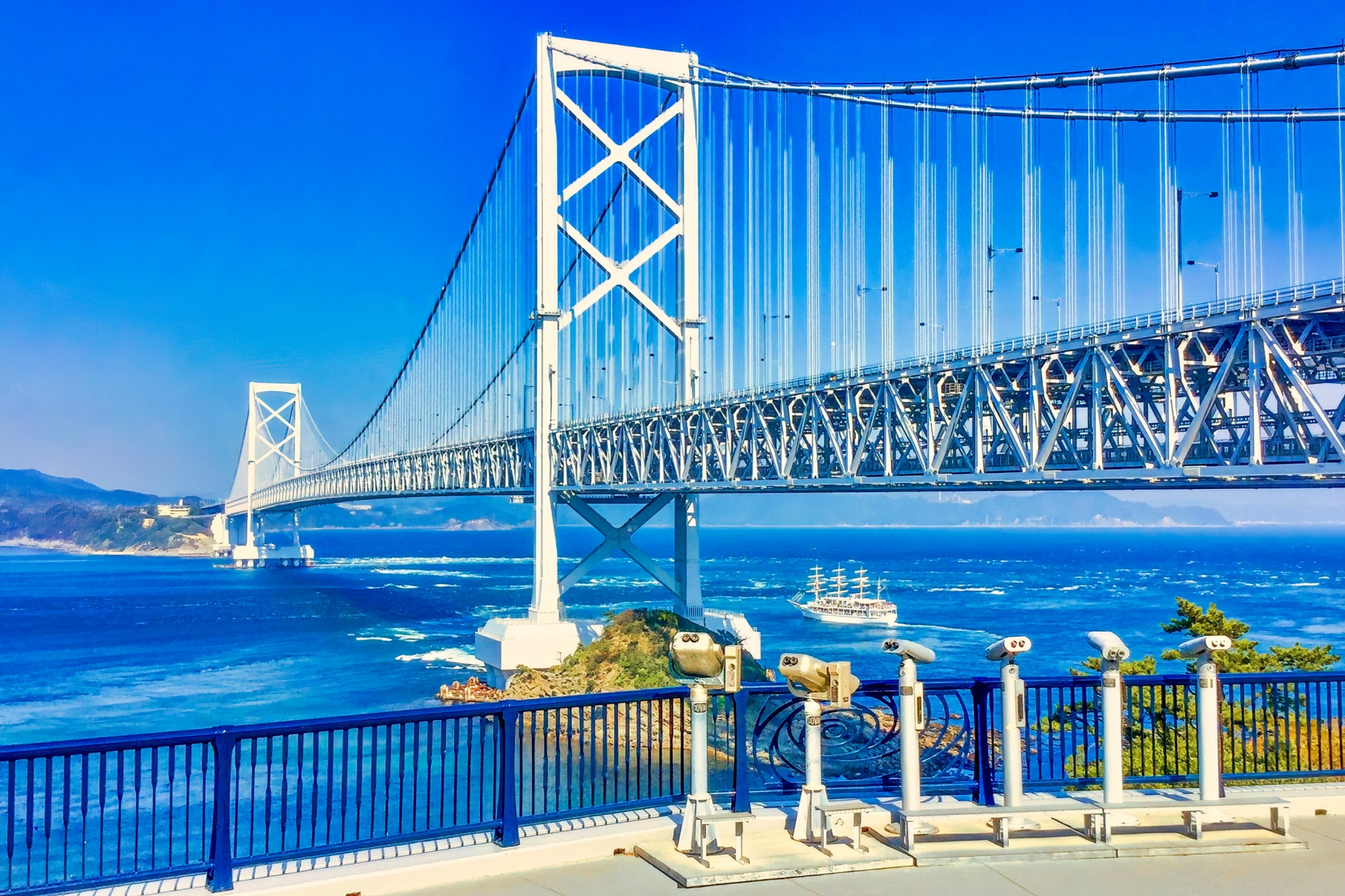
Naruto Park Senjojiki Observatory
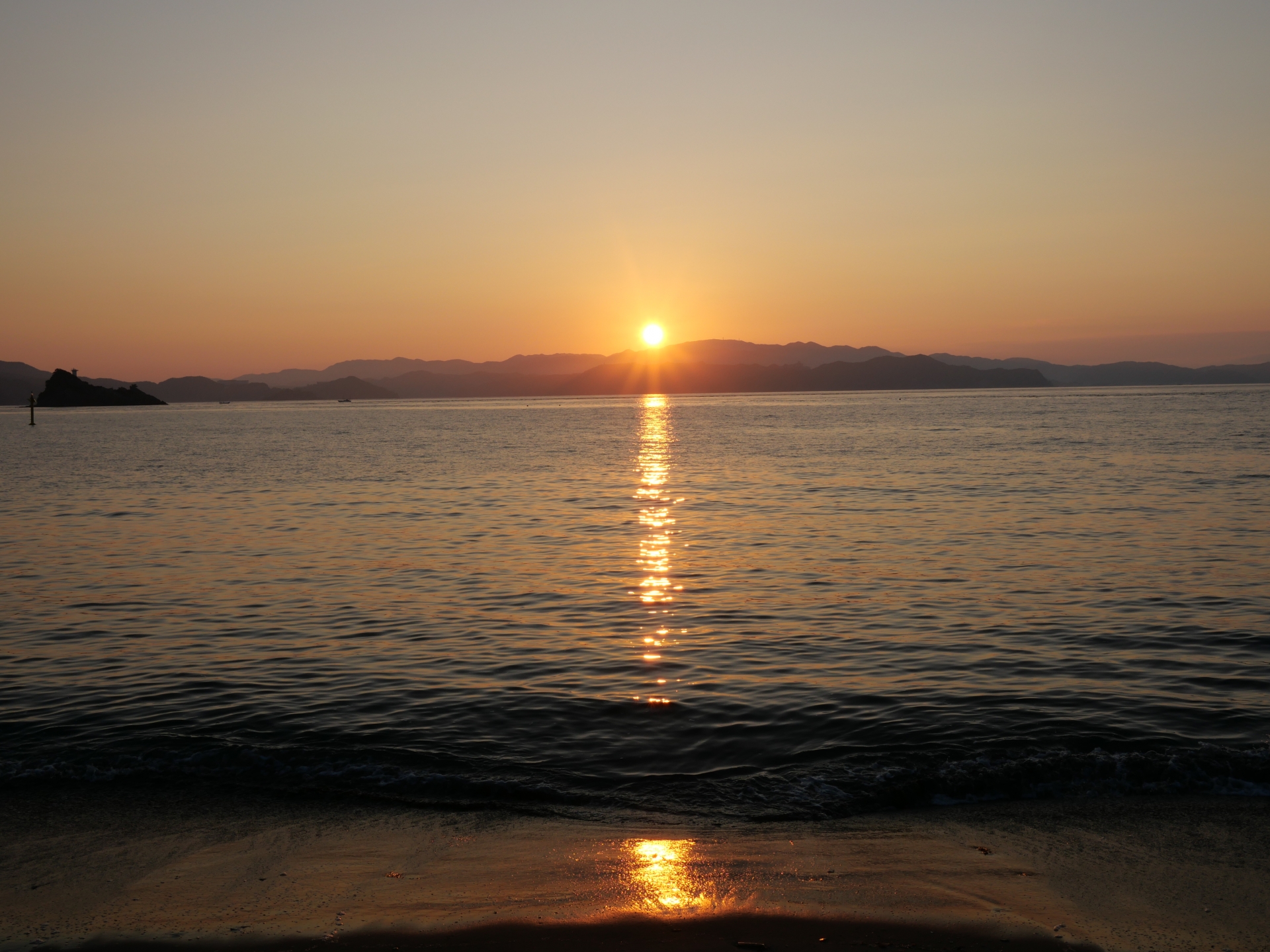
For those who crave a panoramic embrace of the strait, the Senjojiki Observatory is the ultimate vantage point. From here, the Great Naruto Bridge stretches like a silver ribbon across the cobalt water, connecting Shikoku to Awaji Island. The viewpoint is surrounded by lush coastal flora that sways in the constant sea breeze. As the sun begins its descent, the water catches the golden light, turning the swirling vortexes into shimmering liquid bronze. It is the perfect spot to capture the sheer scale of the landscape and the quiet power of the ocean.
Local Soul Food
Tastes you can't find anywhere else.
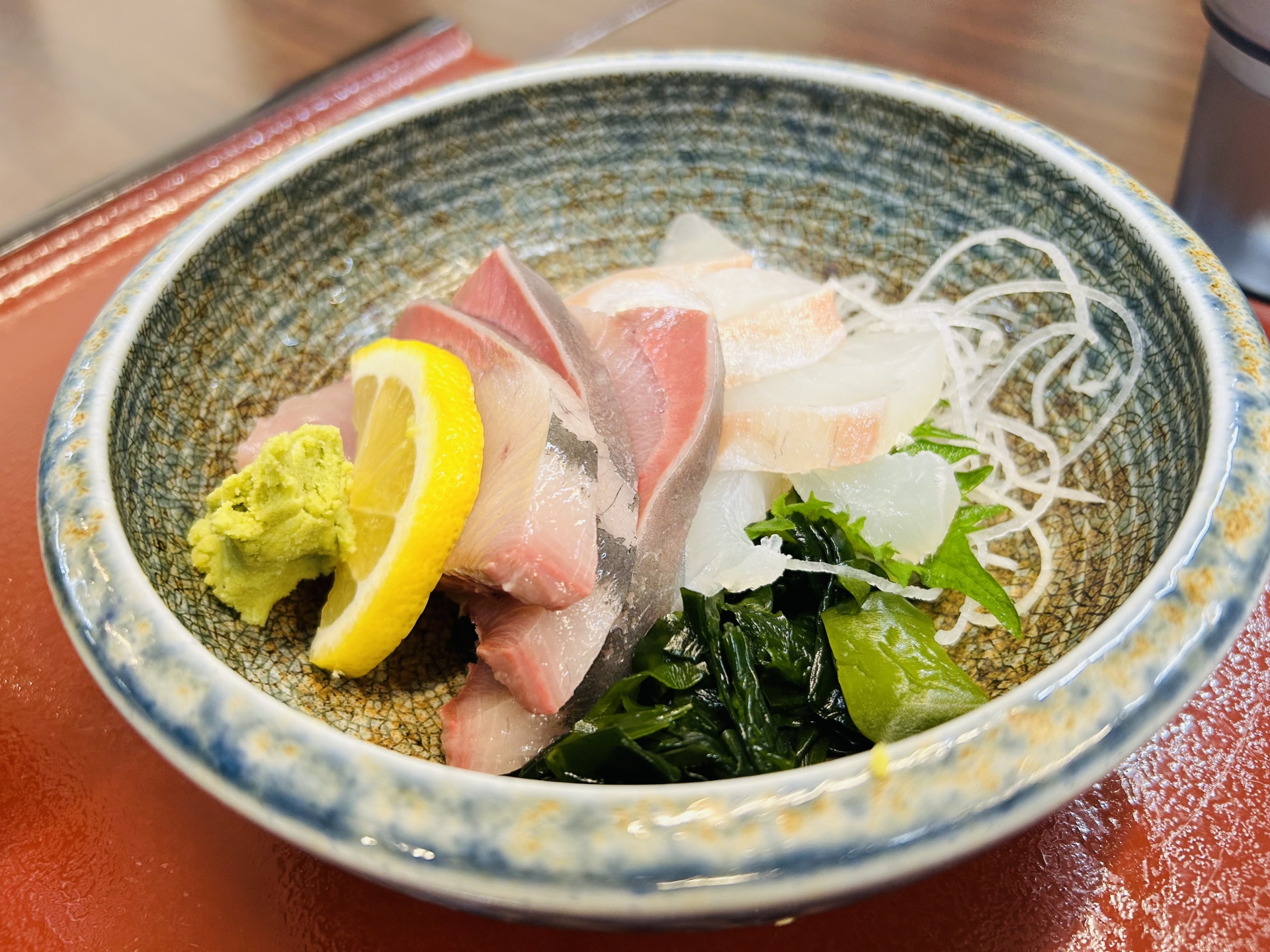
Naruto Tai (Sea Bream) Sashimi
The Naruto Strait's fierce currents produce sea bream with an exceptionally firm, muscular texture and a clean, sophisticated sweetness. Sliced thin, the translucent flesh offers a delicate resistance to the bite, followed by a buttery melt that coats the palate. It is often served with a touch of local citrus and hand-harvested sea salt to accentuate its pristine oceanic minerality.

Naruto Kintoki Sweet Potato
Grown in the mineral-rich sandy soil of the coast, these sweet potatoes are legendary for their golden interior and honey-like fragrance. When roasted, the skin becomes crisp and smoky, while the inside transforms into a velvety, cream-colored mousse. Each bite is a concentrated burst of earthy sweetness, evoking the warmth of a Tokushima autumn afternoon.
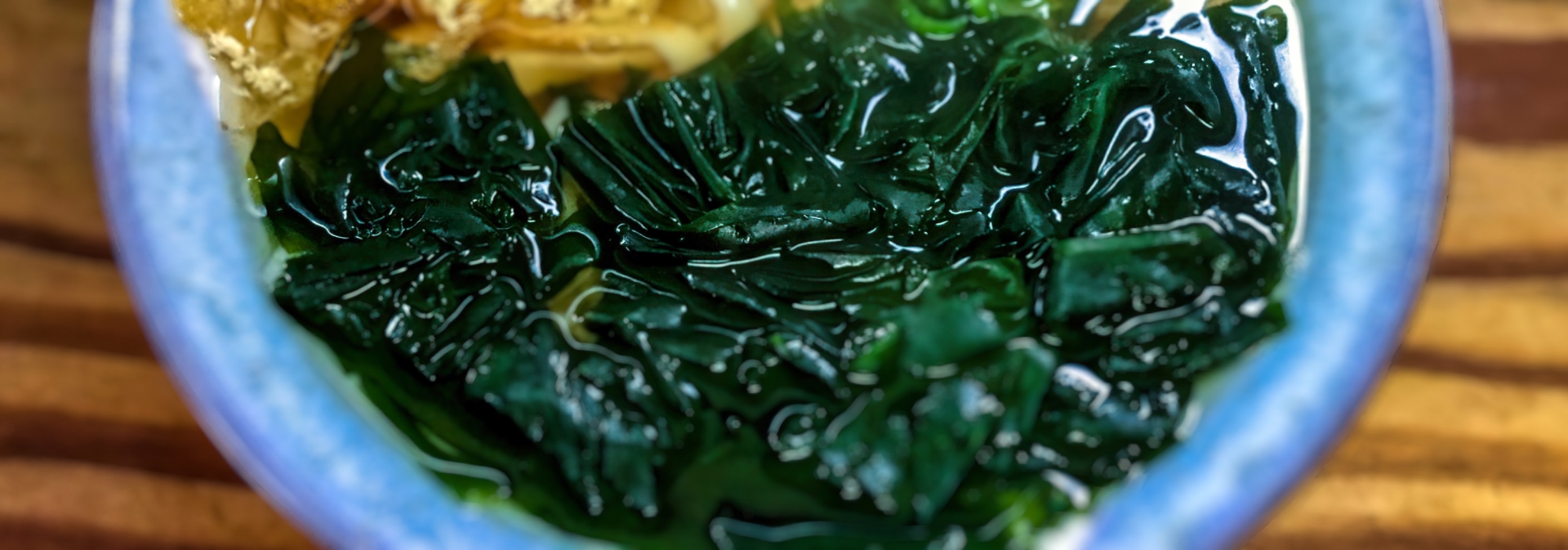
Naruto Wakame Seaweed Soup
This is not your standard miso soup accompaniment. Naruto Wakame is prized for its thick, crunchy texture and deep emerald hue, a result of growing in the high-oxygen, fast-moving waters of the whirlpools. The soup carries a profound umami depth, smelling of the fresh Pacific breeze and providing a satisfying snap that is both refreshing and deeply nourishing.
Premium Stays
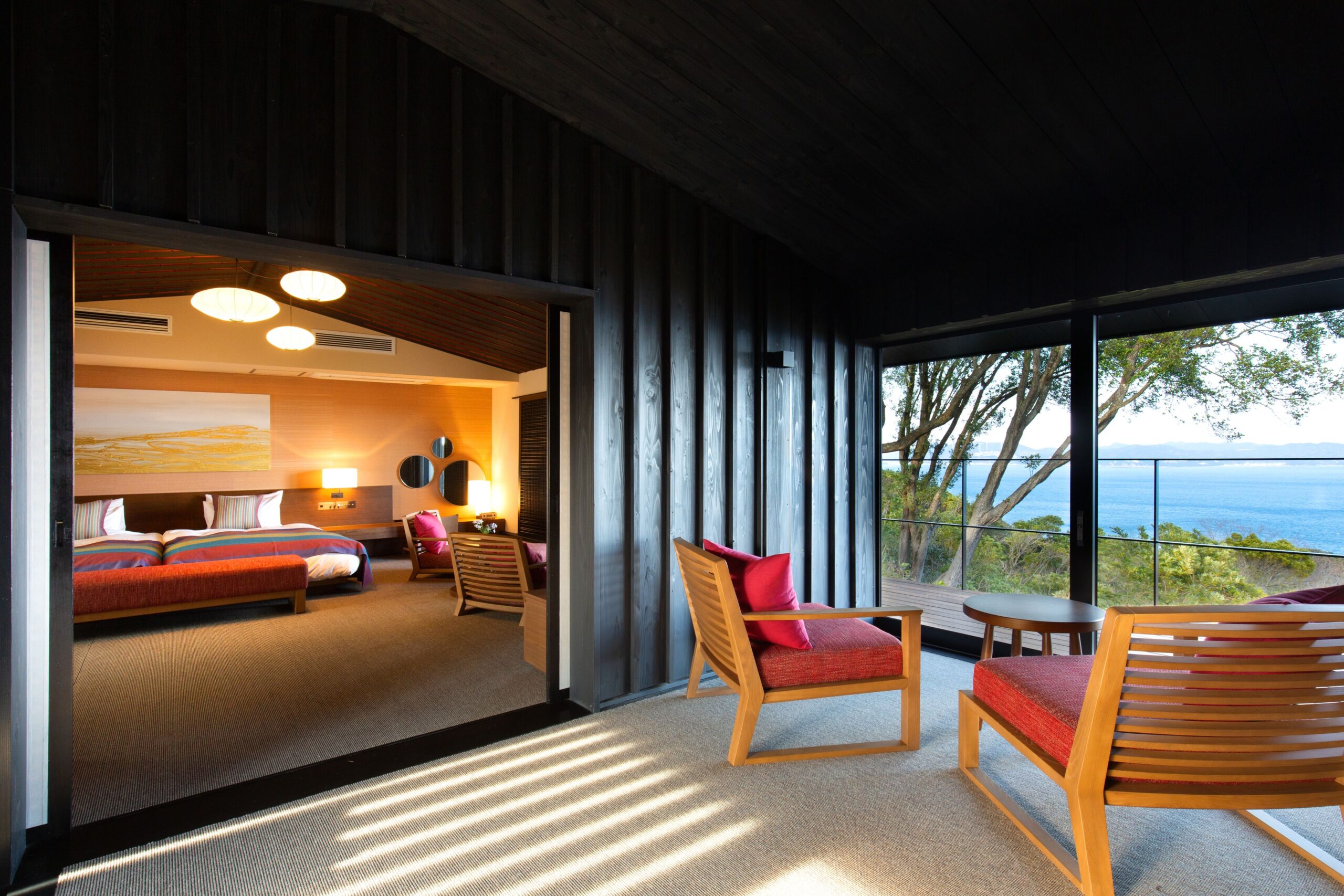
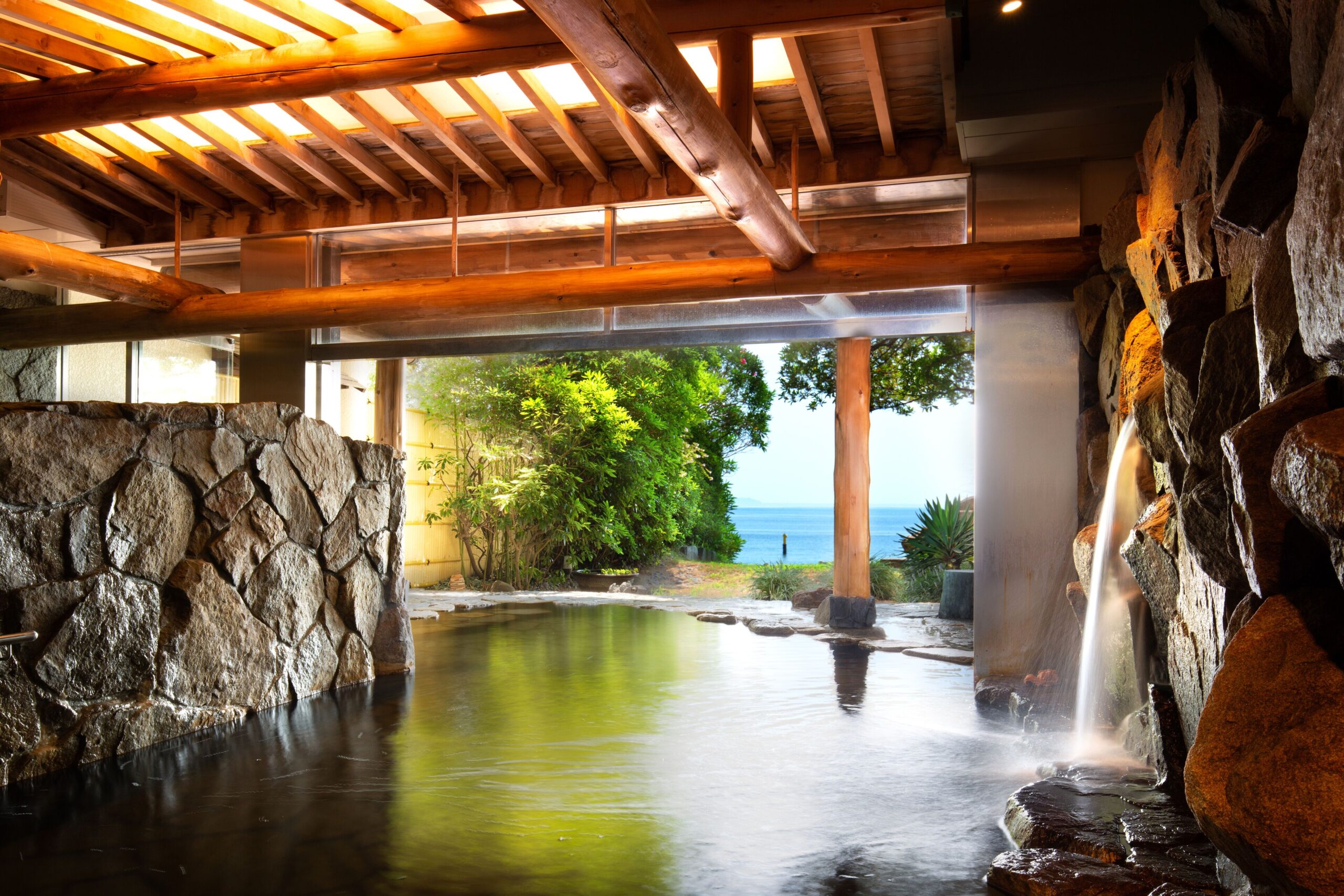
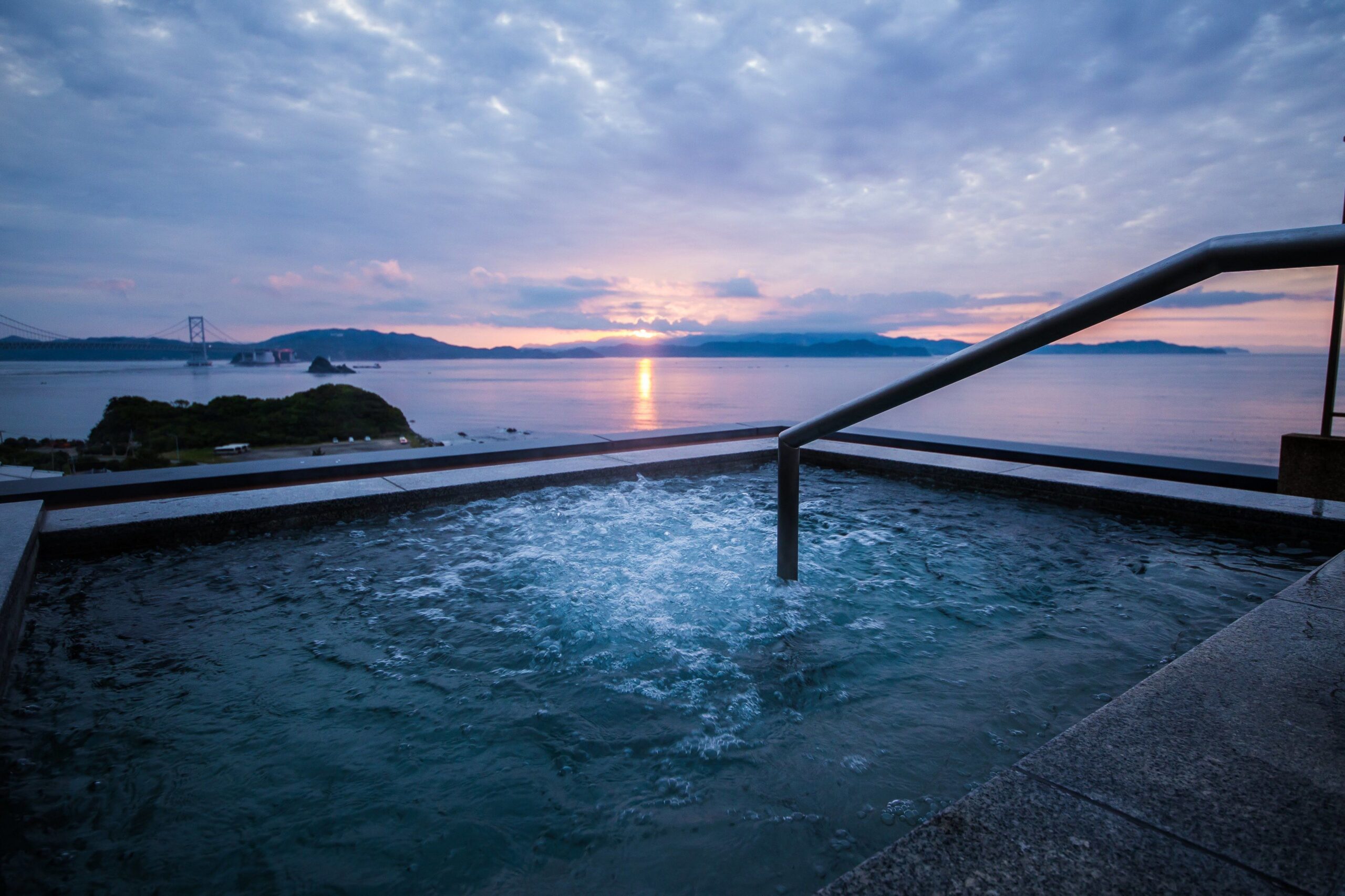
To truly absorb the energy of the Naruto Strait, we recommend staying within the coastal resort zone. This area allows you to witness the changing tides from your balcony and provides immediate access to the park and museum before the day-trip crowds arrive from Tokushima City.
Getting There
From Tokushima Station, take the JR Naruto Line to Naruto Station (40 mins). From there, local buses run to Naruto Park every 30 minutes. Note that buses are less frequent in the late evening, so plan your return trip carefully.
FAQ
Inspired?
Share this destiny with someone special.