Tokushima
Welcome to Naruto
Naruto is not merely a destination; it is a primal dialogue between the earth and the sea. Located at the threshold of Shikoku, this coastal sanctuary is defined by the thunderous roar of its world-famous whirlpools—nature’s own kinetic art. Beyond the saline mist of the Naruto Strait, you will find a landscape steeped in spiritual gravity, serving as the gateway to the 88 Temple Pilgrimage. Here, the air carries the scent of cedar incense and the brine of the Pacific. Whether you are wandering through the hallowed halls of ceramic art or savoring the muscular texture of sea bream forged in turbulent currents, Naruto offers a sensory depth that lingers long after you leave its shores.
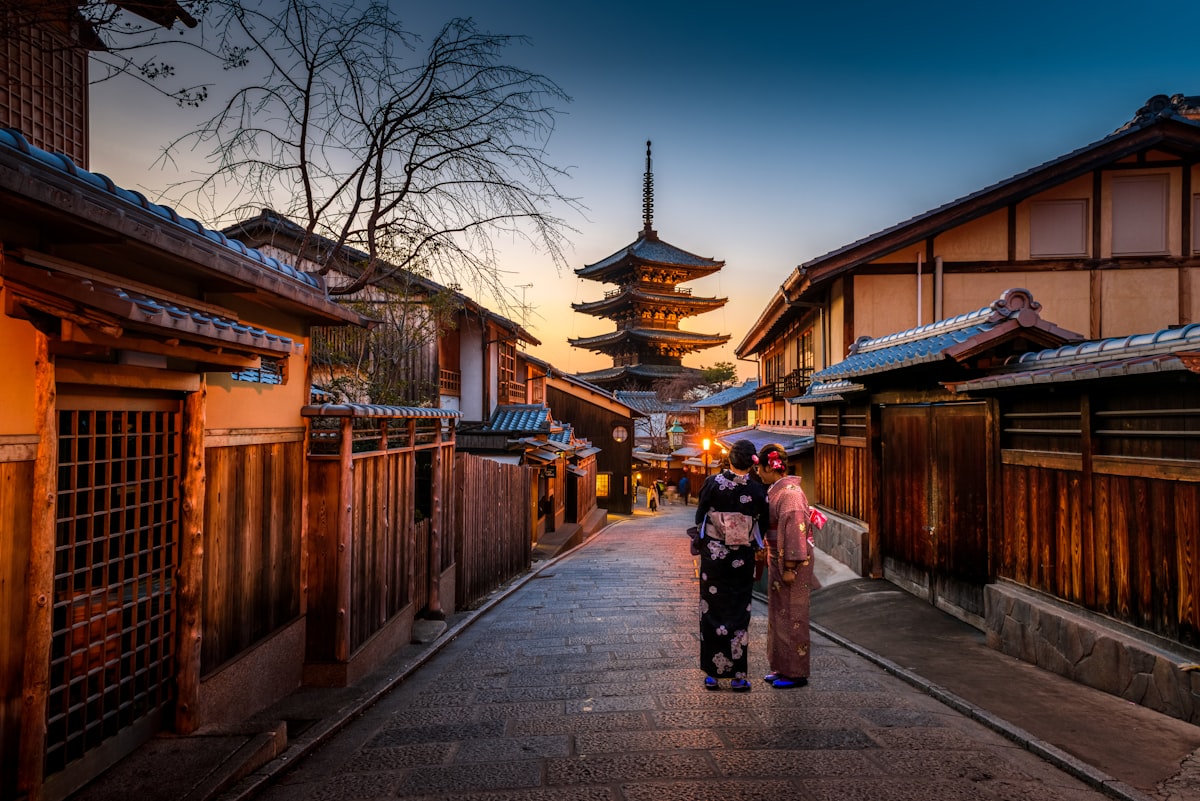
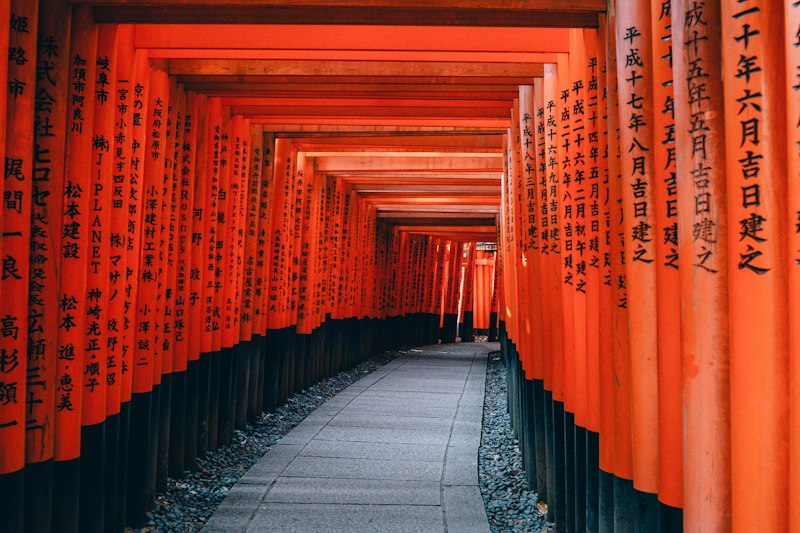
The Naruto Whirlpools via Uzu-no-michi
Suspended 45 meters above the churning Seto Inland Sea, the Uzu-no-michi walkway offers a visceral encounter with the world's most powerful tidal phenomena. Peer through reinforced glass floors as the tide surges, creating massive aquatic spirals that hiss and roar with terrifying beauty. The sheer velocity of the water creates a saline mist that coats the air, a reminder of the moon's gravitational pull on our planet's very lifeblood. It is a humbling, high-octane spectacle of fluid dynamics that demands your absolute presence.
Otsuka Museum of Art
Buried deep within the cliffs of Naruto lies a subterranean marvel of the art world. This is not a traditional gallery, but a sanctuary of ceramic masterpieces. Over 1,000 full-scale replicas of Western art, from the Sistine Chapel's ceiling to Monet’s Water Lilies, are flawlessly recreated on ceramic boards that will never fade. The cool, quiet halls offer a surreal journey through human creativity, where the lack of glass barriers allows you to stand inches away from 'The Last Supper' and feel the weight of history in a climate-controlled silence.
Ryozenji Temple
As Temple No. 1 of the Shikoku 88 Temple Pilgrimage, Ryozenji serves as the 'Temple of the Spiritual Mountain.' The atmosphere is thick with the scent of burning sandalwood and the soft chanting of pilgrims dressed in white 'ohenro' robes. The architecture is a masterclass in Muromachi-period elegance, featuring a stunning two-story pagoda and a koi pond that reflects the ancient pines. It is a place of profound beginnings, where every footstep feels heavy with the prayers of centuries of travelers seeking enlightenment.
Local Soul Food
Tastes you can't find anywhere else.

Naruto Tai (Red Sea Bream)
The 'King of Fish' in Naruto is legendary for its firm, muscular texture, a result of swimming against the brutal currents of the Naruto Strait. Served as sashimi, the translucent slices offer a buttery melt-in-the-mouth sweetness followed by a clean, oceanic finish. It is often served over rice as 'Tai-meshi,' where the essence of the fish permeates every grain with savory depth.
Naruto Kintoki Sweet Potato
Grown in the mineral-rich sandy soil of the coast, these golden-fleshed potatoes are prized for their elegant, chestnut-like sweetness. When roasted over hot stones, the skin becomes crisp and caramelized, while the inside turns into a fluffy, fragrant cloud of honeyed warmth. It is the ultimate comfort food, embodying the sun and soil of Tokushima in every bite.
Naruto Wakame Soup
Forget the thin seaweed you find elsewhere. Naruto Wakame is thick, crunchy, and vibrant emerald green. Harvested from the turbulent strait, it possesses a unique 'ash-treated' processing that preserves its snap and deep sea-mineral flavor. In a simple clear dashi broth, it provides a refreshing, saline pop that cleanses the palate and invigorates the senses.
Premium Stays
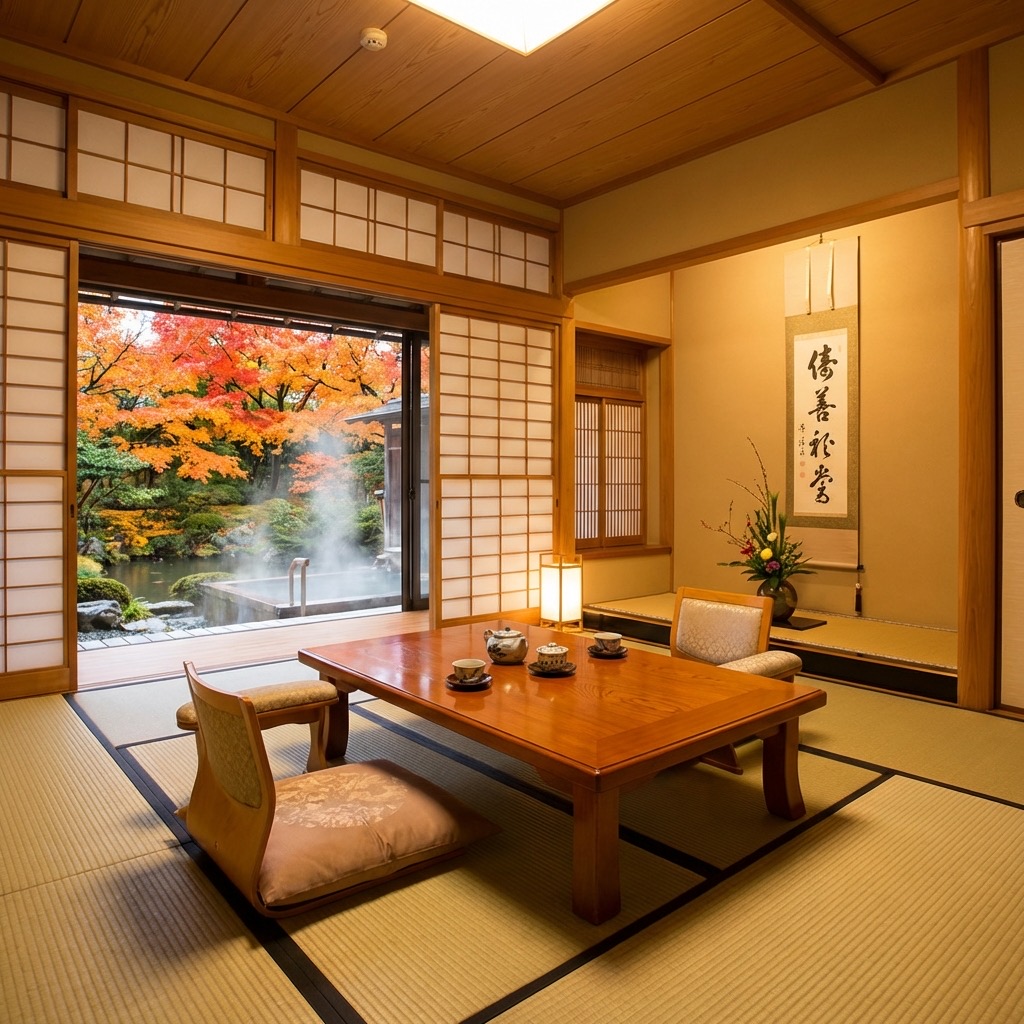
To truly capture the essence of Naruto, stay along the coastline near the Naruto Park area. This allows you to witness the changing tides from your window and provides easy access to the museum and the bridge. For a more spiritual start, the area near Ryozenji offers a quieter, temple-town atmosphere.
Getting There
From Osaka or Kobe, take the Highway Bus (approx. 2 hours) directly to Naruto Park. If coming by train, take the JR Naruto Line to Naruto Station, then a local bus. Note that local buses to the whirlpool area run once or twice an hour, so timing is essential.
FAQ
Inspired?
Share this destiny with someone special.