Chiba
Welcome to Naritasan Shinshoji Temple
Naritasan Shinshoji Temple is not merely a destination; it is a sensory pilgrimage through a thousand years of history. As you approach via the winding Omotesando path, the air thickens with the intoxicating aroma of charcoal-grilled eel and the rhythmic, deep vibration of the Goma fire ritual. This sacred ground, dedicated to the fierce deity Fudo Myoo, pulses with a spiritual energy that transcends time. From the intricate, moss-covered woodcarvings of the Niomon Gate to the sprawling, technicolor serenity of the temple gardens, every corner whispers stories of ancient devotion. Whether you seek a profound moment of Zen before a long-haul flight or a deep dive into Japan’s esoteric Buddhist traditions, Naritasan offers a transformative connection to the divine that lingers long after you depart.
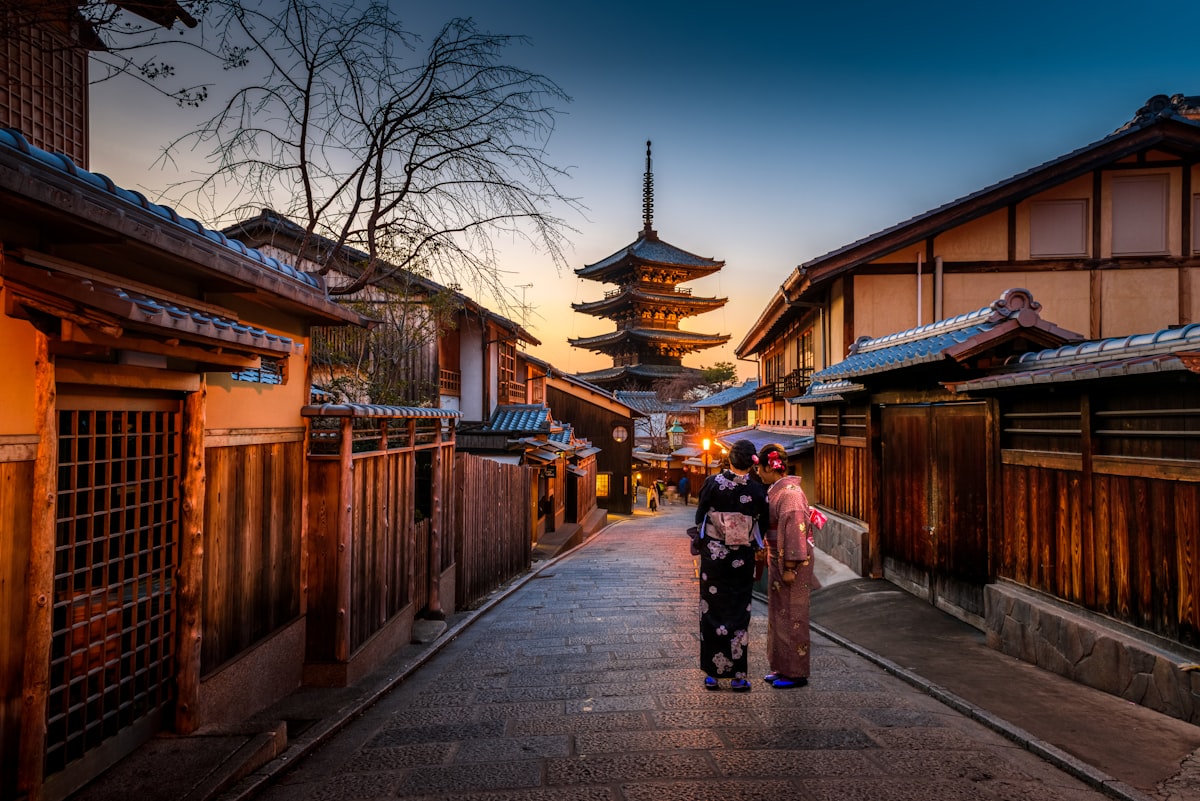
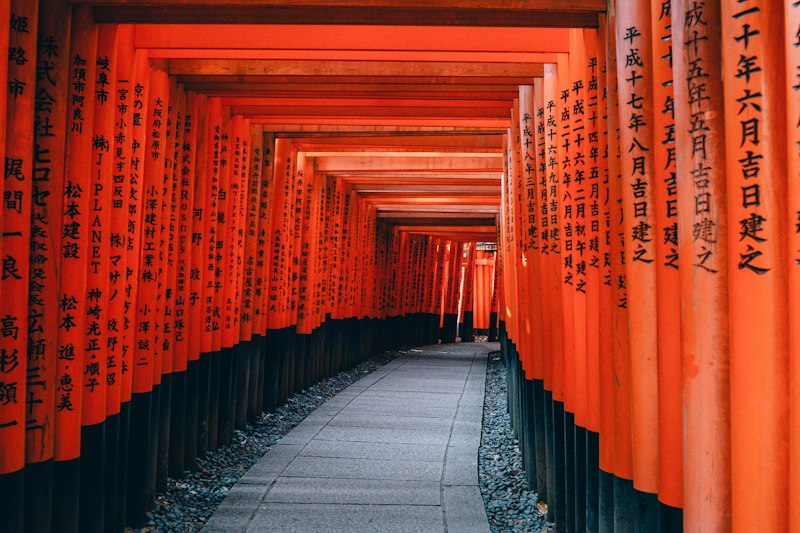
Daihondo (Great Main Hall)
The beating heart of Naritasan, the Daihondo is an architectural marvel where the ancient Goma fire ritual is performed daily. Step inside and feel the temperature rise as the monks cast wooden prayer sticks into the sacred flames. The air is heavy with the scent of incense and the hypnotic chanting that has continued unbroken for centuries. The flickering light reflects off golden ornaments, creating an atmosphere of intense spiritual power. It is here that visitors offer their deepest desires to Fudo Myoo, seeking protection and purification in the presence of the divine fire.
Naritasan Park
A sprawling 165,000-square-meter oasis that offers a masterclass in Japanese landscape design. This park is a tapestry of three distinct ponds—Monju, Ryuzu, and Ryuju—where vibrant koi glide through water reflecting the seasonal shifts of cherry blossoms or fiery maple leaves. The sound of the Monju waterfall provides a natural soundtrack to your meditation. Wandering the stone-paved paths, you will encounter the transition from manicured traditional aesthetics to wilder, forest-like groves. It is the ultimate sanctuary for those looking to escape the bustle of the Omotesando and reconnect with the subtle rhythms of the earth.
Great Pagoda of Peace (Heiwa-no-daito)
Standing at a staggering 58 meters, this vibrant vermilion pagoda is a beacon of modern Buddhist architecture. The interior is a sensory overload of five levels, featuring a breathtaking mandala on the first floor and a museum of historical artifacts. As you ascend, the craftsmanship becomes more intricate, showcasing the fusion of traditional techniques with 20th-century vision. The surrounding plaza offers a panoramic view of the temple complex and the lush Chiba countryside. It serves as a monumental symbol of global harmony, housing a time capsule intended to be opened in the year 2434.
Local Soul Food
Tastes you can't find anywhere else.

Charcoal-Grilled Unagi (Eel)
The signature taste of Narita. Experience the buttery melt of premium eel, expertly filleted before your eyes and grilled over binchotan charcoal. The skin is crisped to perfection, while the flesh remains succulent, coated in a secret tare sauce that has been aged for decades. The sweet-savory glaze caramelizes on the edges, releasing a smoky aroma that defines the Omotesando street experience.
Teppo-zuke (Sword-shaped Pickles)
A local delicacy featuring Shirouri (white melon) hollowed out and stuffed with spicy green chili peppers, then fermented in a rich miso and soy blend. The texture is a satisfying, crisp snap followed by a slow-building heat and deep umami. It is the perfect refreshing accompaniment to the richness of grilled eel, offering a sharp, vinegary contrast that cleanses the palate.
Narita Yokan (Sweet Bean Jelly)
This refined sweet is a masterclass in texture. Crafted from the finest adzuki beans and local spring water, the Yokan is dense, velvety, and subtly sweet. The 'Kuridama' variety, featuring whole chestnuts embedded in the jelly, offers a delightful earthy crunch. It is best enjoyed with a cup of bitter matcha, allowing the smooth sugar to dissolve slowly on the tongue.
Premium Stays
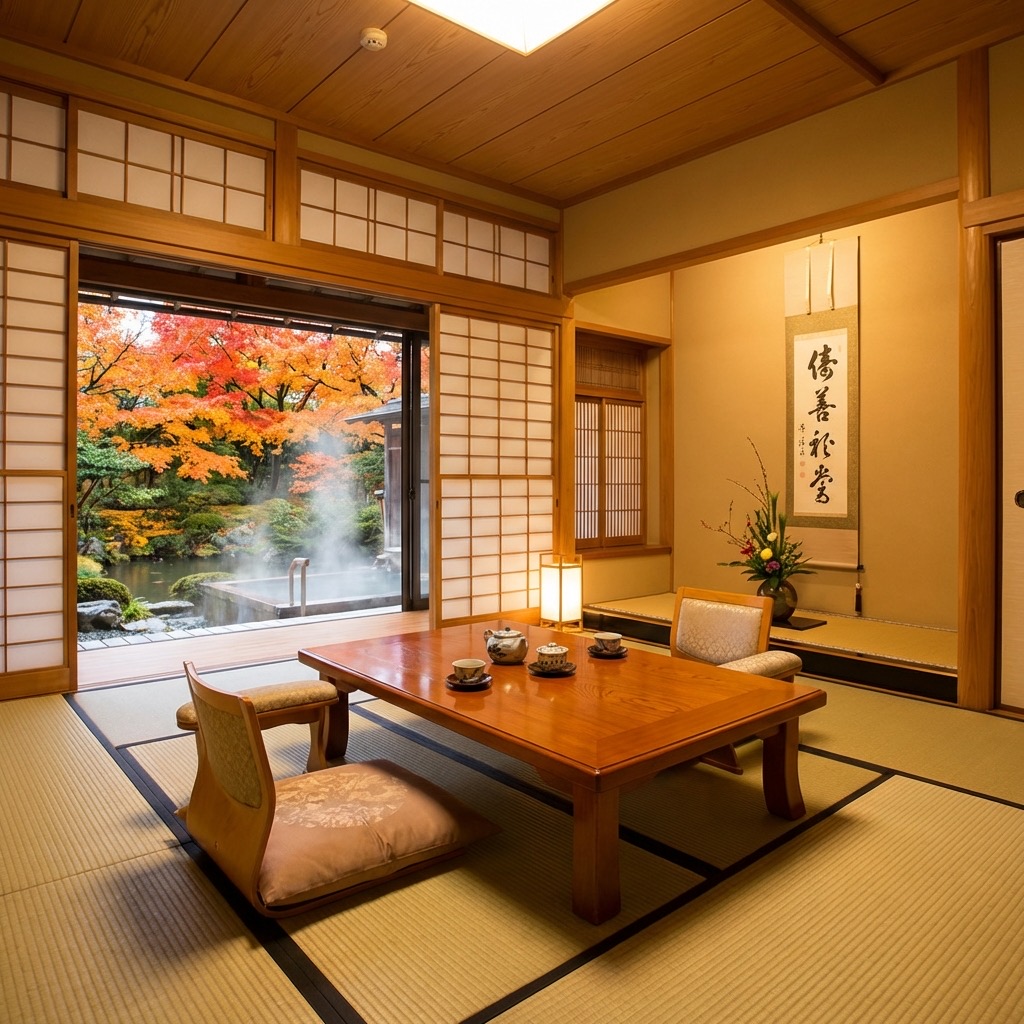
To truly absorb the spiritual atmosphere of Narita, staying near the Omotesando is essential. This allows you to experience the temple at dawn, before the airport crowds arrive, and enjoy the quiet, lantern-lit streets of the old town at night.
Getting There
From Tokyo, take the JR Sobu Line or the Keisei Limited Express to Narita Station. The temple is a scenic 15-minute walk from either station down the historic Omotesando path. Trains run frequently, approximately every 20 minutes.
FAQ
Inspired?
Share this destiny with someone special.