Chiba
Welcome to Naritasan Shinshoji
Step beyond the transit lounge of Narita Airport and into a realm where time dissolves. Naritasan Shinshoji is not merely a temple; it is a sensory tapestry woven with the scent of burning cedar, the rhythmic chanting of monks, and the architectural grandeur of a millennium. As you walk the winding Omotesando approach, the air thickens with the savory aroma of grilled unagi, preparing your spirit for the Goma fire ritual—a spectacle of light and sound that has burned continuously for over 1,000 years. This is the heart of Chiba, a sanctuary of power and peace that demands more than a layover; it demands your presence.
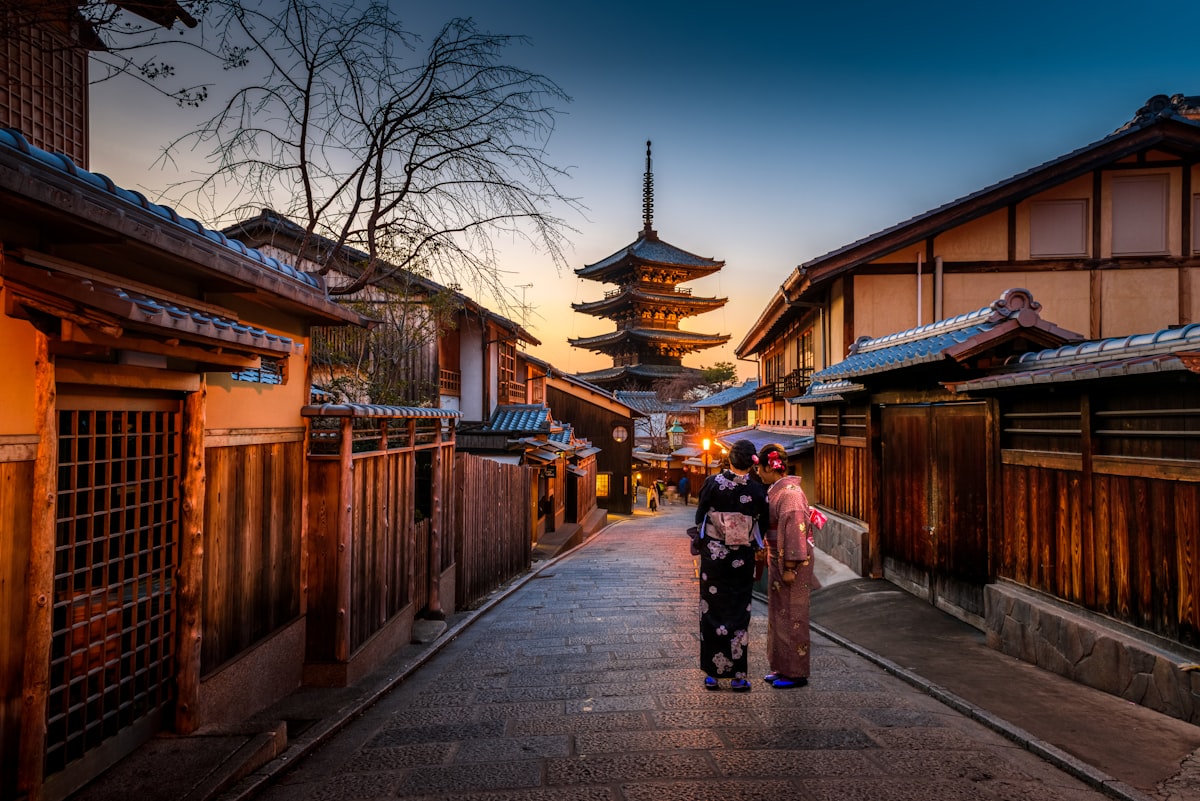
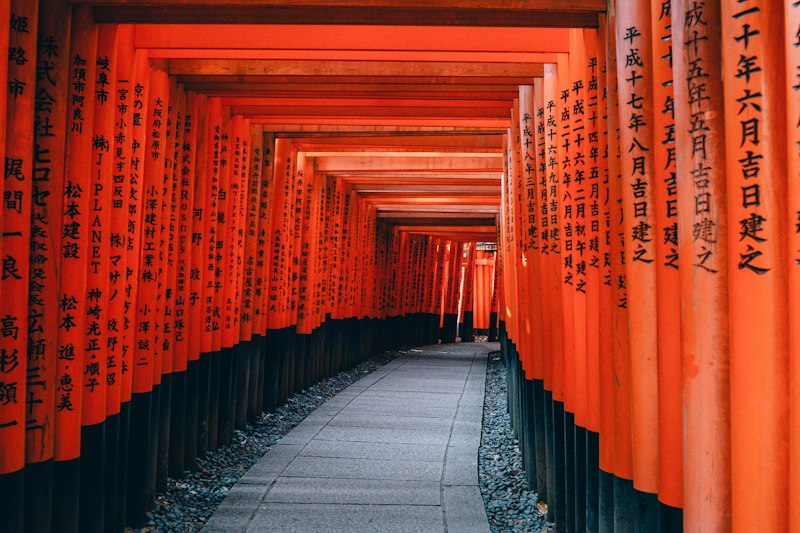
The Great Pagoda of Peace (Daito)
Rising 58 meters against the Chiba skyline, this vibrant vermillion masterpiece is a beacon of Shingon Buddhism. Inside, the air is cool and heavy with the weight of history, housing five Great Wisdom Kings. The intricate mandalas and gold-leaf details shimmer under soft lighting, offering a meditative atmosphere that transcends the modern world. It is a structural manifestation of enlightenment, designed to inspire awe through its sheer scale and the precision of its traditional Japanese joinery.
Daihondo (The Main Hall)
The beating heart of the complex, the Daihondo is where the primal Goma fire ritual takes place. Witness the flickering flames leap toward the ceiling as monks drum with a ferocity that vibrates in your chest. The architecture is imposing, a fortress of faith that has survived centuries. The interplay of shadow and firelight against the blackened wood creates a cinematic experience that feels both ancient and urgently alive. This is the ultimate power spot for those seeking clarity and protection.
Naritasan Park
A sprawling 165,000-square-meter oasis that transforms with the seasons. Three distinct ponds—Monju, Ryushu, and Ryuzhi—act as liquid mirrors for the flaming maples of autumn or the delicate plum blossoms of early spring. The sound of cascading waterfalls drowns out the distant city hum, replaced by the rustle of bamboo and the splash of koi. It is a masterclass in 'borrowed scenery,' where man-made beauty and wild nature coexist in a state of perfect, breathless harmony.
Local Soul Food
Tastes you can't find anywhere else.
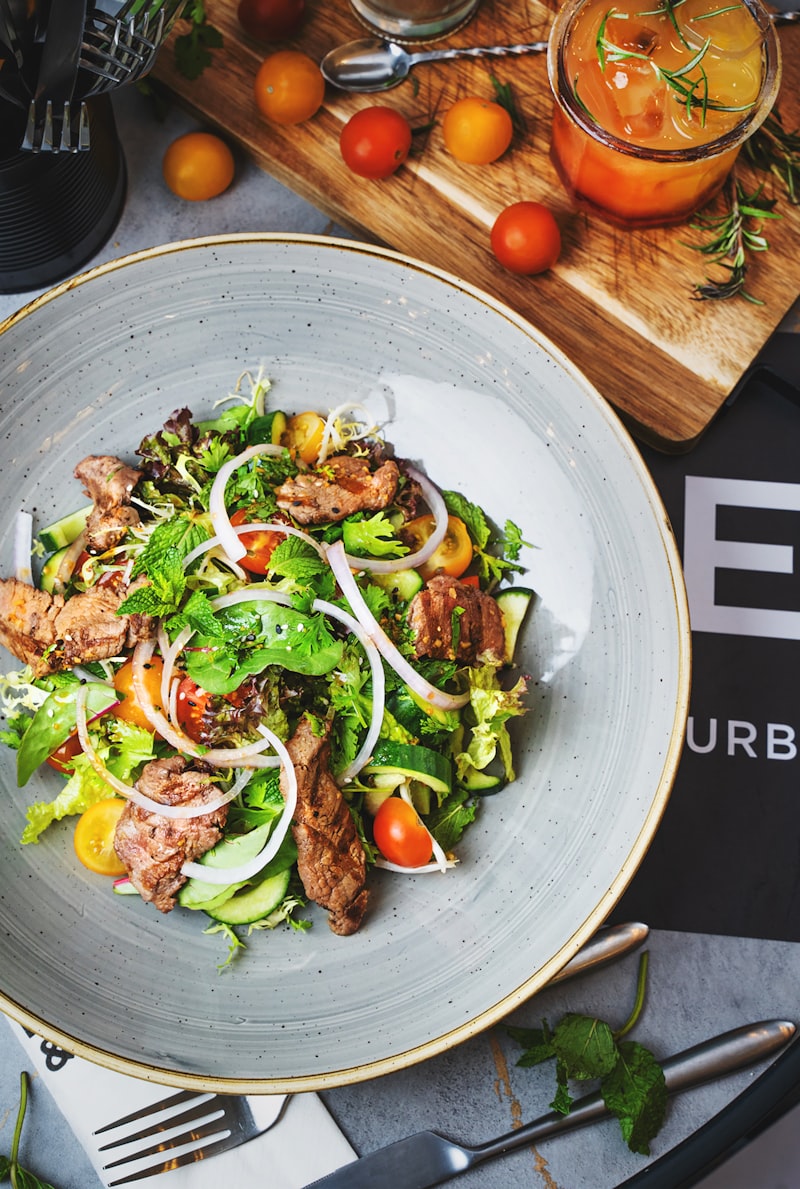
Grilled Unagi (Eel)
The signature taste of Narita. Fresh eel is butterflied and grilled over binchotan charcoal, basted in a secret tare sauce that has been replenished for generations. The skin is crisp and smoky, while the flesh remains cloud-soft, melting into a rich, umami-laden finish that lingers on the palate.
Teppo-zuke (Sword-shaped Pickles)
A sharp, invigorating contrast to the richness of unagi. These local melons are hollowed out, stuffed with shiso-wrapped ginger and chili, then fermented in soy sauce and mirin. The crunch is audible, releasing a burst of spicy, salty, and sweet notes that cleanse the soul.
Mitarashi Dango
Chewy, toasted rice flour dumplings skewered and smothered in a glossy, sweet-savory soy glaze. The slight char from the grill adds a sophisticated bitterness to the caramel-like sauce, making it the perfect handheld treat while wandering the Omotesando.
Premium Stays
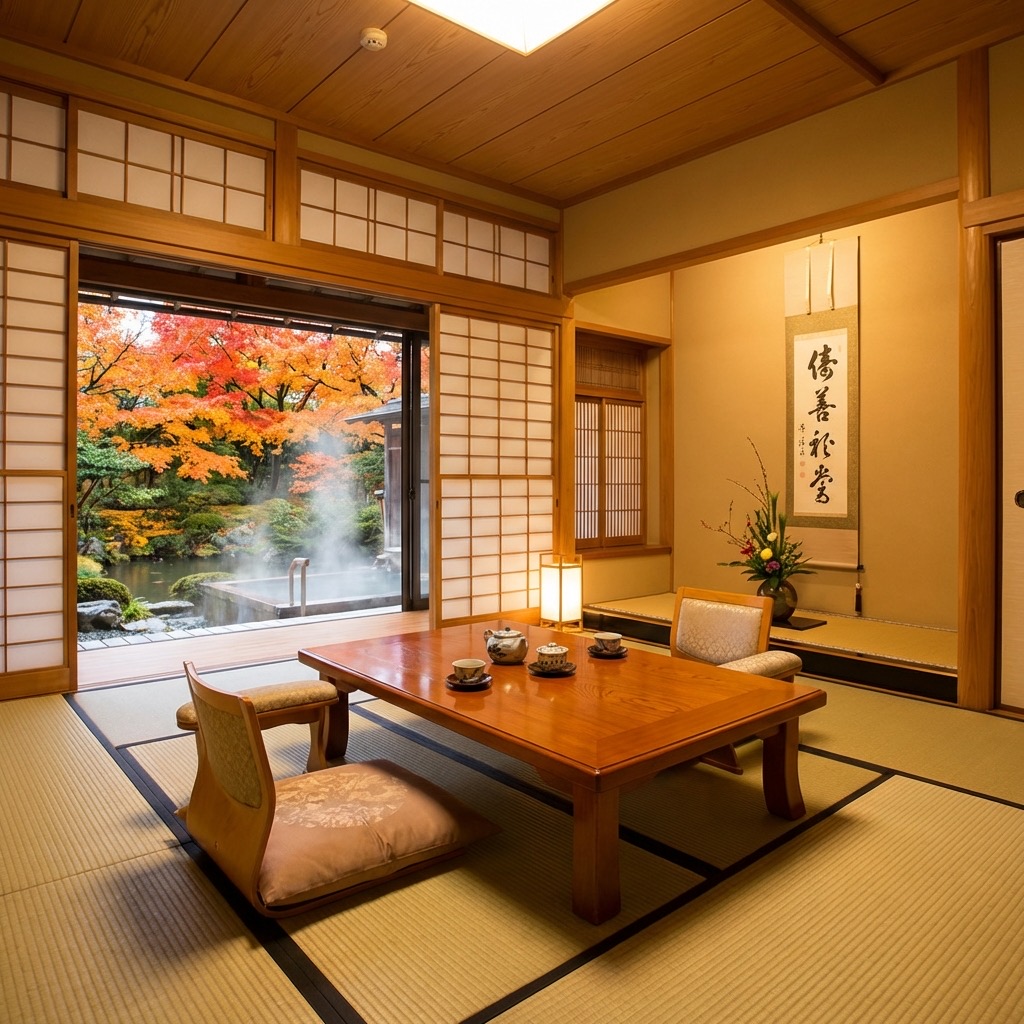
To truly absorb the spiritual energy of Naritasan, stay within walking distance of the temple gates. While the airport area offers convenience, the historic district provides an atmospheric transition from the sacred to the mundane.
Getting There
From Tokyo, take the JR Sobu Line or the Keisei Line to Narita Station. The temple is a scenic 15-minute walk down the historic Omotesando approach.
FAQ
Inspired?
Share this destiny with someone special.