Chiba
Welcome to Naritasan Shinshoji
As the rhythmic chanting of monks vibrates through the cool morning air and the heavy scent of sandalwood incense clings to your skin, Naritasan Shinshoji reveals itself as more than a temple; it is a living pulse of Japanese spirituality. Located just moments from Japan’s international gateway, this millennium-old sanctuary offers a profound sensory journey. Walk the winding Omotesando approach, where the savory aroma of grilled unagi beckons, and step into a realm of intricate Edo-period architecture and lush, moss-covered gardens that whisper stories of ancient devotion. This is where the modern traveler finds the timeless heart of Chiba.
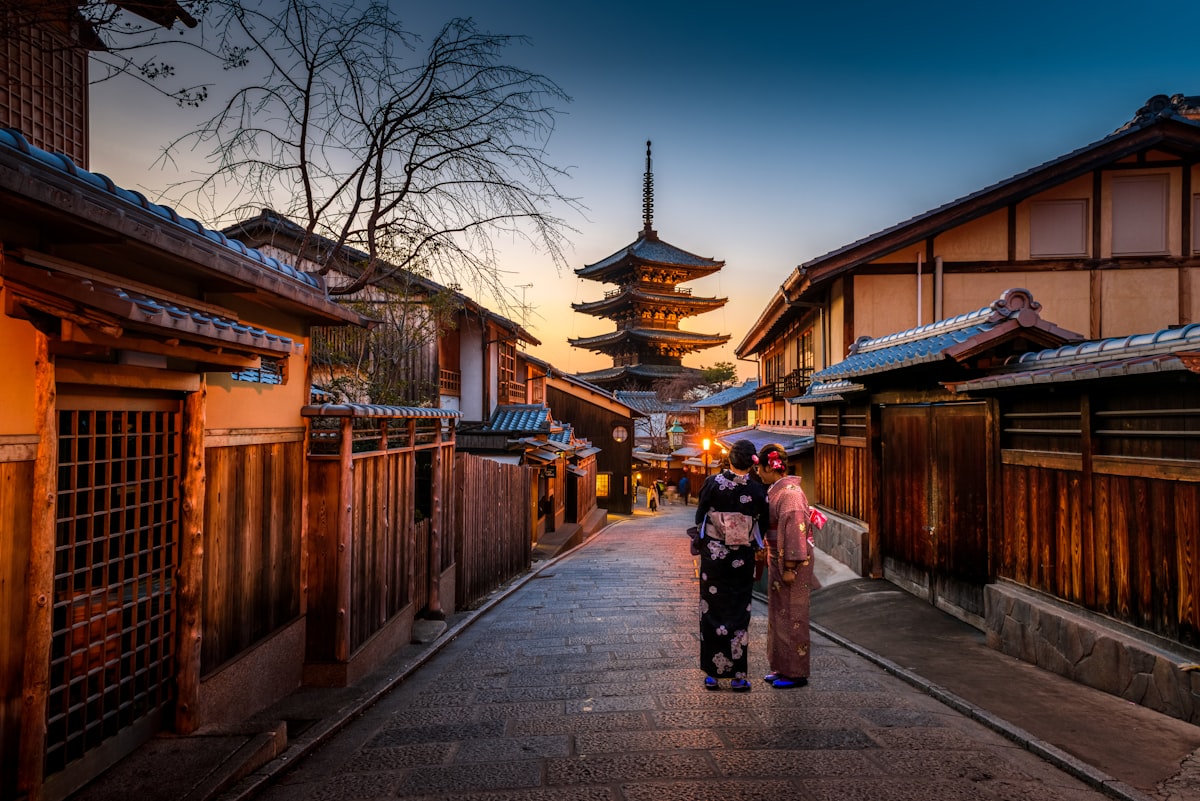
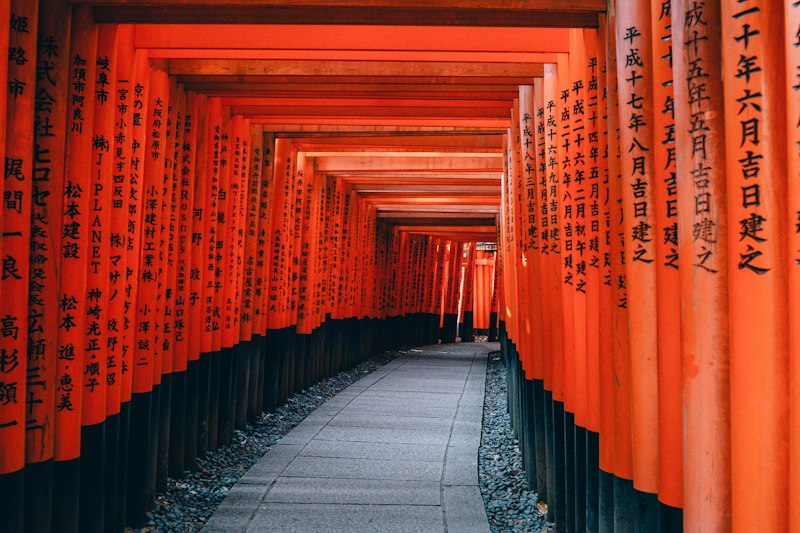
The Daihondo (Great Main Hall)
The spiritual epicenter of Naritasan, the Daihondo is where the mesmerizing Goma fire ritual takes place daily. Feel the intense heat of the sacred flames as monks cast wooden prayer sticks into the fire, their voices rising in a thunderous unison accompanied by the rhythmic beat of Taiko drums. The air is thick with the scent of burning cedar and the weight of centuries of prayers. It is a sensory overload that cleanses the spirit and offers a rare, visceral connection to Shingon Buddhism.
Naritasan Park (Naritasan Koen)
Spanning over 165,000 square meters, this sprawling oasis is a masterclass in Japanese landscape design. Follow the winding paths to discover three crystalline ponds where colorful koi glide beneath the surface. In autumn, the park transforms into a fiery canvas of red and gold maples, while spring brings the delicate perfume of plum blossoms. The sound of distant temple bells and the cool mist from the Monju-no-Ike waterfall create a meditative atmosphere that makes the outside world feel a lifetime away.
The Great Pagoda of Peace (Daitō)
Rising 58 meters above the temple grounds, this vibrant vermillion pagoda is an architectural marvel that symbolizes world peace. The interior is a breathtaking display of Buddhist iconography, featuring a massive mandala and golden statues that shimmer under soft lighting. The climb to the upper levels offers a panoramic view of the surrounding forest and temple complex, providing a unique perspective on the scale of this sacred site. The contrast between the brilliant red wood and the deep green foliage is a visual feast.
Local Soul Food
Tastes you can't find anywhere else.

Kabataki Unagi (Grilled Eel)
The signature taste of Narita. Fresh eel is expertly filleted, skewered, and grilled over binchotan charcoal until the skin is crisp and the flesh is buttery-soft. It is glazed repeatedly with a secret, centuries-old sweet soy sauce that caramelizes into a rich, smoky umami explosion. The aroma wafting from the open kitchens along the Omotesando is irresistible.
Teppo-zuke (Pickled Melon)
A local delicacy featuring Shirauri melons stuffed with spicy shiso-wrapped chili peppers and pickled in a potent mix of soy sauce and mirin. Each bite offers an incredible crunch followed by a complex salty-sweet heat that cleanses the palate. It is the perfect accompaniment to a heavy meal and a staple of Narita’s culinary heritage.
Freshly Toasted Senbei (Rice Crackers)
Watch as artisans flip these hand-pressed rice discs over glowing coals. The crackers are dipped in dark soy sauce while still hot, creating a satisfying 'snap' and a toasted grain aroma that fills the street. Choose the 'nure-senbei' variety for a unique, chewy texture soaked in savory sauce.
Premium Stays
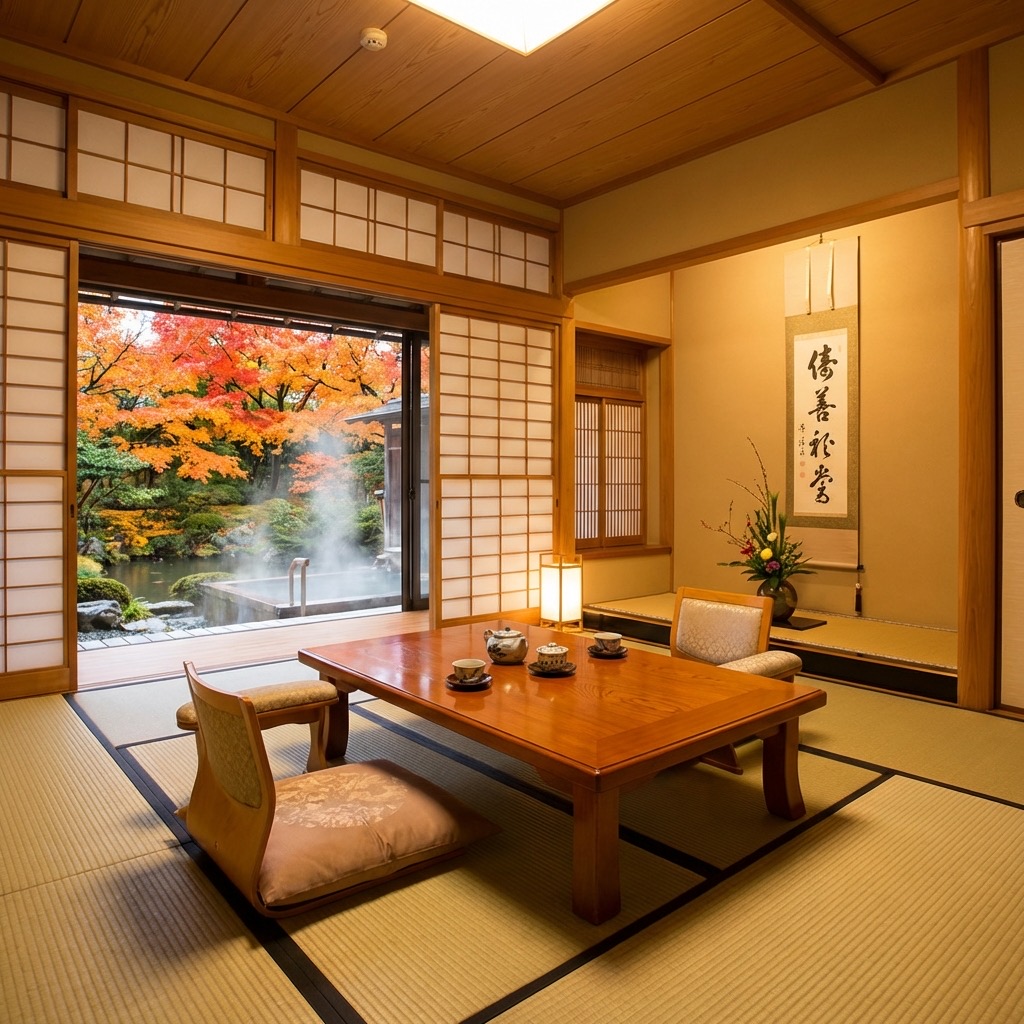
For the ultimate experience, stay near the Omotesando (the approach road) to witness the temple's transition from the bustling daytime energy to the serene, lantern-lit mystery of the evening.
Getting There
From Narita Airport, take the JR or Keisei line to Narita Station (approx. 10 mins). From Tokyo Station, the JR Sobu Line (Rapid) takes about 75 minutes. The temple is a 15-minute scenic walk from the station through the historic Omotesando.
FAQ
Inspired?
Share this destiny with someone special.