Nara
Welcome to Nara Park
Step into a realm where time dissolves into the scent of ancient cedar and the gentle chime of temple bells. Nara Park is not merely a destination; it is a living tapestry of Japanese history, where over a thousand sacred deer wander freely as messengers of the gods. As you walk the moss-softened paths, the air carries the faint, grounding aroma of incense drifting from the Daibutsu-den. The sunlight filters through the canopy of primeval forests, casting dancing shadows upon vermillion lanterns. Here, the tactile sensation of smooth, weathered wood meets the ethereal beauty of seasonal blooms, offering a profound sense of peace that resonates deep within the soul. This is a sanctuary where the grandeur of the eighth century remains palpable, inviting you to slow your pace and breathe in the spirit of old Japan.
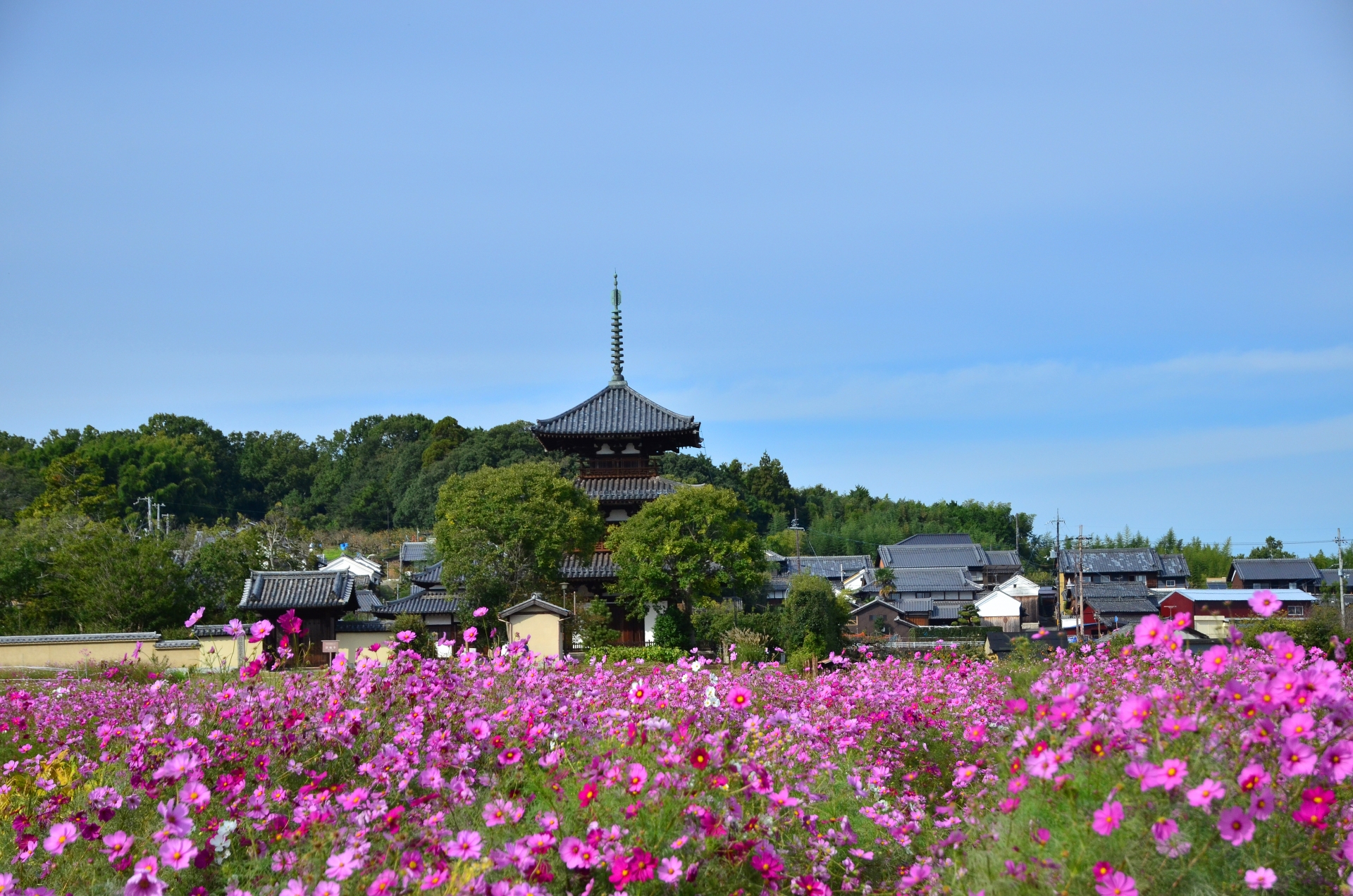
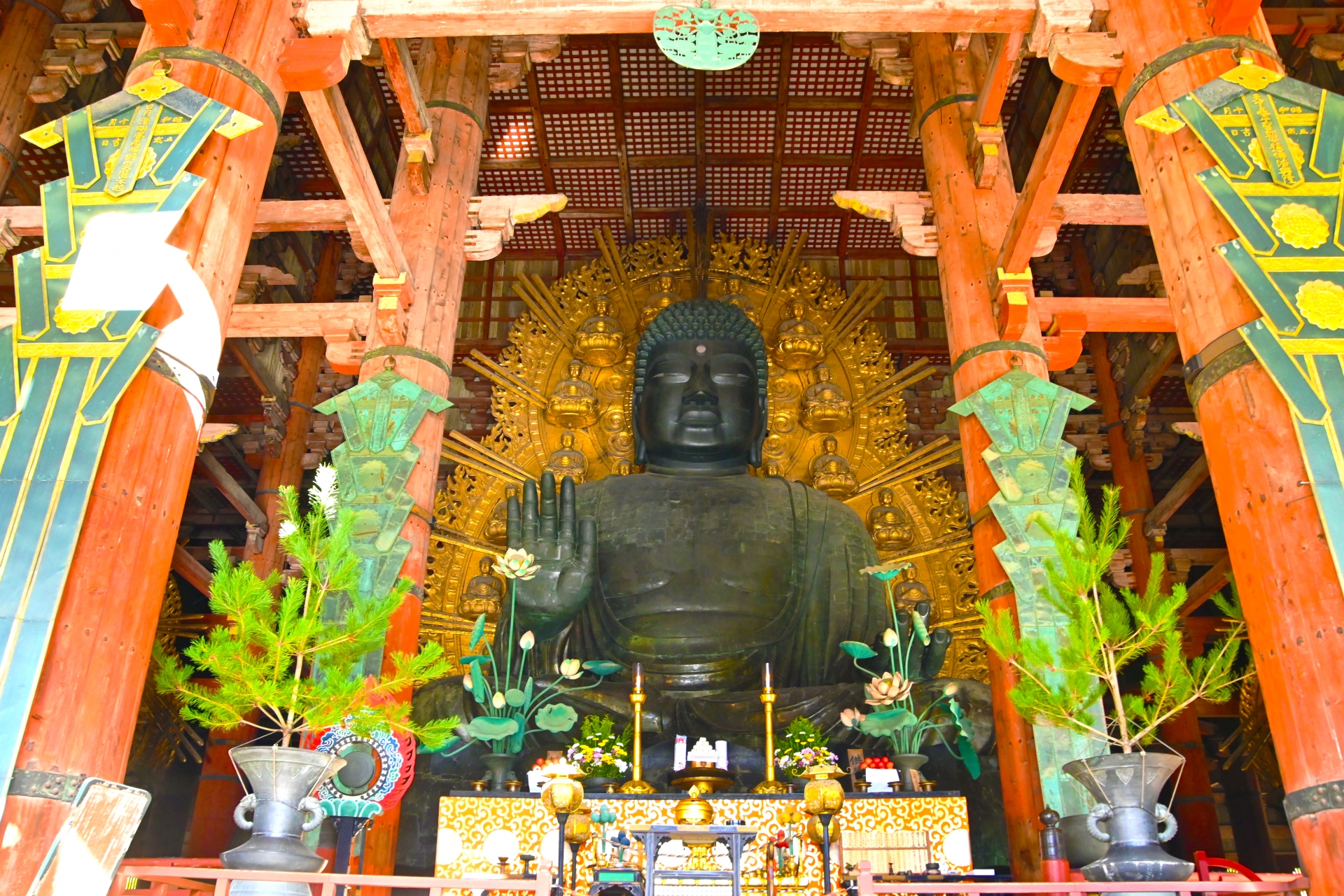
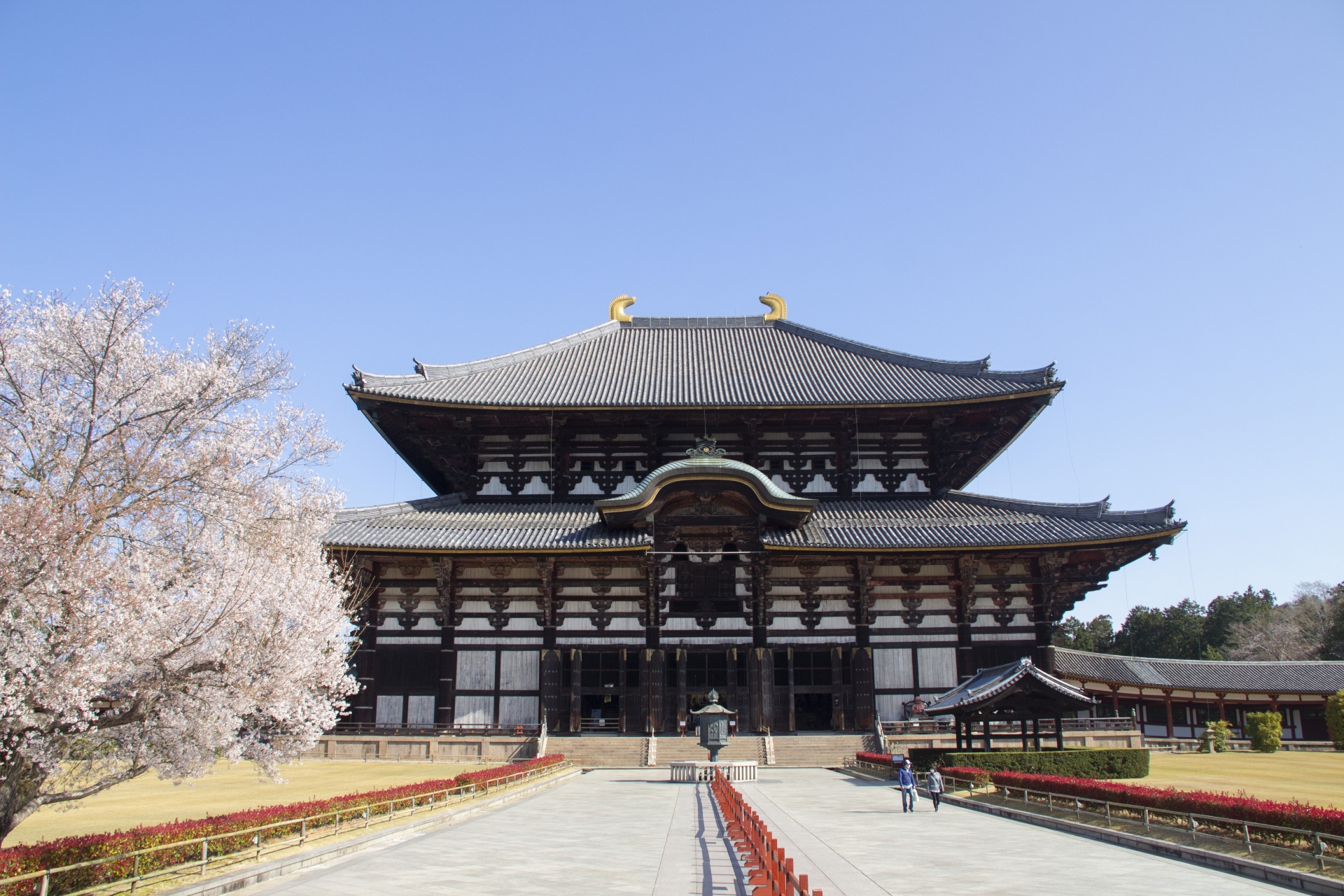
Todai-ji Temple (Daibutsu-den)
Stand in awe before the Daibutsu, the Great Buddha, housed within the world's largest wooden structure. The sheer scale of this bronze titan is breath-taking, its calm visage radiating a quiet power that has anchored the Japanese spirit for over 1,200 years. As you enter, the cool, cavernous interior smells of aged timber and burning sandalwood. Look up to see the intricate joinery that defies modern engineering, and feel the weight of history in the massive pillars. It is a transformative space that humbles even the most seasoned traveler.
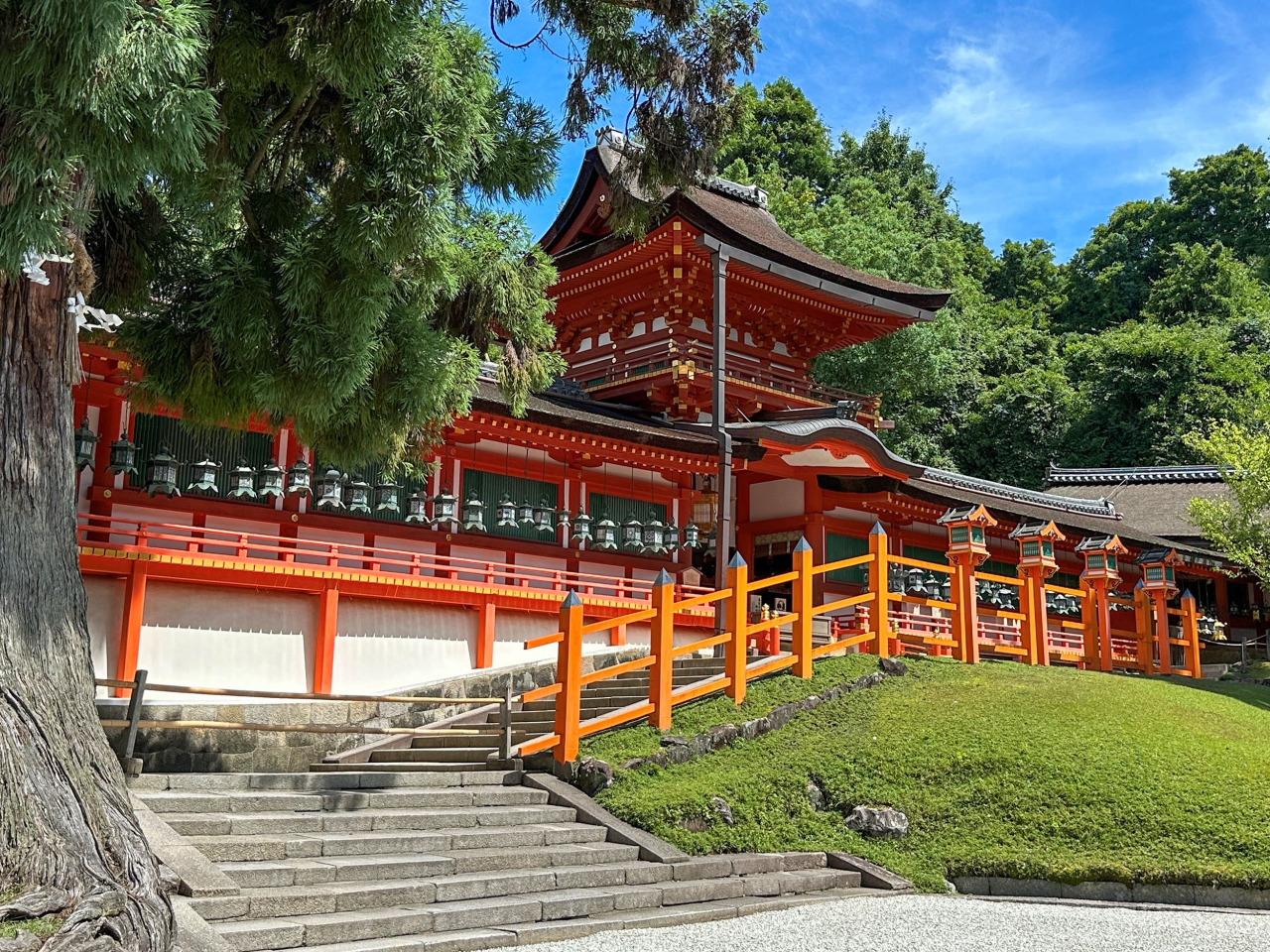
Kasuga Taisha Shrine
Follow a path lined with three thousand stone lanterns, each cloaked in emerald moss, leading to a sanctuary of vibrant vermillion. Kasuga Taisha is a masterpiece of Shinto aesthetics, where the contrast between the bright orange structures and the deep green of the surrounding primeval forest creates a visual harmony. The air here feels remarkably crisp, charged with a spiritual energy. Inside, bronze lanterns hang in rows, glowing softly like fallen stars. It is a place of profound stillness, where the only sound is the occasional rustle of leaves or the distant call of a deer.

Mount Wakakusa
Ascend the gentle slopes of this grass-covered mountain for a panoramic vista that captures the entirety of Nara. As you climb, the wind carries the scent of wild grasses, and the city below shrinks into a miniature landscape of tiled roofs and pagoda spires. The summit offers a breathtaking perspective of the Yamato Plain, especially as the sky turns a bruised purple at dusk. It is the perfect spot to witness the intersection of nature and civilization, providing a sense of liberation and a fresh perspective on the ancient capital's layout.
Local Soul Food
Tastes you can't find anywhere else.

Kakinoha-zushi (Persimmon Leaf Sushi)
A Nara signature, this pressed sushi is wrapped in fragrant persimmon leaves, which impart a subtle, earthy aroma and act as a natural preservative. The salted mackerel or salmon atop vinegared rice offers a sophisticated balance of umami and acidity. The texture is firm yet supple, a testament to the traditional curing methods of the region.
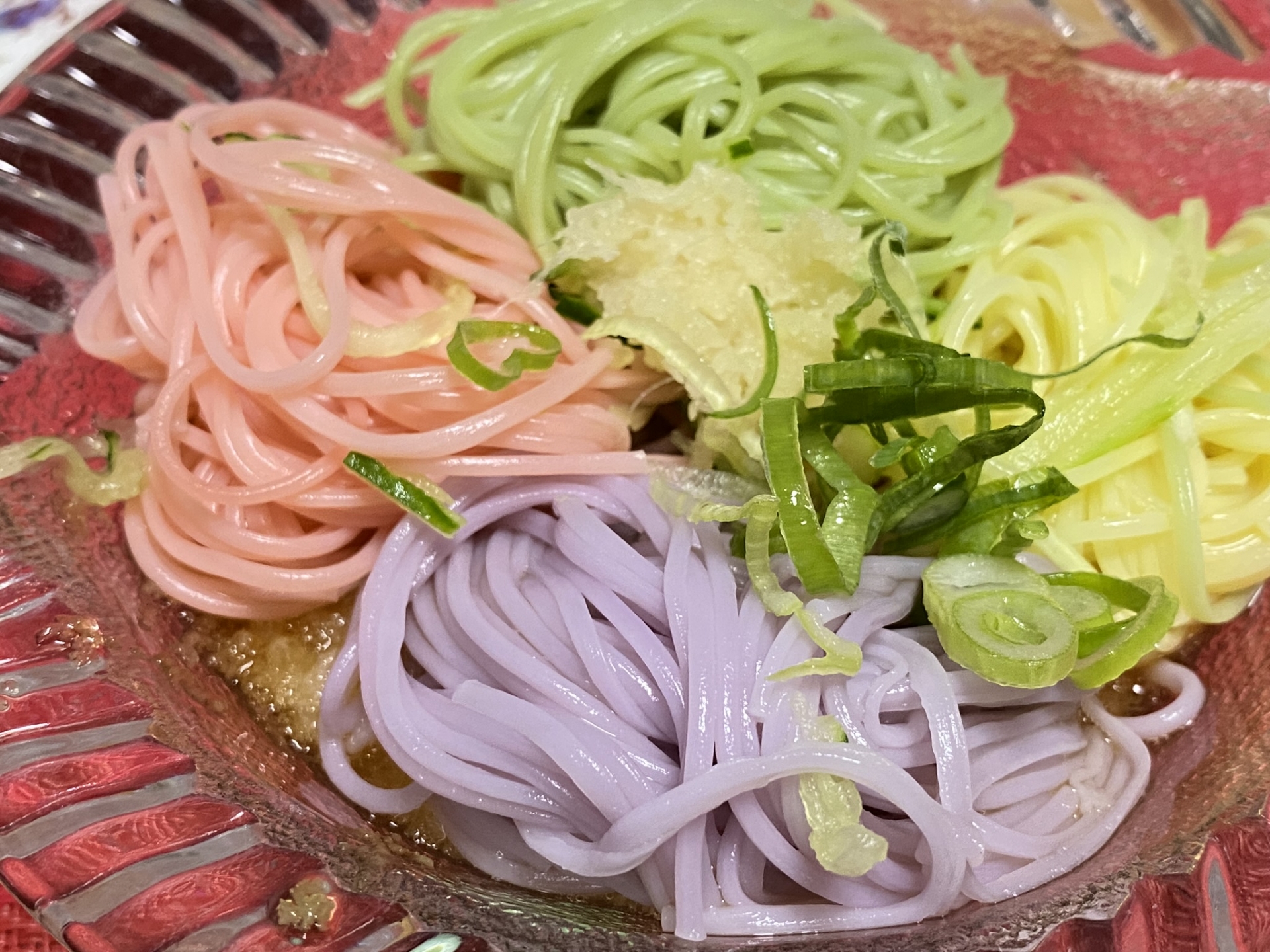
Miwa Somen
Sample the thinnest noodles in Japan, handcrafted in the nearby Miwa region. These wheat noodles are incredibly delicate, yet they possess a surprising 'koshi' or springiness. Served chilled with a light dashi dipping sauce in summer, or warm in winter, they glide down the throat with a silken elegance that is utterly refreshing.
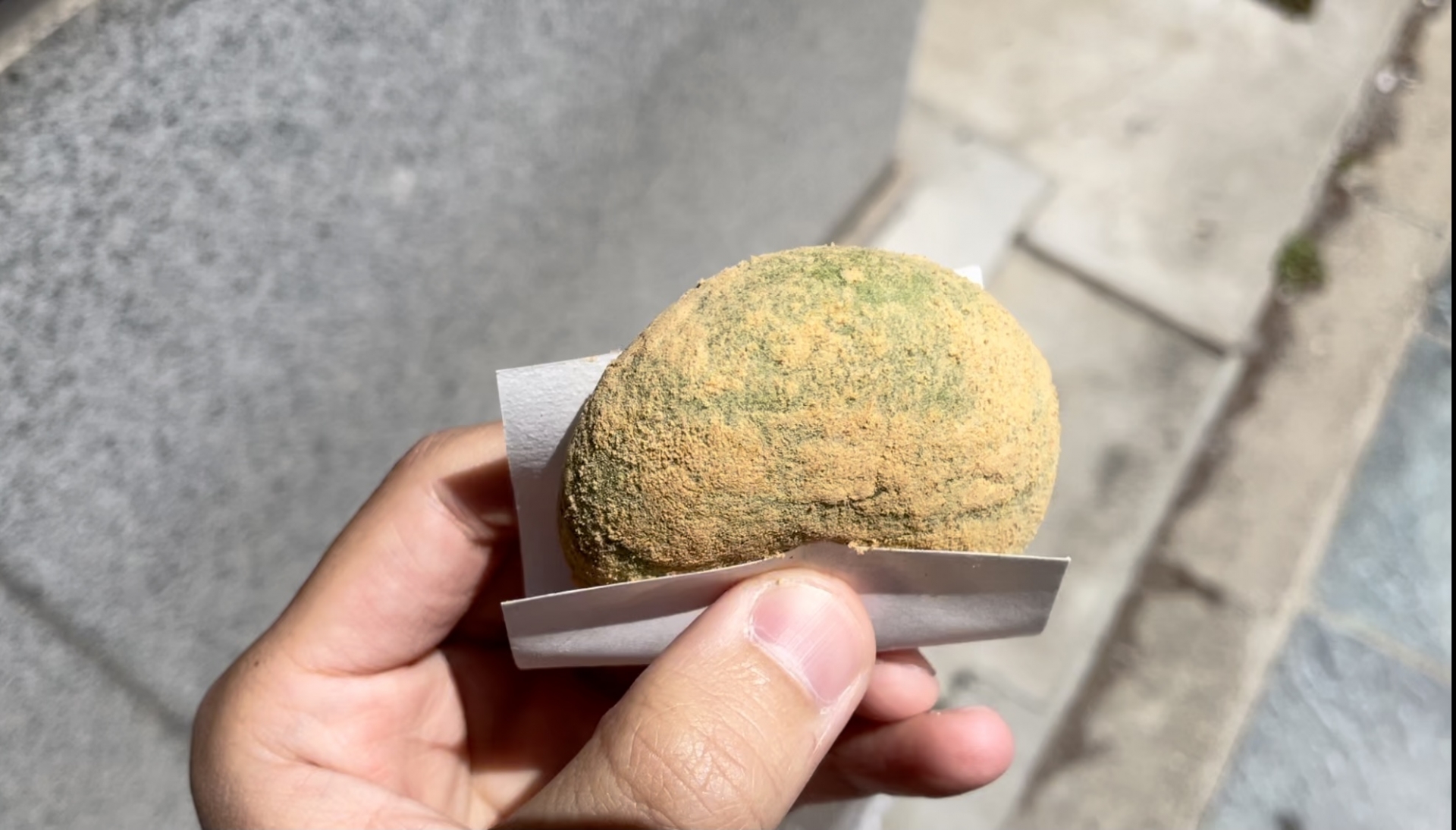
Nakatanidou Yomogi Mochi
Witness the high-speed mochi pounding before sinking your teeth into this warm, pillowy treat. Infused with Japanese mugwort (yomogi), the mochi has a vibrant green color and a fresh, herbal scent. It is filled with a generous dollop of sweet, velvety red bean paste and dusted with toasted soybean powder (kinako) for a nutty finish.
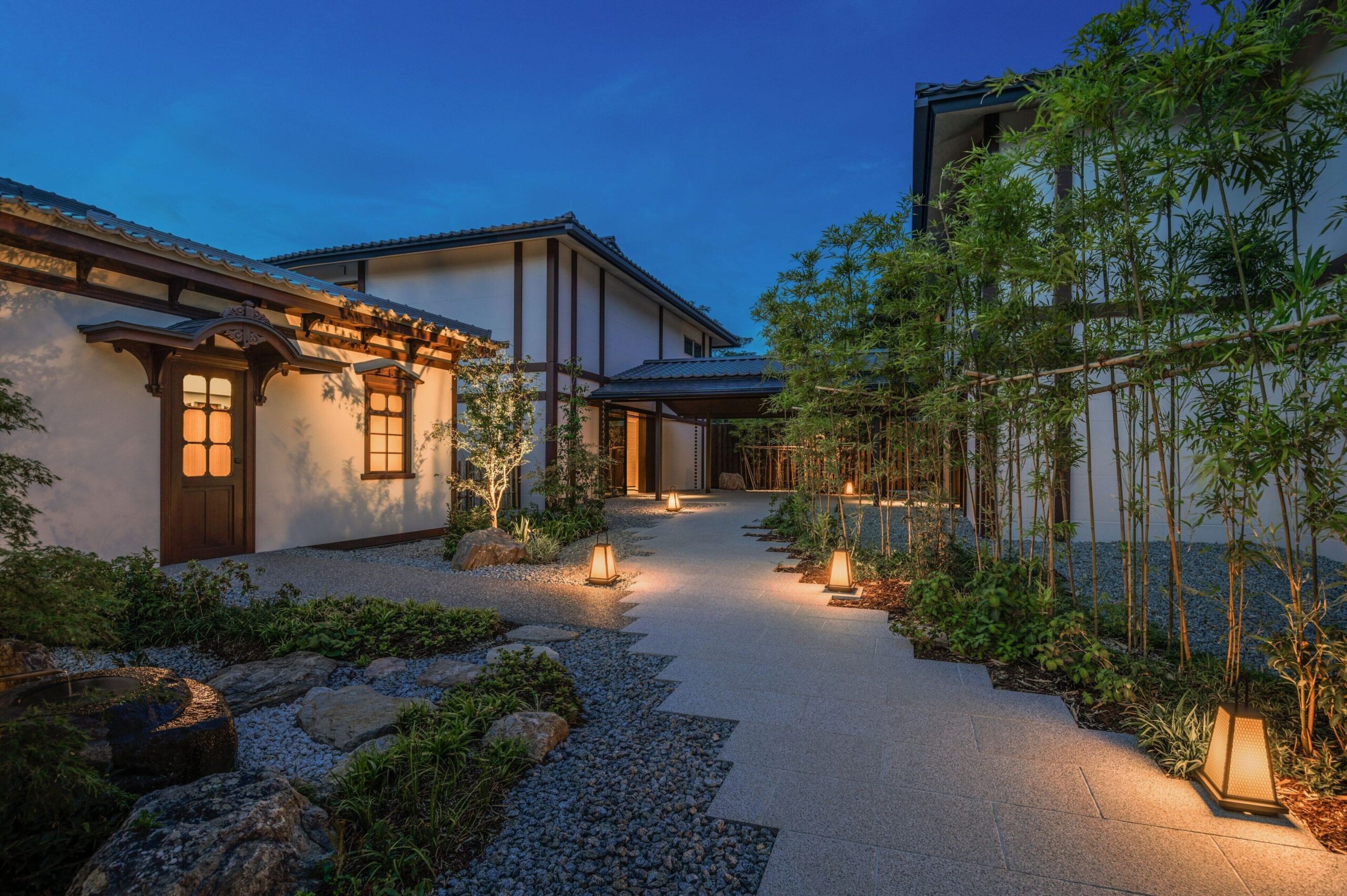
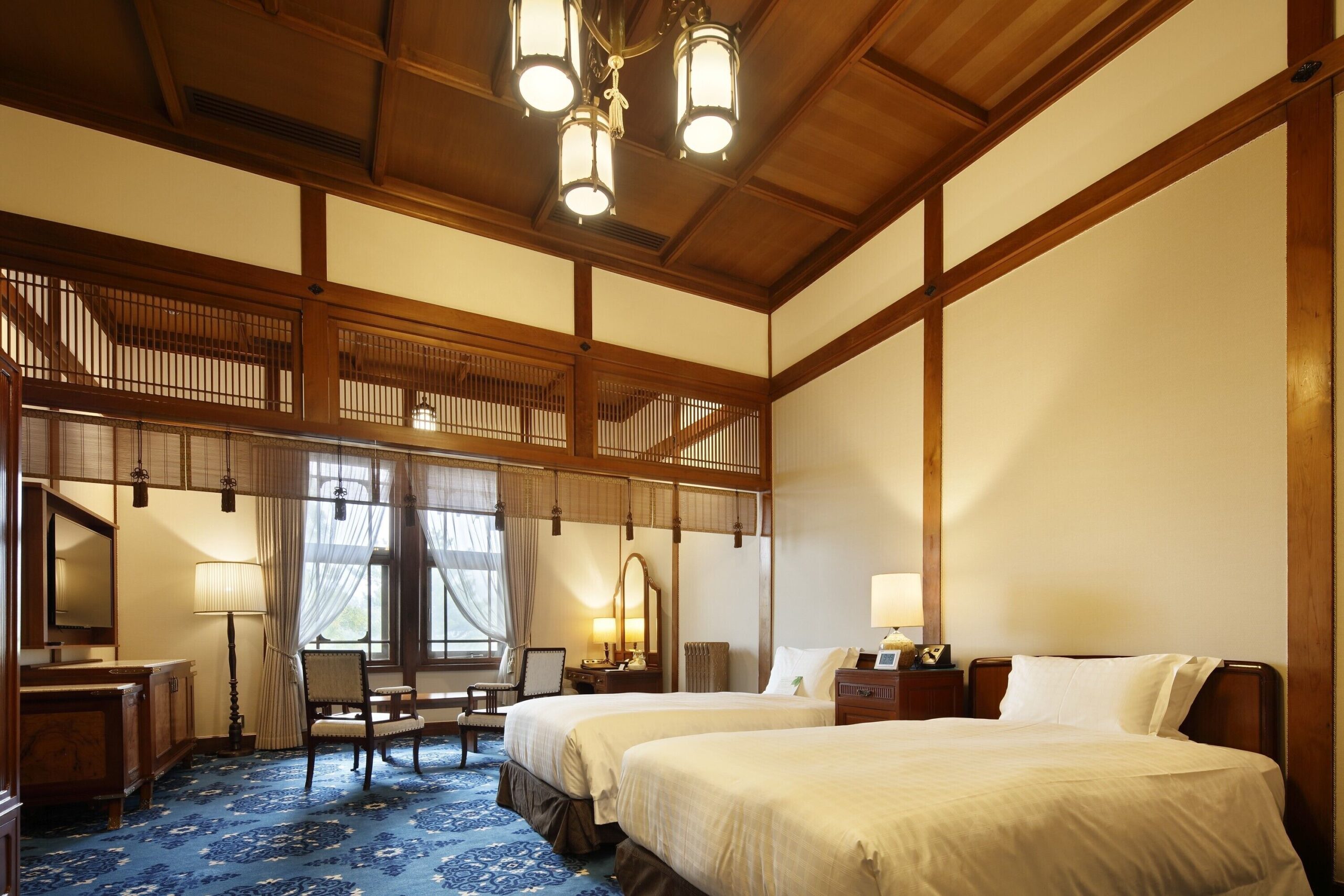
Premium Stays
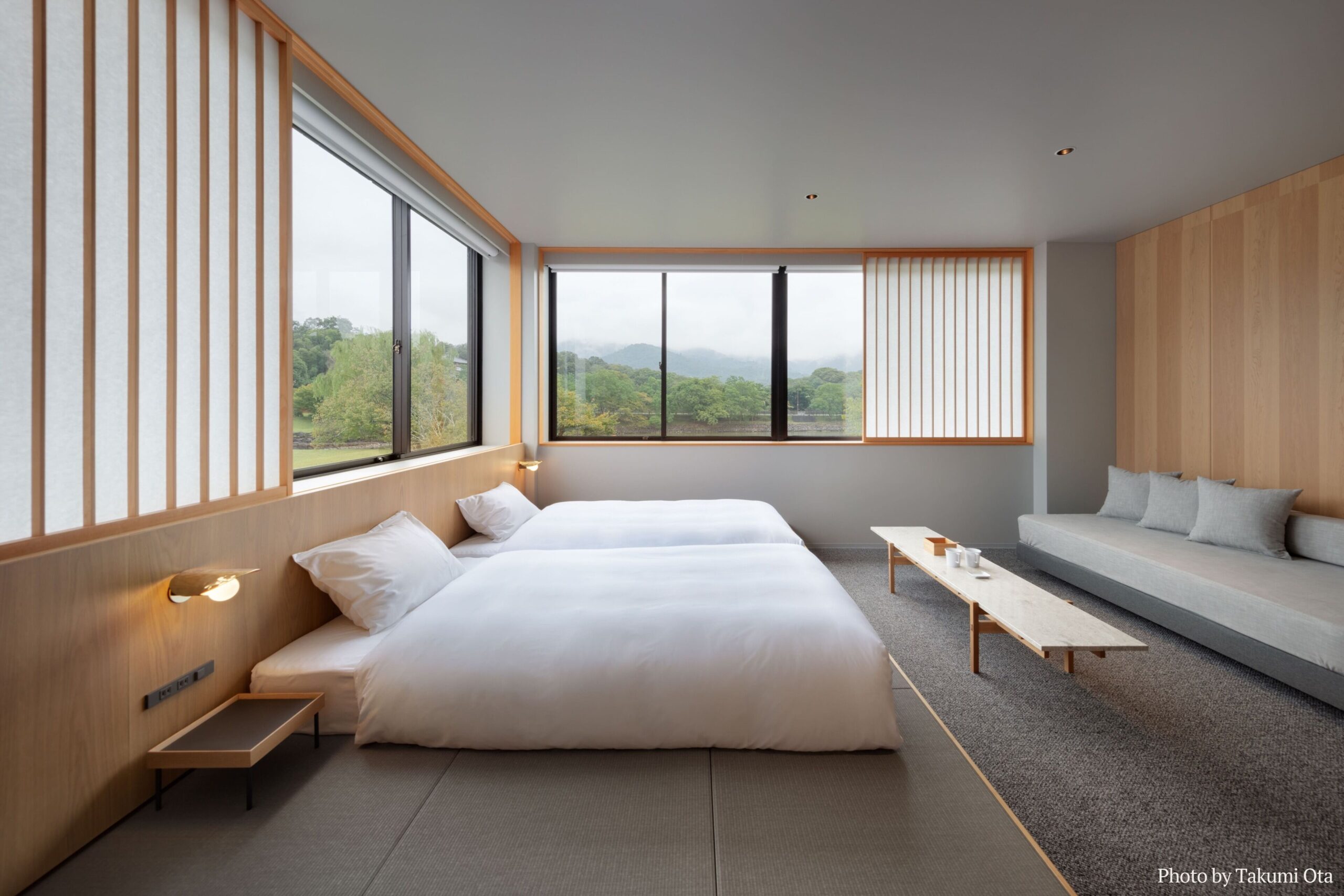
To truly absorb the tranquility of Nara, staying near the park is essential. The area offers a blend of historic grandeur and modern minimalism, allowing you to wake up to the sound of the temple bells.
Getting There
Nara is easily accessible via the JR Nara Line or the Kintetsu Nara Line from Kyoto (45 mins) or Osaka (40 mins). Kintetsu Nara Station is closer to the park entrance than the JR Station. From the stations, the park is a scenic 10-15 minute walk.
FAQ
Inspired?
Share this destiny with someone special.