Nara
Welcome to Nakatanidou
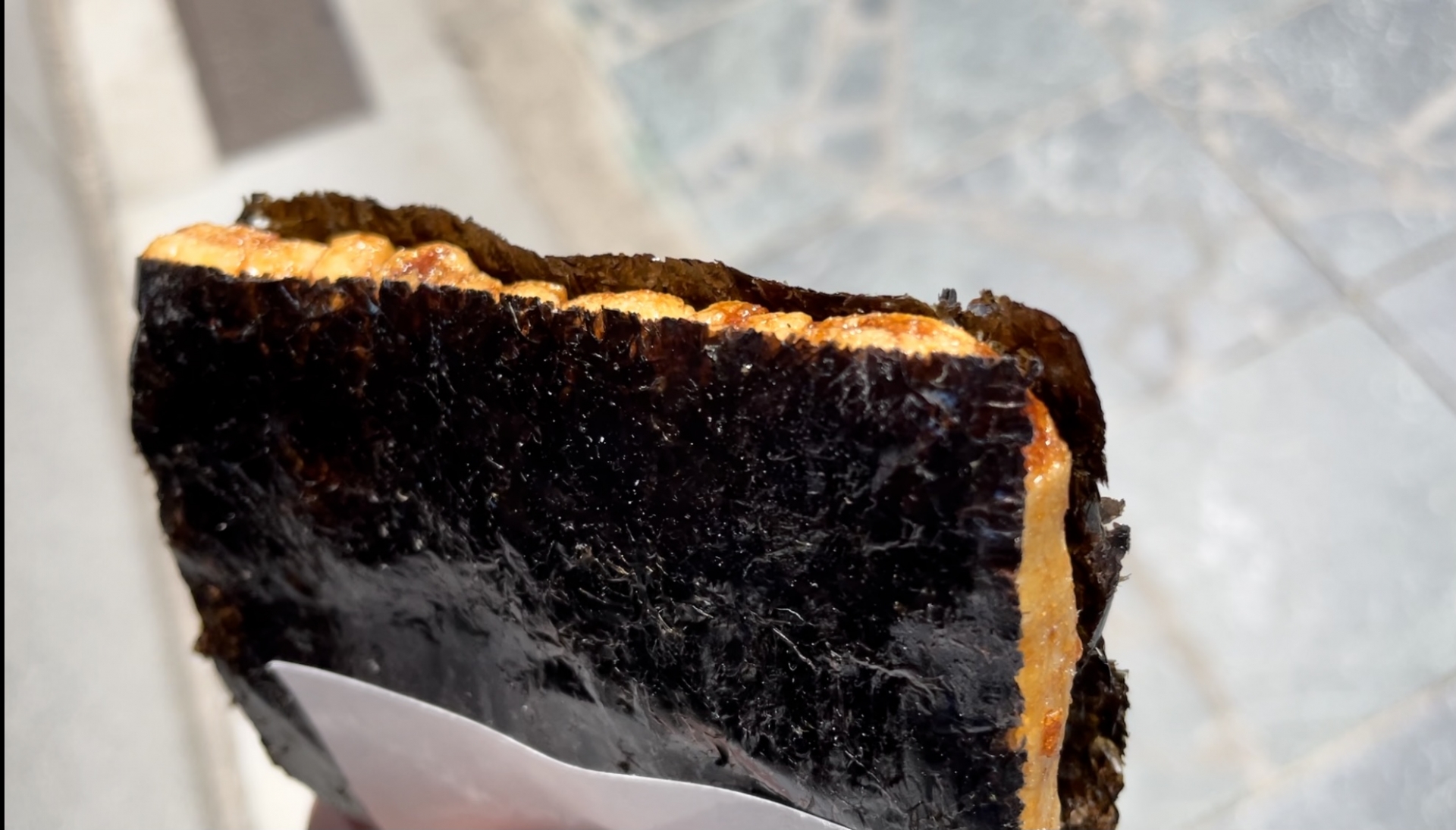
In the heart of Nara, where the scent of incense mingles with the earthy aroma of toasted mugwort, lies Nakatanidou—more than a shop, it is a living theater of tradition. Here, the air vibrates with the rhythmic thud of wooden mallets and the spirited shouts of craftsmen engaged in 'mochitsuki,' a high-speed dance of precision and power. Beyond the spectacle, the area serves as a gateway to the spiritual wonders of Nara Park. Every corner whispers stories of ancient emperors and sacred messengers. To visit Nakatanidou is to taste the warmth of a freshly pounded mochi, feeling its silk-soft texture and the deep, sweet resonance of adzuki bean, while the silent shadows of the Five-Story Pagoda loom gracefully in the distance.
Nara Park & The Sacred Deer
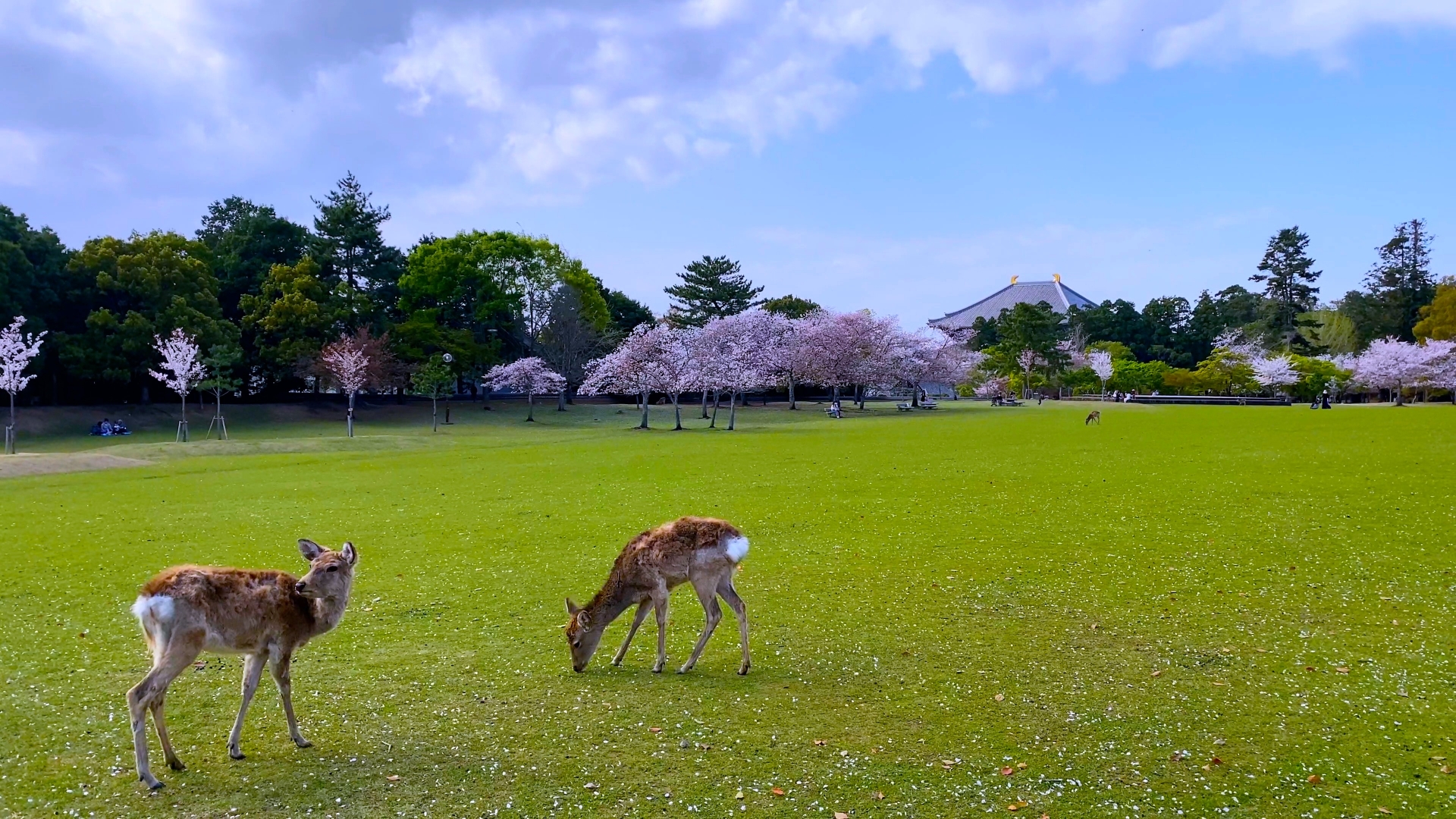
Step into a realm where the boundary between the human and divine blurs. Over 1,200 wild sika deer roam freely, regarded as messengers of the gods. As you walk through the sprawling meadows, the gentle nuzzle of a deer against your hand and the soft rustle of ancient oaks create a serene, almost ethereal atmosphere. The golden hour transforms the park into a cinematic masterpiece, with light filtering through the canopy, illuminating the mist and the velvet coats of the resident deer.
Kofuku-ji Temple
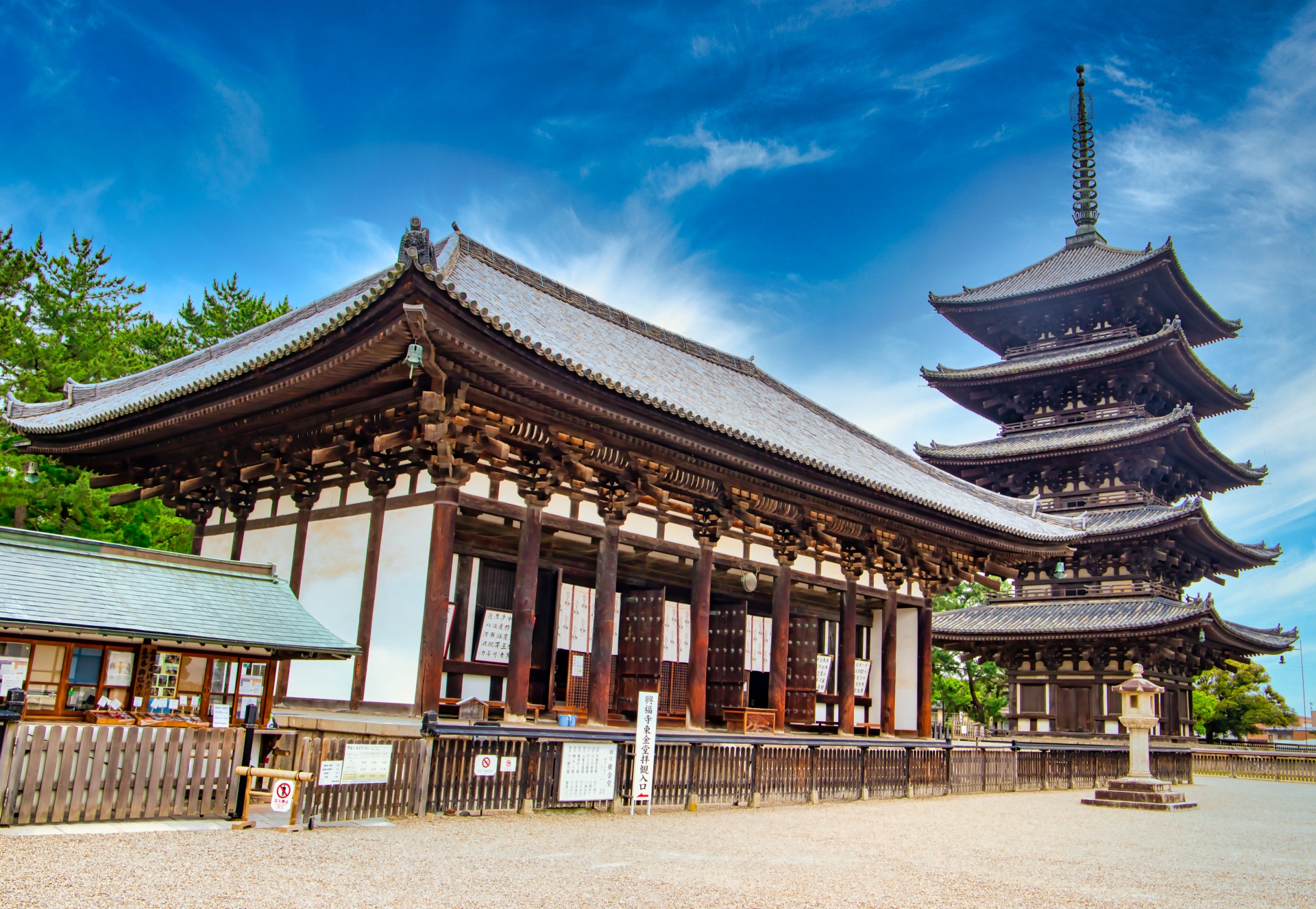
A mere stone's throw from Nakatanidou, the Five-Story Pagoda of Kofuku-ji stands as a sentinel of Nara’s glorious past. This UNESCO World Heritage site offers a profound sense of architectural gravity. The weathered wood of the pagoda, reaching toward the sky, tells a tale of resilience and Buddhist devotion spanning over a millennium. Wander through the Central Golden Hall to witness the breathtaking complexity of Japanese temple engineering and the stoic beauty of the Ashura statue, a masterpiece of dry-lacquer sculpture.
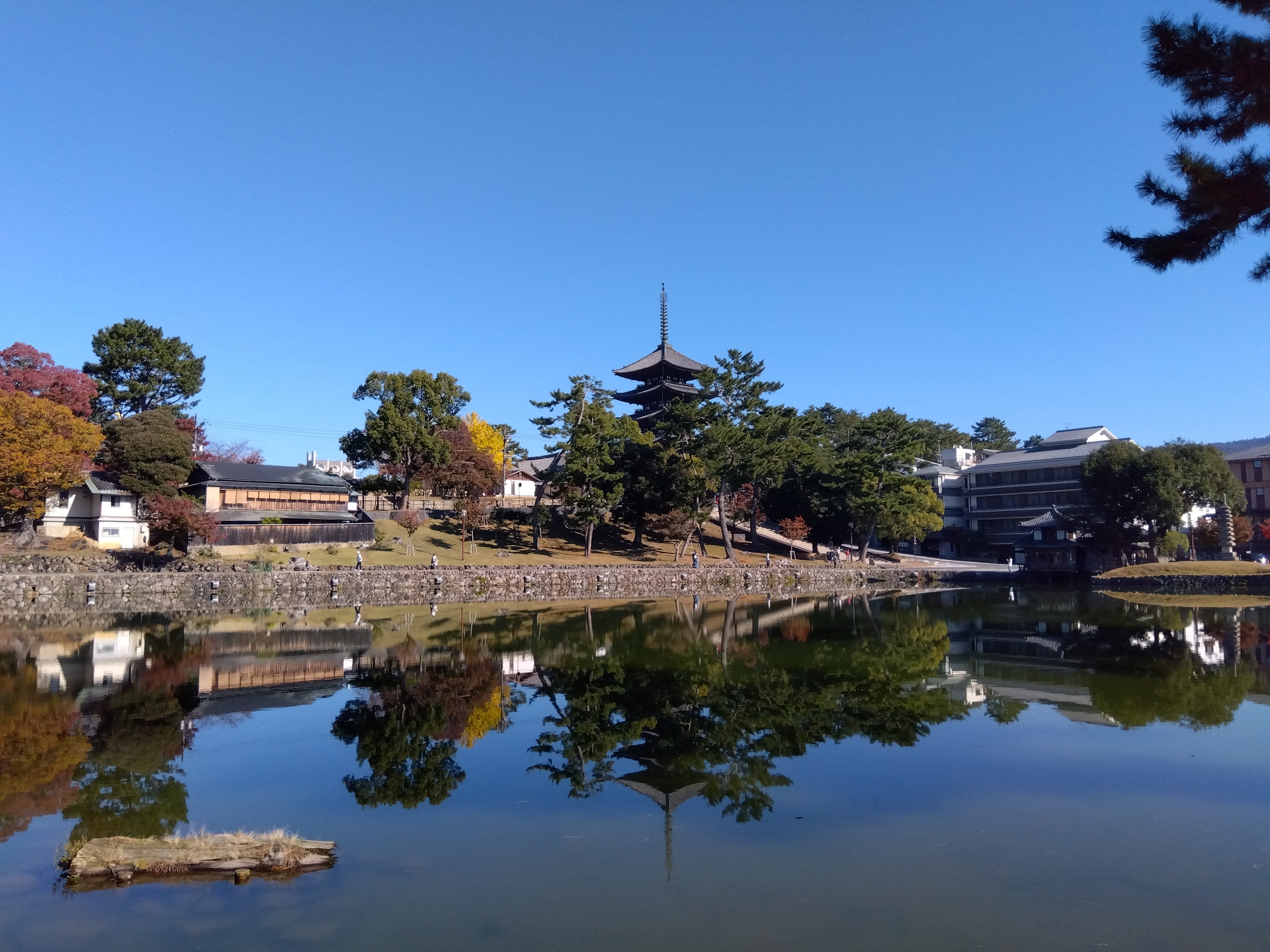
Sarusawa-ike Pond
The perfect coda to a day of exploration, Sarusawa-ike Pond offers a mirror-like reflection of the Kofuku-ji pagoda. This artificial pond, surrounded by weeping willows, is steeped in local legend and provides a tranquil escape from the bustle of the shopping arcades. As the sun sets, the water glows with an orange hue, and the silhouettes of turtles sunning themselves on the rocks add a touch of humble life to the grand historical backdrop. It is a place for quiet contemplation and the ultimate Nara photograph.
Local Soul Food
Tastes you can't find anywhere else.
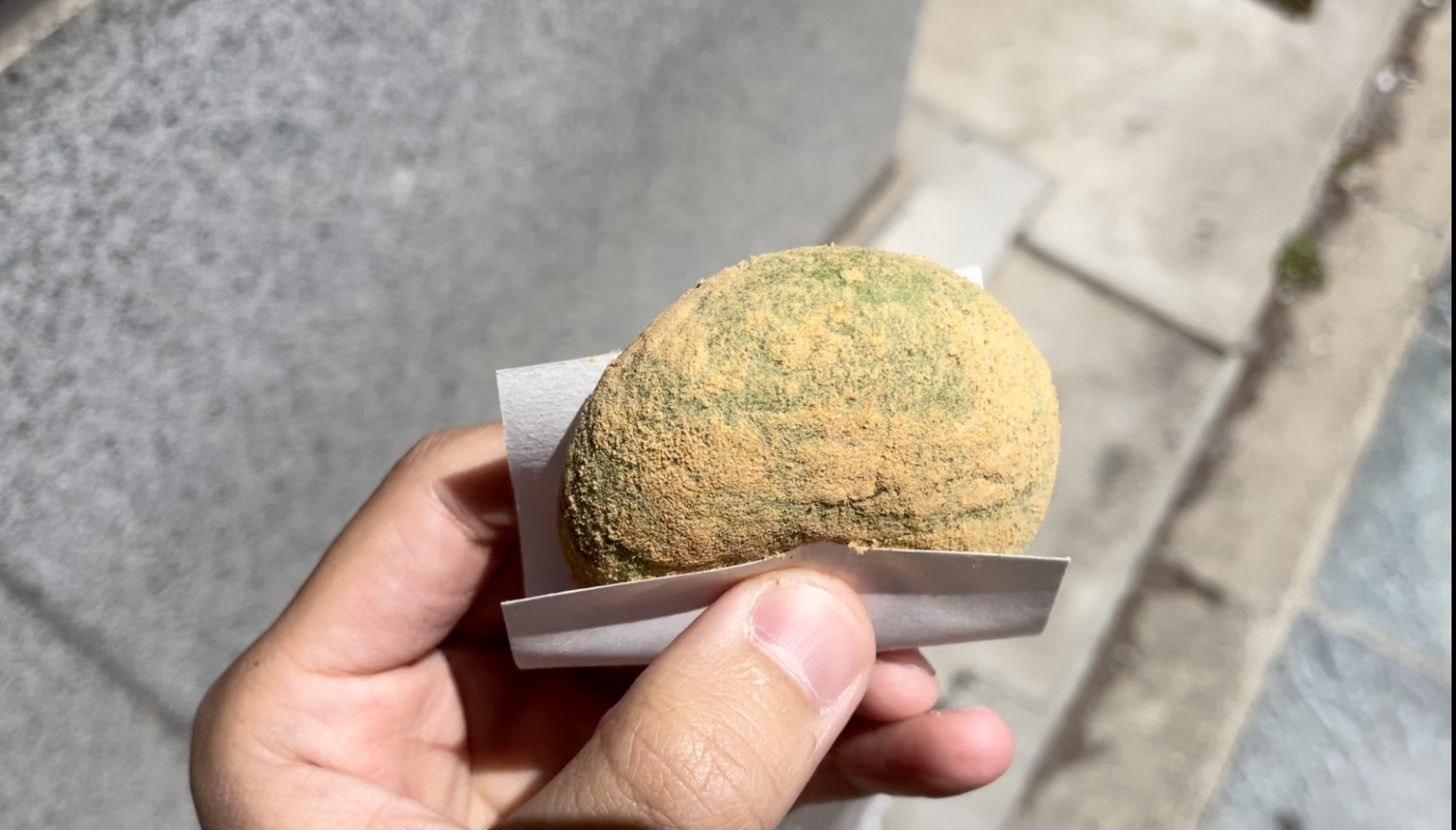
Nakatanidou Yomogi Mochi
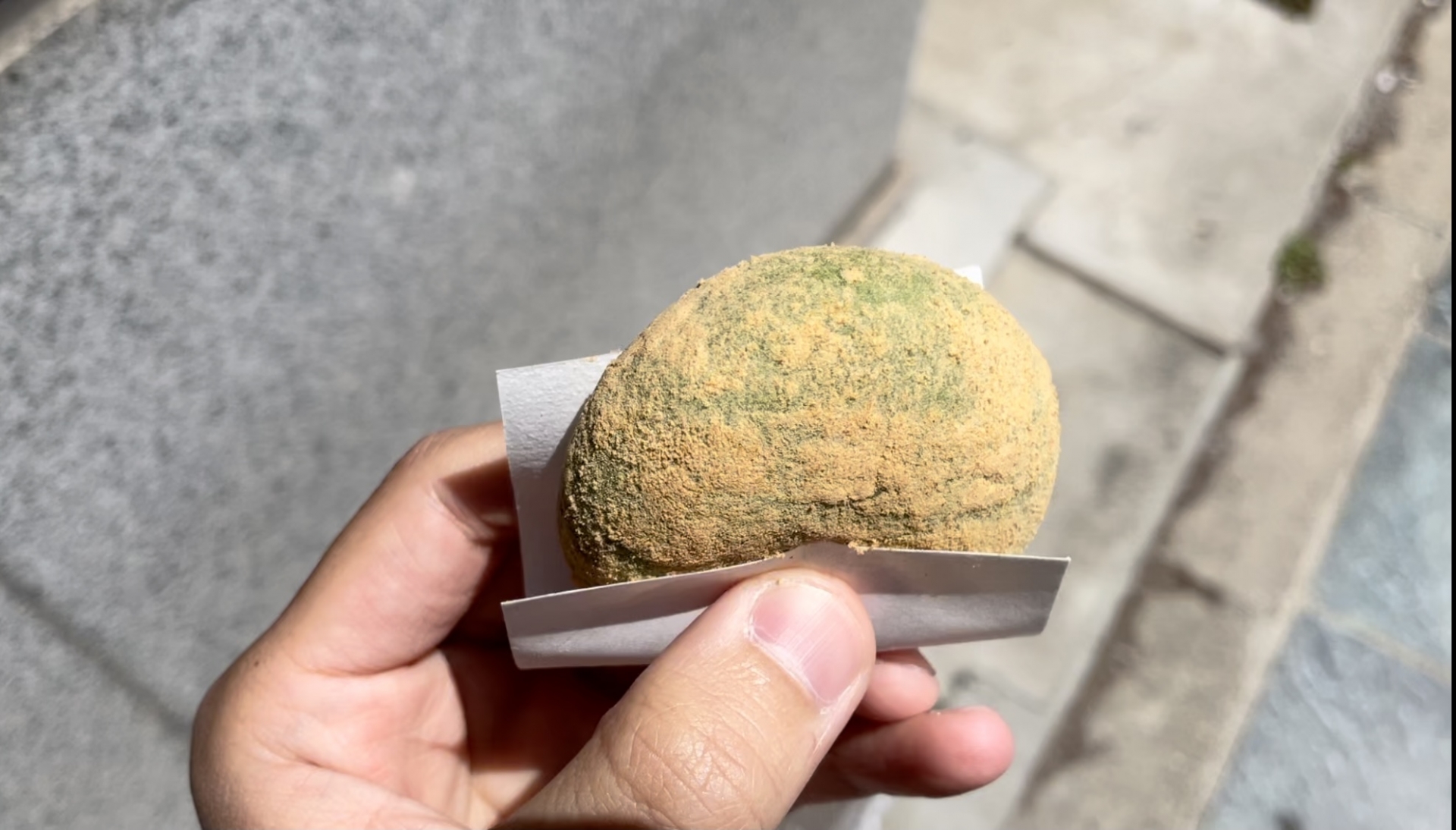
This is the gold standard of Japanese street food. Infused with wild mugwort, the mochi possesses a vibrant emerald hue and a subtle, herbaceous fragrance. The texture is impossibly soft—a pillowy stretch that yields to a heart of sweet, velvety crushed adzuki beans. Coated in a fine dusting of roasted soybean flour (kinako), each bite is a warm, nutty, and soul-satisfying experience.
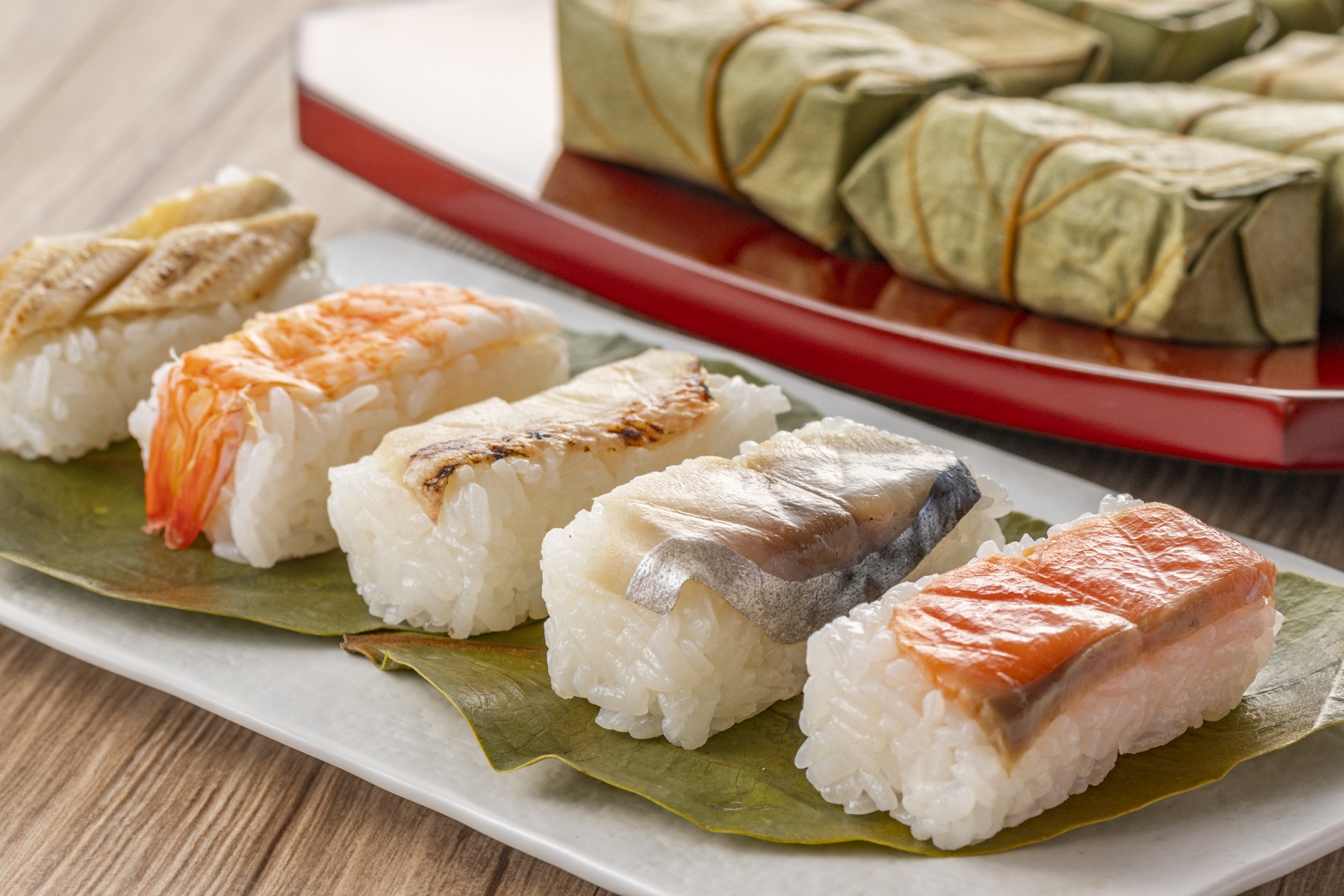
Kakinoha-zushi (Persimmon Leaf Sushi)
A delicate relic of Nara's mountainous heritage, this sushi features vinegared rice topped with cured mackerel or salmon, tightly wrapped in a fragrant persimmon leaf. The leaf imparts a subtle, woody aroma and anti-bacterial properties, making it the historic 'traveler's meal.' The fish is firm, the rice is perfectly seasoned, and the experience of unwrapping each leaf feels like opening a small, savory gift.
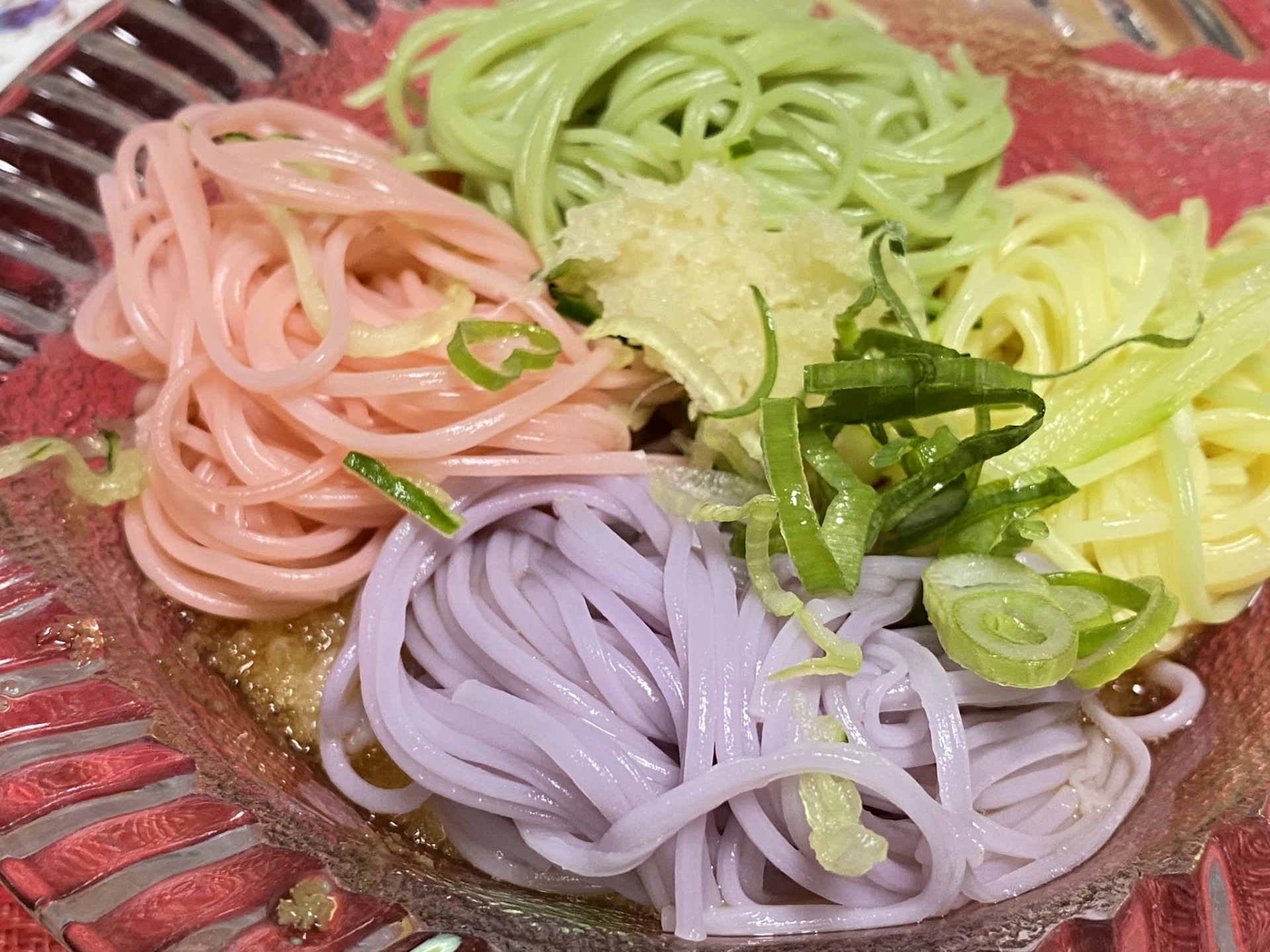
Miwa Somen
Born in the nearby Miwa region, these are the thinnest, most elegant wheat noodles in Japan. Served chilled in the summer with a light, umami-rich dashi dipping sauce, they possess a remarkable 'koshi' or snap despite their delicate appearance. Each strand is a testament to artisanal patience, hand-stretched to perfection. It is a refreshing, clean, and sophisticated palate cleanser.
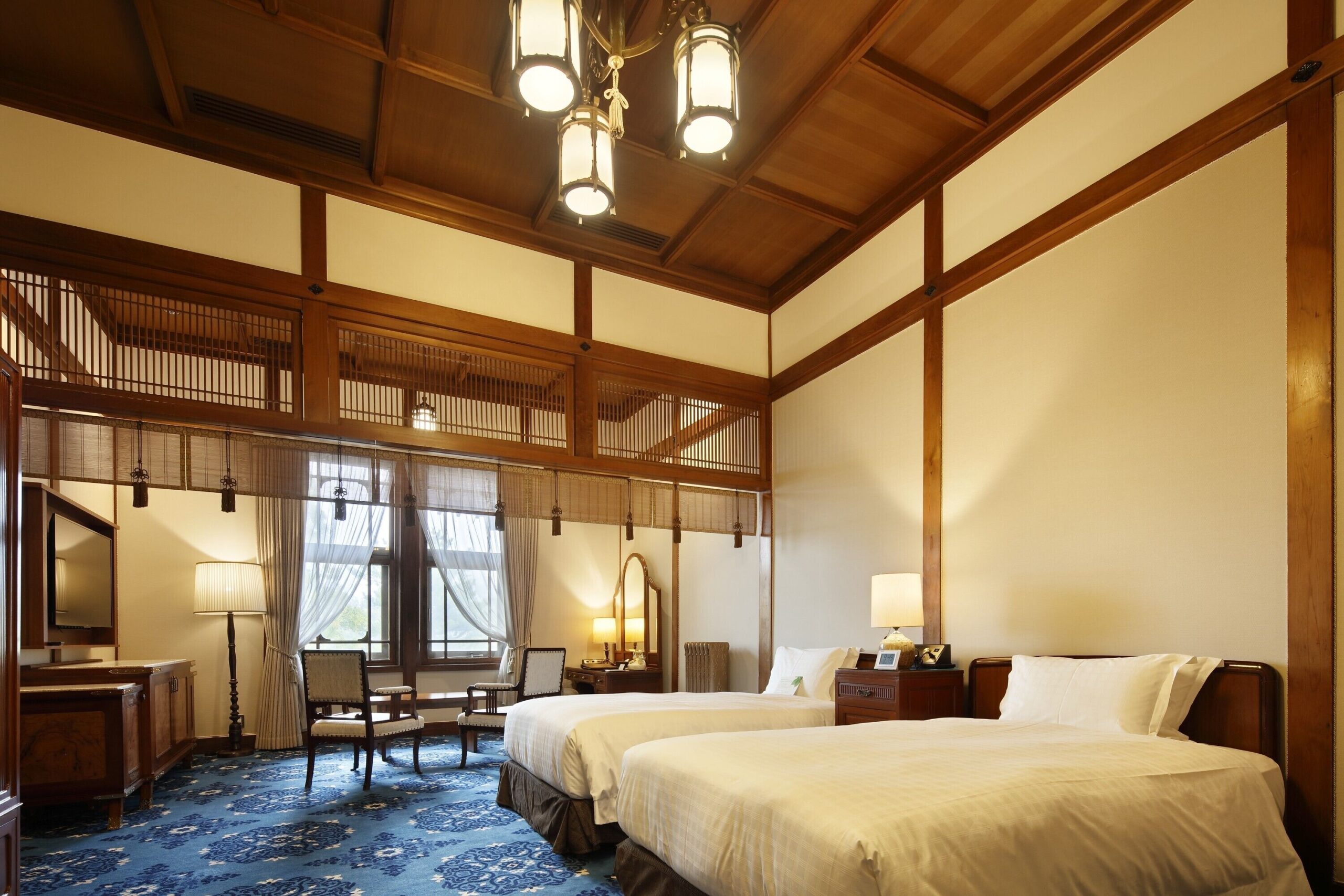
Premium Stays
To truly absorb Nara's quiet dignity, stay within the vicinity of Nara Park. This allows you to witness the 'Shika-yose' (deer calling) in the morning and enjoy the illuminated temples after the day-trippers have departed.


Getting There
From Kyoto or Osaka, take the Kintetsu Limited Express for the most comfortable journey. Kintetsu Nara Station is much closer to Nakatanidou than the JR Station. The walk from Kintetsu Nara Station to Nakatanidou takes approximately 5 minutes through the vibrant Higashimuki Shopping Arcade.
FAQ
Inspired?
Share this destiny with someone special.