Tokyo
Welcome to Nakamise-dori
Step through the iconic Kaminarimon gate and enter a sensory time capsule. Nakamise-dori is not merely a street; it is a 250-meter ritual of color, sound, and taste that has beckoned pilgrims for centuries. The air is a rich tapestry of charred sugar, sandalwood incense, and the rhythmic clatter of wooden geta sandals. As you navigate the vermillion-lacquered stalls, you feel the weight of the Edo period pressing against the modern skyline. This is where Tokyo breathes deepest—a place where spiritual reverence and merchant vitality dance in perfect harmony. Whether you are here for a sacred blessing or the buttery melt of a freshly toasted snack, Nakamise-dori promises an emotional resonance that lingers long after the sun sets behind the temple eaves.
Kaminarimon (Thunder Gate)
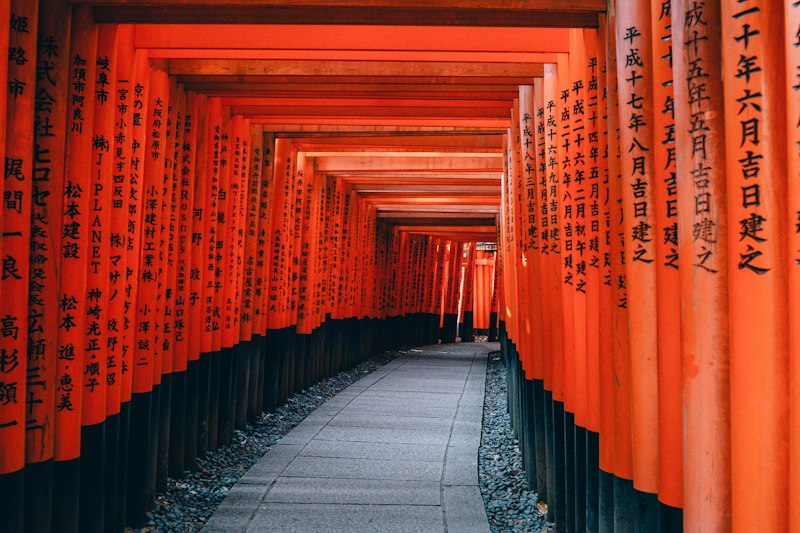
The gateway to the sacred, Kaminarimon stands as an immovable titan of Tokyo’s heritage. The massive red lantern, weighing over 700 kilograms, commands respect as it sways gently in the breeze. Flanked by the fierce statues of Fujin (Wind God) and Raijin (Thunder God), this spot serves as the threshold between the mundane world and the divine grounds of Senso-ji. To stand beneath it is to feel the sheer magnitude of Japanese craftsmanship and the spiritual energy that has protected this district through fire and war.
Senso-ji Main Hall (Hondo)
At the terminus of Nakamise-dori lies the Hondo, a sanctuary of gold and incense. The atmosphere here is electric with devotion; the sound of silver coins hitting the offering box creates a percussive backdrop to the low hum of sutra chanting. Visitors gather around the large 'jokoro' incense burner, waving the sacred smoke toward themselves for healing and purification. The interior, adorned with vibrant ceiling paintings of dragons and celestial beings, offers a cool, dim refuge that feels worlds away from the bustling city streets.
The Five-Story Pagoda (Goju-no-to)
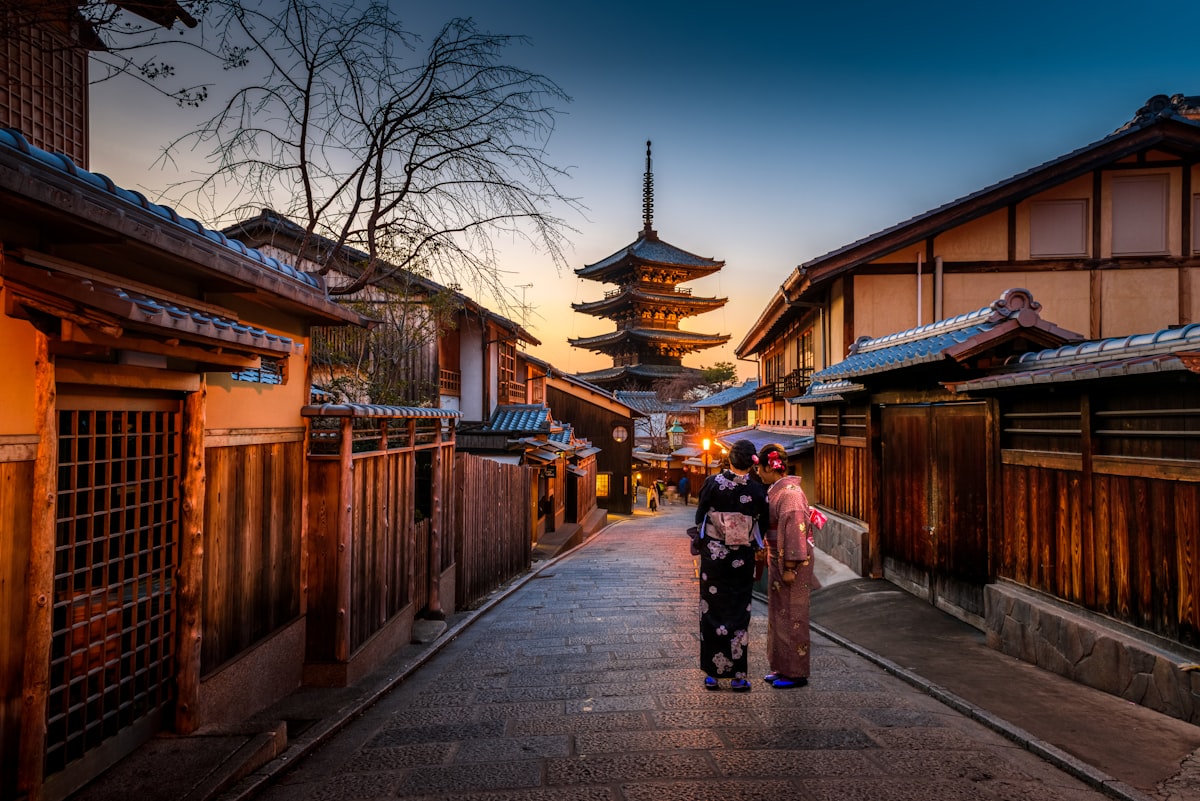
A soaring masterpiece of symmetry, the Five-Story Pagoda is the crown jewel of the Asakusa skyline. Reaching 53 meters into the sky, it represents the five elements of Buddhist cosmology: earth, water, fire, wind, and sky. At night, the structure is bathed in a warm, ethereal glow that highlights the complex interlocking joinery of the eaves. It serves as a silent sentinel over the Nakamise-dori, offering a vertical counterpoint to the horizontal flow of the shopping street and providing a breathtaking backdrop for any traveler.
Local Soul Food
Tastes you can't find anywhere else.

Agemanju (Deep-Fried Mochi)
A masterclass in texture, Agemanju is a pillowy mochi bun filled with sweet red bean paste, battered and flash-fried to a crystalline crunch. The first bite shatters the golden exterior, revealing a steaming, chewy heart that melts on the tongue. The contrast between the savory oil and the floral sweetness of the adzuki bean is an addictive revelation that defines the Nakamise snacking experience.
Ningyo-yaki (Doll Cakes)
These bite-sized sponge cakes are baked in intricate molds shaped like the Kaminarimon lantern or the Five-Story Pagoda. The aroma of toasted flour and honey wafts from the griddles, drawing you in. Each cake features a delicate, moist crumb and a rich center of smooth koshiban (strained bean paste). Eating them warm while walking the street is a quintessential Asakusa tradition dating back to the Meiji era.
Kibi-dango (Millet Dumplings)
Served in sets of five small skewers, these millet dumplings are dusted generously with kinako—a toasted soybean powder that smells of roasted nuts and malt. The texture is soft and elastic, providing a satisfying chew that pairs perfectly with a cup of chilled matcha. It is a rustic, nostalgic flavor that evokes the simple pleasures of old-world Japan.
Premium Stays
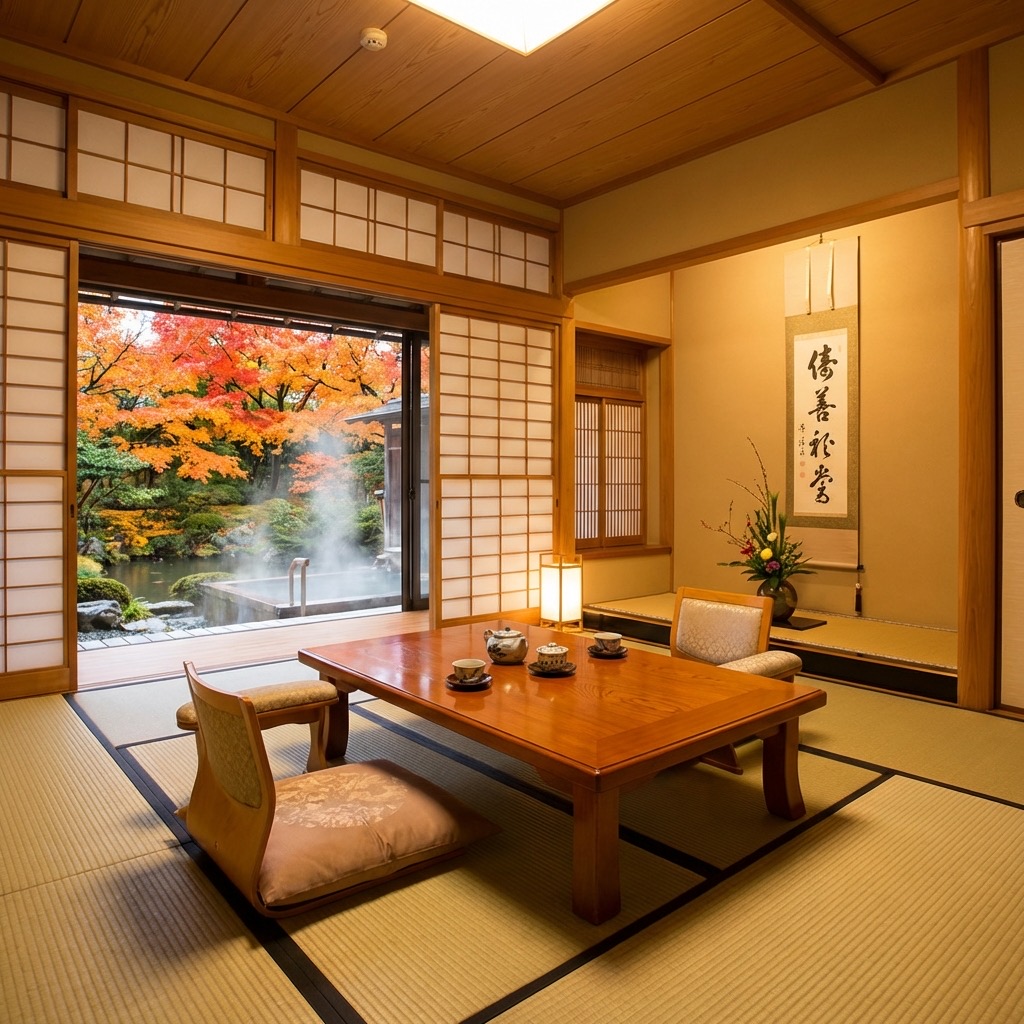
To truly capture the essence of Asakusa, stay within walking distance of the temple. This allows you to experience the serene 'shizuka' (quiet) of the grounds at dawn before the crowds arrive, and the magical illuminations at midnight.
Getting There
Nakamise-dori is a 3-minute walk from Asakusa Station, served by the Ginza Line, Asakusa Line, and Tobu Railway. From Tokyo Station, take the JR Yamanote Line to Kanda, then switch to the Ginza Line.
FAQ
Inspired?
Share this destiny with someone special.