Wakayama
Welcome to Mount Koya
Ascending the sacred peaks of Mount Koya is more than a journey; it is a transition into a realm of profound stillness. As the cable car climbs through the mist, the air cools and the scent of ancient cedar and burning incense envelops the senses. This is the headquarters of Shingon Buddhism, a monastic complex founded over 1,200 years ago by Kobo Daishi. Here, the rhythmic chanting of monks replaces the noise of the modern world, and the moss-covered stupas of Okunoin whisper secrets of eternal meditation. Whether you seek spiritual enlightenment or the architectural majesty of the Garan, Koyasan offers a transformative experience that resonates deep within the soul, inviting you to pause, breathe, and reconnect.
Okunoin Cemetery
Walking through Okunoin is a sensory immersion into Japan’s spiritual history. Over 200,000 moss-draped tombstones and towering 800-year-old cedars line the two-kilometer path to Kobo Daishi's mausoleum. The air is thick with the damp, earthy scent of the forest and the faint trail of sandalwood. At the Torodo (Hall of Lamps), over 10,000 lanterns burn eternally, casting a flickering, golden glow that reflects off the polished stone floors. It is a place of absolute reverence where time feels suspended in a perpetual state of meditation.
Danjo Garan
The Danjo Garan is the central hub of Mount Koya, designed as a physical representation of the Mandala. The centerpiece, the Konpon Daito, is a stunning 48-meter-tall vermillion pagoda that pierces the canopy. Inside, the vibrant colors of the statues and the intricate cosmic maps painted on the pillars create a dizzying sense of spiritual scale. The contrast between the brilliant orange lacquer and the deep green of the surrounding pines is a visual masterpiece, offering a glimpse into the esoteric beauty of Shingon art.
Kongobu-ji Temple
As the head temple of Koyasan, Kongobu-ji houses the Banryutei, Japan's largest rock garden. The garden features 140 granite stones arranged to represent two dragons emerging from a sea of clouds. The raked white sand creates a hypnotic pattern that invites silent contemplation. Inside the temple, the sliding screen doors (fusuma) are adorned with delicate paintings of seasons and cranes, their gold leaf catching the soft light filtering through the shoji screens. The experience concludes with a cup of warm tea and a traditional sweet in the expansive temple hall.
Local Soul Food
Tastes you can't find anywhere else.

Shojin Ryori (Buddhist Vegan Cuisine)
Experience the 'cuisine of devotion.' This multi-course meal is a symphony of seasonal textures: velvety sesame tofu (Goma-dofu), delicate mountain vegetable tempura, and earthy miso soup. Each dish is designed to balance the five colors and five flavors, providing a clean yet deeply satisfying umami profile that cleanses the palate and the spirit.
Koya-dofu (Freeze-dried Tofu)
A local staple with a unique history. This tofu is freeze-dried to create a sponge-like texture that absorbs the rich, sweet dashi broth it is simmered in. With every bite, the warm, savory liquid bursts forth, offering a comforting and uniquely Koyasan mouthfeel that has sustained monks for centuries.
Sasamaki-anpu (Mugwort Wheat Gluten Sweet)
A refreshing treat consisting of chewy wheat gluten (fu) infused with aromatic mugwort and filled with smooth, chilled red bean paste. Wrapped in a fragrant bamboo leaf, the sweet carries a cool, herbal scent that perfectly complements its soft, pillowy texture and subtle sweetness.
Premium Stays
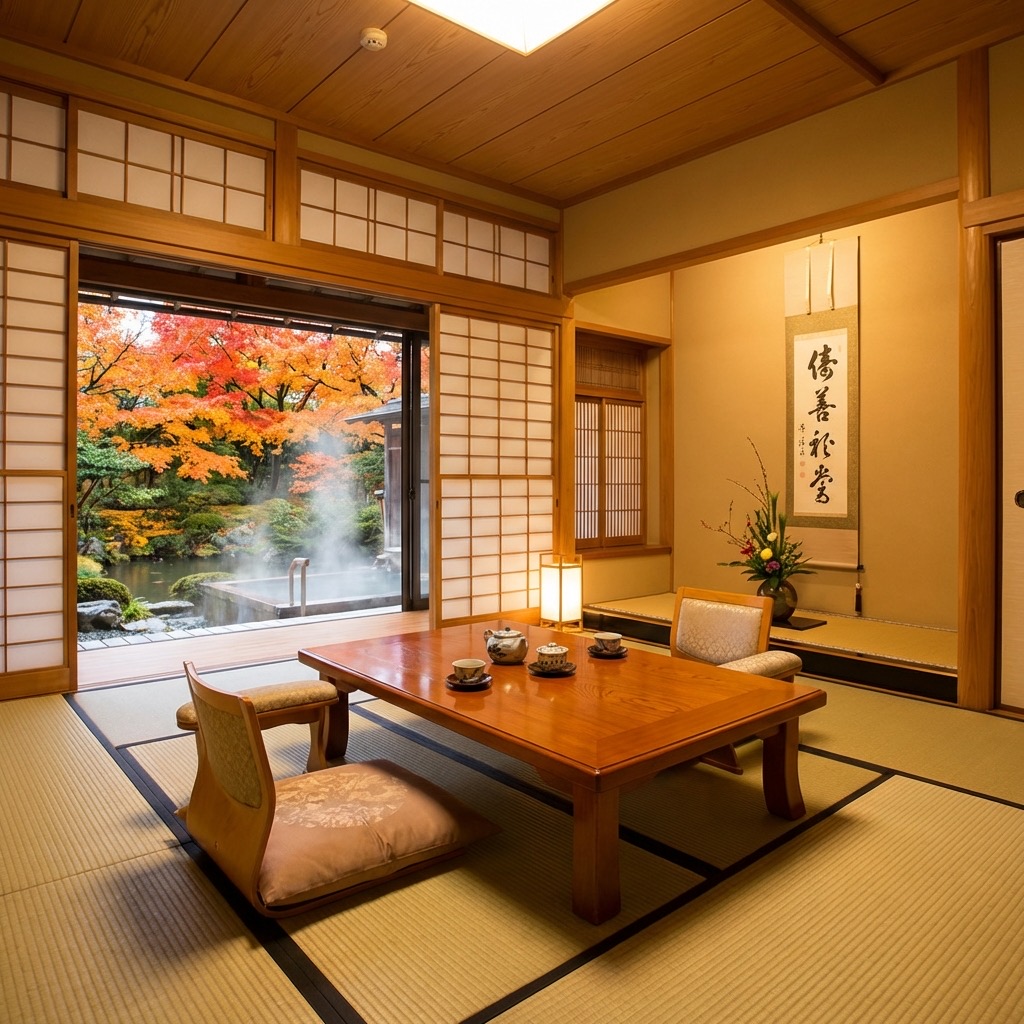
To truly experience Mount Koya, a temple stay (shukubo) is essential. Staying within the temple grounds allows you to participate in morning prayers and fire ceremonies, offering a rare window into monastic life with the comforts of traditional Japanese hospitality.
Getting There
Take the Nankai Koya Line from Osaka Namba Station to Gokurakubashi. From there, transfer to the Koyasan Cable Car for a scenic 5-minute ascent. Once at the top, a dedicated bus network connects all major sites. Note that the town is walkable, but the bus is recommended for reaching Okunoin.
FAQ
Inspired?
Share this destiny with someone special.