Yamaguchi
Welcome to Motonosumi Shrine
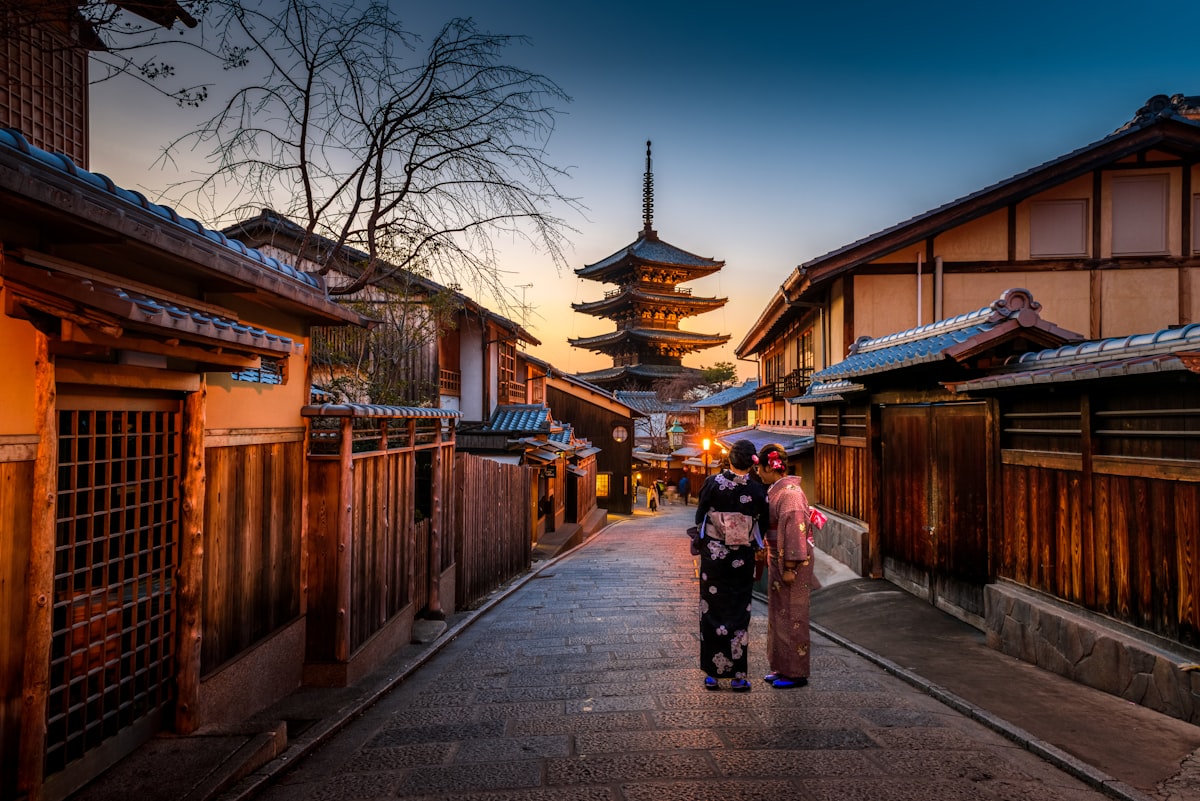
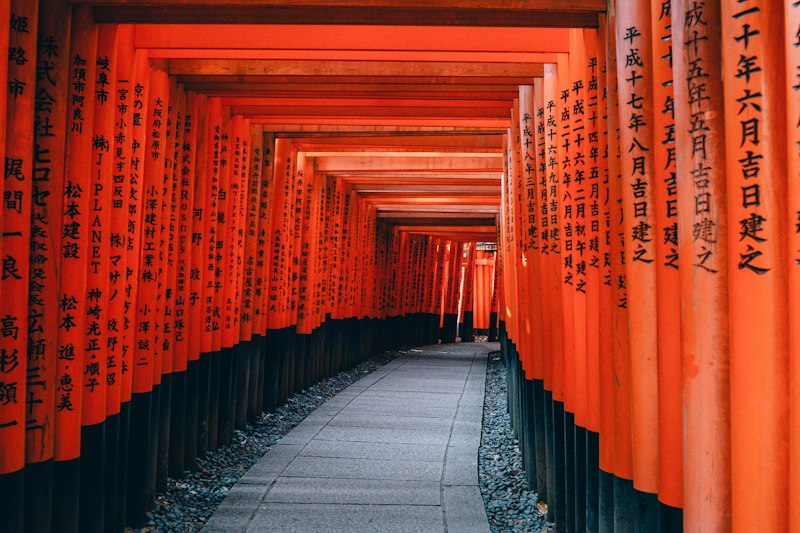
Perched precariously on the rugged cliffs of Nagato, Motonosumi Shrine is a visceral masterpiece of color and spiritual energy. Imagine 123 vermilion torii gates snaking like a crimson dragon toward the emerald edge of the Sea of Japan. As you walk the path, the saline mist of the bay clings to your skin, and the rhythmic roar of the waves provides a primal soundtrack to your pilgrimage. This is not merely a sightseeing stop; it is one of Japan's most potent 'power spots,' where the legend of a white fox spirit meets the raw, untamed beauty of the Yamaguchi coastline. To stand here at sunset, as the orange glow ignites the red lacquer against the deep blue horizon, is to witness the very heartbeat of Japanese aesthetic perfection.
The 123 Torii Path
The journey through the 123 gates is a sensory transition from the terrestrial to the divine. Each gate, weathered by the salty breeze, creates a flickering strobe effect of red and green as you descend toward the ocean. The path is narrow and intimate, forcing a mindful pace that allows you to absorb the spiritual gravity of the site. Reaching the bottom reveals a panoramic view of the 'Dragon Palace' rock formations, where the contrast between the man-made lacquer and the jagged natural stone is at its most breathtaking.
Ryugu no Shiofuki (Dragon Palace Geyser)
Located at the foot of the cliff, this natural phenomenon is where the Sea of Japan proves its might. When the waves hit the underwater caves at the right angle, water is propelled up to 30 meters into the air, resembling a silver dragon ascending to the heavens. The sound is thunderous, a deep bass note that vibrates in your chest. On sunny days, the spray creates fleeting rainbows that dance against the dark basalt rocks, offering a fleeting glimpse of nature's ethereal artistry.
The High-Altitude Offertory Box
Motonosumi is home to arguably the most difficult offertory box to reach in all of Japan. Mounted atop the final five-meter-tall torii gate, it challenges visitors to toss their coins upward. Success is said to guarantee that your wish will come true. The atmosphere here is one of shared joy and playful determination, breaking the solemnity of the shrine with a communal spirit. It is a unique blend of traditional faith and lighthearted challenge that captures the resilient spirit of the local Yamaguchi people.
Local Soul Food
Tastes you can't find anywhere else.
Shimonoseki Fugu (Pufferfish) Sashimi
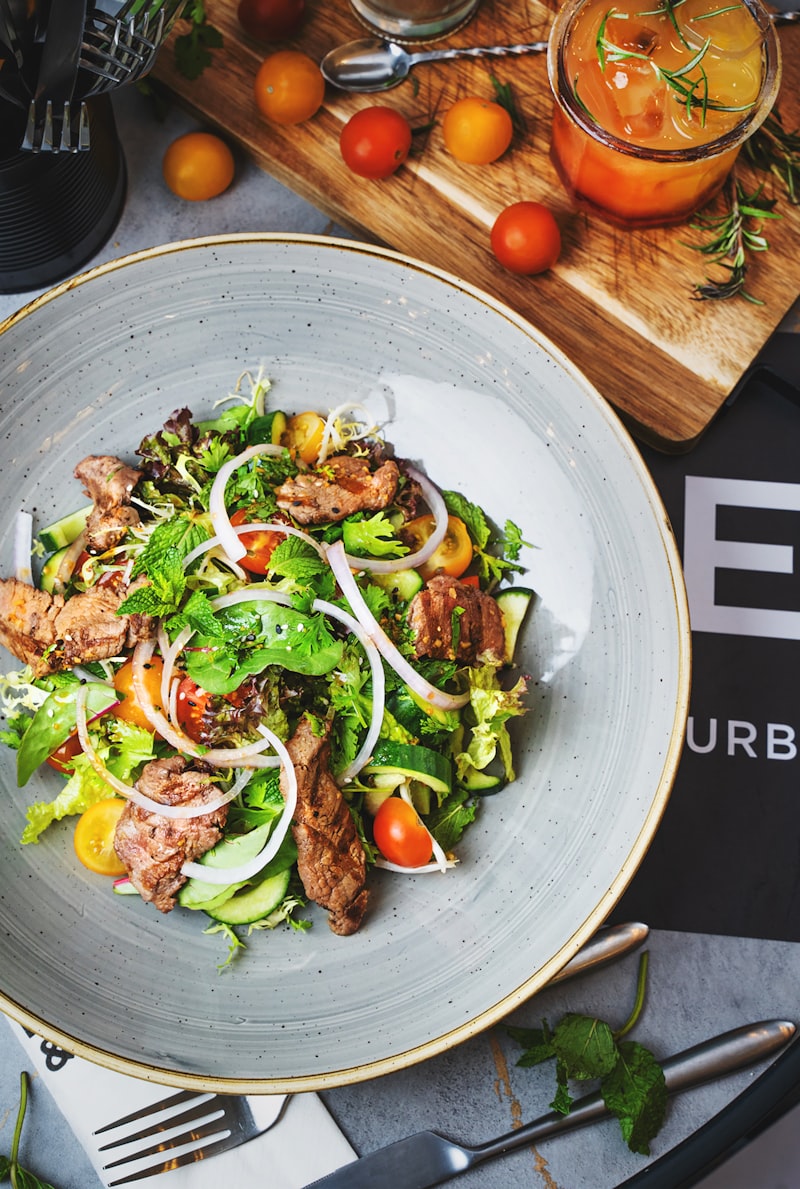
Experience the legendary 'Tessa'—translucent slices of fugu arranged like a blooming chrysanthemum. The texture is uniquely firm yet delicate, offering a clean, oceanic sweetness that peaks when dipped in citrusy ponzu. A subtle, tingling thrill accompanies every bite of this high-end delicacy, famously sourced from the nearby Haetomari market.
Kawara Soba
A theatrical culinary masterpiece where green tea buckwheat noodles are sizzled on a scorching-hot roof tile. The bottom layer becomes irresistibly crispy, while the top remains soft, absorbing the savory flavors of thinly sliced beef, shredded omelet, and a deep dashi dipping sauce. The aroma of toasted tea and grilled meat is intoxicating.
Yamaguchi Uirō
Unlike the rice-based versions elsewhere, Yamaguchi's uirō is crafted from warabi (bracken) starch, resulting in a silky, jelly-like texture that melts effortlessly on the tongue. Infused with refined matcha or sweet azuki beans, it offers an elegant, understated sweetness that pairs perfectly with a bowl of frothy green tea after a coastal hike.
Premium Stays
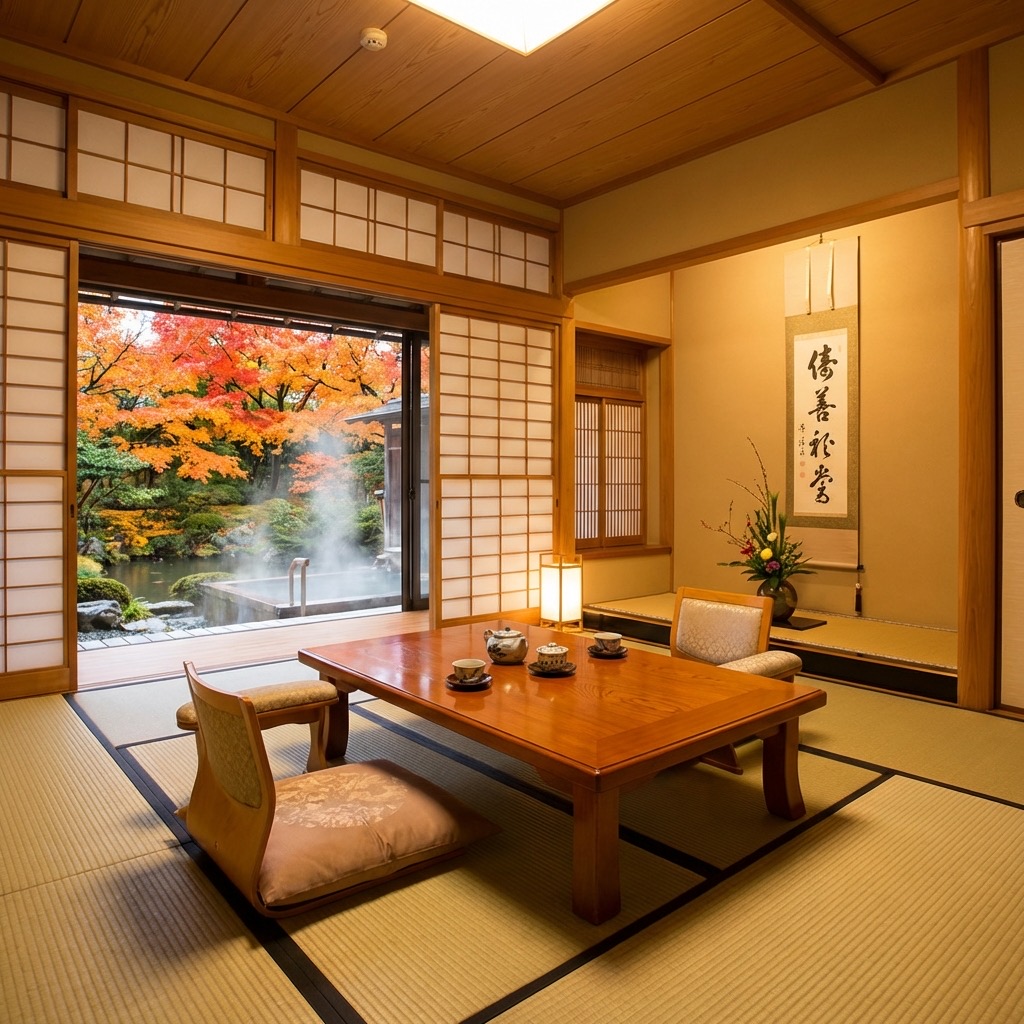
To fully appreciate the rugged beauty of the Nagato coast, stay in the nearby Nagato Yumoto Onsen area. This historic spa town offers a sophisticated blend of traditional ryokan hospitality and modern riverside luxury, perfect for unwinding after a day at the shrine.
Getting There
The shrine is remote. From Nagato-Furuichi Station, a 20-minute taxi is required. Public buses are non-existent; we highly recommend a rental car from Shimonoseki or Yamaguchi City for total freedom.
FAQ
Inspired?
Share this destiny with someone special.