Iwate
Welcome to Morioka Castle Site
Stepping into the Morioka Castle Site, also known as Kozukata Park, is an invitation to breathe in the gravity of history. Though the wooden keep is long gone, the soul of the Nanbu clan remains etched into the colossal granite fortifications—some of the most sophisticated masonry in all of Tohoku. Here, the air is thick with the scent of pine and the faint, sweet perfume of cherry blossoms or the earthy musk of autumn leaves. It is a place where the modern city of Morioka fades into a whisper, replaced by the tactile coolness of moss-covered stone and the spiritual resonance of a land that has endured centuries of winter. This is not just a park; it is a living monument to resilience and quiet beauty.
The Great Granite Ramparts
Unlike many Japanese castles that utilize earthworks, Morioka is defined by its staggering granite walls. These stones, hand-hewn and fitted with surgical precision using the 'Nozura-zumi' technique, create a rhythmic pattern of grey and green. Walking alongside these ramparts, you feel the sheer scale of the Nanbu lords' ambition. The texture of the stone is rough and ancient, holding the warmth of the sun long after the golden hour has passed. It is a masterclass in defensive aesthetics that has stood the test of time and tectonic shifts.
Eboshi-iwa at Sakurayama Shrine
Located on the northern edge of the park, this shrine guards the massive Eboshi-iwa, a towering rock shaped like a court noble's hat. This is the park's primary 'Power Spot,' believed to radiate a grounded, protective energy. The rock was unearthed during the castle's construction and was deemed so auspicious that the castle was built around it. Visitors often report a profound sense of stillness here. The shrine itself, with its vibrant red accents and the lingering scent of sandalwood incense, provides a striking contrast to the grey stone monolith.
The Tsurugaike Moat Garden
The Tsurugaike Moat is the park’s aesthetic lungs. In spring, it is a mirror for thousands of cherry blossoms; in winter, it becomes a stark, monochrome masterpiece. The water is often perfectly still, reflecting the weeping willows that dip their branches into the surface. It is the ideal spot to witness the 'Morioka Blue' sky—a deep, crisp azure unique to this northern latitude. The soundscape here is dominated by the rustle of leaves and the occasional splash of a koi fish, offering a meditative end to your exploration.
Local Soul Food
Tastes you can't find anywhere else.

Wanko Soba
This is not just a meal; it is a rhythmic performance. Small bowls of warm, nutty buckwheat noodles are served in rapid succession to the chant of 'Hai, Dokkoi!' The experience is tactile and exhilarating, as you stack empty bowls high as a testament to your appetite. The noodles are silky, accompanied by a rich dashi and various condiments like spicy daikon and sashimi.
Morioka Reimen
A culinary bridge between Korea and Japan, these cold noodles are incredibly chewy, made from potato starch for a translucent, snap-back texture. The broth is a chilled, deep-flavored beef consommé, served with a slice of watermelon or pear to cleanse the palate. The sharp, fermented kick of kimchi provides a vibrant heat that dances on the tongue.
Morioka Jajamen
Comfort food at its peak. Thick, flat udon-style noodles are topped with a generous dollop of savory, umami-rich black miso meat sauce. You mix it yourself with ginger, vinegar, and chili oil. The finale, 'Chitantan,' involves cracking a raw egg into your remaining sauce, adding hot noodle water to create a creamy, soul-warming soup.
Premium Stays
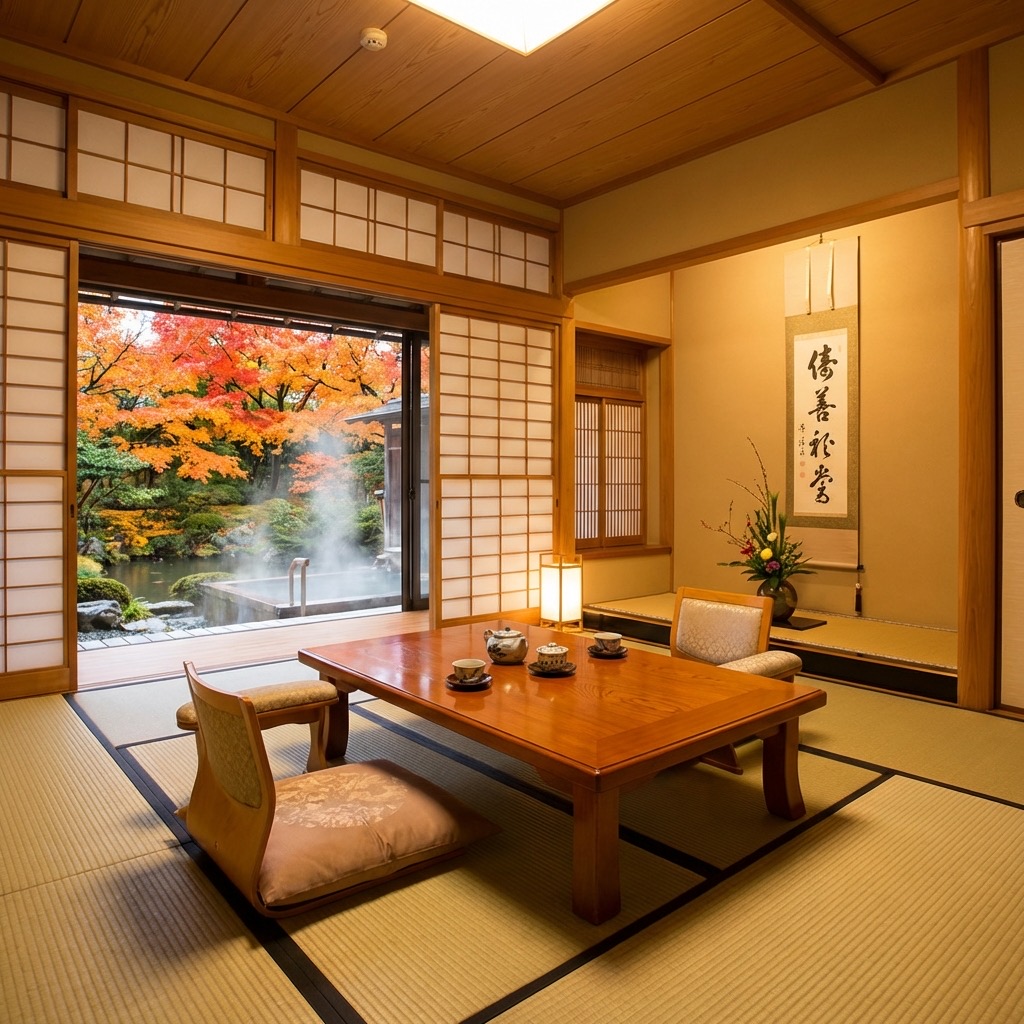
For the ultimate Morioka experience, stay near the Nakatsu River or the Station area. The riverfront offers a romantic, historic vibe, while the station area provides seamless access to the Shinkansen for regional exploration.
Getting There
From JR Morioka Station, take the 'Den-den-mushi' loop bus (Left Loop) and get off at 'Morioka-jo Ato Koen'. Buses run every 10-15 minutes, making it incredibly accessible. Alternatively, it is a pleasant 20-minute walk through the historic downtown.
FAQ
Inspired?
Share this destiny with someone special.