Hiroshima
Welcome to Miyajima
Miyajima is not merely an island; it is a living, breathing testament to Japan’s spiritual soul. As you step off the ferry, the saline mist of the Seto Inland Sea mingles with the scent of ancient cedar, immediately transporting you to a realm where the boundary between the sacred and the mundane dissolves. Known for the iconic 'floating' Torii gate, the island offers a sensory symphony—from the gentle rustle of wild deer roaming the streets to the deep, resonant chime of temple bells echoing from the misty peaks of Mt. Misen. This is a place for the discerning traveler to slow down, breathe deeply, and witness the ephemeral beauty of a landscape shaped by the rhythmic pulse of the tides.
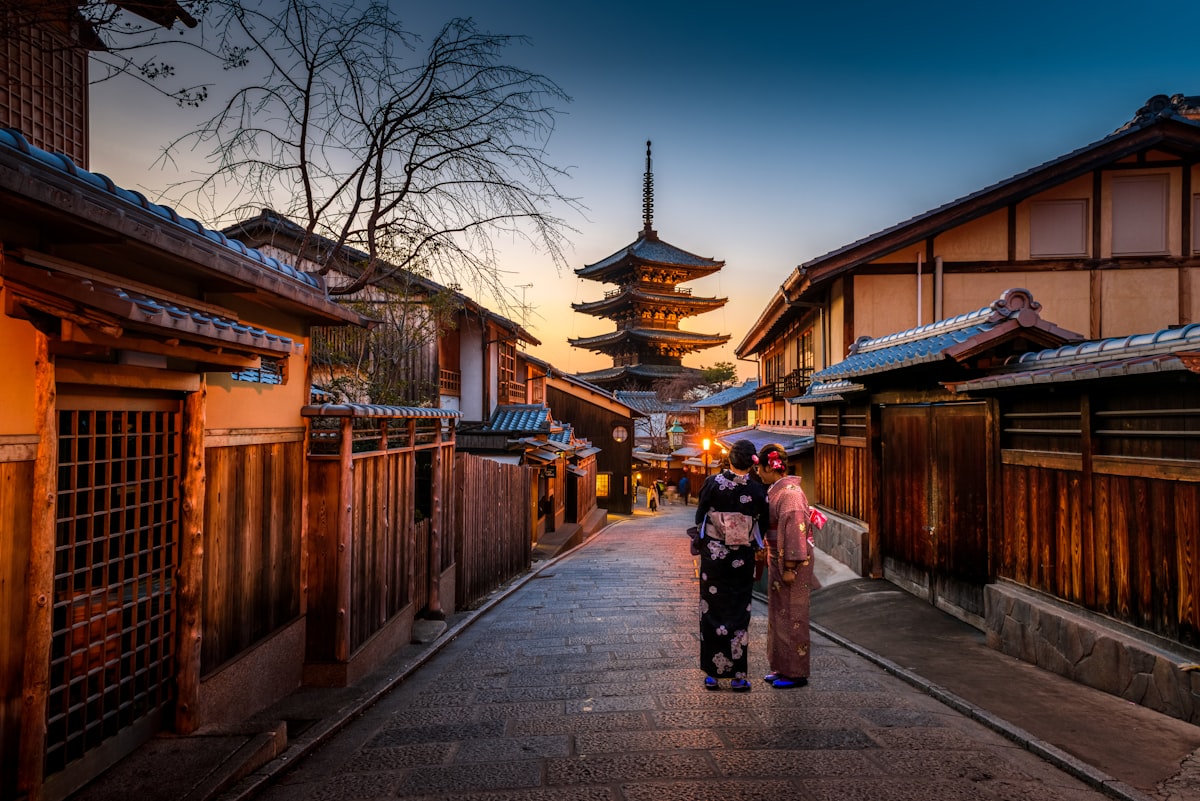
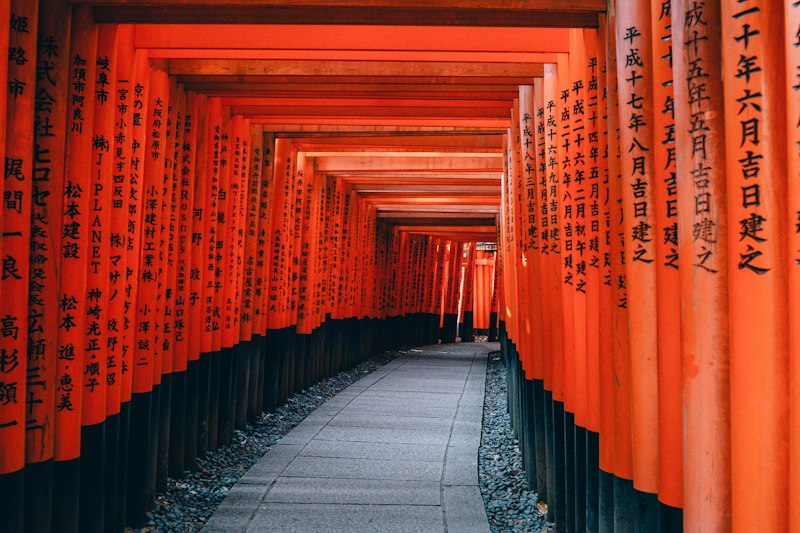
Itsukushima Shrine
A masterpiece of Shinden-zukuri architecture, this UNESCO World Heritage site appears to float upon the sea during high tide. The vermillion corridors stretch across the turquoise water, creating a surreal contrast that has captivated pilgrims for centuries. As the tide recedes, the shrine reveals its sandy foundations, allowing you to walk out to the colossal Torii gate. The craftsmanship is breathtaking, with every joint and pigment designed to withstand the corrosive breath of the ocean while maintaining a delicate, ethereal grace.
Mt. Misen Observatory
Ascend to the island's highest peak via the ropeway for a panoramic spectacle of the Seto Inland Sea’s emerald islets. The summit is a 'power spot' home to the Kie-zazu-no-hi (Eternal Flame), which has burned for over 1,200 years and was used to light the Flame of Peace in Hiroshima. The air here is thin, crisp, and charged with spiritual energy. Giant granite boulders lean against one another, forming natural tunnels that lead to an observatory offering a 360-degree view of the shimmering maritime horizon.
Daisho-in Temple
While Itsukushima takes the spotlight, Daisho-in is the island's true hidden heart. Nestled at the foot of Mt. Misen, this Shingon Buddhist temple is a labyrinth of spiritual discovery. Spin the prayer wheels lined with sutras to gain the same merit as reading them, and wander through the 'One-thousand Fudo' statues, each draped in handmade colorful hats. The atmosphere is intimate and profound, filled with the smell of high-quality incense and the soft chanting of monks, offering a quiet sanctuary away from the coastal crowds.
Local Soul Food
Tastes you can't find anywhere else.

Grilled Miyajima Oysters (Kaki)
Plump, succulent, and bursting with the briny essence of the Hiroshima bay. These oysters are grilled over binchotan charcoal until the shells pop, releasing a fragrant, smoky steam. The texture is a perfect balance of firm bite and buttery melt, seasoned only with a squeeze of local citrus or a drop of artisanal soy sauce.
Anago Meshi (Saltwater Eel)
Unlike its heavier freshwater cousin, Miyajima’s conger eel is delicate and lean. Sliced thin and laid over rice seasoned with a secret eel-bone broth, the fish is glazed in a sweet-savory tare that caramelizes under the flame. Each bite offers a sophisticated smokiness and a texture that dissolves effortlessly on the palate.
Momiji Manju (Maple Leaf Cake)
The quintessential Miyajima treat. These maple-leaf-shaped sponge cakes are traditionally filled with velvety smooth red bean paste, though modern iterations include custard, chocolate, and even cream cheese. For the ultimate experience, try the 'Age-Momiji'—deep-fried on a skewer for a hot, crispy exterior and a molten, sweet heart.
Premium Stays
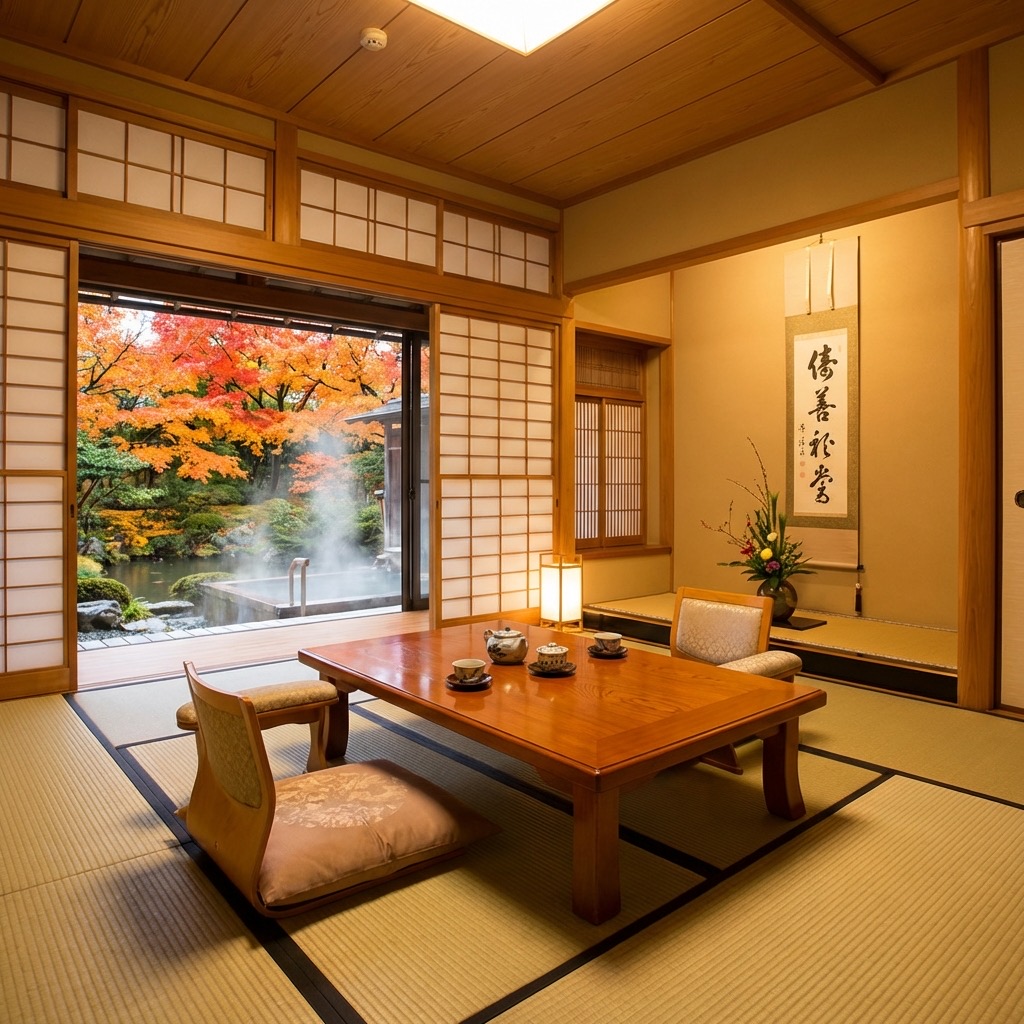
To truly feel the island's magic, stay overnight. Once the last ferry departs, the island belongs to the deer and the few who remain to see the shrine illuminated in total silence.
Getting There
Take the JR Sanyo Line from Hiroshima Station to Miyajimaguchi (25 mins). From there, board the JR Ferry or Miyajima Matsudai Ferry for a 10-minute crossing. JR Pass holders should use the JR Ferry for a closer view of the Torii gate.
FAQ
Inspired?
Share this destiny with someone special.