Shizuoka
Welcome to Miho no Matsubara
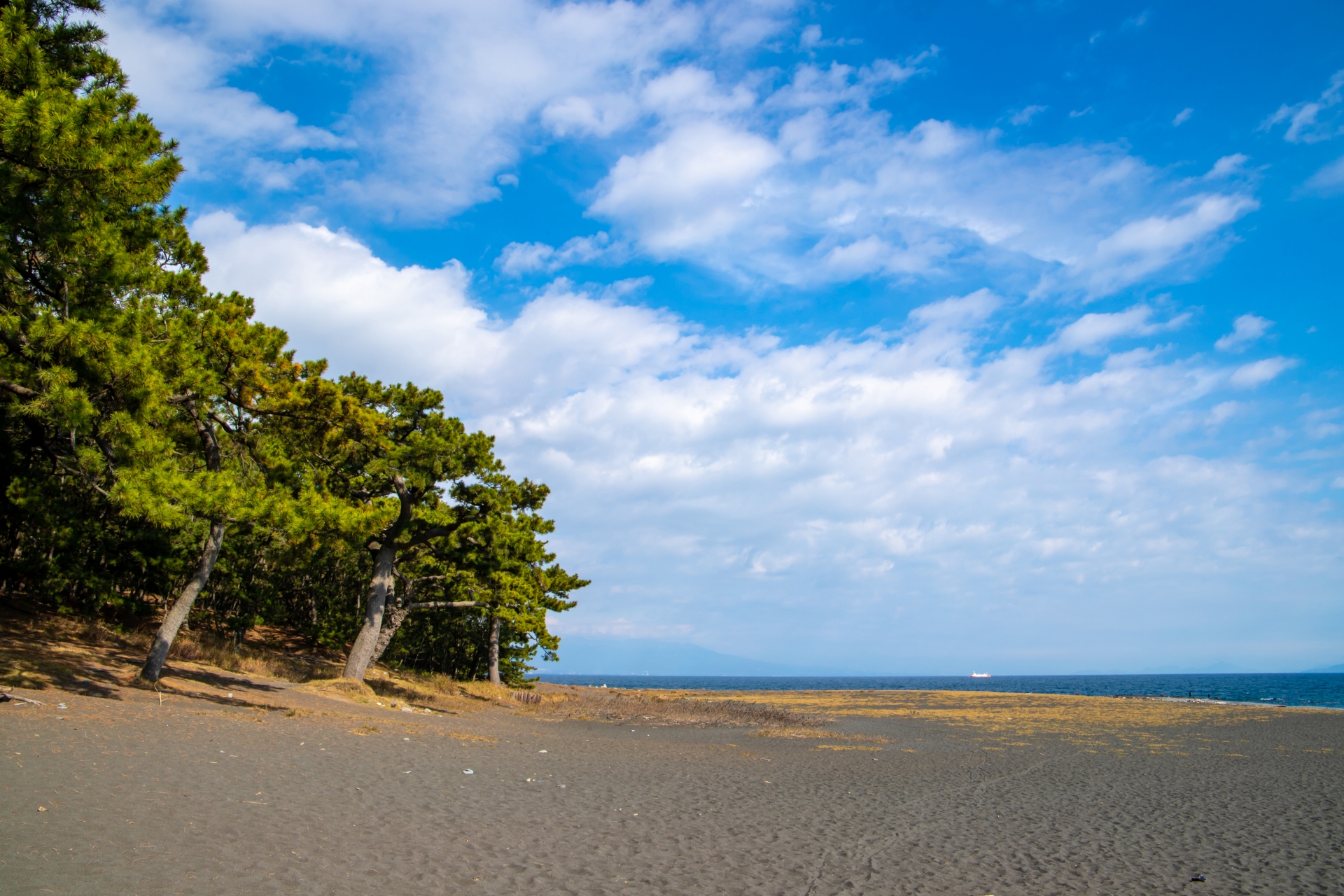
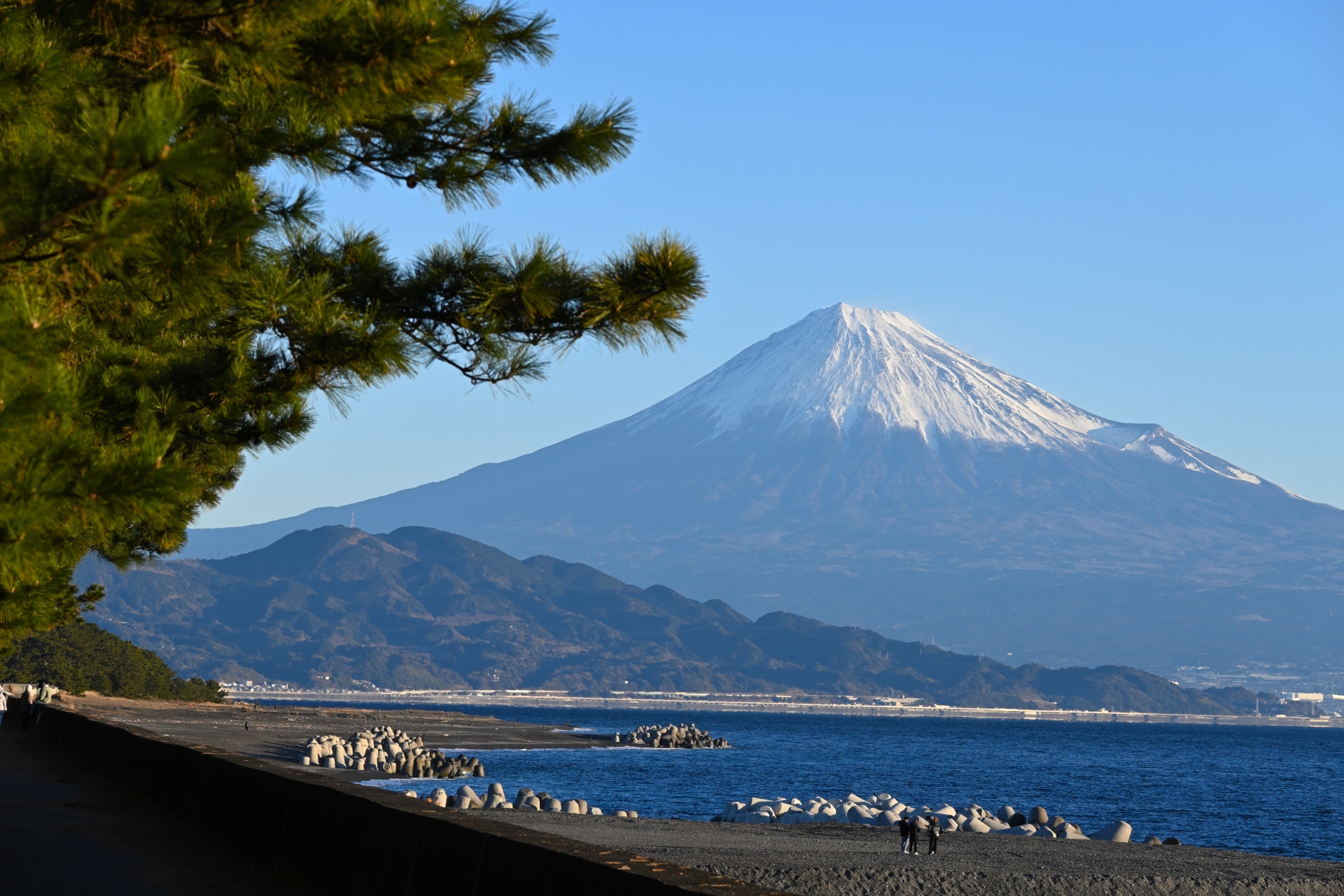
Step into a living ukiyo-e masterpiece at Miho no Matsubara, a seven-kilometer stretch of volcanic black sand shaded by thirty thousand ancient, gnarled pine trees. This UNESCO World Heritage site is more than a scenic vista; it is a spiritual gateway where the saline mist of Suruga Bay mingles with the scent of pine resin. As you walk the rugged coastline, the sudden, breathtaking reveal of Mount Fuji rising majestically across the water creates a profound sense of awe that has inspired poets and artists for over a millennium. It is a place where the boundary between the celestial and the earthly feels beautifully thin, offering a serene escape from the neon pulse of modern Japan.
Hagoromo-no-Matsu
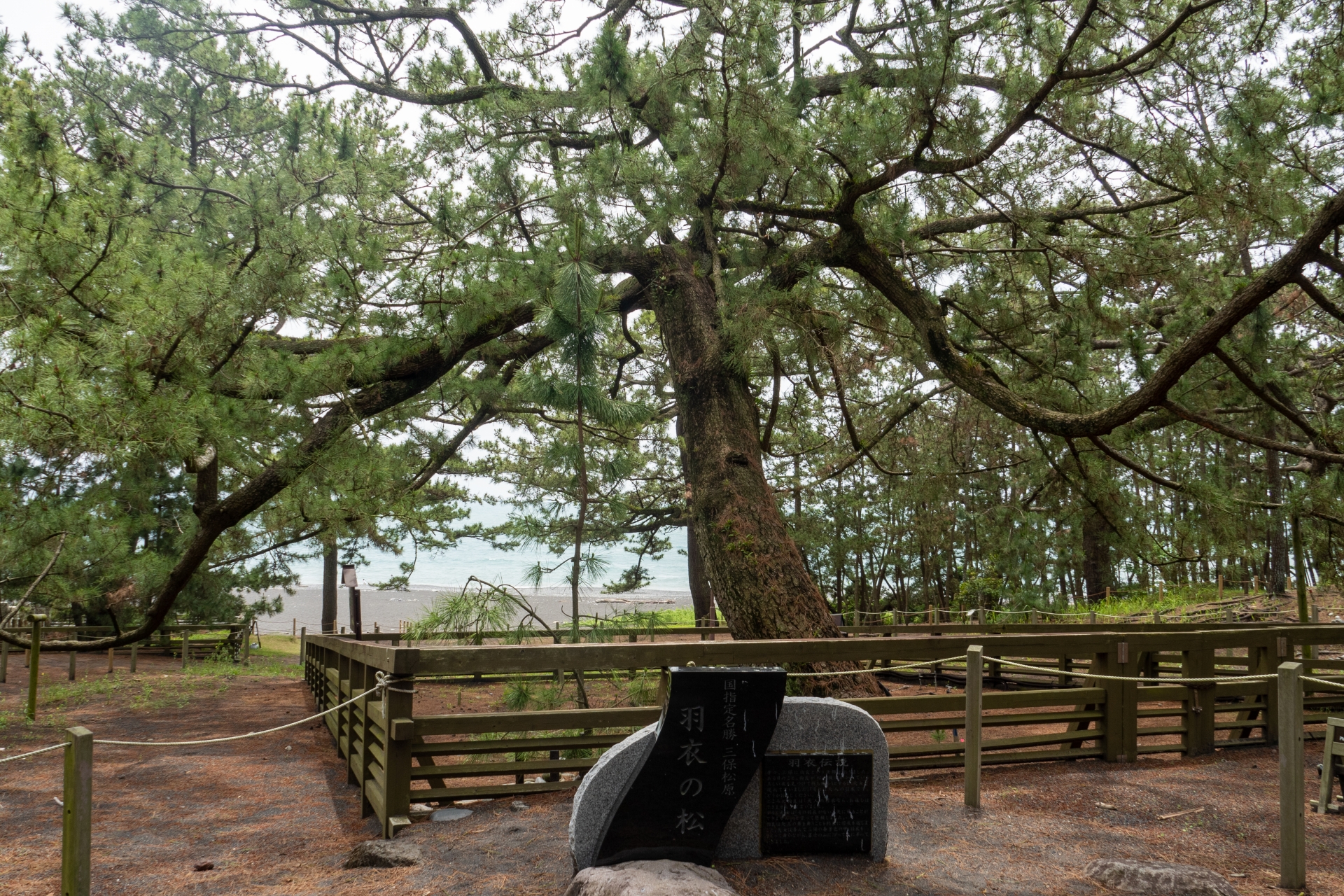
The spiritual heart of the grove, this legendary pine tree is where a celestial maiden is said to have hung her feather robe (hagoromo) while bathing. The current 'third-generation' tree stands as a testament to the enduring folklore of the region. Its twisted, sprawling limbs reach toward the heavens, draped in sacred shimenawa ropes. Standing before it, one can almost hear the rustle of silk in the wind. It serves as a focal point for the annual Noh performances that celebrate this ancient myth under the moonlight.
Kami-no-Michi (The God's Path)
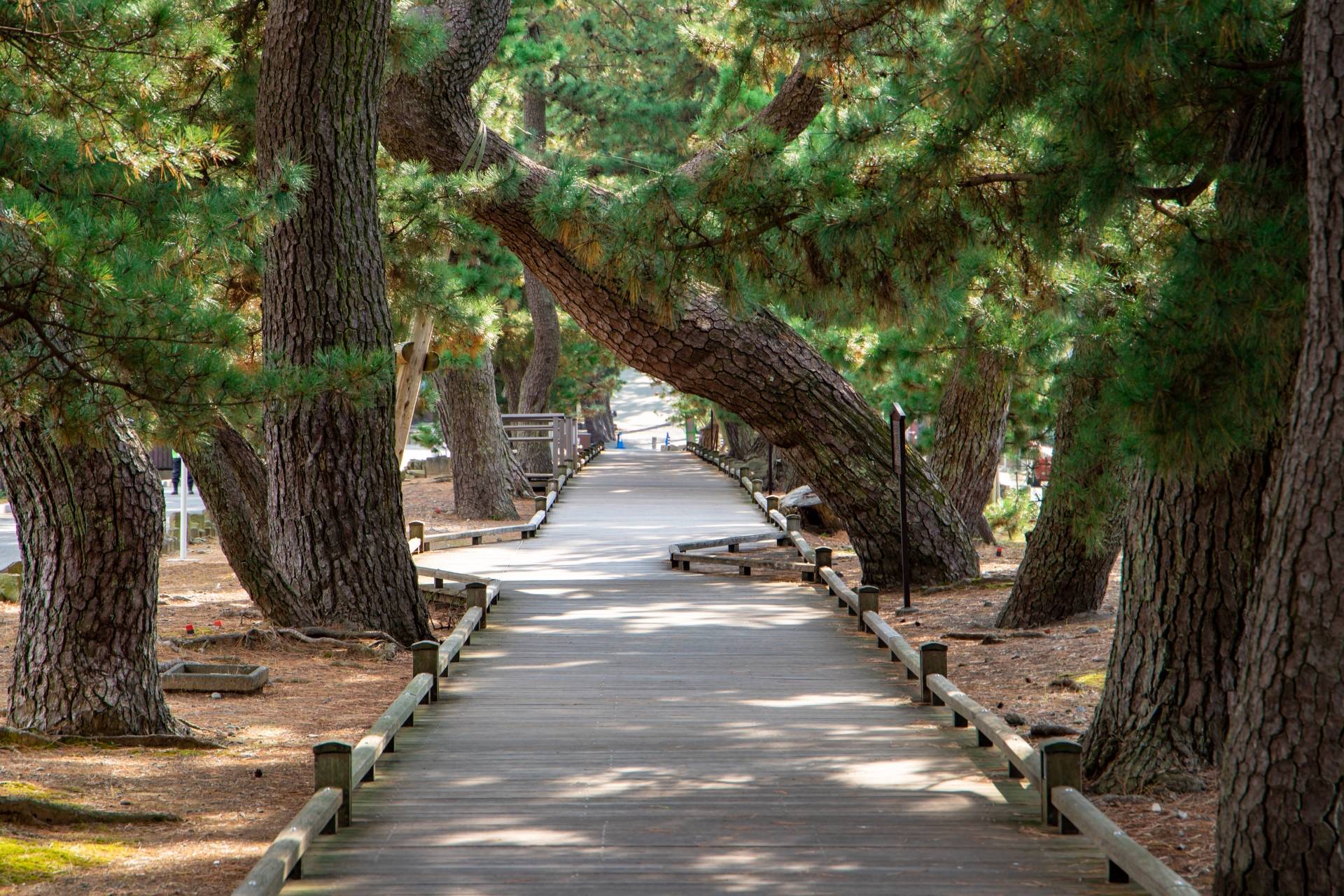
A 500-meter elevated boardwalk crafted from aromatic cedar, 'The God's Path' leads visitors from the Miho Shrine directly to the Hagoromo-no-Matsu. Flanked by majestic pines estimated to be over 200 years old, the path is designed to allow the deities to travel between the sea and the shrine. Walking this corridor provides a sense of profound stillness, shielded from the coastal winds. The interplay of light and shadow through the thick canopy creates a rhythmic, meditative experience for every traveler.
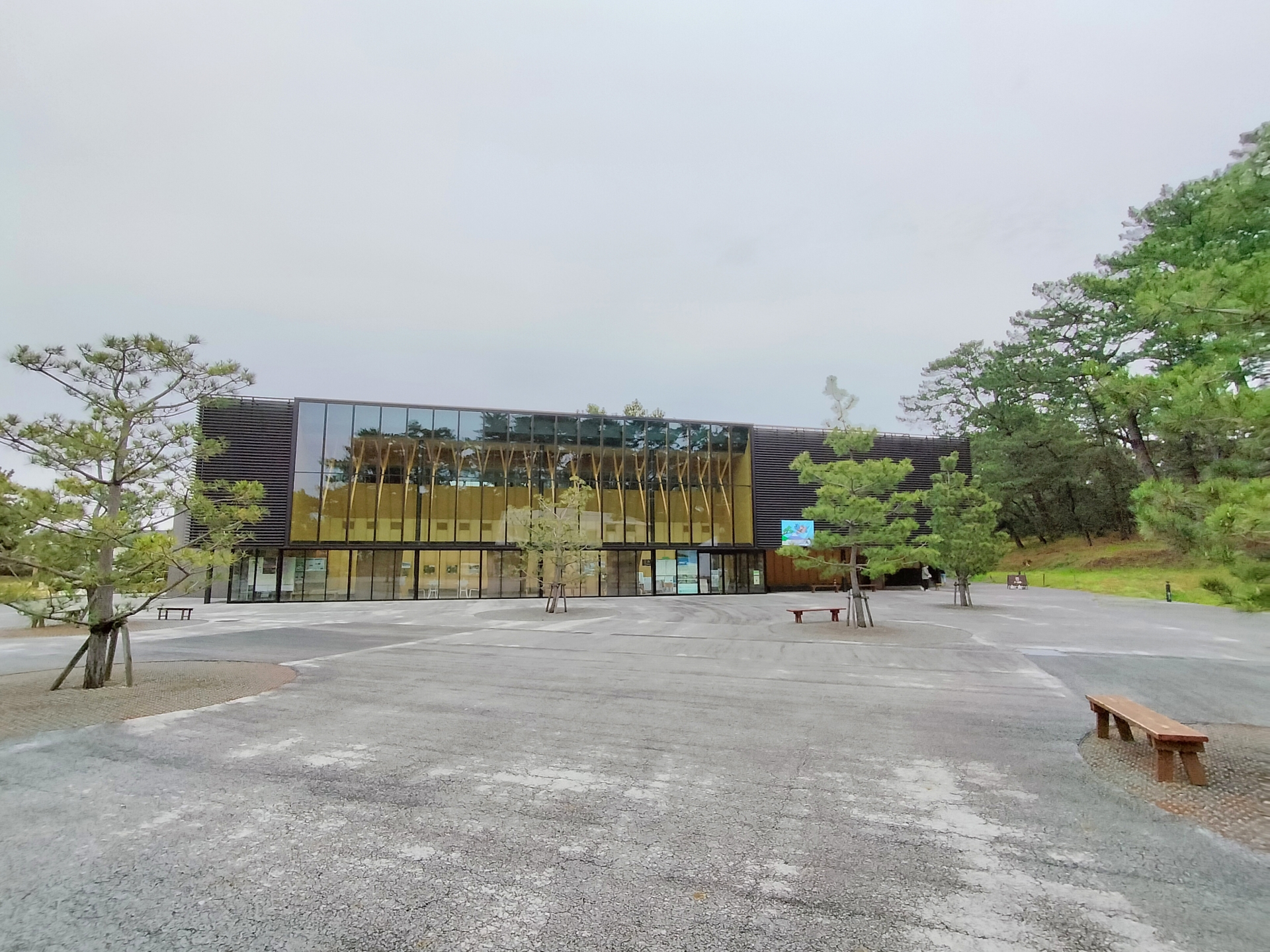
Miho Shirube (Culture & Community Center)
This stunningly minimalist architectural gem serves as the gateway to understanding the deep historical and artistic significance of the area. Inside, high-definition displays and VR experiences bring the 'Legend of the Feather Robe' to life and showcase how Miho no Matsubara has influenced global art, including the works of Debussy and Pavlova. The sleek wood-and-glass structure offers a sophisticated contrast to the wild nature outside, providing a climate-controlled space to appreciate the site's UNESCO values.
Local Soul Food
Tastes you can't find anywhere else.
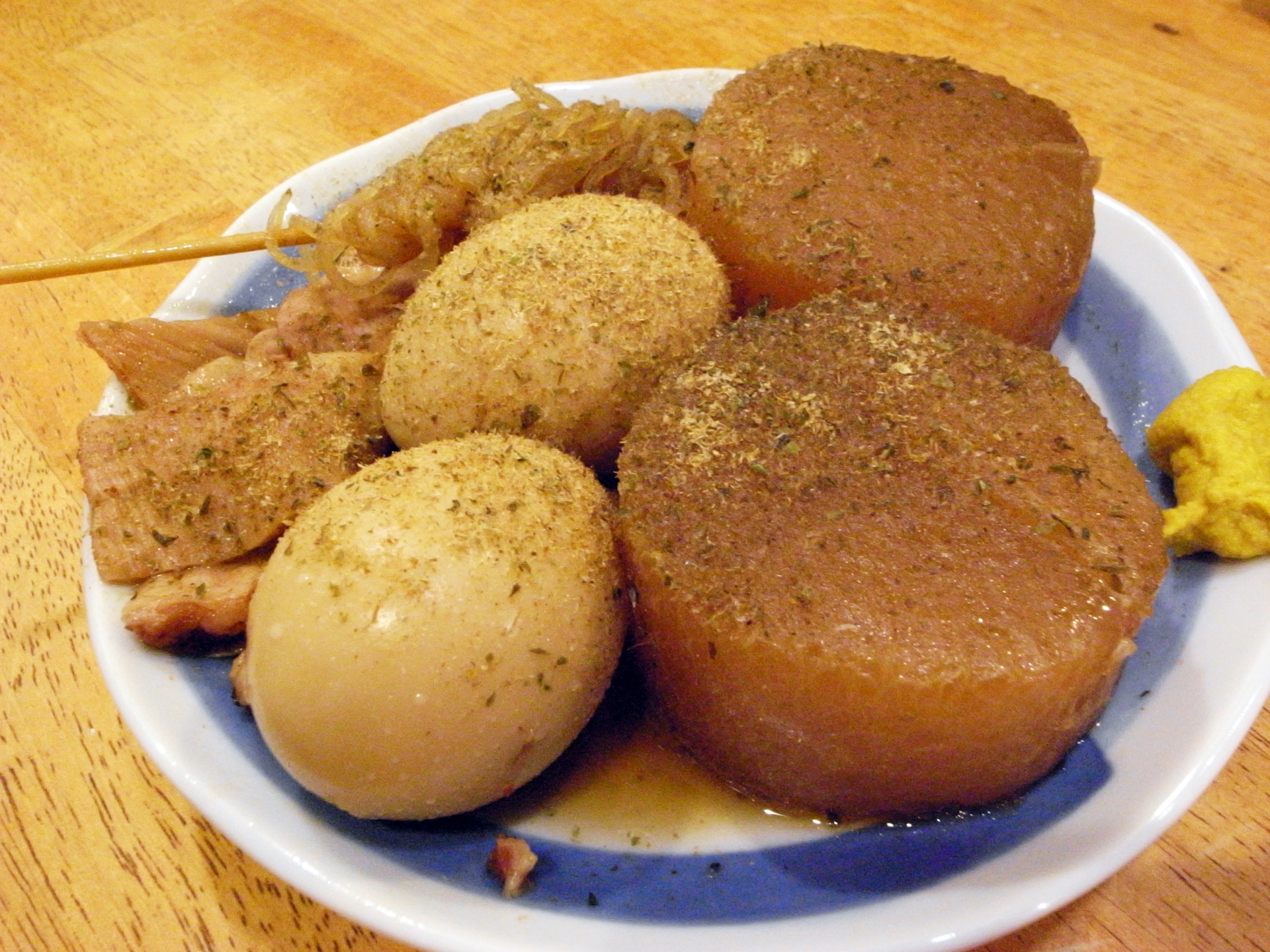
Shizuoka Oden
Unlike any other, this regional soul food features a dark, soy-infused broth enriched with beef tendon. Each skewer—from the iconic black hanpen (fish cake) to the juice-soaked daikon—is dusted with a savory powder of dried green seaweed and dashi. The taste is a deep, smoky umami explosion that warms the soul.
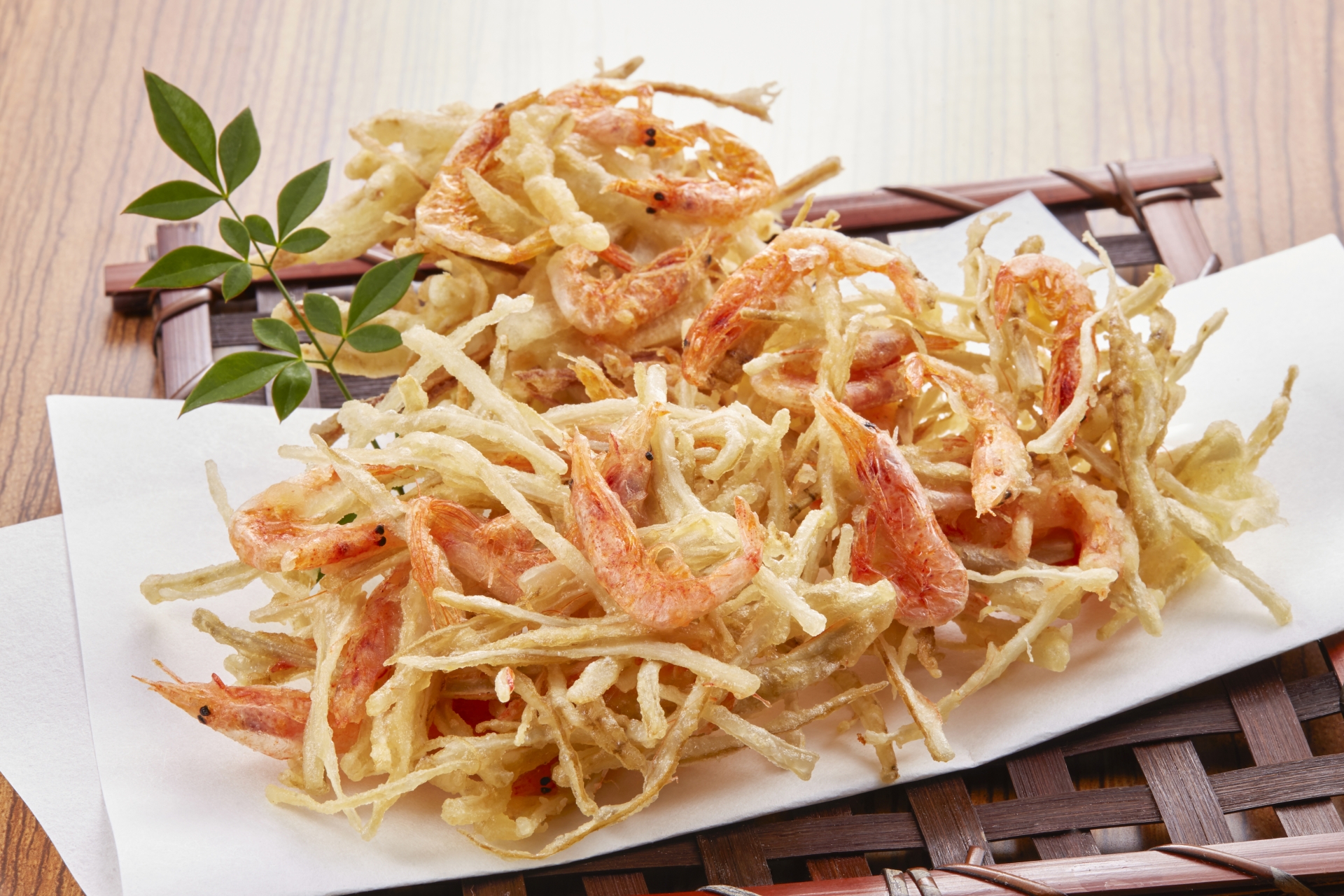
Sakura-ebi Tempura
These tiny, translucent 'cherry blossoms of the sea' are caught only in Suruga Bay. When fried into a light, lacy kakiage tempura, they offer a delicate, sweet brine and a satisfyingly crisp texture. The aroma of the sea is captured in every golden, crunchy bite, best enjoyed with a pinch of matcha salt.
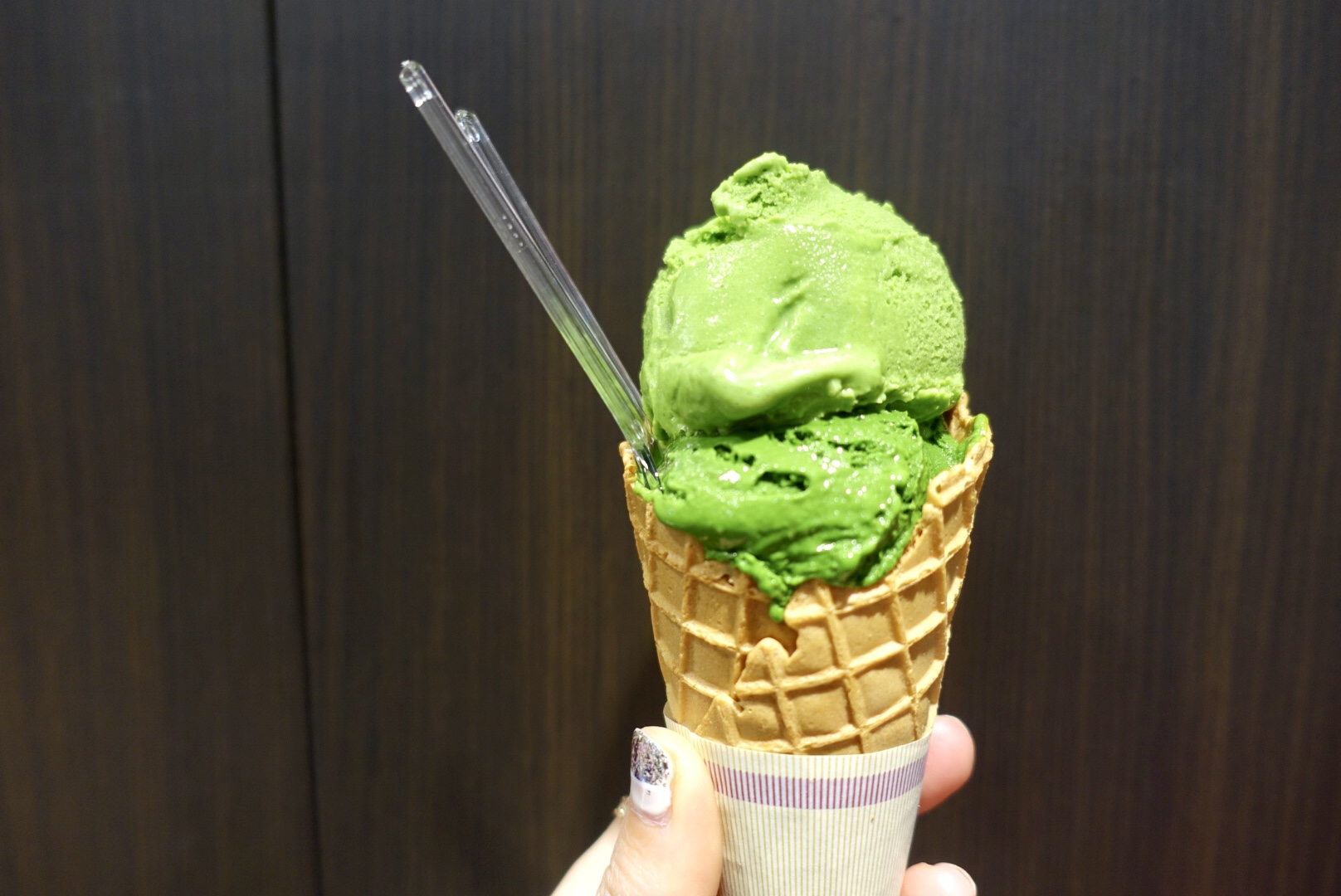
Shizuoka Matcha Gelato
Indulge in the world's most intense matcha experience. Sourced from local high-altitude tea plantations, this gelato ranges from subtle sweetness to a bold, earthy bitterness that coats the palate in velvet. The vibrant emerald hue is as striking as the floral, grassy notes that linger long after the last spoonful.
Premium Stays
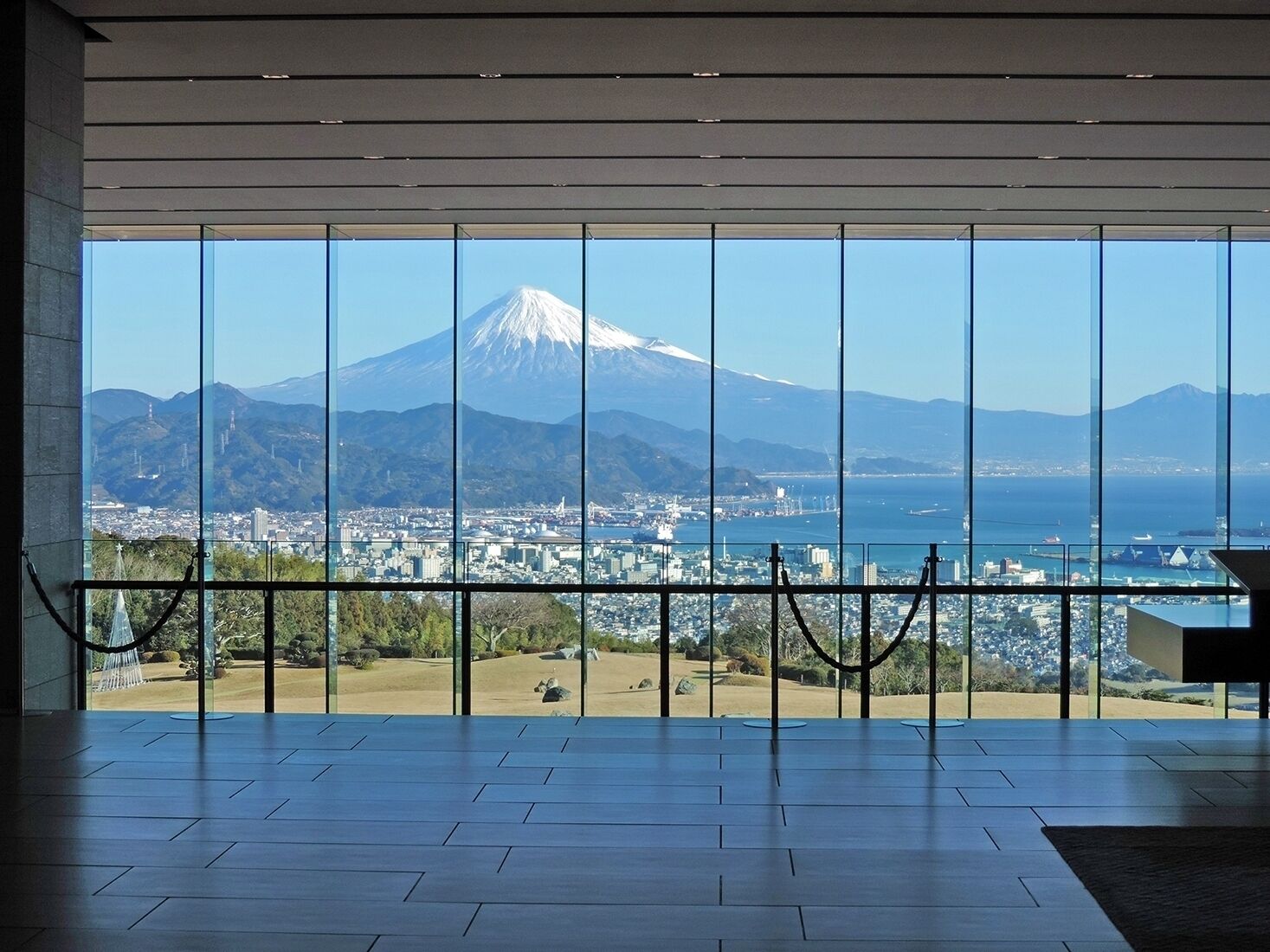
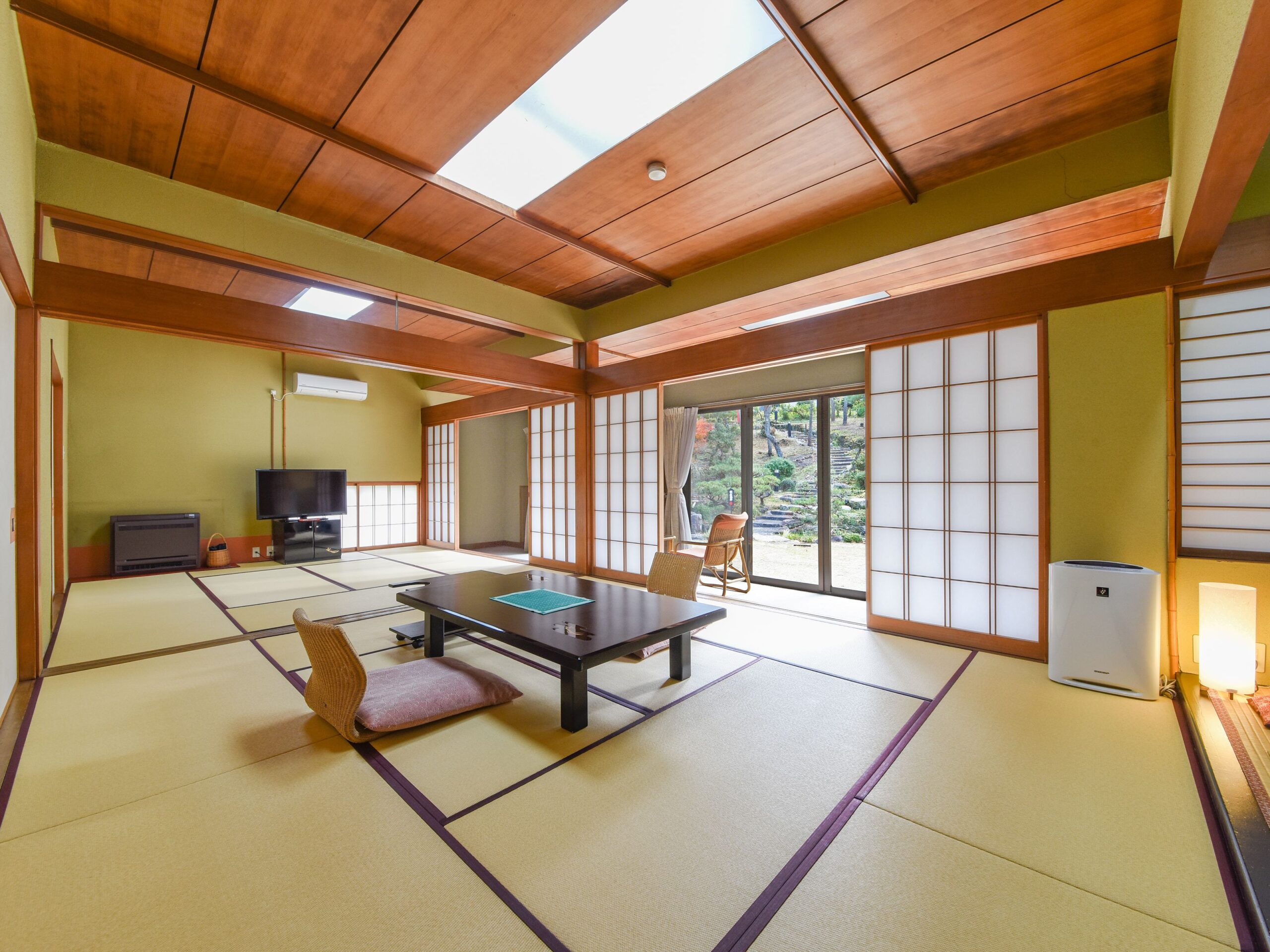
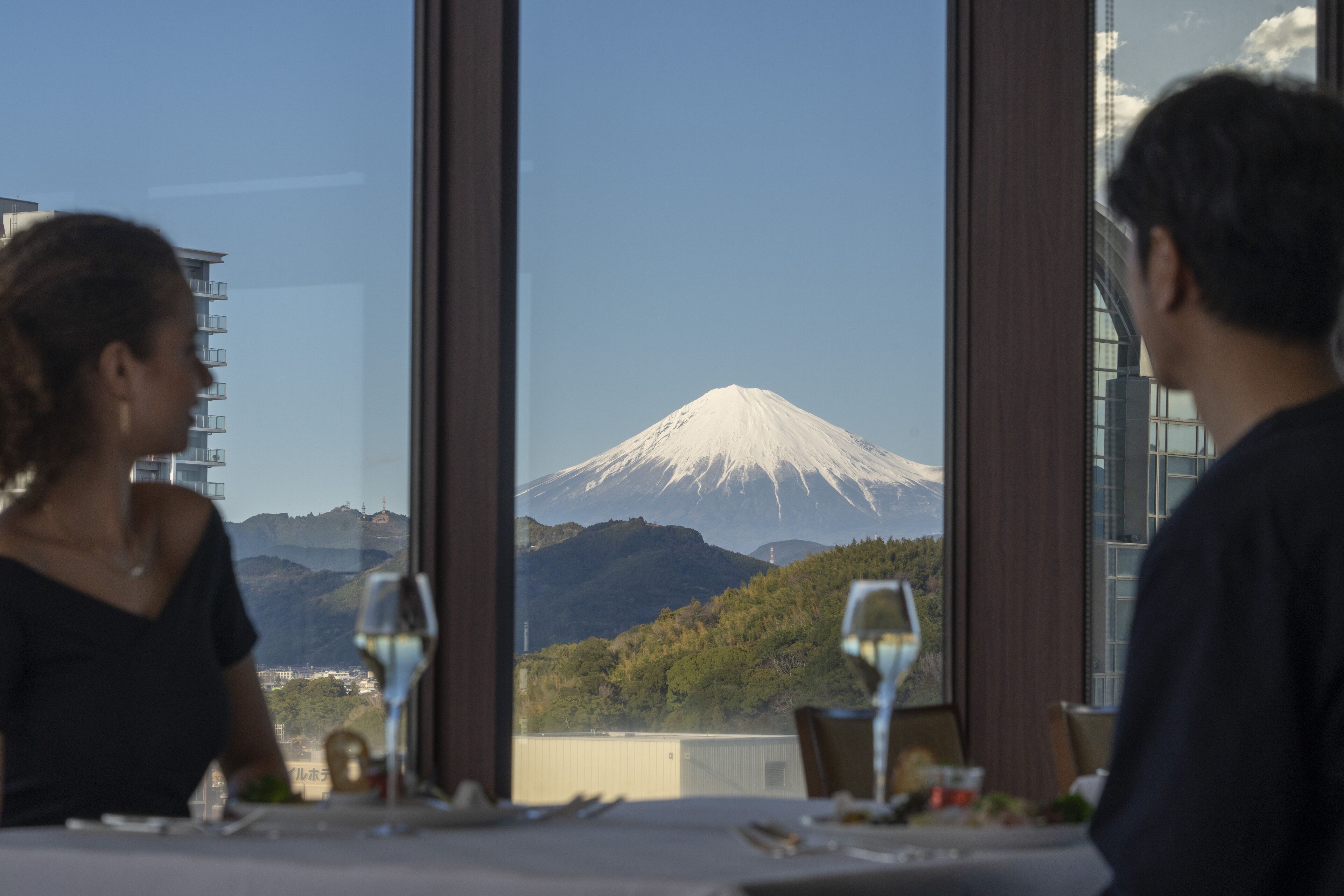
To truly experience the majesty of the region, stay along the Nihondaira plateau for panoramic views of Fuji, or choose a traditional ryokan near the Miho coastline to hear the waves at night.
Getting There
From JR Shizuoka Station, take the Tokaido Line to JR Shimizu Station. From there, board a Shizutetsu bus bound for 'Miho Shako' and alight at 'Miho no Matsubara Iriguchi'. The walk to the grove is approximately 15 minutes.
FAQ
Inspired?
Share this destiny with someone special.