Ehime
Welcome to Matsuyama Castle
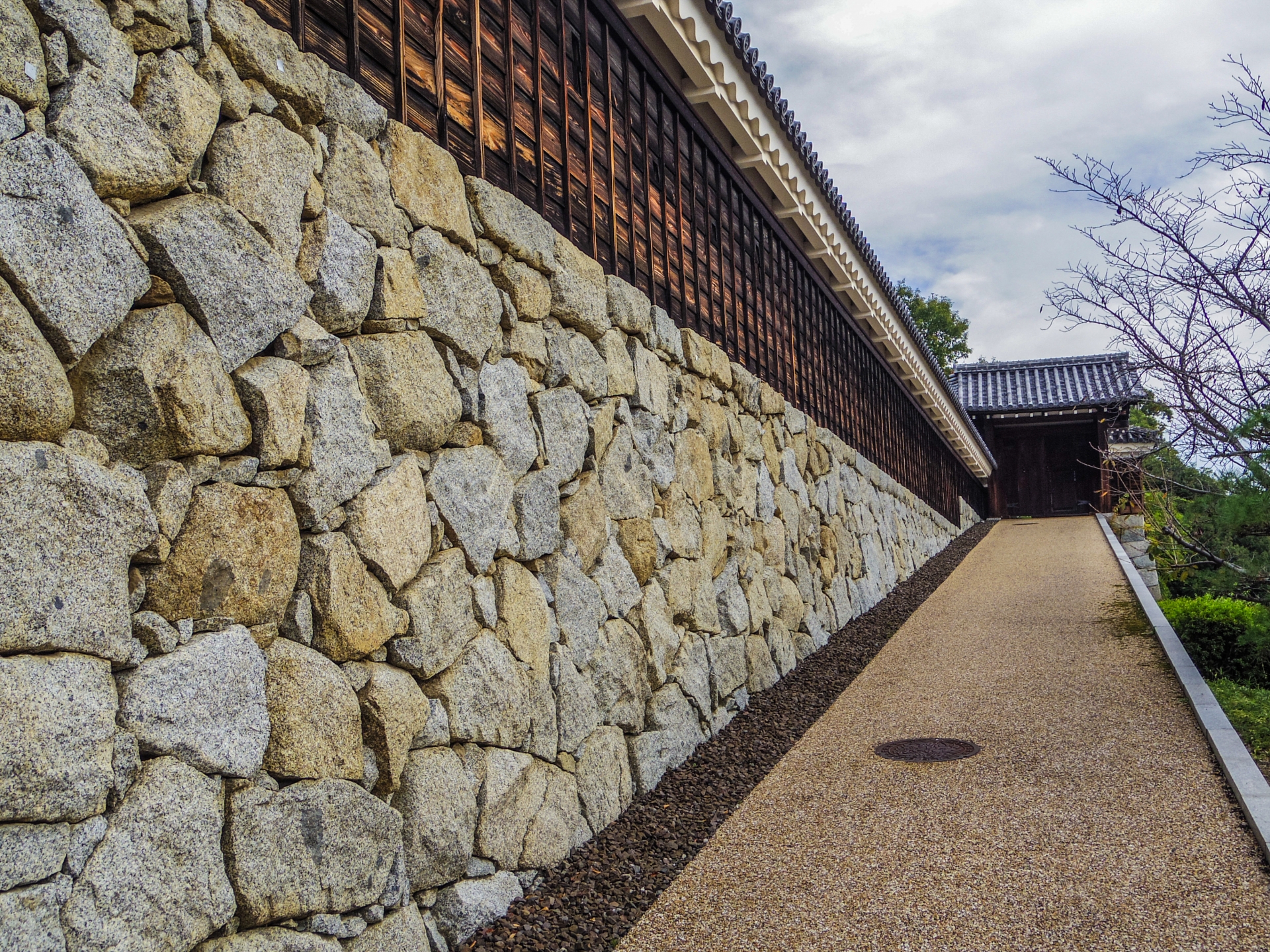
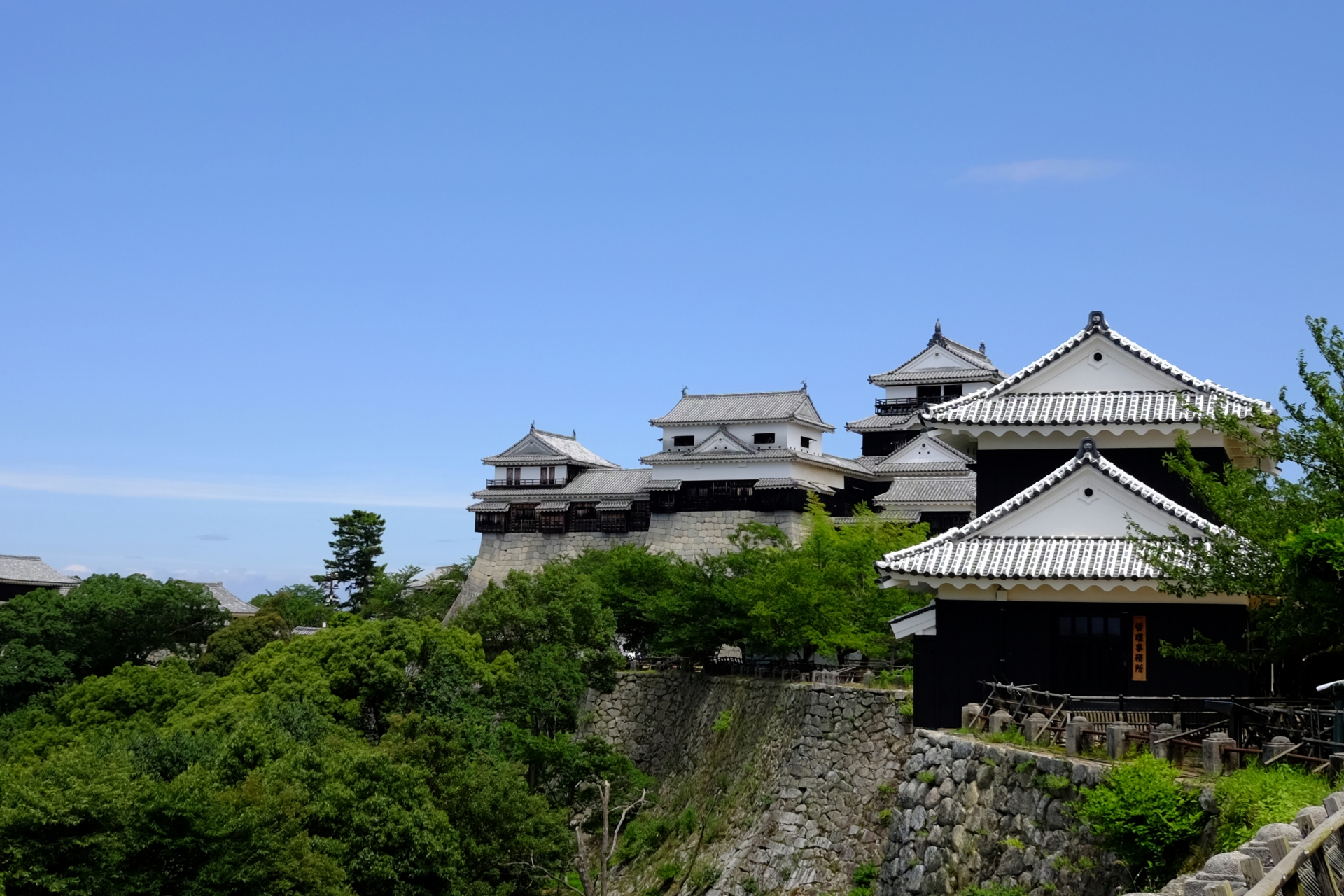
Perched majestically atop Mount Katsuyama, Matsuyama Castle is one of Japan's most precious original survivors, a feudal sentinel overlooking the shimmering Seto Inland Sea. To walk its grounds is to step into a living scroll of Edo-period ambition. The air here is crisp, carrying the faint, sweet scent of pine and the distant saline mist of the bay. As you ascend by ropeway or foot, the bustle of the city fades, replaced by the formidable silence of massive stone ramparts and the intricate geometry of black-and-white watchtowers. This is not merely a sightseeing stop; it is a sensory immersion into the tactical elegance of the samurai era, where every gate tells a story of defense and every vista offers a meditative breath of Shikoku's natural beauty.
The Honmaru Main Keep
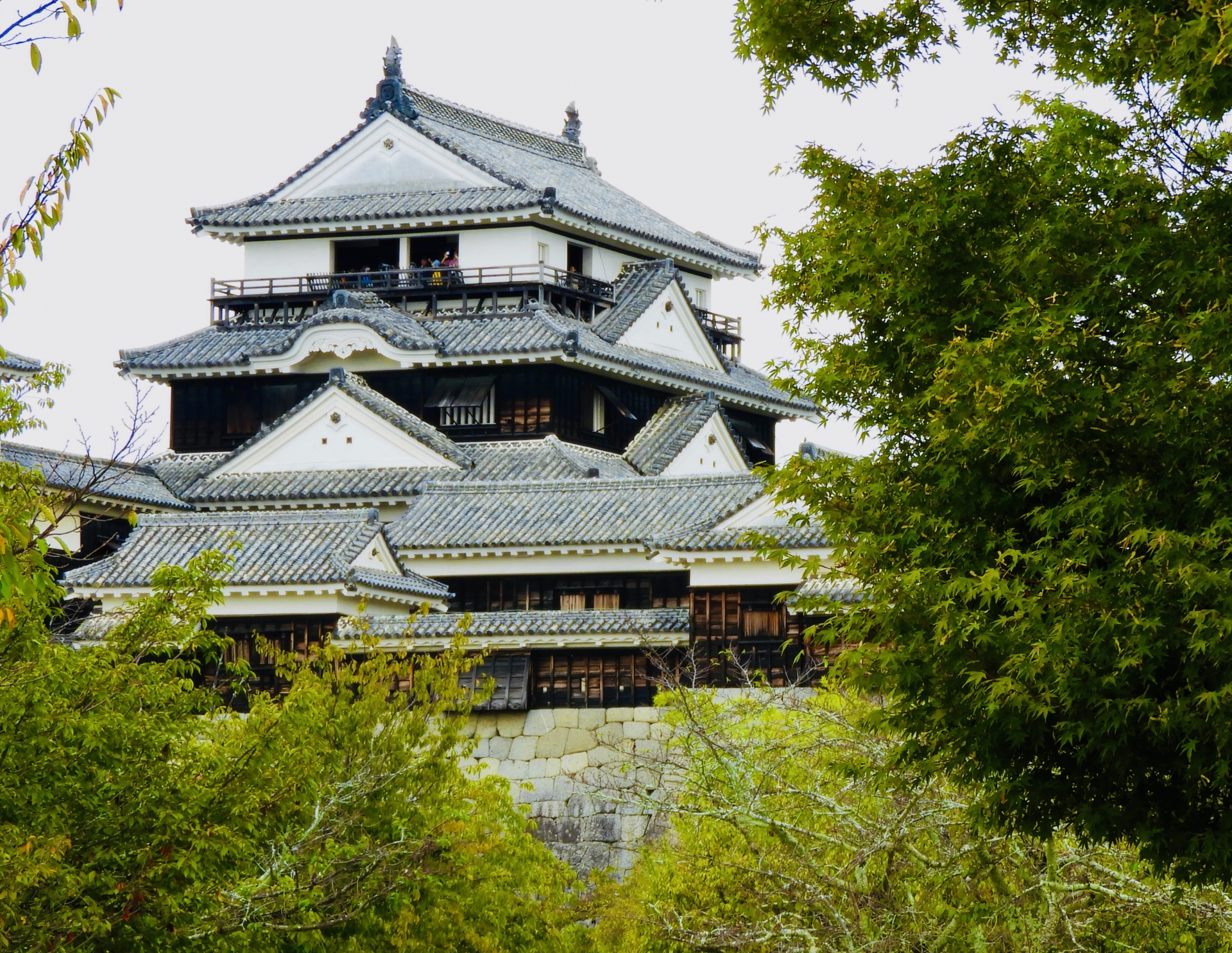
The heart of the fortress, this complex is one of only twelve 'original keeps' remaining in Japan. Running your hand along the weathered, dark wood of the interior, you feel the weight of centuries. The climb to the top floor rewards the senses with a 360-degree panorama: the urban grid of Matsuyama below, the rolling green mountains of Shikoku to the east, and the azure expanse of the Seto Inland Sea to the west. It is a masterclass in feudal defensive design, featuring 'hidden' gates and murder holes that whisper of a turbulent past.
Ninomaru Historical Garden
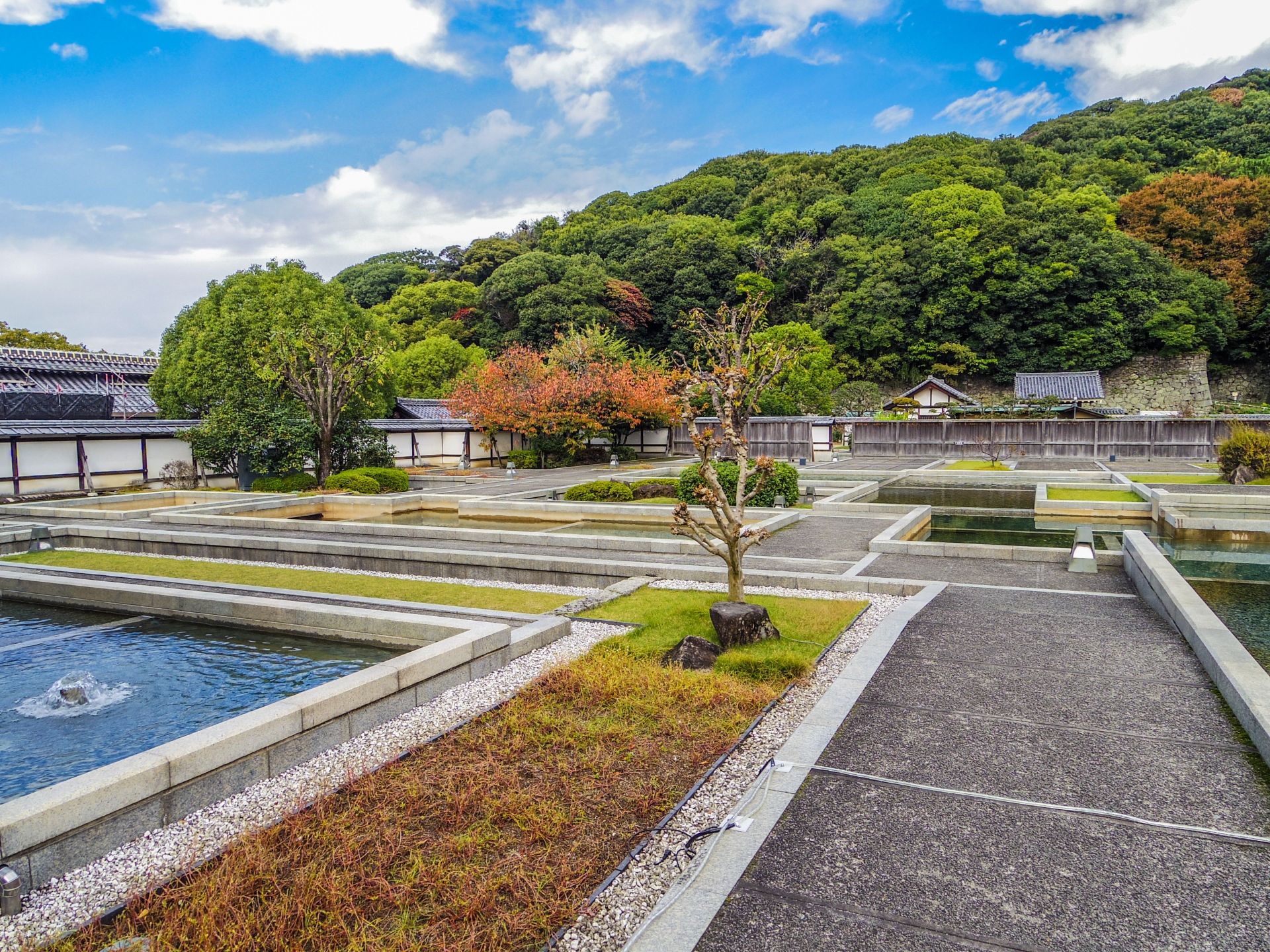
Located at the foot of the castle hill, this garden is a 'Power Spot' built upon the foundations of the former lord's palace. It is famously known as the 'Citrus Garden,' where various species of Ehime’s famous mikan trees flourish amidst meticulously reconstructed stone layouts. The sound of trickling water in the 'Water Garden' creates a serene auditory backdrop, making it a favorite for couples and those seeking spiritual quietude. The contrast between the rugged stone walls and the delicate seasonal blooms is a visual symphony of strength and grace.
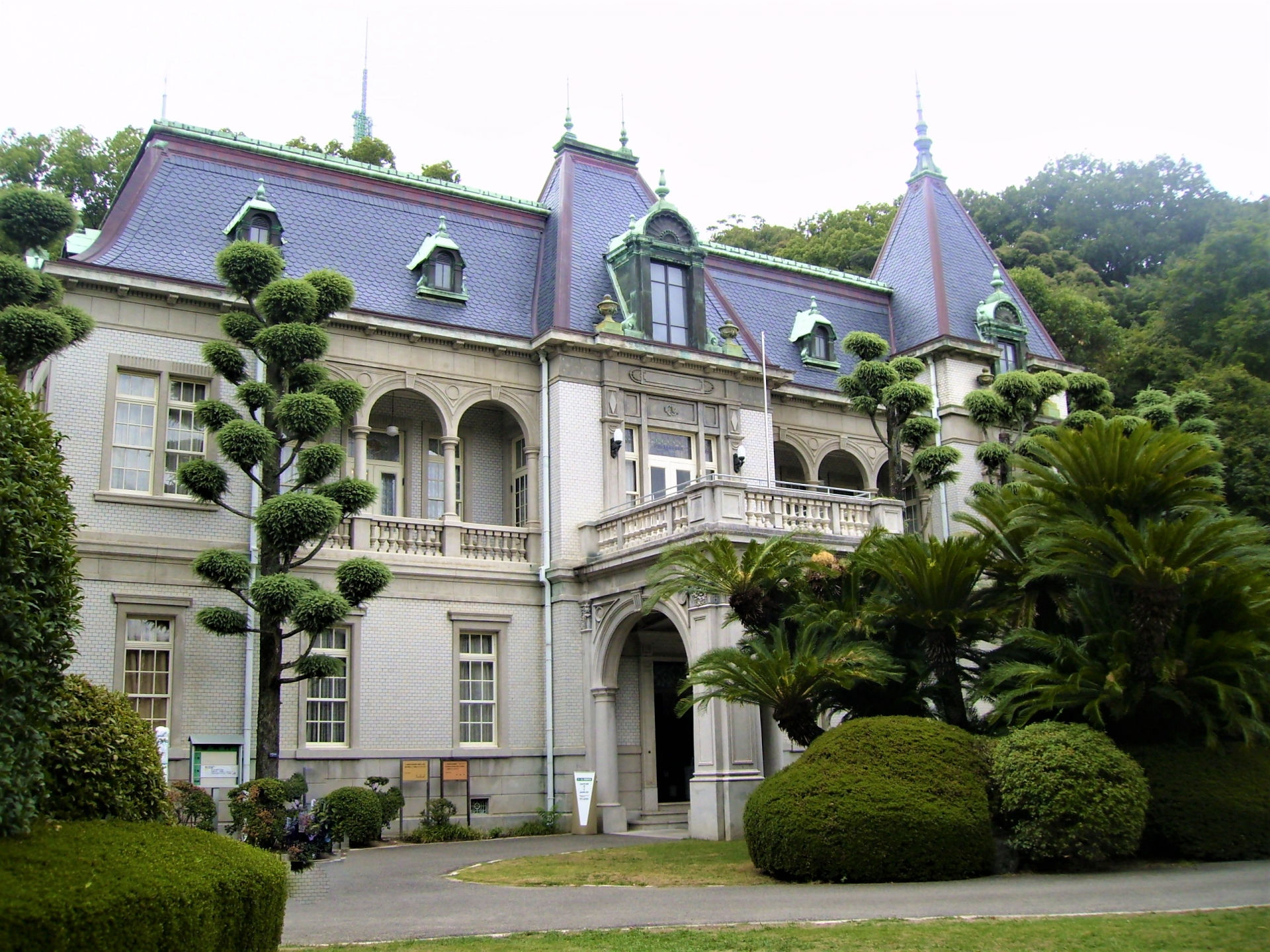
Bansuiso Villa
A startling departure from samurai aesthetics, this French Renaissance-style villa was built in 1922 by a descendant of the Matsuyama lords. Its emerald-green roof and ornate granite exterior stand as a testament to Taisho-era romanticism. Inside, the atmosphere is thick with nostalgia: velvet curtains, crystal chandeliers, and magnificent stained-glass windows that filter the sunlight into a kaleidoscope of colors. It is a sophisticated architectural bridge between East and West, offering a quiet, aristocratic escape from the modern city streets.
Local Soul Food
Tastes you can't find anywhere else.
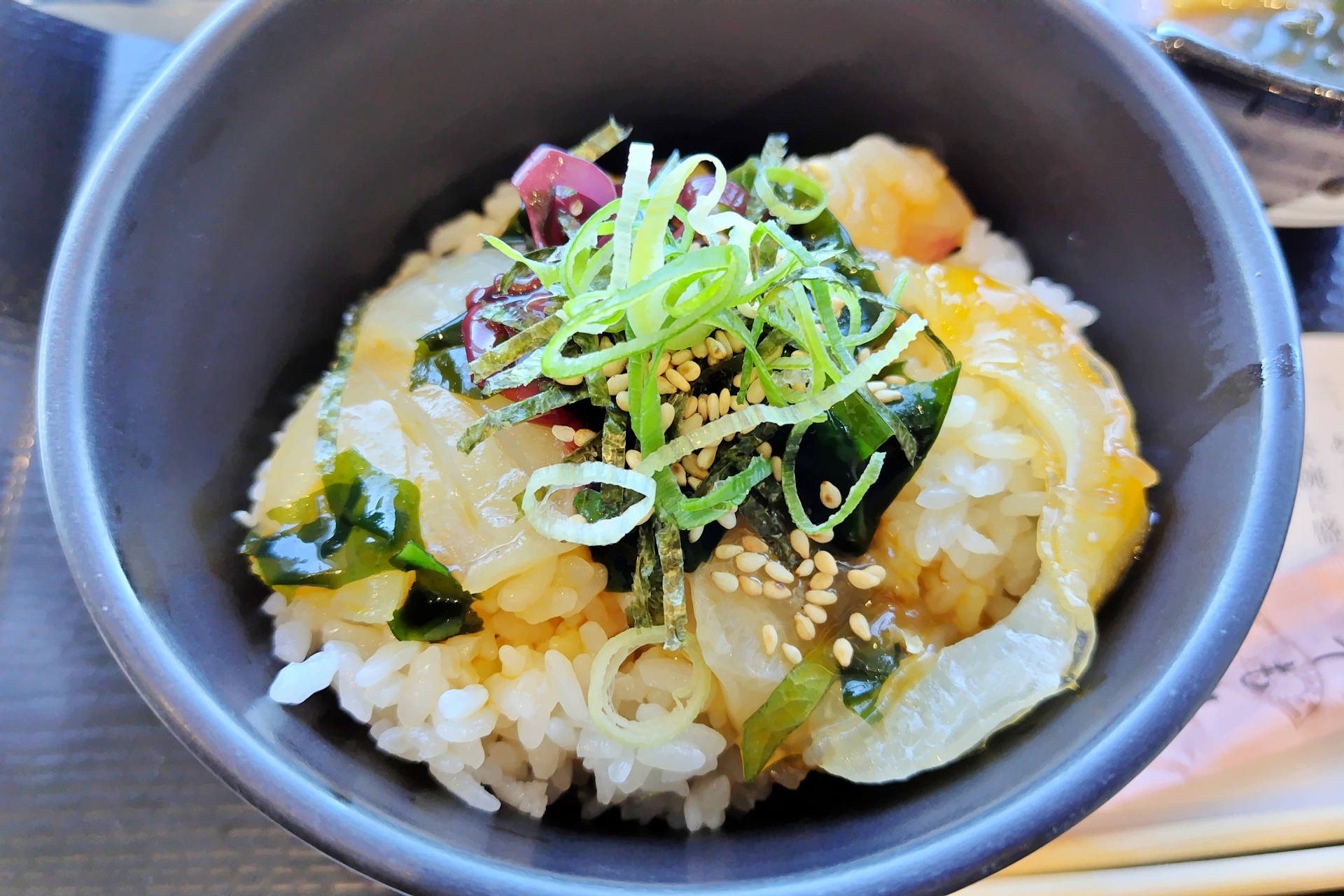
Matsuyama Taimeshi
Unlike the raw variety found elsewhere, Matsuyama-style Taimeshi involves cooking a whole, fresh sea bream with premium local rice in a clay pot. The result is a fragrant masterpiece where the rice absorbs the savory essence of the fish, seasoned with light soy and ginger. The texture is a delicate balance of fluffy grains and the buttery melt of perfectly steamed sea bream flakes.
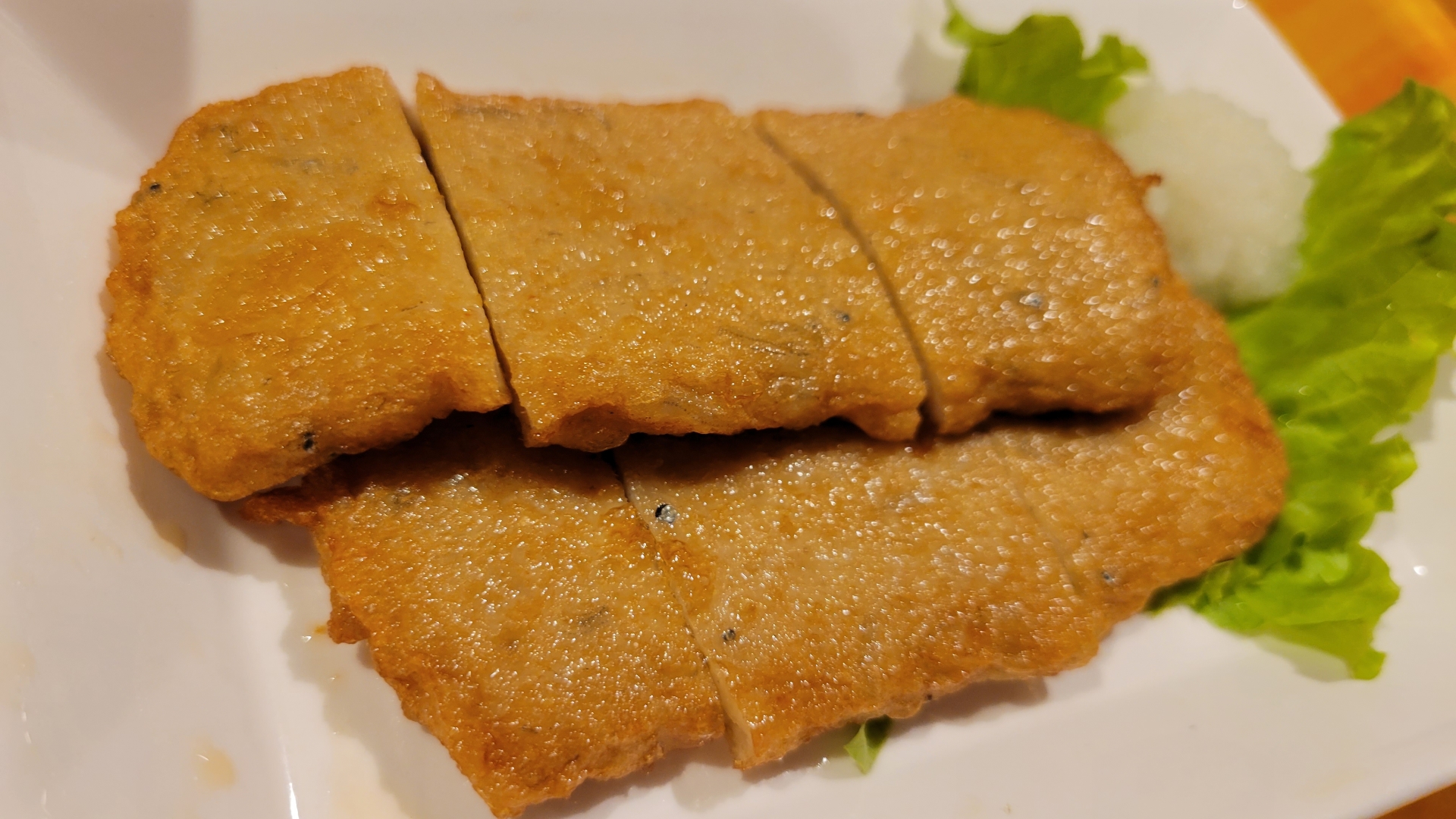
Jakoten
A soul food staple of Ehime, these are small fish minced with their bones and skin, then deep-fried into savory patties. The smell is irresistibly toasted and briny. Each bite offers a rustic, slightly gritty texture that releases a deep umami flavor, best enjoyed hot from a street vendor with a squeeze of local sudachi citrus to cut through the richness.
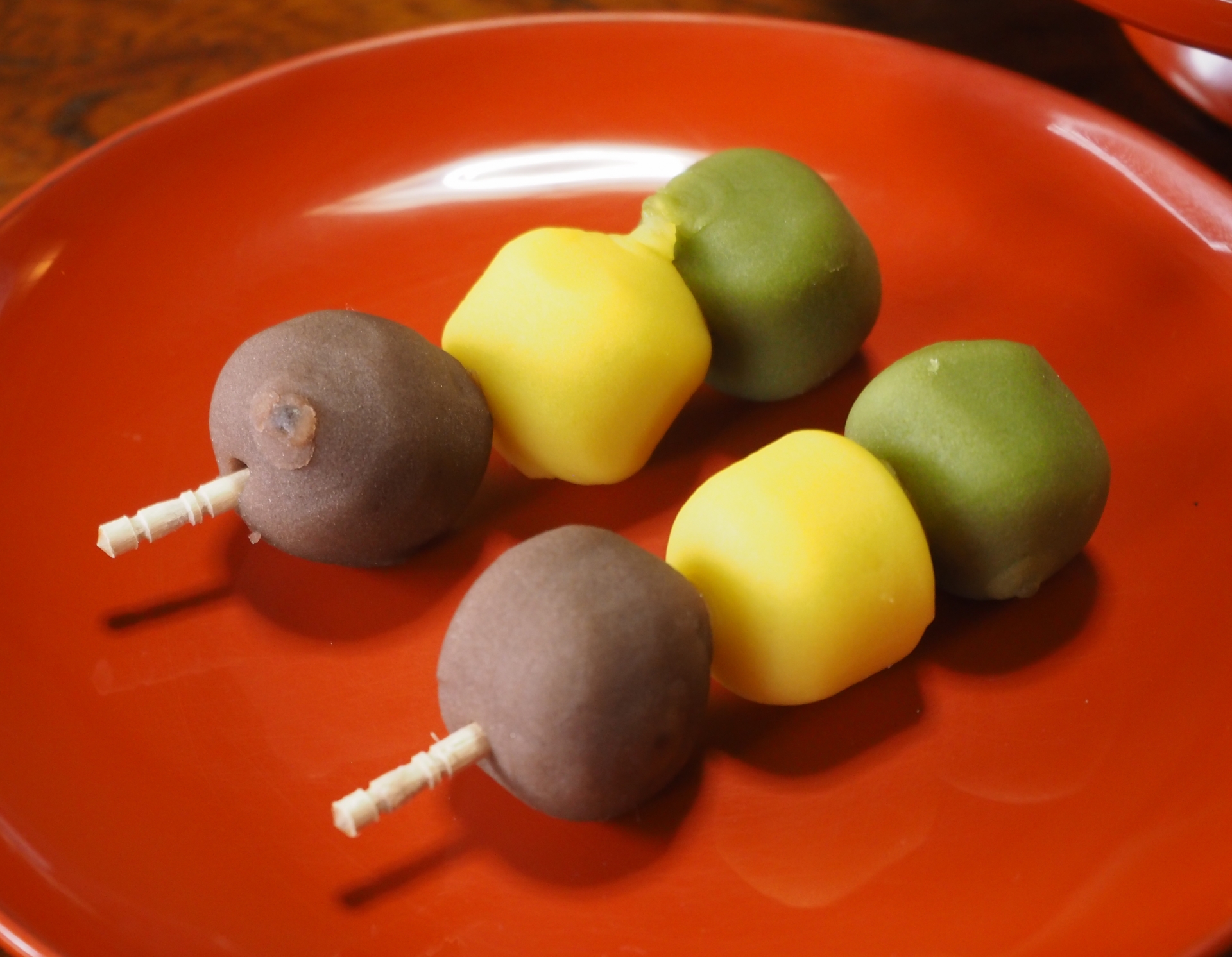
Botchan Dango
Inspired by Natsume Soseki’s famous novel, these iconic sweets consist of three colored dumplings—matcha (green), egg (yellow), and red bean (brown). The texture is incredibly smooth and supple, providing a gentle sweetness that pairs perfectly with a cup of bitter green tea. It is a bite-sized piece of Matsuyama’s literary and culinary history.
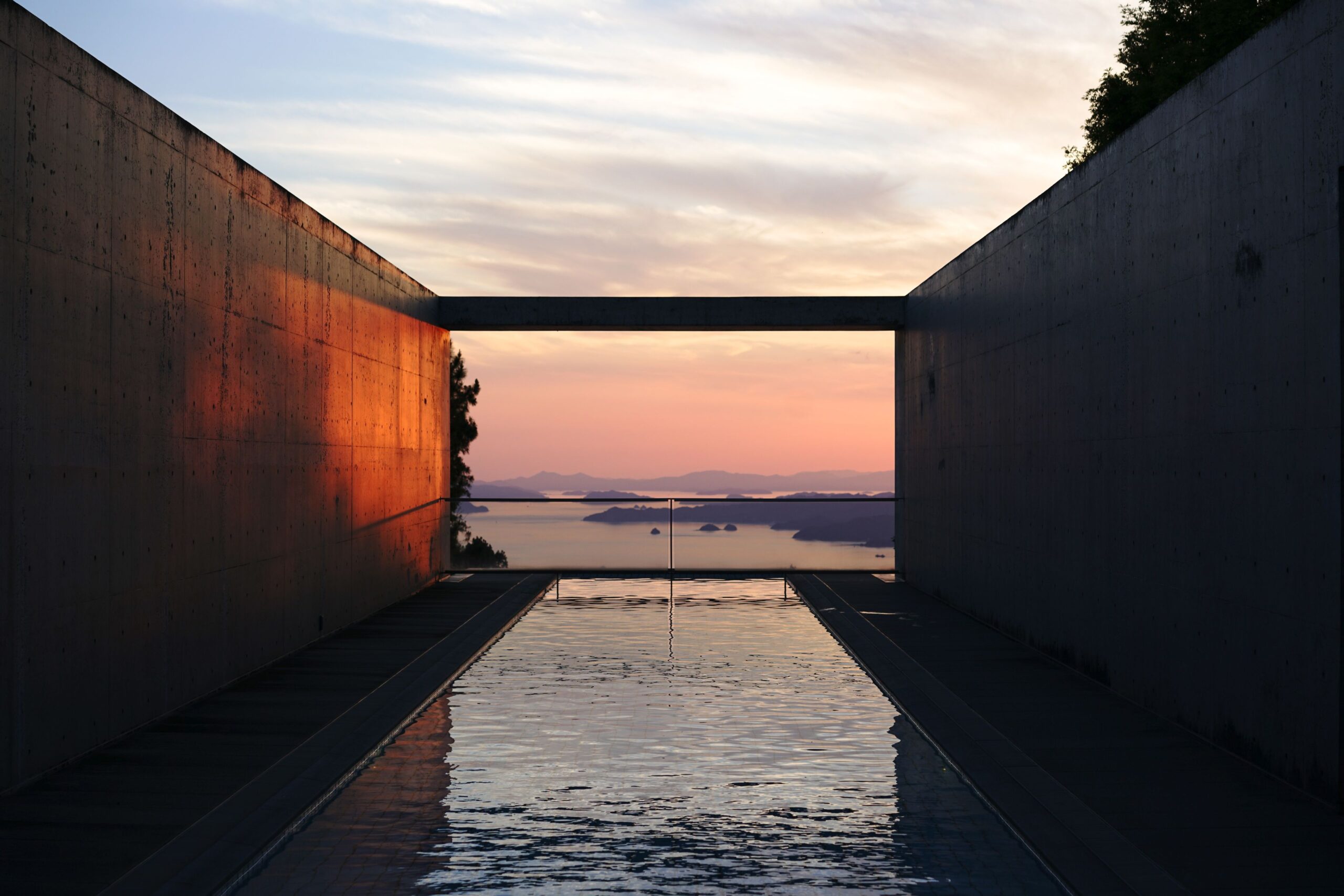
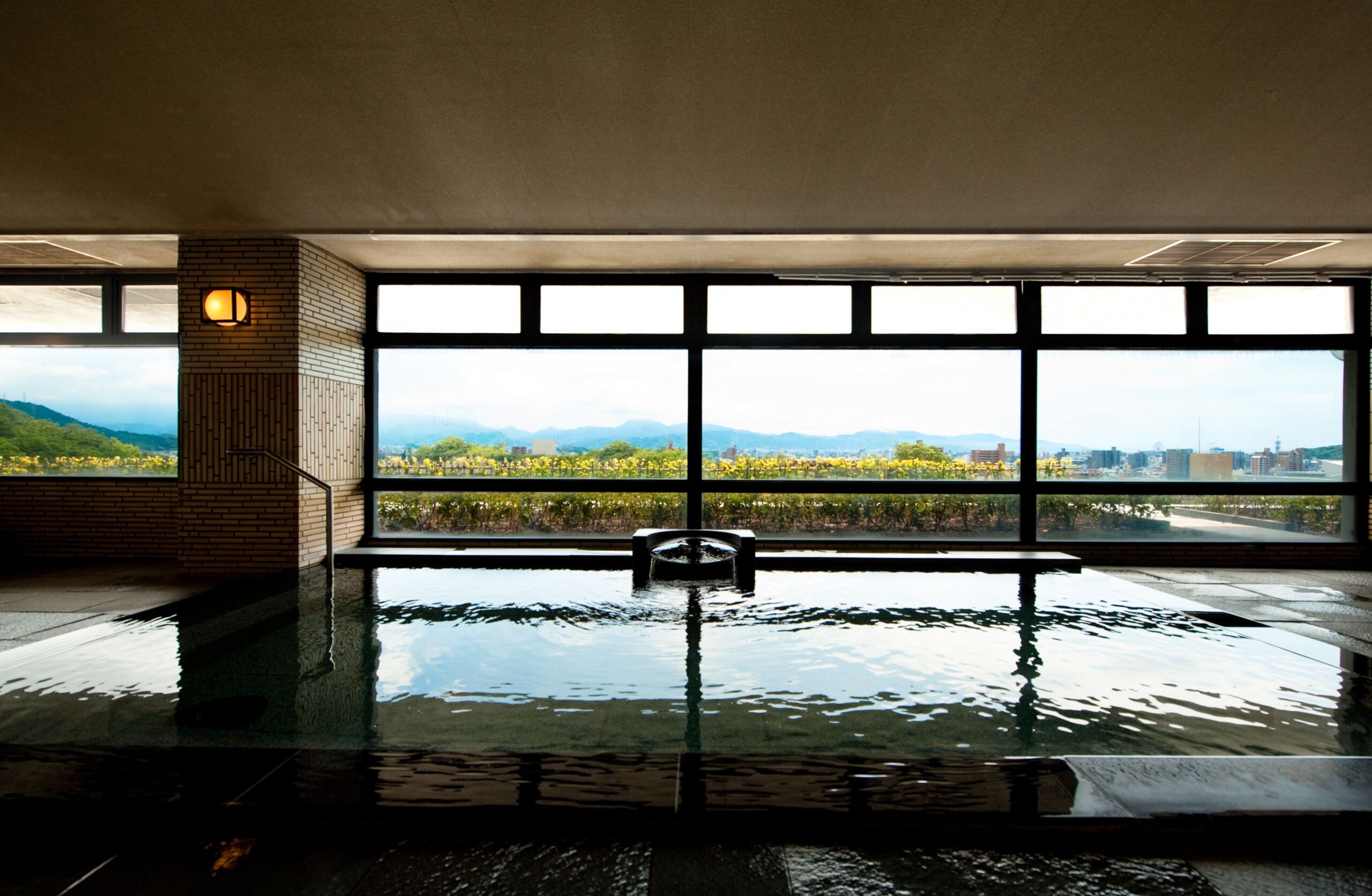
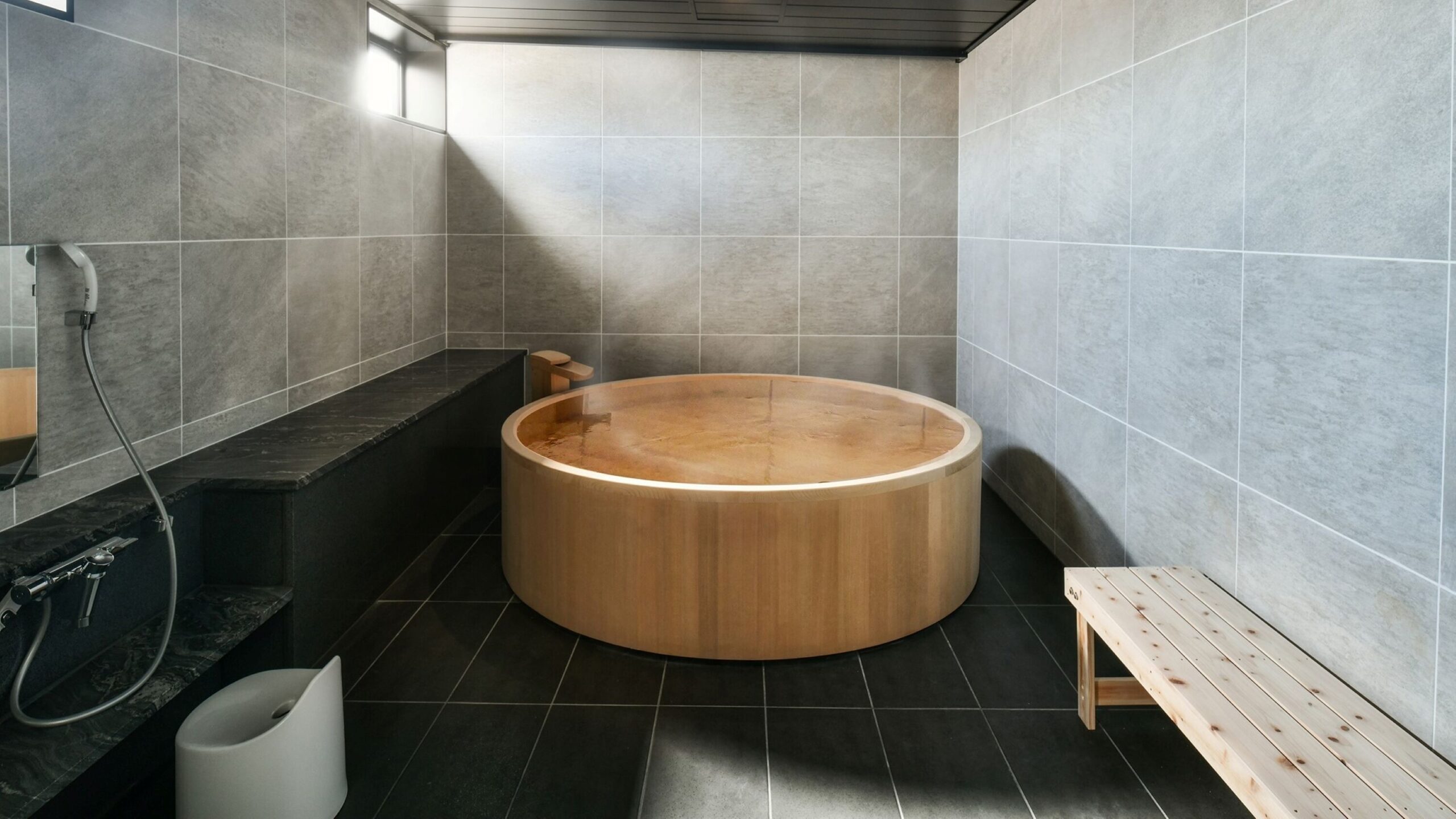
Premium Stays
For the ultimate experience, stay in the Dogo Onsen district to the east of the castle for traditional luxury, or near Matsuyama City Station for modern convenience and easy access to the castle ropeway.
Getting There
From JR Matsuyama Station, take the No. 5 tram (Iyo Railway) to the 'Okaido' stop (approx. 10 mins). From there, it is a 5-minute walk to the Castle Ropeway station. Trams run every 10-15 minutes.
FAQ
Inspired?
Share this destiny with someone special.