Welcome to Matsushima Bay
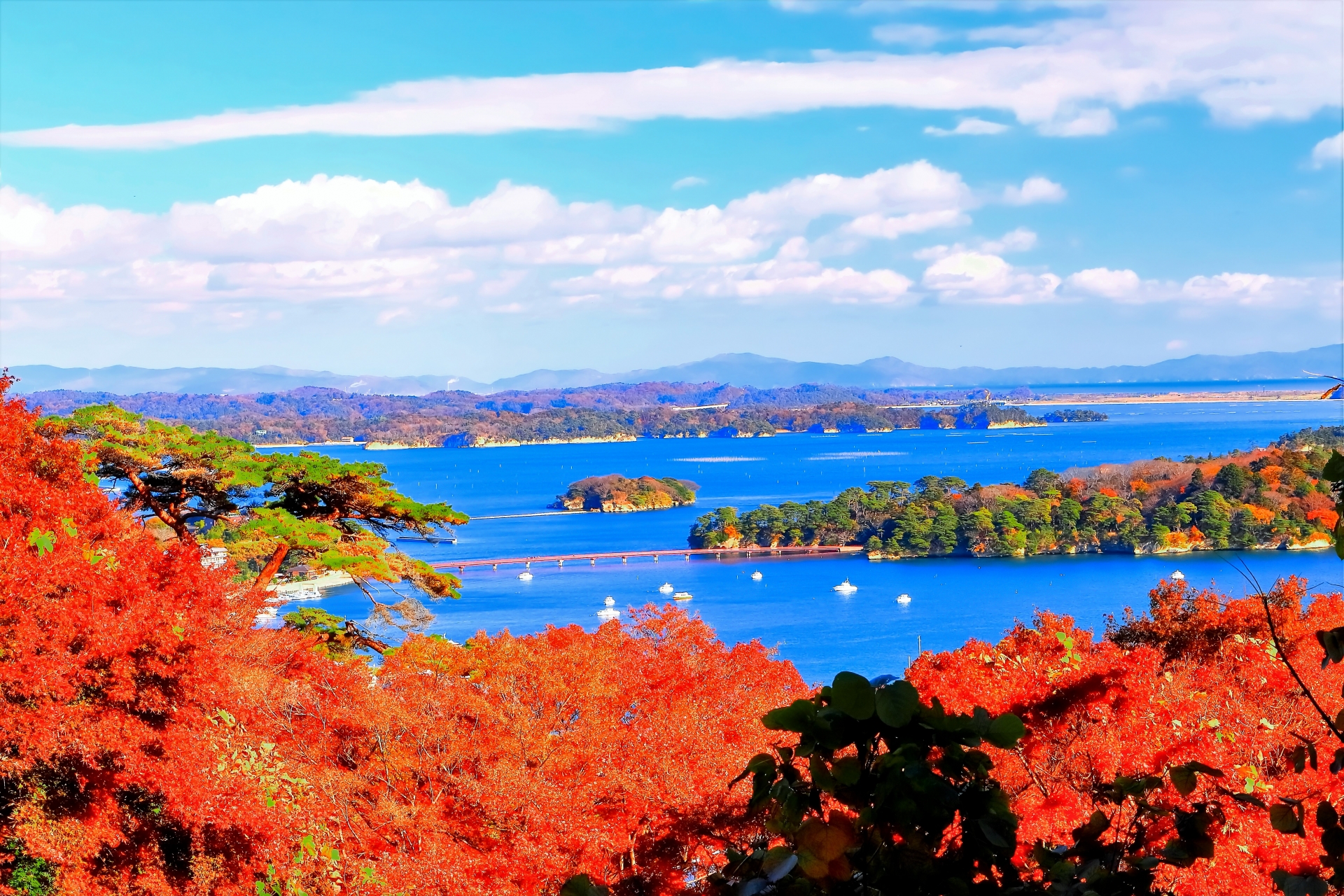
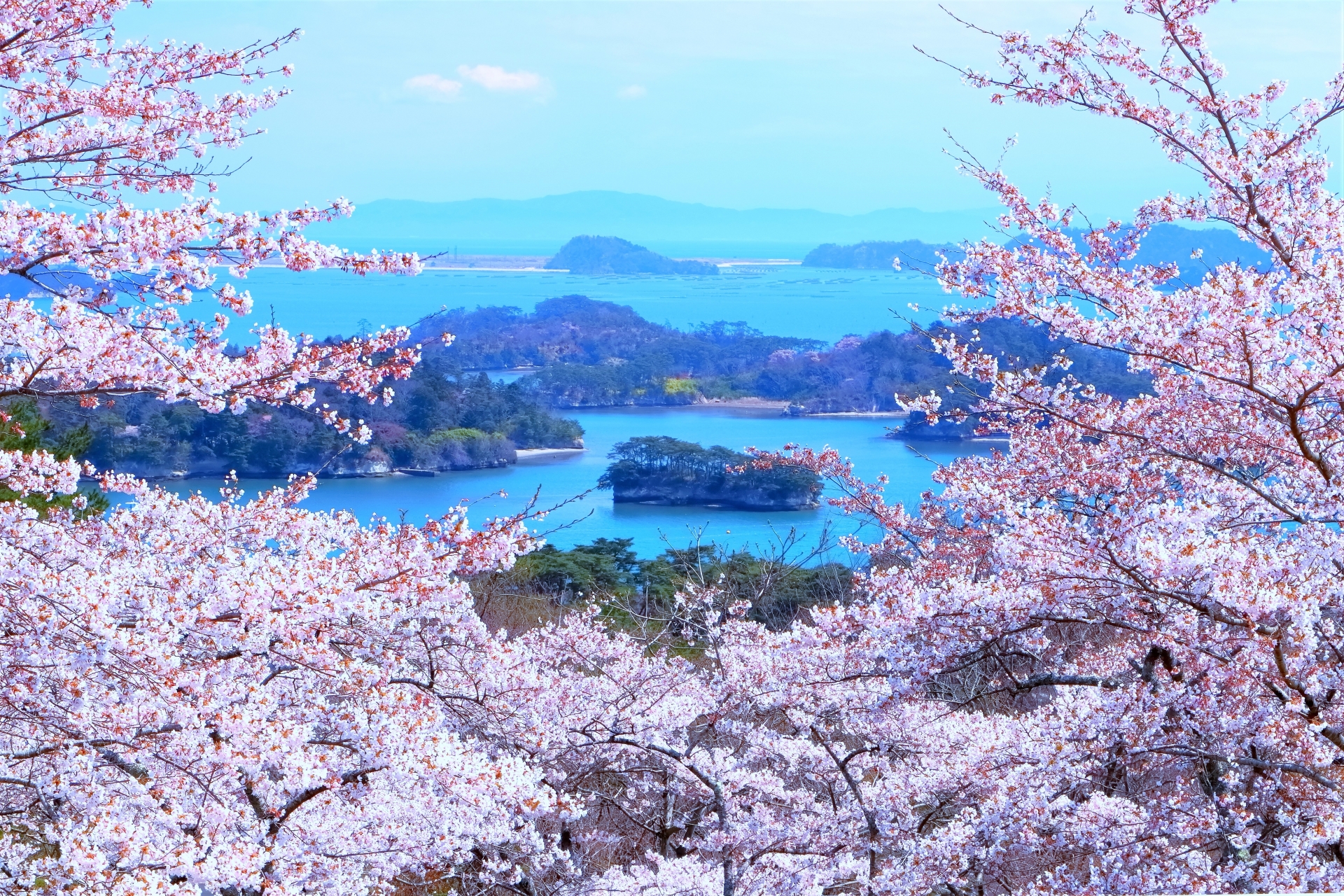
Matsushima Bay is not merely a destination; it is a living ink-wash painting that has captivated poets and emperors for a millennium. As one of the 'Three Views of Japan,' it offers a profound sensory journey where the briny scent of the Pacific meets the ancient, grounding aroma of cedar forests. The landscape is a labyrinth of pine-clad islets, each sculpted by the relentless rhythm of the tides. Here, time slows to the pace of a drifting boat, and the spiritual weight of the region’s temples provides a sanctuary for the modern soul. Whether you are tracing the footsteps of the haiku master Basho or indulging in the creamy decadence of local oysters, Matsushima promises an encounter with the sublime.
Zuigan-ji Temple
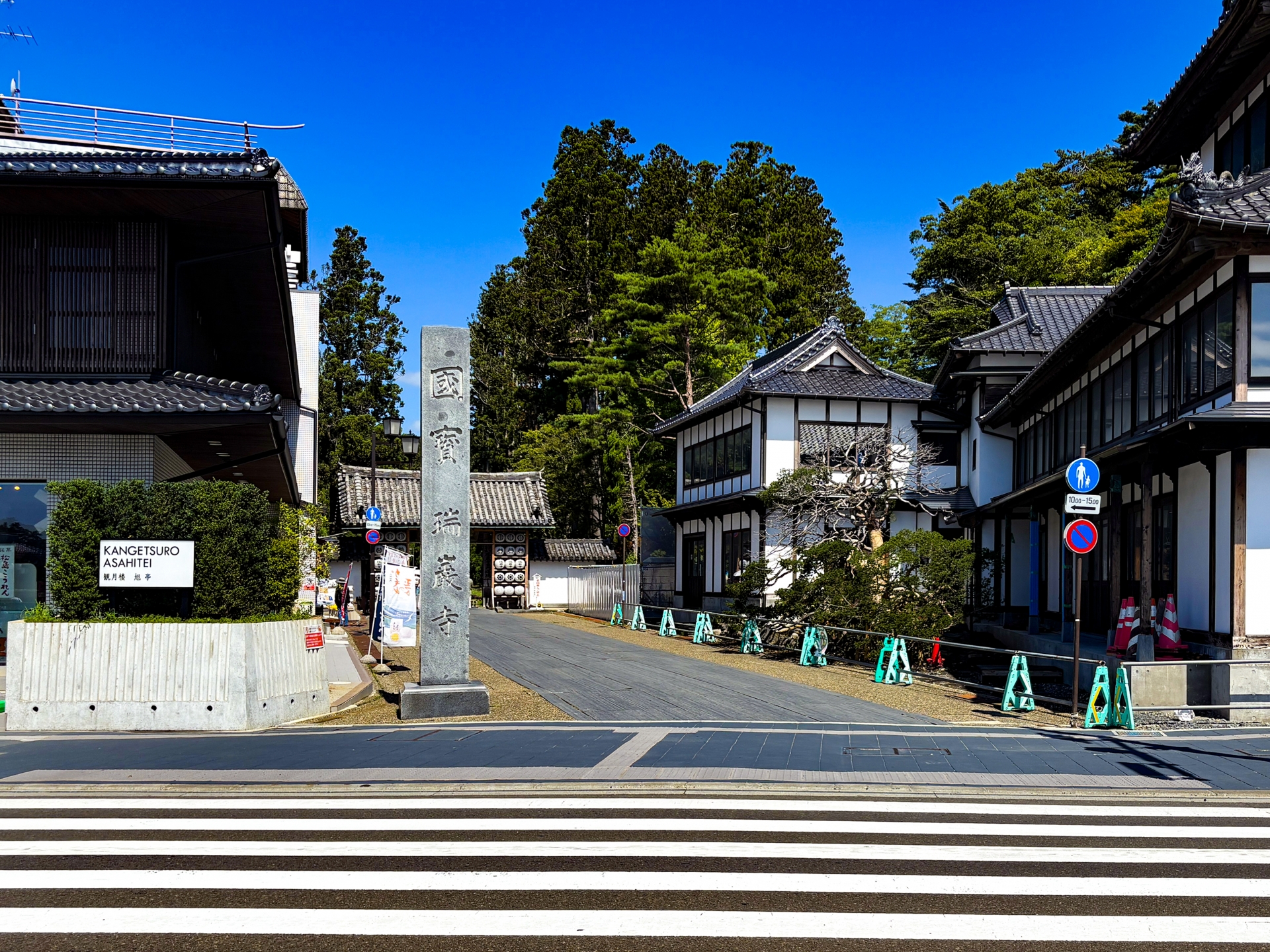
Stepping into Zuigan-ji is an immersion into the spiritual heart of the Date clan. The approach, flanked by towering, ancient cedars, filters the sunlight into a subterranean green glow. Inside, the Main Hall reveals a breathtaking juxtaposition of austere Zen philosophy and the opulent gold-leaf artistry of the Momoyama period. The air carries the faint, sweet scent of incense and weathered timber. As you wander through the hand-carved meditation caves, the weight of centuries of prayer resonates through the cool, damp stone walls of this national treasure.
Fukuurajima Island
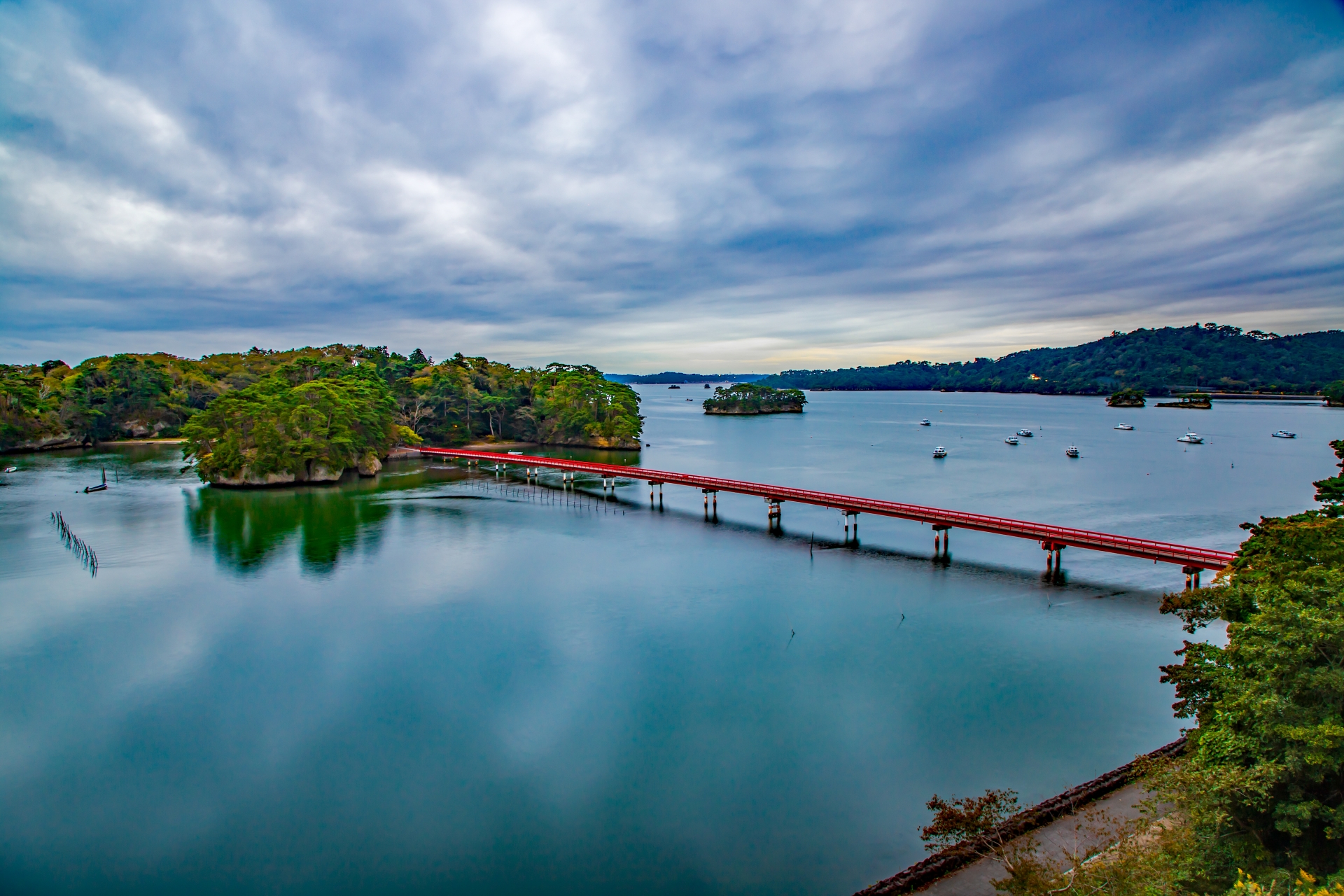
Crossing the 252-meter vermillion bridge to Fukuurajima is a rite of passage, a symbolic transition from the mundane to the ethereal. Known as the 'Enmusubi' bridge, it is said to forge lasting romantic connections. Once on the island, the forest canopy opens to reveal over 250 species of flora, their leaves whispering in the saline breeze. Every clearing offers a new perspective of the bay—a sapphire canvas dotted with pine-clad islets that seem to float like emerald jewels. It is a sanctuary of profound coastal beauty and quietude.
Entsu-in Temple
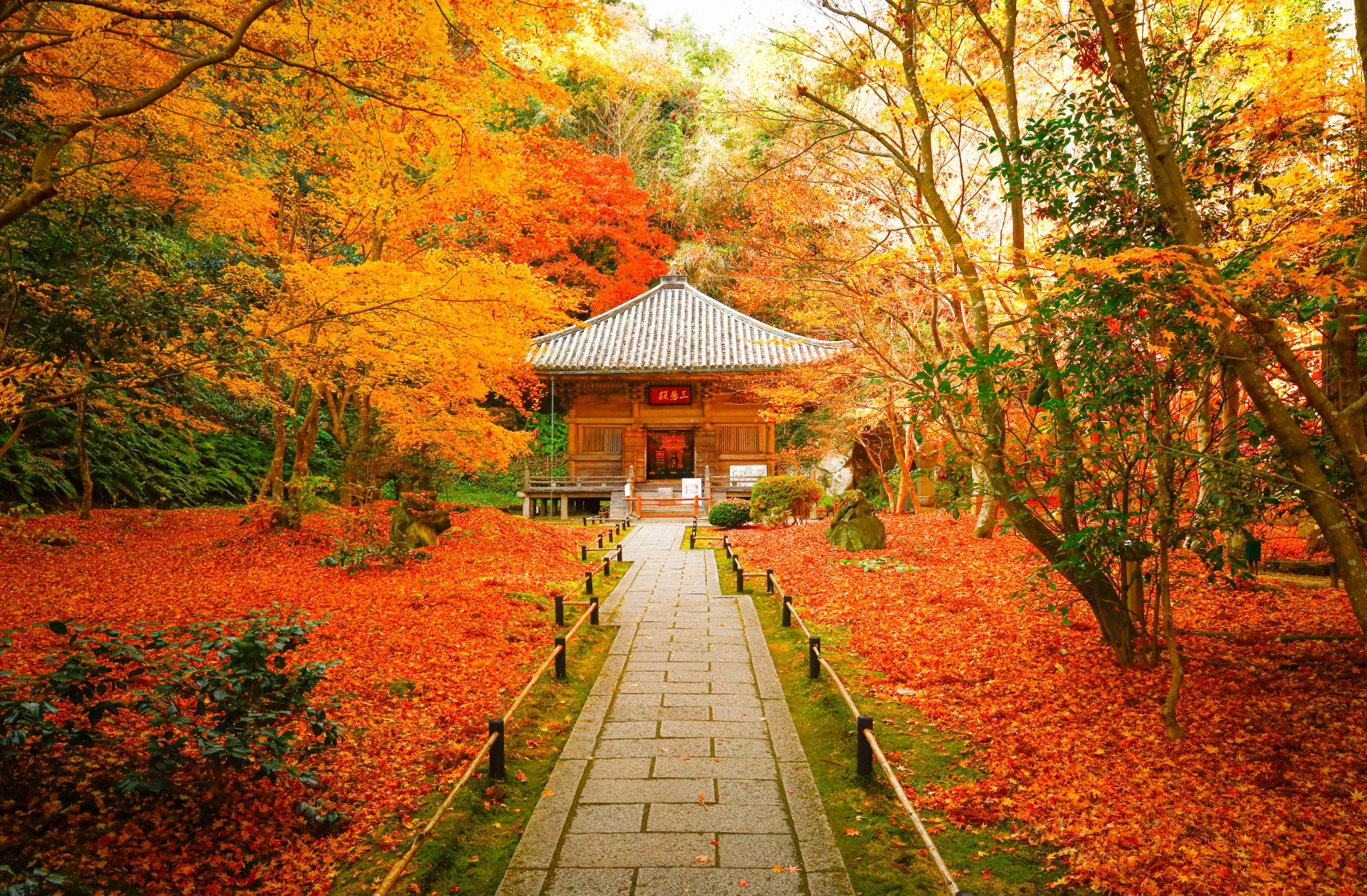
Adjacent to Zuigan-ji lies Entsu-in, a temple of delicate beauty and poignant history. Dedicated to the young lord Date Mitsumune, it houses a mausoleum adorned with western motifs—roses and crosses—hidden for centuries during the ban on Christianity. The moss garden is a masterpiece of texture; a plush, emerald carpet that feels as though it could absorb every worry. During autumn, the maples ignite in a symphony of crimson, their reflections shimmering in the heart-shaped pond. It is a space where Zen aesthetics and deep personal history intertwine beautifully.
Local Soul Food
Tastes you can't find anywhere else.
Grilled Matsushima Oysters
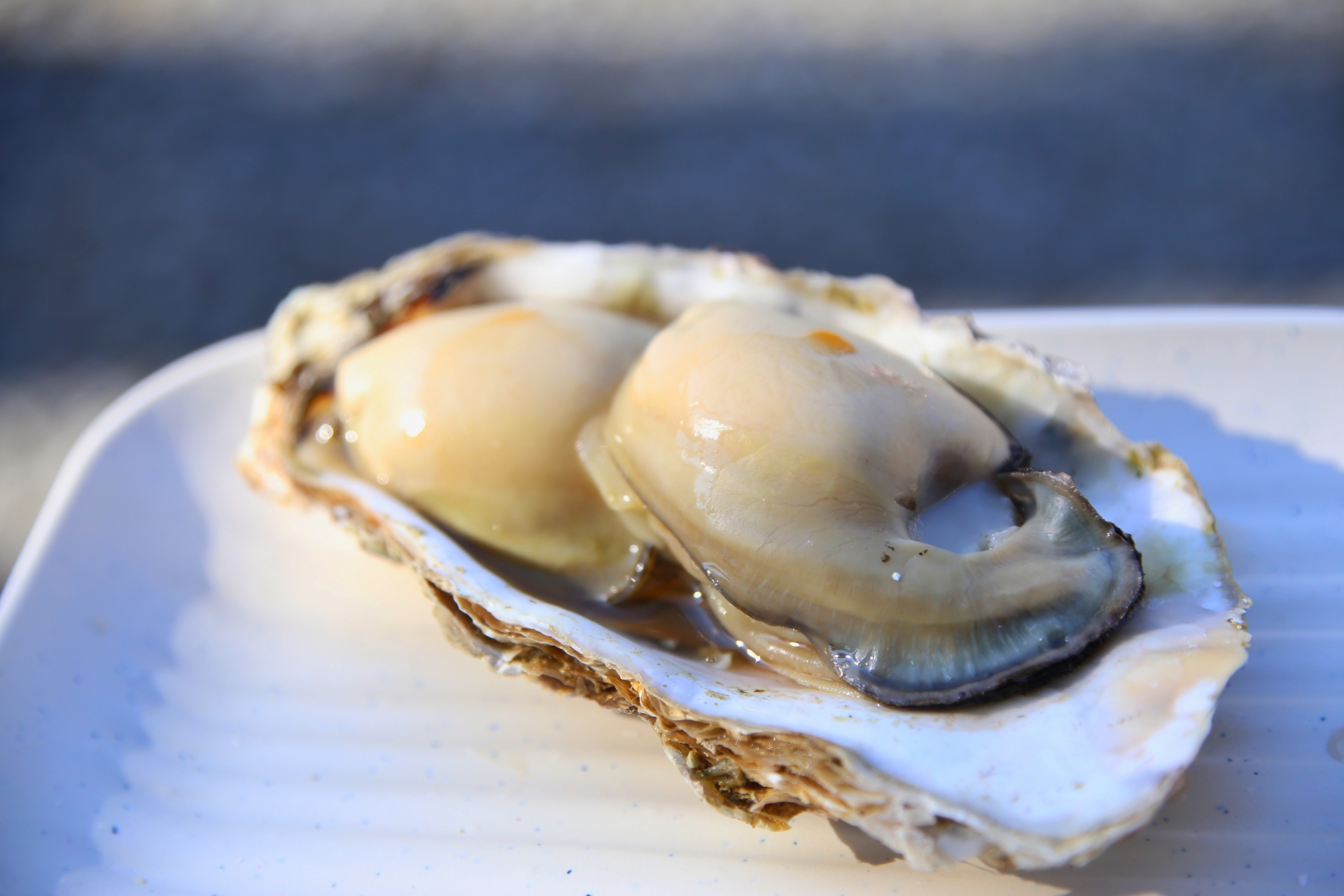
Matsushima’s oysters are the gold standard of the sea. Plump, creamy, and bursting with a refined salinity, they are best enjoyed 'kaki-goya' style—steamed or grilled over open flames until the shells pop. The texture is a velvety melt, releasing a complex liquor that tastes of the pure, cold Pacific depths. A squeeze of local citrus is all that’s needed to elevate this coastal treasure.
Hand-Grilled Sasa-kamaboko
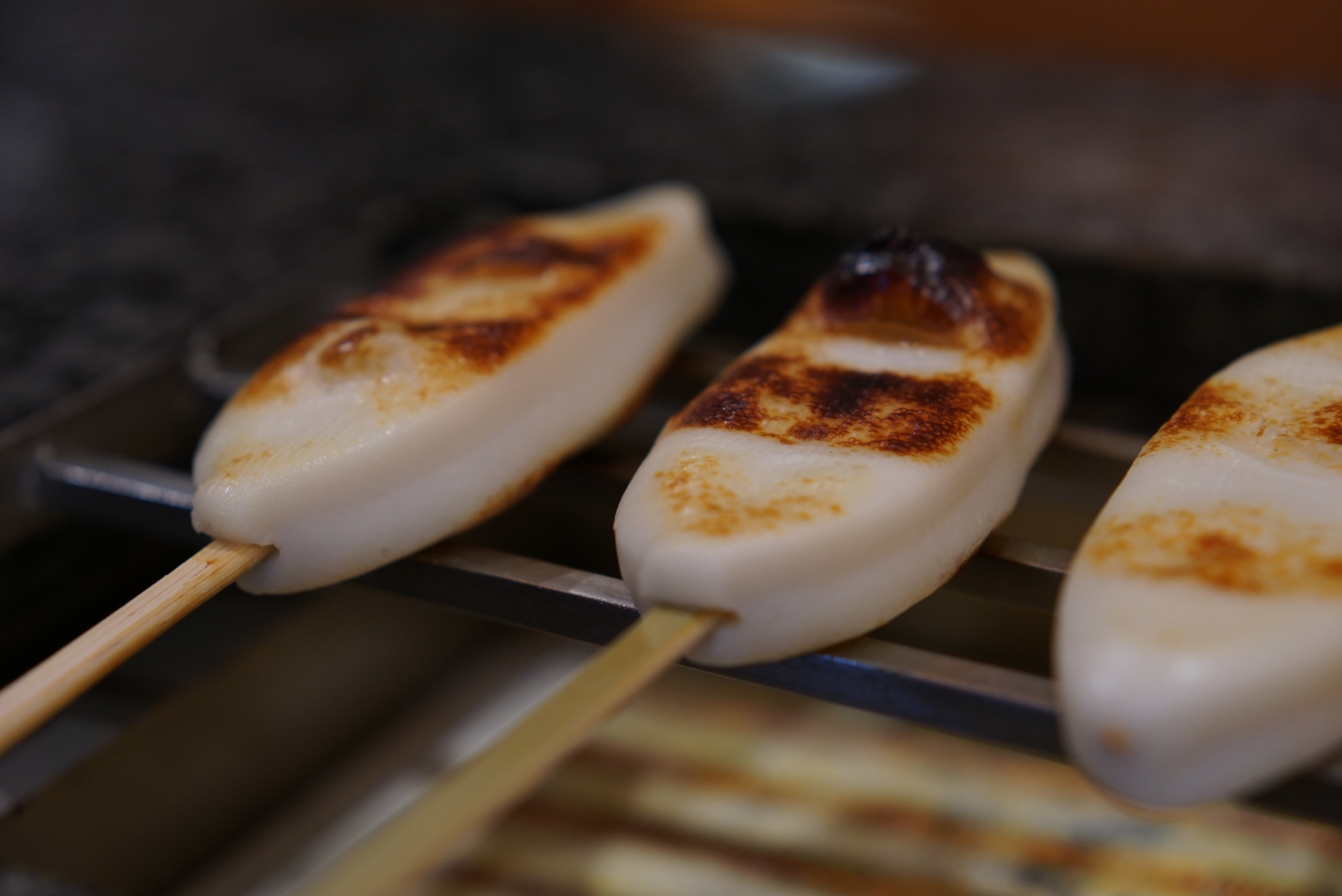
These leaf-shaped fish cakes are a masterclass in texture. Hand-formed from premium white fish paste and grilled over charcoal, they possess a delightful 'ashi'—a characteristic springy bounce. The exterior is kissed with a smoky char, while the inside remains tender and savory. The aroma of toasted sea-salt and sweet fish fills the air as you watch them puff up on the grill.
Zunda Mochi
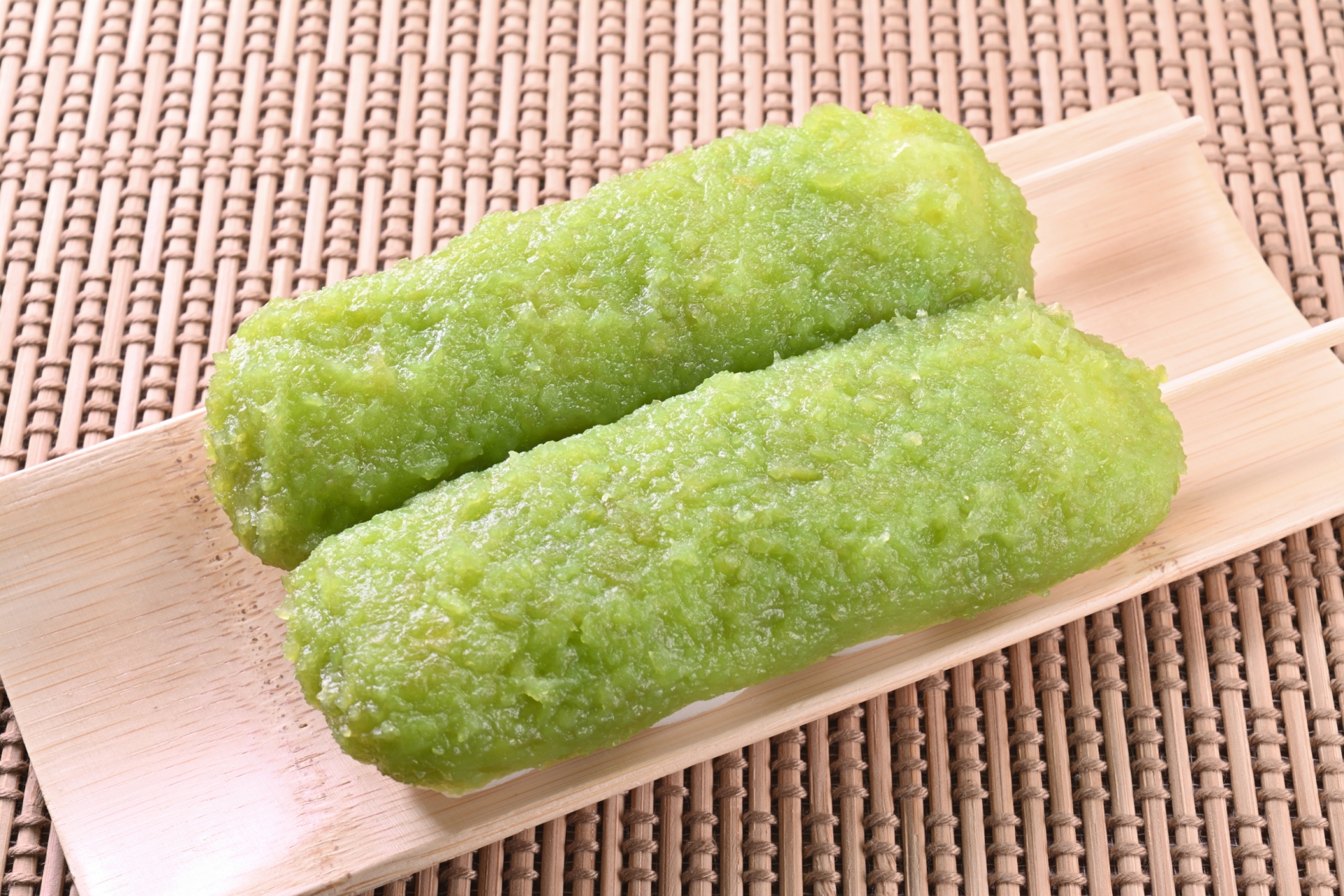
A vibrant, emerald-green delight, Zunda Mochi is a celebration of the harvest. Young edamame beans are crushed into a coarse, fragrant paste, retaining a satisfying crunch and a natural, nutty sweetness. Draped over pillows of warm, elastic rice cake, the contrast between the cool, textured topping and the smooth, chewy base is addictive. It captures the verdant essence of Miyagi in every bite.
Premium Stays
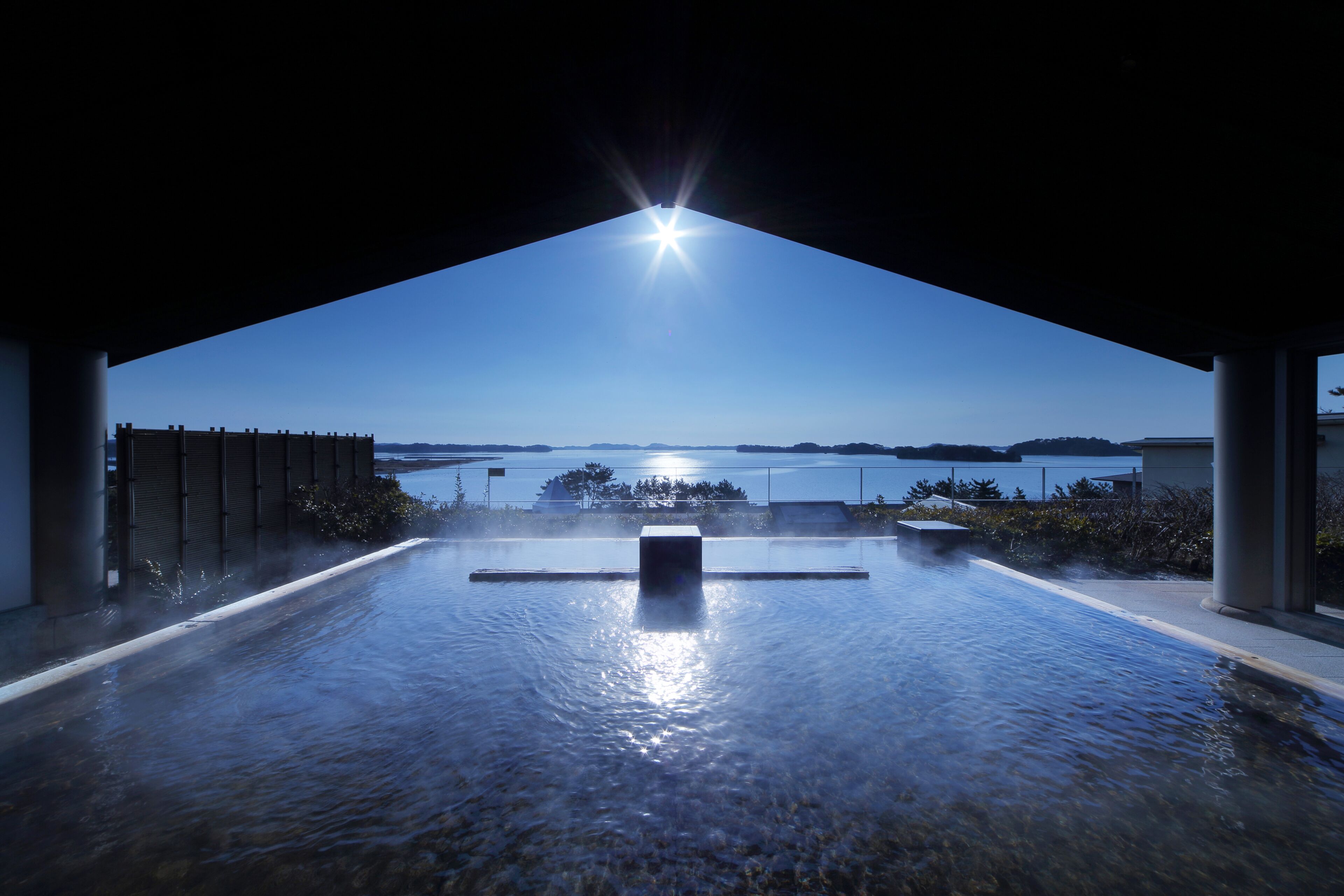
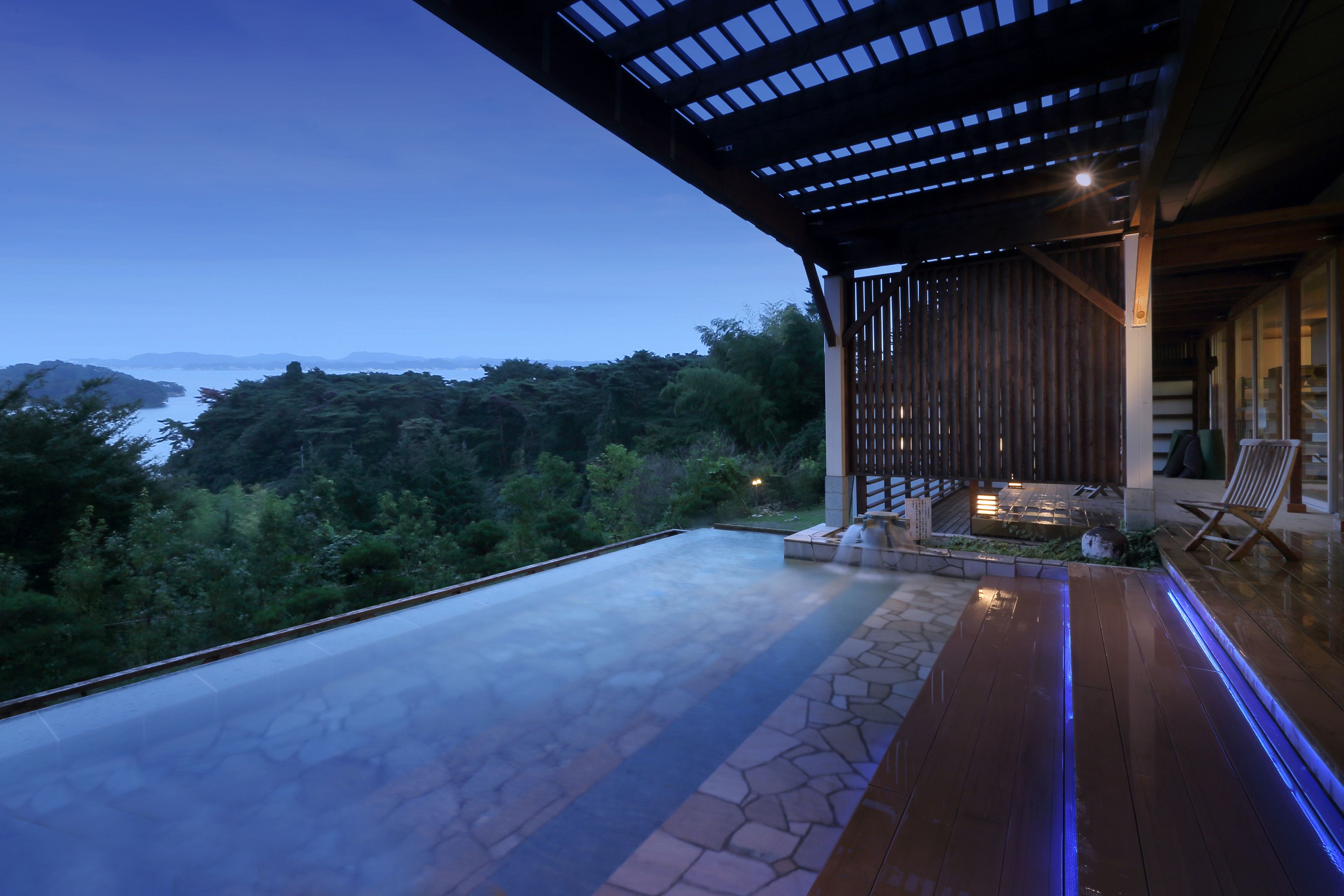
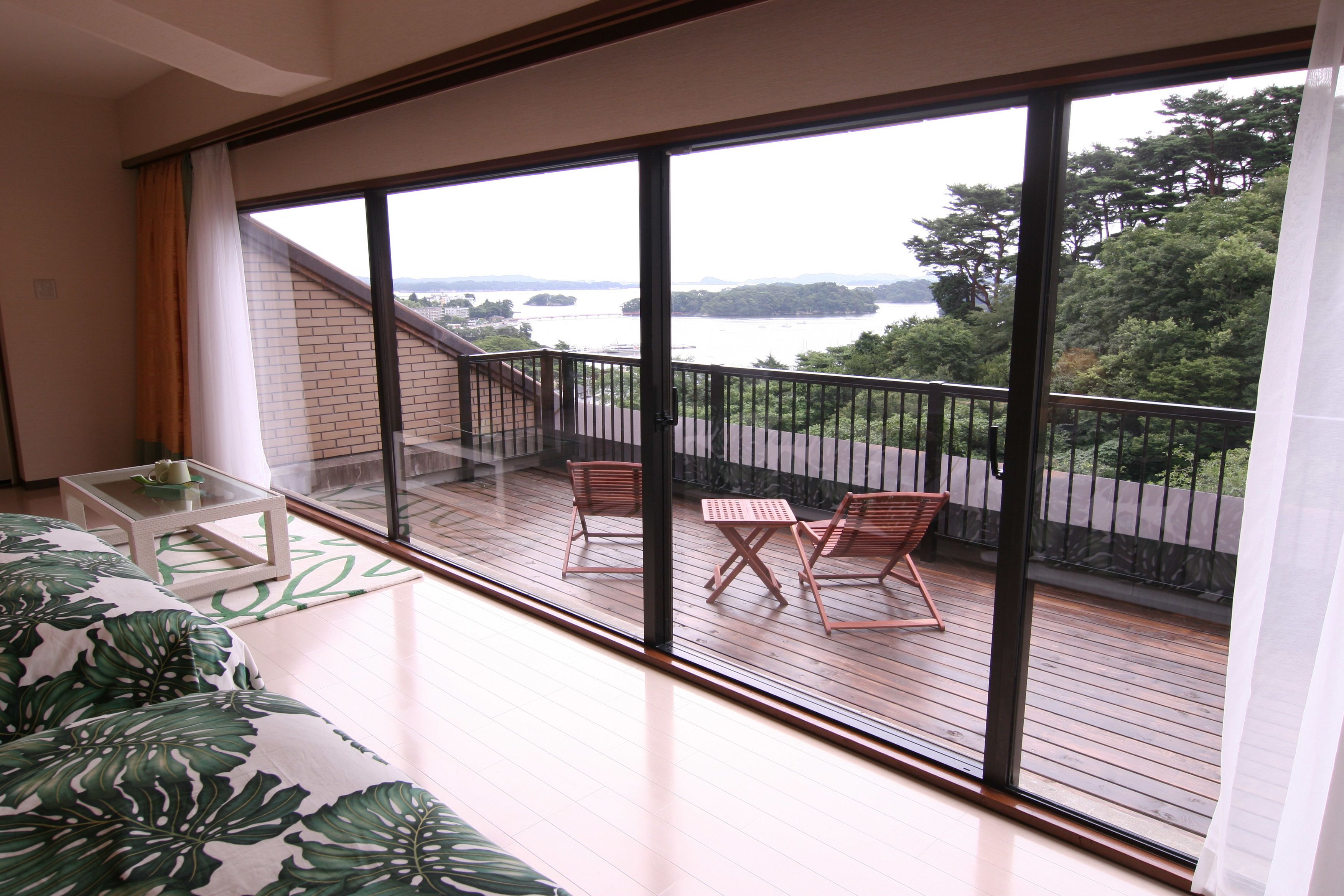
To truly absorb the majesty of the bay, stay within walking distance of the central pier. The high-ground hotels offer panoramic vistas, while the waterfront ryokans provide a more intimate connection with the sound of the waves.
Getting There
Take the JR Senseki Line from Sendai Station to Matsushima-Kaigan Station. Trains run approximately every 30 minutes. Avoid the 'Matsushima Station' on the Tohoku Main Line if you want to be close to the main attractions.
FAQ
Inspired?
Share this destiny with someone special.