Welcome to Lake Shinji
Lake Shinji is not merely a body of water; it is a living canvas where the gods of Izumo paint their daily masterpieces. As Japan’s seventh-largest lake, it offers a sensory symphony of saline-tinged breezes and the rhythmic clinking of shijimi clam baskets against wooden hulls. Here, the atmosphere is heavy with the scent of ancient pine and the spiritual weight of nearby shrines. Visitors are drawn to its obsidian waters for the legendary sunset—a transformative experience where the sky bleeds into hues of bruised plum and molten gold. This is a sanctuary for the soul, a place where time slows to the pace of a drifting pleasure boat, inviting you to witness the profound stillness of Shimane’s most iconic landscape.
Shimane Art Museum
Positioned precariously on the lake's edge, this architectural marvel is designed to harmonize with the horizon. The museum's glass walls reflect the shifting light, but the true treasure lies in the outdoor sculptures—specifically the jumping rabbits that appear to leap toward the water. As the sun dips, the museum lobby becomes a silent theater for the 'Top 100 Sunsets of Japan.' It is a sophisticated marriage of contemporary art and the raw, unbridled beauty of the Shimane coastline, offering a vantage point that feels almost celestial.
Matsue Castle & Horikawa Moat
The 'Black Plover' castle stands as a somber sentinel over the lake. Its original 17th-century timber frames creak with the weight of samurai history, smelling of aged wood and cold stone. Descending from the keep, the Horikawa Moat boat tour offers a low-angle perspective of the city's defenses. As the boat ducks under low bridges—requiring passengers to lean back—the tactile connection to the water is visceral. It is a journey through a living time capsule, where the echoes of the Edo period remain trapped in the weeping willows and basalt walls.
Yomegashima Island
A solitary silhouette against the vast expanse of the lake, Yomegashima is the only island in Lake Shinji. This tiny tuft of land, adorned with a solitary torii gate and a cluster of resilient pines, is the focal point of the area's spiritual energy. During low tide or via a sunset cruise, the island appears to float in a void of liquid gold. It is a 'power spot' that demands silence; the only sound is the gentle lap of the brackish water against the stones, creating a profound sense of isolation and peace.
Local Soul Food
Tastes you can't find anywhere else.
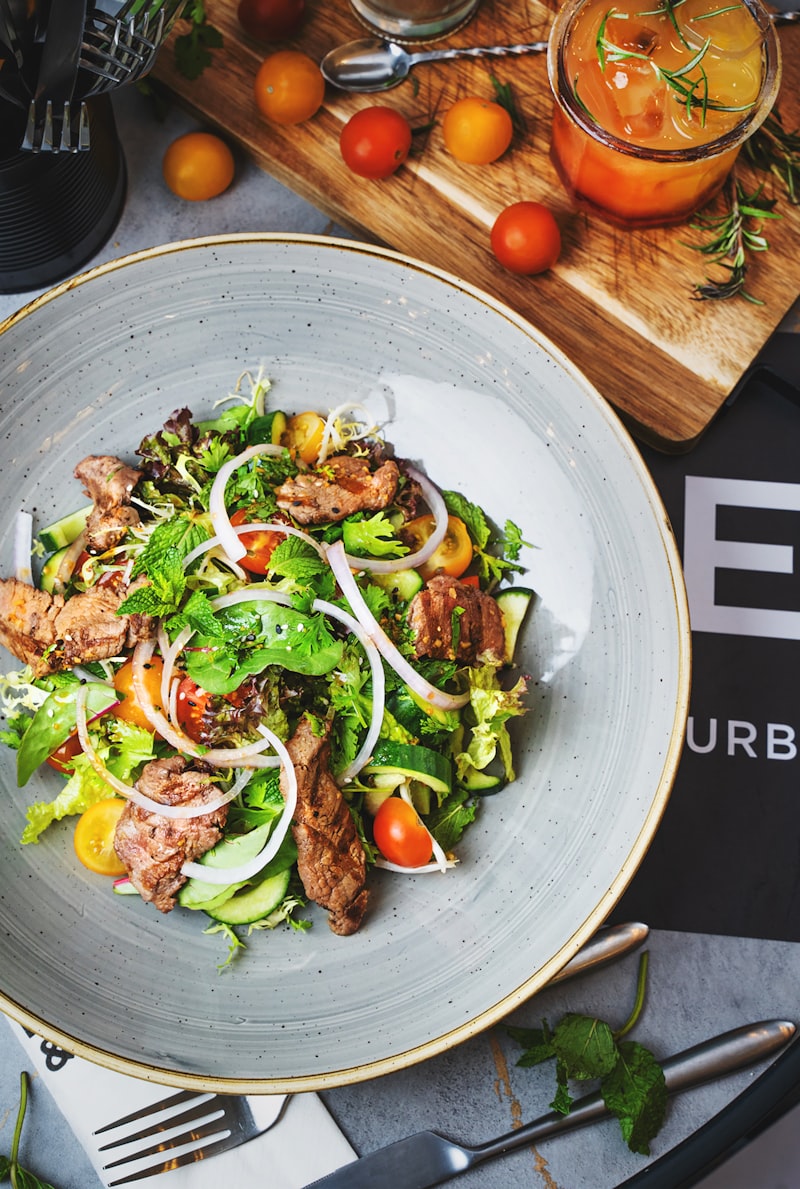
Shinji-ko Shijimi Soup
The quintessential taste of Matsue. These tiny, jet-black brackish water clams pack an explosive umami punch. The broth is cloudy, rich, and deeply restorative, carrying the mineral essence of the lake. Each clam offers a delicate, tender bite that melts against the tongue, releasing a subtle sweetness that lingers long after the bowl is finished.
Izumo Soba (Warigo Style)
Unlike the pale noodles of Tokyo, this soba is dark, rustic, and incredibly fragrant, made from unhusked buckwheat. Served in three stacked vermillion lacquer bowls, you pour the dashi directly over the noodles. The texture is firm and earthy, perfectly complemented by spicy grated daikon and the snap of fresh nori.
Agonoyaki (Grilled Flying Fish)
A local delicacy with a smoky, charred aroma that wafts through the streets of Matsue. This oversized fish cake is made from premium flying fish (Ago), wrapped around a thick bamboo pole and slow-roasted over charcoal. The exterior is resilient and savory, while the inside remains moist, airy, and infused with the scent of the sea.
Premium Stays
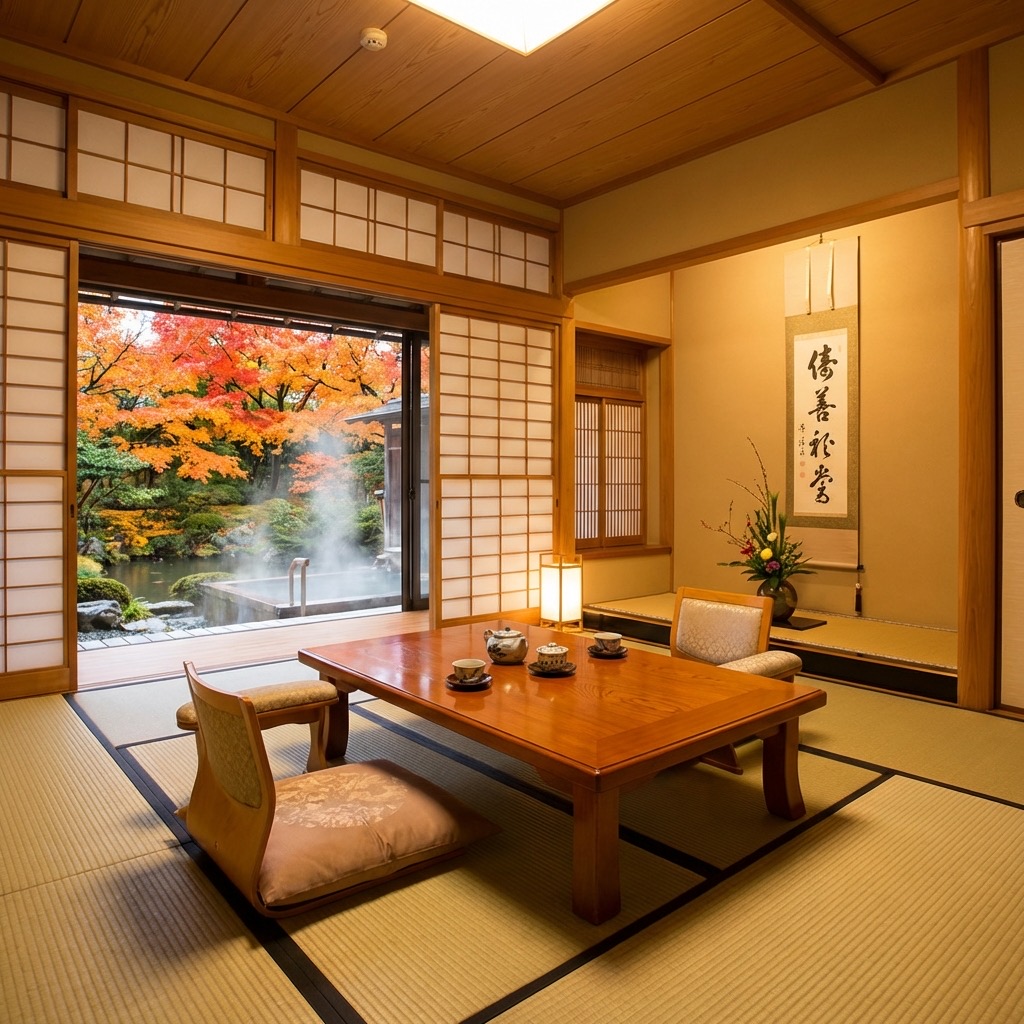
To truly capture the essence of Shimane, stay along the northern shore of Lake Shinji or within the Matsue Shinjiko Onsen district for direct access to therapeutic thermal waters and sunset views.
Getting There
Access via JR Matsue Station. Local 'Lake Line' buses loop every 20-30 minutes, connecting the castle, museums, and sunset spots. Taxis are recommended for late-night returns from the Onsen district.
FAQ
Inspired?
Share this destiny with someone special.