Shiga
Welcome to Lake Biwa
As the morning mist lifts from the sapphire expanse of Japan’s largest freshwater lake, a profound sense of antiquity settles over the soul. Lake Biwa is not merely a body of water; it is the lifeblood of Shiga, a spiritual reservoir cradled by emerald mountains and punctuated by red torii gates that seem to float between realms. Here, the air carries the faint scent of cedar and the rhythmic lap of waves against stone, inviting you to slow your pace to the tempo of the tides. Whether you are seeking the silent wisdom of a lakeside shrine or the buttery richness of world-renowned beef, Lake Biwa offers a sensory pilgrimage that transcends the ordinary travel experience.
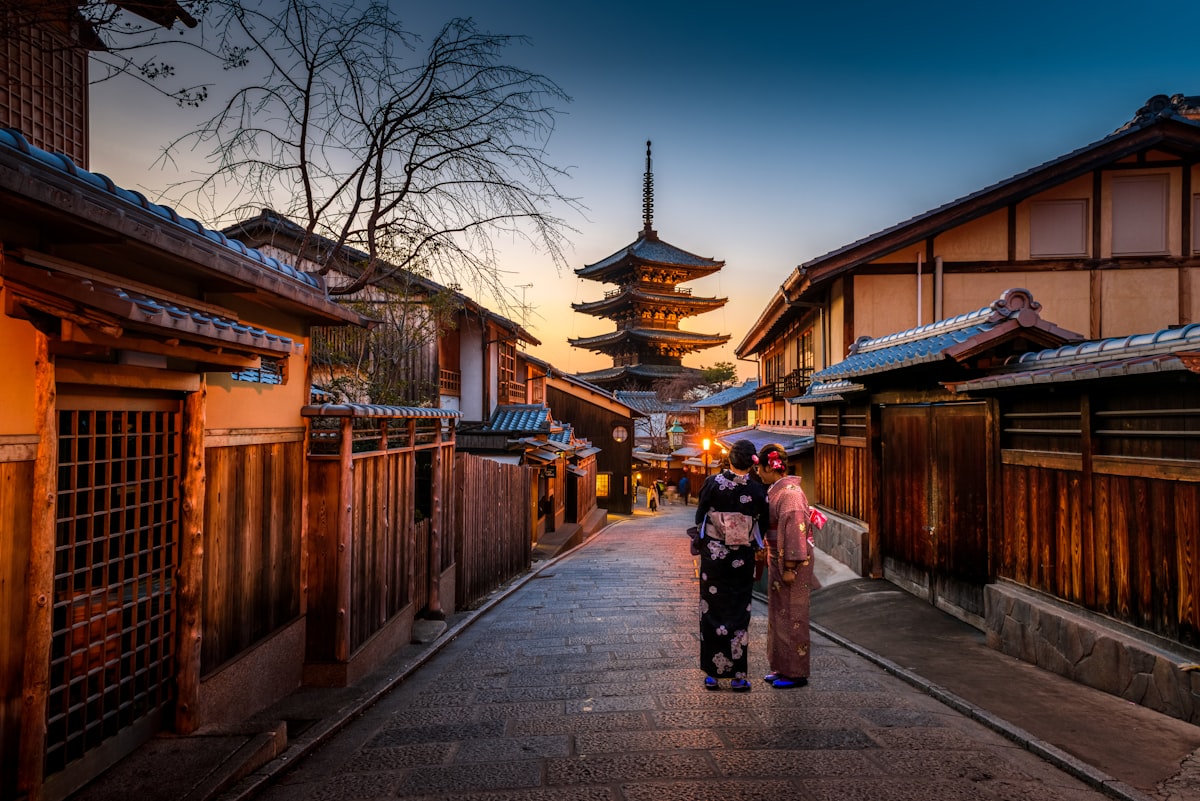
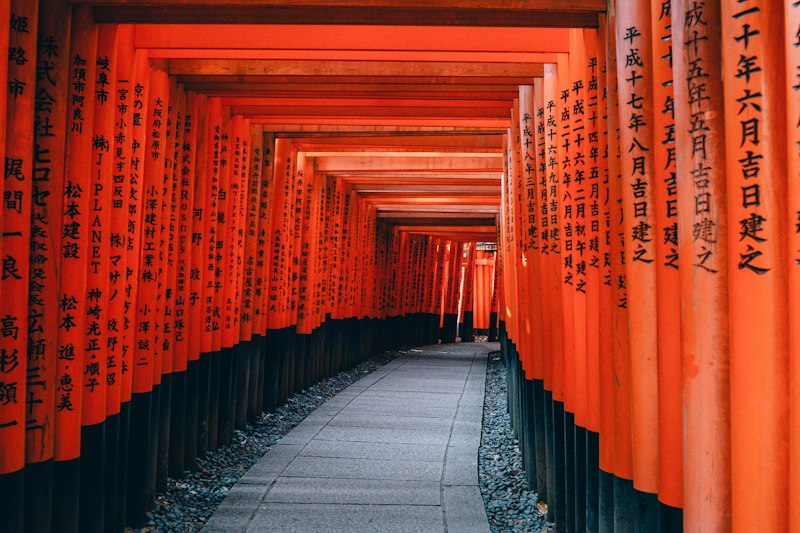
Shirahige Shrine
The 'Itsukushima of Omi' stands as a sentinel of time. Its iconic vermillion torii gate rises directly from the crystalline waters, creating a cinematic vista that bridges the earthly and the divine. As the sun dips below the horizon, the sky bleeds into shades of violet and gold, casting a long, shimmering shadow across the lake. This is a place of profound energy, where the silence is broken only by the gentle pulse of the water against the sacred wood.
Hikone Castle
Perched regally atop a hill overlooking the lake, Hikone Castle is one of only five Japanese castles designated as National Treasures. Its complex rooflines and pristine white walls are a masterclass in Edo-period engineering. Walking through the spiraling stone ramparts, you feel the weight of history beneath your feet. The surrounding Genkyuen Garden offers a perfect reflection of the castle in its ponds, framed by meticulously manicured pines that have stood for centuries.
Chikubu Island
Accessible only by boat, this 'Island of the Gods' is a verdant sanctuary of spiritual power. The Hogon-ji Temple and Tsukubusuma Shrine are nestled into the steep cliffs, adorned with intricate carvings that depict mythical dragons and celestial beings. The atmosphere is heavy with the scent of burning incense and the cool, damp breath of the forest. It is a secluded haven where one can practice 'Kawarake-nage'—throwing clay discs toward a torii gate to make a wish come true.
Local Soul Food
Tastes you can't find anywhere else.
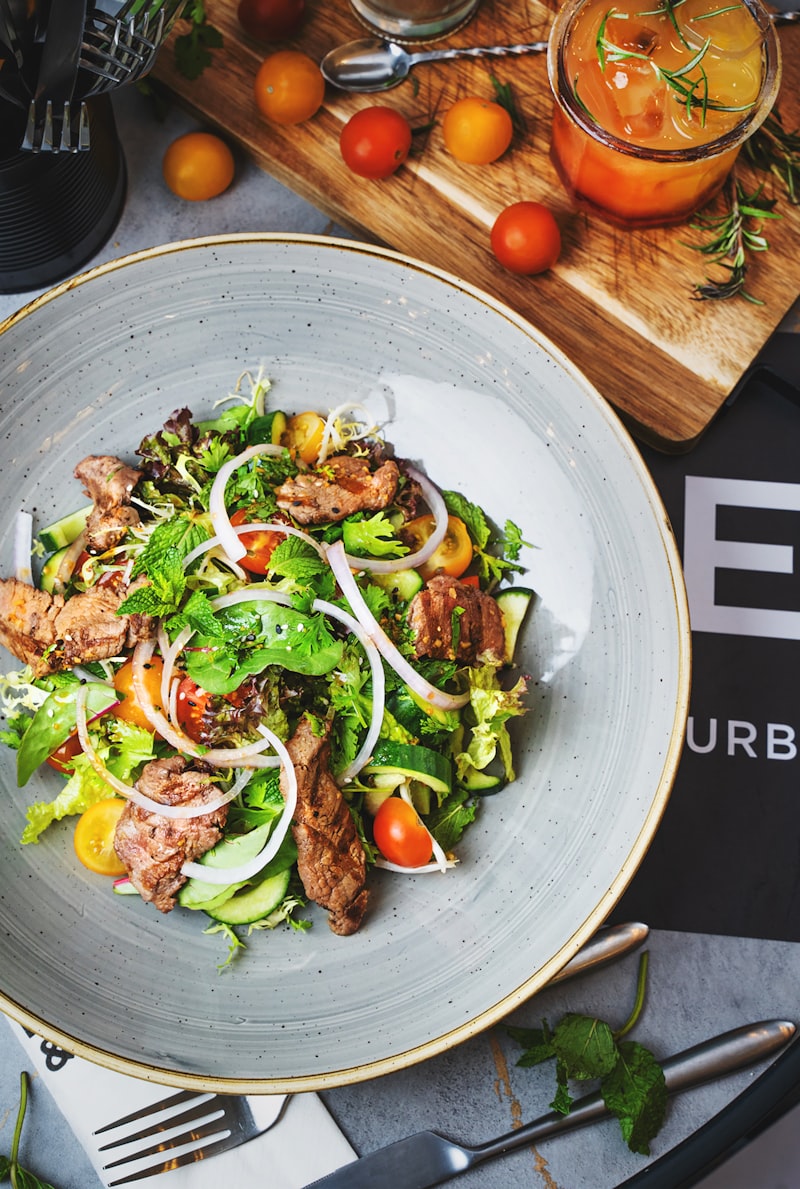
Omi Beef Steak
Indulge in one of Japan's top three wagyu varieties. The Omi beef is celebrated for its intricate marbling and a melting point so low it literally dissolves on the tongue. Seared over high heat, the exterior develops a delicate crust while the center remains a buttery, umami-rich treasure. The aroma is sweet and nutty, a testament to the pristine water and lush pastures of Shiga.
Funazushi
For the culinary adventurer, this is the ancestral soul of modern sushi. Fermented for years using ancient techniques, the Nigorobuna carp develops a complex, tangy profile reminiscent of a sharp blue cheese. The texture is firm yet yielding, offering a deep, fermented funk that is perfectly balanced when paired with a glass of local, dry Shiga sake. It is a taste of history itself.
Omi Champon
Unlike its Nagasaki cousin, Shiga’s Champon features a golden, soy-based broth that is light yet deeply flavorful. It is piled high with a mountain of crisp, stir-fried vegetables and tender pork. The noodles are springy and absorb the savory essence of the soup. A splash of vinegar halfway through the meal transforms the bowl into a refreshing, bright experience that warms the heart.
Premium Stays
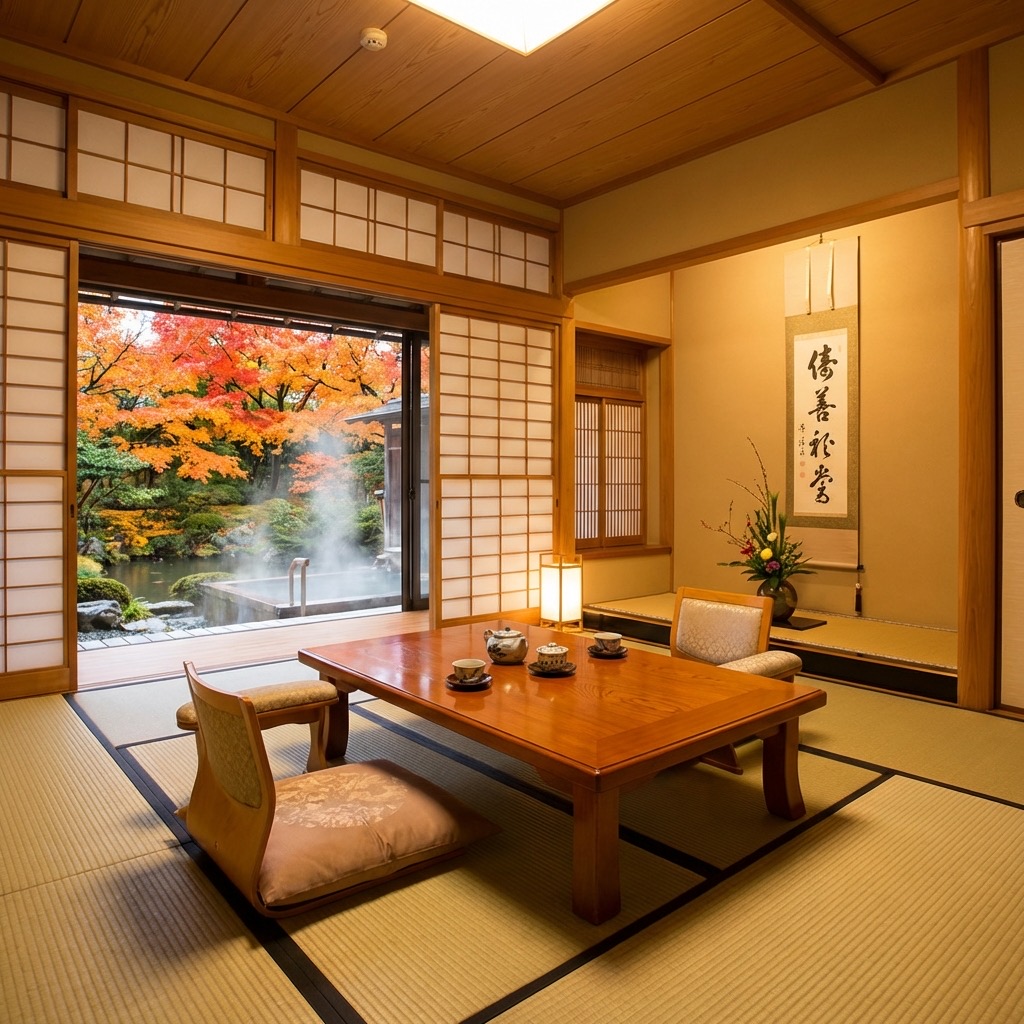
For the ultimate immersion, stay in the Otsu or Ogoto Onsen areas. These locations offer direct lakefront access and therapeutic hot springs that have rejuvenated travelers for over 1,200 years, all while remaining a short train ride from Kyoto.
Getting There
From Kyoto Station, take the JR Kosei Line or JR Biwako Line. Trains depart every 10-15 minutes. For the west side (Shirahige), use the Kosei Line; for the east side (Hikone), use the Biwako Line. Local buses connect stations to major sights, but schedules can be sparse in rural areas.
FAQ
Inspired?
Share this destiny with someone special.