Okayama
Welcome to Kurashiki Canal Area
Step into a living scroll where the rhythmic splash of a boatman’s oar provides the soundtrack to history. The Kurashiki Canal Area, or Bikan Historical Quarter, is a sensory masterpiece of white-walled kura warehouses and weeping willows reflecting in emerald waters. Beyond the visual feast, there is a profound stillness here—a 'power spot' for the soul that balances the weight of centuries-old stone with the delicate scent of blooming wisteria. This is not merely a destination; it is an invitation to slow your pulse and witness the meticulous preservation of Japanese aesthetic perfection. Whether you are tracing the cool texture of hand-fired tiles or savoring the buttery richness of local delicacies, Kurashiki promises an emotional resonance that lingers long after you leave its lantern-lit paths.
The Kurashiki River Embankment
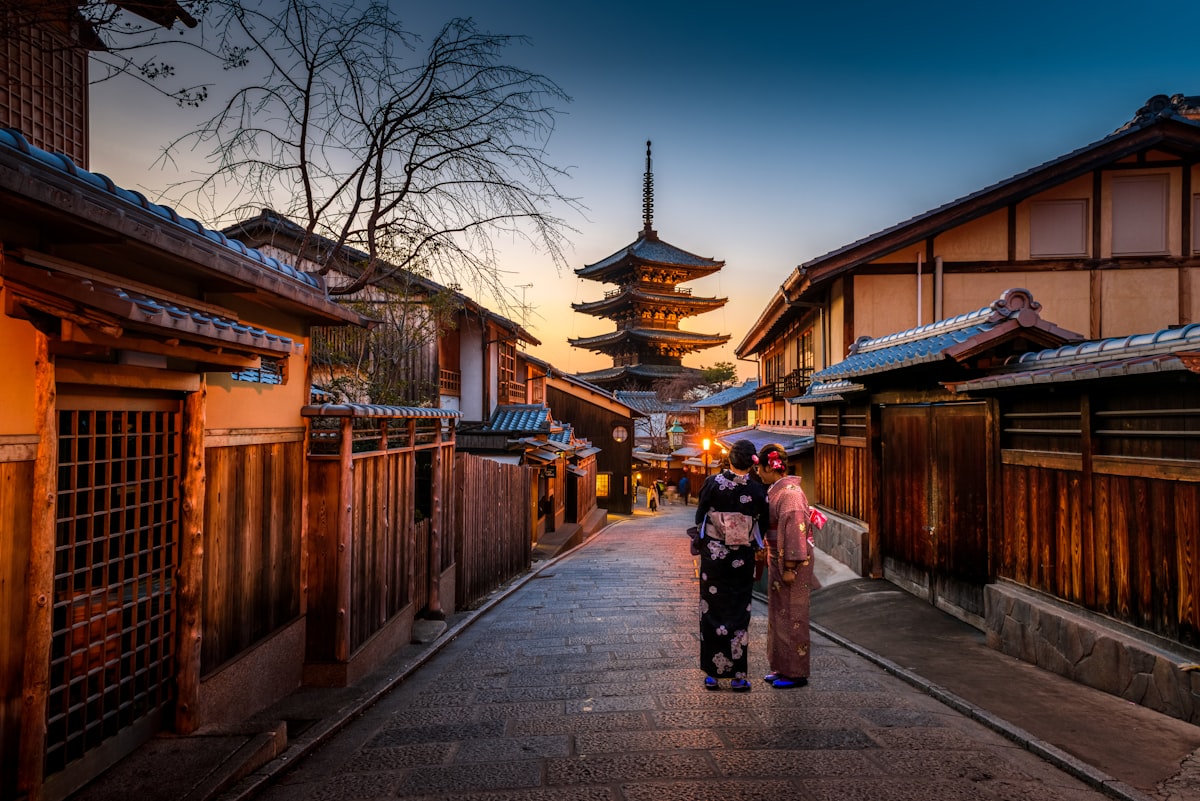
The quintessential Kurashiki experience lies along the stone-lined banks of its central artery. As you stroll, the interplay of light and shadow on the stark white walls creates a monochrome dreamscape, punctuated only by the vibrant green of drooping willow branches. The air carries a gentle humidity and the faint, sweet scent of the water. Watching the traditional flat-bottomed boats glide past is a meditative exercise, offering a glimpse into the merchant wealth of the Edo period that built this thriving cultural hub.
Ohara Museum of Art
Standing as a neoclassical sentinel amidst traditional Japanese architecture, this was Japan's first museum of Western art. The heavy stone pillars and cool, quiet galleries house masterpieces by El Greco, Monet, and Picasso. There is a profound contrast between the European oil textures inside and the manicured Japanese gardens outside. It is a testament to the cosmopolitan spirit of Kurashiki’s historical elite, blending global artistic movements with local heritage in a way that feels both jarring and perfectly harmonious.
Ivy Square
Once a red-brick cotton mill, this repurposed complex is now draped in thick, lush ivy that changes from vibrant emerald to fiery crimson with the seasons. The texture of the exposed brick against the soft foliage creates a tactile richness that invites touch. It serves as a cultural crossroads, housing workshops, museums, and artisanal boutiques. The central courtyard often hosts quiet craft fairs, allowing you to engage with local potters and textile artists whose families have practiced their trade for generations.
Local Soul Food
Tastes you can't find anywhere else.
Okayama Barazushi
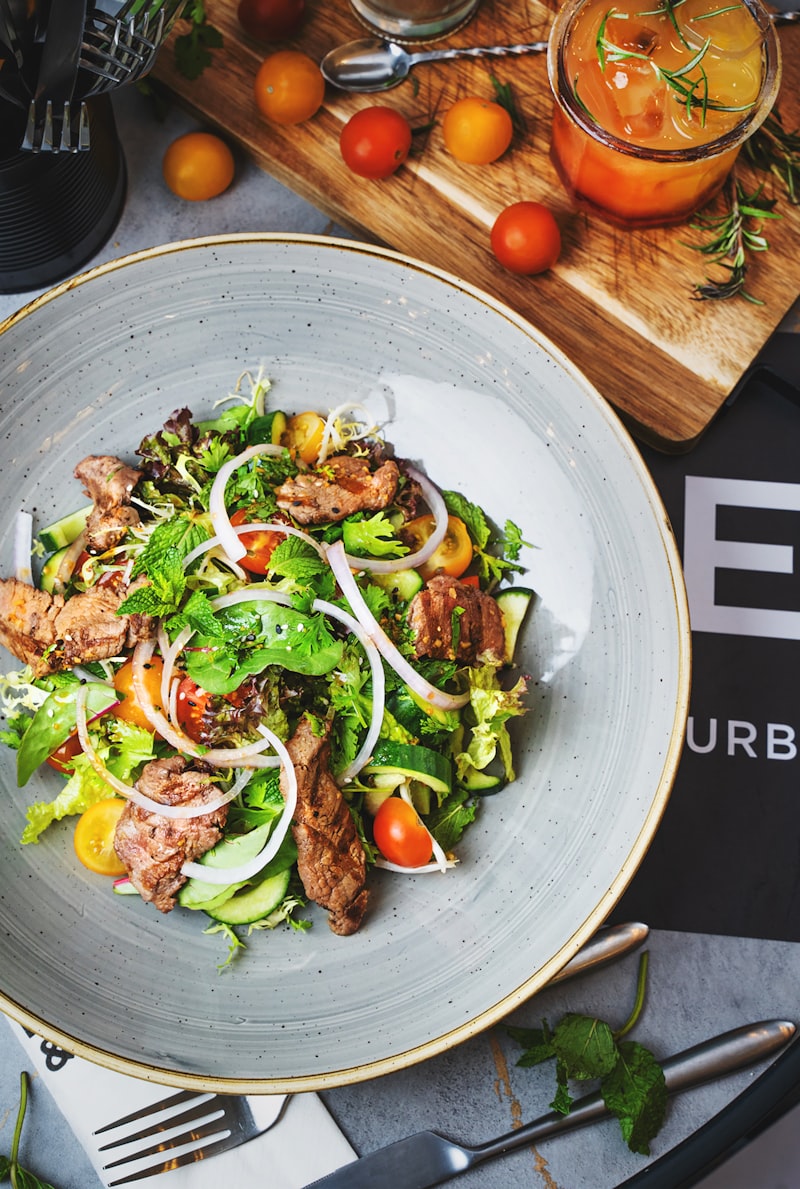
A vibrant mosaic of the sea and land. This premium sushi rice bowl is topped with a lavish arrangement of vinegared Spanish mackerel, succulent shrimp, and seasonal vegetables. Each bite offers a harmonious balance of acidic brightness and the savory depth of fresh seafood, reflecting the region's agricultural abundance.
Kurashiki Ramen
Indulge in a soul-warming bowl featuring a rich, soy-based broth infused with the essence of dried sardines. The noodles are firm and springy, while the melt-in-your-mouth chashu pork provides a fatty, smoky counterpoint. The aroma of toasted sesame and green onions greets you before the first savory slurp.
Murasaki-Imo Soft Serve
A visual and culinary delight, this purple sweet potato soft serve is velvety smooth with an earthy, honey-like sweetness. The cold, creamy texture provides a refreshing contrast to the warm sun as you explore the canal. It is often served with a delicate wafer or a dusting of kinako powder.
Premium Stays
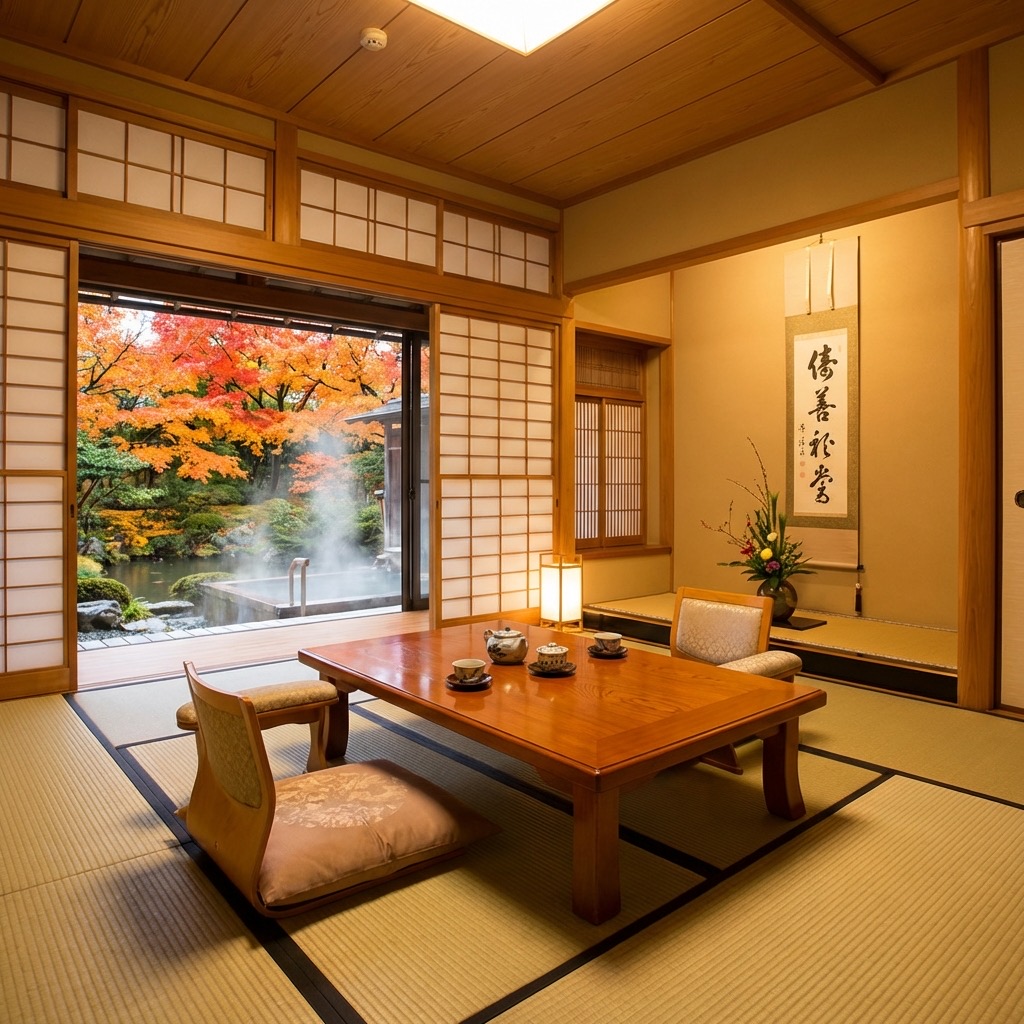
To truly capture the soul of Kurashiki, stay within the Bikan Historical Quarter. Nightfall transforms the area into a silent, lantern-lit sanctuary, offering an exclusivity that day-trippers never experience.
Getting There
Take the JR Sanyo Shinkansen to Okayama Station, then transfer to the local JR Sanyo Line for a 15-minute ride to Kurashiki Station. The Canal Area is a scenic 10-minute walk from the South Exit.
FAQ
Inspired?
Share this destiny with someone special.