Okayama
Welcome to Kurashiki Bikan Quarter
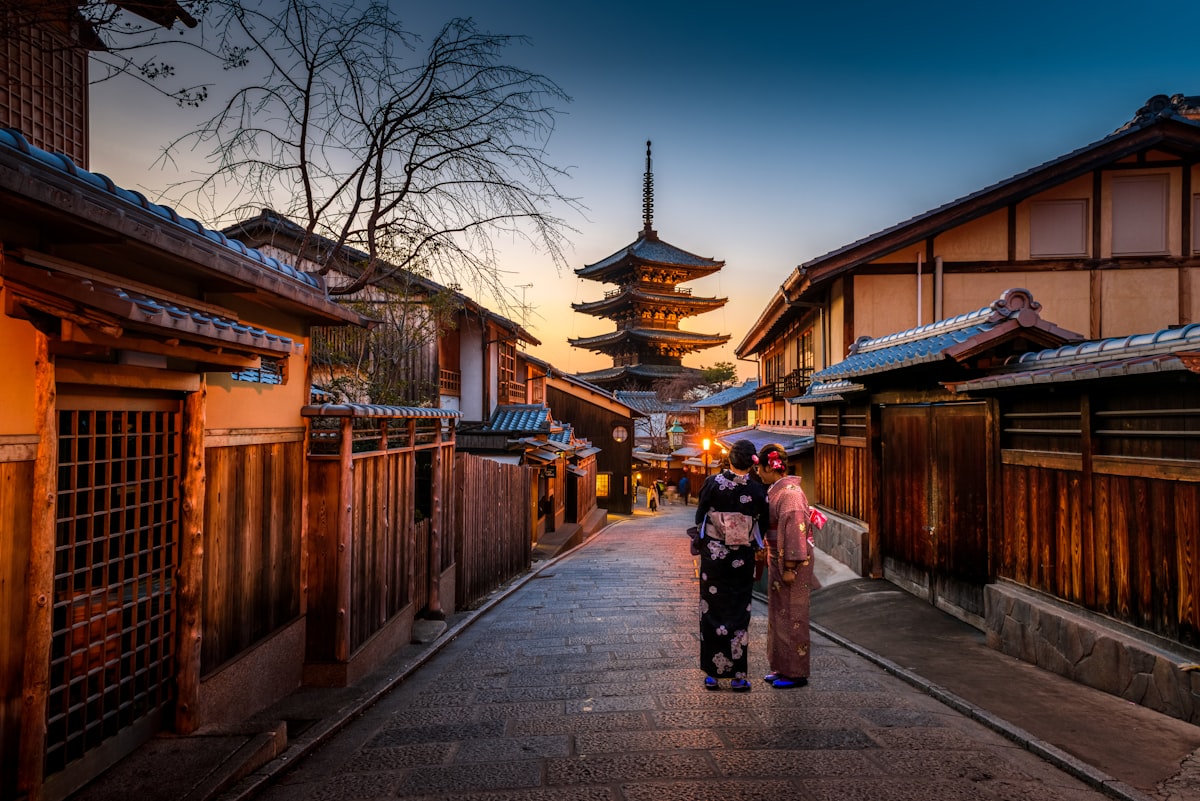
Step into a living ink wash painting where time decelerates to the rhythmic dip of a boatman’s oar. The Kurashiki Bikan Quarter is not merely a destination; it is a sensory immersion into Japan’s merchant soul. Here, the stark white-plastered walls and black-tiled roofs reflect against the emerald shimmer of the canal, framed by the graceful, sweeping boughs of weeping willows. As the evening lanterns flicker to life, casting amber glows on the stone bridges, you feel the weight of centuries. This is the 'Venice of Japan,' where high art meets humble tradition, offering a sophisticated sanctuary for the discerning traveler seeking the authentic heart of Okayama.
Ohara Museum of Art
Standing as a neoclassical sentinel amidst traditional Japanese aesthetics, the Ohara Museum of Art is a testament to cultural audacity. Within its Greek-inspired columns lies a breathtaking collection of Western masterpieces, including El Greco’s 'Annunciation' and works by Monet and Picasso. The air inside is thick with the scent of old canvas and hushed reverence. It is a profound juxtaposition—European high art housed in the heart of an Edo-period merchant town—creating a unique spiritual resonance that lingers long after you leave the gallery floors.
The Kurashiki River Canal Walk
The central artery of the Bikan Quarter, this canal is a masterpiece of urban planning from the 1600s. Walking along the stone-paved banks, you hear the gentle splash of koi fish and the soft murmur of the river. The atmosphere is defined by the 'Kura'—traditional storehouses—whose thick walls once protected rice and silk. To truly experience the canal's soul, board a traditional flat-bottomed boat; the perspective from the water level reveals architectural details invisible from the street, all while the saline mist of the nearby Seto Inland Sea subtly perfumes the air.
Achi Shrine
Perched atop Tsurugata-yama Hill, Achi Shrine serves as the spiritual guardian of the district. Climbing the stone steps, the bustle of the tourist quarter fades, replaced by the rustle of ancient 'Akebono-fuji' wisteria vines, estimated to be over 300 years old. The shrine offers a panoramic vantage point where the black-and-white grid of the Bikan Quarter stretches out like a Go board. It is a 'power spot' of immense tranquility, where the tactile coolness of the wooden pillars and the sharp scent of cedar provide a meditative reset.
Local Soul Food
Tastes you can't find anywhere else.

Okayama Barazushi
A vibrant mosaic of the Seto Inland Sea, this dish features vinegared rice topped with a lavish array of pickled 'mamakari' fish, succulent eel, and seasonal vegetables. Each bite is a harmony of sharp acidity and the buttery melt of premium seafood. Historically a 'hidden' luxury for merchants, it remains the ultimate culinary expression of Kurashiki's wealth and refinement.
Kurashiki Croquette
The quintessential street luxury. Encased in a crisp, golden-brown panko crust that shatters delightfully upon the first bite, the interior is a steaming, velvety blend of locally sourced Okayama beef and sweet Hokkaido potatoes. The savory aroma of fried beef tallow wafts through the narrow alleys, making this an irresistible snack for explorers on the move.
Murasuzume
A poetic confection that mimics the shape of a sparrow in flight. This dessert consists of a thin, sponge-like crepe wrap—perforated like a golden honeycomb—enveloping a heart of sweet, mashed adzuki bean paste. The texture is soft and yielding, with a delicate sweetness that pairs perfectly with a bowl of frothy matcha tea in a traditional teahouse setting.
Premium Stays
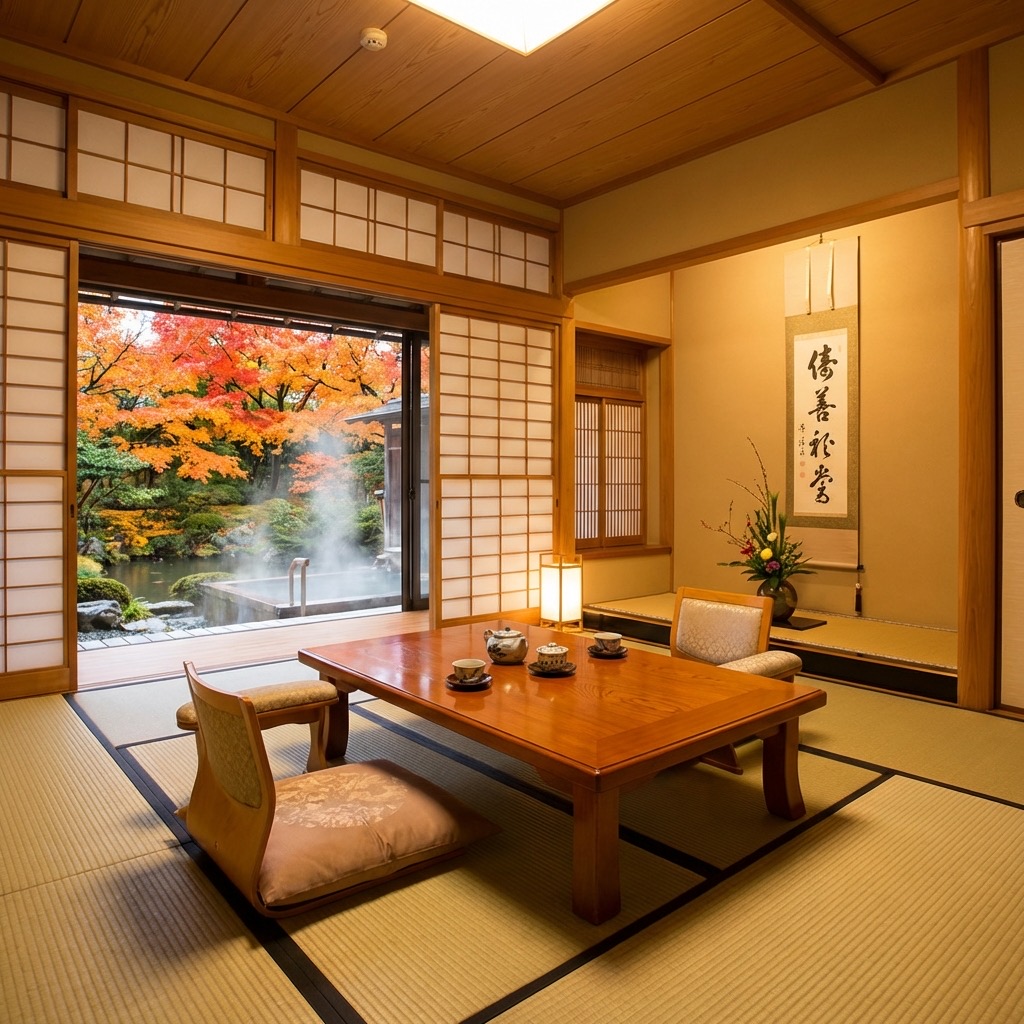
To fully capture the magic of Kurashiki, staying within the Bikan Quarter is essential. Once the day-trippers depart, the district transforms into a silent, moonlit wonderland. Choose a historic ryokan for total immersion or a refurbished industrial space for a blend of heritage and modern comfort.
Getting There
From Okayama Station, take the JR Sanyo Line to Kurashiki Station (approx. 15-17 minutes). The Bikan Quarter is a flat, pleasant 10-minute walk from the South Exit of Kurashiki Station. Trains run every 10-15 minutes.
FAQ
Inspired?
Share this destiny with someone special.