Okayama
Welcome to Kurashiki Bikan
Step into a living ukiyo-e painting where the frantic pace of modern Japan dissolves into the rhythmic dip of a boatman's oar. Kurashiki Bikan is not merely a destination; it is a sensory immersion into a bygone era of white-walled storehouses and shimmering black-tiled roofs. The air here carries the scent of aged cedar and the cool, damp breath of the Takahashi River. As the sun dips below the horizon, the district transforms into a theater of light and shadow, casting long, romantic silhouettes across the stone bridges. For the discerning traveler, Kurashiki offers a rare soul-deep connection to Japan’s merchant heritage, blending high-brow art with the rustic charm of the Seto Inland Sea.
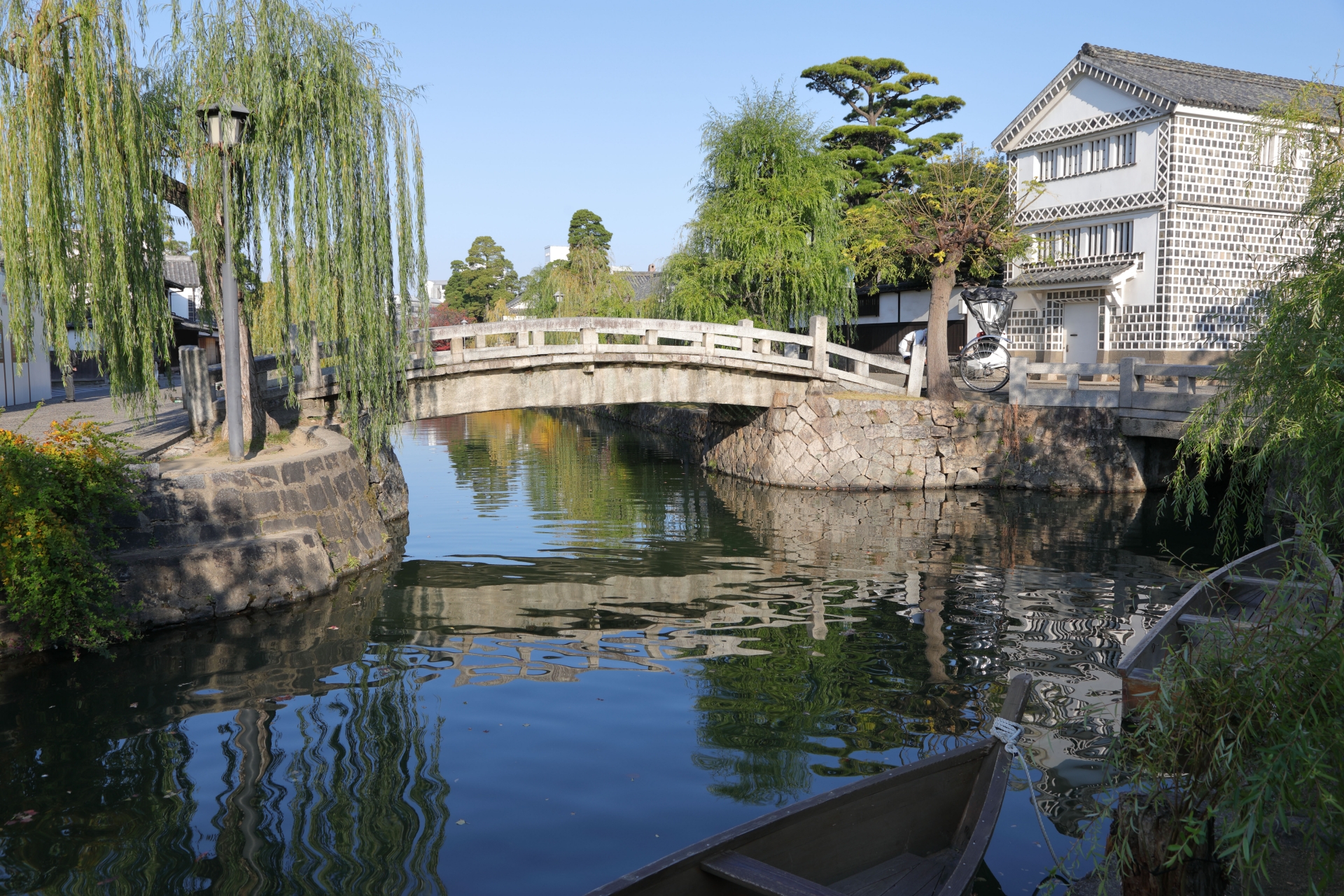
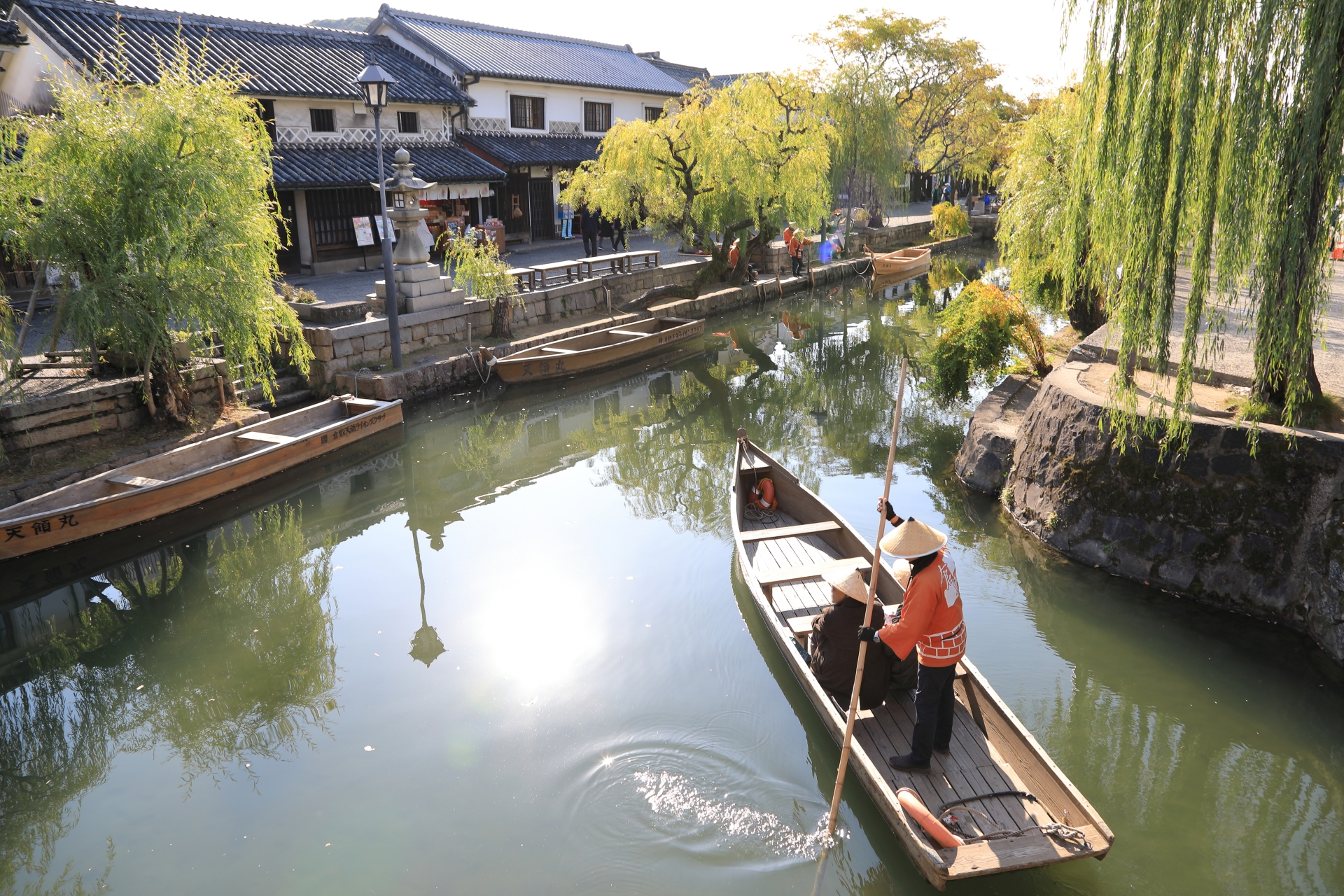
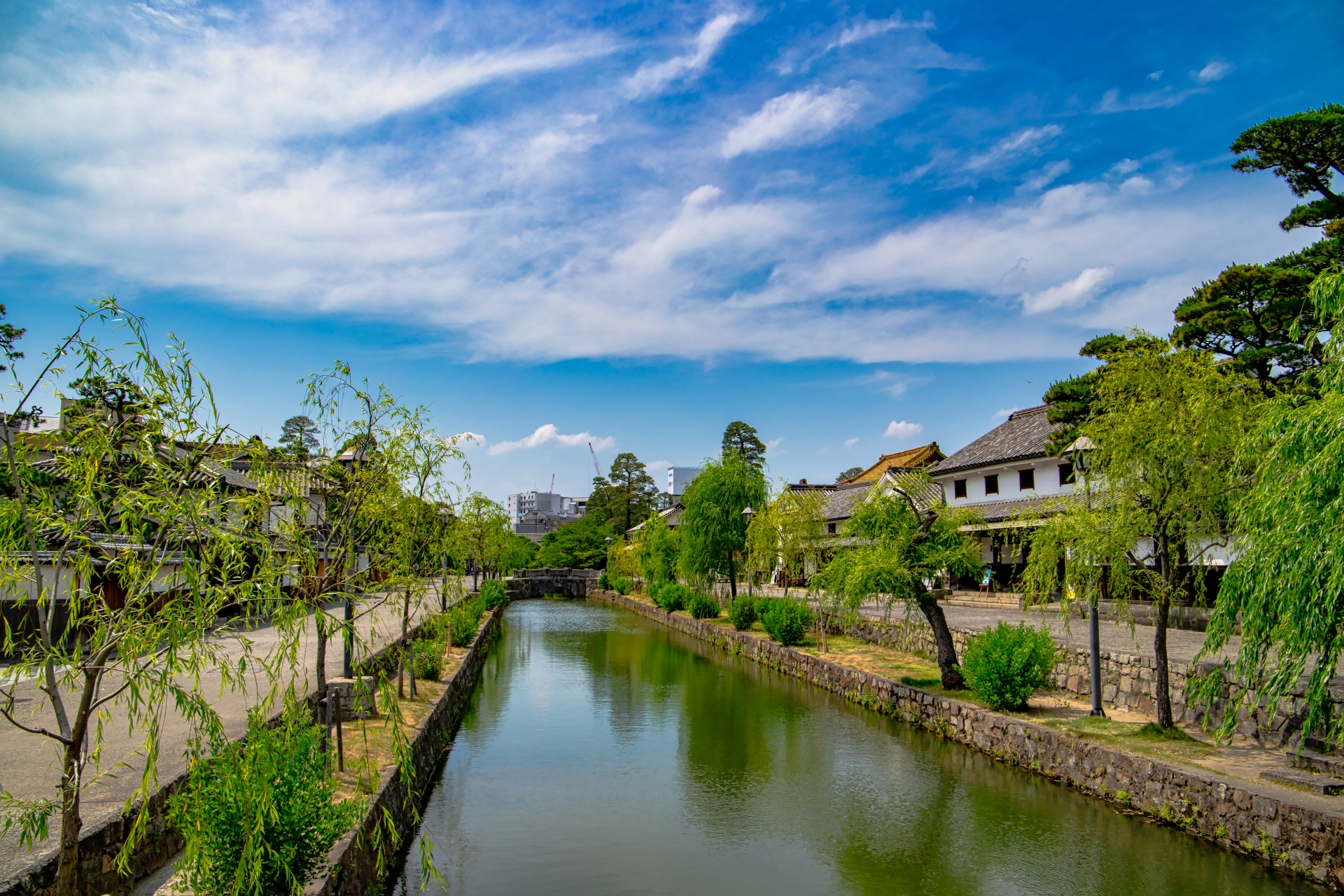
The Kurashiki River Canal
The beating heart of the district, this waterway is lined with weeping willows that brush against the surface of the emerald water. Once a bustling trade artery, it now offers a tranquil escape where traditional flat-bottomed boats glide silently past 17th-century 'kura' storehouses. The contrast of the stark white walls against the dark lattice wood creates a visual symphony that has inspired poets for generations. Walking these stone-paved paths feels like navigating a dream where time has gracefully decelerated.
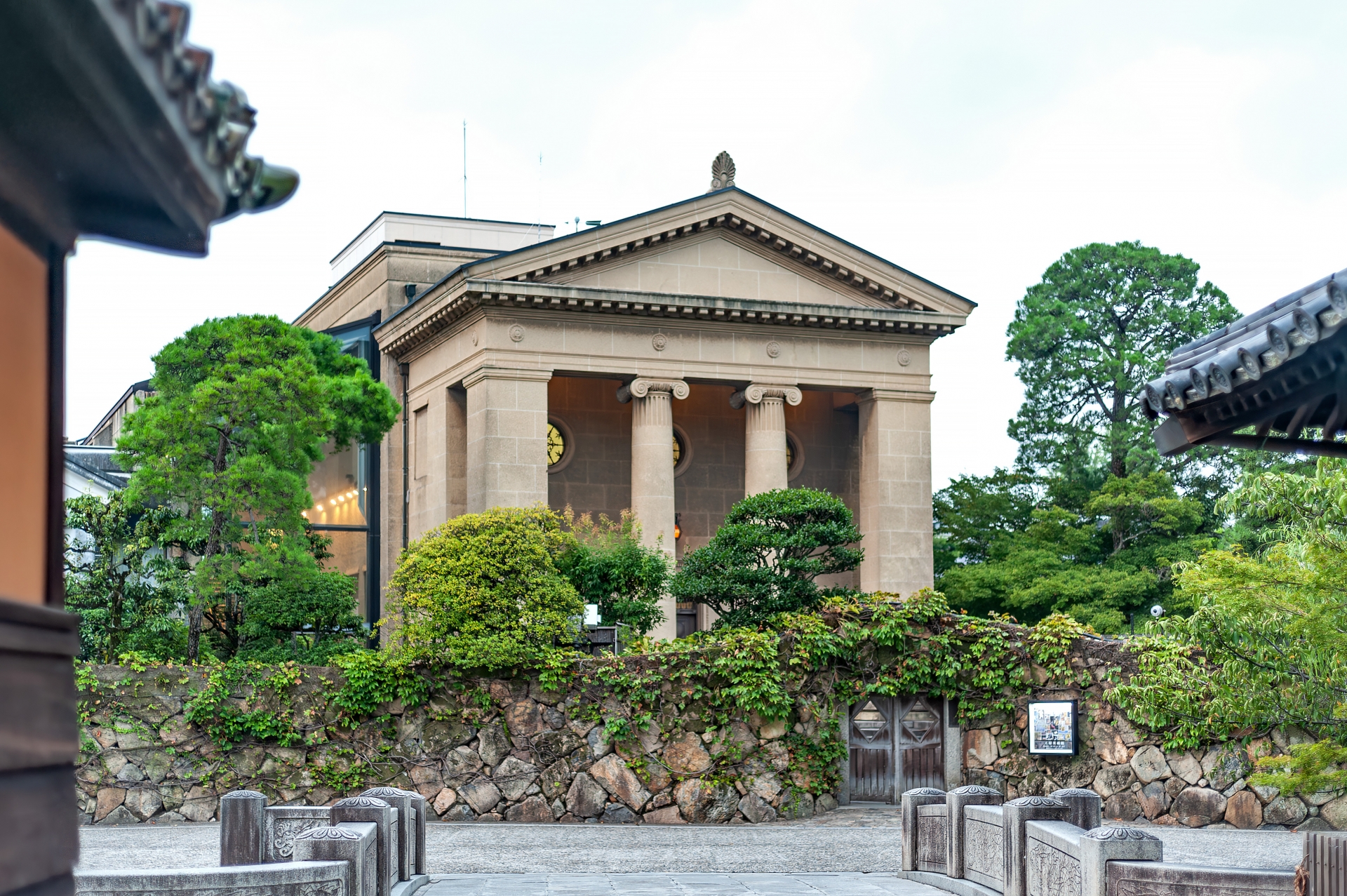
Ohara Museum of Art
Standing as a temple of culture, this Greek-revival masterpiece was the first private museum of Western art in Japan. Behind its imposing columns lies a staggering collection featuring El Greco, Monet, and Picasso. The juxtaposition of European masterpieces within a traditional Japanese merchant town creates a sophisticated, cosmopolitan atmosphere. The interior galleries are hushed sanctuaries where the scent of old canvas and floor wax lingers, inviting deep contemplation of the intersection between East and West.
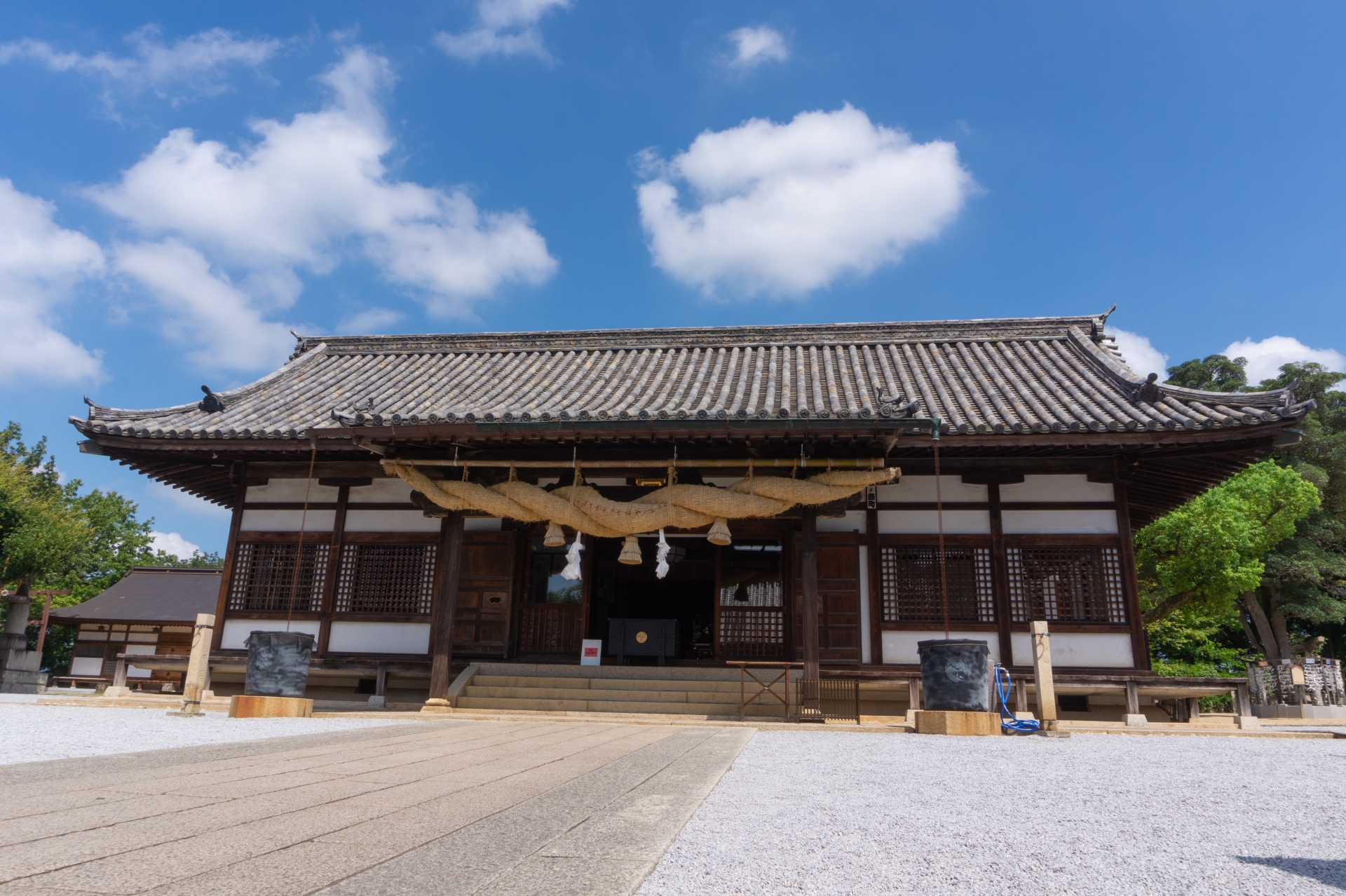
Achi Shrine
Perched atop Mt. Tsurugata, Achi Shrine offers a spiritual ascent above the canal district. As you climb the stone stairs, the sounds of the city fade, replaced by the rustle of ancient wisteria vines and the sharp, clean scent of incense. This 'power spot' provides a panoramic vantage point where you can trace the geometry of the Bikan district's roofs against the backdrop of the distant mountains. The shrine’s ancient stones, weathered by centuries of prayer, pulse with a quiet, grounding energy.
Local Soul Food
Tastes you can't find anywhere else.
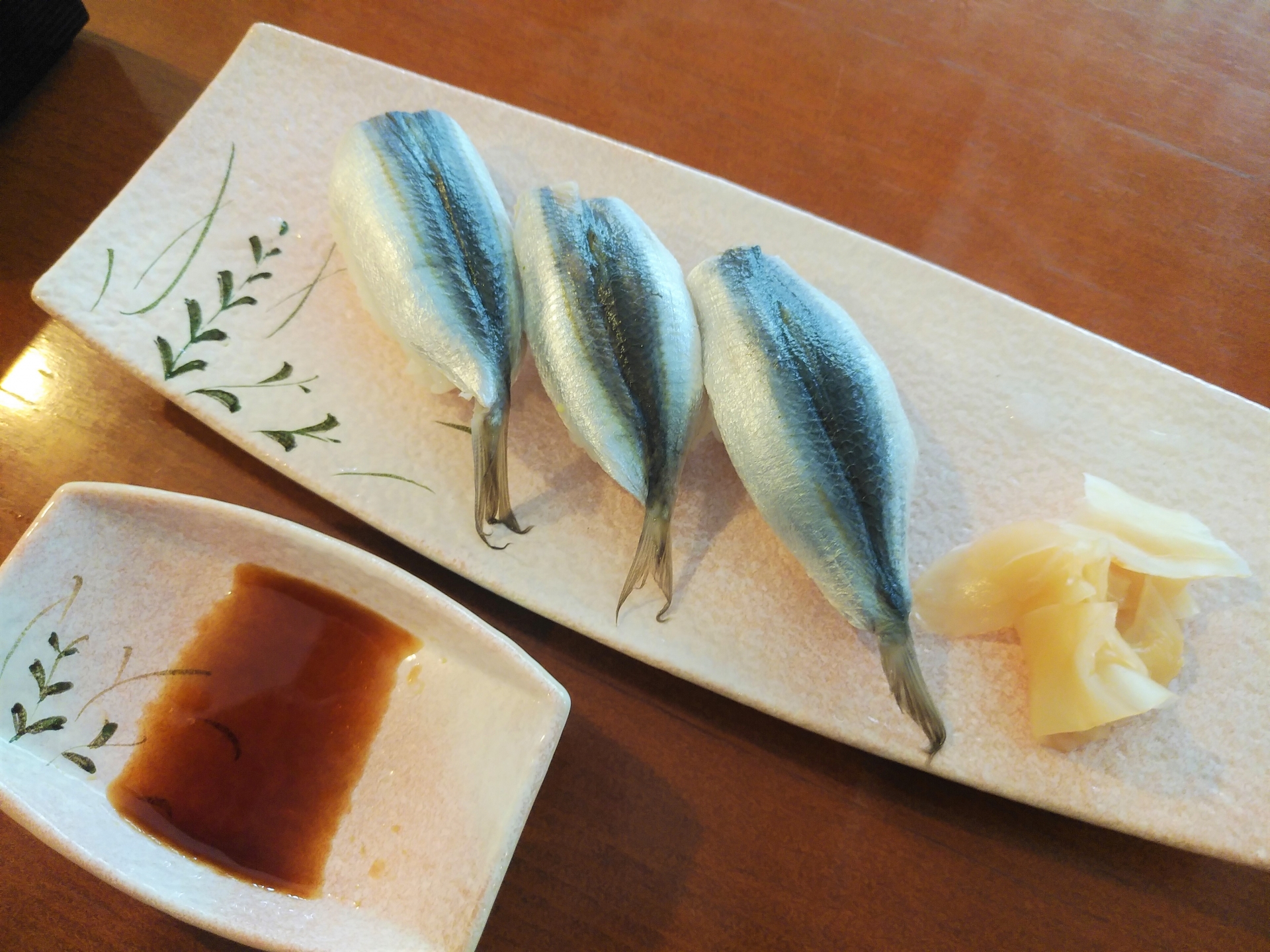
Mamakari-zushi
A legendary local delicacy featuring the 'Mamakari' fish, so delicious that locals allegedly 'borrowed rice from neighbors' to eat more. The fish is lightly pickled in vinegar, offering a bright, oceanic snap that cuts through the sweetness of the seasoned rice. Each bite is a refreshing burst of the Seto Inland Sea's bounty, balanced with a subtle hint of ginger and seaweed.
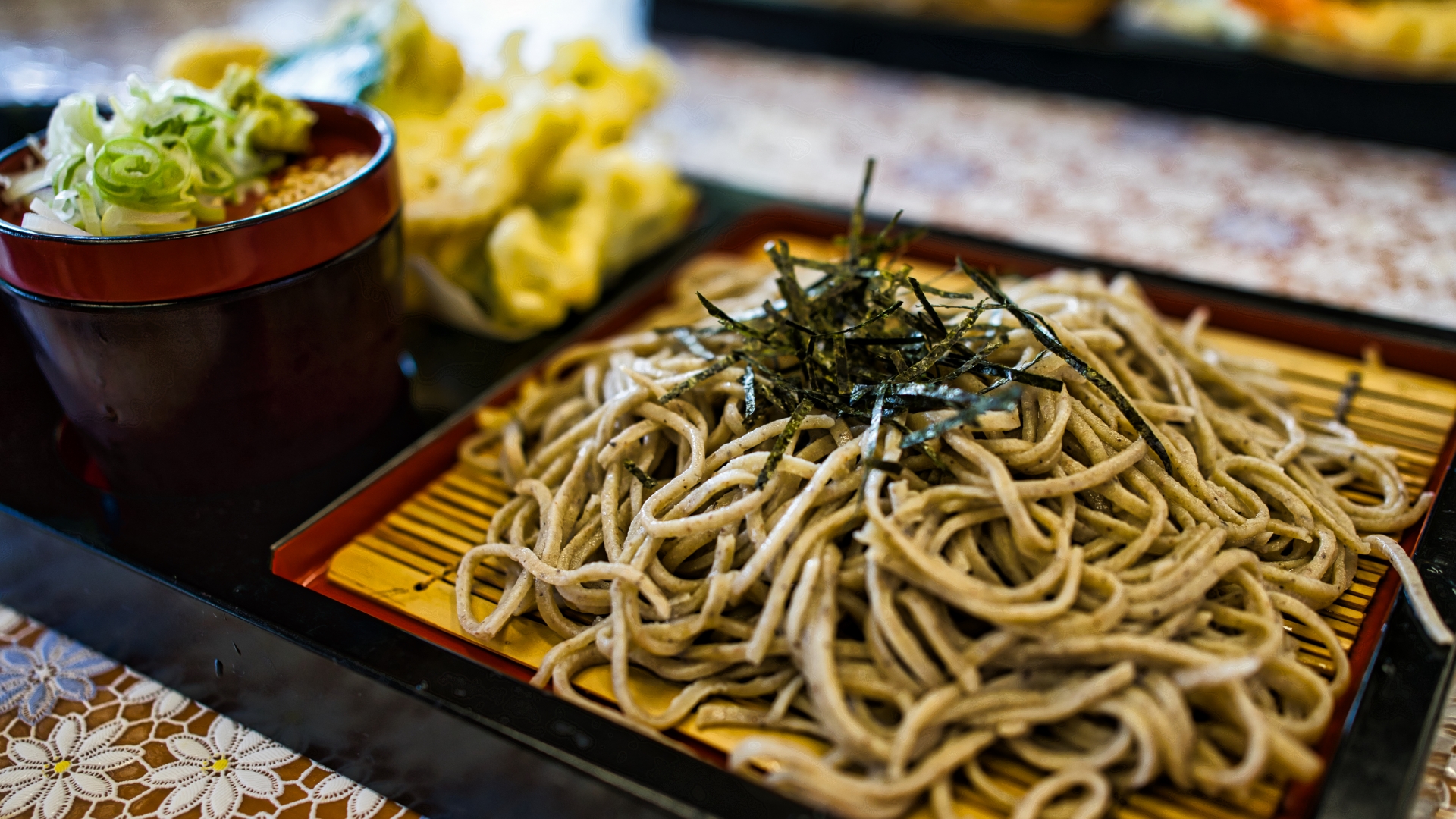
Bitchu Matsuyama Soba
Hand-kneaded buckwheat noodles with a robust, earthy fragrance that fills the room. Served chilled on a bamboo mat, the noodles have a firm, satisfying 'koshi' (bite). Dip them into a rich dashi made from local soy sauce and dried bonito, then finish with a splash of 'sobayu'—the velvety, starchy water used to boil the noodles—to savor the full depth of the grain.
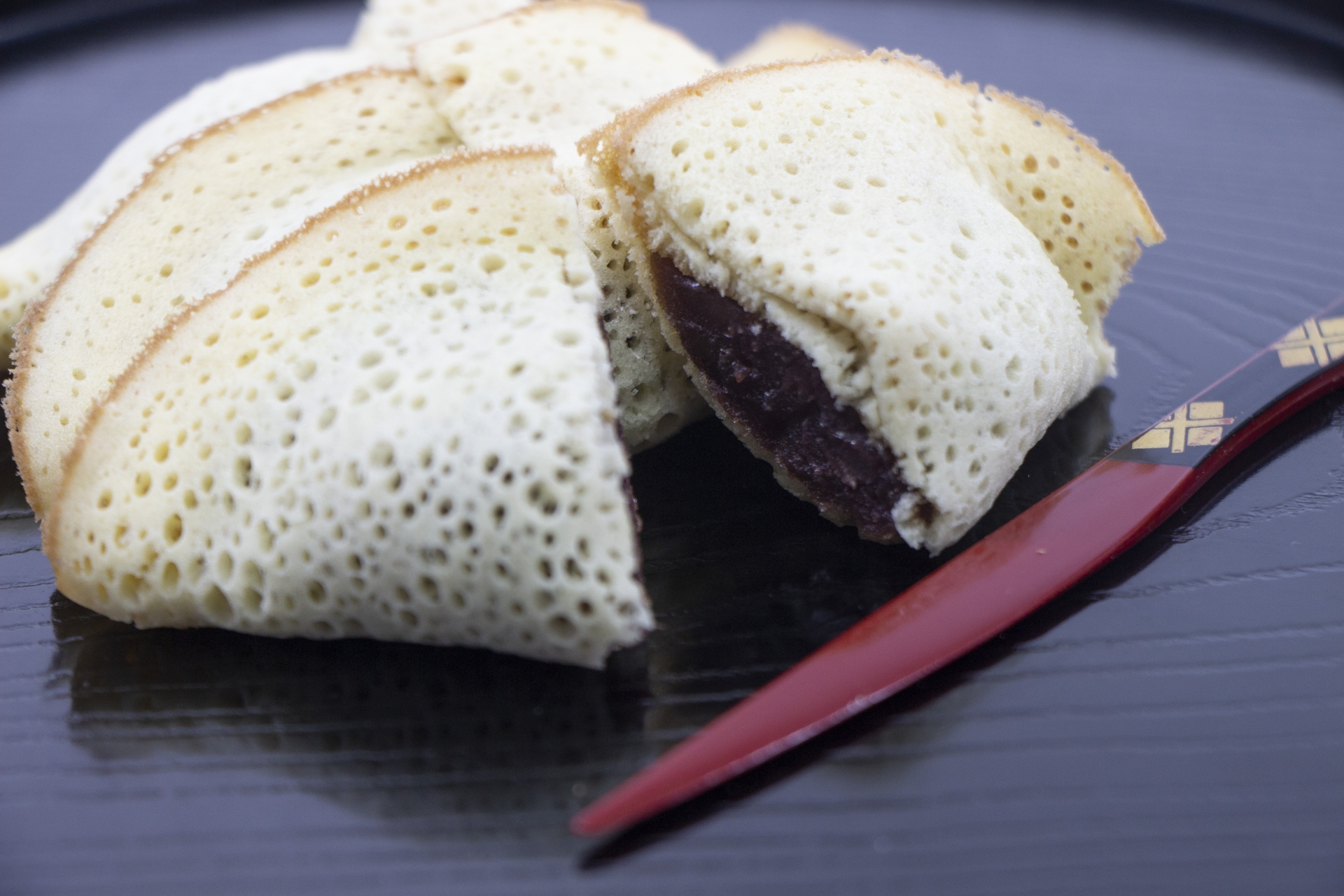
Murasuzume
A poetic confection resembling a golden folding fan or a 'flocking sparrow.' The outer layer is a light, sponge-like crepe with a delicate honeycomb texture, wrapped around a heart of smooth, sweet adzuki bean paste. It is warm, comforting, and carries a subtle aroma of honey and toasted egg. Perfectly paired with a bowl of frothy matcha.
Premium Stays
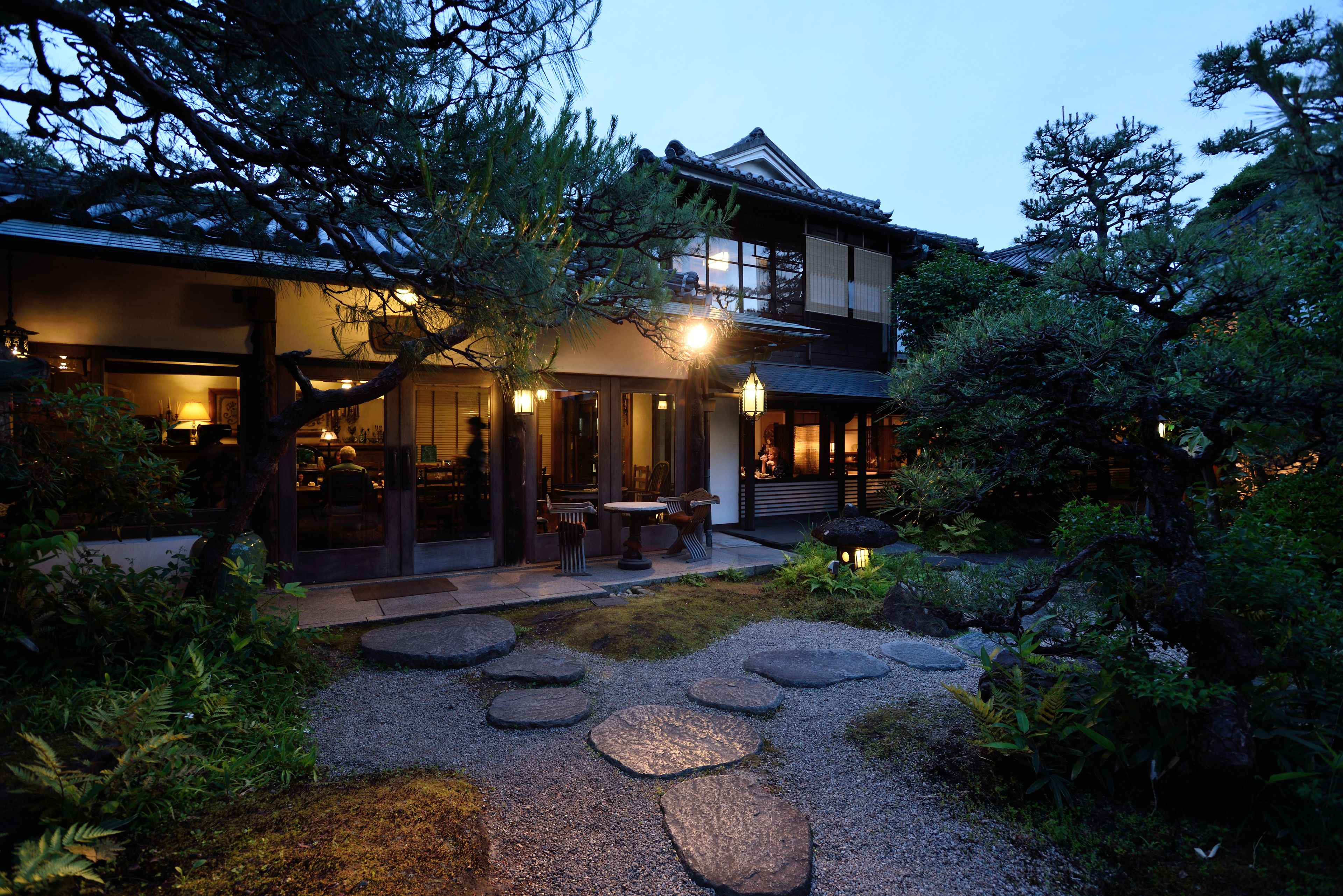
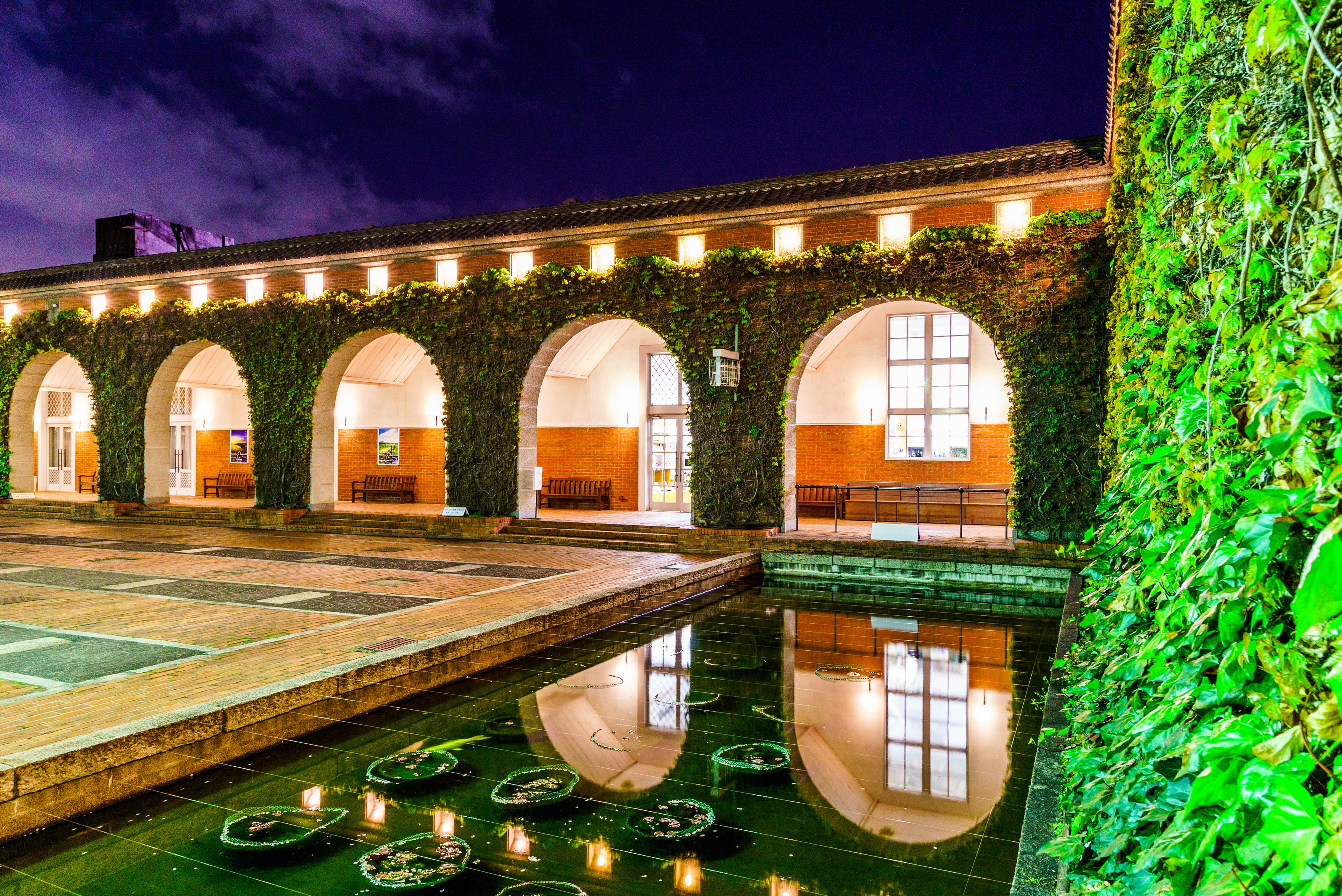
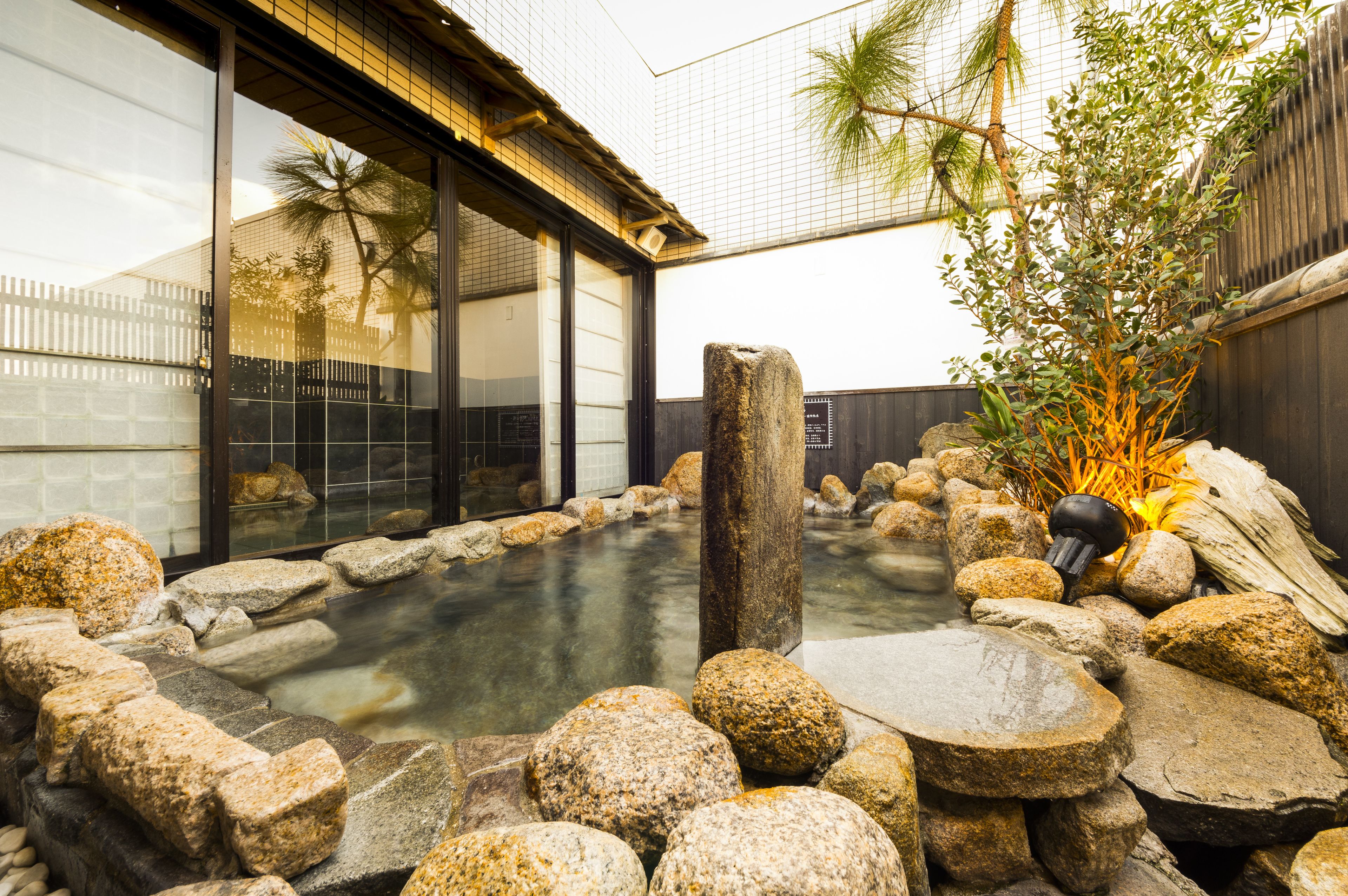
To truly capture the essence of Kurashiki, stay within the Bikan Historical Quarter. Nightfall brings a magical silence to the canals that day-trippers never witness. Choosing a heritage property allows you to walk the gas-lit streets in your yukata, feeling the cool night air against your skin.
Getting There
Take the JR Sanyo Shinkansen to Okayama Station, then transfer to the JR Sanyo Line for a 15-minute ride to Kurashiki Station. The Bikan district is a pleasant 10-minute walk from the station's South Exit via the Ebisu-dori shopping arcade.
FAQ
Inspired?
Share this destiny with someone special.