Kumamoto
Welcome to Kumamoto Castle
Rising from the volcanic earth of Kyushu like a black-plumed phoenix, Kumamoto Castle is a masterpiece of military engineering and aesthetic grace. To walk its grounds is to touch the pulse of the samurai era, where the scent of cedar and the cool dampness of ancient stone walls—the legendary 'musha-gaeshi'—tell stories of siege and survival. Beyond the formidable keeps, the city breathes with a refined elegance, offering a sensory journey through meticulously manicured gardens and culinary traditions forged in the fires of history. This is not merely a destination; it is a profound encounter with the resilient heart of Japan, where every reconstructed beam and polished floorboard whispers a promise of eternal renewal.
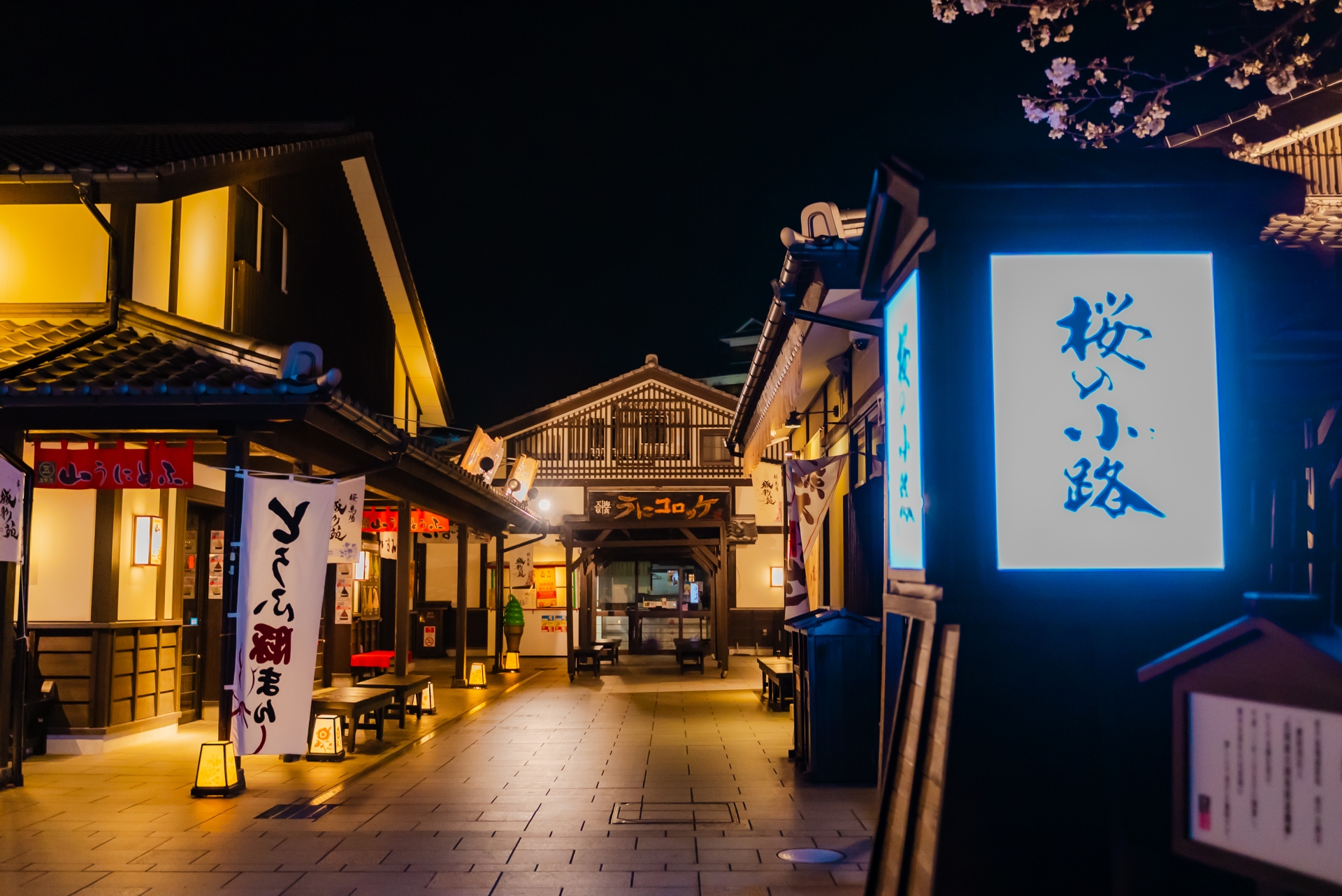
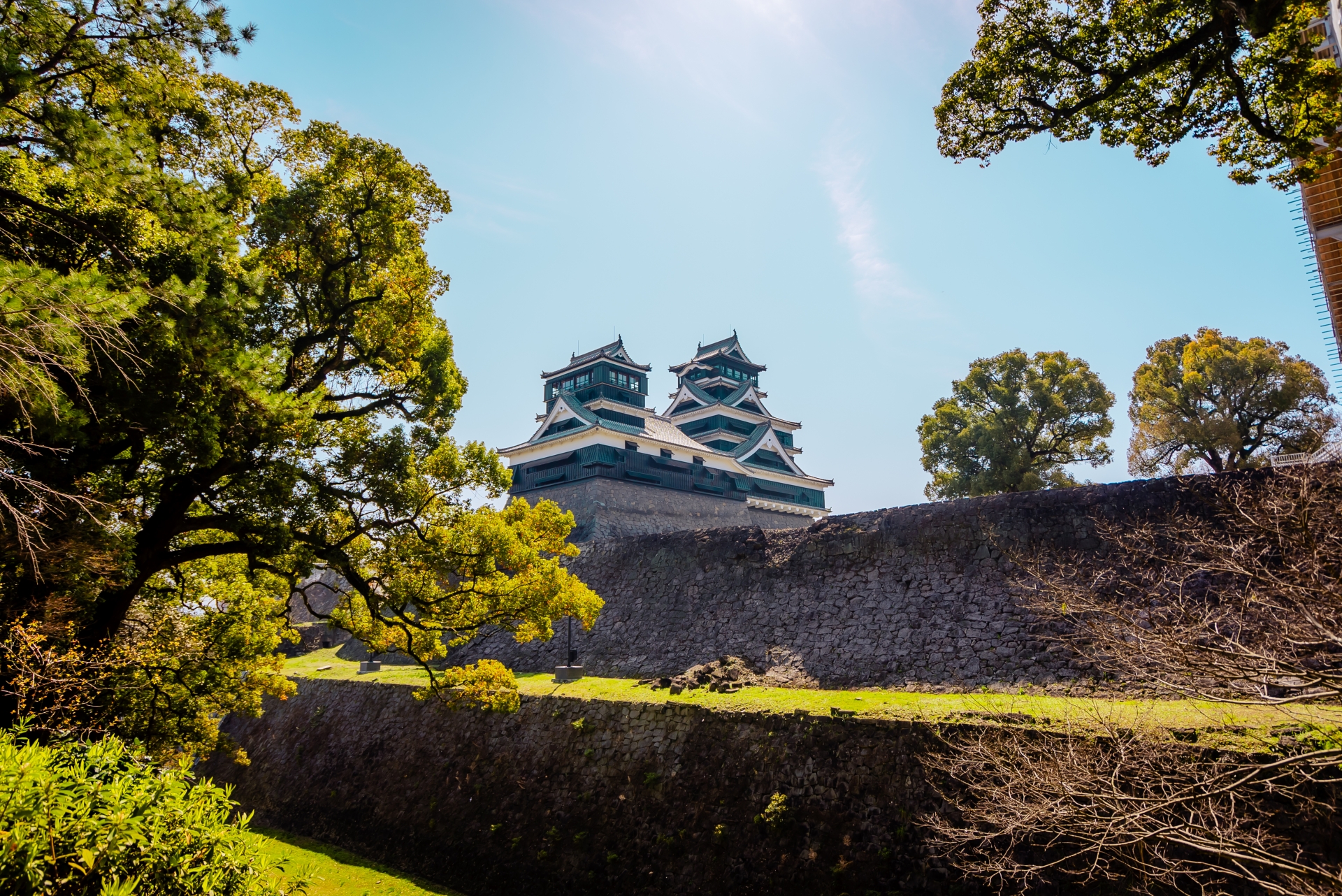
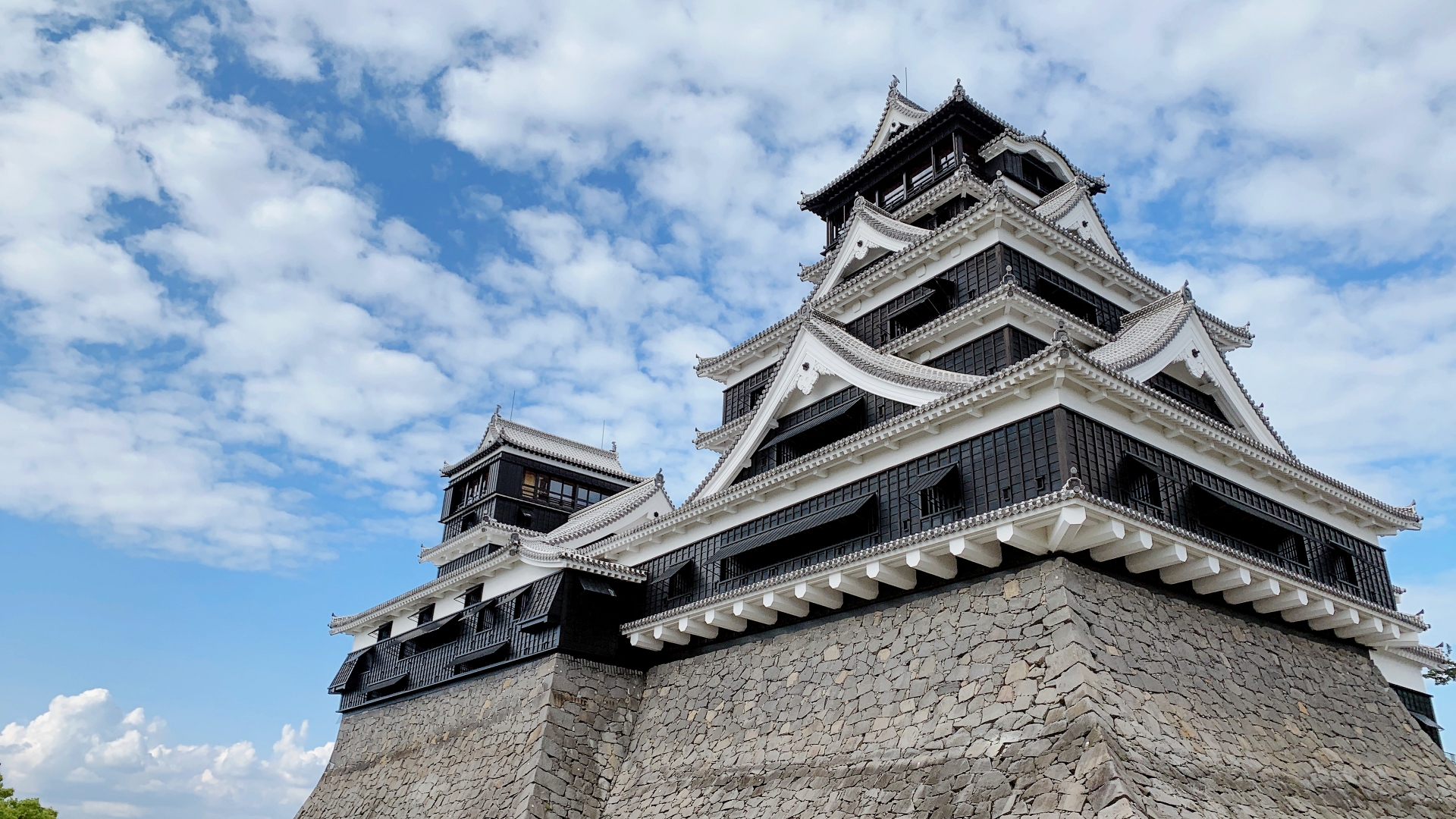
The Great Keep (Tenshu-kaku)
The dual keeps of Kumamoto Castle are a symphony of black and white, standing as a testament to the genius of Kato Kiyomasa. Following the 2016 earthquake, the interior has been transformed into a world-class museum, blending high-tech digital exhibits with the tactile history of the Kumamoto Domain. As you ascend, the air grows cooler and the view expands to reveal the entire city framed by the distant peaks of the Aso caldera. The scent of fresh Hinoki cypress used in the restoration lingers, grounding the visitor in the present while honoring the past.
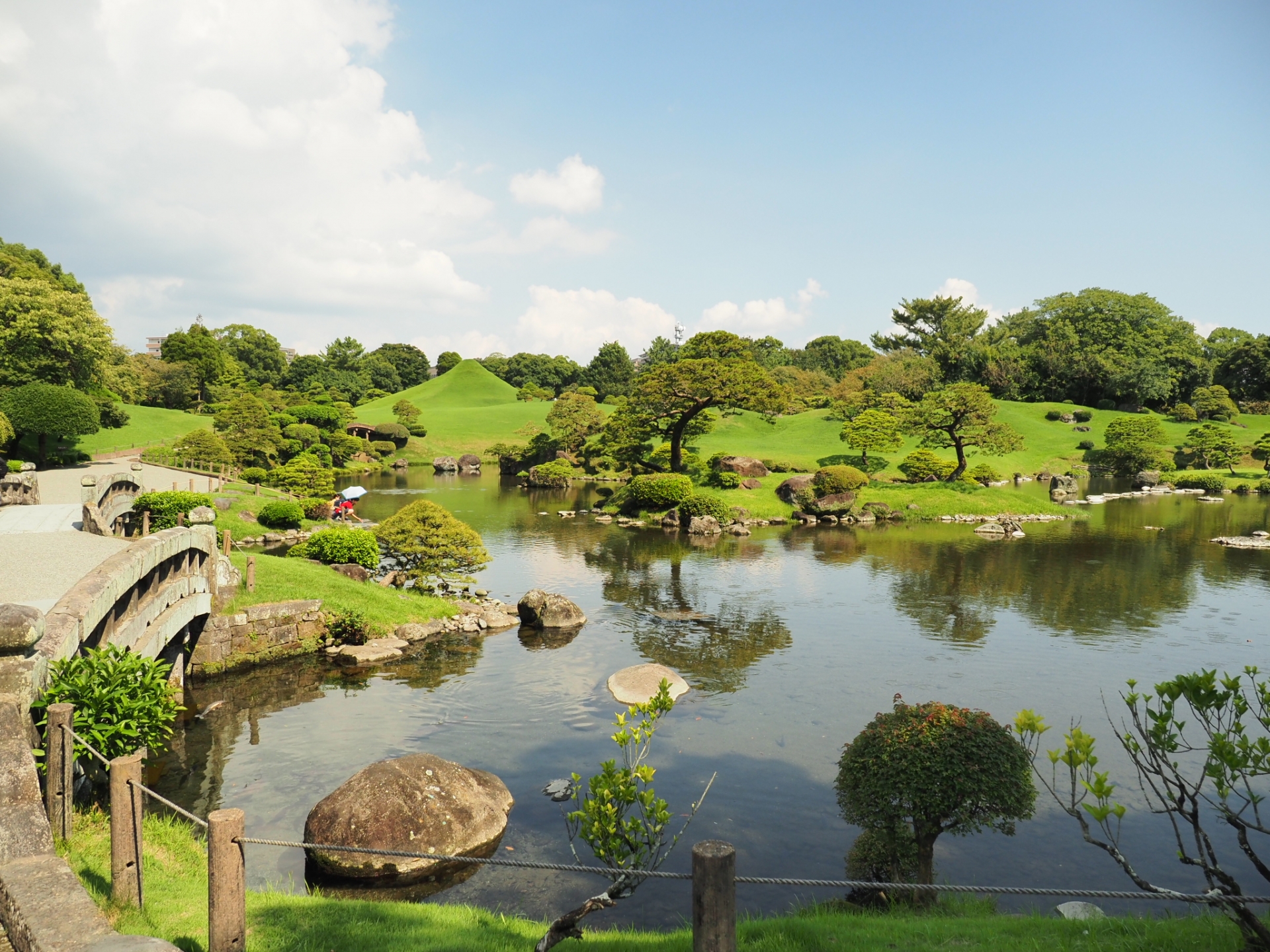
Suizenji Jojuen Garden
A short tram ride from the castle lies a landscape that captures the essence of the Tokaido road in miniature. This Momoyama-period stroll garden is centered around a spring-fed pond so clear you can see the shimmering scales of koi beneath the surface. The highlight is the perfectly conical 'Miniature Mt. Fuji,' a grassy knoll that provides a stunning focal point for meditation. Sipping matcha at the Kokindenju-no-Ma teahouse, you will feel the gentle breeze carry the fragrance of pine and the soft sound of water trickling over ancient stones.
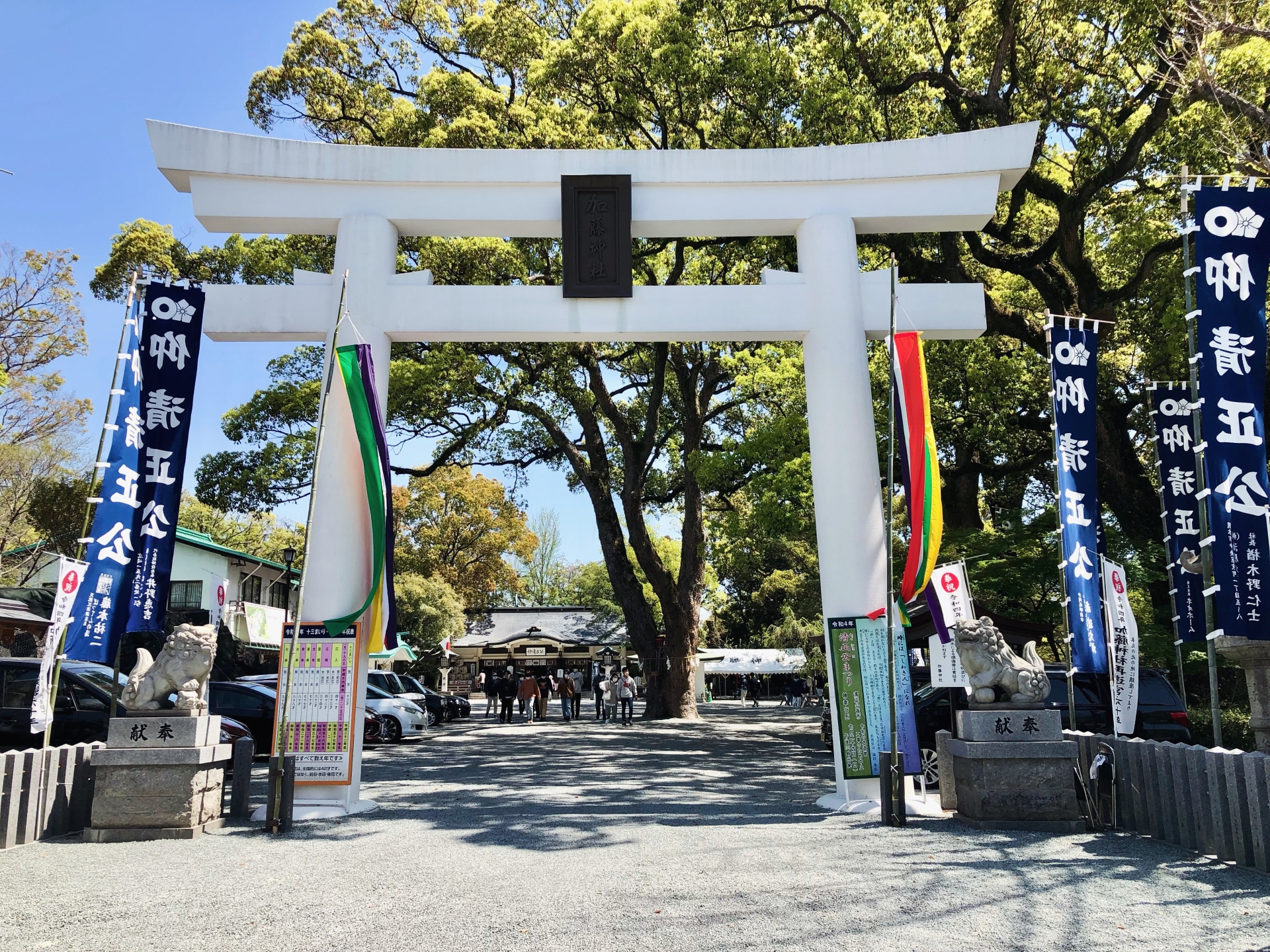
Kato Shrine
Nestled on the northern edge of the castle grounds, Kato Shrine offers the most intimate and breathtaking vantage point of the Main Keep. Dedicated to Kato Kiyomasa, the castle's architect, the shrine is a spiritual anchor for the local community. The air here is thick with the scent of incense and the rustle of prayer strips. It is a place of quiet power where the juxtaposition of the towering stone fortifications and the delicate shrine architecture creates a visual dialogue between strength and grace.
Local Soul Food
Tastes you can't find anywhere else.
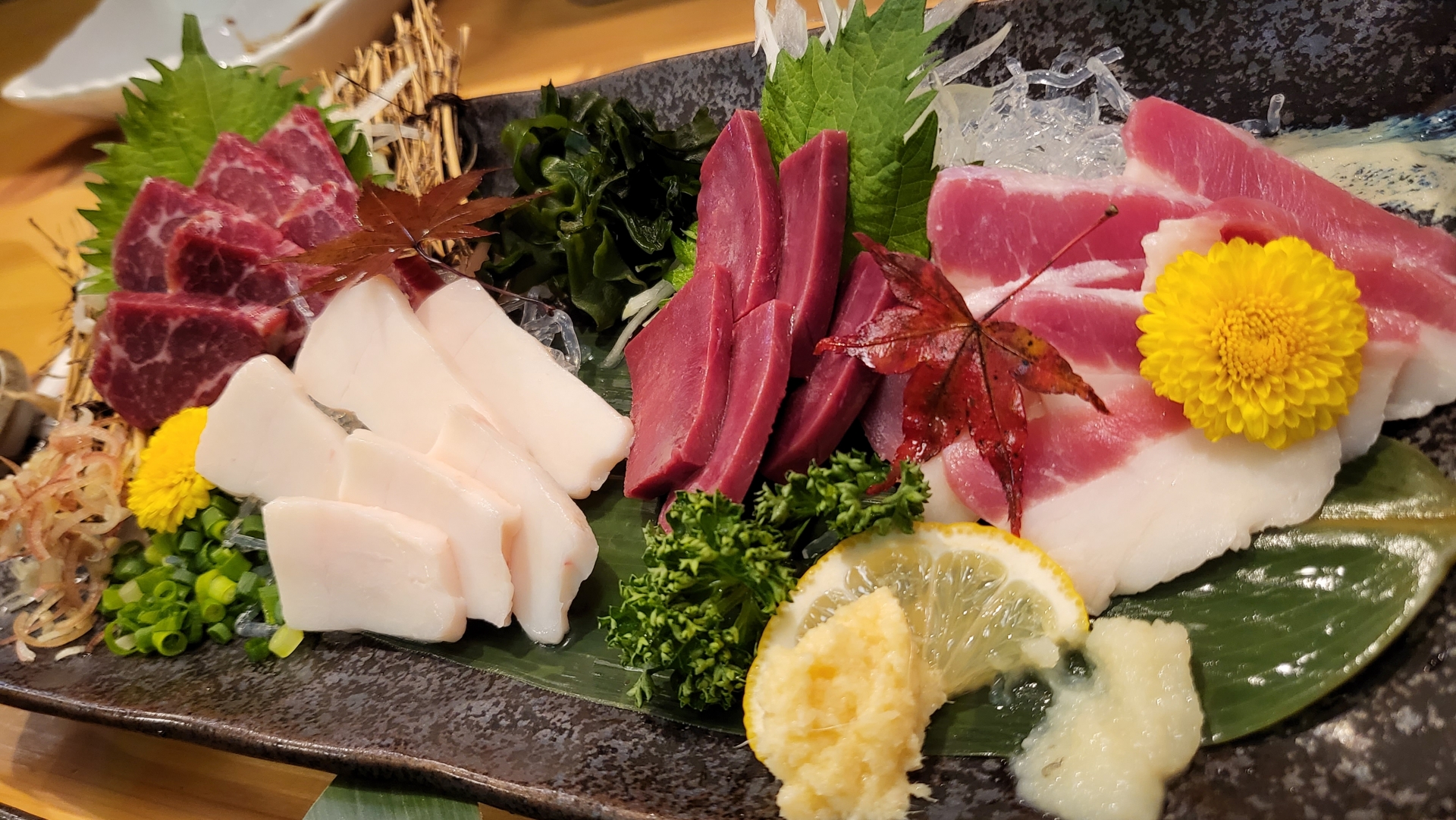
Premium Basashi (Horse Sashimi)
A delicacy synonymous with Kumamoto, the Basashi here is unparalleled. The meat is sliced thin, showcasing a vibrant ruby hue and delicate white marbling. When dipped in sweet local soy sauce with a touch of grated ginger and garlic, it offers a buttery melt-on-the-tongue texture that is both clean and incredibly rich. It is a refined, protein-rich experience that defines Kumamoto’s culinary identity.
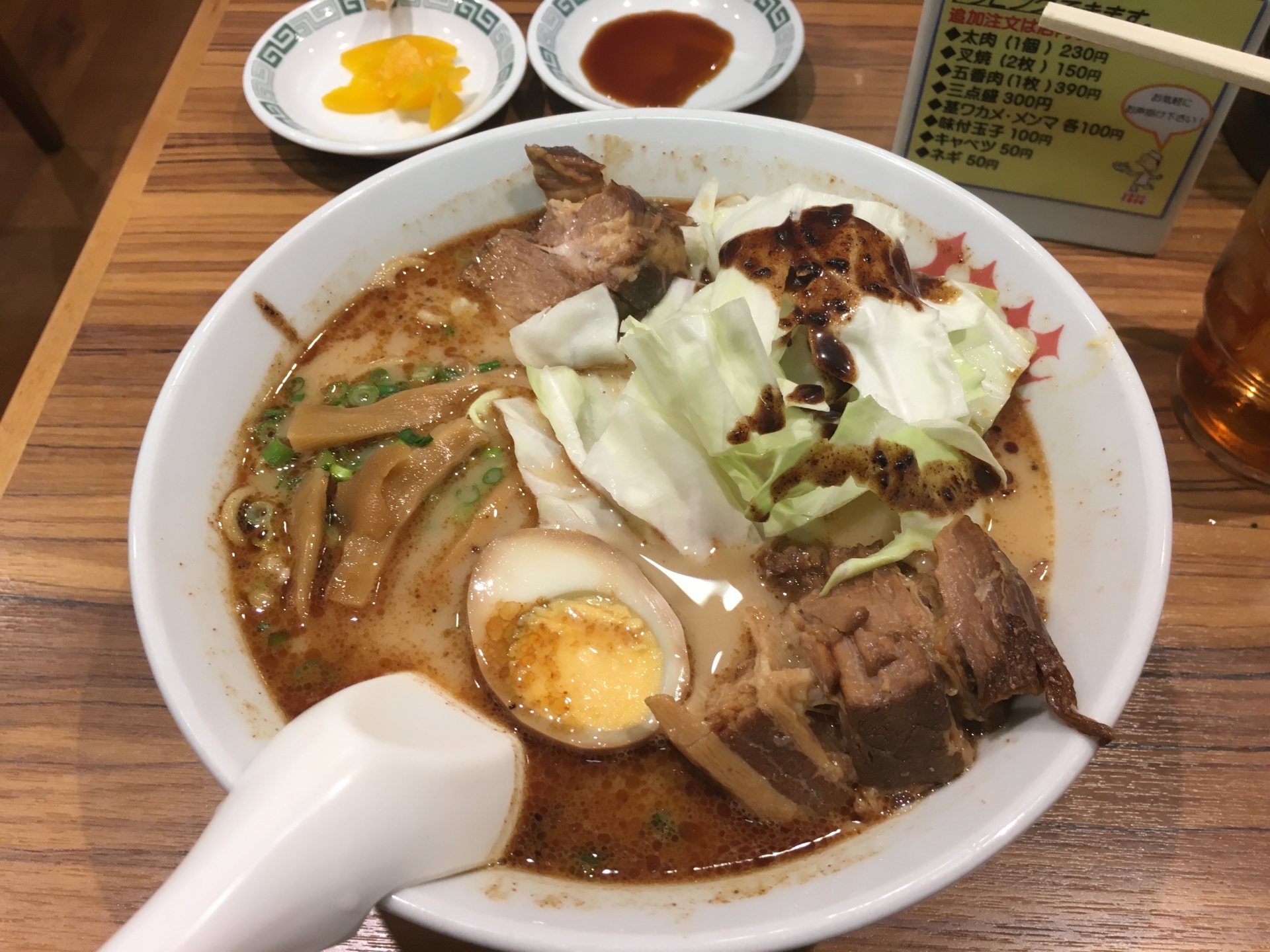
Kumamoto Tonkotsu Ramen
Unlike its Hakata cousin, Kumamoto Ramen is defined by the addition of 'ma-yu' (charred garlic oil). The broth is a creamy, collagen-rich pork bone soup that carries a deep, smoky aroma. The first sip provides a punch of savory garlic that perfectly complements the straight, medium-thick noodles and tender chashu pork. It is a soul-warming bowl that lingers on the palate with a complex, earthy finish.
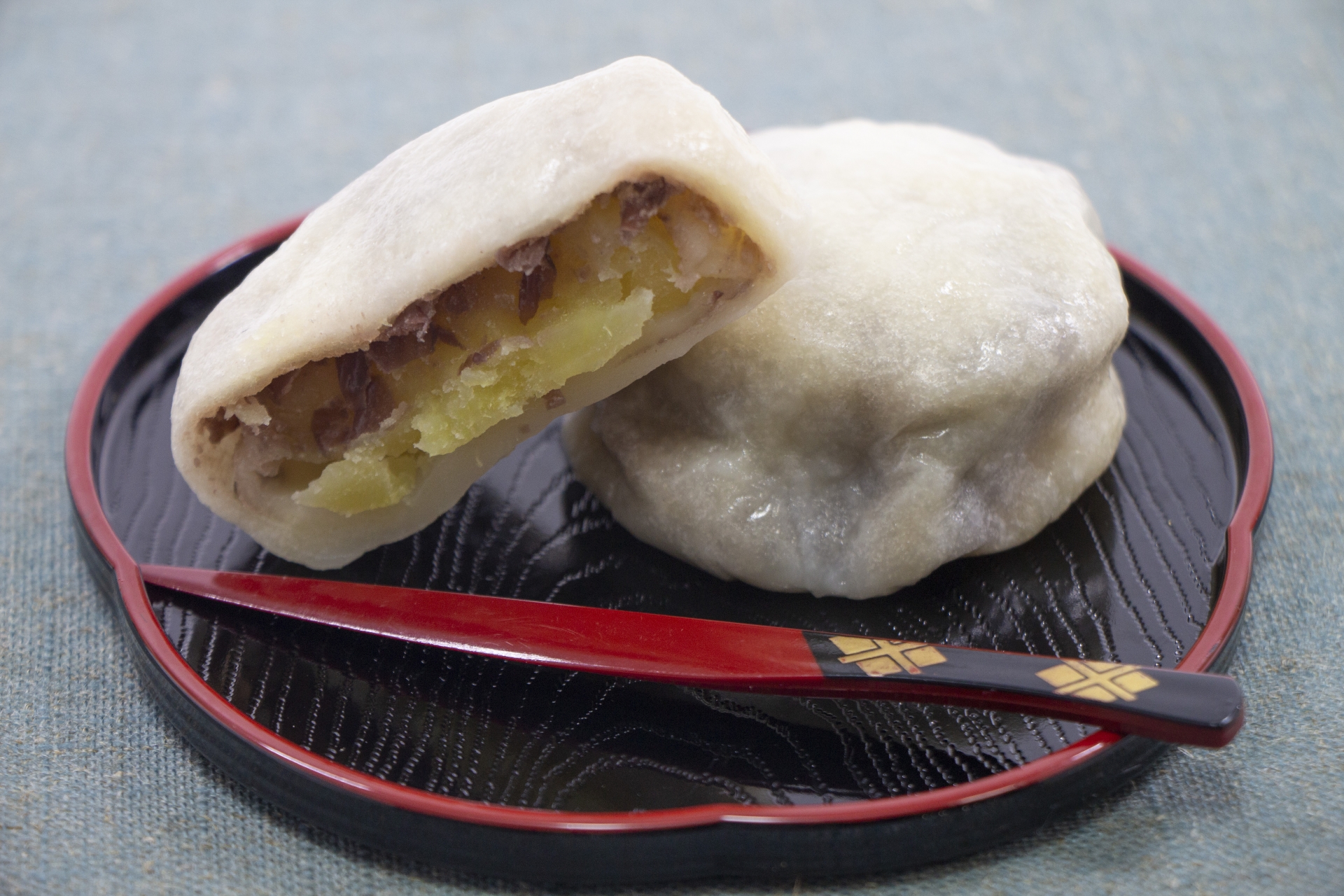
Ikinari Dango
This rustic sweet is the ultimate comfort food. A thick slice of yellow sweet potato is topped with sweet red bean paste and wrapped in a thin, chewy dough made from wheat flour and salt. Steamed to order, the warmth of the potato contrasts with the salty-sweet dough, creating a satisfying, dense texture that is both filling and nostalgic. It is the perfect snack to enjoy while wandering the castle ramparts.
Premium Stays
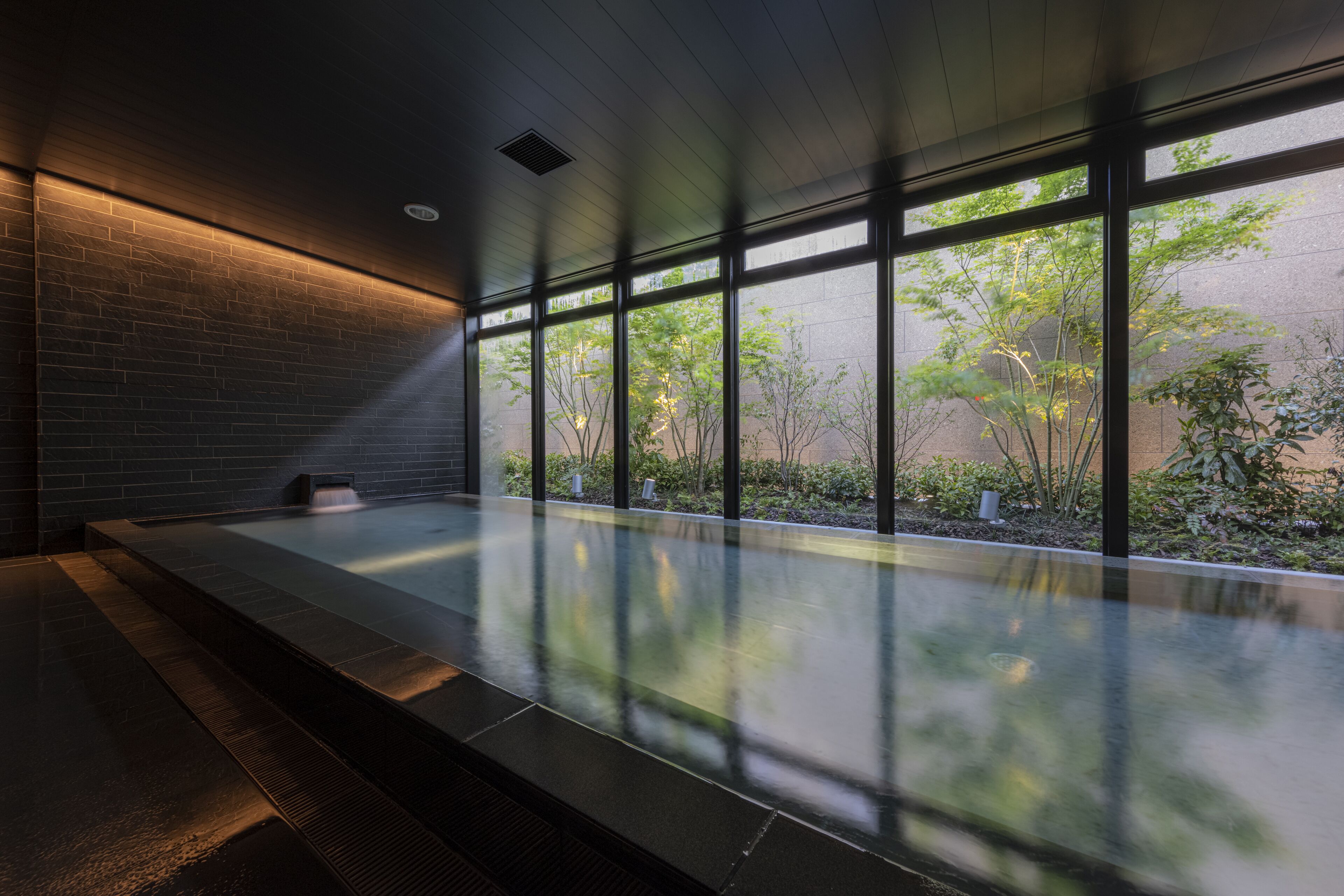
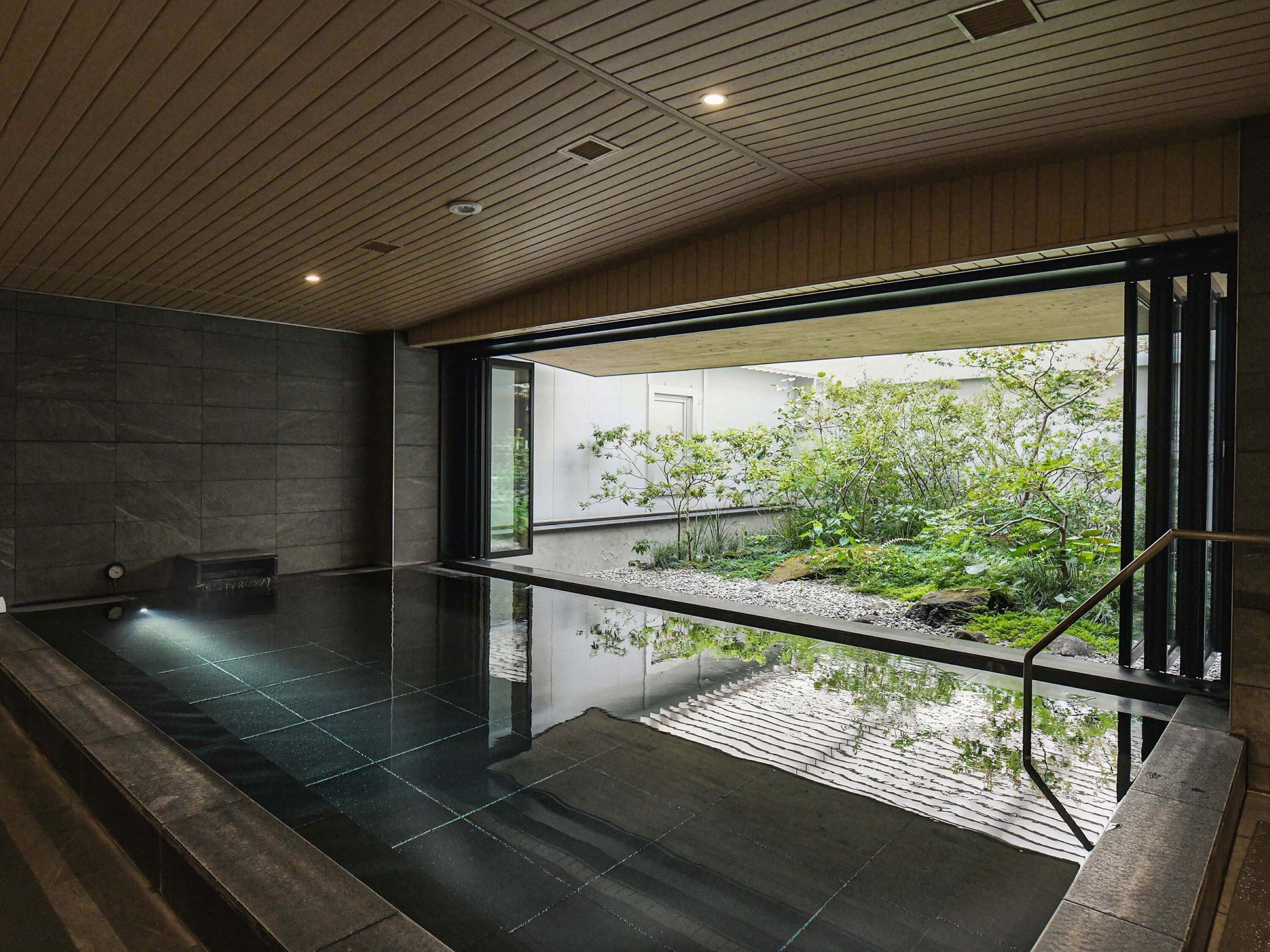
To truly capture the essence of the city, stay within the Chuo-ku district. This area offers the perfect blend of modern convenience and proximity to the castle's historical heart, allowing you to witness the fortress illuminated at night.

Getting There
From Kumamoto Station, the most scenic and convenient route is the Kumamoto City Tram (A-Line). Trams run every 5-10 minutes and provide a nostalgic journey through the city's main thoroughfares.
FAQ
Inspired?
Share this destiny with someone special.