Wakayama
Welcome to Koyasan
Ascend beyond the clouds to Koyasan, a secluded monastic complex nestled atop the peaks of Wakayama. This is not merely a destination; it is a portal to an ancient Japan where the air is thick with the scent of sandalwood and the resonance of rhythmic sutras. As you traverse the forest paths, the saline mist of the surrounding valleys gives way to a crisp, mountain purity. Here, the boundary between the physical and the spiritual dissolves. Whether you are seeking a profound meditative retreat or the architectural splendor of the Shingon esoteric tradition, Koyasan offers a sensory immersion into a world of moss-covered stupas and flickering lanterns that have burned for a millennium. It is a place of deep restoration for the modern soul.
Okunoin Cemetery
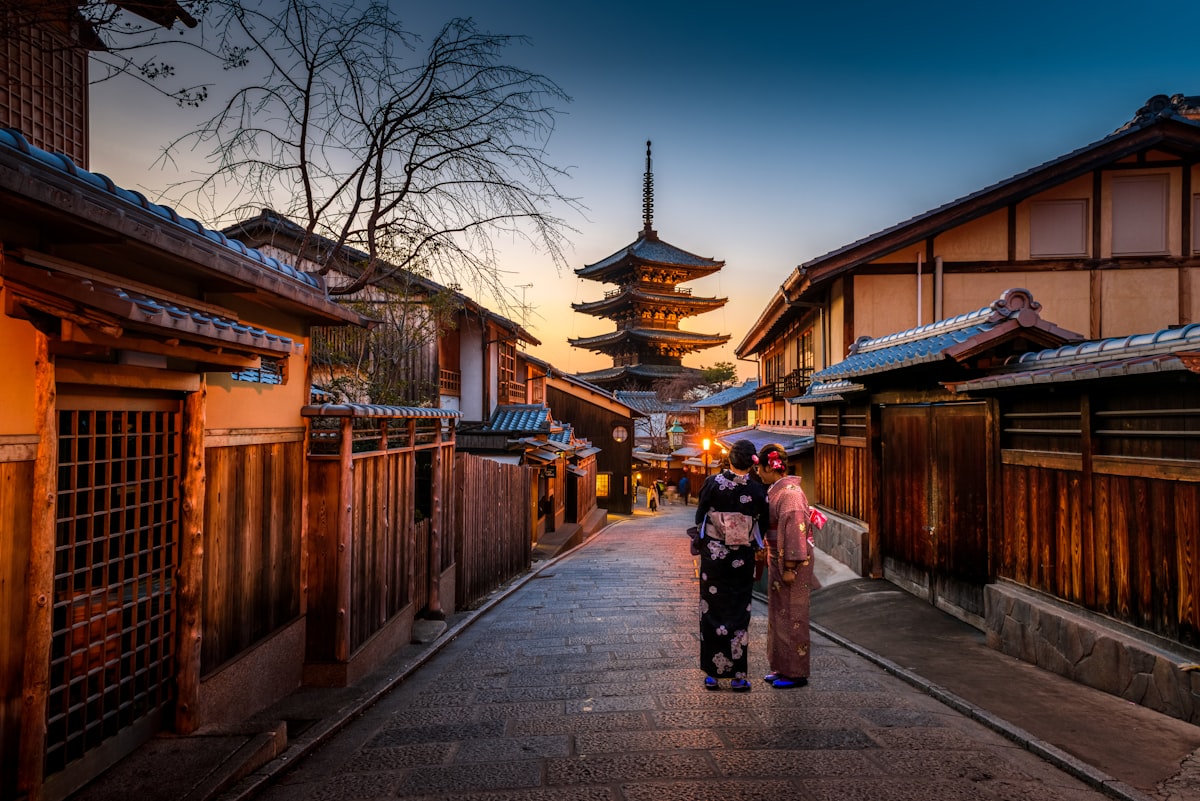
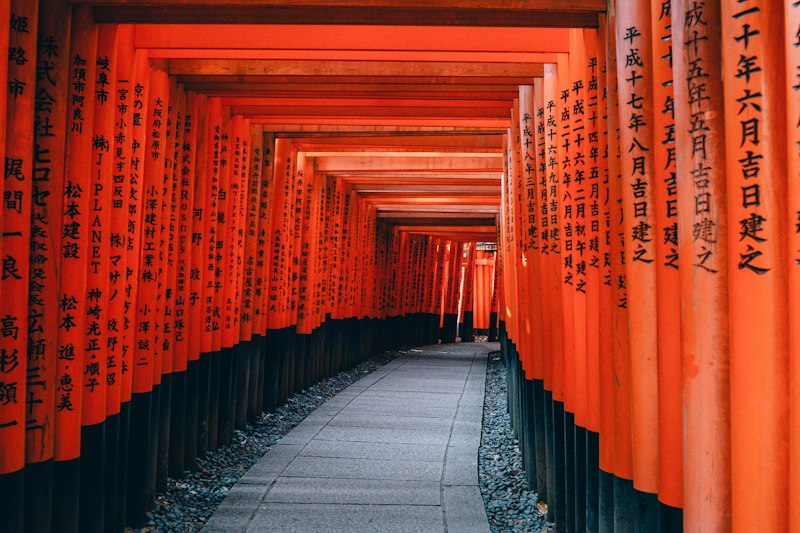
Walk the two-kilometer path through Japan’s most sacred necropolis, where over 200,000 stone stupas rest under the shadows of towering, 800-year-old cedars. The air here feels heavy with history and reverence. At the path's end lies the Torodo Hall, illuminated by over 10,000 eternal lanterns, and the mausoleum of Kobo Daishi, where he is believed to remain in eternal meditation. The interplay of light filtering through the canopy and the damp, earthy scent of ancient moss creates an atmosphere of unparalleled tranquility that demands a silent, reflective pace.
Kongobu-ji Temple
The headquarters of Shingon Buddhism, Kongobu-ji is a masterclass in refined Japanese aesthetics. Within its walls, you will find the Banryutei Rock Garden, the largest in Japan, depicting two dragons emerging from a sea of clouds represented by meticulously raked white sand. The sliding screen doors (fusuma) are adorned with vibrant paintings of cranes and seasonal flowers that seem to breathe in the soft, natural light. Sipping tea in the vast Willow Room while listening to the distant chime of a temple bell offers a moment of profound, aristocratic stillness.
Danjo Garan
As the first complex built by Kobo Daishi, Danjo Garan serves as the philosophical center of Koyasan. The Konpon Daito, a massive vermillion pagoda, stands as a brilliant architectural manifestation of the Mandala. Stepping inside, you are enveloped by a cosmic display of golden statues and intricate pillars that represent the heart of the Buddhist universe. The contrast between the vibrant orange lacquer and the surrounding deep green forest is a visual feast, particularly when the setting sun hits the pagoda's spire, casting a celestial glow over the sacred grounds.
Local Soul Food
Tastes you can't find anywhere else.

Shojin Ryori (Buddhist Cuisine)
A multi-course vegetarian feast that is a symphony of seasonal textures. Experience the buttery melt of premium Goma-dofu (sesame tofu) and the delicate crunch of wild mountain vegetable tempura. Every dish is crafted to balance the five colors and five flavors, served on traditional vermillion lacquerware that elevates a simple meal into a meditative ritual.
Koya-dofu (Freeze-dried Tofu)
A local specialty with a fascinating history, this tofu is freeze-dried in the mountain air to create a unique, sponge-like texture. When simmered in a rich, sweet dashi, it absorbs the broth completely, releasing a warm, umami-laden explosion with every bite. It is a rustic, comforting staple that embodies the resilience of mountain life.
Yakimochi (Grilled Rice Cakes)
The perfect mountain snack, these flattened rice cakes are filled with sweet azuki bean paste and lightly toasted over a flame. The exterior offers a subtle, smoky char and a satisfying chew, while the interior remains soft and warm. It is the quintessential 'soul food' for pilgrims walking the misty trails of the Koya-san peaks.
Premium Stays
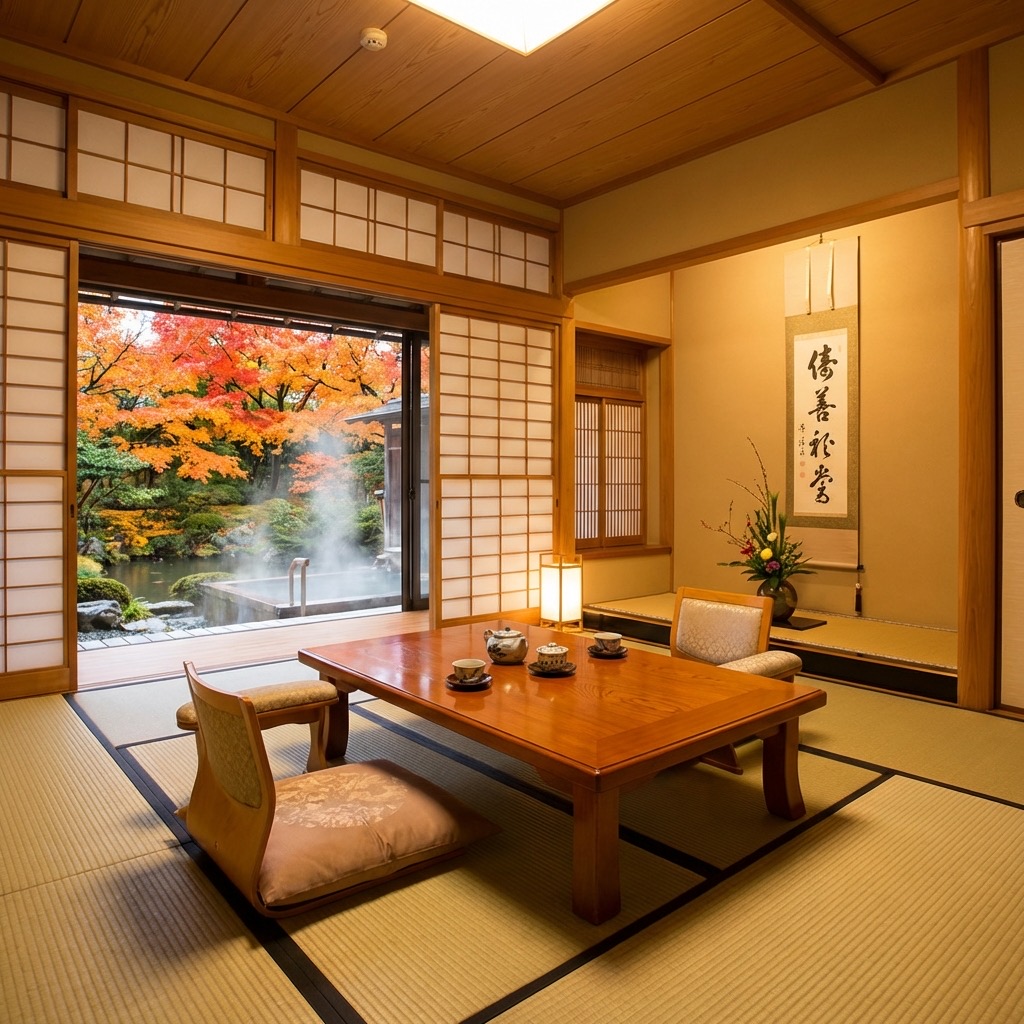
To truly experience Koyasan, one must stay in a Shukubo (temple lodging). This allows you to participate in morning prayers and fire ceremonies, providing an intimate look at monastic life without sacrificing luxury or comfort.
Getting There
Take the Nankai Koya Line from Osaka Namba Station to Gokurakubashi. From there, board the scenic Koyasan Cable Car for a steep, breathtaking ascent. Finally, a dedicated bus connects the cable car station to the town center.
FAQ
Inspired?
Share this destiny with someone special.