Welcome to Kotoku-in
Standing before the Great Buddha of Kotoku-in is not merely a sightseeing stop; it is a transformative encounter with silence. As the saline mist from the nearby Sagami Bay drifts through the temple grounds, the colossal bronze figure emerges from the greenery, a testament to 13th-century craftsmanship and spiritual resilience. You will feel the weight of history in the cool, weathered metal and hear the whisper of the wind through the surrounding pines. This is where the frantic pace of modern Tokyo dissolves into the meditative stillness of Kamakura. Whether you are seeking a moment of profound reflection or a deep dive into Japan's medieval heritage, Kotoku-in offers a sensory journey that lingers long after you leave its gates.
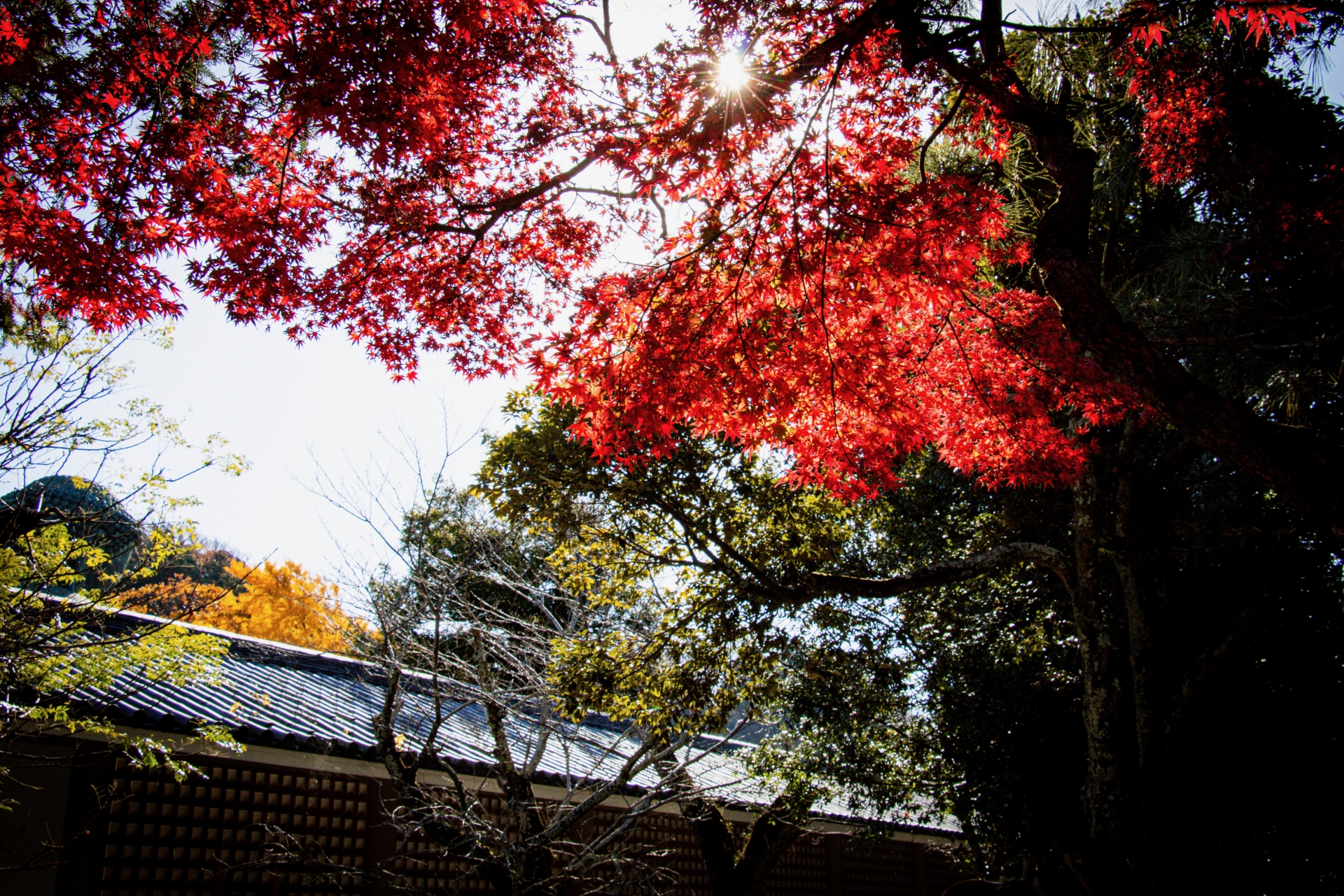
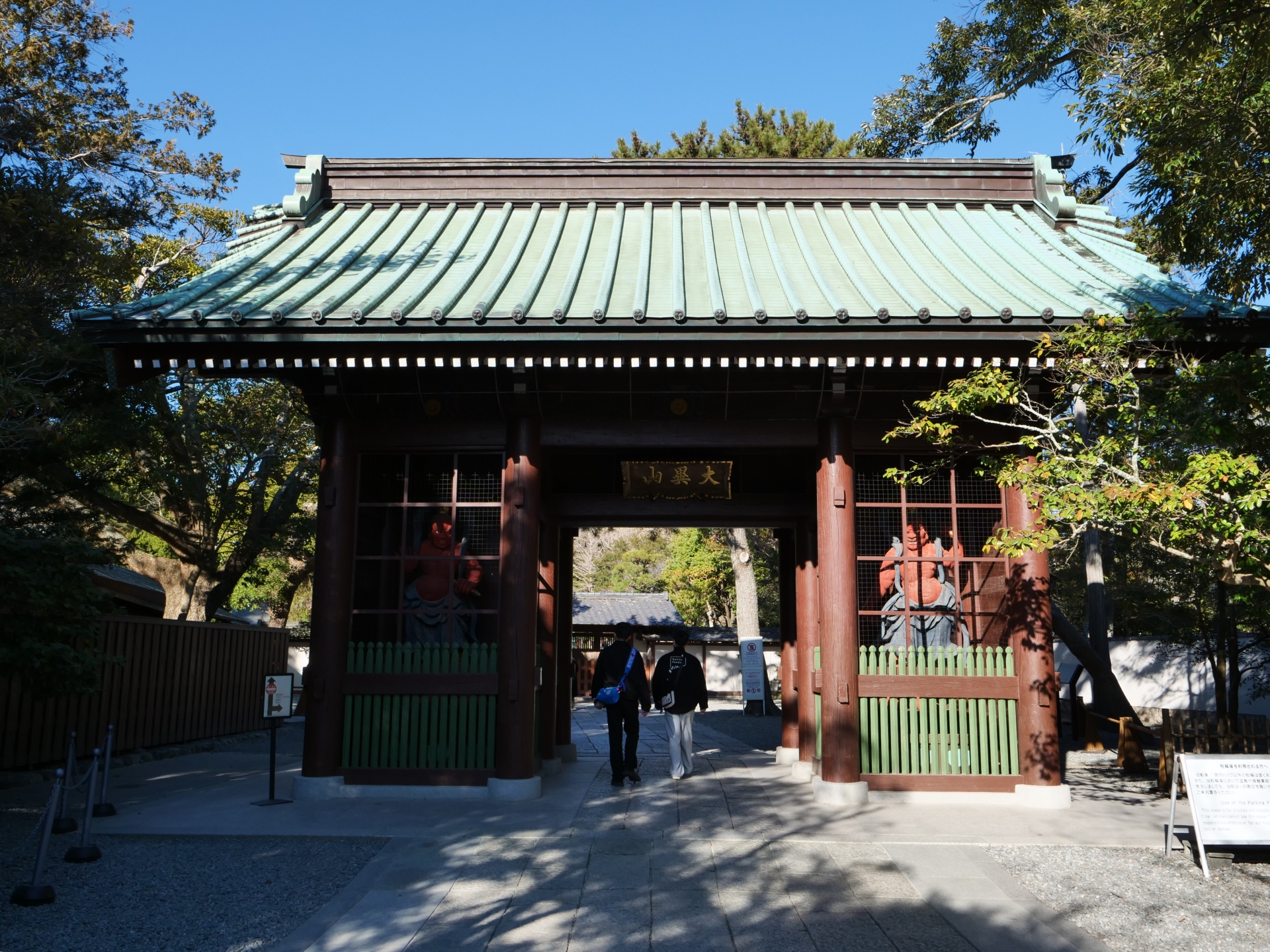
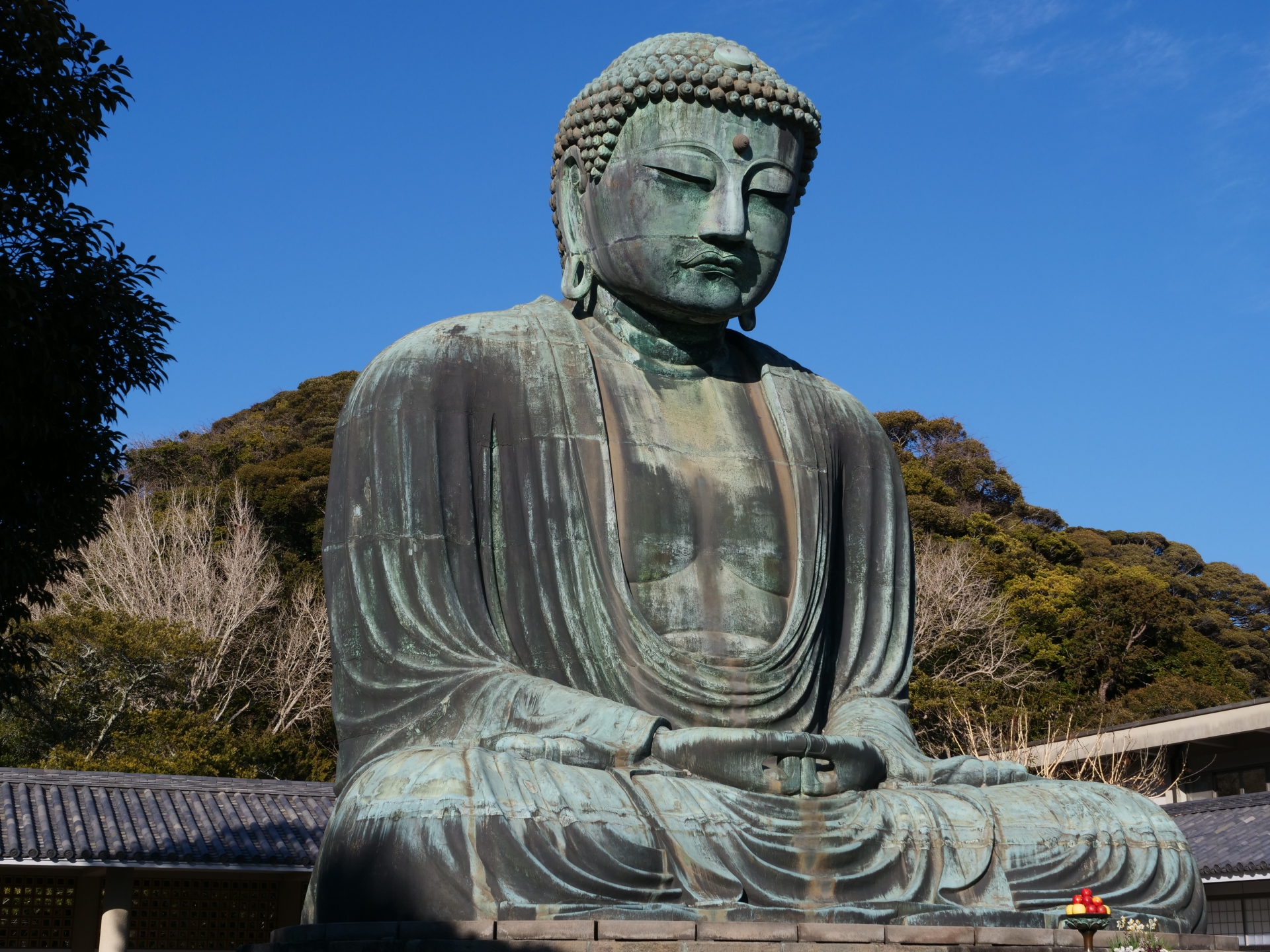
The Great Buddha (Daibutsu)
The icon of Kamakura, this 11.3-meter-tall bronze statue of Amida Buddha has survived tsunamis and earthquakes since 1252. Unlike many deities housed in dark halls, the Daibutsu sits under the open sky, its surfaces reflecting the shifting light of the seasons. For a nominal fee, you can step inside the hollow interior, feeling the cool breath of the metal and observing the ancient casting techniques from within—a rare, intimate perspective on a National Treasure.
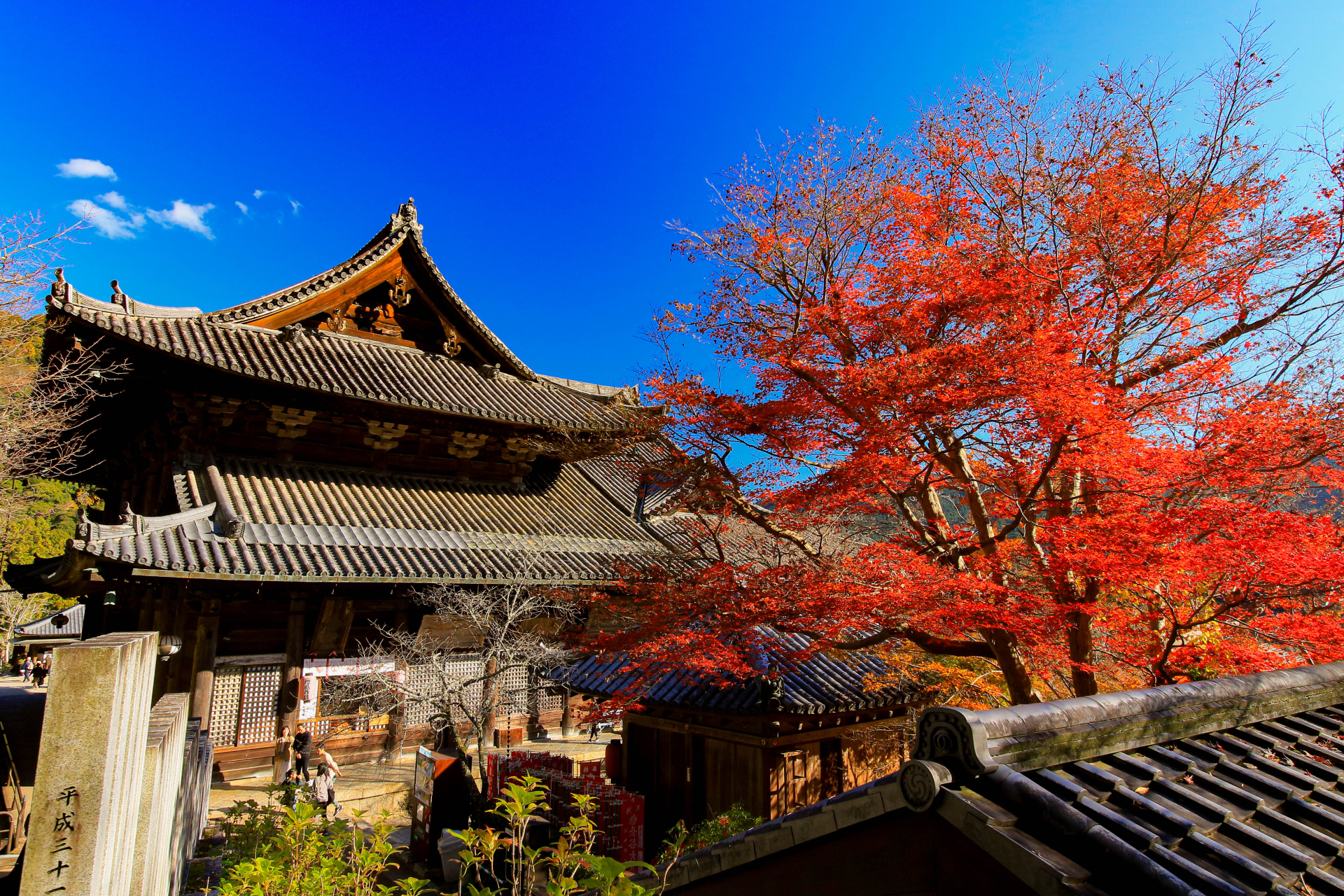
Hasedera Temple
Just a short stroll from Kotoku-in, Hasedera is a tiered architectural marvel famous for its 'Eleven-headed Kannon' and thousands of miniature Jizo statues. The temple gardens are a sensory explosion of hydrangeas in June and fiery maples in November. Ascend to the observation platform to witness the breathtaking panorama of Yuigahama Beach, where the blue of the Pacific meets the lush green of the Kamakura hills—a view that defines the coastal spiritual aesthetic.
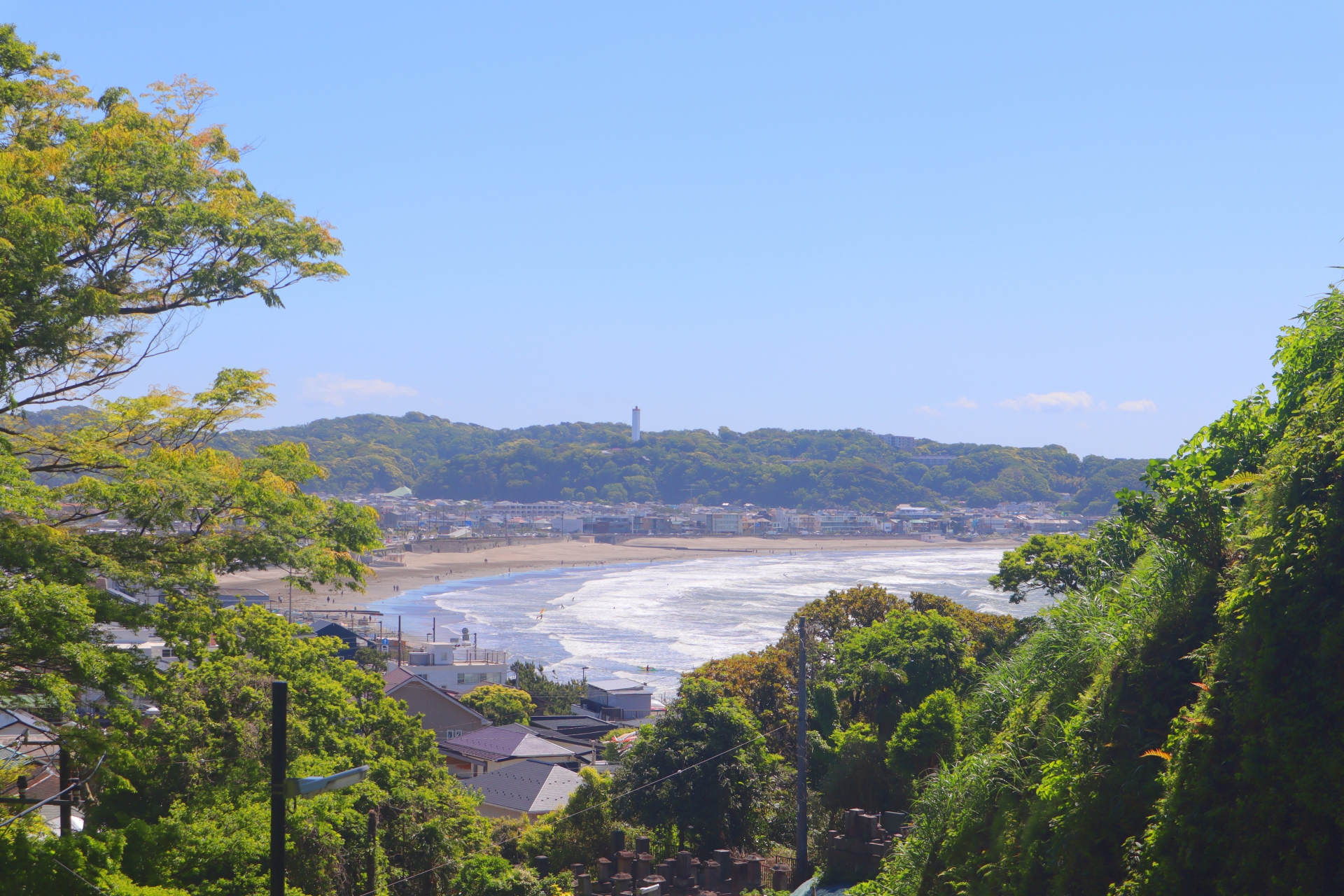
Yuigahama Beach
Complete your spiritual journey by walking down to the shoreline. Yuigahama offers a refreshing contrast to the temple's solemnity. Feel the fine sand beneath your feet and the rhythmic pulse of the tide. In the summer, it buzzes with chic 'Umi-no-ie' (beach huts), but in the off-season, it is a serene stretch of coastline perfect for reflecting on your visit to the Buddha while watching local surfers chase the Pacific swells.
Local Soul Food
Tastes you can't find anywhere else.
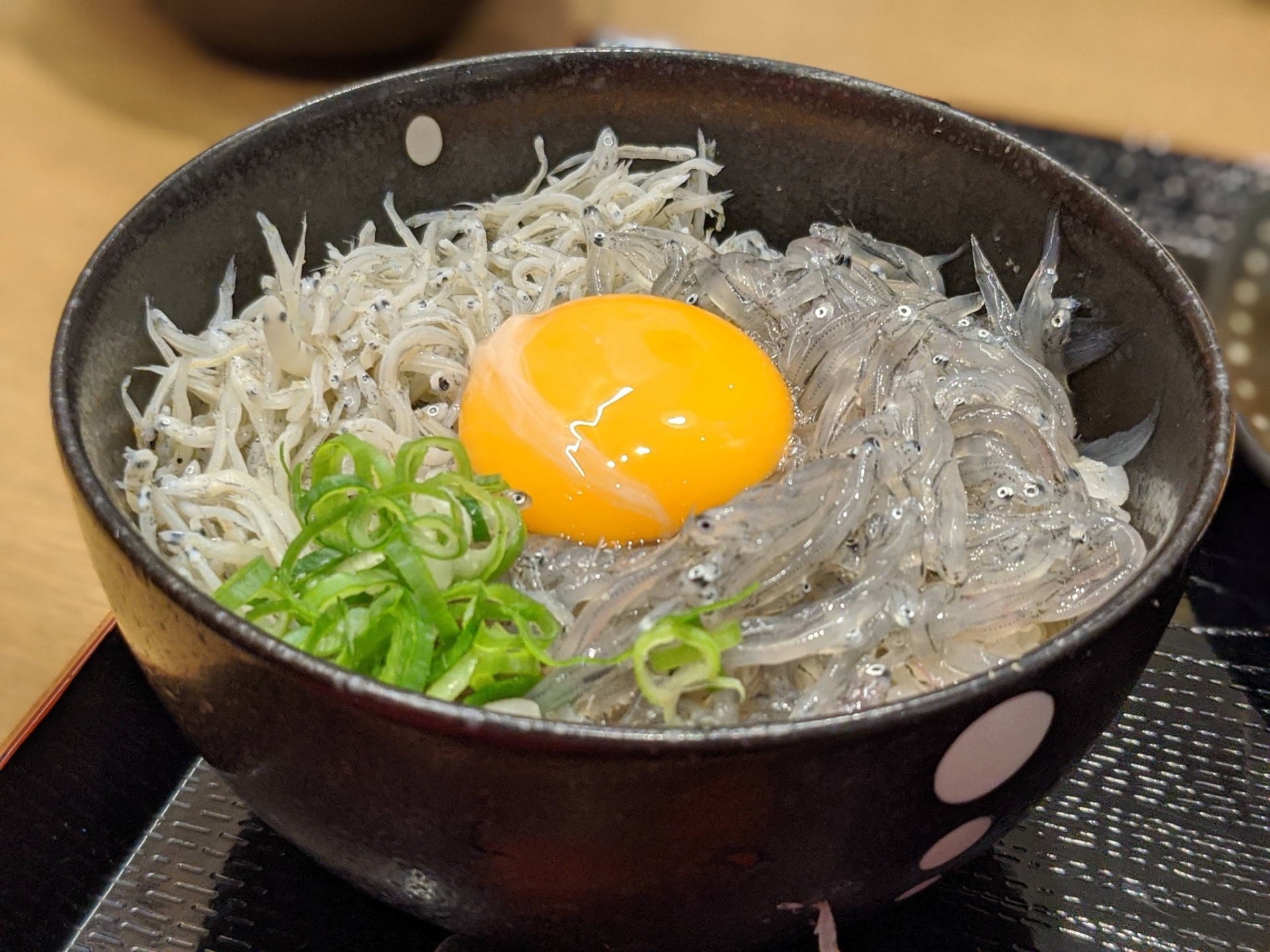
Fresh Shirasu-don (Whitebait Bowl)
The quintessential taste of Kamakura. These tiny, translucent fish are served either raw (silky and sweet) or boiled (fluffy and saline) over a bed of premium Japanese rice. Topped with grated ginger and a splash of artisanal soy sauce, each bite is a concentrated burst of oceanic umami that melts effortlessly on the tongue.
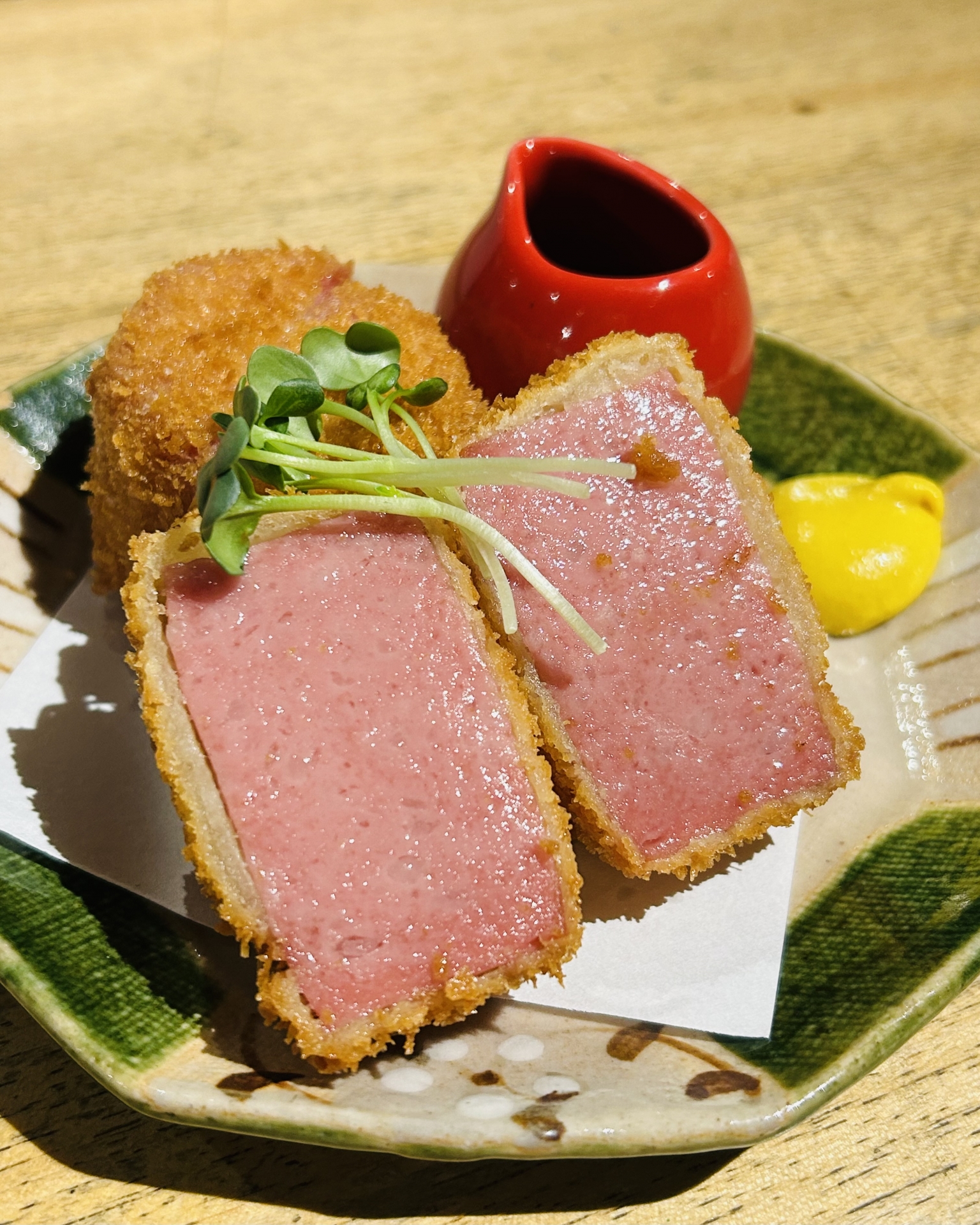
Kamakura Ham Cutlet
A legacy of Meiji-era Western influence, this is no ordinary ham. Thick-cut, premium pork is cured using traditional methods, breaded in panko, and fried to a shattering golden crisp. The contrast between the salty, succulent interior and the crunchy exterior creates a sophisticated street food experience that pairs perfectly with local craft beer.
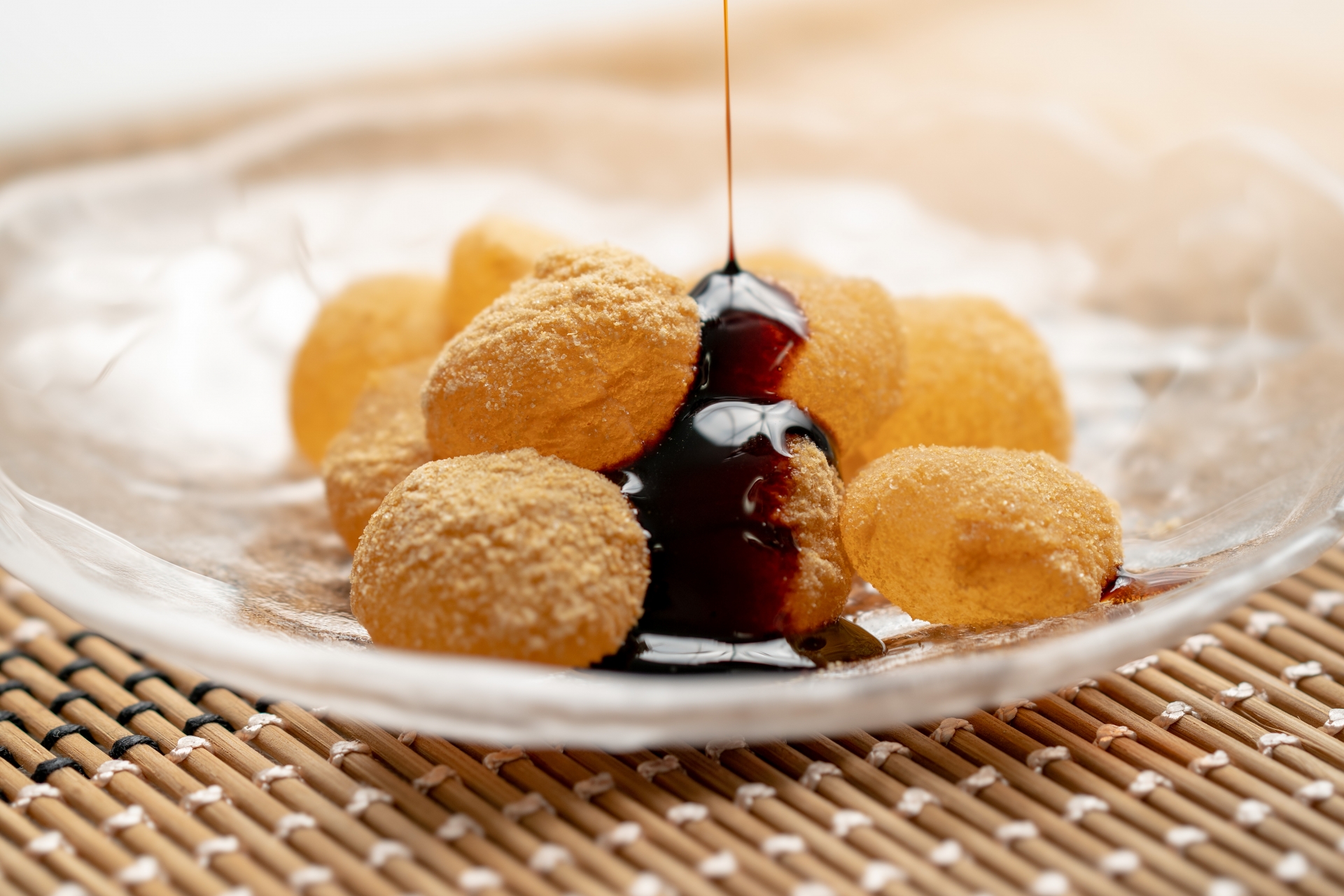
Warabi Mochi with Kuromitsu
Indulge in these translucent, jelly-like pillows made from bracken starch. Dusted in toasted kinako (soybean powder) and drizzled with rich, smoky kuromitsu (black honey), the texture is a delicate dance between firm and fleeting. It is a cooling, elegant sweet that cleanses the palate after a day of exploration.
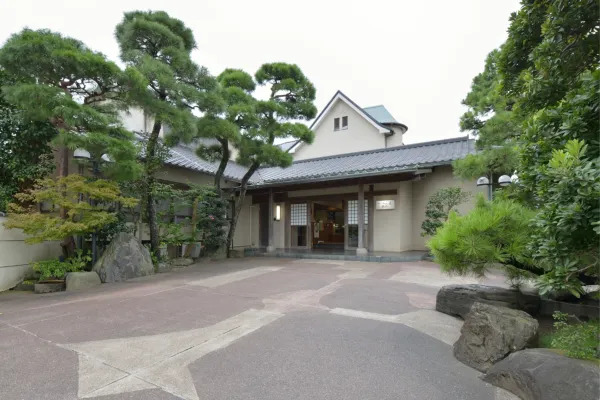
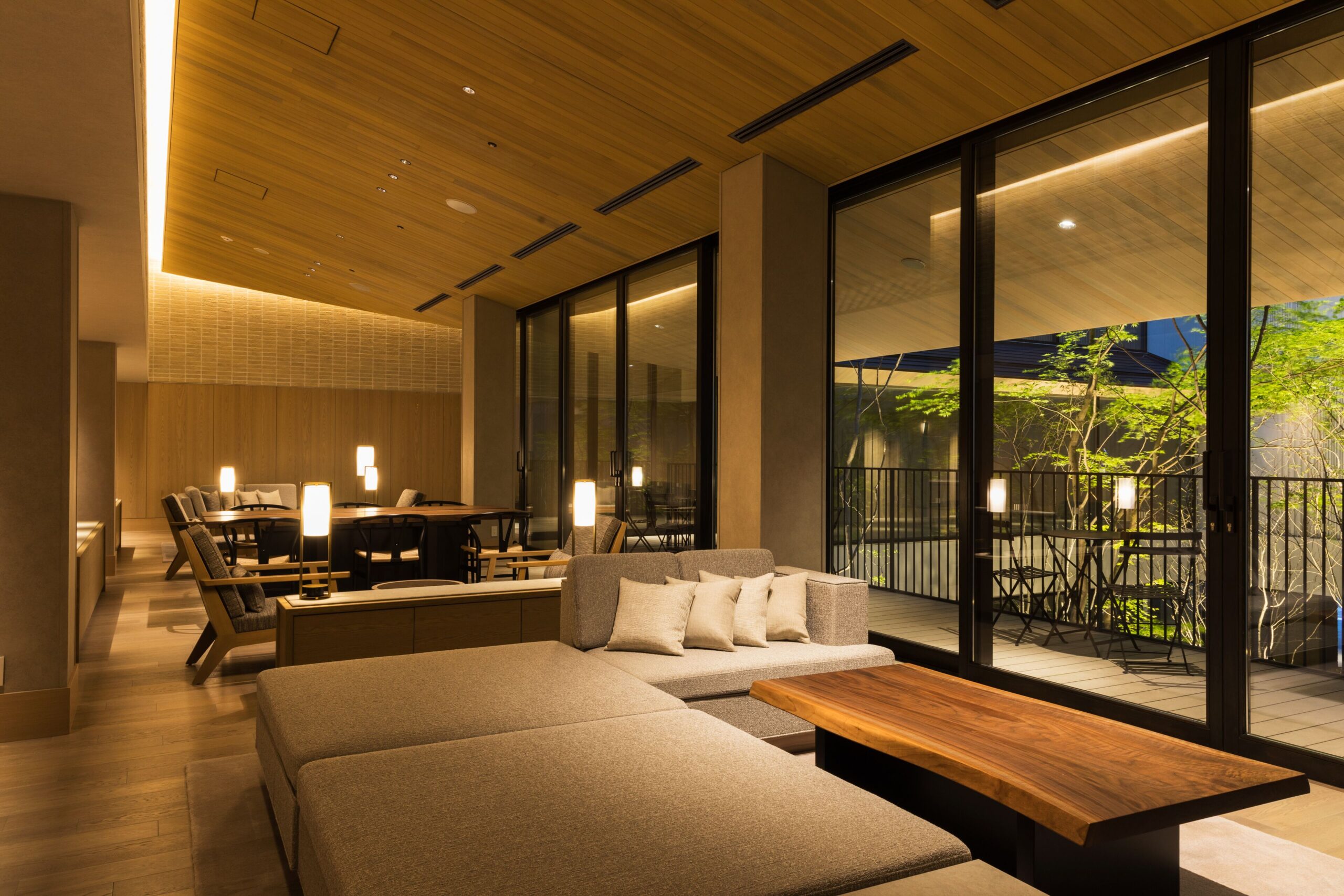
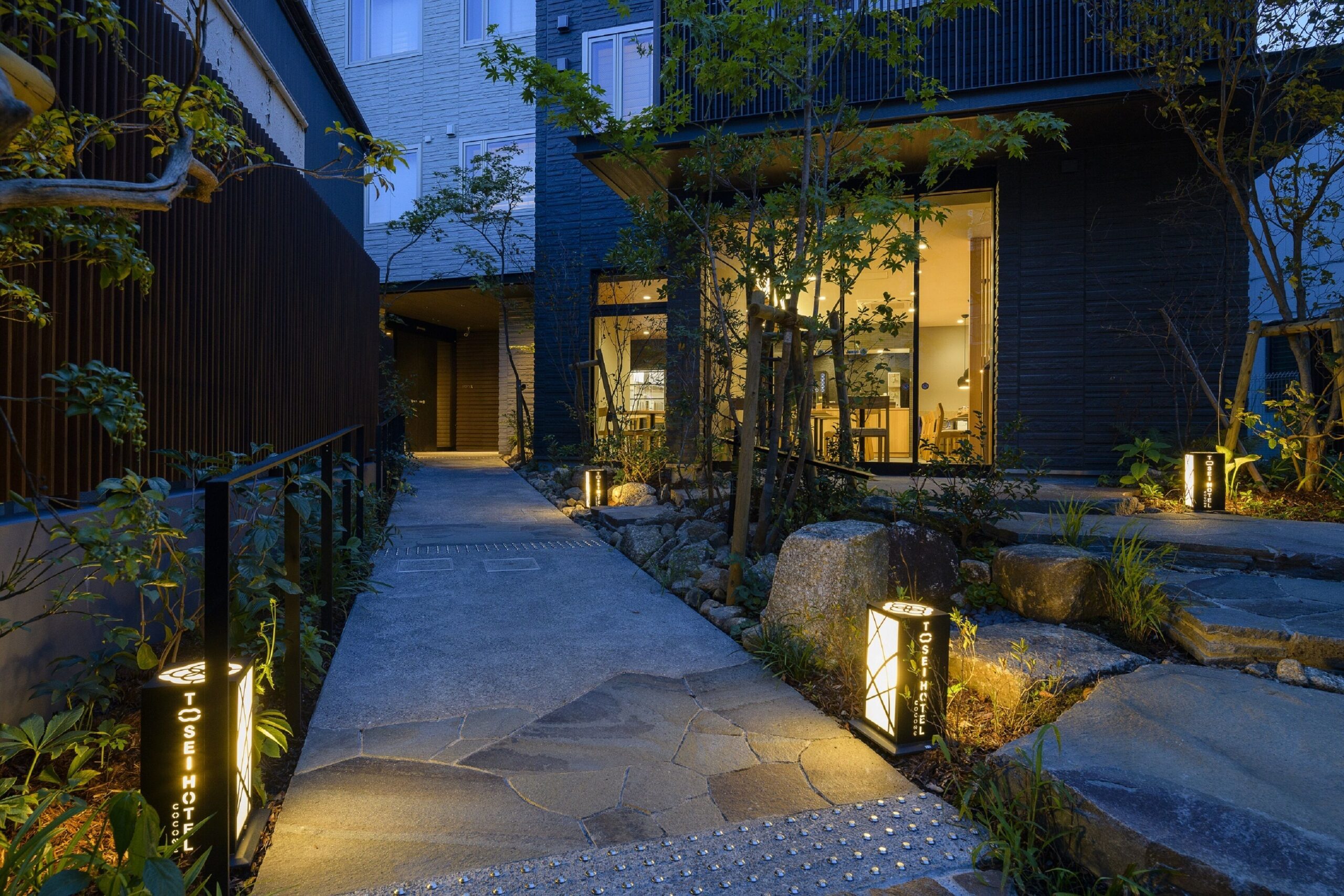
Premium Stays
To truly absorb the 'Kamakura Mood,' stay near the coast for ocean breezes or tucked into the foothills for temple-side tranquility. The area transforms into a quiet, magical village once the day-trippers depart.
Getting There
From Tokyo Station, take the JR Yokosuka Line directly to Kamakura Station. Transfer to the charming Enoden Line and get off at Hase Station. From there, it is a scenic 7-minute walk through local craft shops to the temple gates.
FAQ
Inspired?
Share this destiny with someone special.