Okayama
Welcome to Korakuen Garden
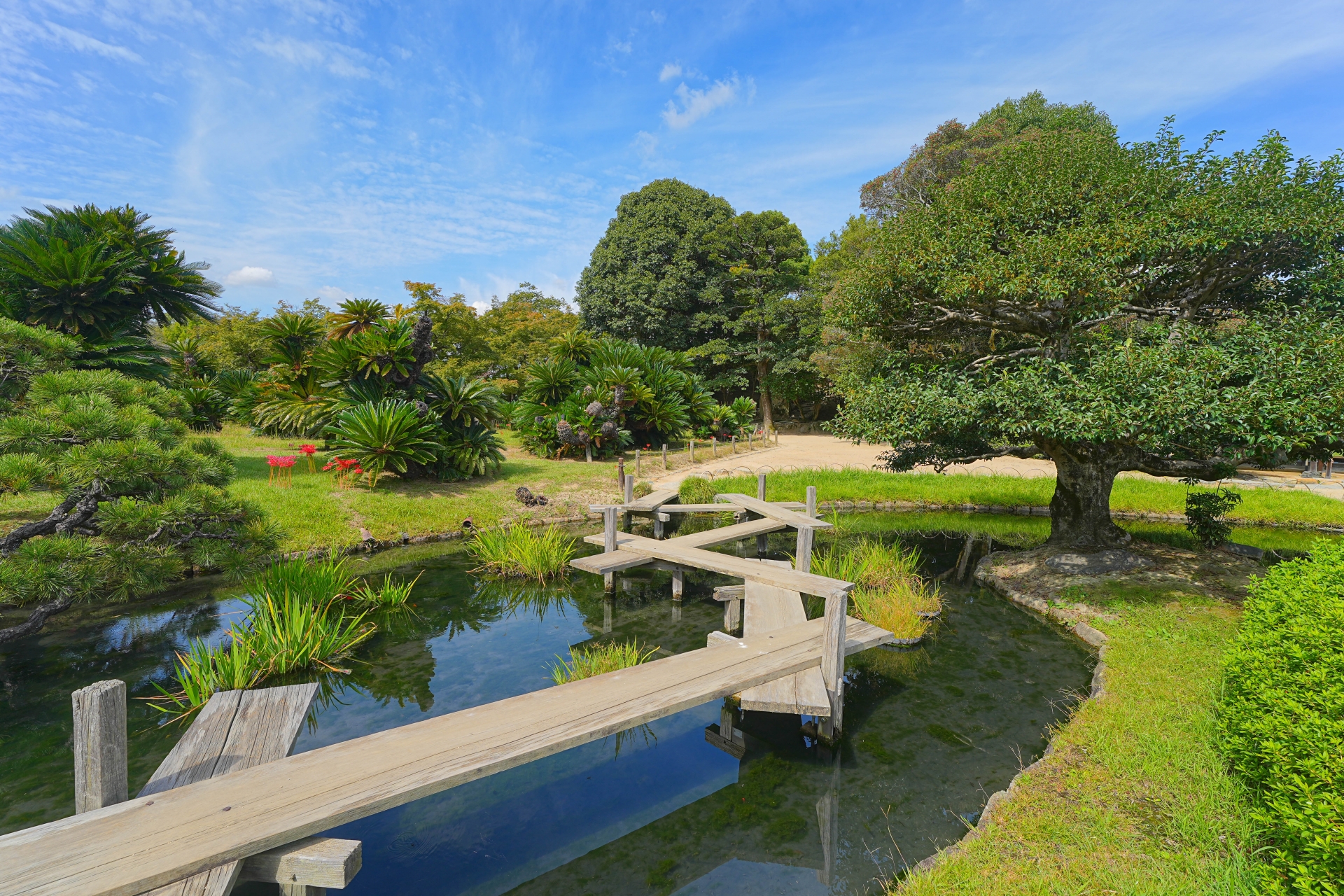
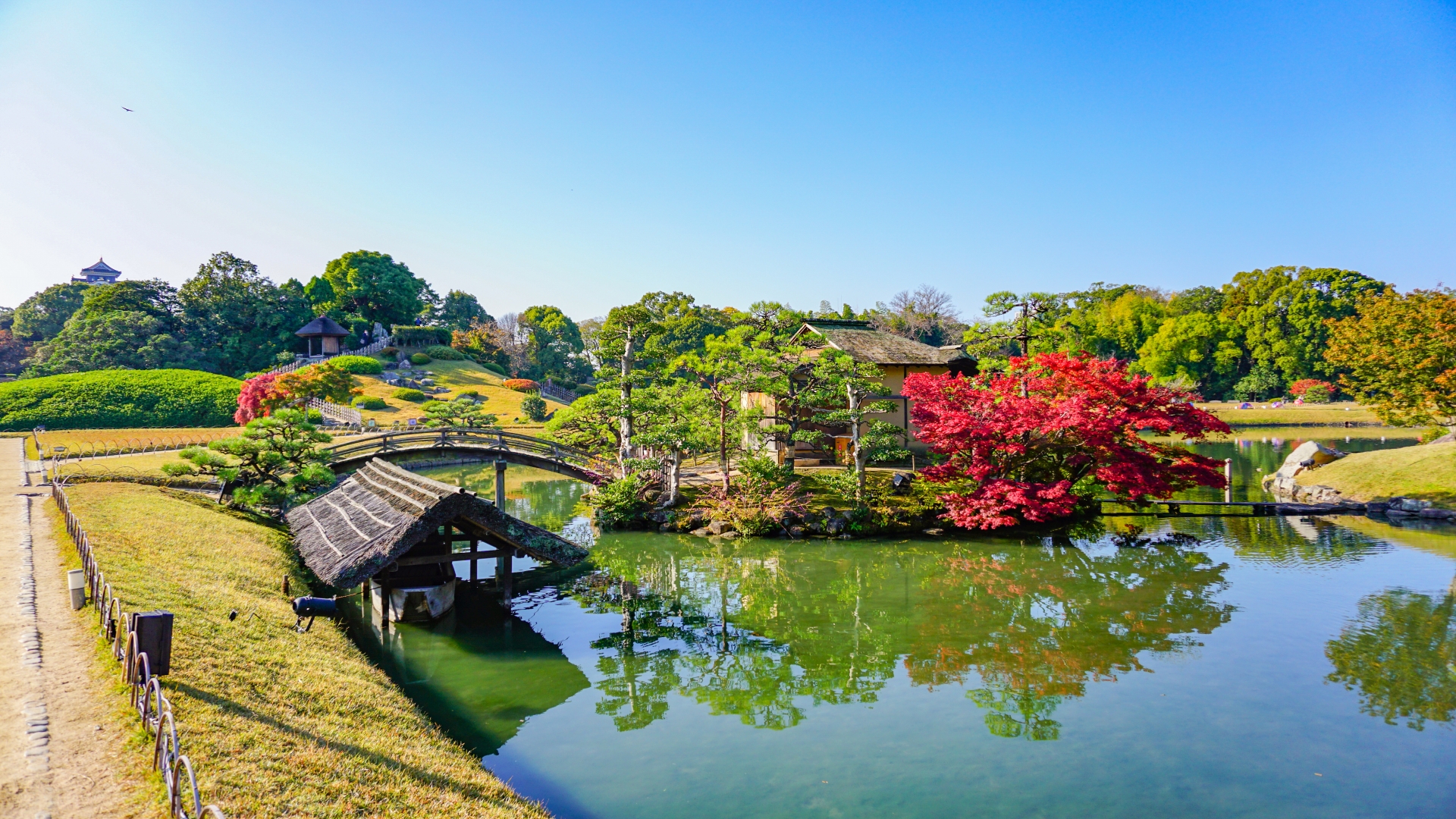
Stepping into Korakuen is not merely a walk through a park; it is an immersion into a living ink-wash painting. As one of Japan’s three Great Gardens, this 17th-century masterpiece offers a sensory symphony—the rhythmic crunch of manicured gravel, the delicate floral perfume of plum blossoms in early spring, and the sight of the majestic Okayama Castle looming like a black crow against the horizon. Here, the concept of 'Shakkei' or borrowed scenery is perfected, pulling the surrounding mountains into the garden's embrace. Whether you are watching the graceful dance of the resident red-crowned cranes or finding stillness in a tea house, Korakuen promises a profound reconnection with the elegance of the Edo period. It is a sanctuary designed for contemplation, where every curve of the stream and placement of stone tells a story of harmony and power.
Enyo-tei House
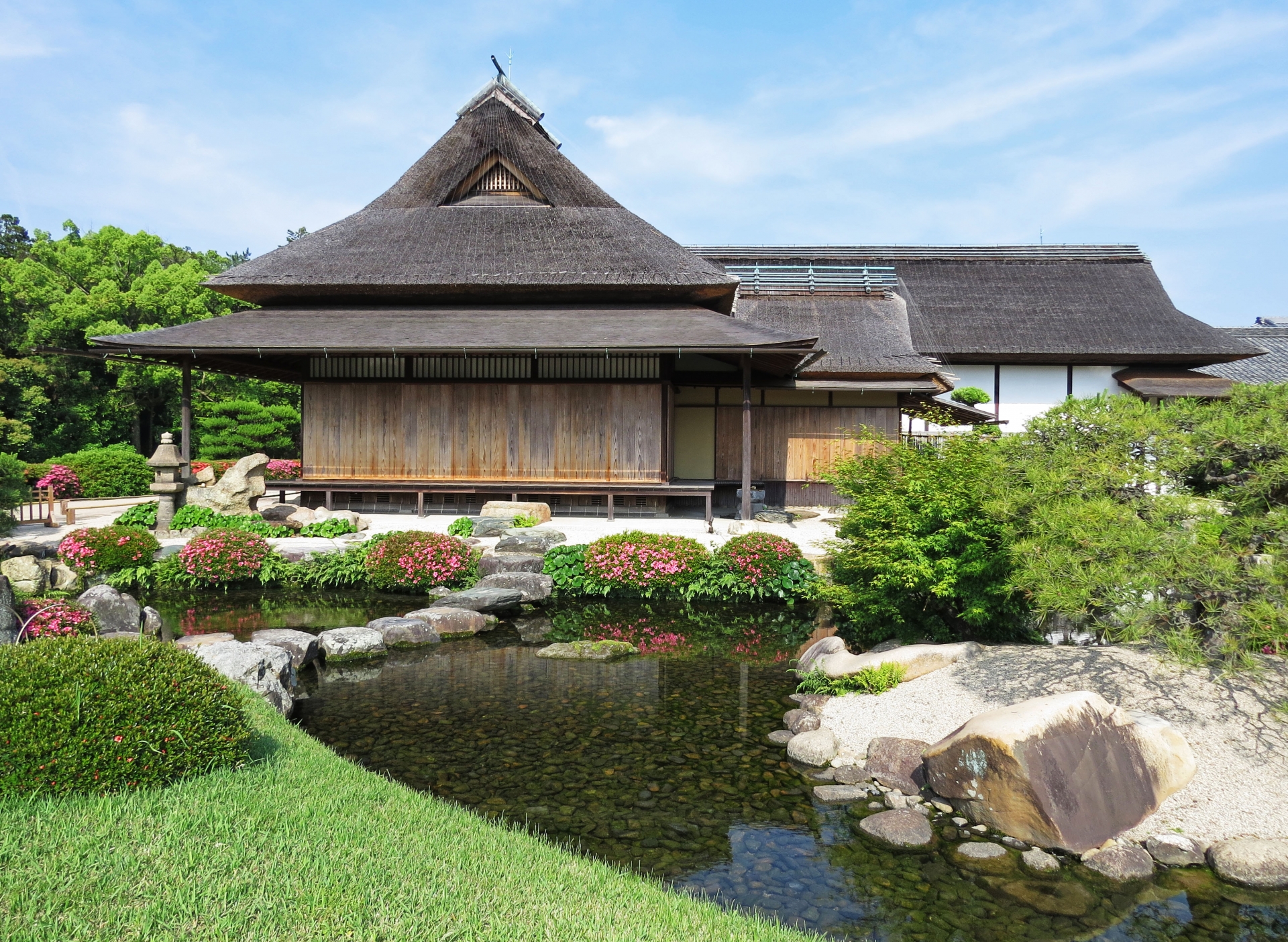
This is the heart of the garden, the very spot where the Daimyo once sat to survey his domain. The architecture is a masterclass in minimalist sophistication, using rare timbers and sliding fusuma doors that frame the garden like a series of changing paintings. Feel the cool breath of the pond air as it flows through the open corridors. Standing here, you aren't just a visitor; you are occupying a seat of historical authority, witnessing the exact panoramic vista designed for the lords of the Ikeda clan three centuries ago.
Yuishinzan Hill
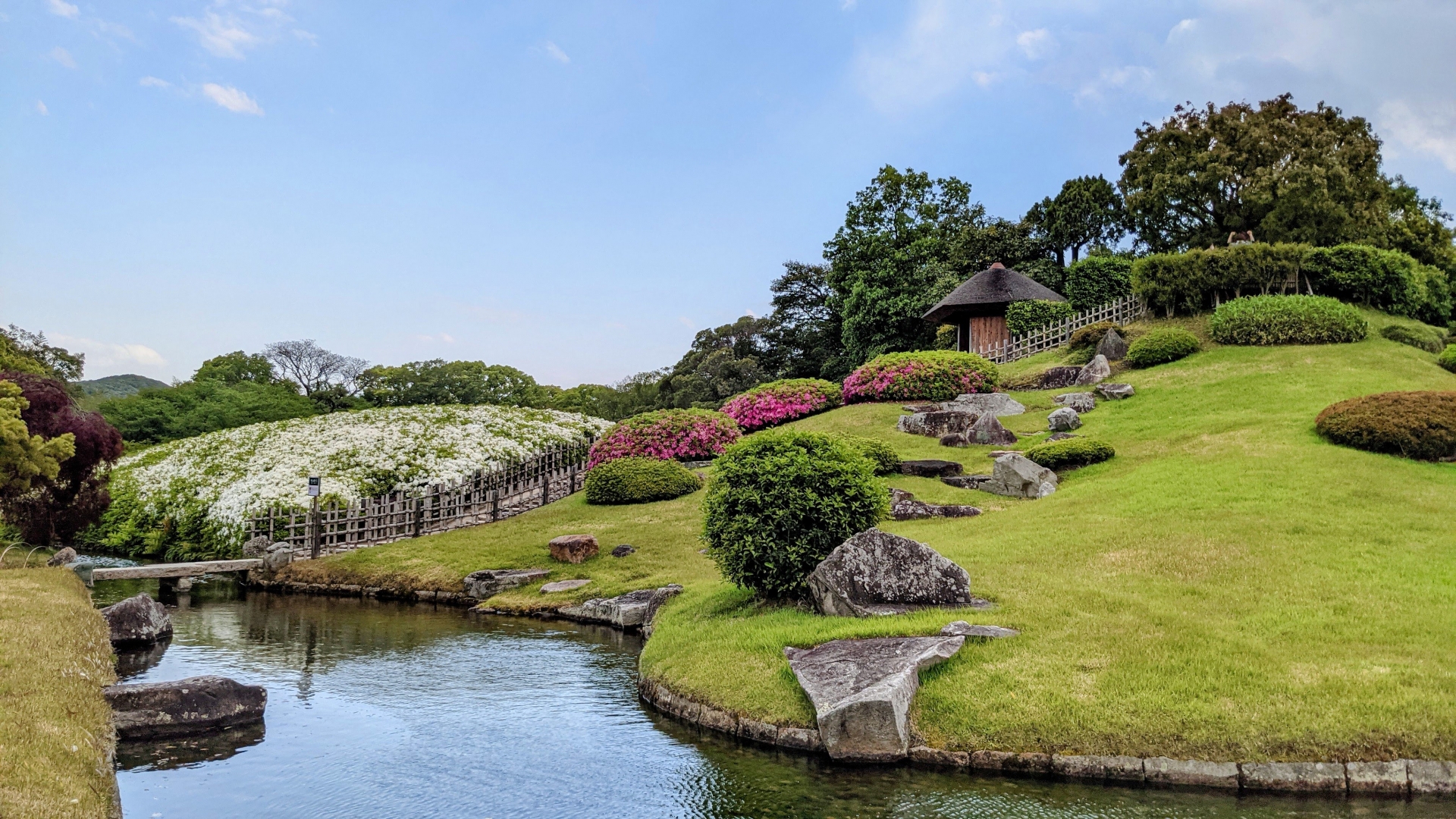
Rising gently from the center of the garden, Yuishinzan Hill provides the definitive vertical dimension to your journey. As you ascend the stone steps, the garden unfolds beneath you in a geometric tapestry of streams, bridges, and lawns. The air feels lighter here, carrying the scent of seasonal azaleas or maple leaves. From the summit, the 'Crow Castle' (Okayama Castle) appears to float just beyond the garden’s edge, creating a stunning visual dialogue between the soft curves of nature and the rigid strength of feudal fortifications.
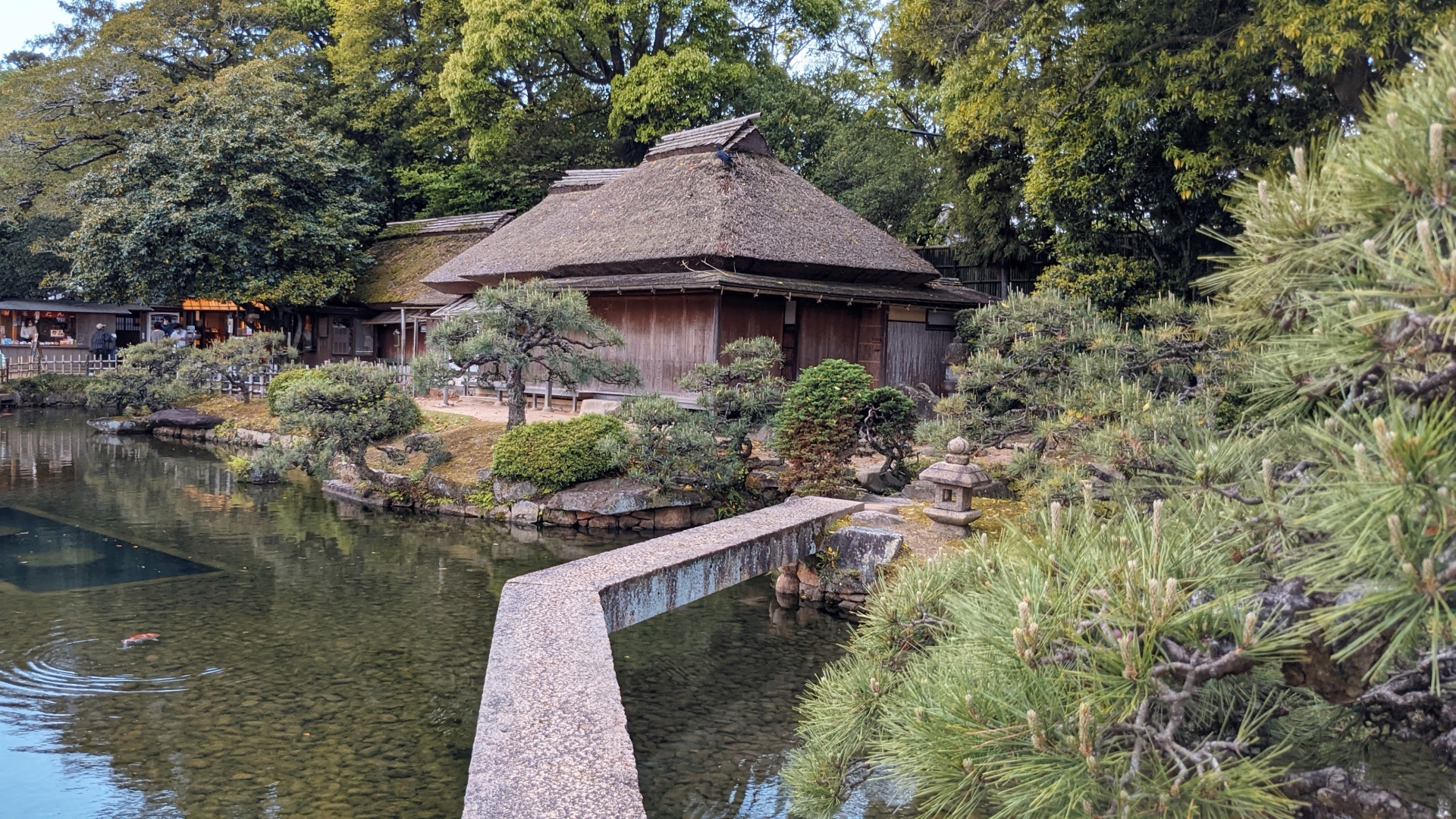
Renchi-ken Tea House
Nestled near the pond's edge, Renchi-ken is one of the few structures to have survived the fires of history. It offers an intimate, low-angle perspective of the water, where the ripples of colorful koi fish create a hypnotic rhythm. The atmosphere is thick with the aroma of roasted green tea and the damp, earthy scent of moss-covered stones. It is the ultimate spot for 'Meiso' (meditation), allowing the traveler to decompress while watching the play of light on the water's surface, far from the modern world.
Local Soul Food
Tastes you can't find anywhere else.
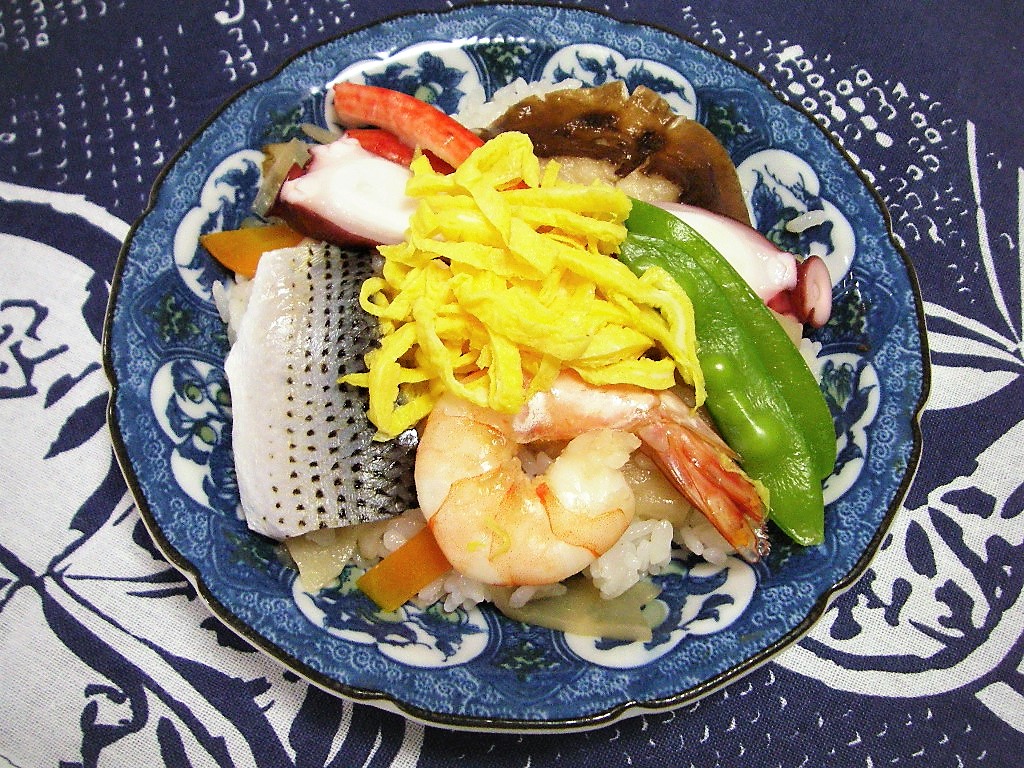
Okayama Barazushi
A vibrant, celebratory mosaic of the sea and land. Each bowl is a treasure chest featuring succulent vinegared eel, plump Seto Inland Sea shrimp, and crisp lotus root nestled atop a bed of perfectly seasoned rice. The taste is a sophisticated balance of sweet, acidic, and umami, reflecting the 'hidden luxury' of the Edo period when commoners hid expensive ingredients beneath a layer of simple rice to evade sumptuary laws.
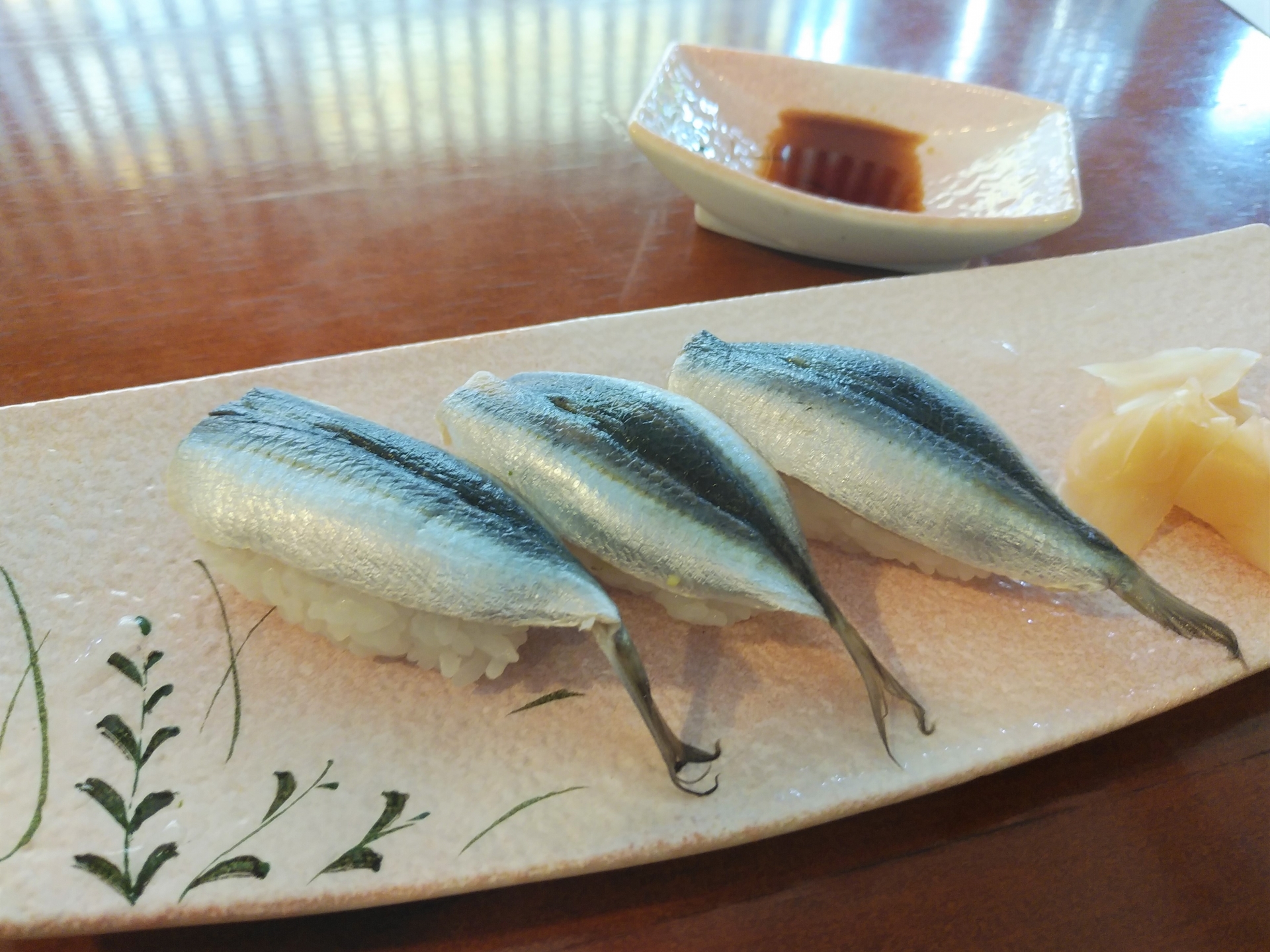
Mamakari Sushi
The name literally means 'to borrow rice from the neighbor' because the fish is so delicious you'll run out of rice at home. These small, silvery shad are pickled in a delicate vinegar brine that softens the bones and highlights the clean, saline snap of the Seto Inland Sea. The texture is firm and refreshing, making it the perfect palate cleanser after a long day of exploring the garden's sun-drenched paths.
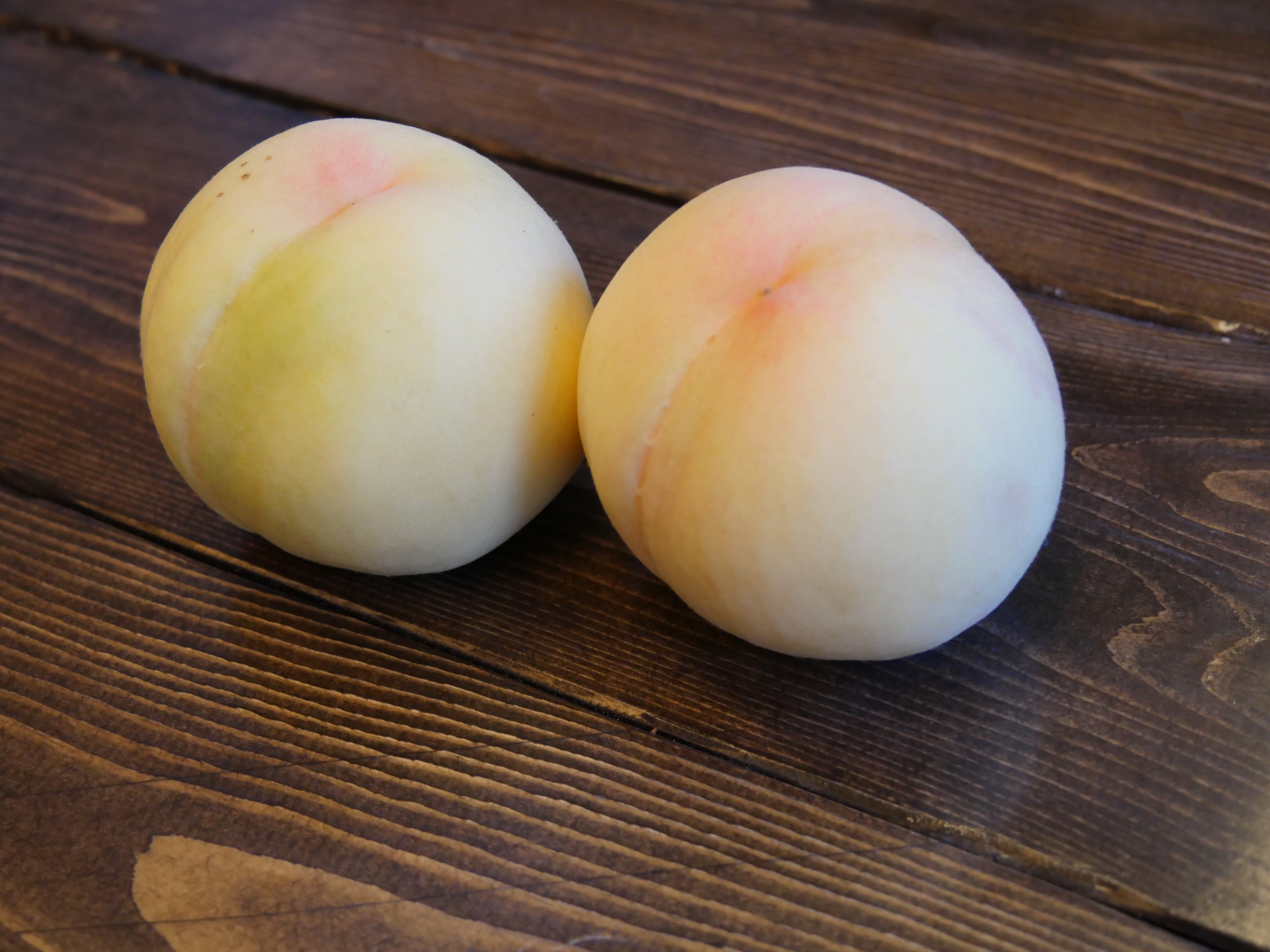
Shimizu Hakuto (White Peach) Parfait
Okayama is the 'Kingdom of Fruit,' and the Shimizu Hakuto is its crown jewel. This peach is so delicate it is often hand-wrapped in paper while still on the tree. In a parfait, the fruit is a revelation—silky, floral, and so juicy it practically melts on the tongue. Paired with fresh cream and artisanal gelato, it is a sensory overload of summer sweetness that defines the Okayama dessert scene.
Premium Stays
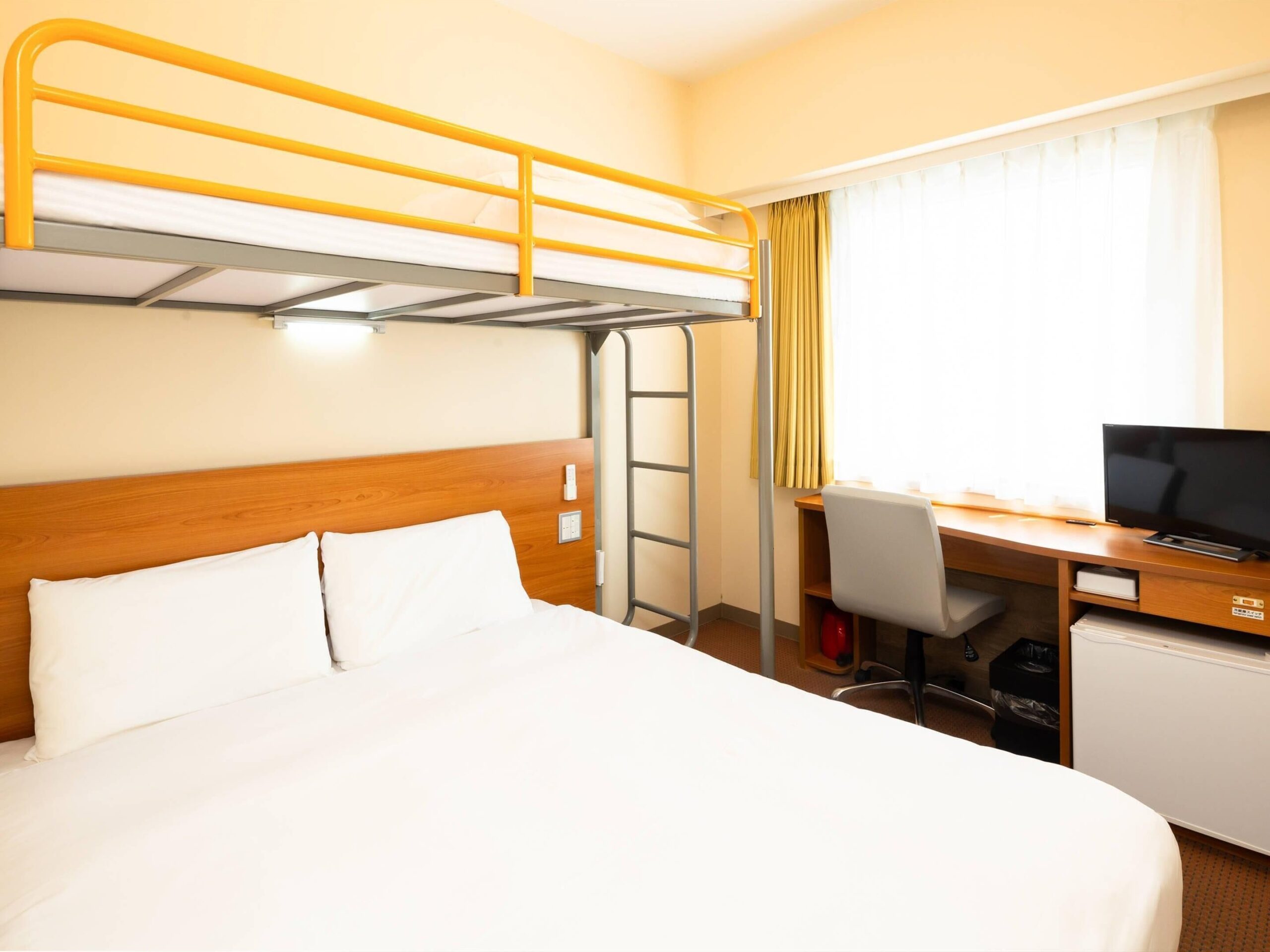
To truly capture the essence of Okayama, stay near the JR Okayama Station for unparalleled convenience, or choose a property overlooking the Asahi River to wake up to the mist rising over Korakuen's gates.


Getting There
From JR Okayama Station, take the 'Korakuen-bound' bus from Bus Stop No. 1. Buses depart every 15 minutes. Alternatively, enjoy a scenic 20-minute walk or a quick 5-minute tram ride on the Higashiyama Line to the 'Shirokashita' stop.
FAQ
Inspired?
Share this destiny with someone special.