Welcome to Kobe Chinatown
Step into Nankinmachi, a vibrant enclave where the air is thick with the intoxicating aroma of toasted sesame oil and the gentle hiss of bamboo steamers. As the evening sun dips below the Rokko Mountains, the district transforms into a glowing labyrinth of over a hundred boutiques and stalls, illuminated by the warm, amber hum of traditional lanterns. This is not merely a food destination; it is a sensory theater where the precision of Japanese hospitality meets the exuberant soul of Chinese heritage. From the saline mist drifting off the nearby harbor to the rhythmic clatter of woks, Kobe Chinatown invites the discerning traveler to lose themselves in a world of refined chaos and legendary flavors.
The Azumaya Pavilion
At the beating heart of Nankinmachi stands the Azumaya, a double-roofed hexagonal pavilion that serves as the district's spiritual and social anchor. Adorned with intricate carvings and flanked by the statues of the twelve zodiac animals, this spot radiates a festive energy. It is the perfect vantage point to observe the ebb and flow of the crowds while the scent of roasting chestnuts wafts through the air. Photographers will find the interplay of light and shadow against the vermilion pillars particularly striking during the blue hour.
The Changan Gate
The majestic East Gate, known as Changan-mon, acts as a grand portal into another world. Inspired by the Northern Wei dynasty style, its marble structure is a feat of craftsmanship, featuring deep relief carvings and vibrant pigments. Standing beneath its massive arch, one feels the weight of history and the bridge between the maritime port of Kobe and the ancient Silk Road. It serves as a powerful reminder of Kobe's status as one of Japan's first international ports, welcoming global influences for over a century.
Koushou-mon (South Gate)
Marking the southern boundary, the Koushou-mon gate offers a sophisticated transition from the bustling market to the refined streets of the former foreign settlement. Unlike the more crowded East Gate, this area offers a moment of relative tranquility and a direct path toward the refreshing sea breezes of Meriken Park. The architecture here blends traditional motifs with a cleaner, more modern aesthetic, reflecting the resilient and evolving spirit of Kobe following the Great Hanshin Earthquake. It is a place for quiet reflection amidst the urban pulse.
Local Soul Food
Tastes you can't find anywhere else.
Roshoki Butaman (Steamed Pork Buns)
Experience the legendary 'Butaman' that defines Nankinmachi. These aren't ordinary buns; the dough is hand-kneaded to a chewy, bread-like perfection, encasing a filling of succulent, umami-rich pork and sweet onions. Every bite releases a fragrant steam and a savory juice that has kept locals lining up since 1915. The buttery melt of the filling against the slightly sweet, dense bun is a culinary revelation.
Kobe Beef Street Sushi
Where luxury meets the street. Imagine premium, highly-marbled Kobe beef, lightly torched to release its sweet fat, draped over vinegared shari rice. The meat is so tender it practically dissolves on the tongue, leaving a trail of rich, nutty flavor enhanced by a brush of artisanal soy glaze and a touch of fresh wasabi. It is the ultimate high-end snack for the mobile gourmet.
Golden Peking Duck Wraps
A masterclass in texture. Savor the glass-like crunch of expertly roasted duck skin, paired with succulent meat, crisp cucumber slivers, and pungent scallions. All of this is enveloped in a delicate, translucent pancake slathered with a rich, velvety hoisin sauce. The balance of the smoky, fatty duck against the fresh, sharp vegetables creates a symphony of flavor that is both decadent and refreshing.
Premium Stays
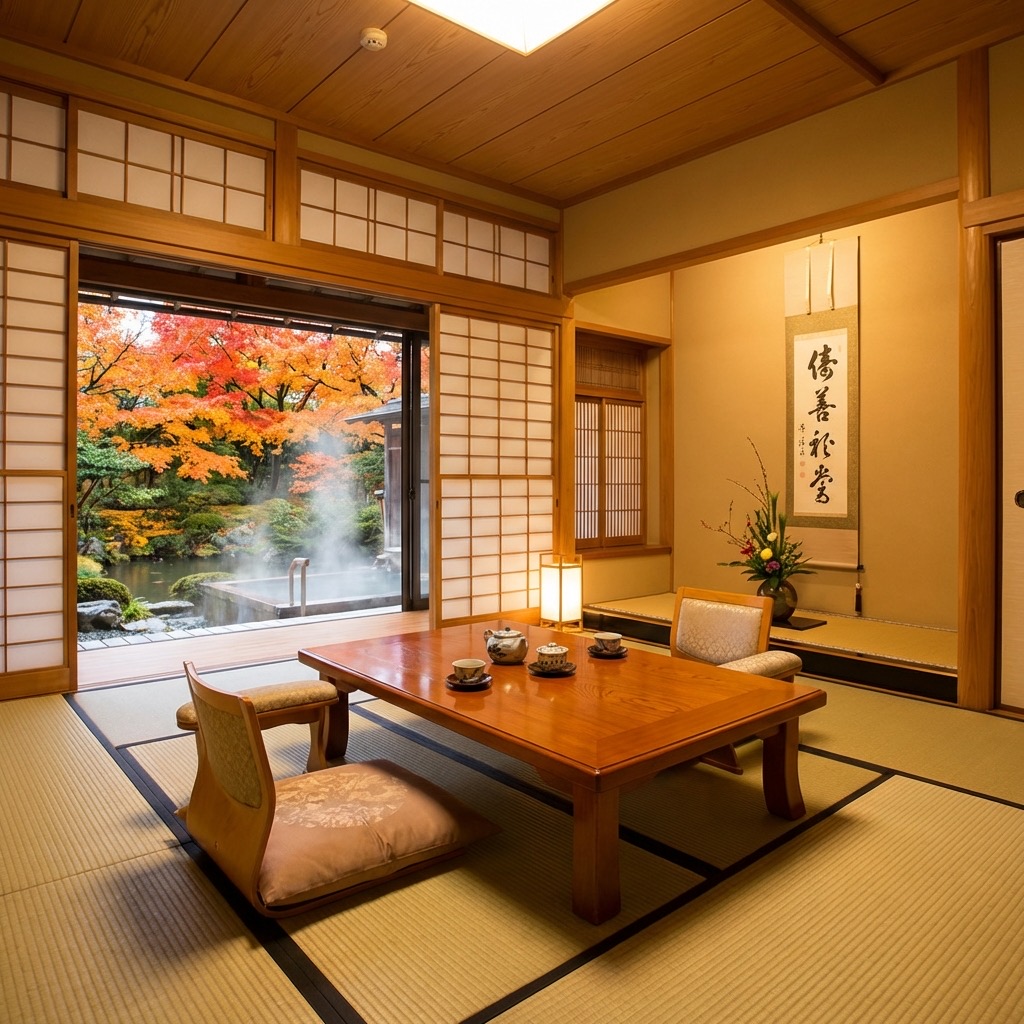
For the ultimate Kobe experience, stay in the Kyu-Kyureuchi (Former Foreign Settlement) area or near the waterfront. These neighborhoods offer a sophisticated contrast to the vibrant energy of Chinatown, providing luxury and convenience within walking distance.
Getting There
Kobe Chinatown is easily accessible. Take the JR or Hanshin Line to Motomachi Station. From there, it is a brief 5-minute walk south. Alternatively, use the 'City Loop' tourist bus which stops directly at Nankinmachi.
FAQ
Inspired?
Share this destiny with someone special.