Fukushima
Welcome to Kitakata
Kitakata is not merely a destination; it is a sensory awakening. Known as the 'City of Kura,' it boasts over 4,000 historic storehouses that stand as stoic monuments to a prosperous merchant past. As you wander through the misty morning streets, the air is thick with the comforting aroma of soy-based broth and the faint, sweet scent of fermenting sake rice. Here, the pace of life slows to the rhythm of the seasons. From the tactile grain of centuries-old timber to the crystalline purity of the local spring water, Kitakata invites the discerning traveler to rediscover a Japan that remains untouched by the frantic pulse of modernity. It is a place where every bowl of noodles tells a story of resilience and every brick-lined alleyway leads to a hidden spiritual sanctuary.
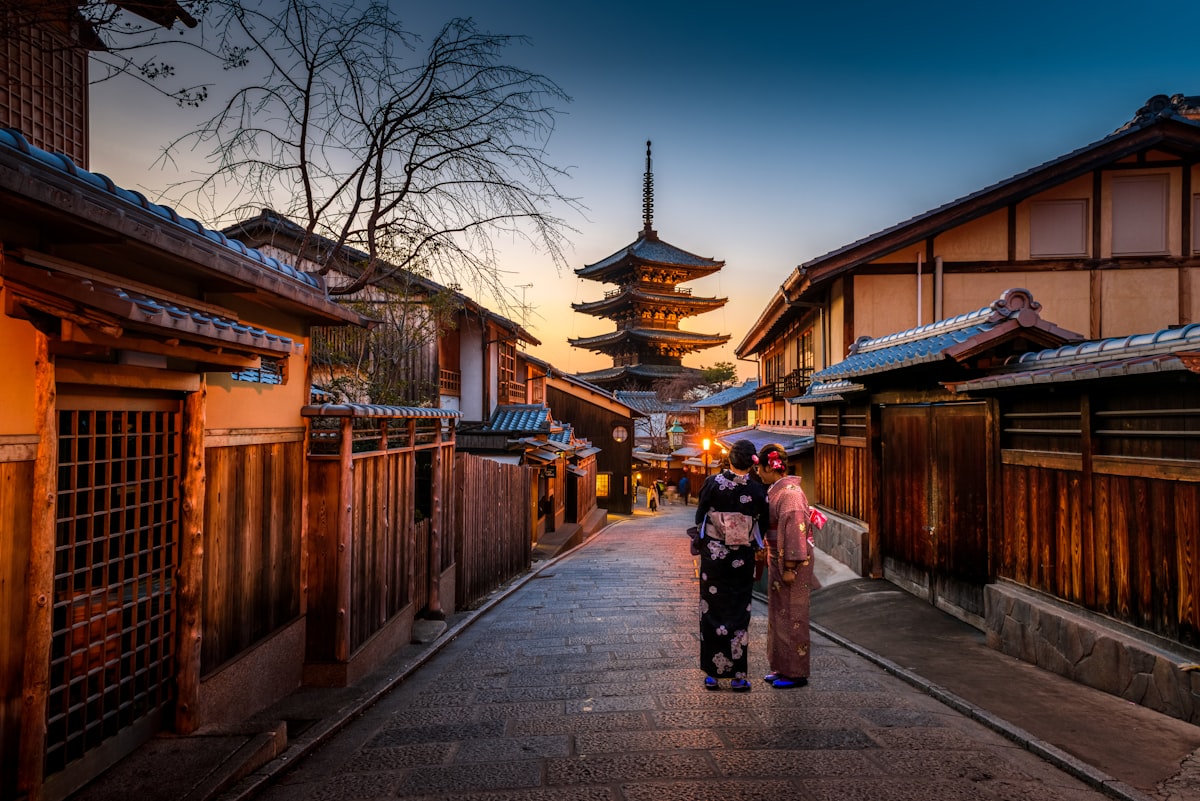
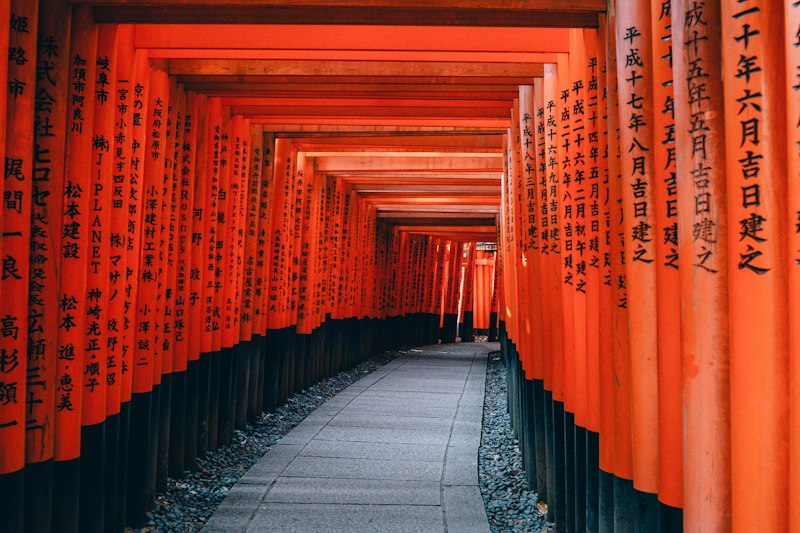
Shingu Kumano Shrine Nagatoko
Step into a realm of architectural transcendence at the Nagatoko Worship Hall. This 11th-century marvel is supported by 44 massive circular pillars, creating an open-air sanctuary that breathes with the surrounding forest. In autumn, the grounds are carpeted in a breathtaking sea of gold as the 800-year-old giant ginkgo tree sheds its leaves. The silence here is heavy and sacred, broken only by the rustle of ancient branches. It is a masterclass in Heian-period minimalism, offering a spiritual weight that anchors the soul to the earth.
Kai-shouten (Kai Family Storehouse)
The Kai Family Storehouse is a testament to the opulent 'Kura' culture of the Taisho era. Unlike the utilitarian warehouses seen elsewhere, this complex features intricate lacquerwork, black-plastered walls, and a stunning spiral staircase carved from a single piece of timber. Walking through its corridors feels like navigating a living museum of merchant wealth. The juxtaposition of heavy, fireproof exterior walls with the delicate, refined interior aesthetic provides a fascinating glimpse into the dual nature of Kitakata's historical social fabric.
Nicchu Line Memorial Weeping Cherry Blossoms
Stretching for three kilometers along an abandoned railway track, this path transforms into a tunnel of cascading pink during the spring. Over 1,000 weeping cherry trees (Shidare-zakura) create a surreal, floral waterfall effect that drapes over the path. Walking here is a poetic experience; the soft petals brush against your shoulders while the scent of spring rain and blossoms fills the air. It is one of the most visually arresting floral displays in all of Northern Japan, merging industrial history with ephemeral natural beauty.
Local Soul Food
Tastes you can't find anywhere else.

Kitakata Morning Ramen (Asara)
Awaken your palate with 'Asara,' the local tradition of eating ramen for breakfast. The noodles are uniquely hand-kneaded, flat, and curly, providing a delightful chewiness that holds the delicate soy-sauce broth. The soup, clear and shimmering with a thin layer of high-quality lard, balances the salinity of Niboshi (dried sardines) with the sweetness of local pork bones. Each slurp is a warm embrace, perfect for cutting through the morning chill.
Miso-Dengaku
Savor the rustic elegance of Miso-Dengaku, where blocks of firm tofu, konjac, and seasonal vegetables are skewered and slathered in a thick, sweet-and-savory miso paste. Grilled over glowing charcoal, the miso caramelizes into a smoky crust that yields to a tender, creamy center. The aroma of toasted soy and woodsmoke is intoxicating, evoking the warmth of a traditional Japanese hearth.
Yamatogawa Junmai Daiginjo Sake
Kitakata's sake is a liquid expression of its terroir. Using soft meltwater from Mt. Iide and locally polished rice, the sake offers a velvety mouthfeel and a clean, crisp finish. Notes of melon and white peach dance on the tongue, followed by a subtle umami backbone. Tasting this in a 200-year-old brewery, surrounded by the cool dampness of stone walls, enhances every delicate note.
Premium Stays
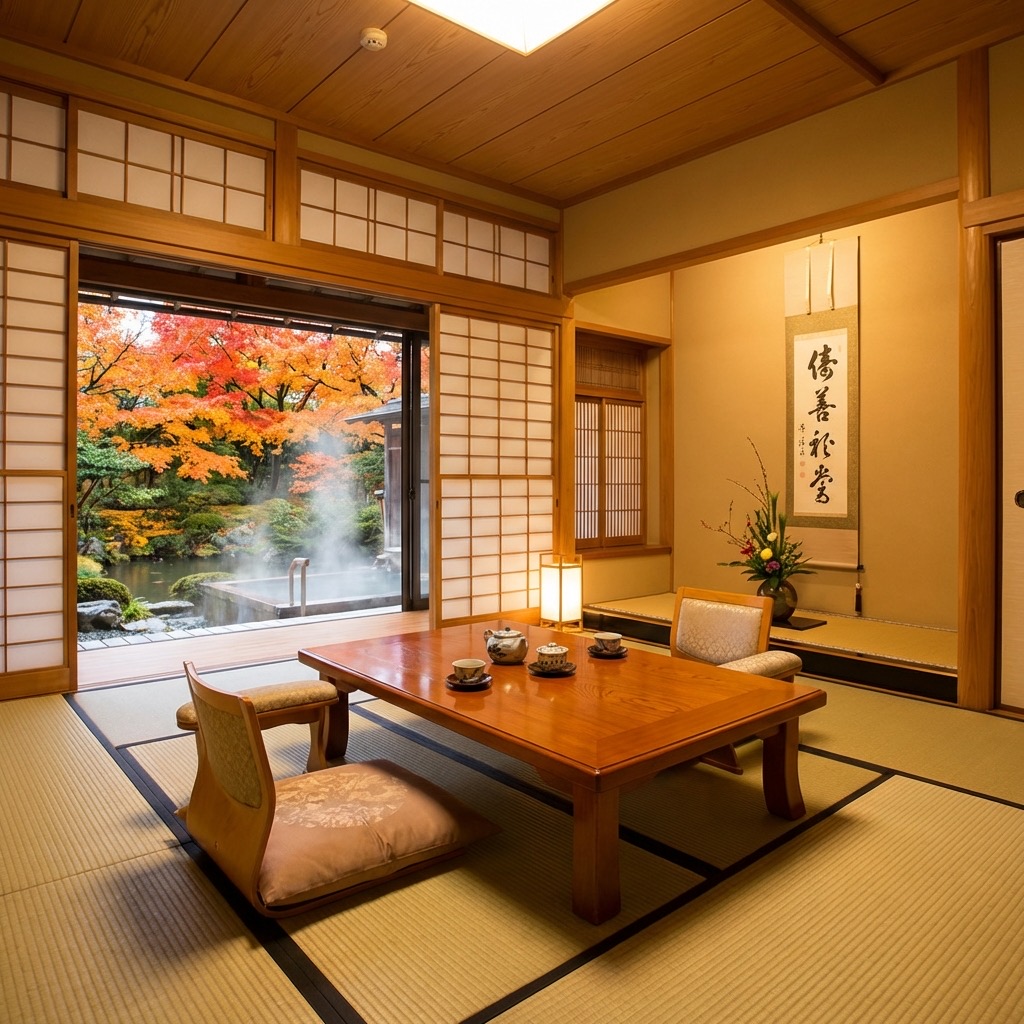
To truly absorb the essence of Kitakata, stay within the central 'Kura' district. This allows you to join the locals for 'Asara' (morning ramen) and enjoy the atmospheric evening lighting of the storehouses after the day-trippers have departed.
Getting There
From Tokyo, take the Tohoku Shinkansen to Koriyama Station (approx. 80 mins), then transfer to the JR Ban-etsu West Line to Kitakata Station (approx. 90 mins). Local buses connect major spots, but the town is best explored by rental bicycle.
FAQ
Inspired?
Share this destiny with someone special.