Akita
Welcome to Kakunodate
Kakunodate is not merely a destination; it is a profound temporal shift. Known as the 'Little Kyoto of Tohoku,' this meticulously preserved samurai enclave invites you to walk through a living canvas of obsidian-colored fences and towering weeping cherry trees. The air here carries a distinct crispness, scented with the cedar of ancient manors and the faint, earthy aroma of brewing miso. As you traverse the wide, gravel-strewn avenues once walked by high-ranking warriors, you feel the weight of four centuries of history. This is a place for the discerning traveler who seeks silence over noise, and authentic heritage over modern artifice. From the tactile cool of polished wood in a 17th-century manor to the ethereal pink canopy of the Hinokinai River, Kakunodate offers a sensory pilgrimage into the heart of Japan’s noble soul.
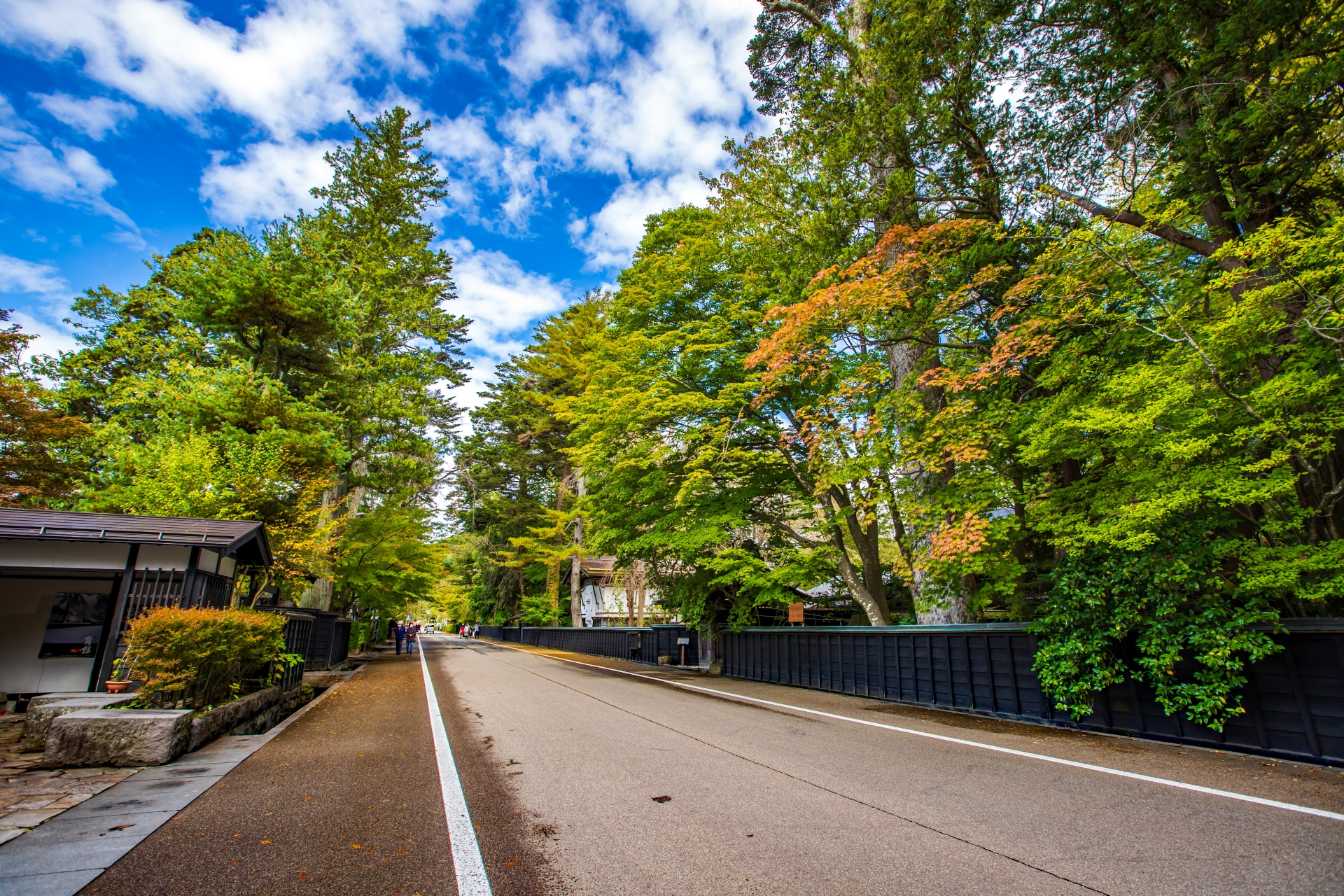
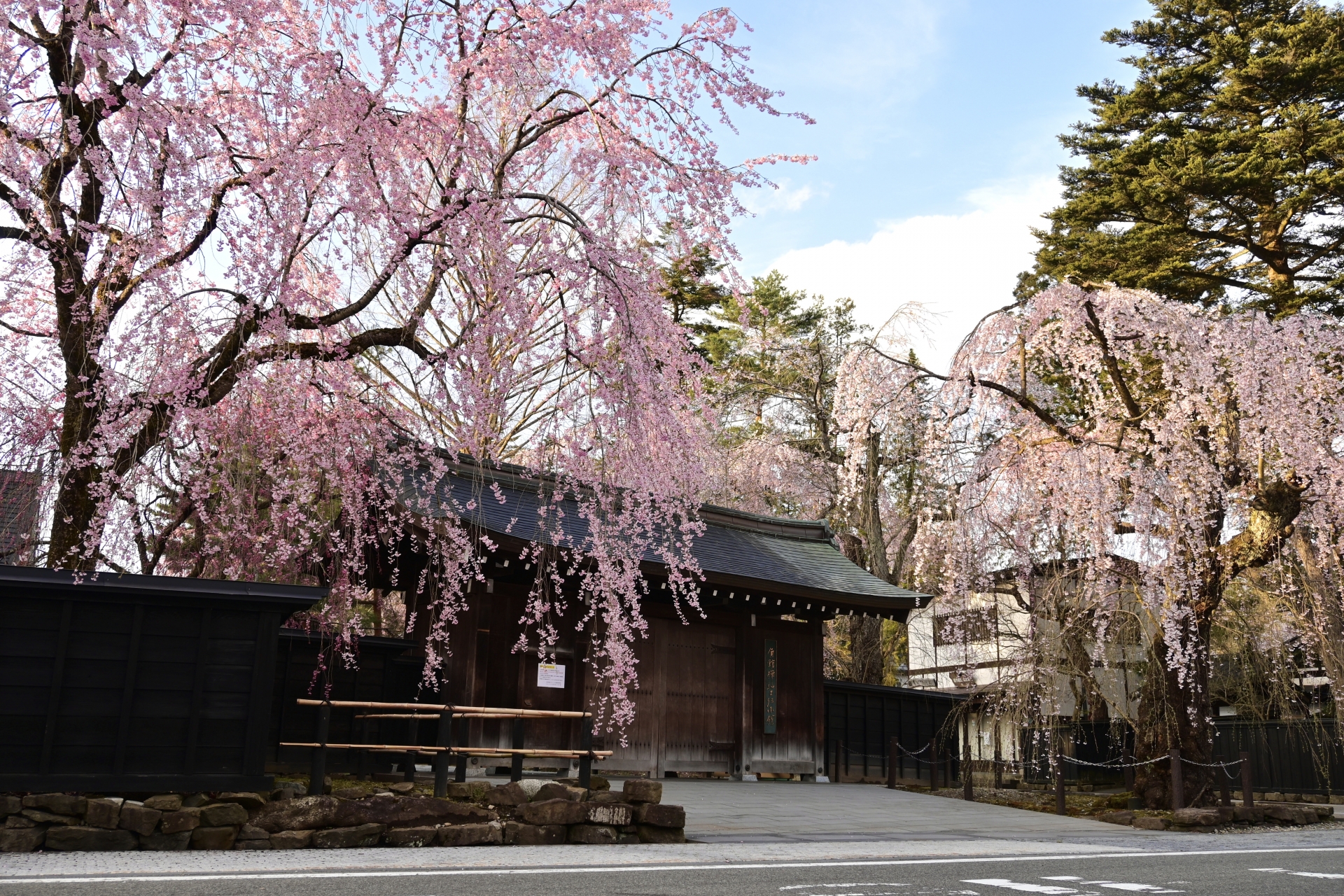
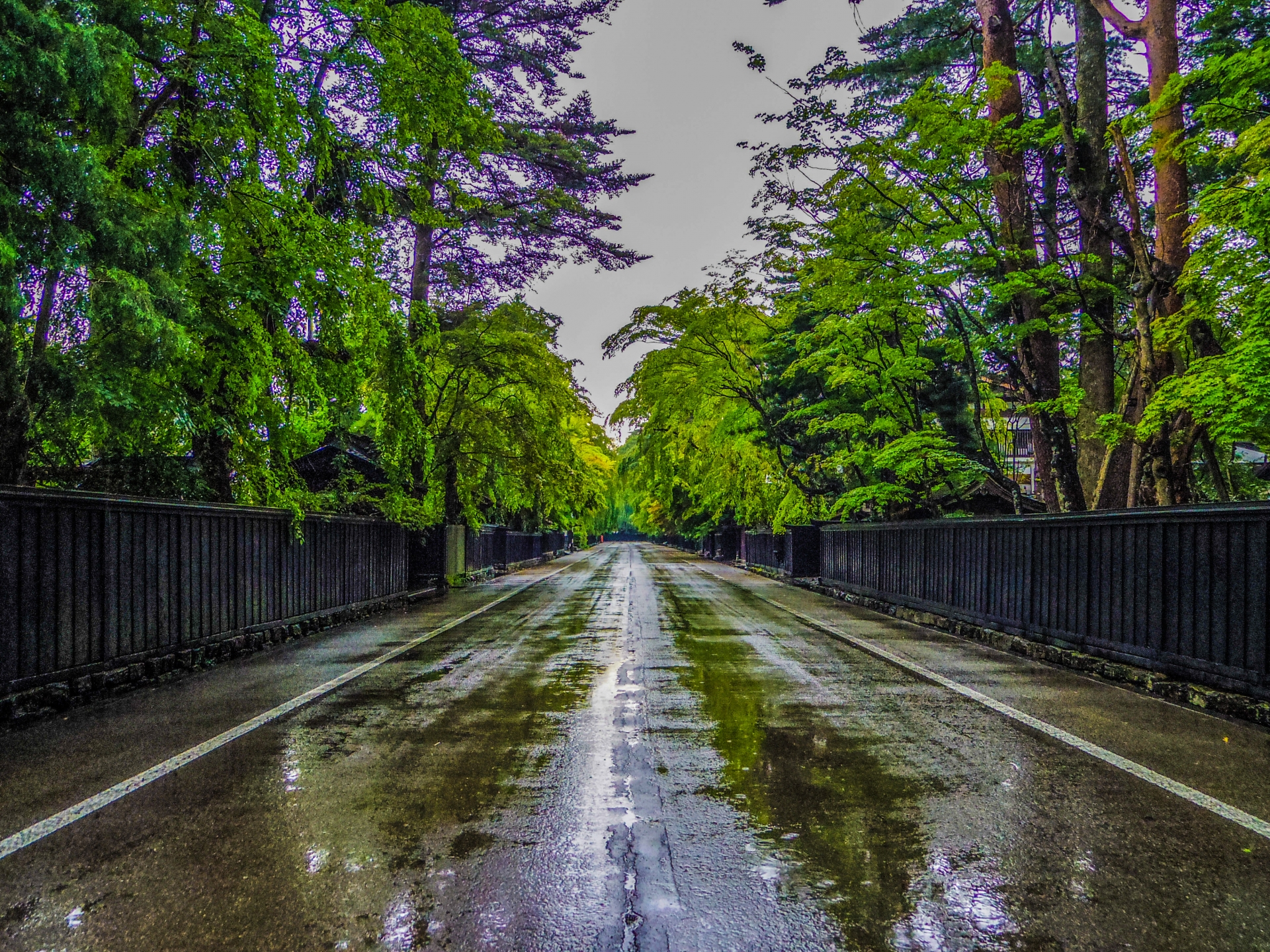
Bukeyashiki-dori (Samurai District)
The quintessential Kakunodate experience begins on this wide, atmospheric boulevard. Flanked by majestic, jet-black 'itabei' wooden fences and ancient weeping cherry trees, the street exudes an aura of stoic elegance. These manors, many still inhabited by descendants of the original samurai families, offer a rare glimpse into the hierarchical life of the Edo period. The contrast between the dark wood and the vibrant seasonal foliage—neon green in summer or fiery red in autumn—creates a visual symphony that demands a slow, meditative pace. It is a masterclass in Japanese aesthetic restraint.
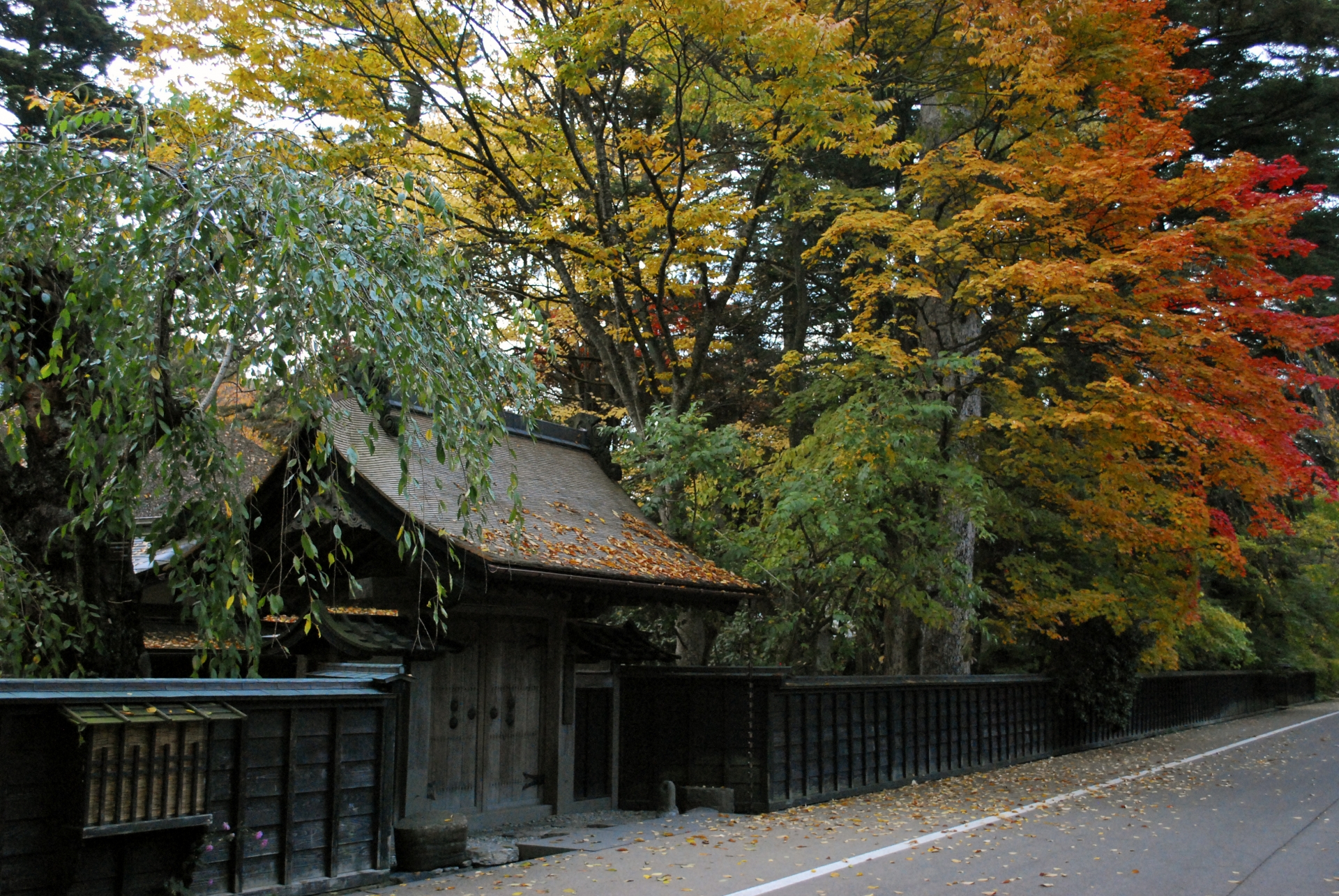
Aoyagi Samurai Manor Museum
Step across the threshold of the Aoyagi house to witness the pinnacle of samurai domesticity. This expansive 3,000-tsubo estate houses an incredible collection of family heirlooms, from terrifyingly beautiful suit-of-armor sets to delicate tea ceremony utensils. The tactile experience of the thatched roofs and the smell of aged tatami transport you back to an era of rigid honor and refined artistry. Don't miss the 'Crying Room' or the impressive armory, which showcases the evolution of Japanese weaponry through the centuries. It is the most comprehensive samurai museum in the region.
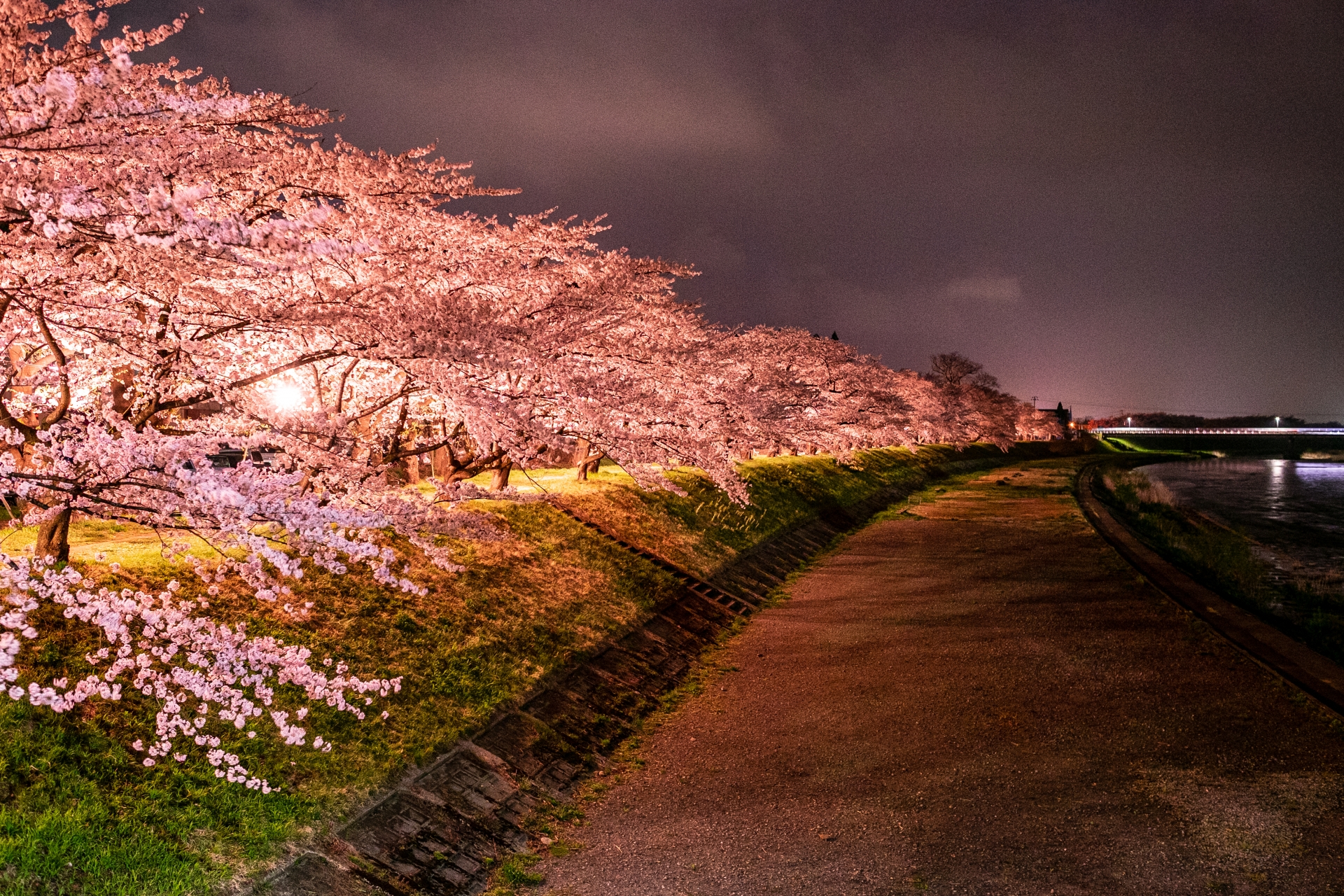
Hinokinai River Embankment
A short walk from the samurai district leads to the serene Hinokinai River, where a two-kilometer tunnel of Somei Yoshino cherry trees creates a cathedral of blossoms. In spring, the saline mist of the rushing water mingles with the sweet scent of petals. In winter, the riverbank transforms into a monochromatic masterpiece of white snow and dark water. It is the perfect counterpoint to the structured architecture of the town, offering a wild, expansive sense of freedom and a place for quiet reflection amidst the grandeur of Akita's nature.
Local Soul Food
Tastes you can't find anywhere else.
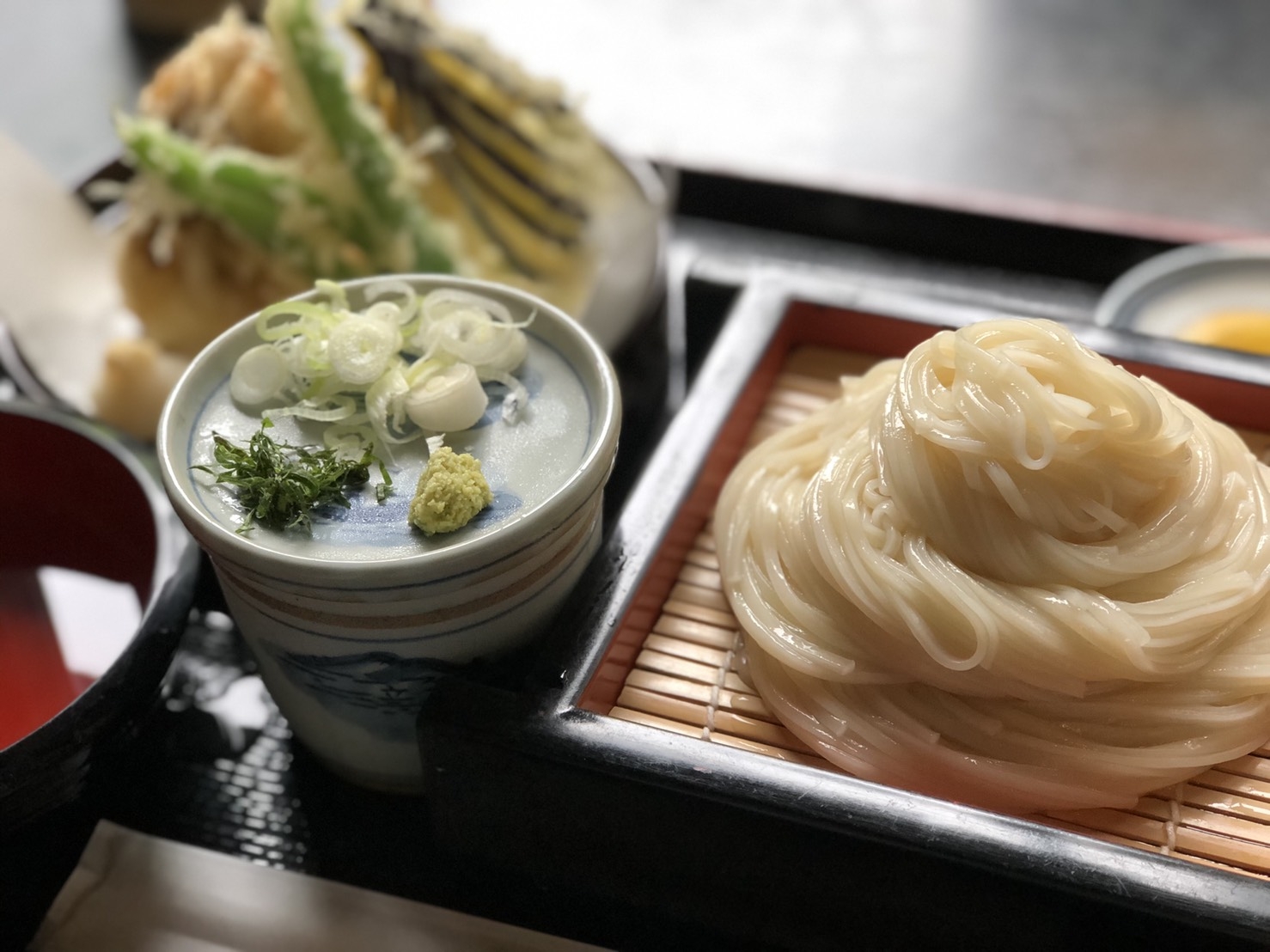
Inaniwa Udon
Experience the silky, ribbon-like elegance of one of Japan's top three udon varieties. Unlike thick udon, Inaniwa is hand-stretched to a delicate thinness, resulting in a translucent noodle with a sophisticated, smooth throat-feel. Served chilled with a savory dashi or warm in a fragrant broth, it offers a refined umami profile that is both light and deeply satisfying. The subtle wheat aroma is unmistakable.
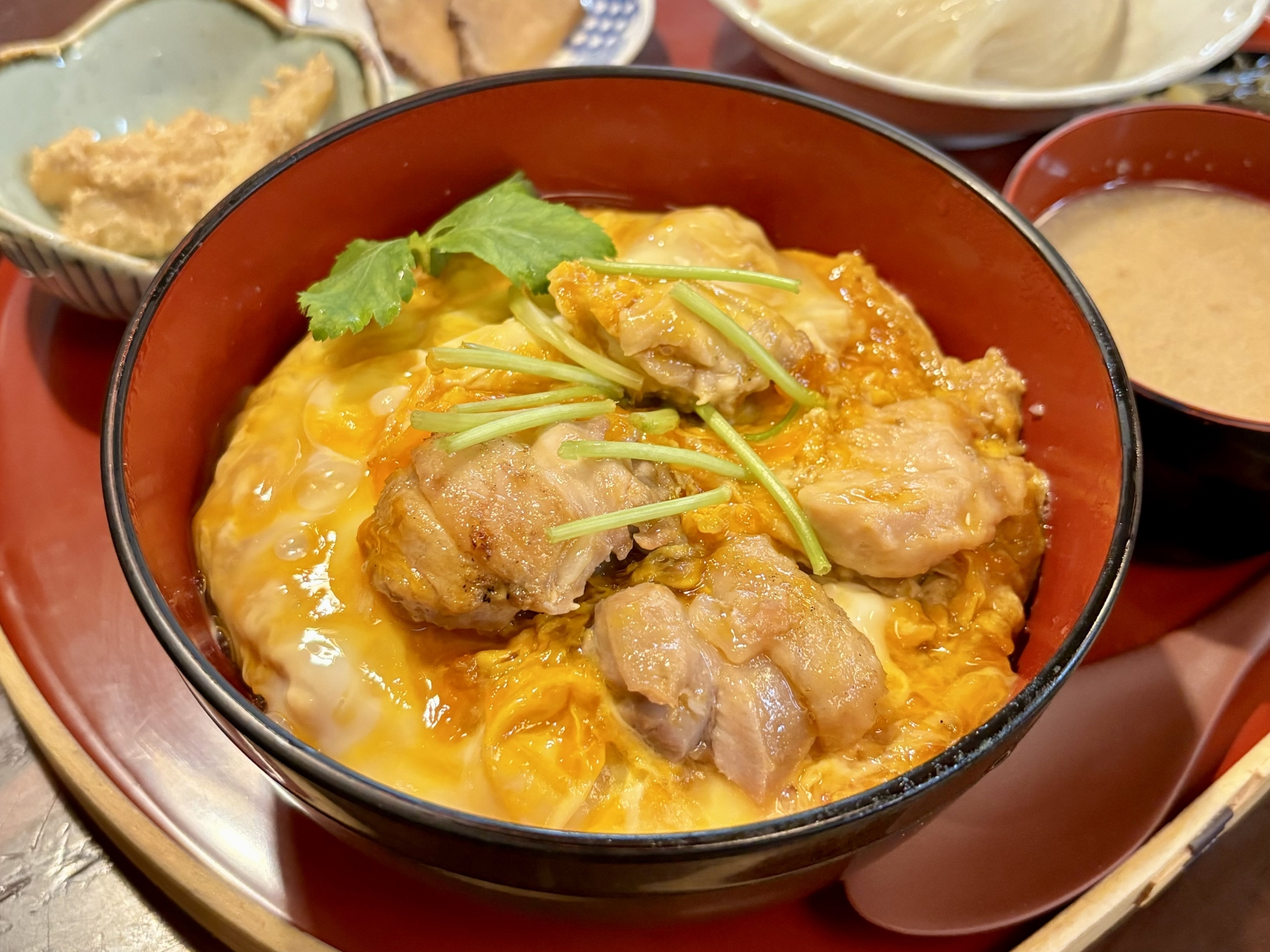
Hinai Jidori Oyakodon
Indulge in the 'Kobe Beef' of the poultry world. The Hinai Jidori chicken is prized for its firm texture and rich, gamey flavor. In an Oyakodon (chicken and egg bowl), the smoky char of the grilled meat meets the velvety, golden melt of premium eggs. Each bite is a decadent explosion of creamy texture and savory depth, highlighting the agricultural bounty of Akita prefecture.
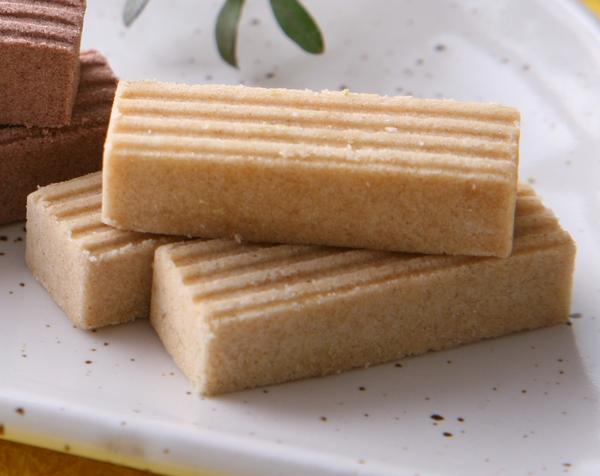
Morokoshi (Pressed Adzuki Sweets)
A traditional Kakunodate confection, these small, intricately molded cakes are made from toasted adzuki bean flour and sugar. They possess an earthy, nutty sweetness and a unique texture that starts firm and then melts away on the tongue. Often stamped with cherry blossom motifs, they are the perfect accompaniment to a bitter cup of matcha, offering a nostalgic taste of the Edo period.
Premium Stays
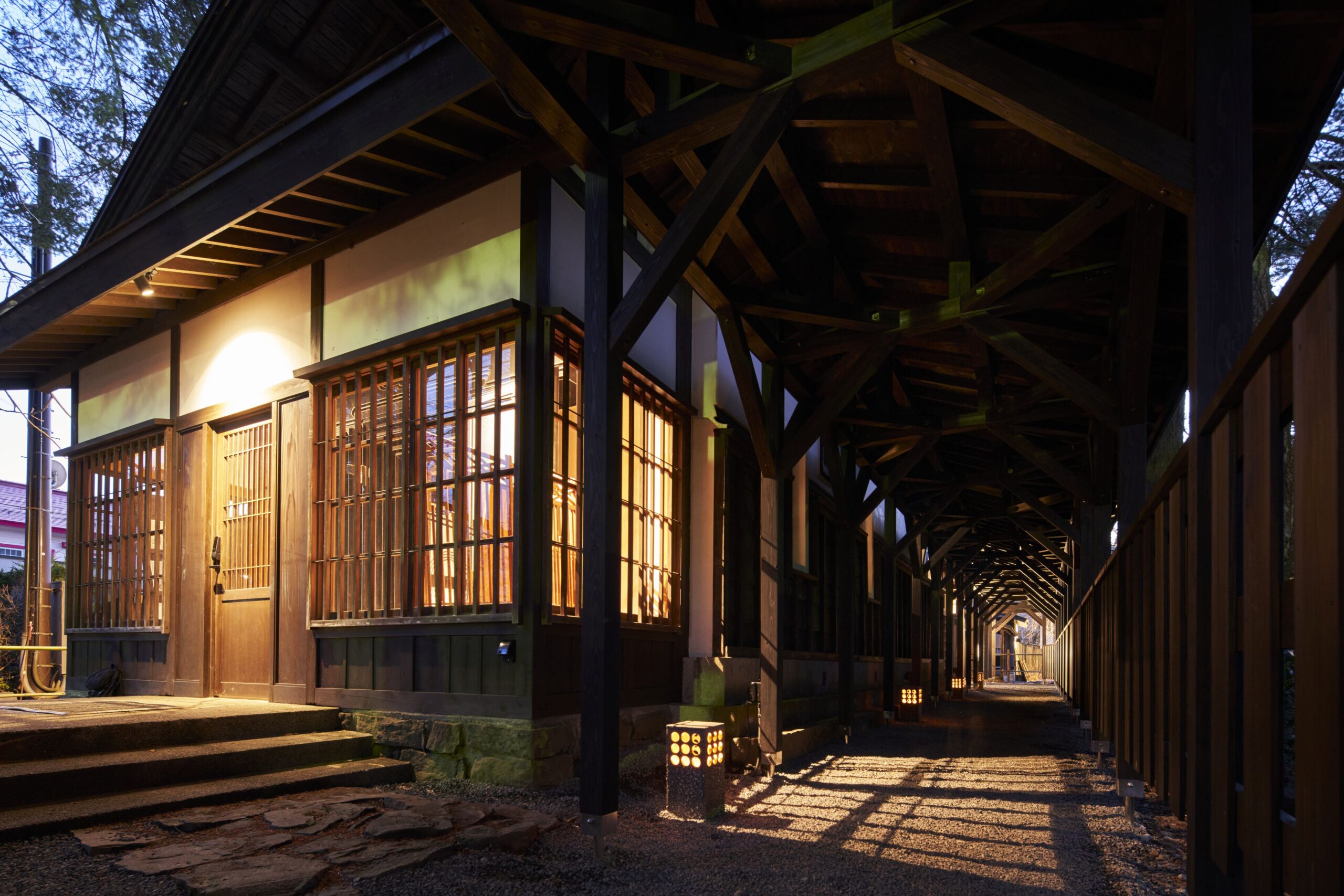
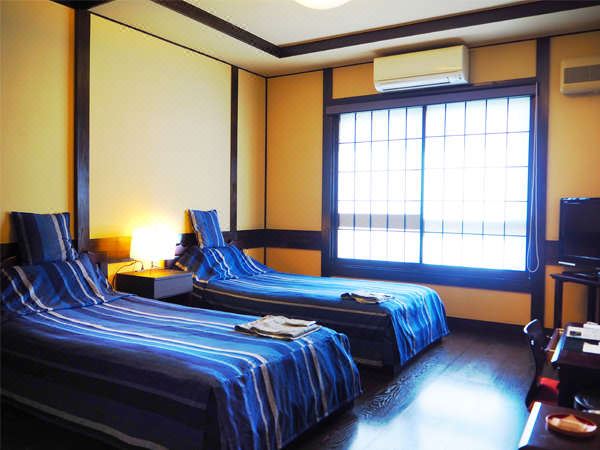
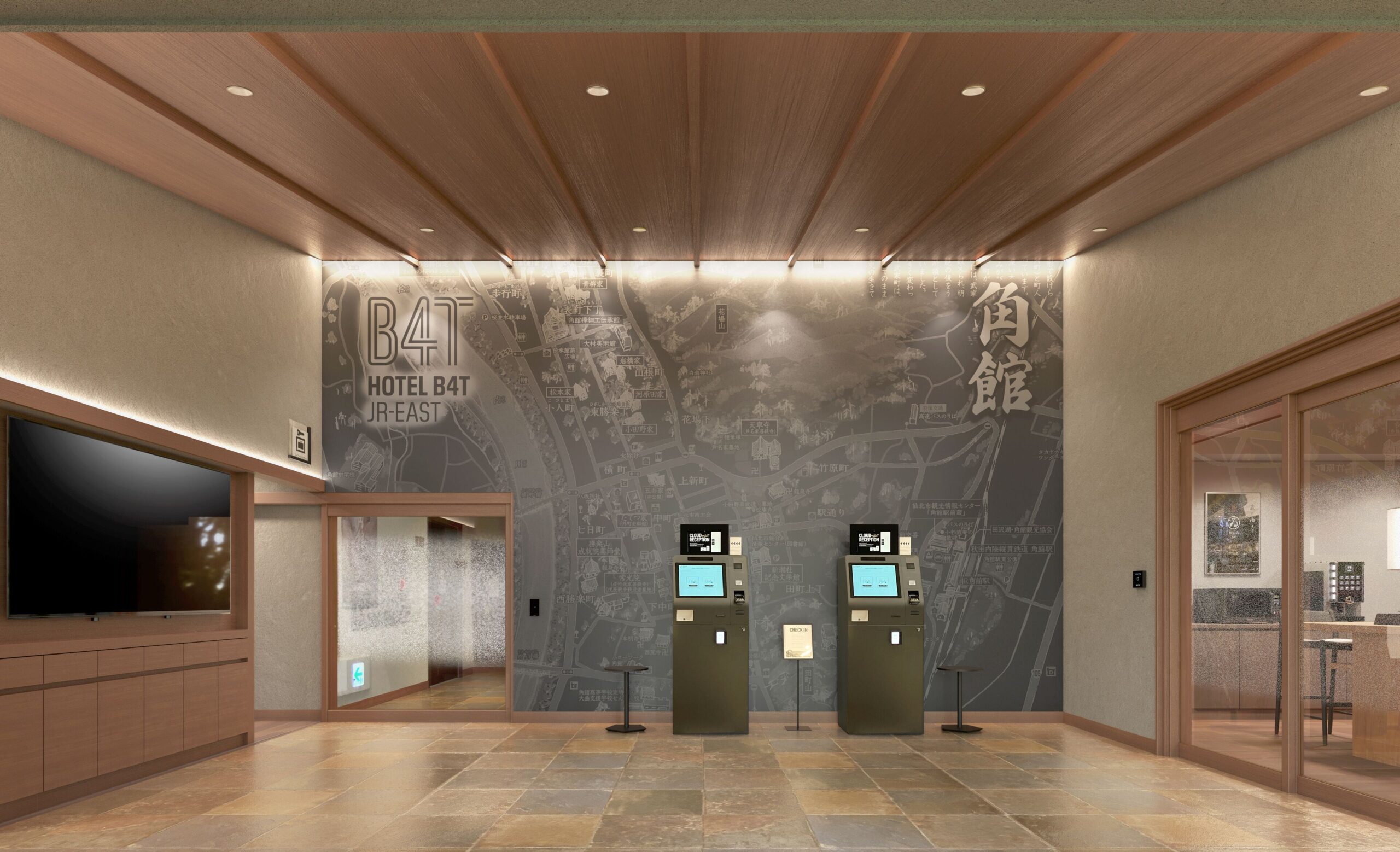
To truly absorb the samurai spirit, stay within the historic district or near the station for seamless access. The area offers a blend of converted warehouses and modern comforts.
Getting There
The easiest access is via the Akita Shinkansen (Komachi) from Tokyo, which stops directly at Kakunodate Station. The town is very walkable, though local buses connect to more distant spots like Lake Tazawa.
FAQ
Inspired?
Share this destiny with someone special.