Shimane
Welcome to Izumo Taisha
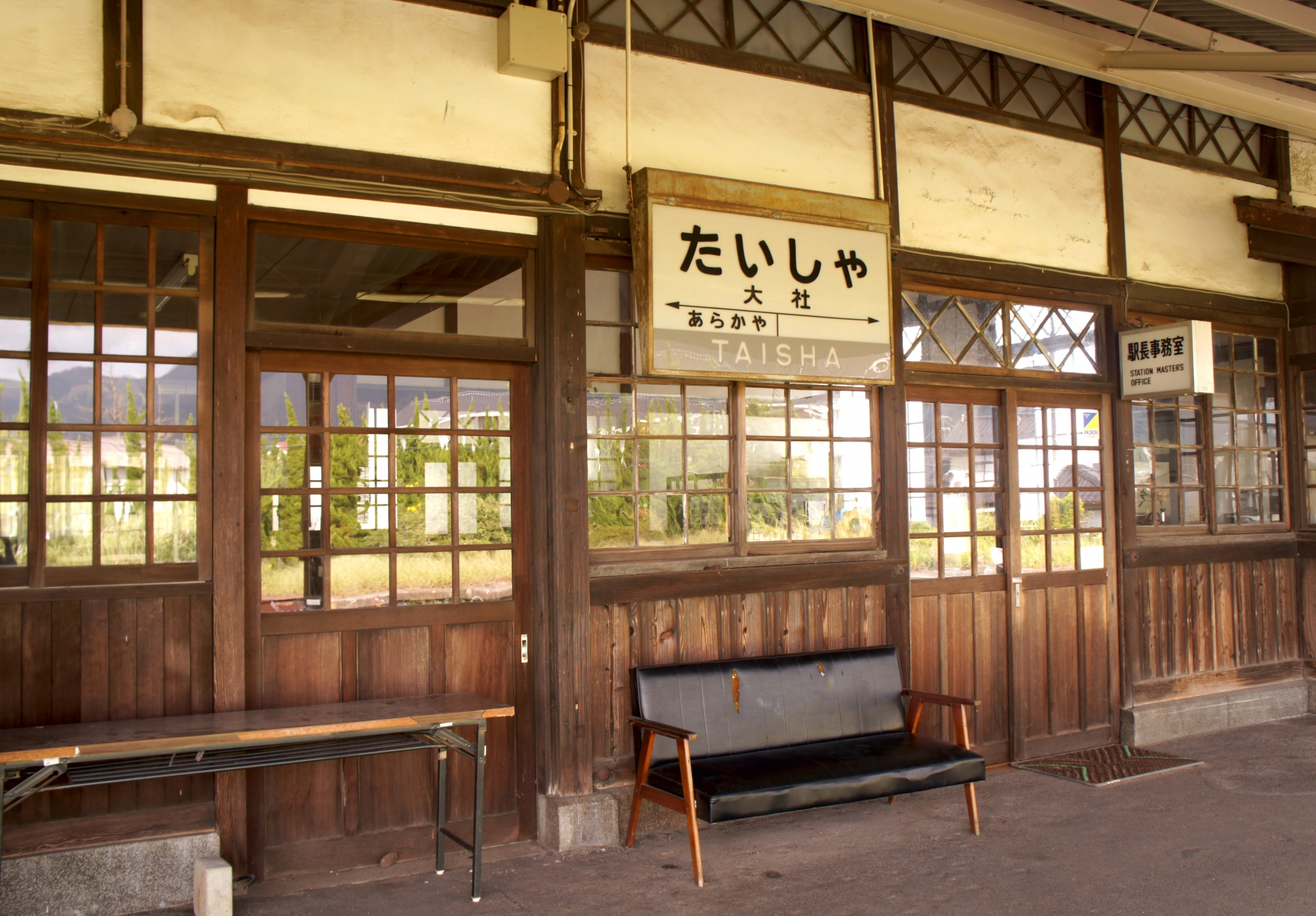
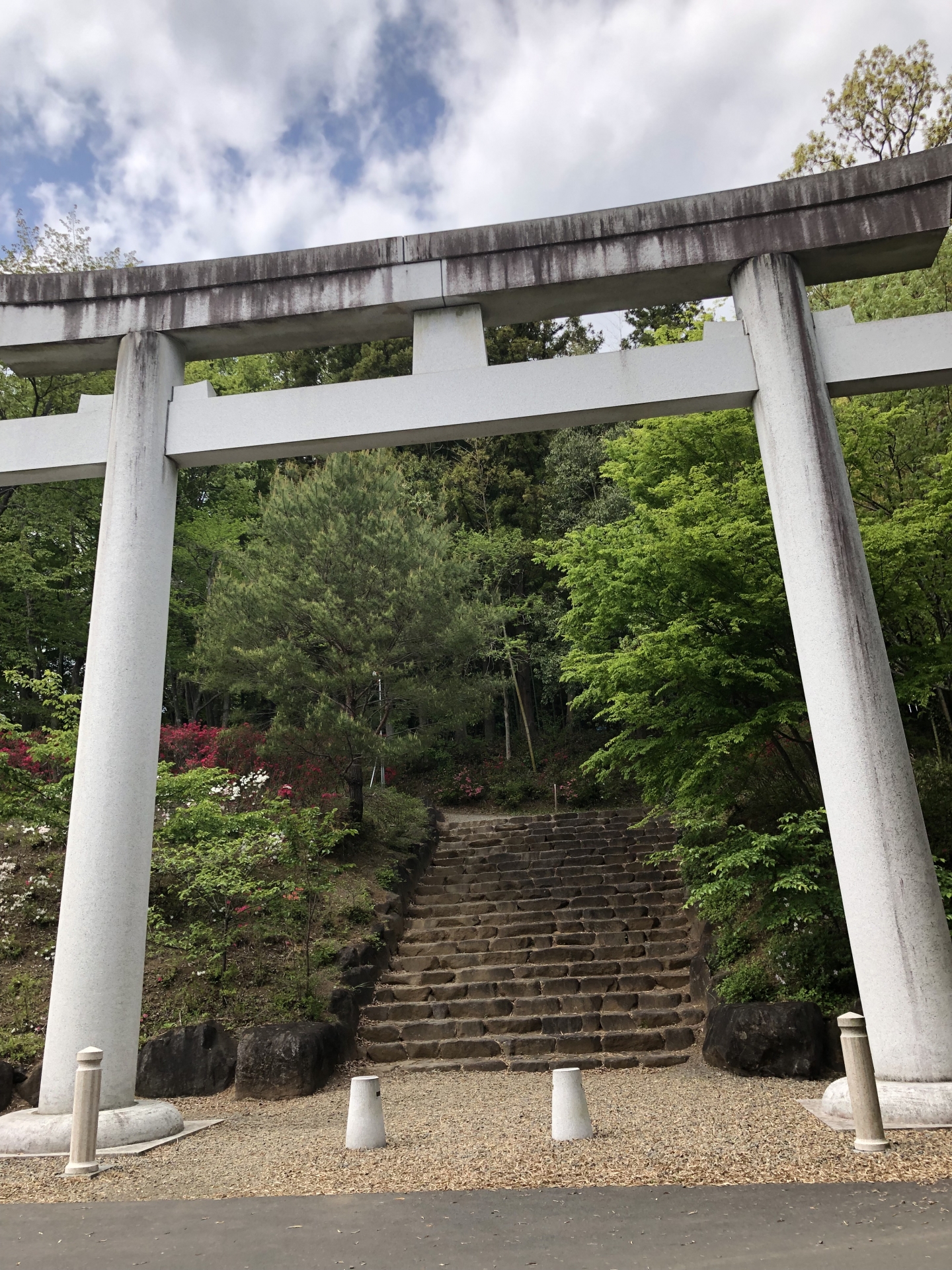
In the mist-shrouded hills of Shimane lies Izumo Taisha, one of Japan’s most ancient and profound spiritual epicenters. This is not merely a shrine; it is the stage for the 'Kamiarizuki,' the month when eight million deities descend to negotiate the destinies of mortals. As you walk the pine-lined Sando path, the air grows heavy with the scent of aged cedar and incense, vibrating with a quiet power that transcends time. The resonant 'four claps' of pilgrims echo against the massive wooden pillars, signaling a connection to the divine that is felt deep within the chest. Whether you seek a spiritual reset or a deep dive into Japan’s mythological roots, Izumo offers a sensory tapestry of sacred architecture, saline sea breezes, and the timeless elegance of Shinto tradition.
The Grand Honden & Kagura-den
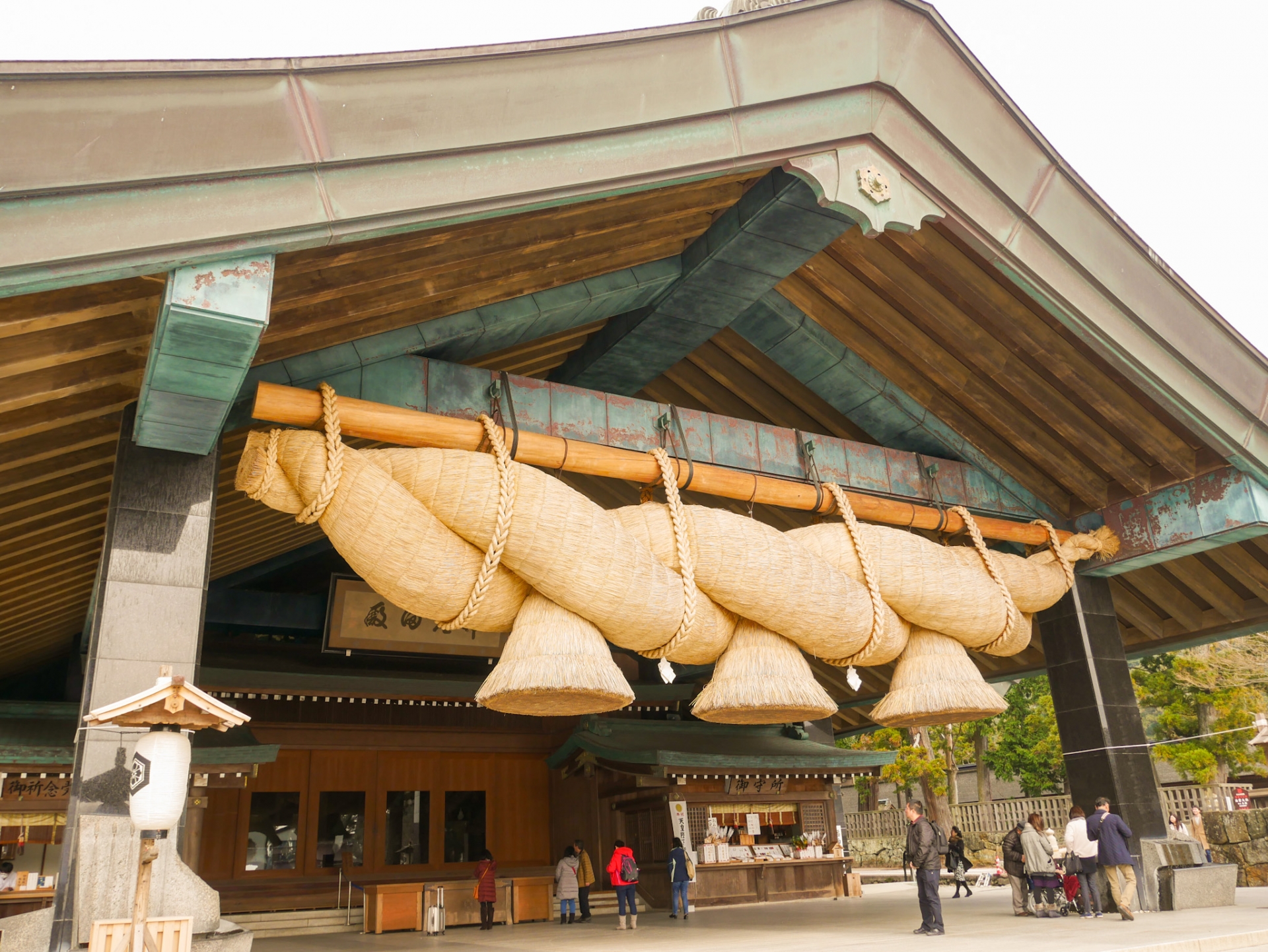
The heart of the complex houses the deity Okuninushi-no-Mikoto. Your gaze will inevitably be drawn to the Kagura-den, home to one of Japan’s largest 'shimenawa'—a sacred straw rope weighing five tons, its twisted fibers representing the boundary between the mundane and the divine. The scale is humbling, the craftsmanship exquisite. Stand beneath its massive girth and feel the silence of centuries. The architecture, in the Taisha-zukuri style, is the pinnacle of ancient Japanese design, featuring soaring gables that pierce the canopy of the surrounding forest.
Inasa-no-Hama Beach
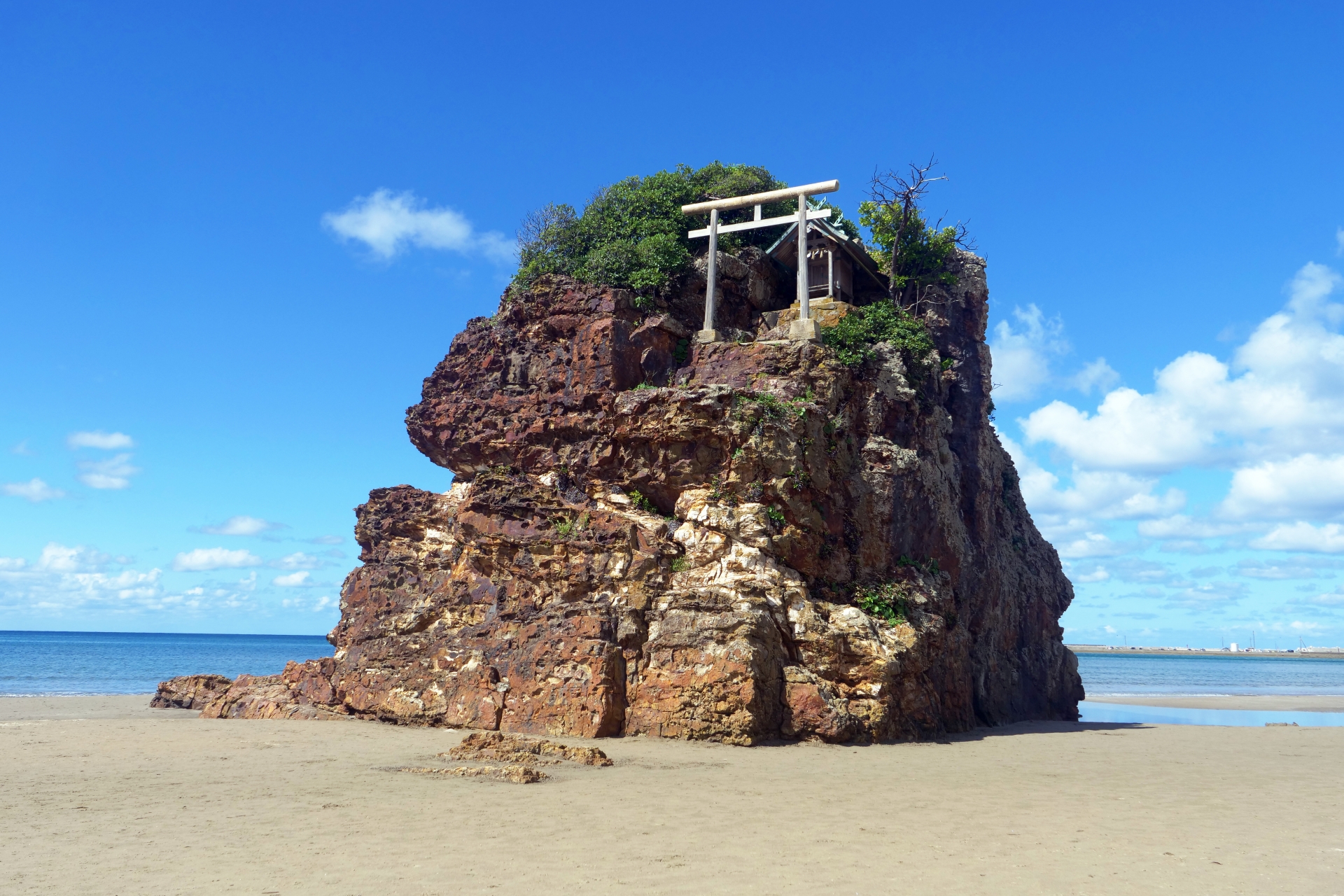
Located a short walk from the shrine, this crescent of pale sand is where the gods are said to arrive during the lunar tenth month. The focal point is Bentenshima, a small rocky island topped with a tiny, weathered shrine that glows fiercely during the golden hour. The saline mist of the Sea of Japan clings to your skin as waves crash against the sacred shore. It is a place of profound transition, where the terrestrial world meets the infinite horizon of the gods' realm.
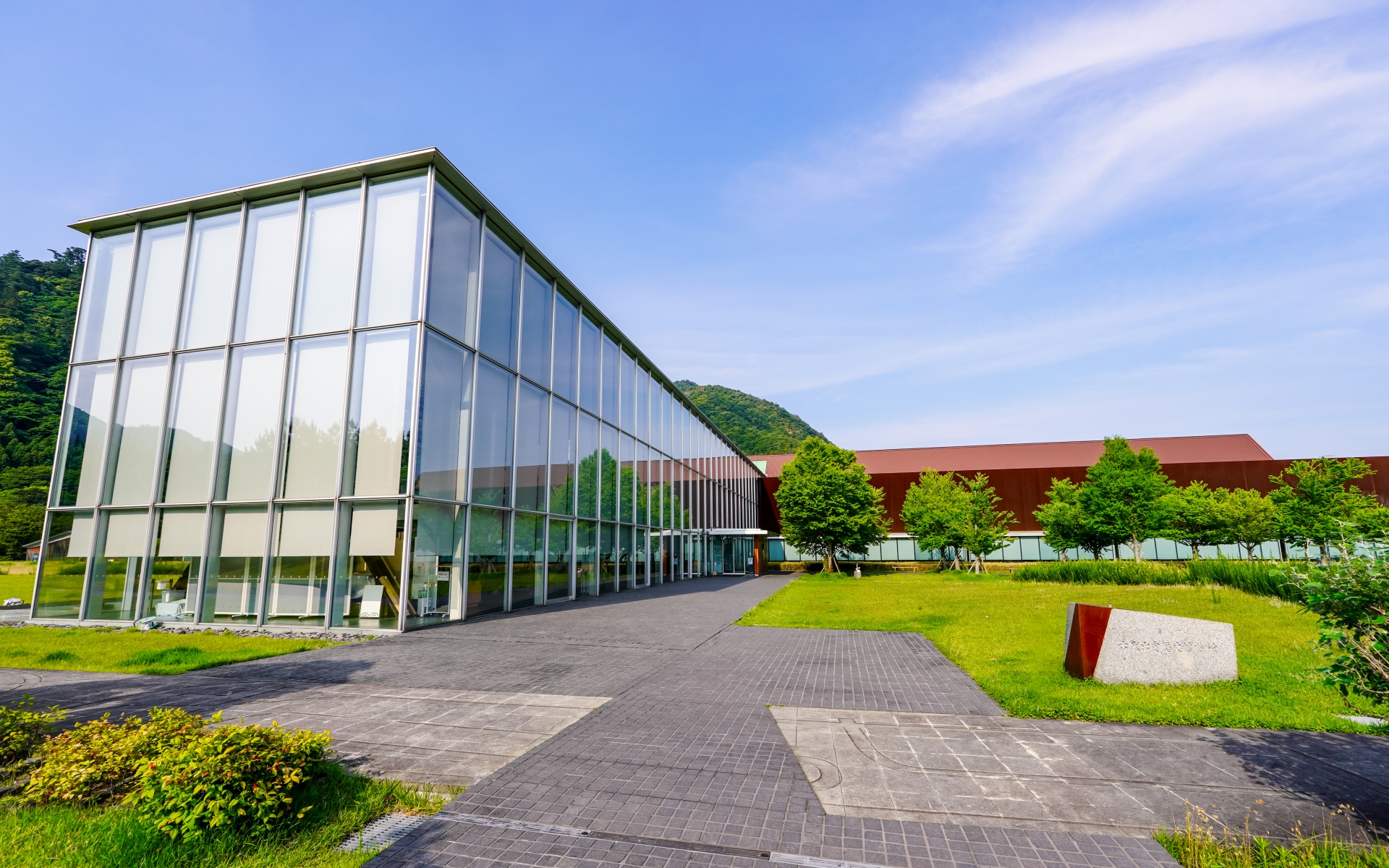
Shimane Museum of Ancient Izumo
To truly grasp the magnitude of Izumo’s history, this museum is non-negotiable. It houses a staggering collection of bronze swords and bells unearthed nearby, but the showstopper is the scale model of the ancient Izumo Taisha, which once stood on massive pillars nearly 48 meters high. The sleek, modern glass architecture of the museum provides a stunning contrast to the artifacts within, offering a cinematic perspective on how the 'Land of the Gods' was shaped over millennia of worship and political power.
Local Soul Food
Tastes you can't find anywhere else.
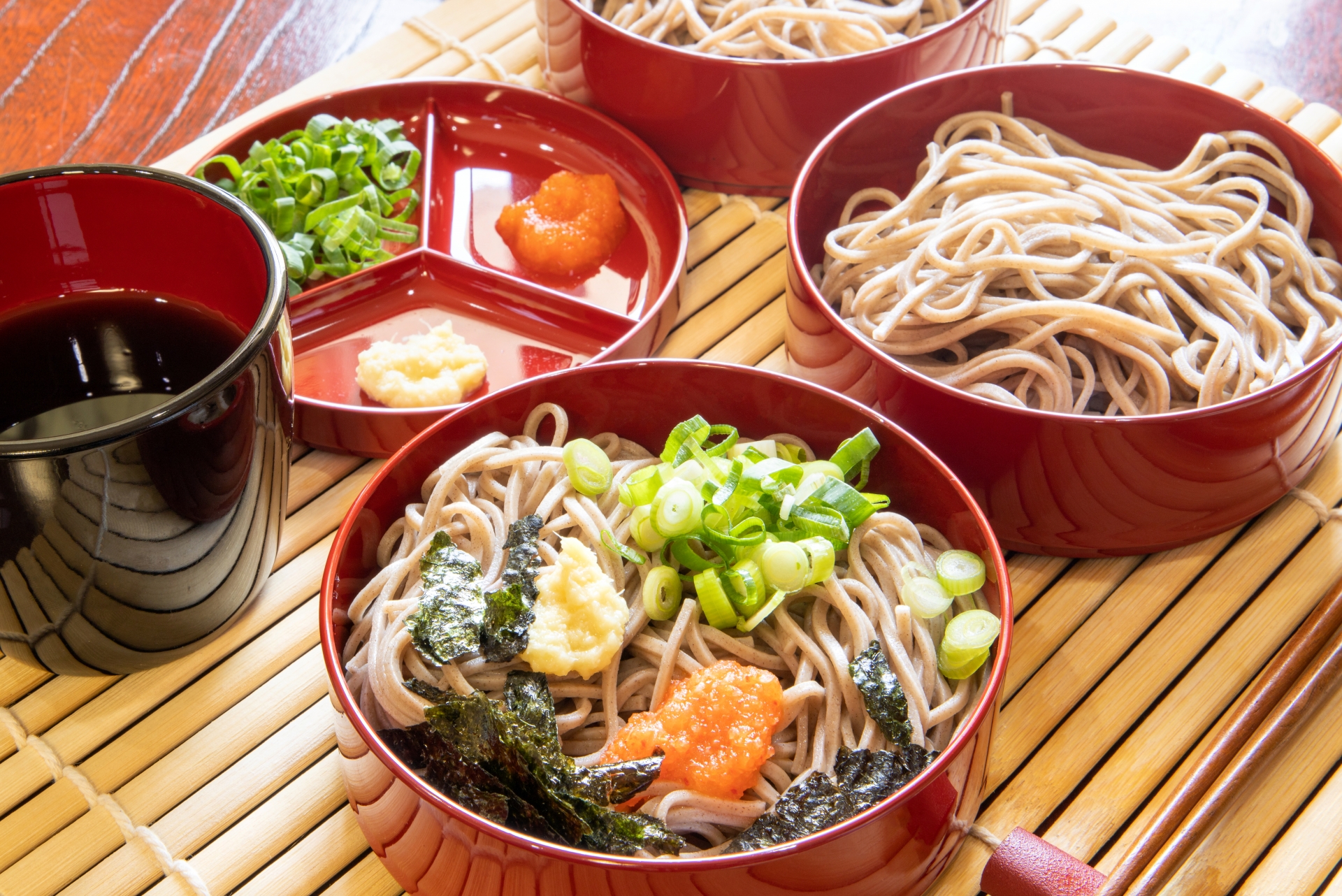
Izumo Warigo Soba
These are not your average noodles. Served in three stacked vermilion lacquer bowls, these buckwheat noodles are dark, rustic, and intensely nutty. Pour the dashi-based sauce directly over the noodles in the top bowl, add spicy daikon and nori, then pour the remaining sauce into the next layer. The texture is firm, providing a satisfying chew that releases the earthy aroma of locally harvested grain.
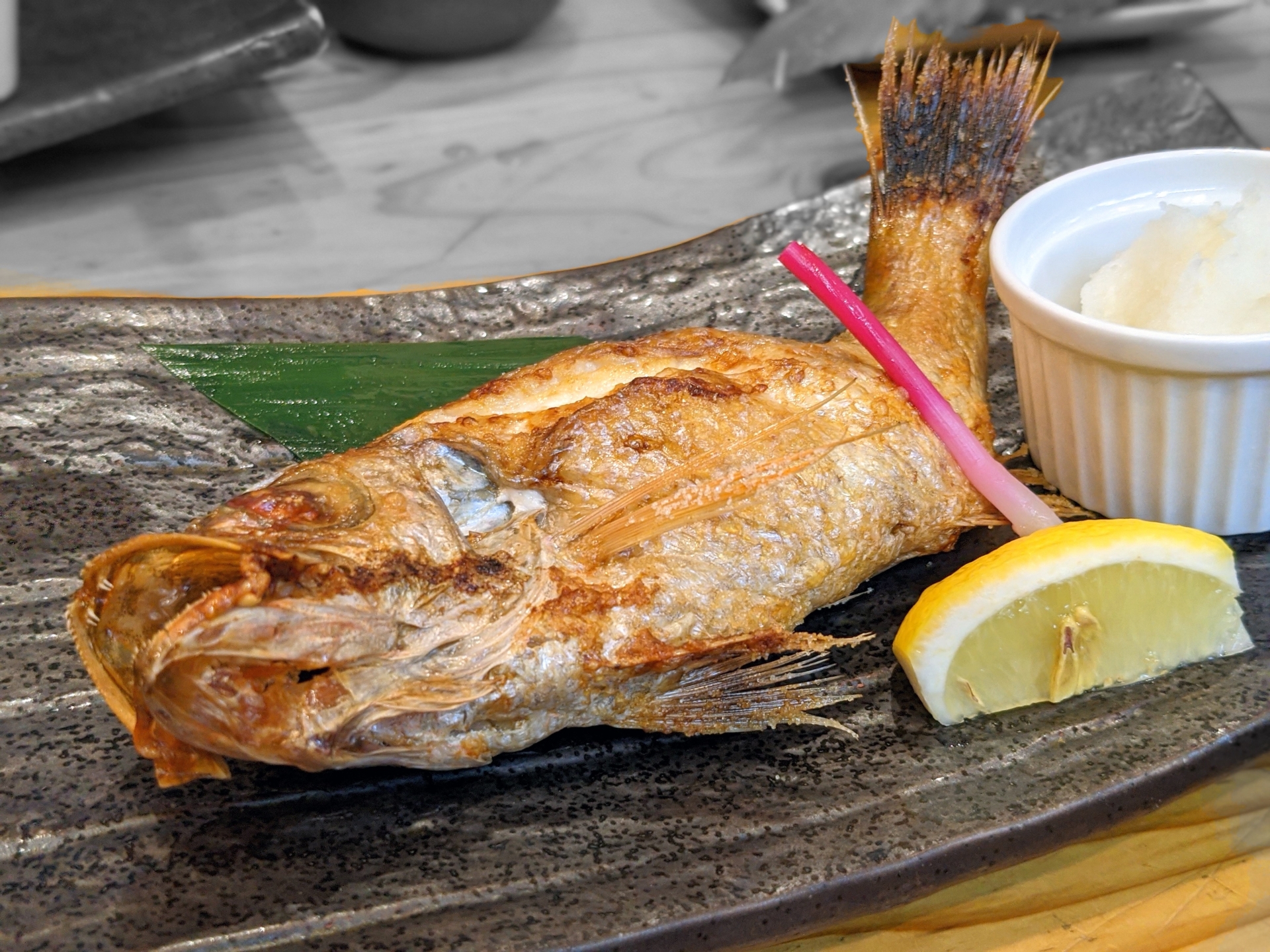
Nodoguro (Blackthroat Seaperch)
Known as the 'white meat fatty tuna,' Nodoguro is the king of the Sea of Japan. Whether served as delicate sashimi or salt-grilled to perfection, the buttery melt of the premium white flesh is unforgettable. The skin is charred to a crisp, releasing oils that are rich yet clean. It is a decadent taste of the Shimane coastline that pairs exquisitely with local dry sake.
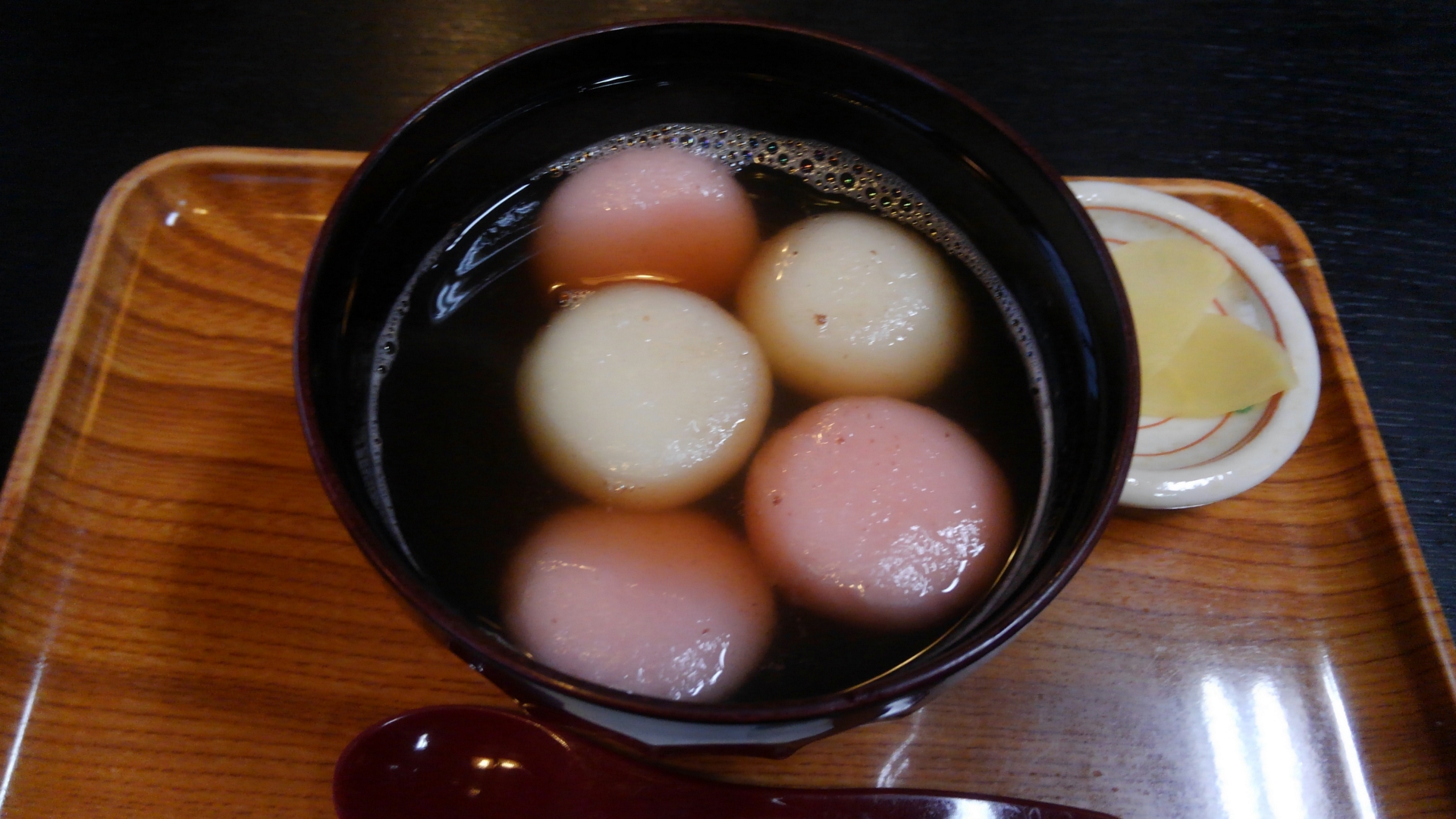
Izumo Zenzai
Izumo is the birthplace of Zenzai, a warm, sweet red bean soup. The beans are slow-cooked until they are soft but intact, swimming in a velvety broth that balances sweetness with a hint of salt. Floating in the center are chewy, toasted mochi cakes that provide a smoky contrast. It is the ultimate comfort food after a long walk through the sacred grounds, warming you from the inside out.
Premium Stays
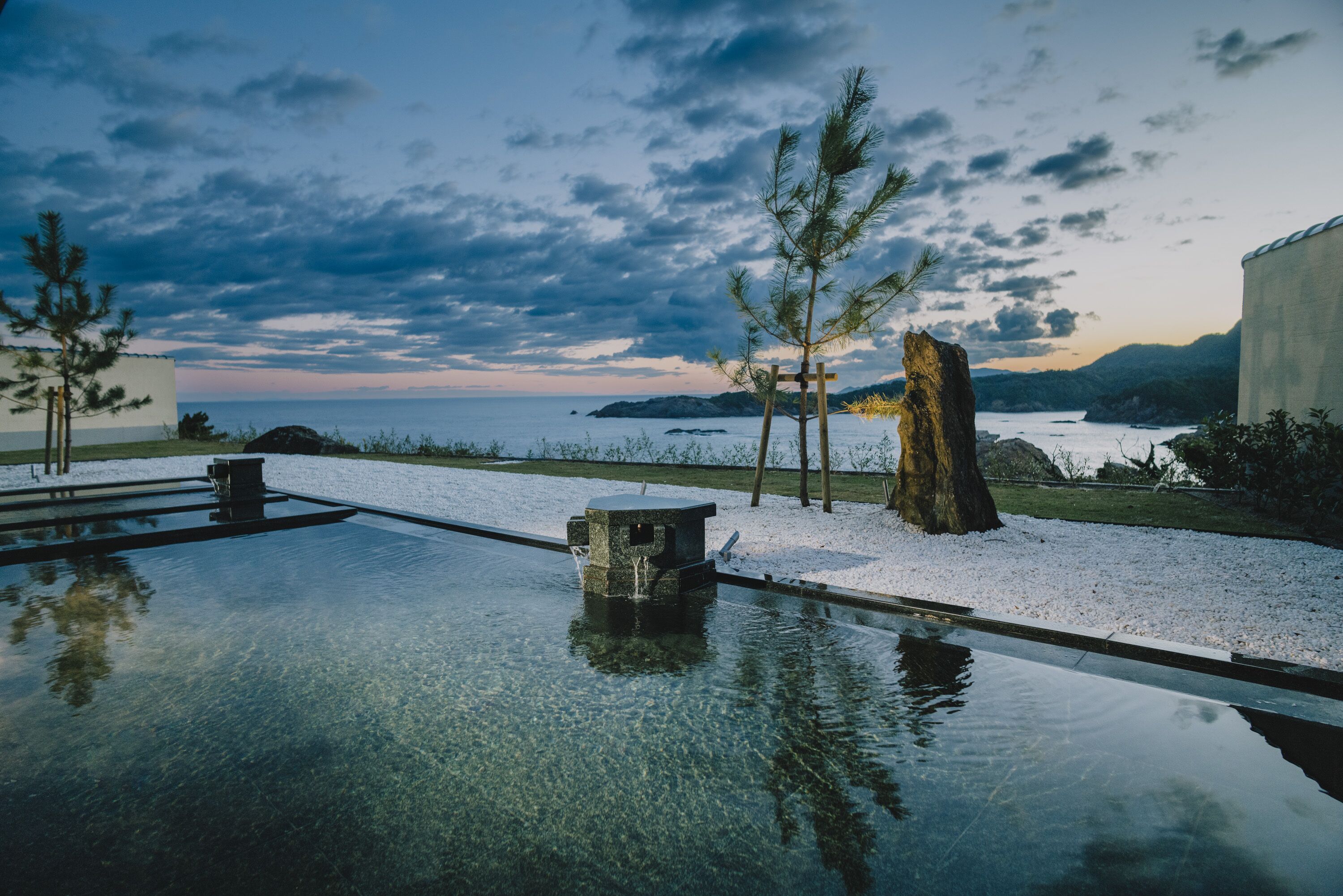
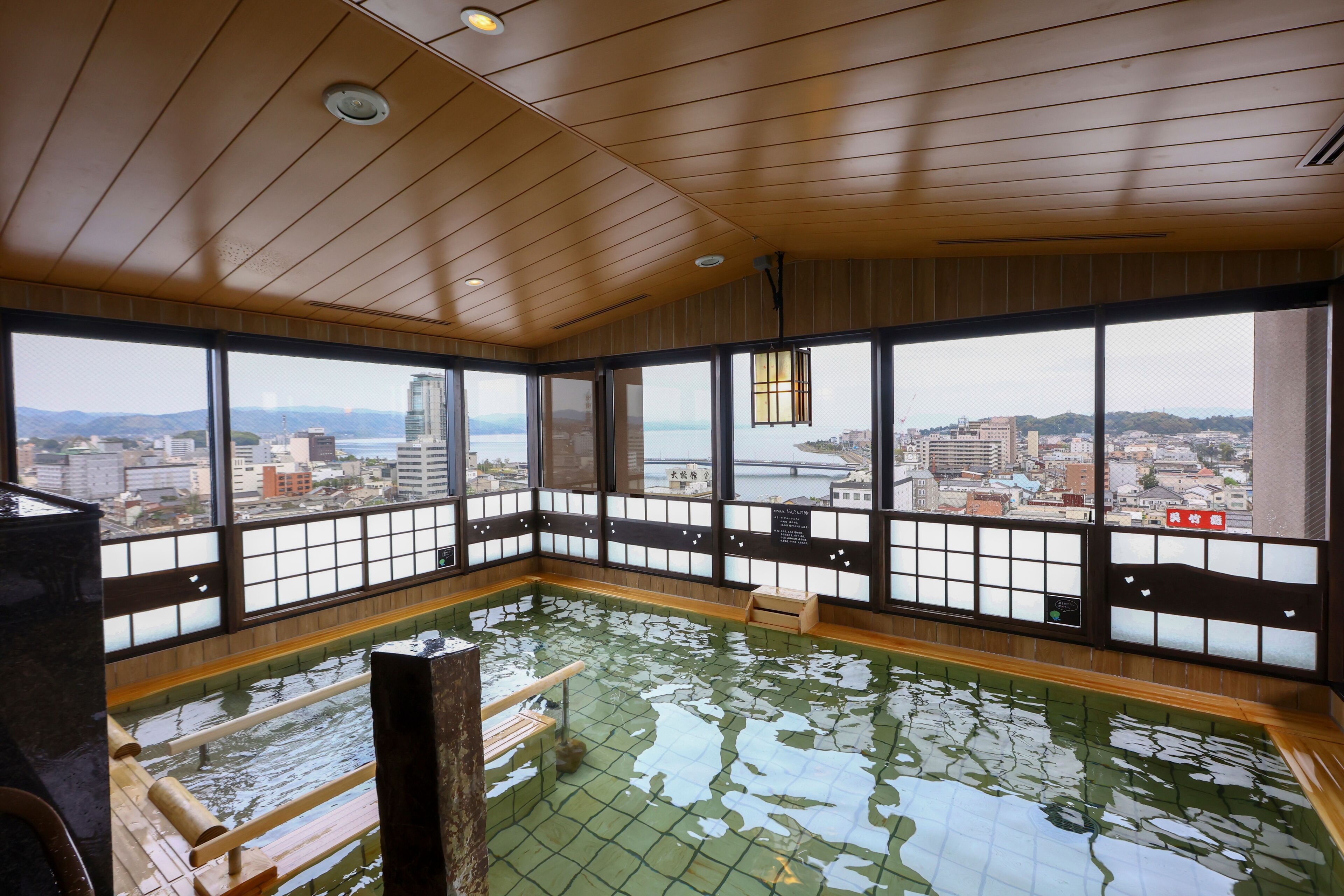
For the ultimate immersion, stay within walking distance of the shrine to experience the morning rituals. Alternatively, the nearby Tamatsukuri Onsen area offers legendary healing waters for a more relaxed, resort-style stay.

Getting There
From Tokyo, fly into Izumo En-musubi Airport (1.5 hrs) then take a 30-minute shuttle bus. Alternatively, take the Sunrise Izumo sleeper train for a nostalgic, romantic journey. Local Ichibata Railway trains connect Izumo-shi Station to the shrine area.
FAQ
Inspired?
Share this destiny with someone special.