Hiroshima
Welcome to Itsukushima Shrine
Rising from the saline mist of the Seto Inland Sea, Itsukushima Shrine is not merely a destination; it is a profound dialogue between Shinto spirituality and the raw elegance of nature. As the tide swells, the iconic Great Torii appears to drift upon the waves, a gateway between the mundane and the celestial. Every step along the vermillion corridors evokes a sense of timelessness, where the scent of ancient cedar mingles with the crisp ocean breeze. This sacred island, known as Miyajima, offers a sensory journey through centuries of architectural mastery and spiritual devotion. For the discerning traveler, it is a sanctuary where the rhythm of the tides dictates the pace of the soul.
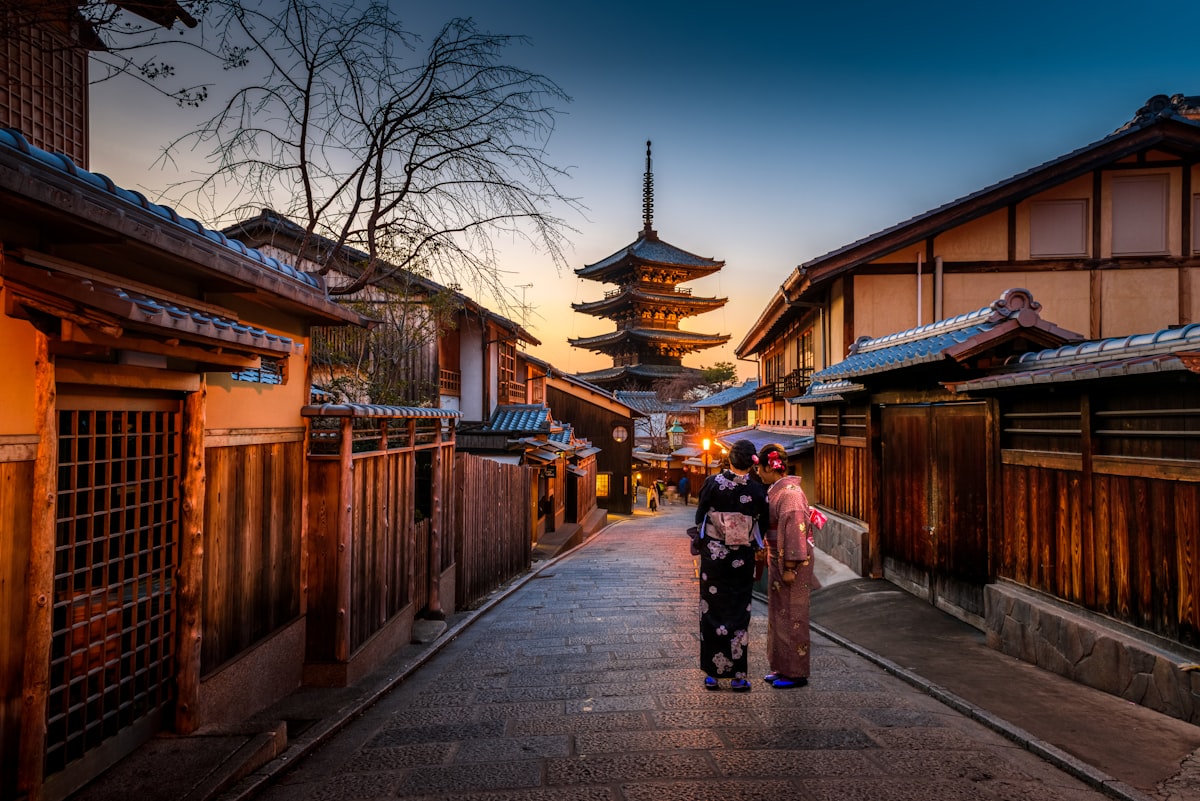
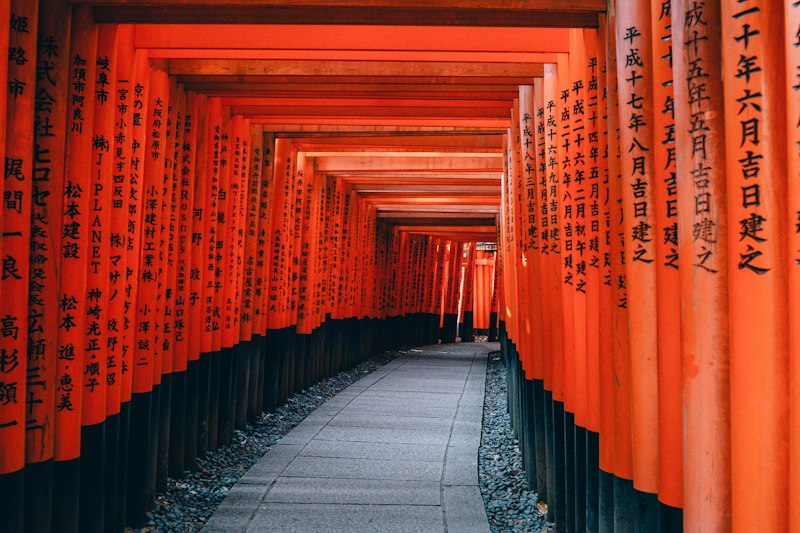
The Great Torii Gate (O-Torii)
Standing as a sentinel in the Seto Inland Sea, this 16-meter tall camphor wood structure is a masterwork of engineering and faith. At high tide, it appears to float, creating a surreal mirror image on the water's surface. At low tide, you can walk across the seabed to touch its barnacle-encrusted pillars, feeling the immense weight of history and the spiritual energy that has drawn pilgrims for over 800 years. The contrast of the cinnabar lacquer against the deep blue sea is a visual symphony.
Daishō-in Temple
Nestled at the base of Mount Misen, Daishō-in is the most prestigious temple on the island, offering a dense atmosphere of esoteric Buddhism. The path is lined with over 500 unique Rakan statues, each with a distinct facial expression, adorned with knitted caps. Spin the prayer wheels along the stairs to receive the same blessings as reading the sutras. The air here is cooler, thick with the scent of incense and the sound of distant temple bells, providing a meditative escape from the shoreline crowds.
Momijidani Park
A lush, emerald sanctuary that transforms into a fiery explosion of crimson and gold during autumn. Following the Momijidani River, this park features approximately 700 maple trees. The gentle rustle of leaves and the sight of wild Sika deer wandering through the dappled sunlight create a scene of ethereal beauty. It serves as the gateway to the Mount Misen ropeway, offering a sensory transition from the coastal shrines to the ancient, primordial forests of the island's peak.
Local Soul Food
Tastes you can't find anywhere else.
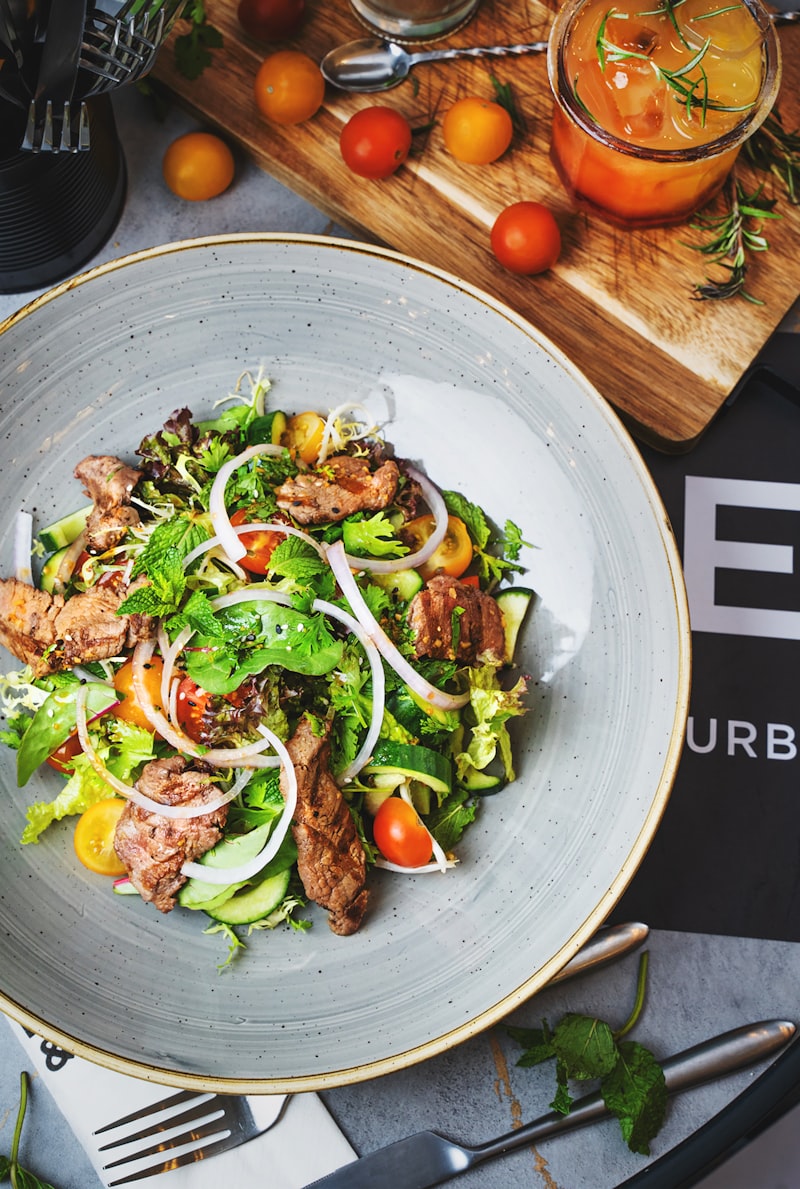
Charcoal-Grilled Miyajima Oysters
The buttery melt of premium Hiroshima oysters is legendary. Harvested from the nutrient-rich waters surrounding the island, these plump delicacies are grilled over high-grade charcoal. The result is a smoky, briny explosion of flavor, enhanced by a simple spritz of local citrus or a drop of soy sauce. The texture is velvety, a testament to the freshness of the morning catch.
Anago-meshi (Grilled Conger Eel)
Unlike the heavy richness of unagi, Miyajima’s conger eel (anago) offers a delicate, sophisticated sweetness. The eel is simmered in a secret soy-based broth and then grilled to perfection, served over rice that has been cooked in the same savory stock. The aroma of caramelized soy and the tender, flaky texture of the fish create a comforting, high-end culinary experience.
Age-Momiji (Deep-Fried Maple Cake)
A playful twist on the traditional maple-leaf-shaped sponge cake. These treats are dipped in a light batter and flash-fried, creating a golden, crispy exterior that yields to a warm, gooey center of custard, chocolate, or sweet red bean. The contrast between the hot, crunchy shell and the soft, sweet heart is an essential Miyajima street food ritual.
Premium Stays
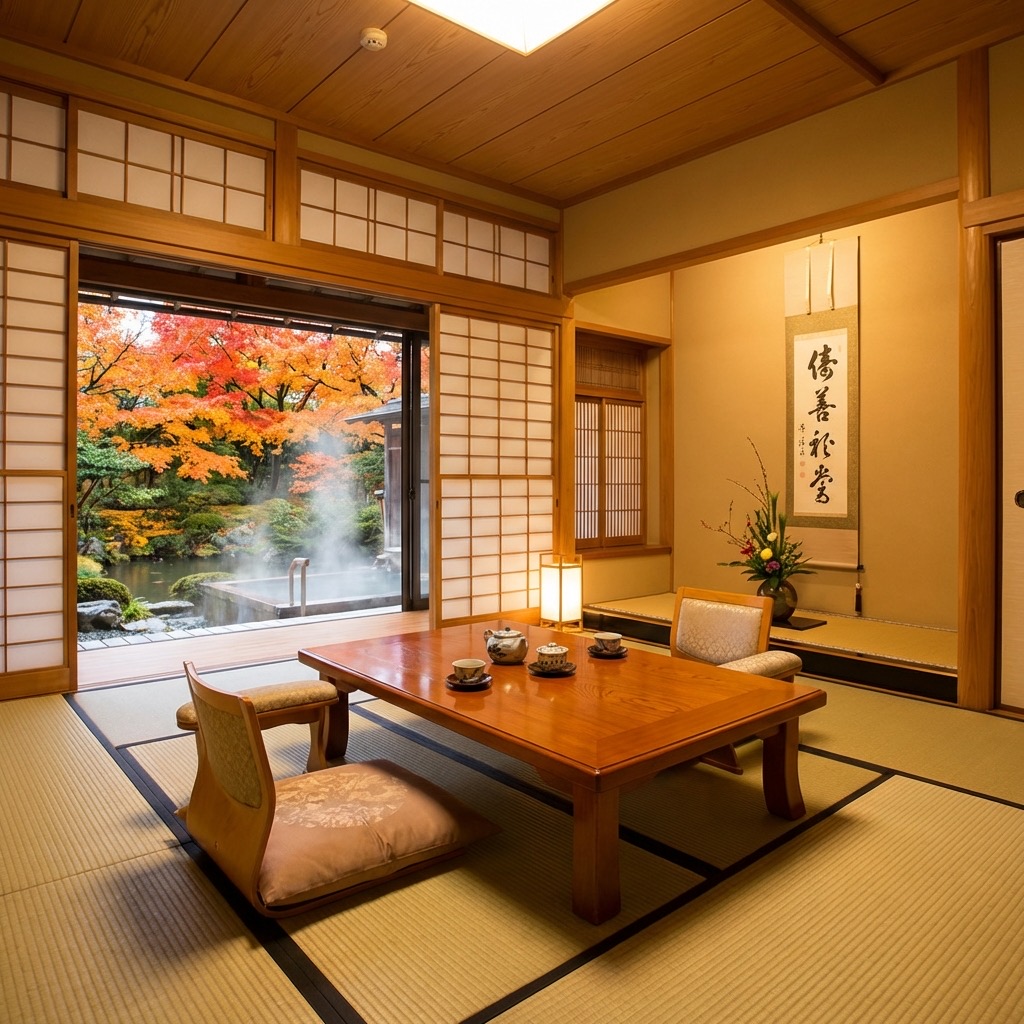
To truly capture the magic of Itsukushima, staying on the island after the last ferry departs is essential. The daytime crowds vanish, leaving the illuminated shrine and the silent forest to those lucky enough to remain in a local ryokan.
Getting There
Take the JR Sanyo Line from Hiroshima Station to Miyajimaguchi (25 mins). From there, board the JR Ferry or Matsudai Ferry for a 10-minute crossing. JR Pass holders should use the JR Ferry for a closer view of the Torii.
FAQ
Inspired?
Share this destiny with someone special.