Mie
Welcome to Ise Jingu
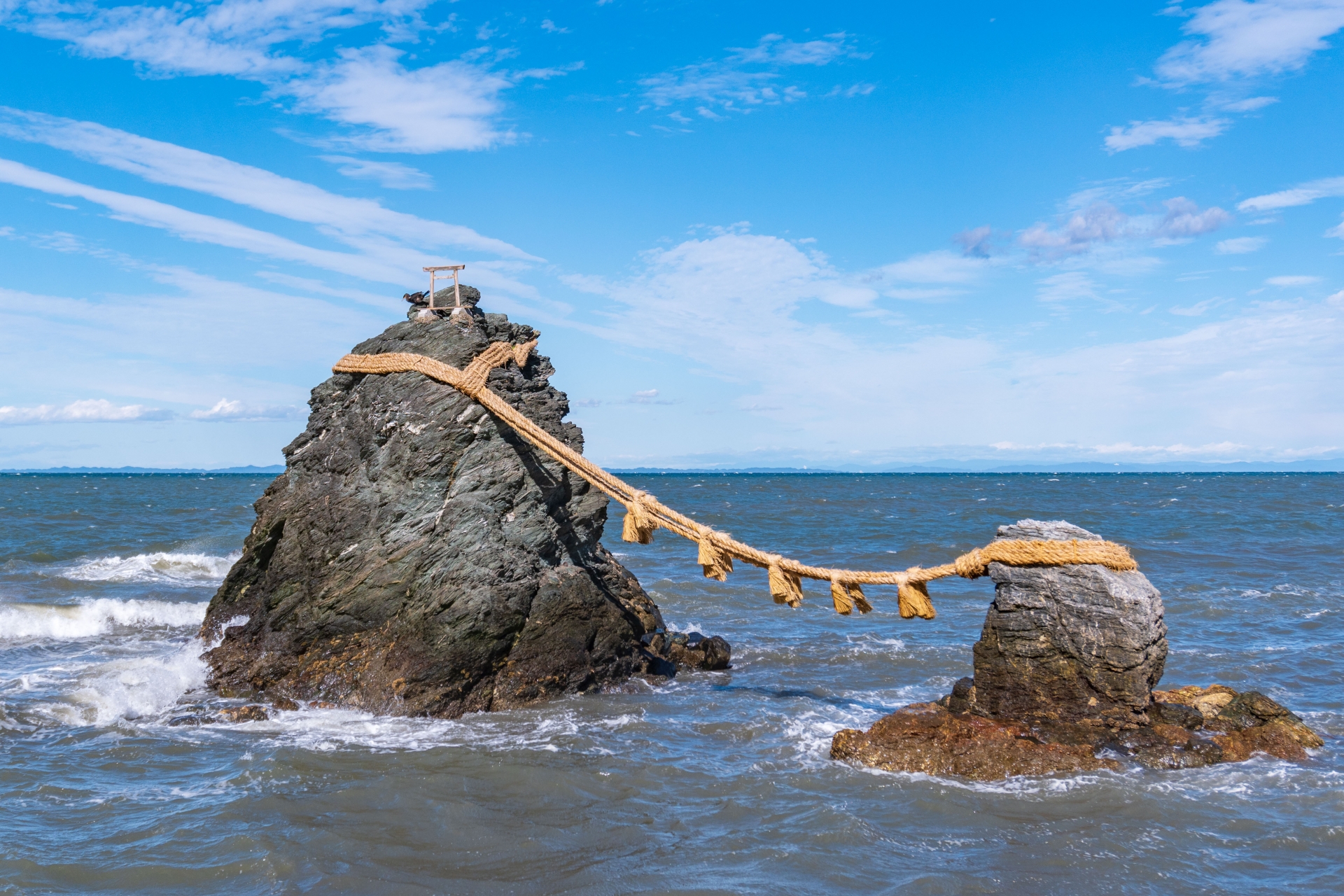
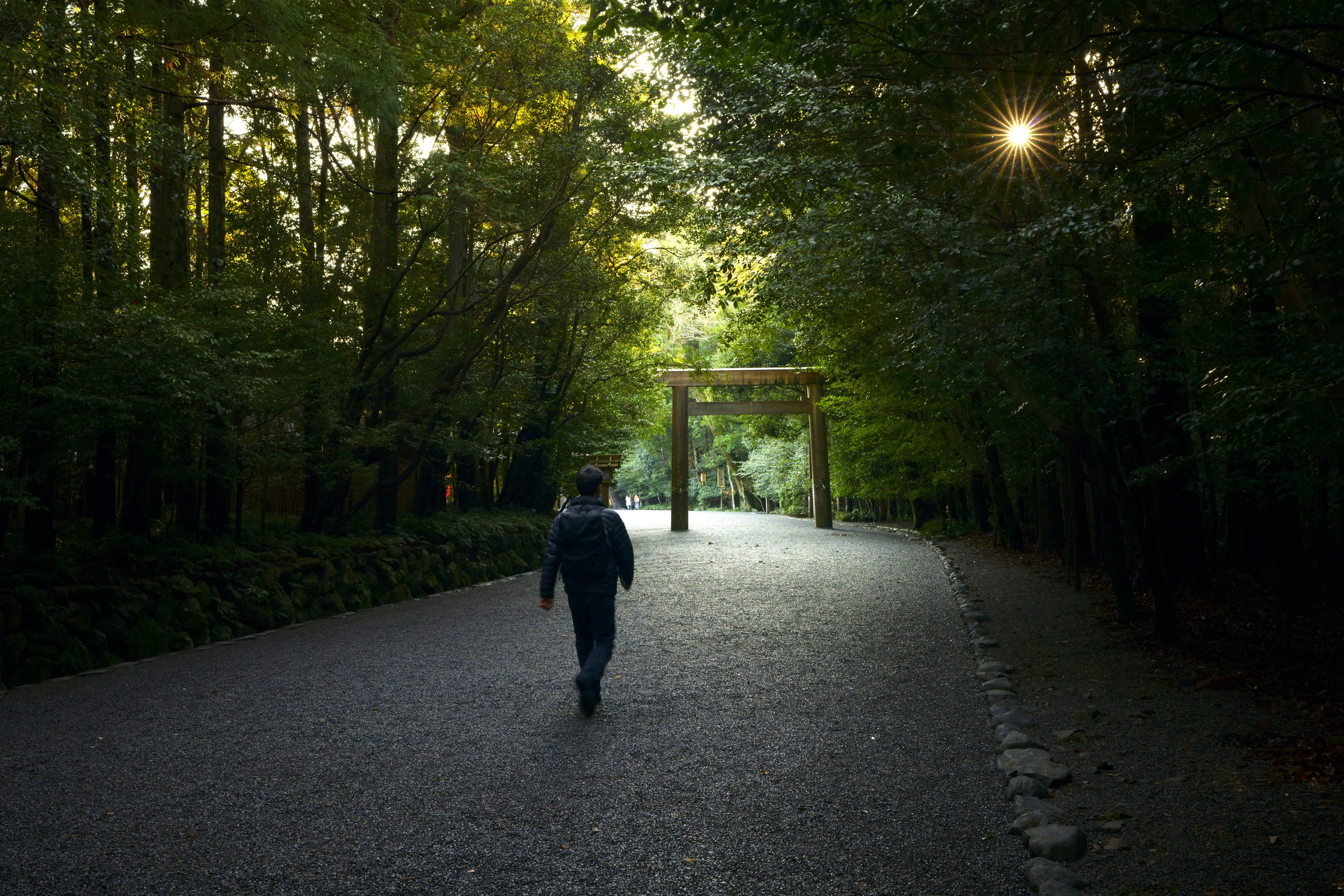
Stepping into Ise Jingu is not merely a visit to a shrine; it is an immersion into the primordial spirit of Japan. The air here feels different—thicker with the scent of ancient Hinoki cypress and the saline mist drifting from the nearby Ise Bay. As the morning sun filters through the towering, centuries-old trees, a profound silence settles over the gravel paths, broken only by the rhythmic crunch of footsteps. This is the home of Amaterasu Omikami, the Sun Goddess, and for over two millennia, pilgrims have journeyed here to find solace and renewal. To walk these grounds is to witness the eternal cycle of renewal, where the sacred structures are rebuilt every twenty years to maintain their purity and perfection. It is a sensory masterpiece of architecture, nature, and deep-seated tradition.
Naiku (Inner Shrine)
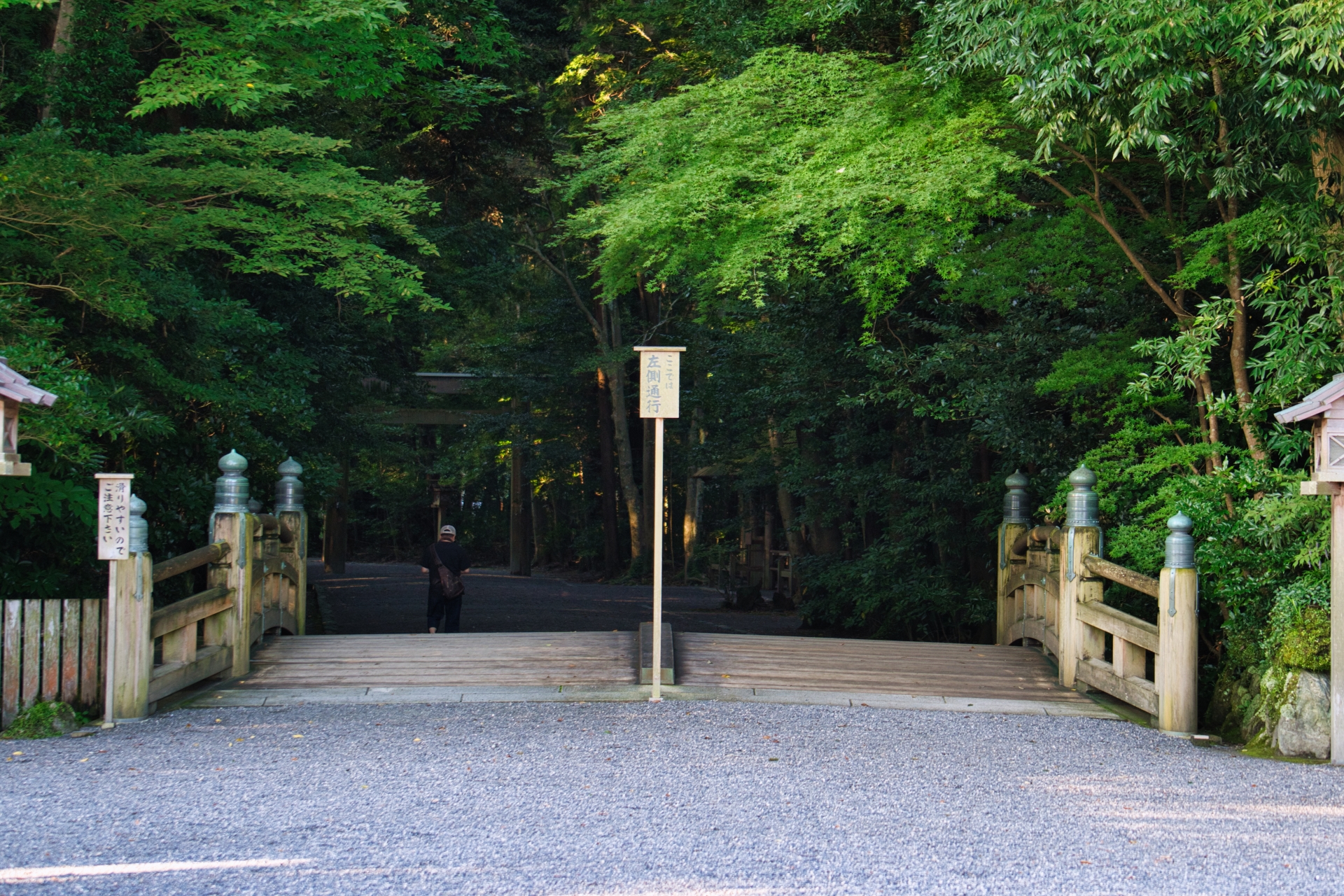
The Naiku is the ultimate sanctuary, dedicated to Amaterasu Omikami. Crossing the Uji Bridge feels like transitioning from the mundane to the divine. The architecture is a study in 'Shinme-zukuri'—unpainted cypress wood that glows with a soft, organic warmth. As you approach the main sanctuary, the sight of the white silk curtains fluttering in the breeze creates an ethereal barrier between the human and the divine. The scent of fresh wood and the cool touch of the Isuzu River water used for purification ground you in this timeless, spiritual landscape.
Geku (Outer Shrine)
Dedicated to Toyouke-no-Omikami, the deity of food, clothing, and shelter, the Geku offers a more intimate, grounded energy than the Naiku. The path is shaded by colossal trees that have witnessed centuries of devotion. The interplay of shadow and light on the thatched roofs creates a hauntingly beautiful aesthetic. Here, the rituals of daily food offerings to the gods have continued uninterrupted for over 1,500 years. It is a place to reflect on the essential elements of life and the deep gratitude Japanese culture holds for the natural world.
Oharaimachi & Okage Yokocho
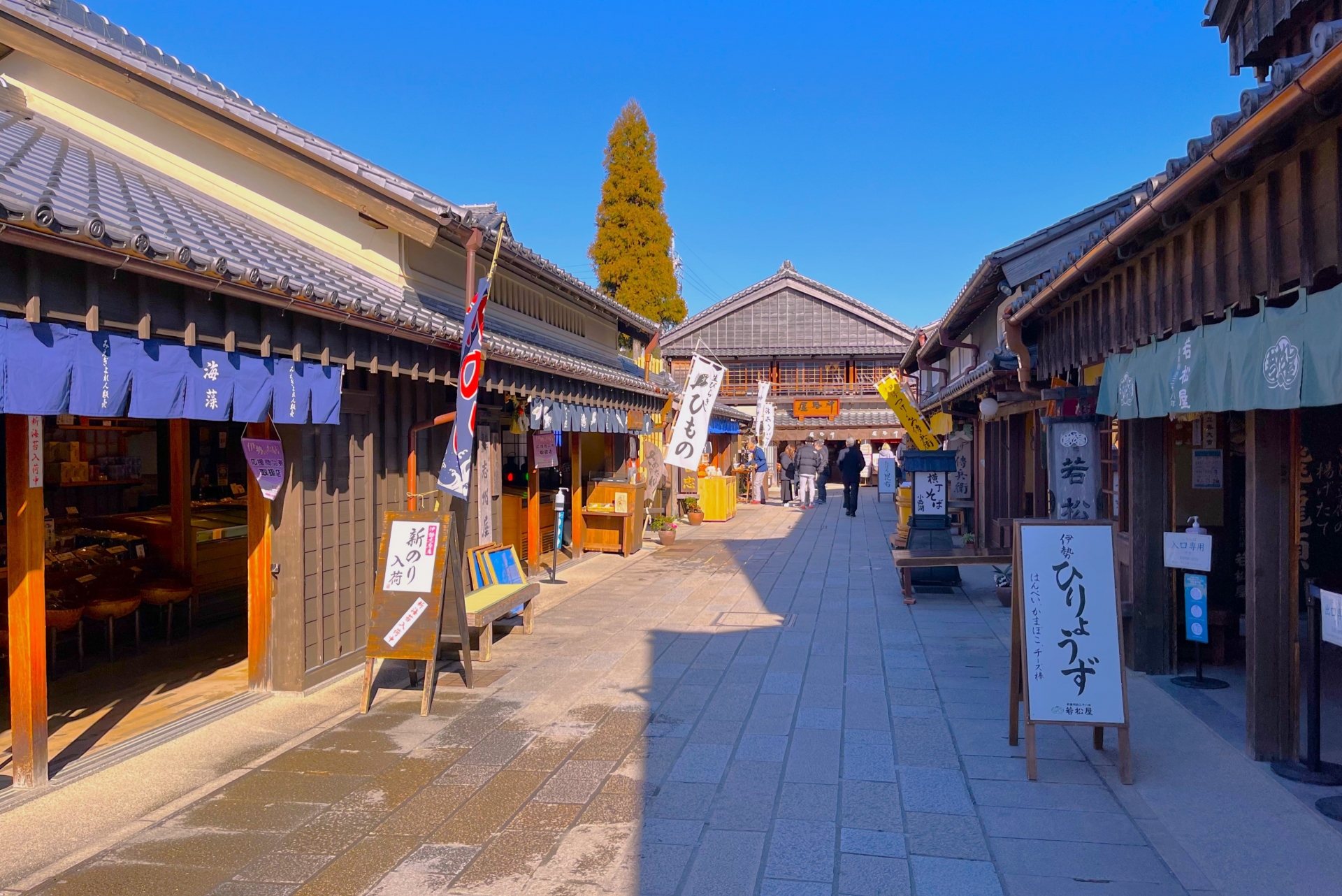
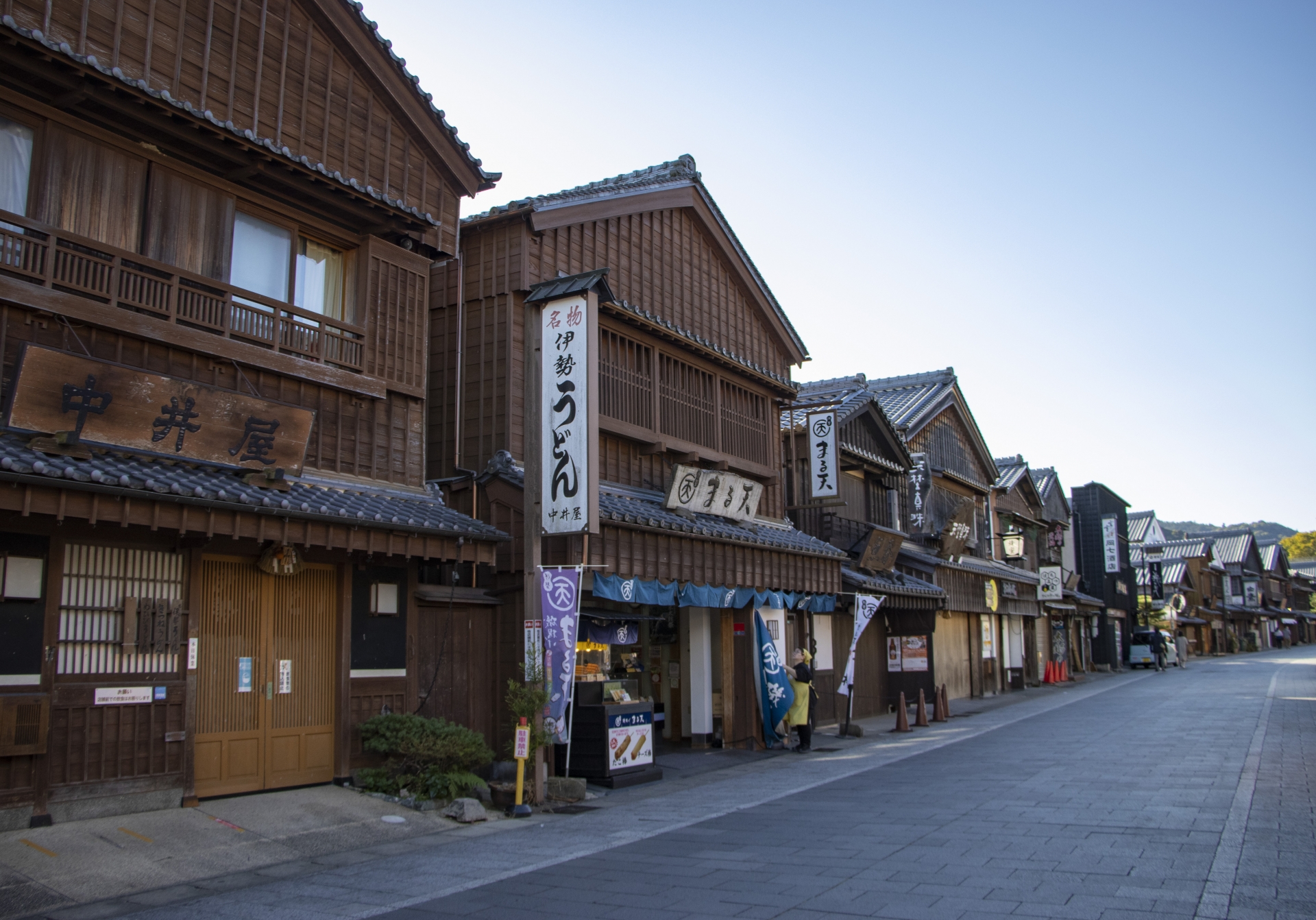
Just outside the Naiku lies a vibrant recreation of an Edo-period town. Oharaimachi is a kilometer-long stretch of traditional timber-framed buildings that house craft shops, sake breweries, and teahouses. The air is thick with the aroma of charcoal-grilled seafood and sweet bean paste. Okage Yokocho, located in the center, is a bustling plaza where the energy of old Japan comes alive. From the rhythmic sound of Taiko drums to the intricate craftsmanship of local pearls, this area provides a lively, sensory contrast to the silent solemnity of the shrines.
Local Soul Food
Tastes you can't find anywhere else.
Ise Udon
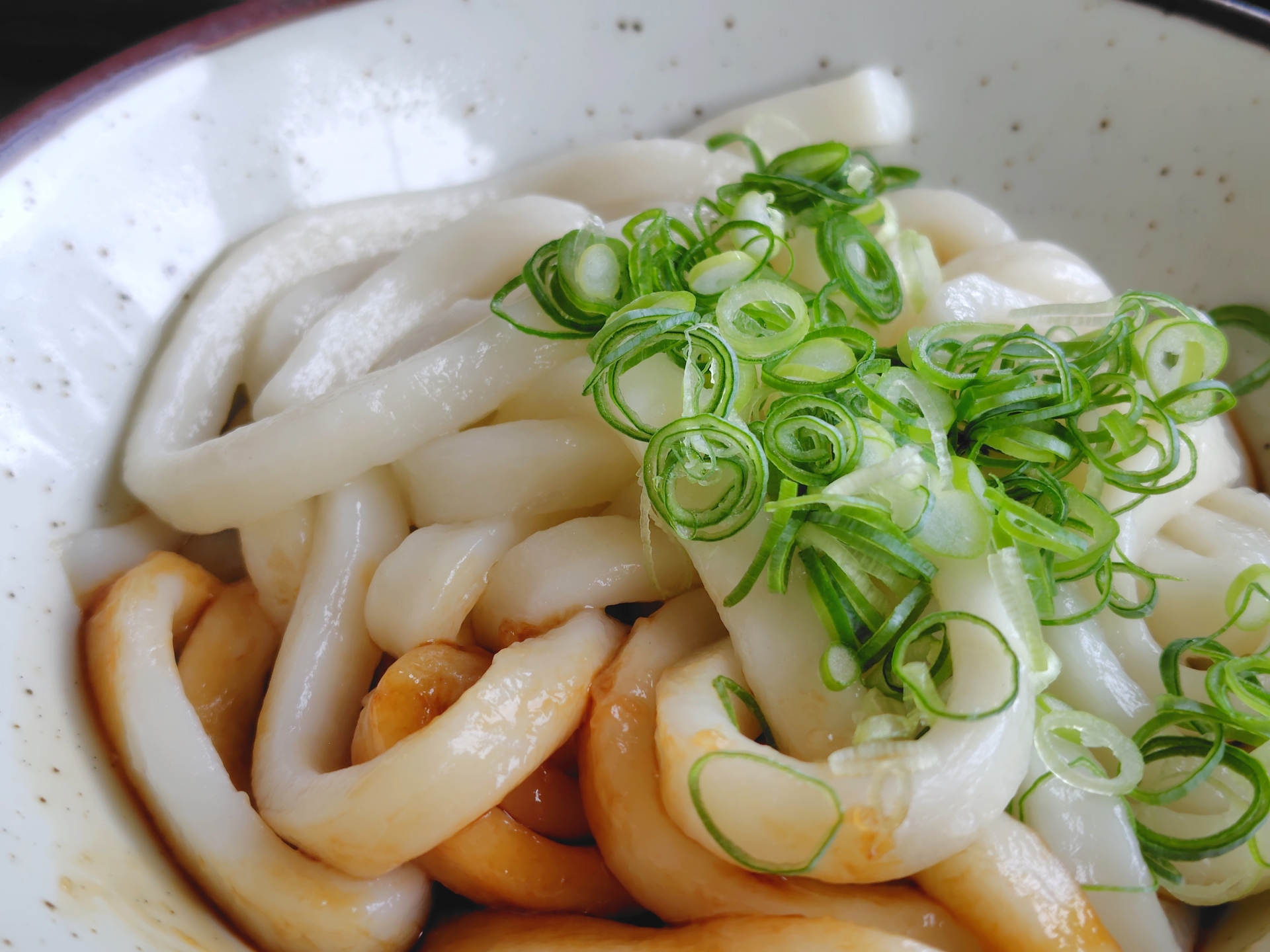
Unlike the chewy udon found elsewhere, Ise Udon is famously soft and thick—almost cloud-like in texture. These oversized noodles are doused in a jet-black, umami-rich sauce made from tamari soy sauce and dashi. Each bite is a comforting embrace, with the sweet and salty glaze clinging to the velvety surface of the dough. It is the ultimate soul food for weary pilgrims.
Tekone-zushi
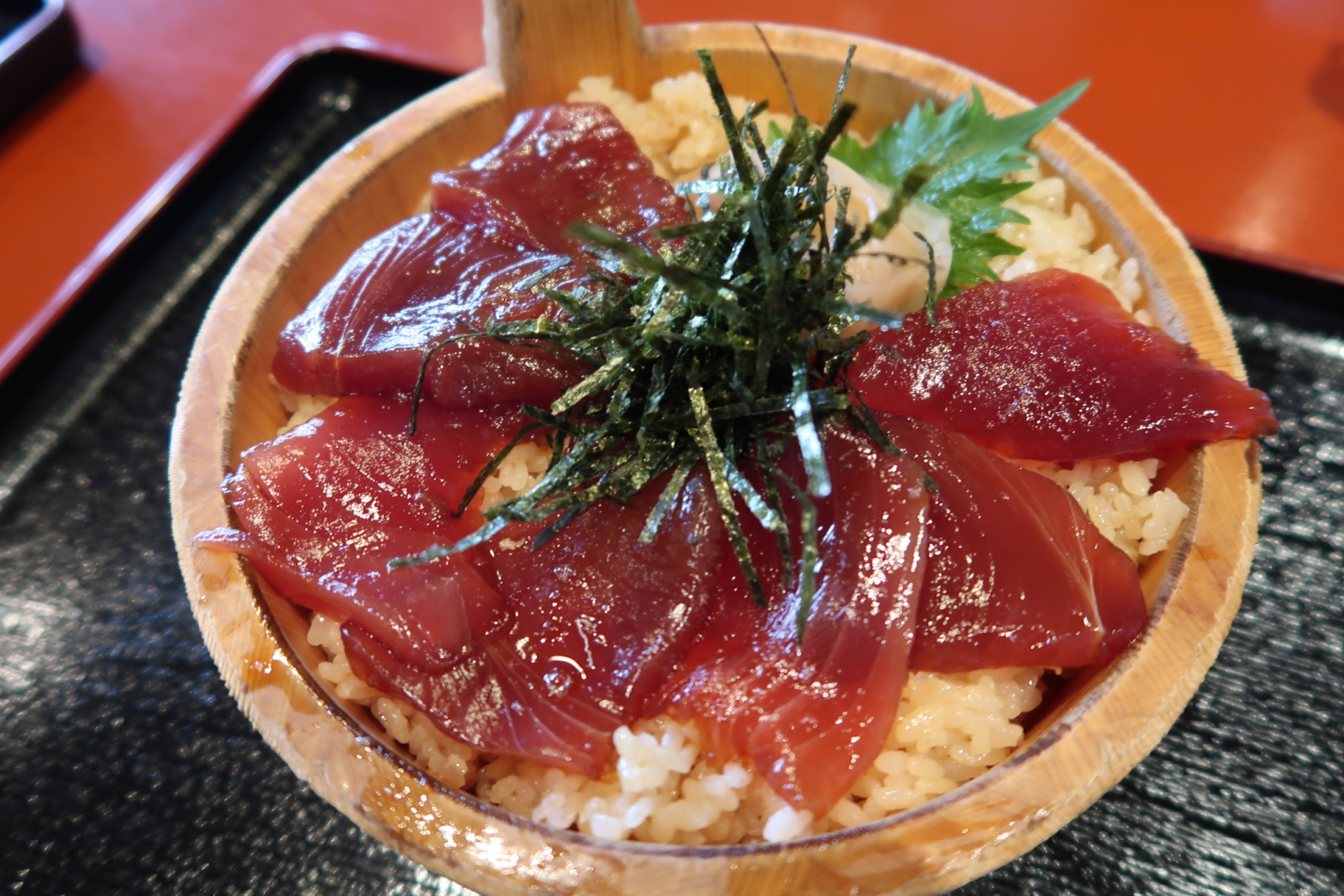
A traditional fisherman’s dish, Tekone-zushi features thick slices of fresh bonito or tuna marinated in a ginger-infused soy sauce. The fish is served over a bed of vinegared rice and garnished with aromatic shiso leaves and nori. The silkiness of the marinated sashimi against the tangy, bright rice creates a sophisticated balance of flavors that tastes like the Pacific Ocean itself.
Akafuku Mochi
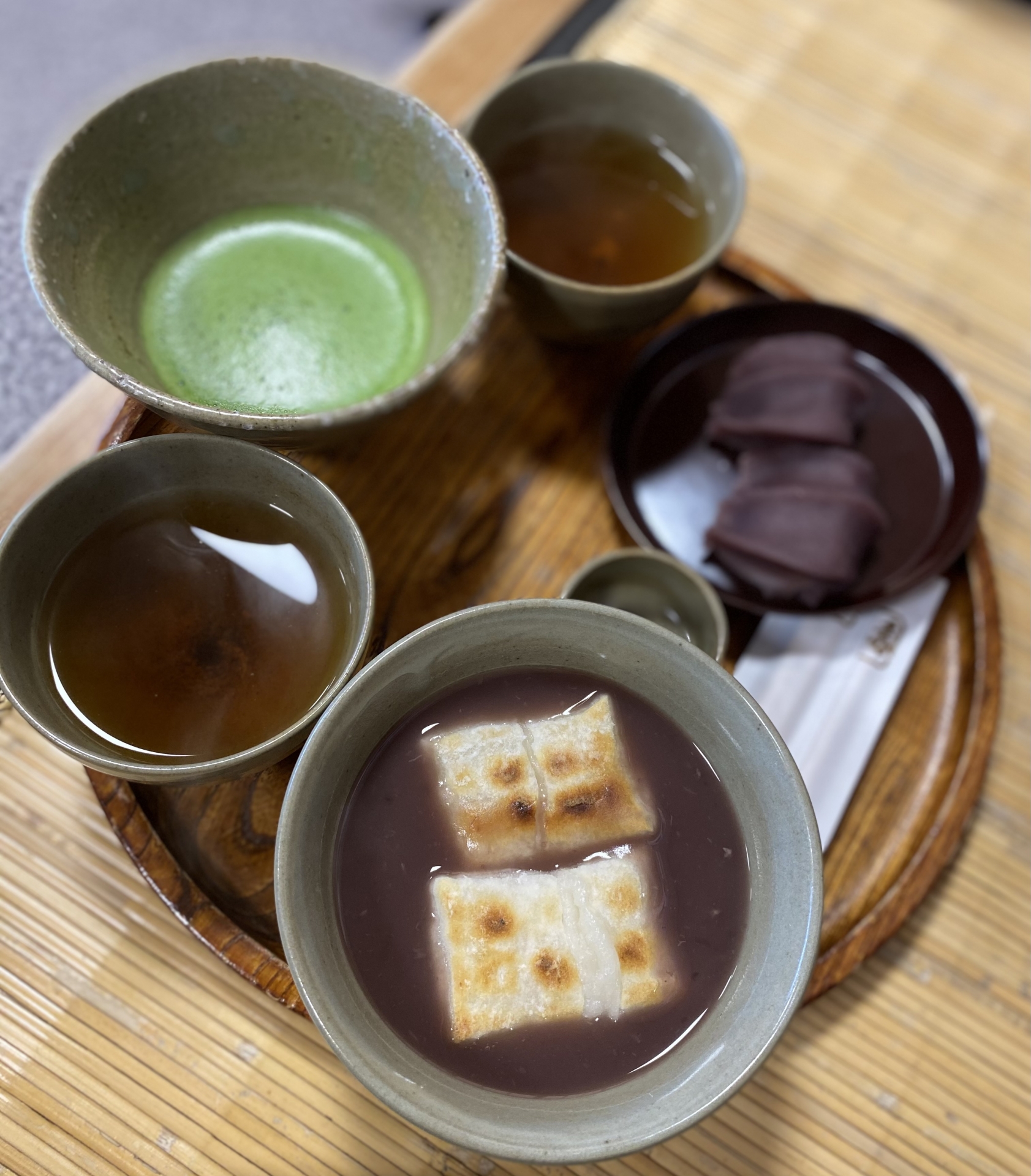
No visit to Ise is complete without Akafuku. This iconic sweet consists of a soft rice cake topped with a generous layer of smooth, dark red bean paste. The paste is hand-molded to resemble the ripples of the Isuzu River. The texture is incredibly refined—velvety, sweet but not cloying, and melting away instantly on the tongue. Best enjoyed with a cup of bitter matcha.
Premium Stays
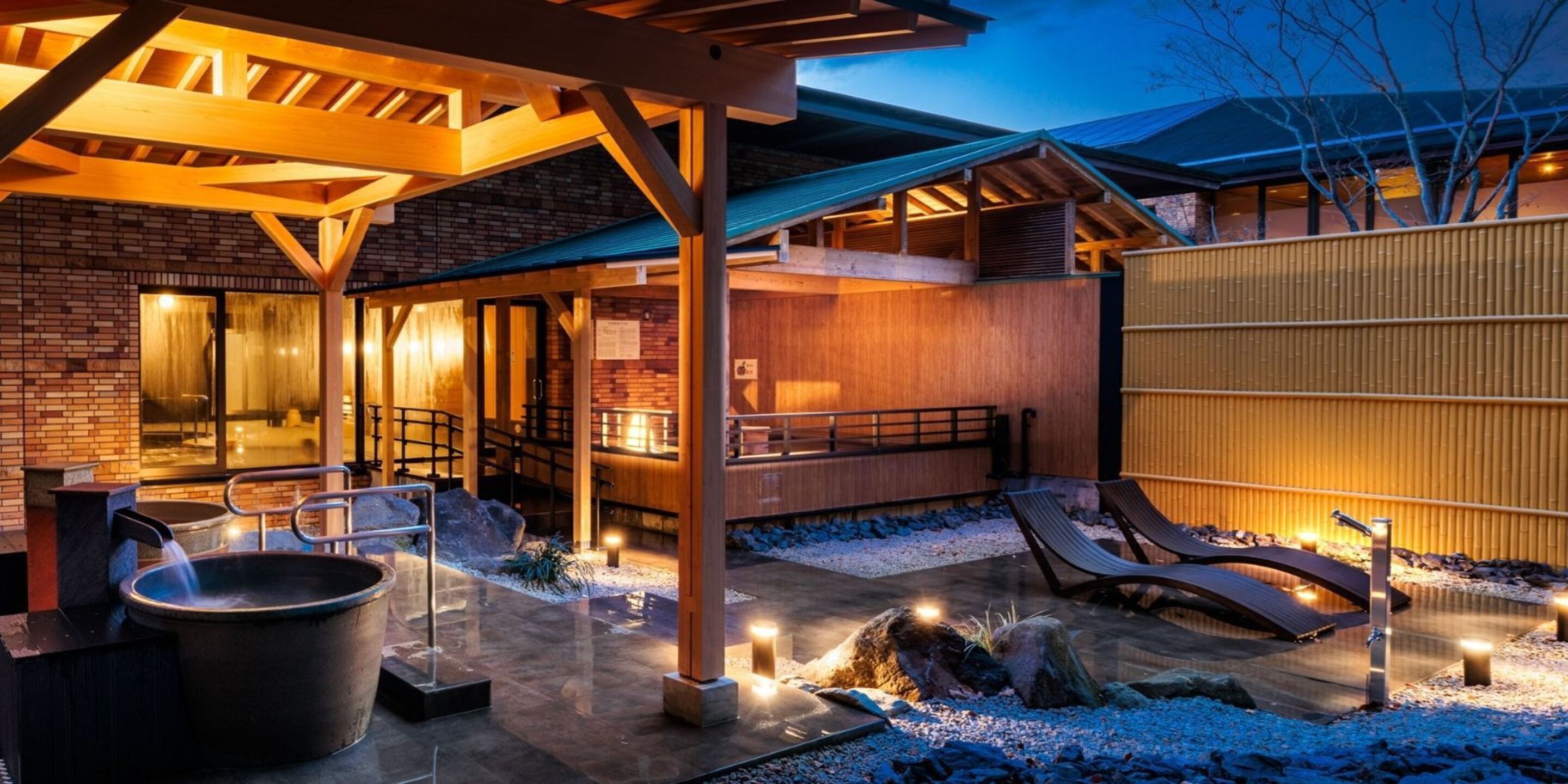
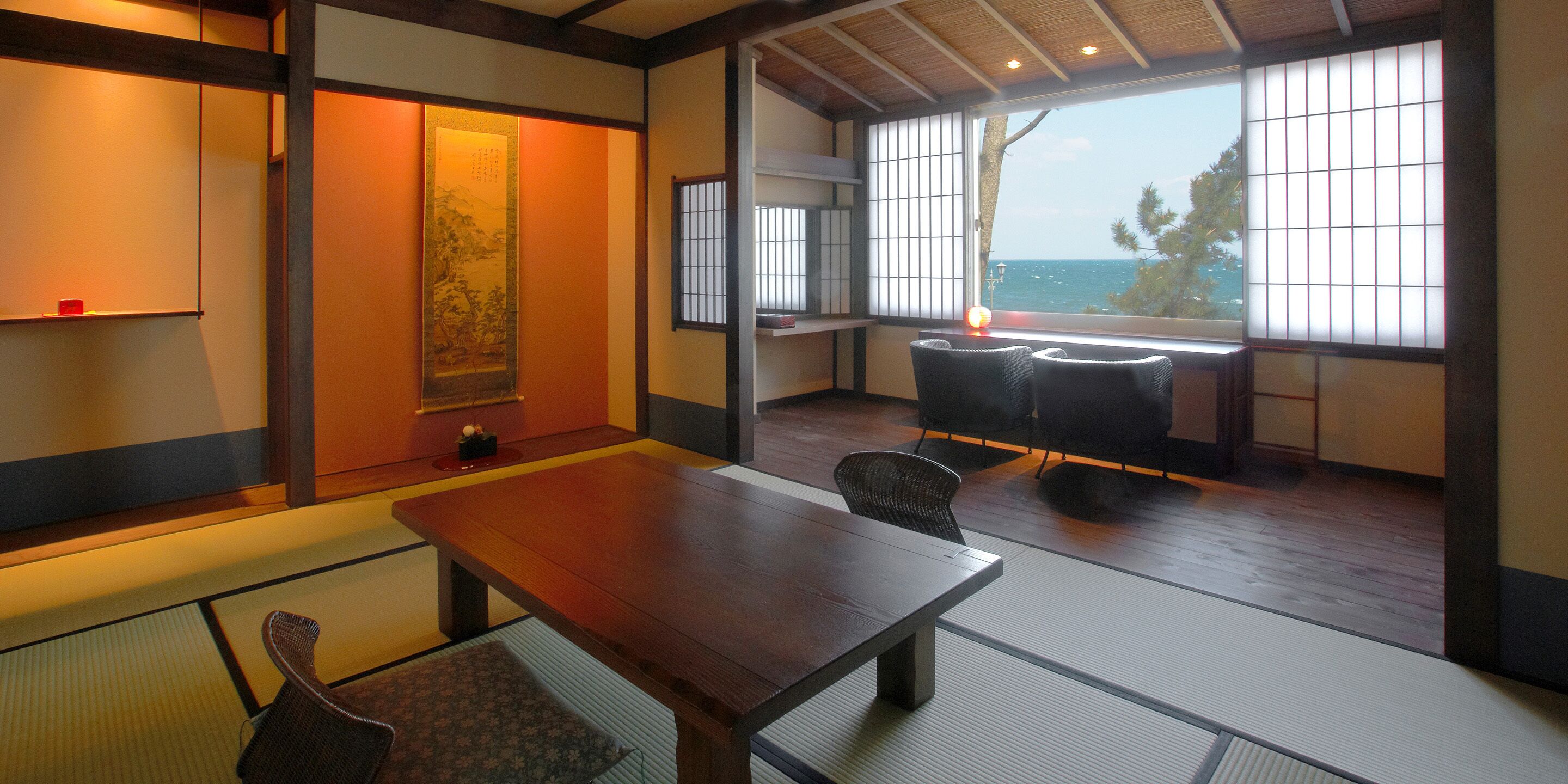
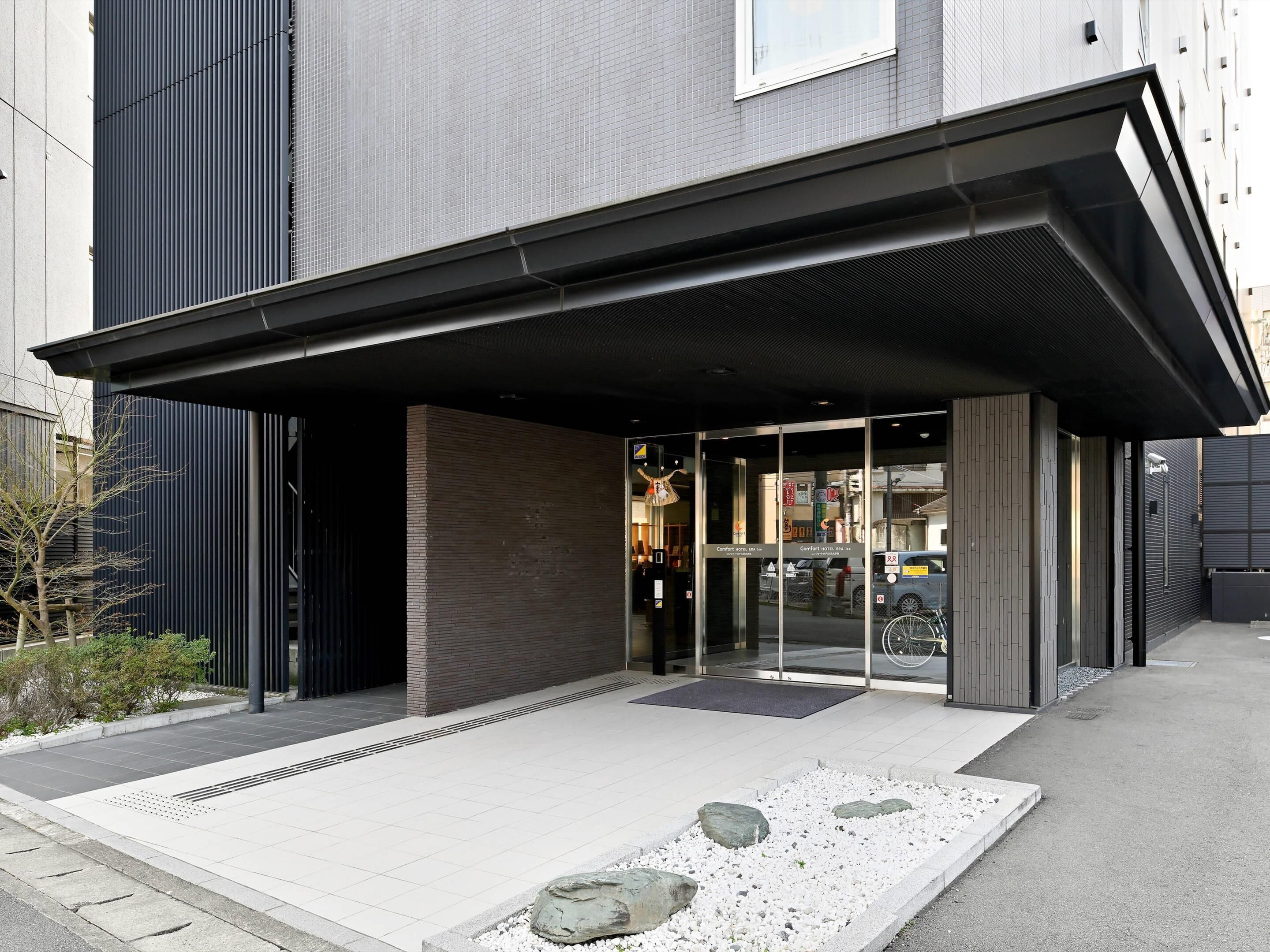
For the ultimate spiritual experience, stay in the Ise-City area near the shrines to catch the early morning atmosphere. If you seek coastal luxury, the nearby Shima Peninsula offers world-class resorts with sweeping views of the bay.
Getting There
Take the Kintetsu Limited Express 'Shimakaze' or 'Ise-Shima Liner' from Osaka Namba or Nagoya directly to Ise-shi Station. From the station, the Geku is a 10-minute walk, while the Naiku requires a short 15-minute bus ride. Buses are frequent but can be crowded during peak festival seasons.
FAQ
Inspired?
Share this destiny with someone special.