Welcome to Hirosaki Castle
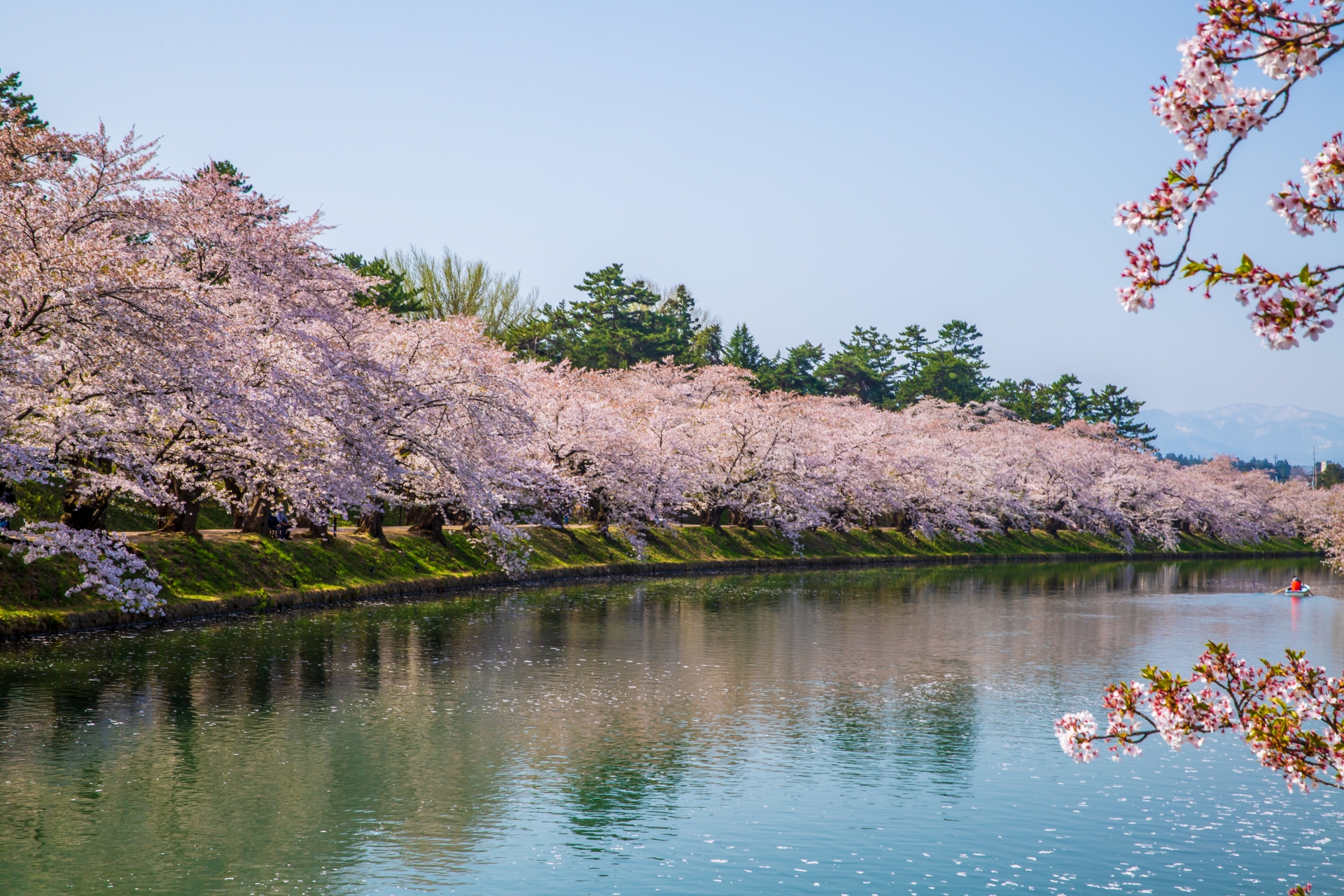
Stepping into the grounds of Hirosaki Castle is akin to walking through a living ink-wash painting. As one of Japan's twelve original keeps, it carries the weight of four centuries within its weathered timber and stone foundations. The air here is distinct—crisp with the scent of pine and, in spring, heavy with the intoxicating perfume of over 2,500 cherry trees. Whether you are witnessing the 'sakura carpet' that turns the moat into a river of pink silk or the crystalline silence of a snow-shrouded winter fortress, Hirosaki offers a profound connection to the Edo period. It is not merely a destination; it is a sensory journey into the soul of the Tsugaru region.
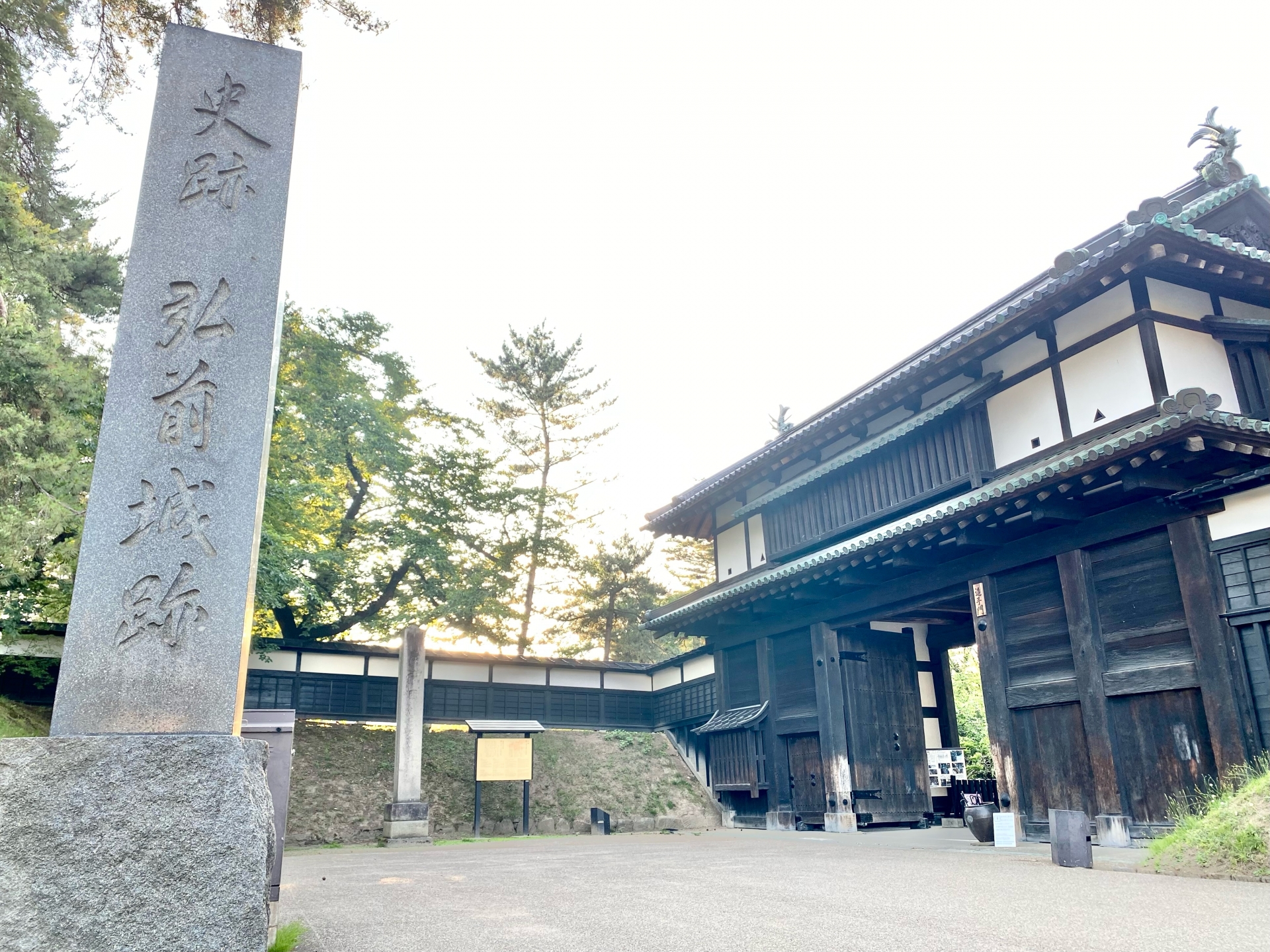
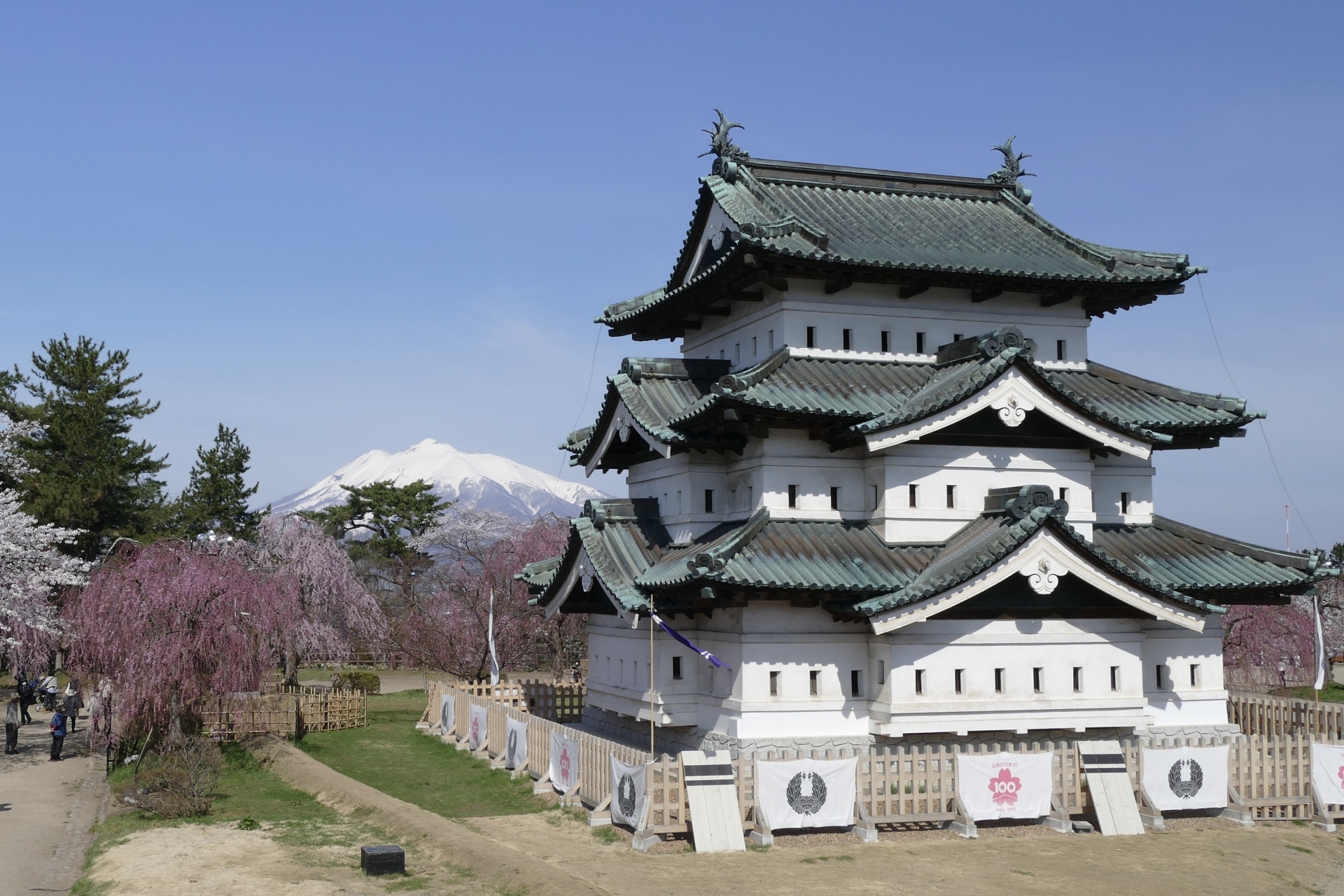
The Three-Story Keep (Tenshu)
The beating heart of the park, this Edo-period icon is a masterclass in resilient architecture. Currently positioned atop temporary steel beams due to a massive stone wall renovation, the keep offers a rare glimpse into the ingenuity of Japanese engineering. Inside, the scent of ancient wood permeates the narrow corridors, and the view from the top floor reveals the majestic Mount Iwaki, often called the 'Fuji of Tsugaru.' It is a place where time slows, inviting you to touch the very walls that survived the abolition of the samurai era.
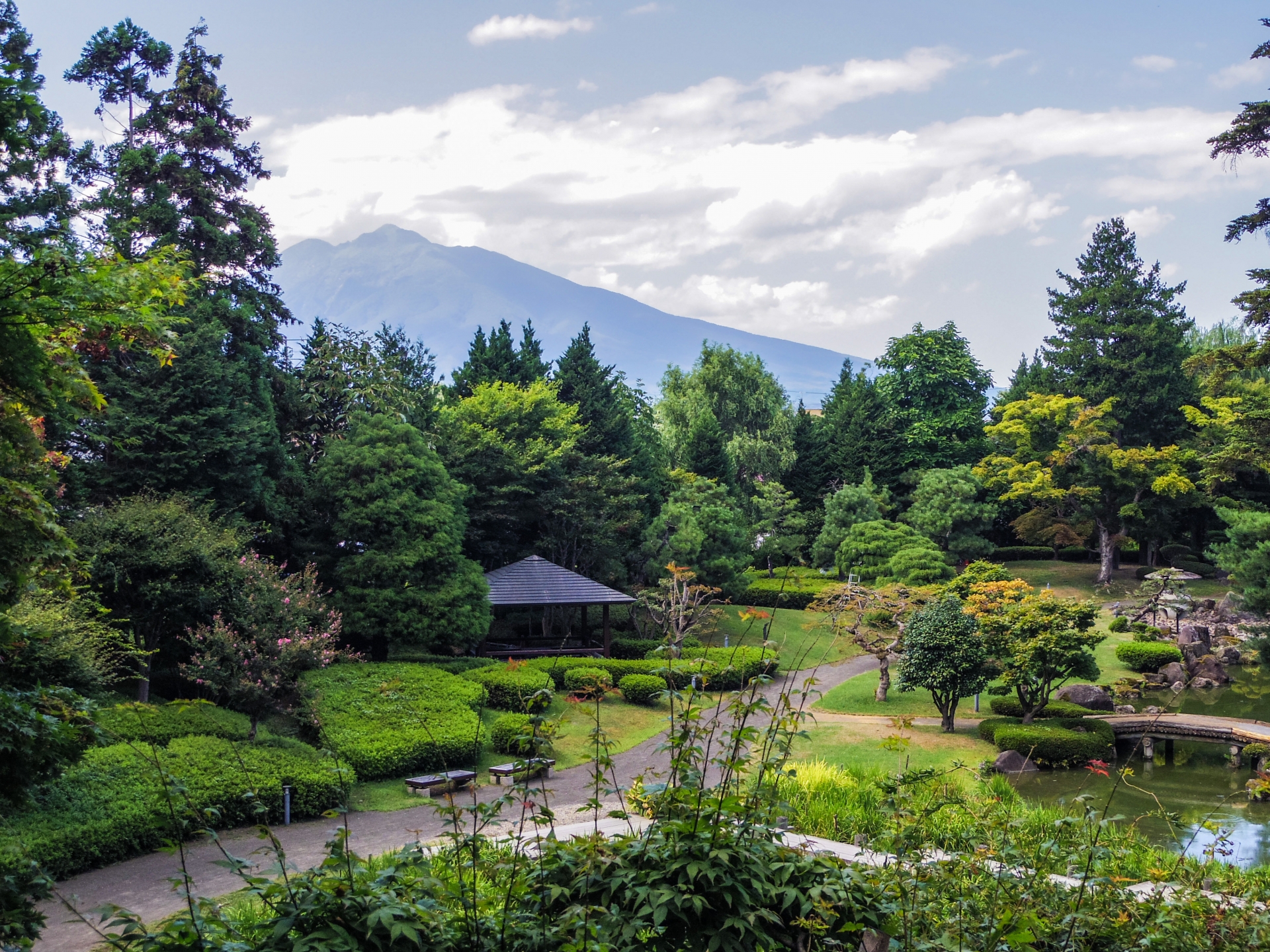
Fujita Memorial Garden
Located just outside the castle gates, this Taisho-era masterpiece is a sanctuary of refined aesthetics. The garden is divided into a highland area with a Western-style villa and a lowland area featuring a traditional Japanese stroll garden. The sound of the waterfall provides a rhythmic backdrop to the visual feast of manicured maples and moss-covered stones. In the tea house, the clink of ceramic and the whisking of matcha create a meditative atmosphere that bridges the gap between the modern world and the elegance of a bygone era.
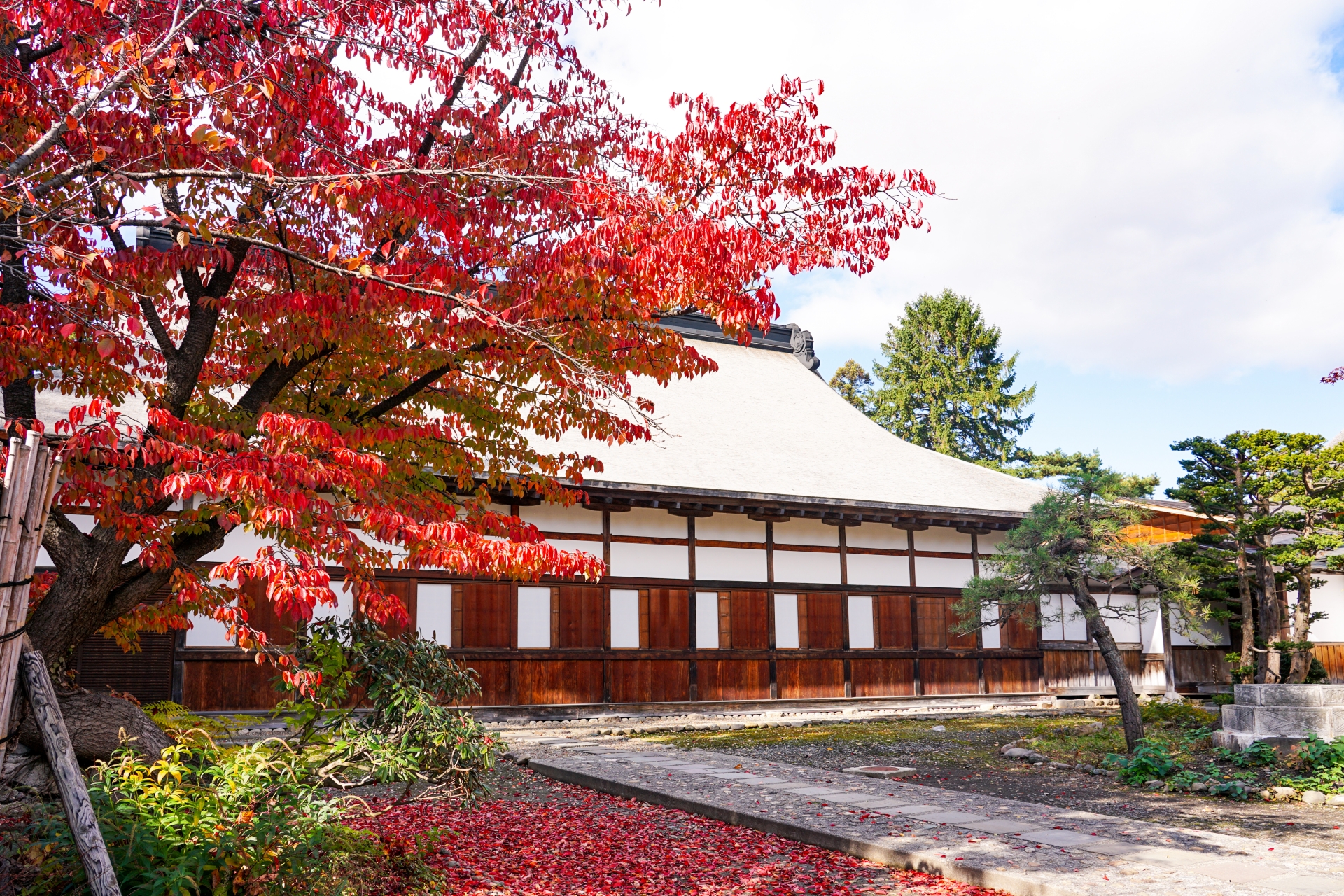
The Chosho-ji Temple & Zen Forest
A short walk from the castle leads you to the Zen forest of the Tsugaru clan. Chosho-ji is the family temple of the lords of Hirosaki, and its massive wooden gate stands as a silent sentinel. The path is lined with towering cedars that filter the sunlight into ethereal beams. The spiritual energy here is palpable; it is a 'power spot' where the silence is only broken by the distant tolling of a bronze bell. The architectural detail of the main hall, with its intricate carvings, reflects the immense wealth and devotion of the northern samurai.
Local Soul Food
Tastes you can't find anywhere else.
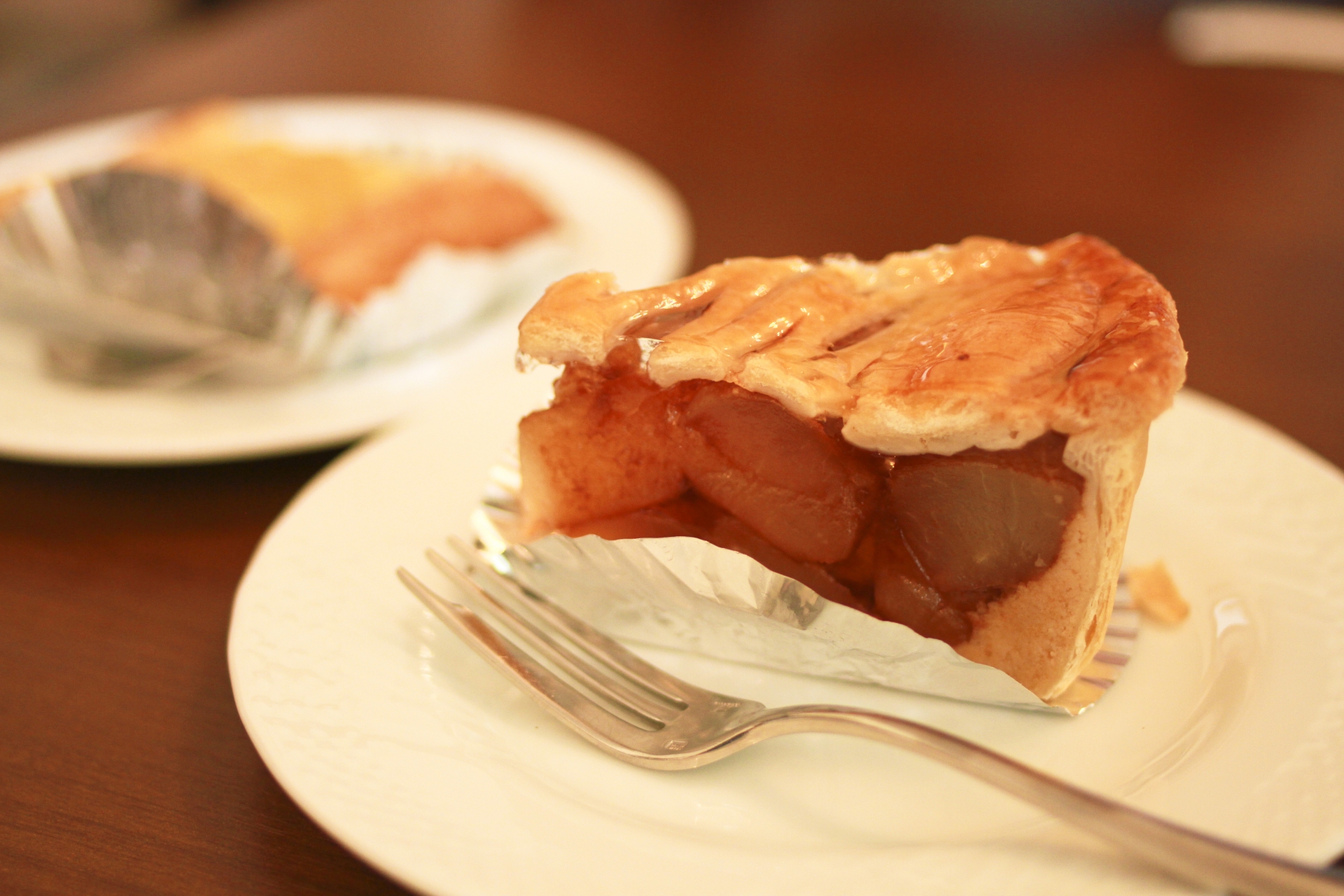
Hirosaki Gourmet Apple Pie
Aomori is the apple capital of Japan, and their pie is a revelation. Imagine a crust so flaky it shatters like glass, yielding to a heart of warm, cinnamon-kissed apples that retain a slight, sophisticated crunch. The sweetness is never cloying, balanced by the natural acidity of the fruit. It is the ultimate comfort food, elevated to an art form.
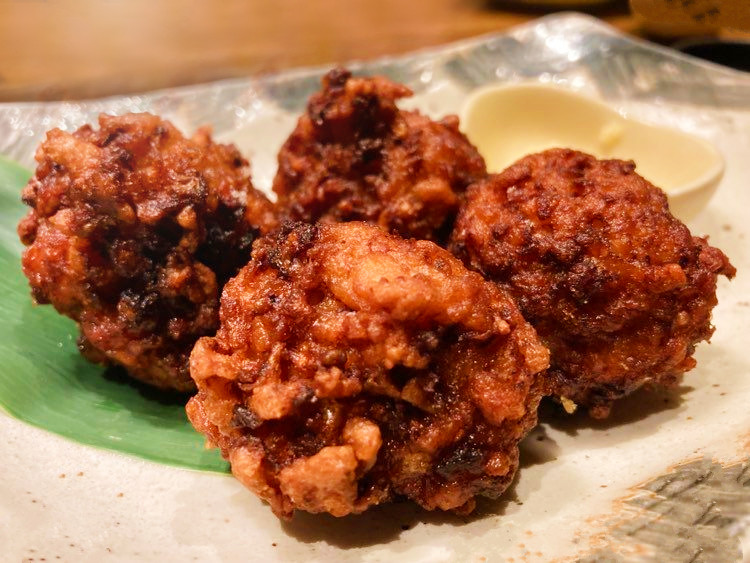
Igamenchi (Squid Mince Patties)
A rustic soul-food classic, Igamenchi is a savory blend of minced squid tentacles and seasonal vegetables, deep-fried to a golden bronze. The texture is a delightful contrast between the crispy exterior and the tender, umami-rich interior. It carries the saline essence of the nearby Mutsu Bay, making it the perfect companion for local sake.
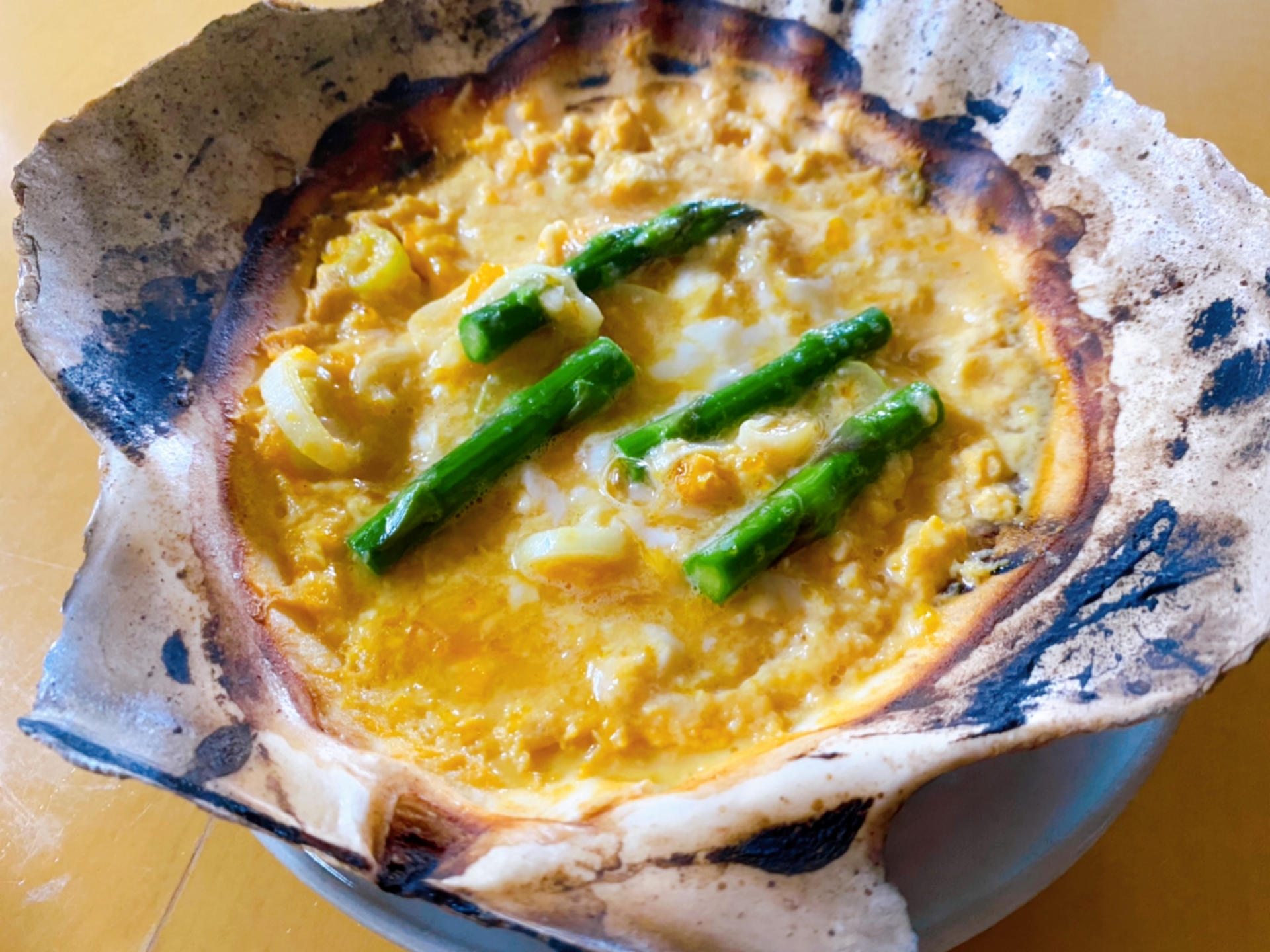
Kaiyaki-miso
This dish is a sensory theater. Large scallop shells serve as the cooking vessel, where plump scallops, eggs, and local miso are simmered over a charcoal flame. The smoky aroma of the miso caramelizing against the shell is intoxicating. The result is a buttery, savory custard that melts on the tongue, leaving a lingering taste of the sea and earth.
Premium Stays
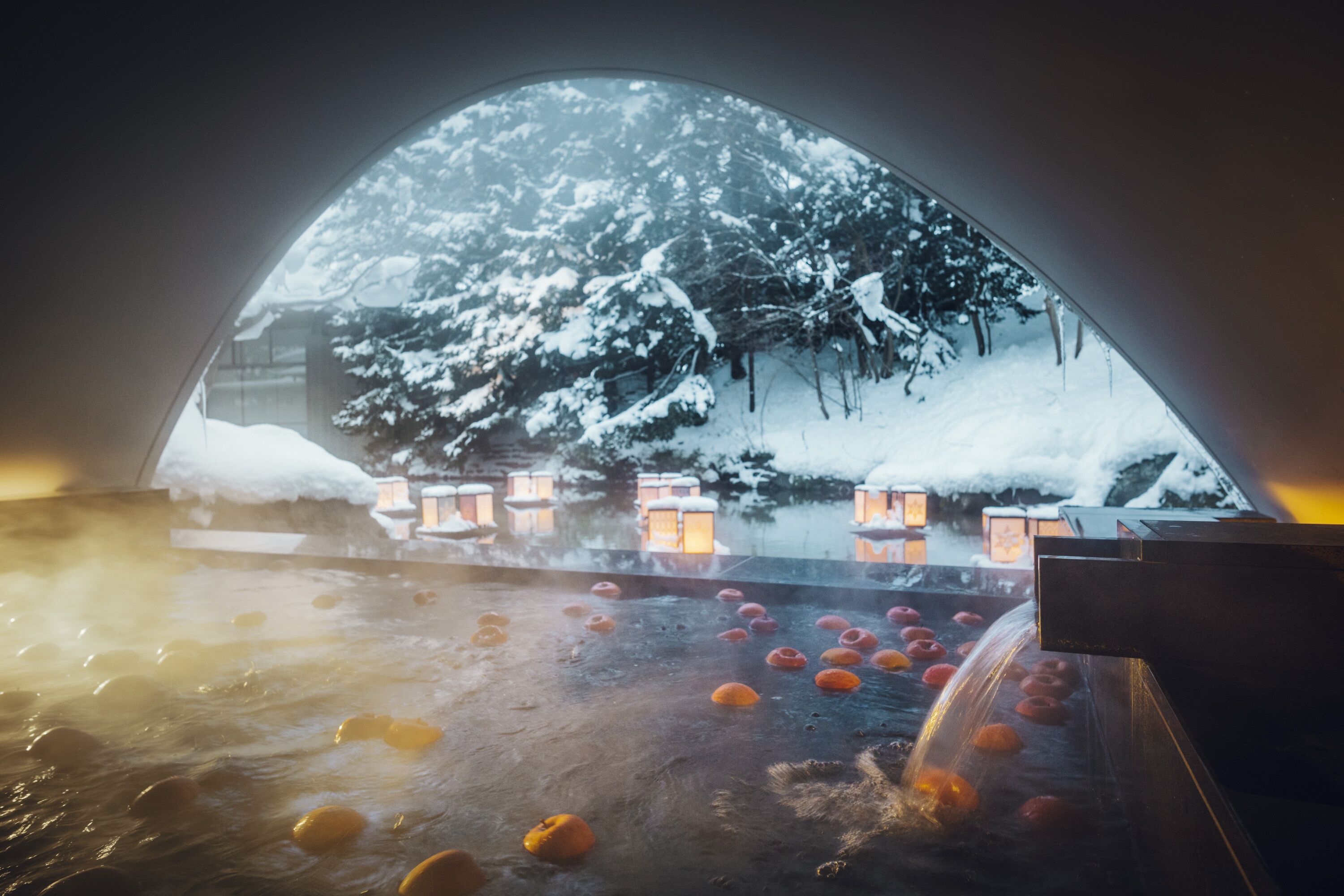
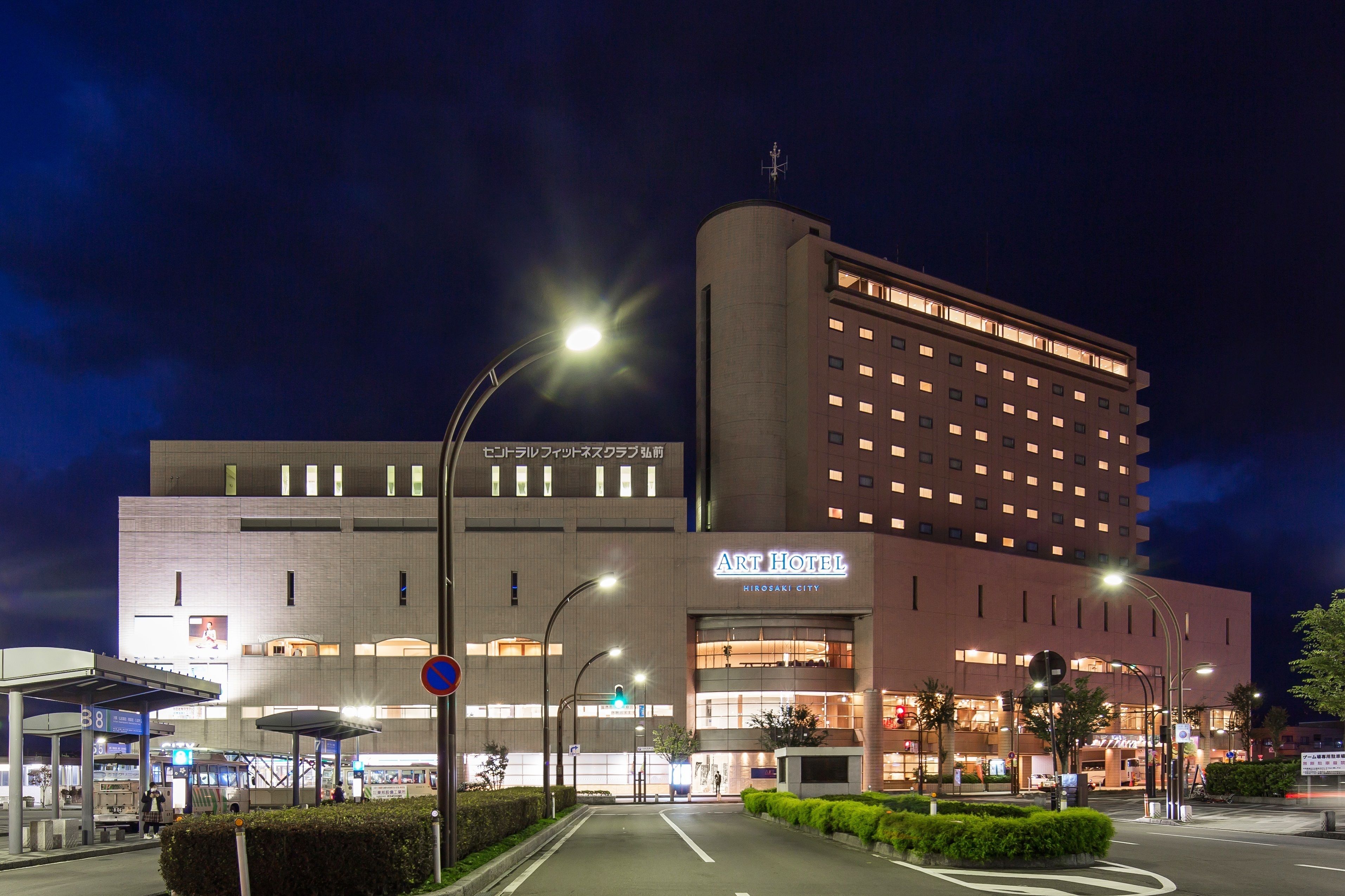
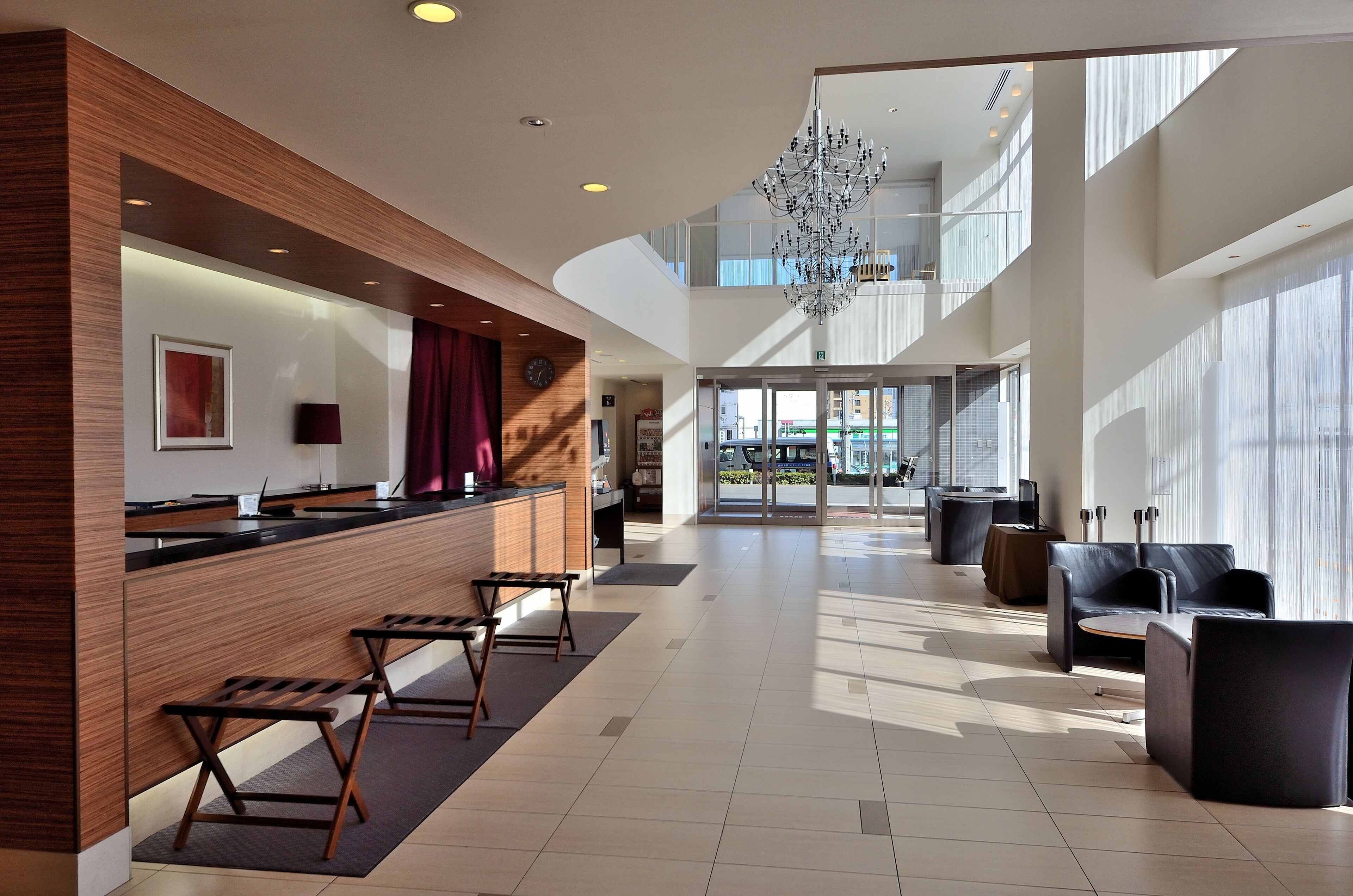
To truly absorb the spirit of the north, stay within the central Hirosaki area. This allows for early morning strolls through the castle park before the crowds arrive and easy access to the 'Dotemachi' shopping district for evening culinary explorations.
Getting There
From Tokyo, take the Tohoku Shinkansen to Shin-Aomori Station (approx. 3 hours), then transfer to the JR Ou Main Line for a 35-minute ride to Hirosaki Station. From the station, the Dotemachi Loop Bus runs every 10 minutes and drops you at the castle gates.
FAQ
Inspired?
Share this destiny with someone special.