Welcome to Hiraizumi
Stepping into Hiraizumi is akin to walking through a physical manifestation of a Buddhist utopia. Once the seat of the powerful Oshu-Fujiwara clan, this UNESCO World Heritage site was designed to represent the 'Pure Land'—a realm of peace and spiritual enlightenment. As you wander through groves of towering 800-year-old cedars, the air carries a crisp, sacred stillness broken only by the distant chime of temple bells. From the shimmering gold leaf of the Konjikido to the reflective tranquility of Heian-period gardens, Hiraizumi offers a profound sensory journey. It is a place where history isn't just remembered; it is felt in the cool touch of ancient stone and the ethereal glow of autumn maples.
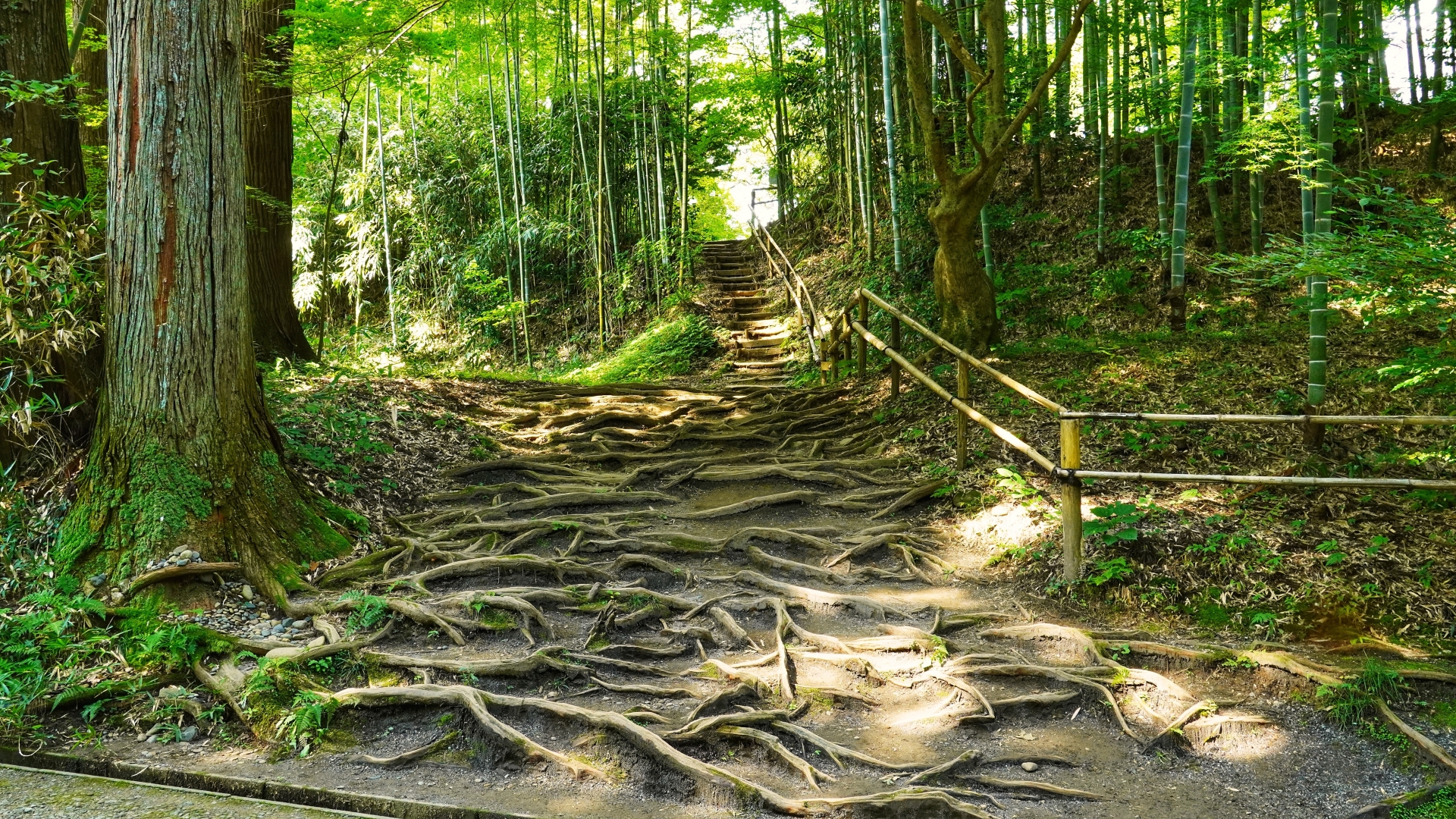
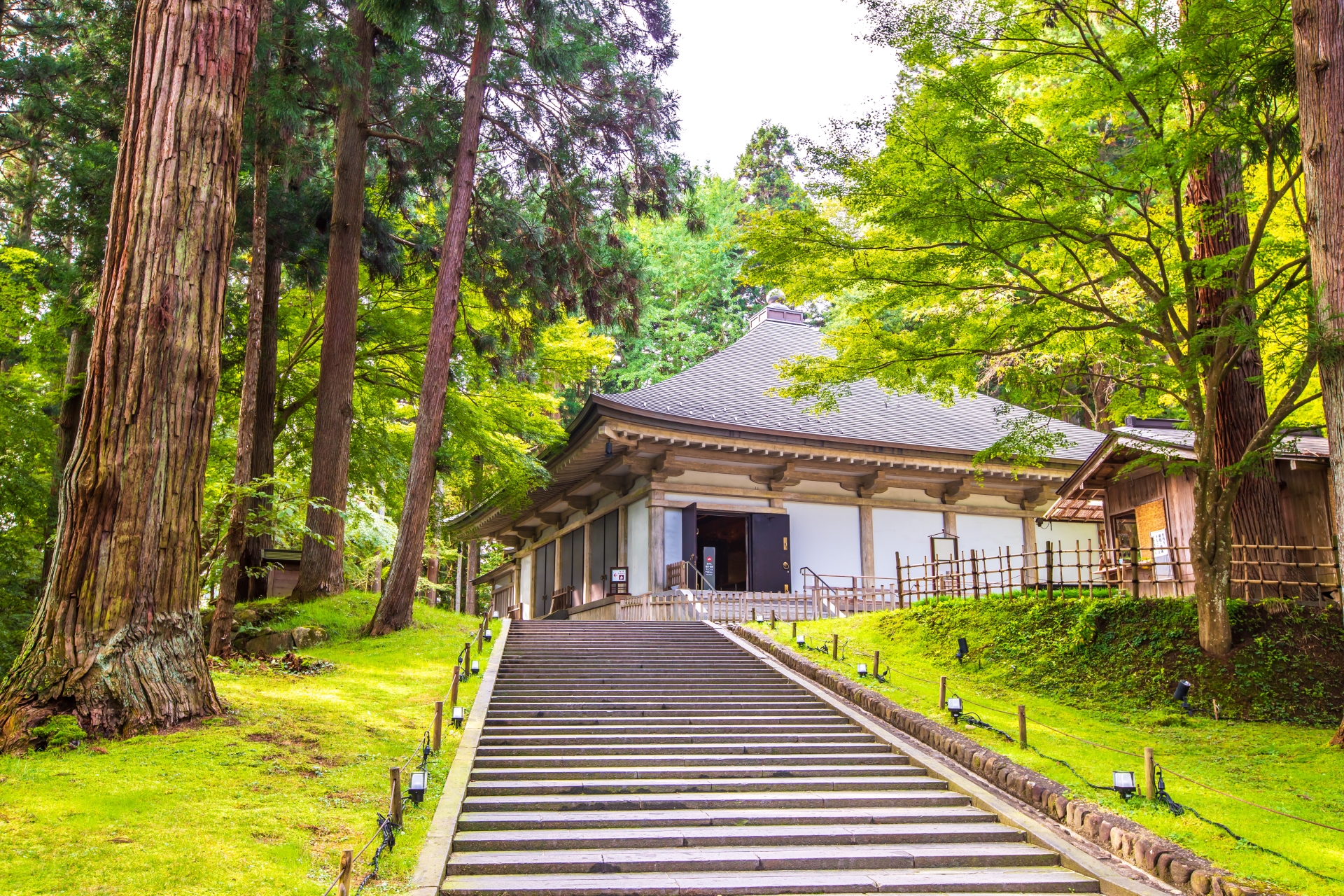
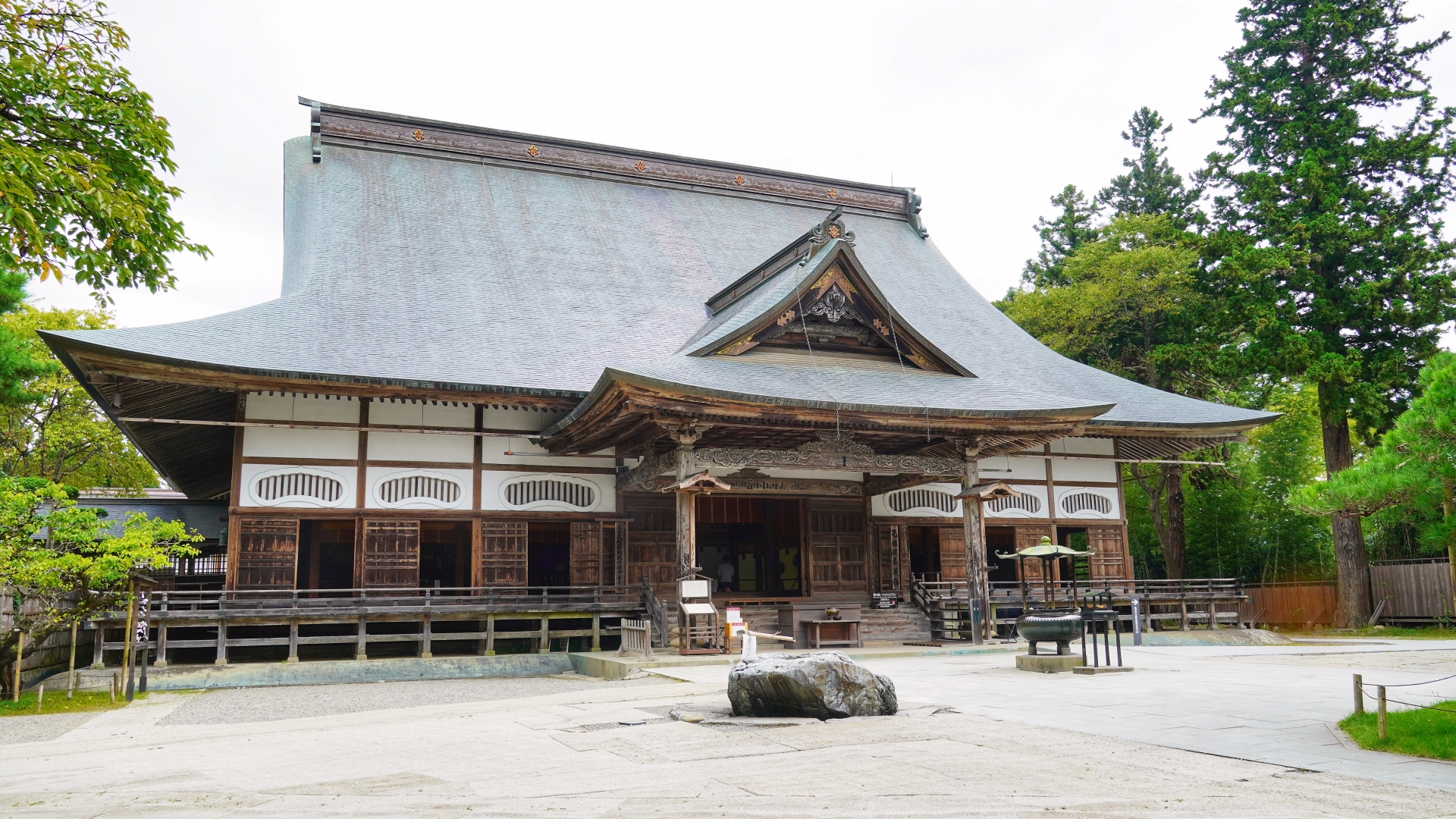
Chuson-ji Temple & Konjikido
The crown jewel of Tohoku, Chuson-ji houses the breathtaking Konjikido, a funerary hall completely covered in shimmering gold leaf and intricate mother-of-pearl inlay. As you enter the climate-controlled vault, the radiance of the golden Amida Nyorai statues strikes with a celestial intensity. The surrounding grounds, draped in ancient evergreens, offer a meditative walk through centuries of samurai devotion and artistic mastery. It is a rare, tactile connection to the 12th-century 'Golden Culture' that once rivaled Kyoto in its opulence and spiritual depth.
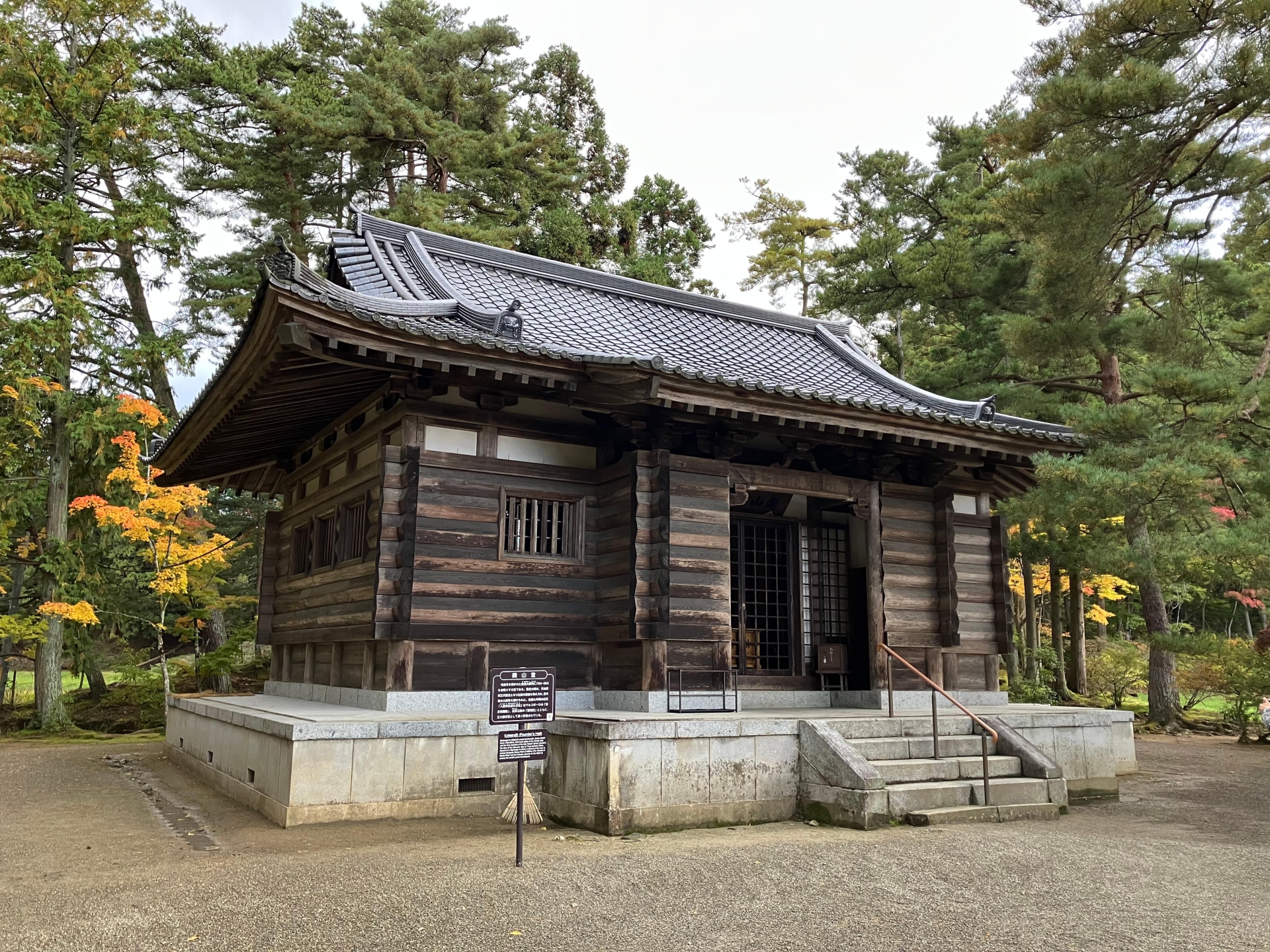
Motsu-ji Garden
Motsu-ji is home to one of Japan’s most complete 'Pure Land' gardens. The Oizumi-ga-ike pond, with its rugged rock formations and pebble beaches, was designed to mirror the Buddhist vision of paradise. Walking the perimeter, the scent of damp earth and pine needles fills the senses, while the water’s surface perfectly captures the changing seasons—from the delicate pink of spring cherries to the fiery oranges of November. It is a masterpiece of landscape architecture that invites quiet contemplation and a deep sense of cosmic order.
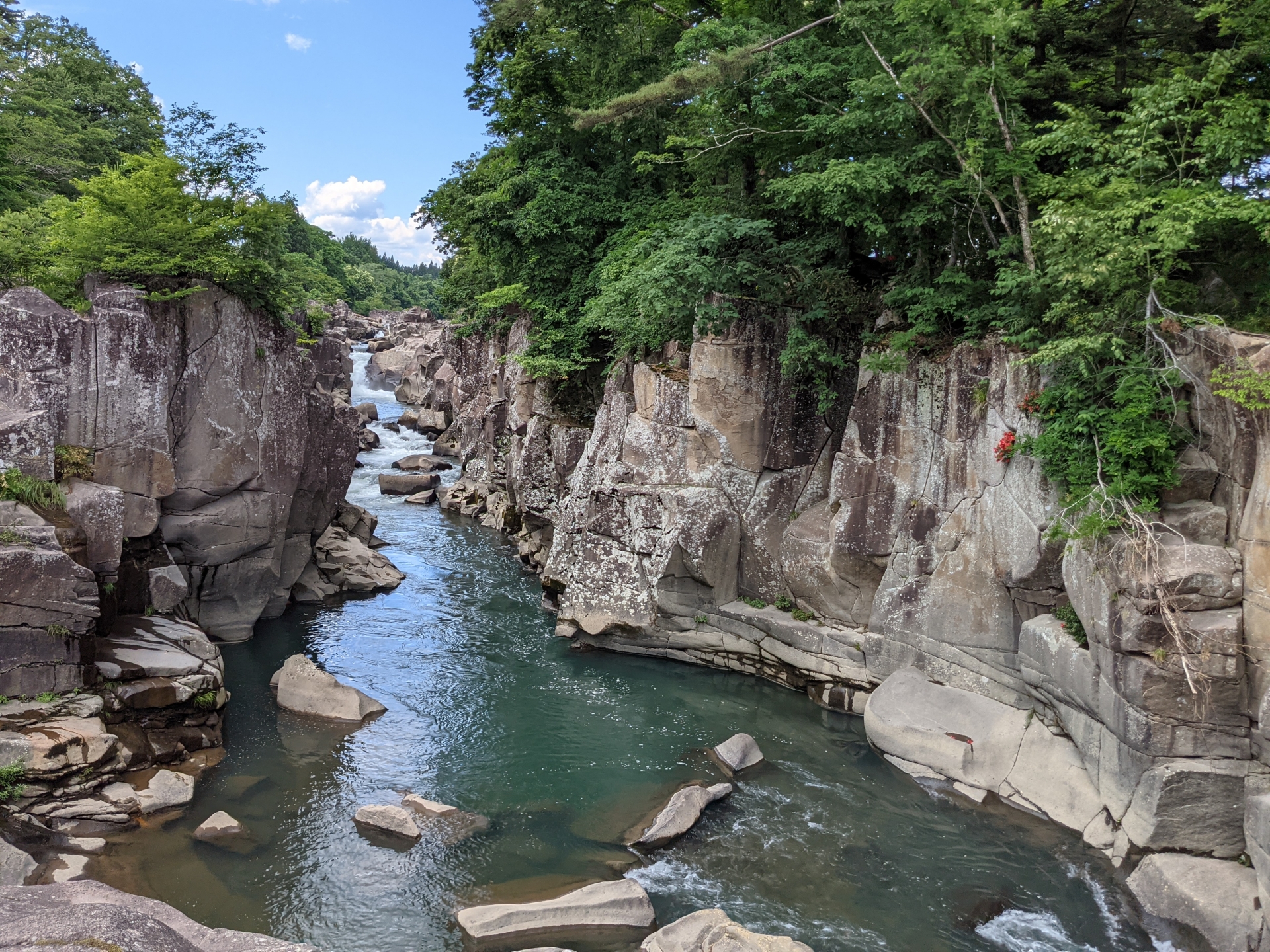
Geibikei Gorge
Just a short journey from central Hiraizumi, Geibikei Gorge offers a transformative river experience. Unlike motorized tours, traditional boatmen use long poles to navigate the Satetsu River through 100-meter-high limestone cliffs. The sound of the water lapping against the wooden hull is accompanied by the hauntingly beautiful 'Geibi Oike' folk song performed by your guide. The cool spray of the river and the dramatic karst topography create an immersive, cinematic atmosphere that feels entirely removed from the modern world.
Local Soul Food
Tastes you can't find anywhere else.
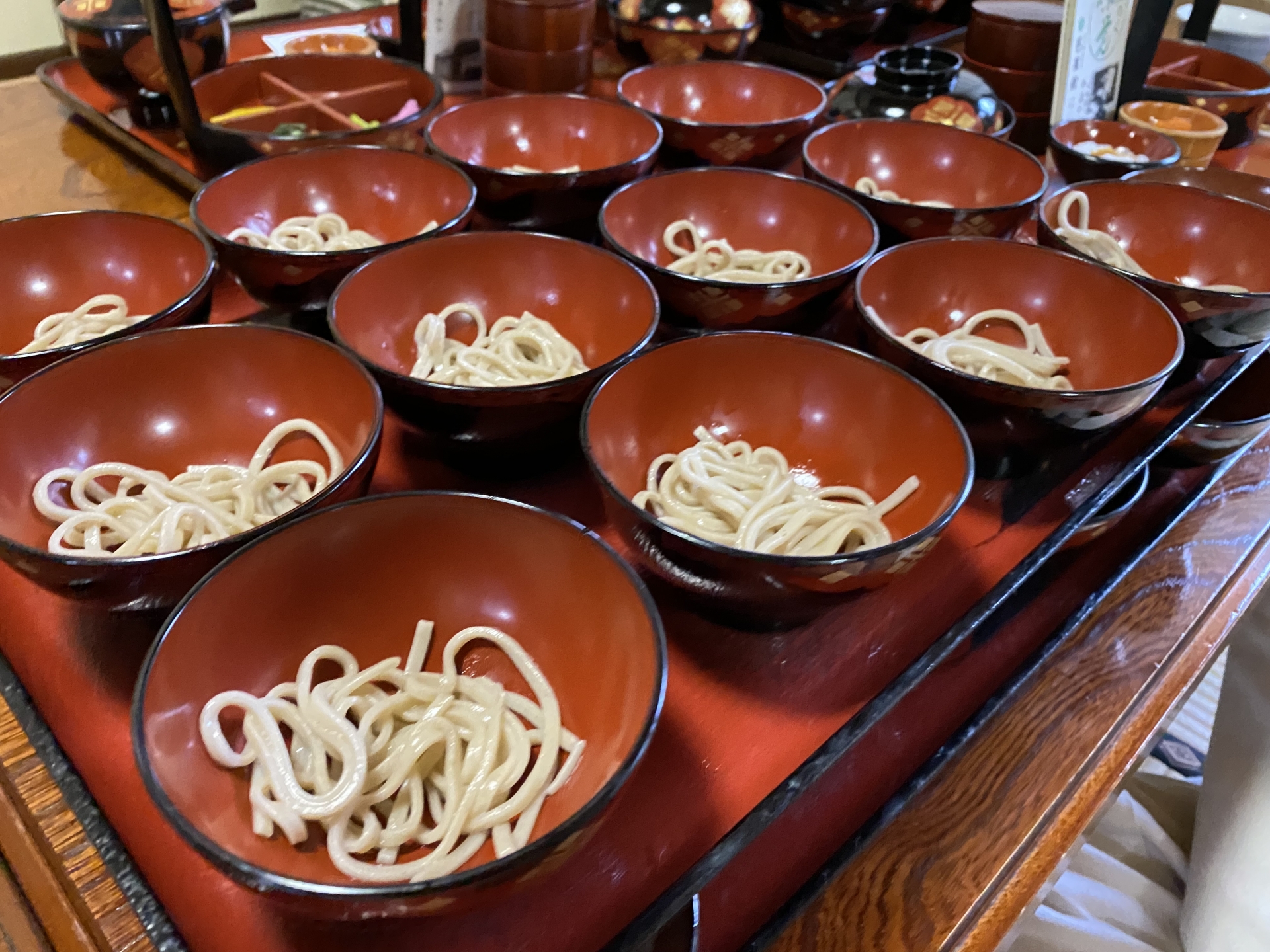
Wanko Soba
Experience the rhythmic theatre of Wanko Soba, where small bowls of delicate buckwheat noodles are served in rapid succession. The server chants 'Hai, don-don!' as they slide fresh noodles into your bowl the moment it's empty. Each bite is a slippery, savory delight, enhanced by local condiments like spicy daikon and tuna sashimi. It is a culinary challenge that transforms dining into a spirited, unforgettable performance.
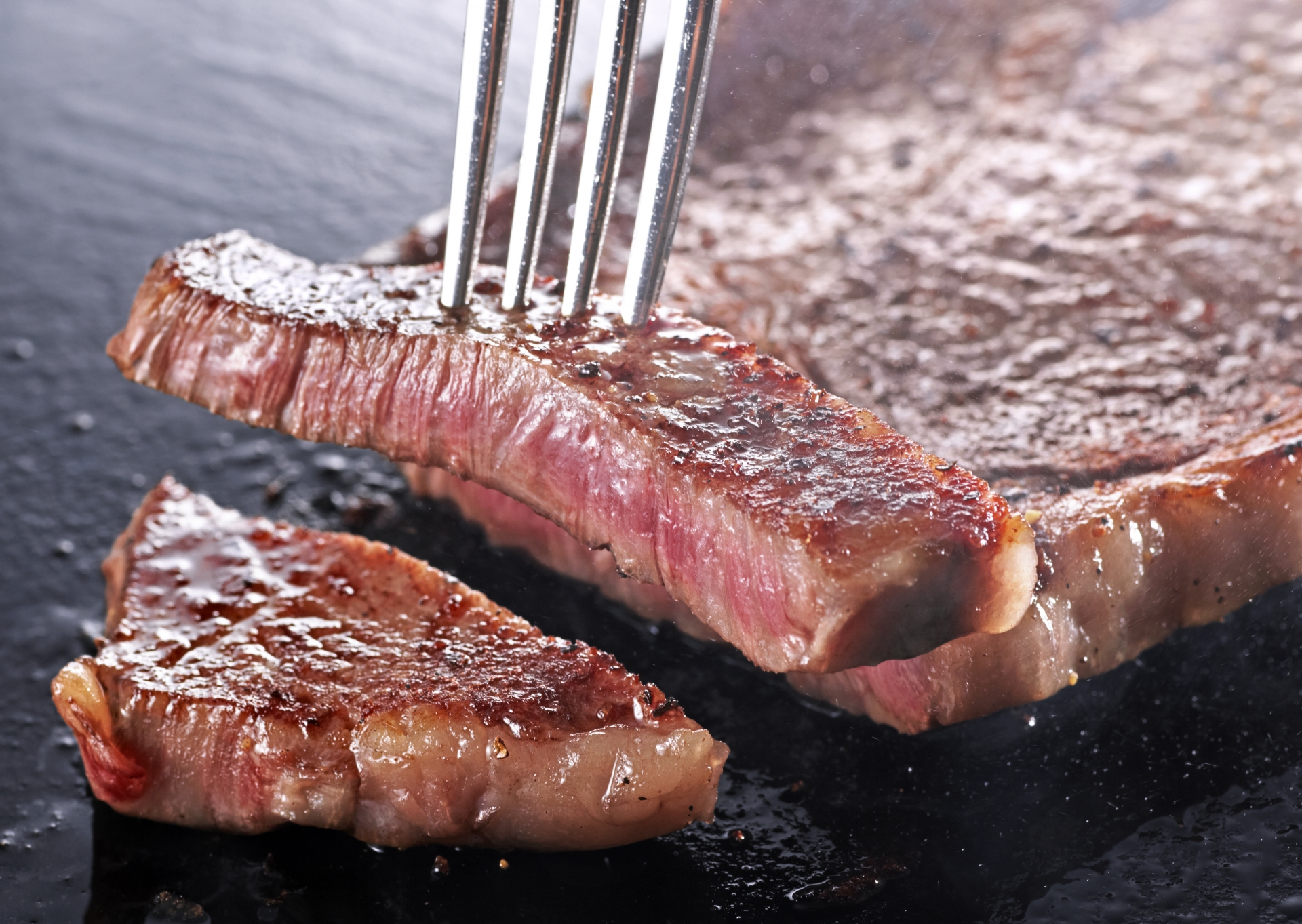
Maesawa Beef Teppanyaki
Indulge in the buttery melt of Maesawa Beef, one of Japan's most prestigious wagyu brands. The meat is characterized by its intense marbling and a low melting point that releases a sweet, nutty aroma when seared. Whether enjoyed as a steak or lightly swished in shabu-shabu, the texture is incredibly velvet-like, dissolving on the palate and leaving a rich, umami finish that defines luxury dining in Iwate.
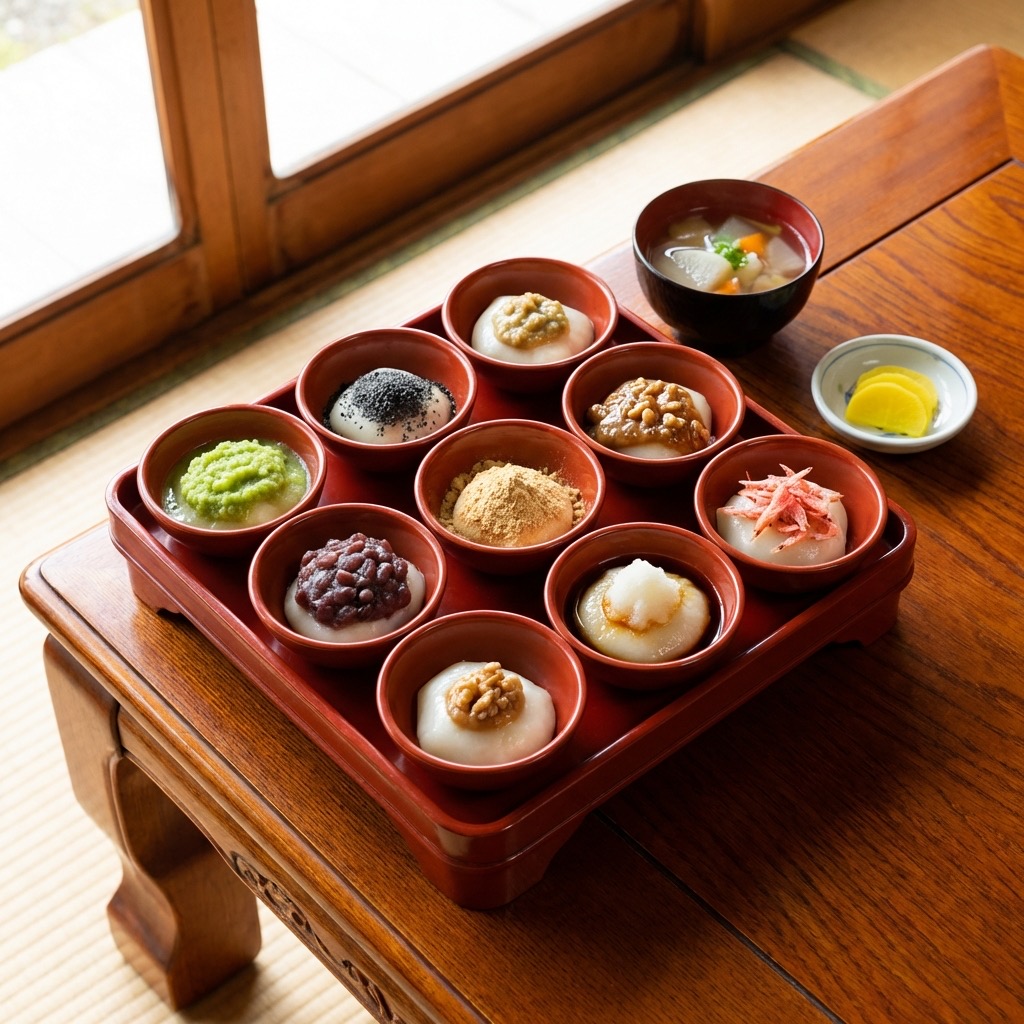
Hiraizumi Mochi Platter
Hiraizumi has a unique 'Mochi Culture' with over 300 traditional recipes. A tasting platter offers a kaleidoscope of flavors: sweet zunda (mashed edamame), savory walnut, ginger, and black sesame. Each bite is a chewy, elastic journey through the region's agricultural heritage. The subtle sweetness of the rice paired with bitter matcha creates a perfectly balanced afternoon indulgence.
Premium Stays
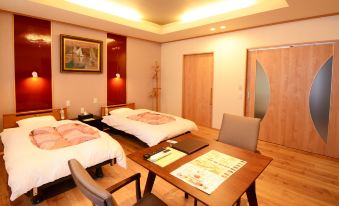
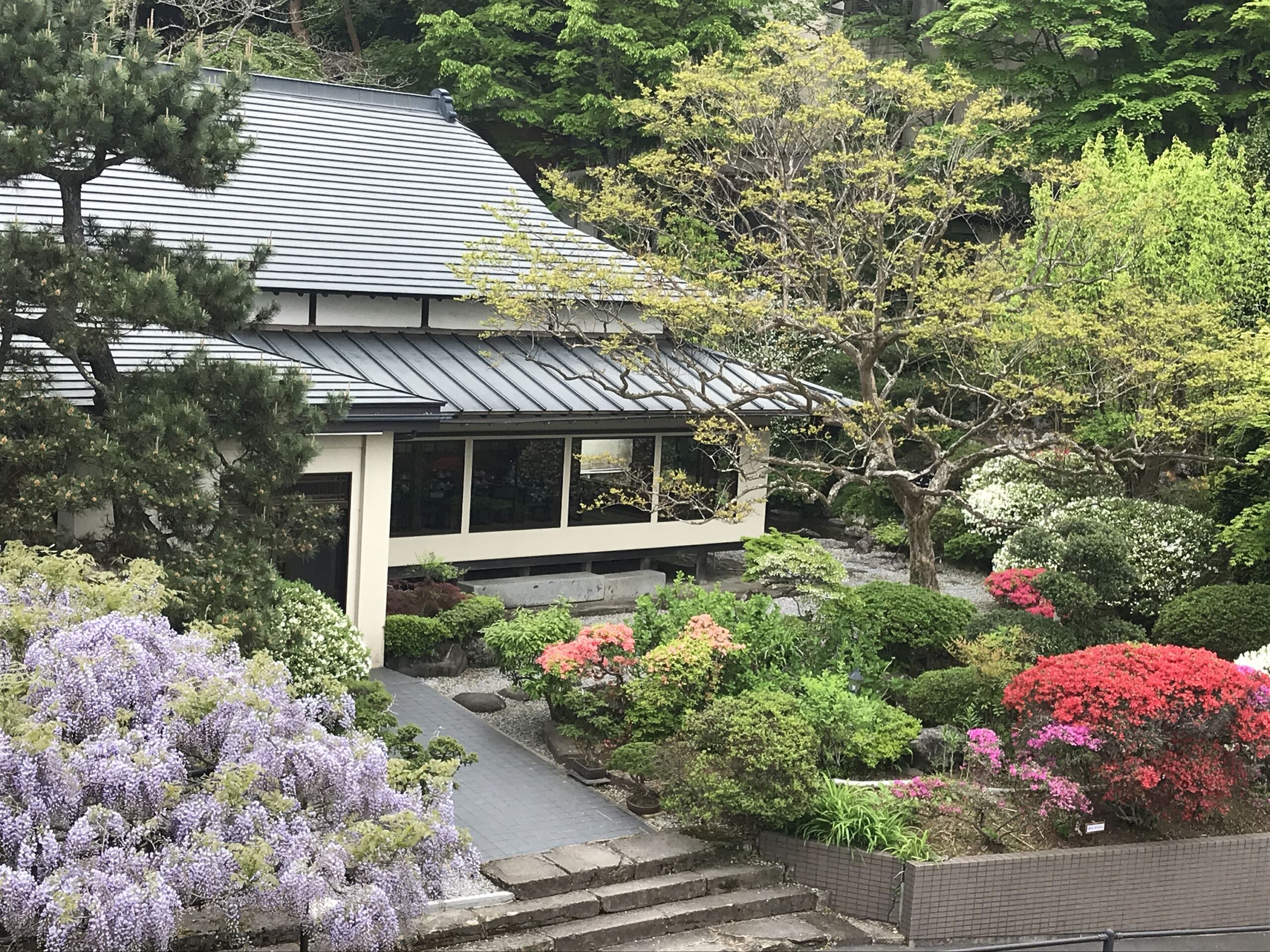
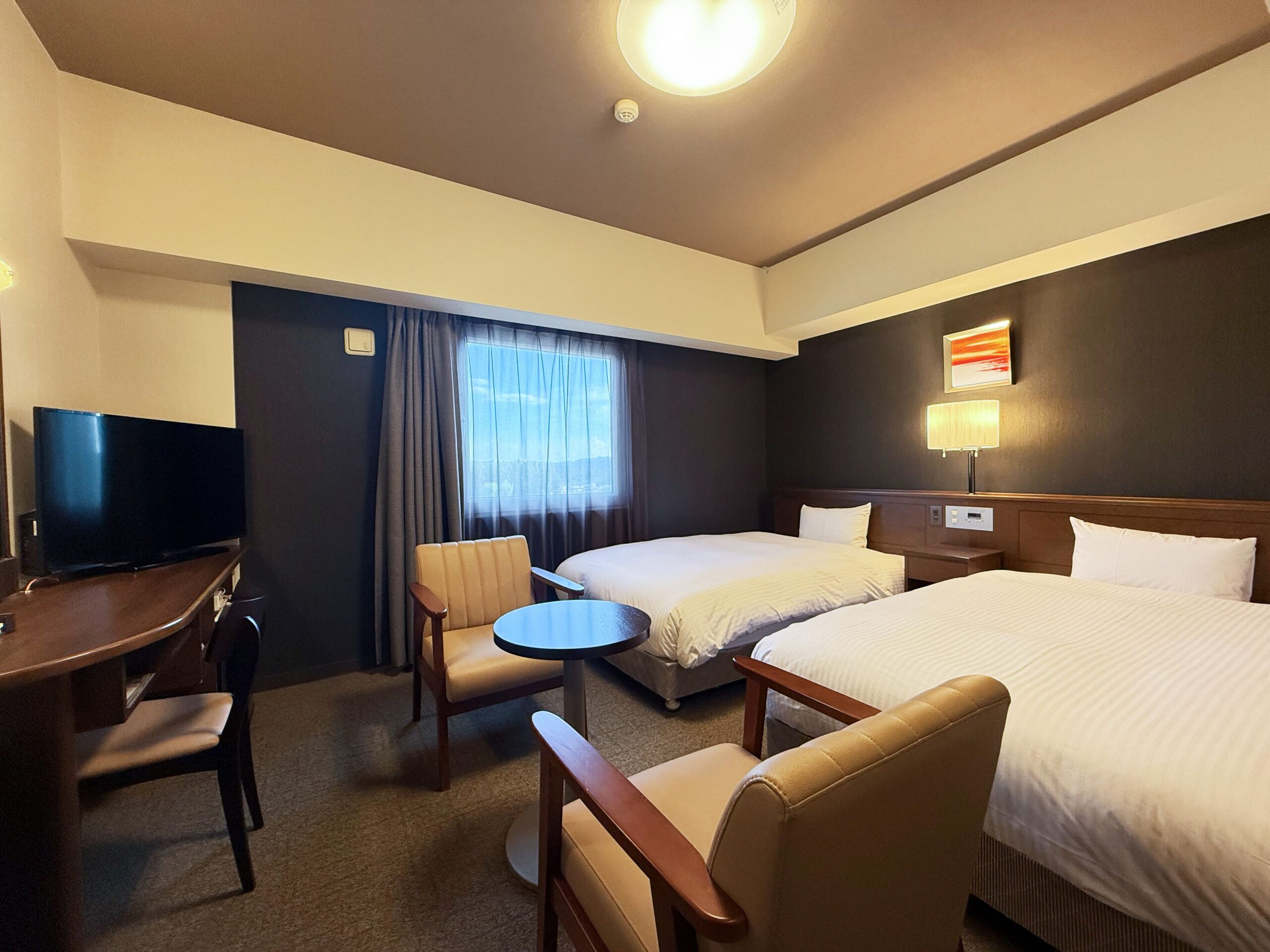
For the ultimate Hiraizumi experience, stay near the station for accessibility or retreat to the nearby hot spring ryokans for a night of traditional luxury and mineral-rich relaxation.
Getting There
Take the Tohoku Shinkansen to Ichinoseki Station (approx. 2 hours from Tokyo). From Ichinoseki, transfer to the JR Tohoku Line for a 10-minute ride to Hiraizumi Station. The 'Run Run' loop bus connects all major sites within the town.
FAQ
Inspired?
Share this destiny with someone special.