Iwate
Welcome to Hiraizumi Chusonji
Nestled within the emerald embrace of Iwate’s ancient forests, Hiraizumi Chusonji is not merely a temple; it is a manifestation of the Buddhist 'Pure Land' on earth. As you ascend the cedar-lined paths, the air grows thick with the scent of pine resin and centuries of prayer. The centerpiece, the Konjikido, glows with a celestial radiance that defies time, wrapped in gold leaf and intricate mother-of-pearl. This is a sanctuary for the soul, where the turbulent history of the Northern Fujiwara clan dissolves into a profound, meditative silence. To visit Hiraizumi is to step into a living mandala, a place where architectural grace and natural splendor converge to offer a glimpse of paradise.
Konjikido (The Golden Hall)
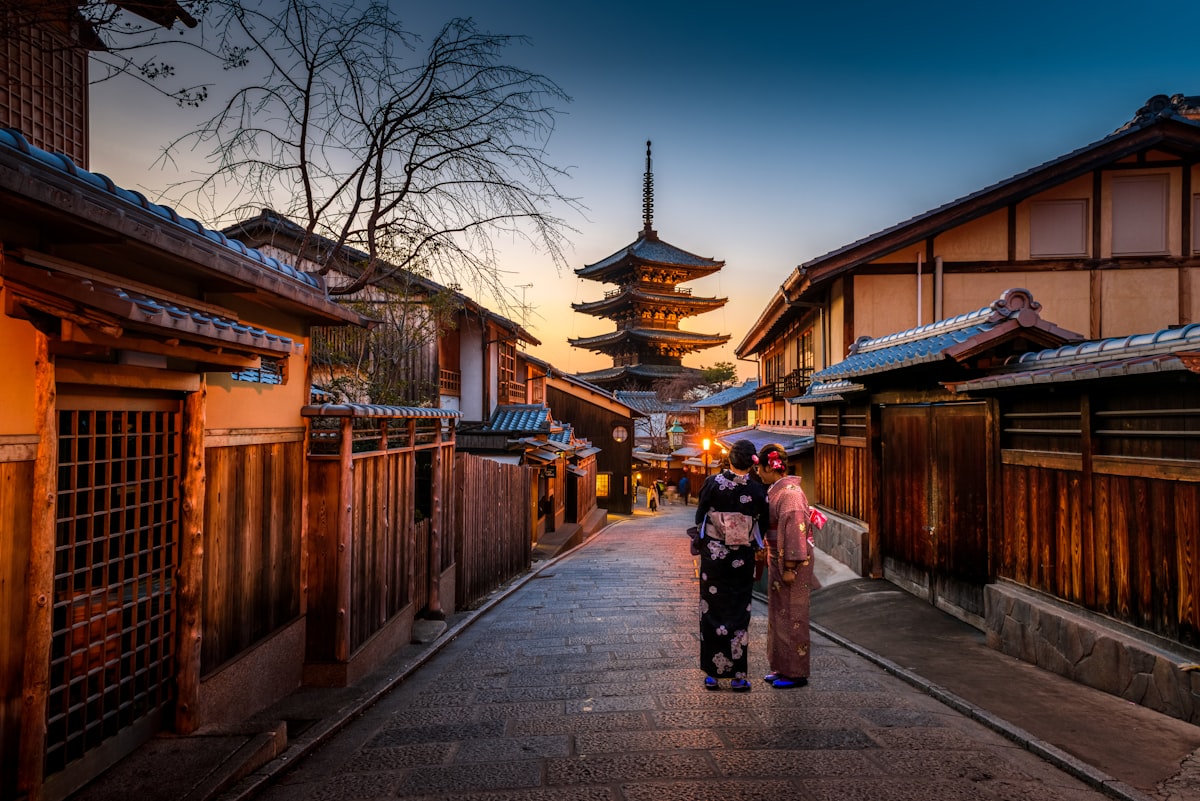
The ultimate expression of 12th-century opulence, the Konjikido is entirely encased in gold leaf, both inside and out. As you step into the climate-controlled sanctuary, the visual impact is visceral—a shimmering vision of the Pure Land. The pillars are inlaid with shimmering Raden (mother-of-pearl) and intricate gold lacquer, housing the mummified remains of the Fujiwara lords. It is a hauntingly beautiful testament to a lost golden age, radiating a spiritual energy that resonates through the heavy, silent air.
Tsukizaka Slope (Moonlight Slope)
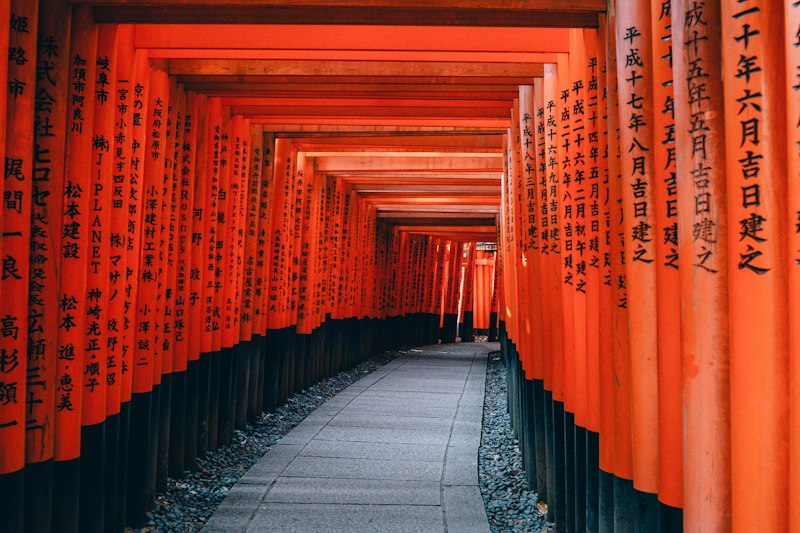
The 800-meter approach to the main complex is a pilgrimage in itself. Flanked by massive Cryptomeria (cedar) trees planted during the Edo period, the slope offers a rhythmic journey upward. The sound of your footsteps on the gravel, the cool dampness of the forest floor, and the occasional glimpse of the Kitakami River below create a sensory transition from the secular to the sacred. It is a place to breathe deeply and prepare your mind for the spiritual treasures that await at the summit.
Motsu-ji Pure Land Garden
Located just a short distance from Chusonji, Motsu-ji features one of the few remaining 'Pure Land' gardens in Japan. The Oizumi ga Ike pond, with its rugged stone coastlines and graceful white sand beaches, was designed to represent the Buddhist paradise. Standing by the water’s edge, watching the ripples catch the light, one feels a profound sense of equilibrium. The architectural ruins scattered across the grounds serve as a poignant reminder of the transience of power and the permanence of beauty.
Local Soul Food
Tastes you can't find anywhere else.
Wanko Soba
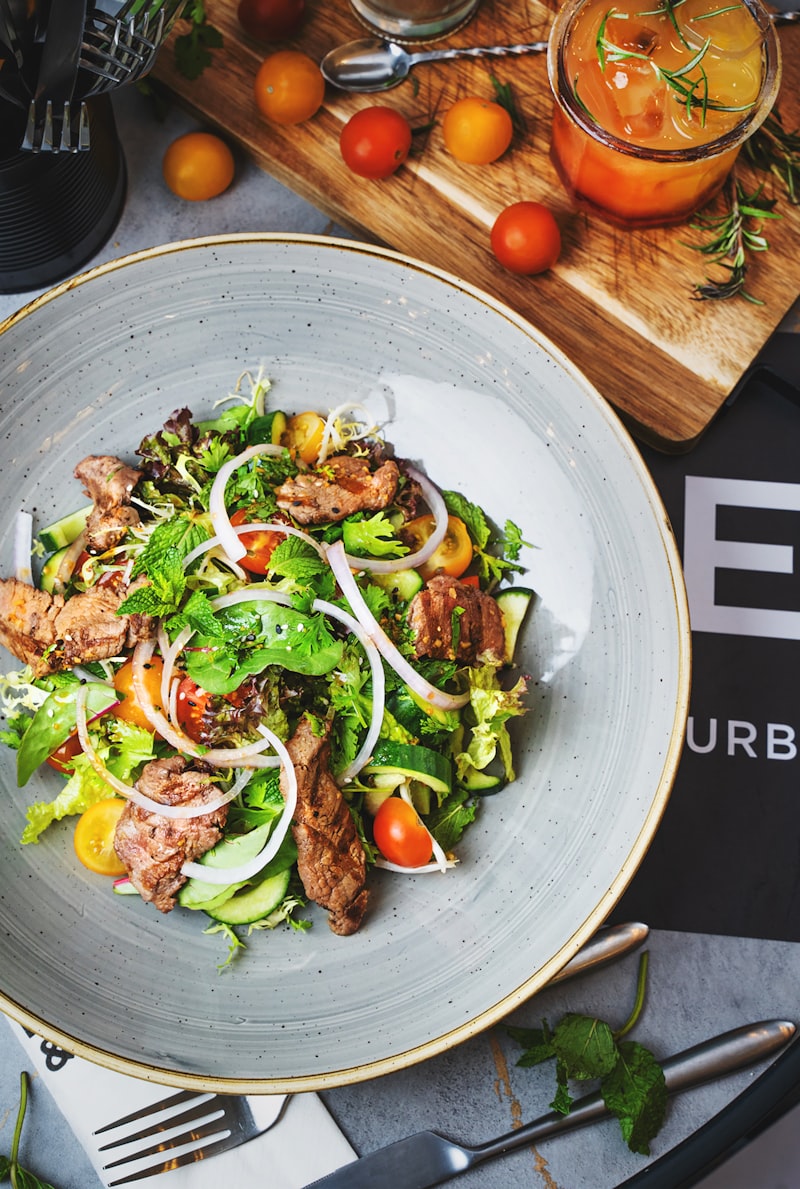
Experience the rhythmic theatre of Iwate’s most famous culinary tradition. Small bowls of silky, buckwheat noodles are served in rapid succession to the chant of 'Hai, dokkoi!'. The savory dashi broth and varied toppings—from spicy daikon to local mushrooms—create a frantic yet delicious dance of flavors that challenges your appetite and warms your spirit.
Maesawa Beef Teppanyaki
Indulge in the buttery melt of premium Maesawa Beef, Iwate's answer to Kobe. The high degree of marbling ensures a texture that dissolves on the tongue, releasing a rich, nutty umami. Seared over high heat to create a delicate crust while remaining rare inside, it is often served simply with local sea salt or freshly grated wasabi.
Hiraizumi Mochi Platter
A sophisticated array of freshly pounded rice cakes, each adorned with unique local flavors. From the earthy sweetness of walnut paste to the savory-sweet notes of ginger and soy, these chewy morsels offer a textural journey. It is a traditional celebratory dish that reflects the agricultural abundance of the Hiraizumi region.
Premium Stays
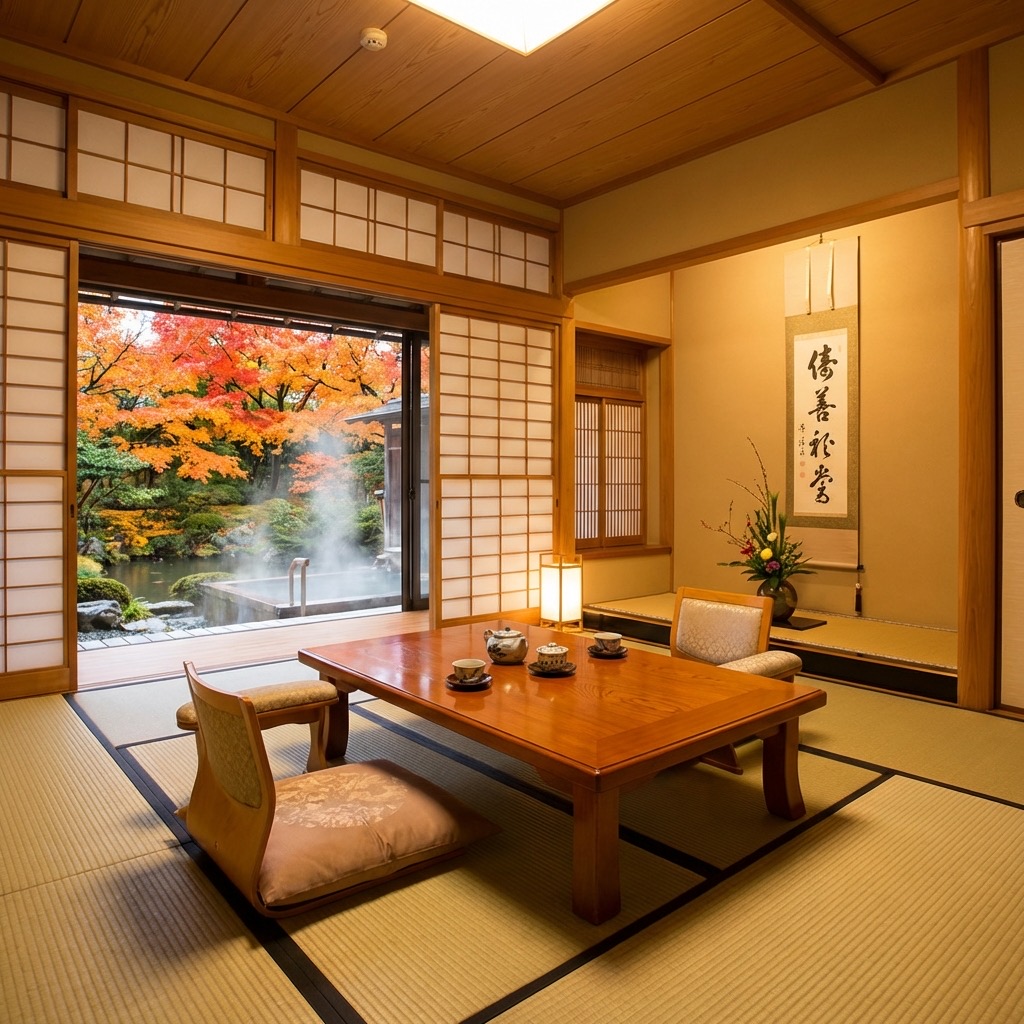
For the ultimate immersion, stay within Hiraizumi to experience the morning mist over the temples. Alternatively, Ichinoseki provides modern convenience for Shinkansen travelers.
Getting There
Take the JR Tohoku Shinkansen to Ichinoseki Station. From there, transfer to the local JR Tohoku Line for a 9-minute ride to Hiraizumi Station. The 'Run Run' loop bus connects the station to Chusonji every 15-30 minutes.
FAQ
Inspired?
Share this destiny with someone special.